

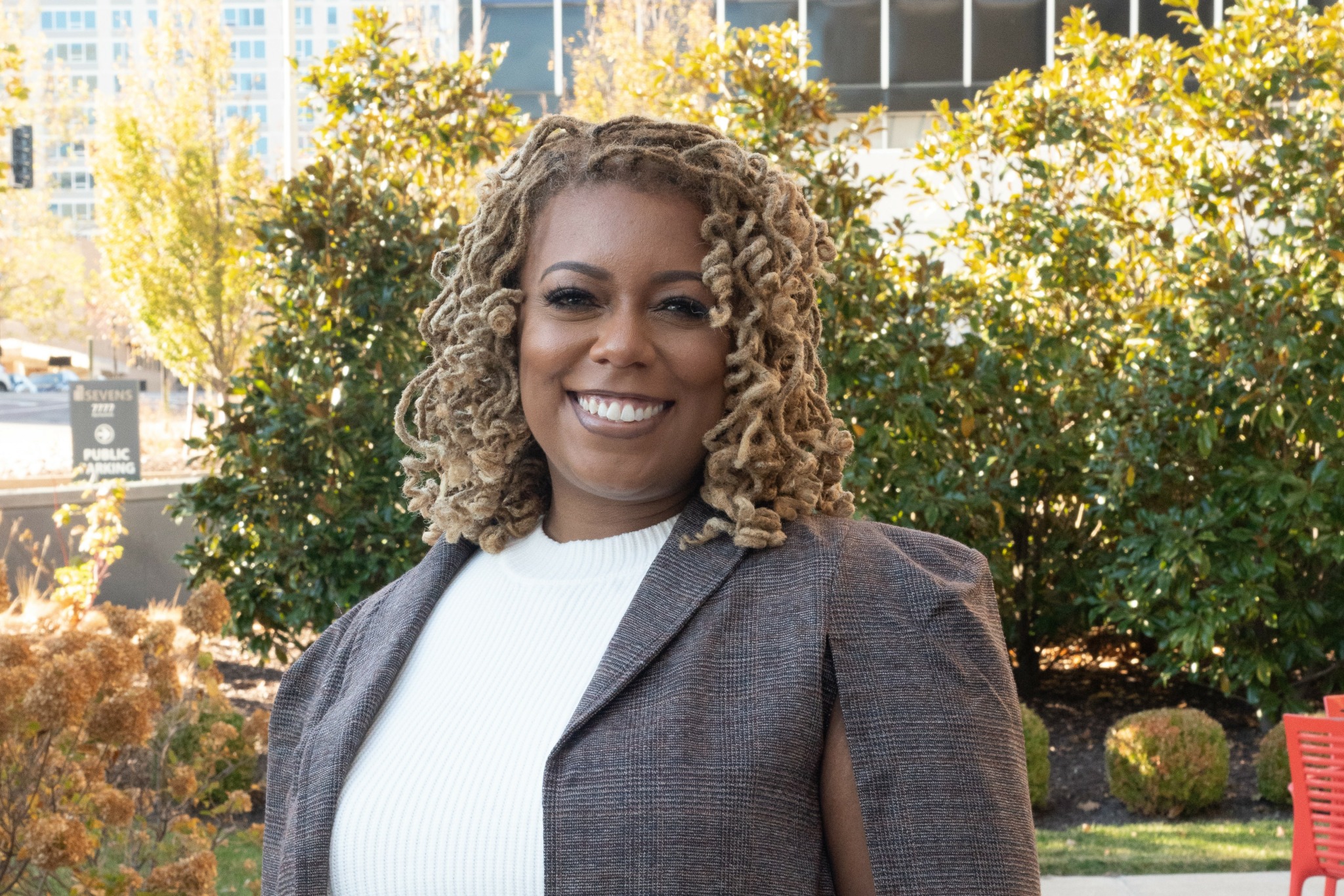

We caught up with the brilliant and insightful Tiffany Walehwa a few weeks ago and have shared our conversation below.
Tiffany , appreciate you joining us today. Was there a moment in your career that meaningfully altered your trajectory? If so, we’d love to hear the backstory.
Yes — the defining moment in my career was realizing that being a good therapist wasn’t enough if the people who needed care most couldn’t access it.
Early on in my work, I kept meeting clients who were doing everything they could to survive — navigating trauma, identity-based stress, family systems, and the day-to-day weight of being “the strong one.” Many were Black, LGBTQIA+, or both. And even when someone was ready for support, the barriers were loud: cost, long waitlists, lack of culturally responsive providers, transportation, fear of being misunderstood, and the exhaustion of having to explain your life to someone who didn’t get it.
I remember sitting with the same pattern over and over: people weren’t failing treatment — the system was failing them.
That realization landed in my body like a call to action. I couldn’t unsee it.
How it changed my trajectory
Instead of only focusing on clinical work, I started building around the work.
I moved toward community-based, trauma-informed care — not as a buzzword, but as a commitment to create spaces where people feel emotionally safe, respected, and empowered.
That shift is what eventually led me to:
• Expand beyond one-on-one therapy into leadership, supervision, and training
• Create and grow Felicity Counseling as a practice rooted in accessibility and affirming care
• Build Reaching Beyond Resilience to reduce barriers through education and community initiatives
• Develop wellness resources and tools that people can use outside the therapy room
It changed the way I define “impact.” I still love the therapy room — but I also see the importance of building systems, teams, and resources that make healing more reachable.
Lessons and wisdom I carry forward
If I could pull a few lessons from that moment, they’d be these:
• Pay attention to what keeps repeating. Patterns are information.
• Let your values lead your decisions. Skills matter, but values shape your legacy.
• Access is part of ethics. If care is only available to a few, we have more work to do.
• You don’t have to choose between depth and reach. You can do meaningful clinical work and build something that serves more people. That moment didn’t just change what I do — it changed why I do it. It clarified that my work is about helping people heal and helping remove the barriers that keep healing out of reach.
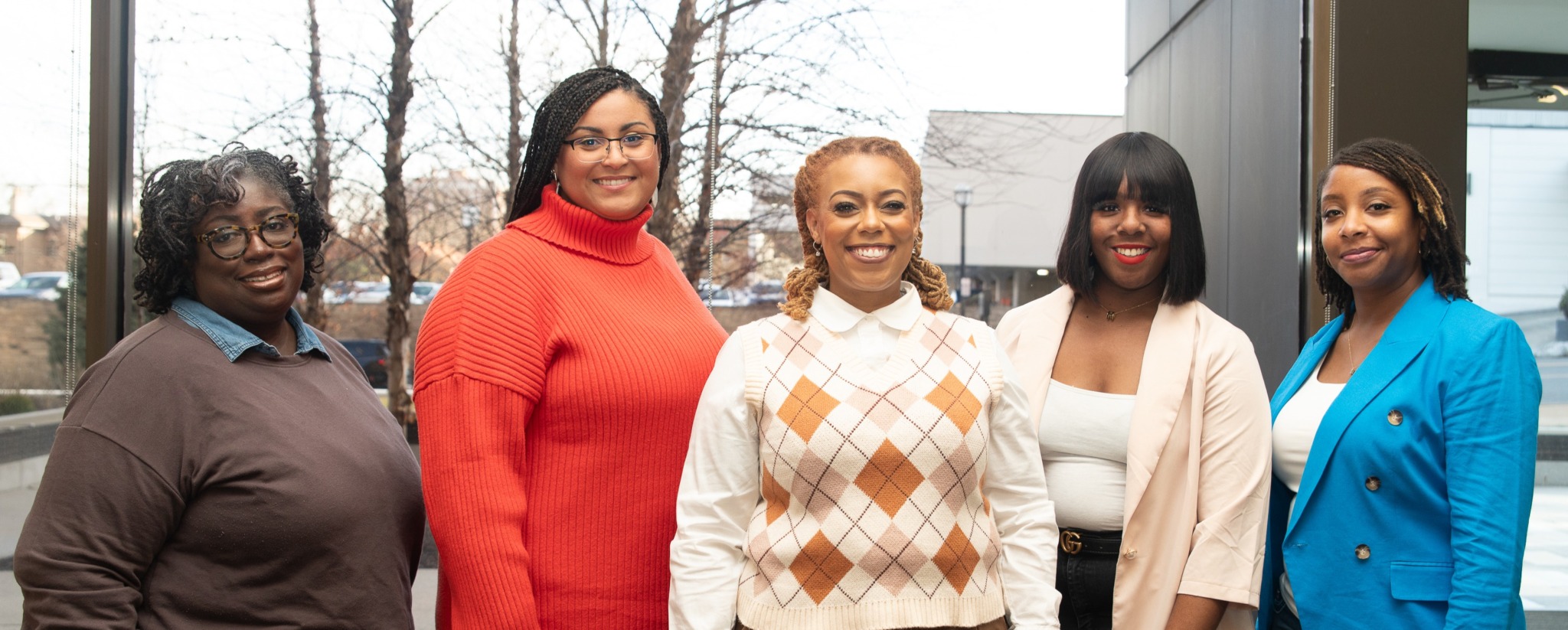
Tiffany , before we move on to more of these sorts of questions, can you take some time to bring our readers up to speed on you and what you do?
About me
I’m Tiffany Walehwa, a Licensed Professional Counselor (LPC) and the founder of Felicity Counseling. At my core, I’m a trauma-informed, culturally responsive therapist and community builder. My work is rooted in the belief that healing is not just an individual journey — it’s also something we make more possible through access, safety, and support.
How I got into this work
I was drawn to the mental health field because I kept seeing how many people were carrying heavy stories in silence — especially people who have been expected to be “strong,” to keep going, and to figure it out alone. Over time, I became especially passionate about supporting trauma survivors, LGBTQIA+ individuals, and underserved communities navigating generational stress, identity-based harm, and systems that too often overlook their needs.
As I grew in the field, it became clear that therapy is powerful — and it’s even more powerful when it’s paired with education, community resources, and a practice model that reduces barriers instead of adding to them. That’s what shaped the way I work today.
What I provide (services and offerings)
My work spans a few connected branches:
• Therapy services (virtual and in-person)
• Individual therapy, couples therapy, family therapy, and group work
• Trauma-informed, LGBTQIA+ affirming, person-centered care
• Modalities and frameworks I draw from include ACT, CBT, DBT, ARC, DDP, NMT, and other evidence-based approaches
• I work with children (8+), adolescents, adults, couples, and families
• Clinical supervision and training
• I supervise interns and counselors-in-training (CITs)
• I provide training and education to students and professionals who want to practice in a more trauma-informed, culturally responsive way
• Community and access initiatives
• Through Reaching Beyond Resilience (RBR), I support efforts that reduce barriers to mental health care and education — especially for LGBTQIA+ individuals and trauma survivors
• Wellness resources and affirmation-based products
• Through Keys to Felicity, I create wellness tools and affirmation-centered merchandise (like workbooks, journals, and apparel) designed to support healing outside the therapy room
What problems I help people solve
Clients often come to me when they’re:
• Feeling stuck in survival mode (anxiety, depression, burnout, emotional overwhelm)
• Healing from trauma or navigating triggers that impact relationships, parenting, or self-worth
• Working through identity-based stress (including LGBTQIA+ experiences, racial stress, and cultural expectations)
• Trying to break generational cycles and build healthier patterns
• Wanting practical tools for emotional regulation, boundaries, and nervous system support
My goal is to help you feel more grounded, more resourced, and more connected to yourself — not by “fixing” you, but by helping you understand what your mind and body have been carrying, and what healing can look like in real life.
What sets my work apart
A few things that I believe make Felicity Counseling different:
• Trauma-informed isn’t a tagline here — it’s a practice. I care deeply about emotional safety, consent, collaboration, and choice.
• Cultural responsiveness is central. I don’t ask clients to shrink themselves to fit the room. I work to create a room where you can be fully seen.
• I balance compassion with practical tools. We make space for your story and we build skills you can actually use between sessions.
• I think beyond the therapy hour. I’m committed to access — through reduced-rate options via interns/CITs, community initiatives, and resources that support healing outside of weekly appointments.
What I’m most proud of
I’m proud that I’ve built a practice that holds both clinical excellence and community care. I’m proud of the clients who’ve found their voice, their boundaries, and their joy again. I’m proud of the clinicians-in-training I’ve supervised — and the ripple effect that happens when more providers learn to practice with integrity, humility, and cultural awareness.
And I’m proud that my brand is rooted in a clear message: healing is possible, and you deserve support that honors your whole identity.
What I want potential clients, followers, and partners to know
If you’re considering working with me or connecting with Felicity Counseling, here’s what I want you to know:
• You don’t have to earn support by being “bad enough.” You’re allowed to get help now.
• You can be high-functioning and still hurting — and both can be true.
• You deserve care that is affirming, trauma-informed, and culturally aware.
• My work is about more than symptom relief — it’s about helping you build a life that feels aligned, grounded, and sustainable.
If any of this resonates, you’re welcome here.
Putting training and knowledge aside, what else do you think really matters in terms of succeeding in your field?
Other than training and knowledge, I think the most helpful thing for succeeding in this field is your ability to stay regulated and grounded while staying relational.
Therapy (and community mental health work) isn’t just about what you know—it’s about what you can hold: people’s pain, complexity, silence, resistance, and hope… without rushing, rescuing, judging, or taking it home with you.
A few pieces of that that matter a lot:
• Self-awareness + humility. Knowing your triggers, your blind spots, and how your identity and lived experience show up in the room. Being willing to keep learning and to repair when you miss something.
• Strong boundaries and sustainability. You can’t pour from an empty cup forever. Clear policies, realistic caseloads, consultation, and rest aren’t “extras”—they’re what keep you ethical and effective long-term.
• Relational skill. Clients don’t heal because you had the perfect intervention—they heal because they felt safe, seen, and respected enough to tell the truth and try something new.
• Consistency. Showing up, following through, documenting well, communicating clearly, and doing the unglamorous parts of the work builds trust with clients and with referral partners.
• Values-led decision making. Especially for practice owners: letting your mission guide your business choices (who you serve, how you price, what access looks like, how you build your team) keeps you from drifting into burnout or “hustle culture.”
If I had to summarize it in one line: your nervous system, your boundaries, and your ability to build trust will take you further than credentials alone.
We often hear about learning lessons – but just as important is unlearning lessons. Have you ever had to unlearn a lesson?
A lesson I had to unlearn was: “If I can hold it, I should.”
Meaning—if I was capable, compassionate, and trained, I felt like it was my responsibility to carry everything: the emotional weight of the work, the extra admin, the after-hours needs, the community asks, the supervision load, the “one more thing” that would help someone.
The backstory
Early in my career (and even more once I became a supervisor and practice owner), I was operating from a mix of care and conditioning: being the reliable one, being the strong one, being the person who makes it work no matter what. And in trauma-informed spaces, that can get reinforced—because there’s always real need, and the stakes feel high.
I started noticing a pattern: the more I overextended, the less present I was. I could still perform competence, but my nervous system was paying for it—fatigue, irritability, decision overload, and that quiet resentment that can build when you’re giving from depletion. And I realized something that humbled me: over-functioning doesn’t make me more ethical—it makes me less sustainable.
What I had to relearn
I had to unlearn the idea that boundaries are selfish or that rest is something you earn after you’ve done “enough.” In this work, there is no finish line—so if you don’t build limits, the work will take everything you have.
Now I try to live by a different truth:
• Capacity matters. Just because I can doesn’t mean I should.
• Boundaries are part of care. They protect the relationship and the quality of the work.
• Sustainability is a clinical skill. If I’m dysregulated, I’m not offering my best presence.
The wisdom I’d pass on
If you’re a helper, healer, or leader: your compassion is powerful—but it needs structure. You can be deeply committed and still say “not like this,” “not right now,” or “not without support.” That’s not failure. That’s longevity.
Contact Info:
- Website: https://www.felicitycounseling.com
- Instagram: https://instagram.com/felicitycounseling
- Facebook: https://facebook.com/felicitycounseling
- Linkedin: https://www.linkedin.com/in/tiffany-walehwa-ma-lpc-cctp-18a0962b/
- Other: https://tiktok.com/felicitytalk