

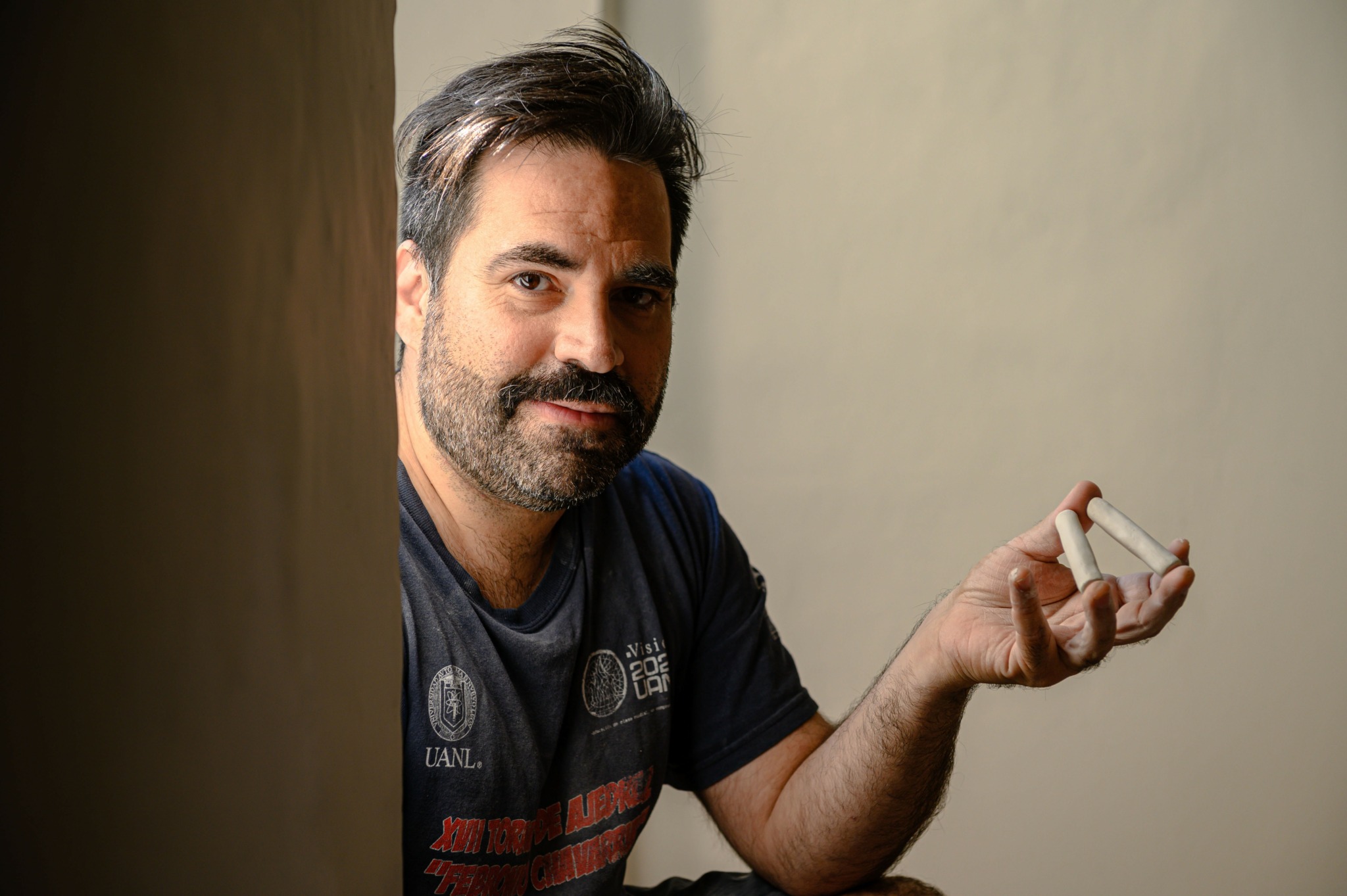

We were lucky to catch up with Bertrand Chavarría-Aldrete recently and have shared our conversation below.
Alright, Bertrand thanks for taking the time to share your stories and insights with us today. We’d love to hear about a project that you’ve worked on that’s meant a lot to you.
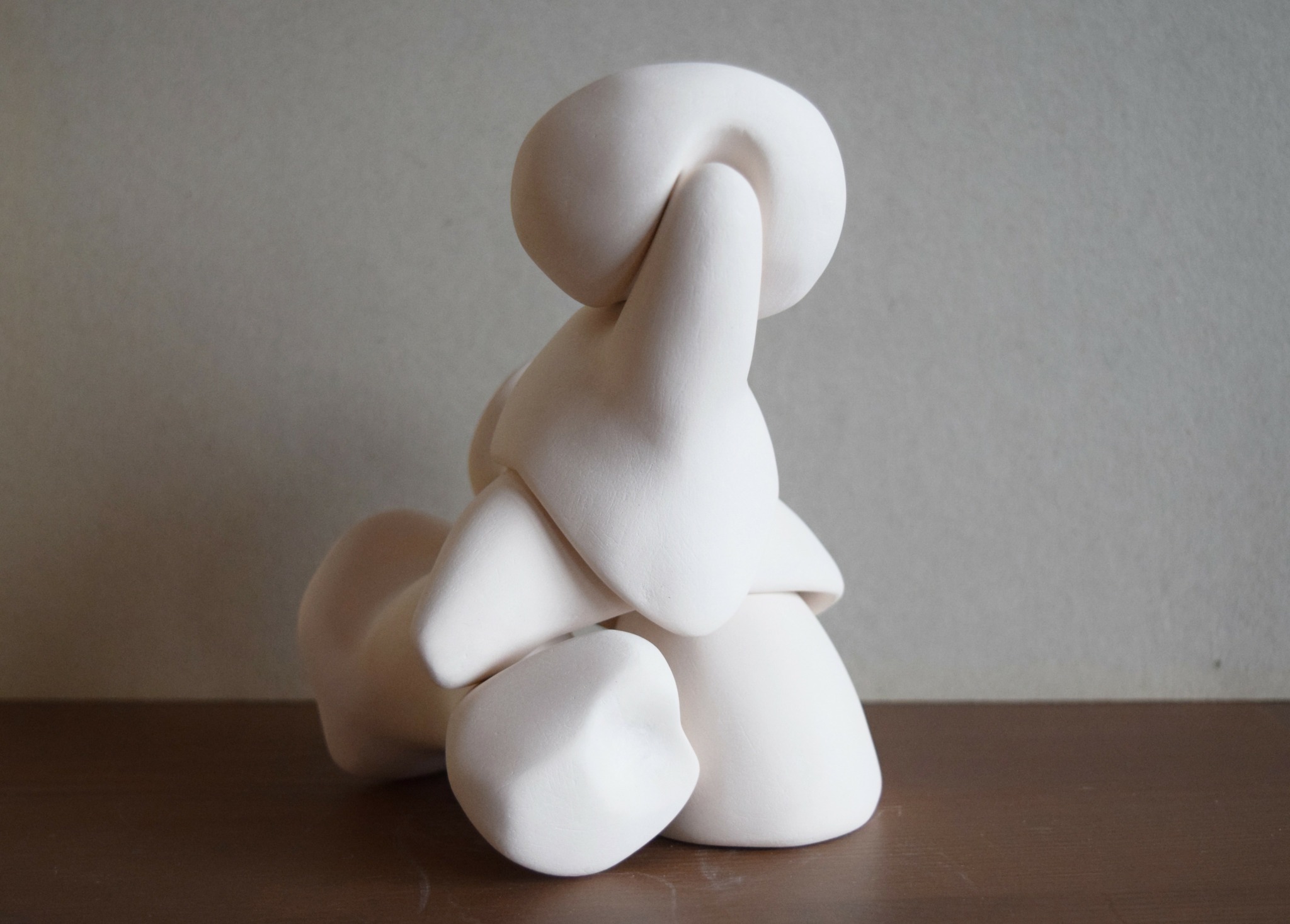
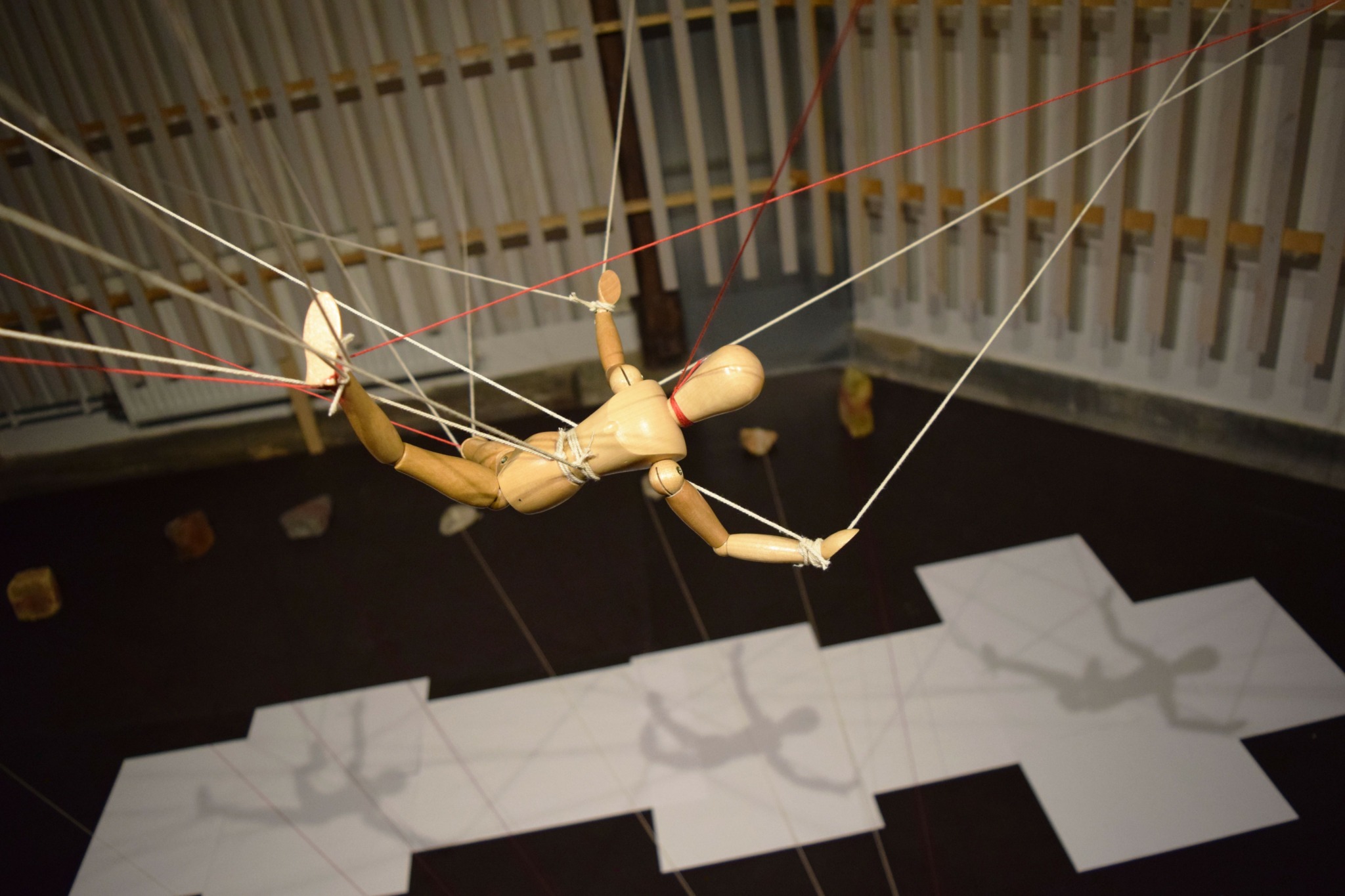
In 2015 I took a meaningful creative risk that reshaped my entire artistic trajectory. I wanted to reinvent how music could exist beyond time and be experienced spatially, like painting, sculpture, or installation art. My goal was beyond ambitious: create a shareable method for music performers that could be as intuitive as synaesthesia but far less arbitrary, expanding the limits of traditional performance and innovating the experience of music.
This research took me across four European countries, where I immersed myself in interdisciplinary artistic research, learning from diverse communities — including visual artists, people with special needs, and specialists in sensory perception. Along the way I created new musical and visual works, completed an MA in Portugal and a PhD in Sweden, and was fortunate to receive several international awards and recognitions.
The result of this decade-long exploration is Plastic Extension of Music, a pioneering practice integrating multi-sensory creativity, spatial performance, and artistic research, grounded in my doctoral work. Since 2025 it has become an official course at Lund University in Sweden, offering a transformative framework for musicians seeking to explore music performance through space, embodiment, and innovative cross-disciplinary methods.
Great, appreciate you sharing that with us. Before we ask you to share more of your insights, can you take a moment to introduce yourself and how you got to where you are today to our readers.
Some years ago I arrived late to a party. A friend cheerfully said, “Ah finally, it’s Bertrand!” to which I replied, jokingly, “The one and only!” He answered: “No — the one and many.” Funny, but strangely he was right.
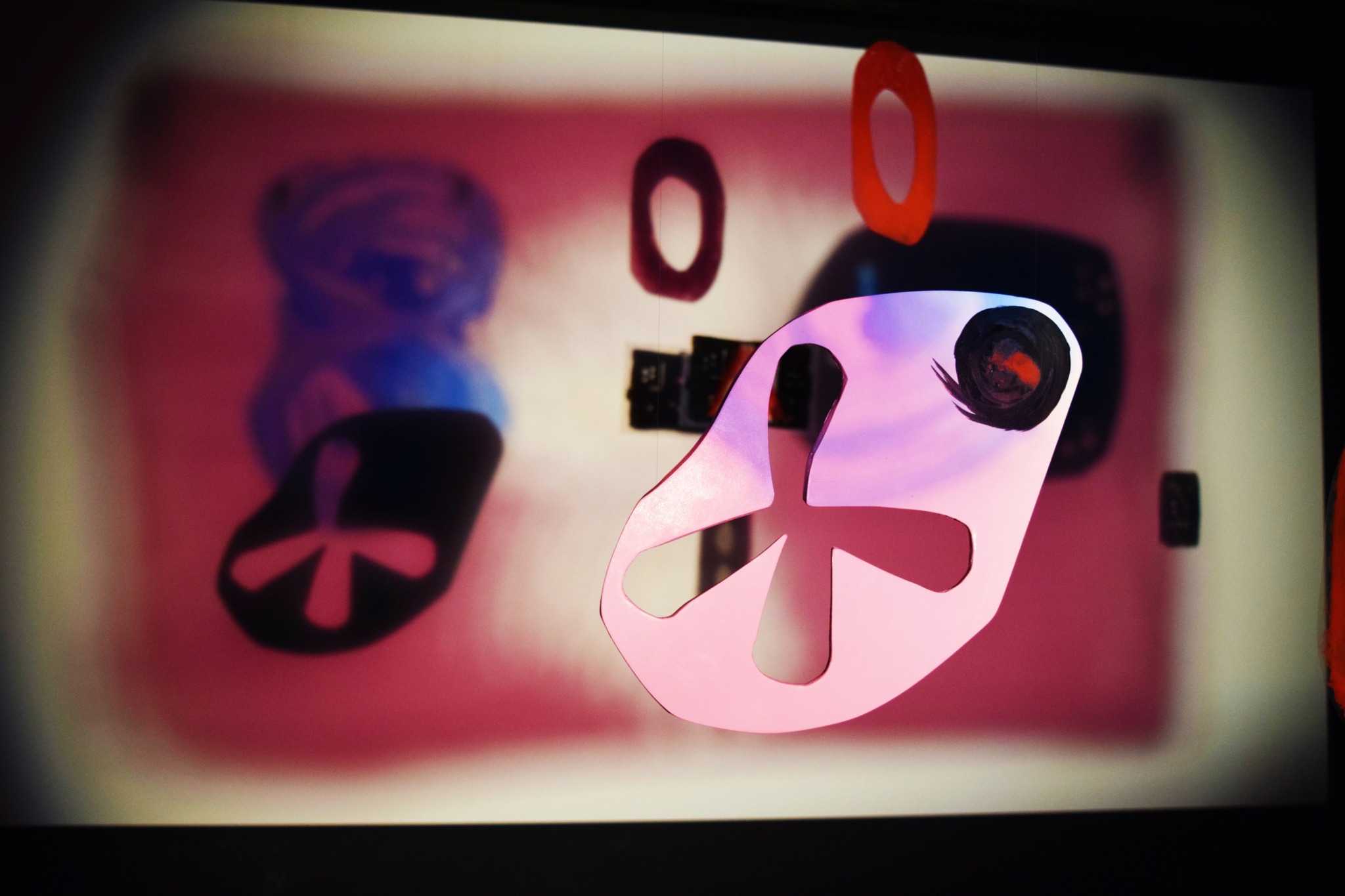
My artistic identity is fundamentally multiperspectival. I come from music, but my work naturally extends into visual art, performance, research, community engagement, and experimental practice. You might find me one day performing the Renaissance music of Alonso Mudarra or the contemporary guitar music language of Brian Ferneyhough, and the next giving a lecture on artistic research at Sorbonne Université, leading a workshop with blind participants in Sweden, collaborating with special needs communities in Portugal, or attending a performance of my compositions by leading contemporary ensembles such as Ensemble Intercontemporain. You may just as easily find my visual work at HilbertRaum in Berlin.
What sets my work apart is this ability to move naturally between disciplines while maintaining a clear mission: to create meaningful, transformative artistic experiences that connect people across cultures, abilities, and sensory worlds. I don’t believe in prioritizing one discipline over another. I believe in the freedom to follow the idea — wherever it needs to go.
This multidisciplinary approach has allowed me to reach people through different artistic languages and forms of expression. I may not fit into a single tag, but that’s precisely what gives my work its strength. The diversity of my practice allows me to connect with audiences, students, collaborators, and communities in ways that feel genuine, innovative, and deeply human.
What can society do to ensure an environment that’s helpful to artists and creatives?
In the past I always thought society needed to take care of the artists, but today I believe that some of us have the possibility to do the opposite: I believe artists can play a crucial role in helping society evolve.
Art offers something unique: a physical, emotional and communal impact that digital formats cannot replicate. A live performance or direct encounter with an artwork has a unique power to build empathy, creativity, and collective imagination — essential qualities to survive in today’s world.
If society wants a thriving creative ecosystem, it must recognize the relevance of artistic innovation, interdisciplinary experimentation, and public engagement. And artists, by challenging traditions and breaking established patterns, can produce works that are not only meaningful but socially transformative.
In opposition to science, art follows no rules. And in a moment like today’s — fast-paced, uncertain, hyper-digital — these creative and intellectual liberties are not luxuries. They are essential tools for rebuilding a more imaginative, inclusive, and forward-looking society.
What do you find most rewarding about being a creative?
One of the most rewarding aspects of my practice is discovering how art can expand what we think is possible. For example, we assume the blind cannot “see” and the deaf cannot “hear,” yet my research has shown that music can activate internal visual worlds in blind participants.
I recently developed a method that reveals what blind participants imagine when they hear musical notes — a kind of inner visual world triggered by sound. This discovery opened an unexpected door: if music can generate images for the blind, perhaps those images can help us translate music for the deaf through form, texture, space, or even scent.
I call this project “Guided by the Blind to Perform for the Deaf.” My dream is to use this knowledge to build public spaces shaped by music — places where people can touch, see, or smell musical structures, creating new inclusive ways to experience sound.
The most rewarding part of being an artist is precisely this: realizing that creativity can expand the boundaries of perception, open new sensory worlds, and make art accessible in ways we never imagined possible.
Contact Info:
- Website: https://www.chavarria-aldrete.com
- Instagram: https://www.instagram.com/chavarria.aldrete
- Facebook: https://www.facebook.com/chavarria.aldrete
- Linkedin: https://www.linkedin.com/in/bertrand-chavarr%C3%ADa-aldrete-360b0335/
- Youtube: https://www.youtube.com/@bertrandchavarria-aldrete8021
- Other: Research portal at Lund University: https://portal.research.lu.se/en/persons/bertrand-chavarria-aldrete/
NABÔKÔ Universe: www.nabokouniverse.com
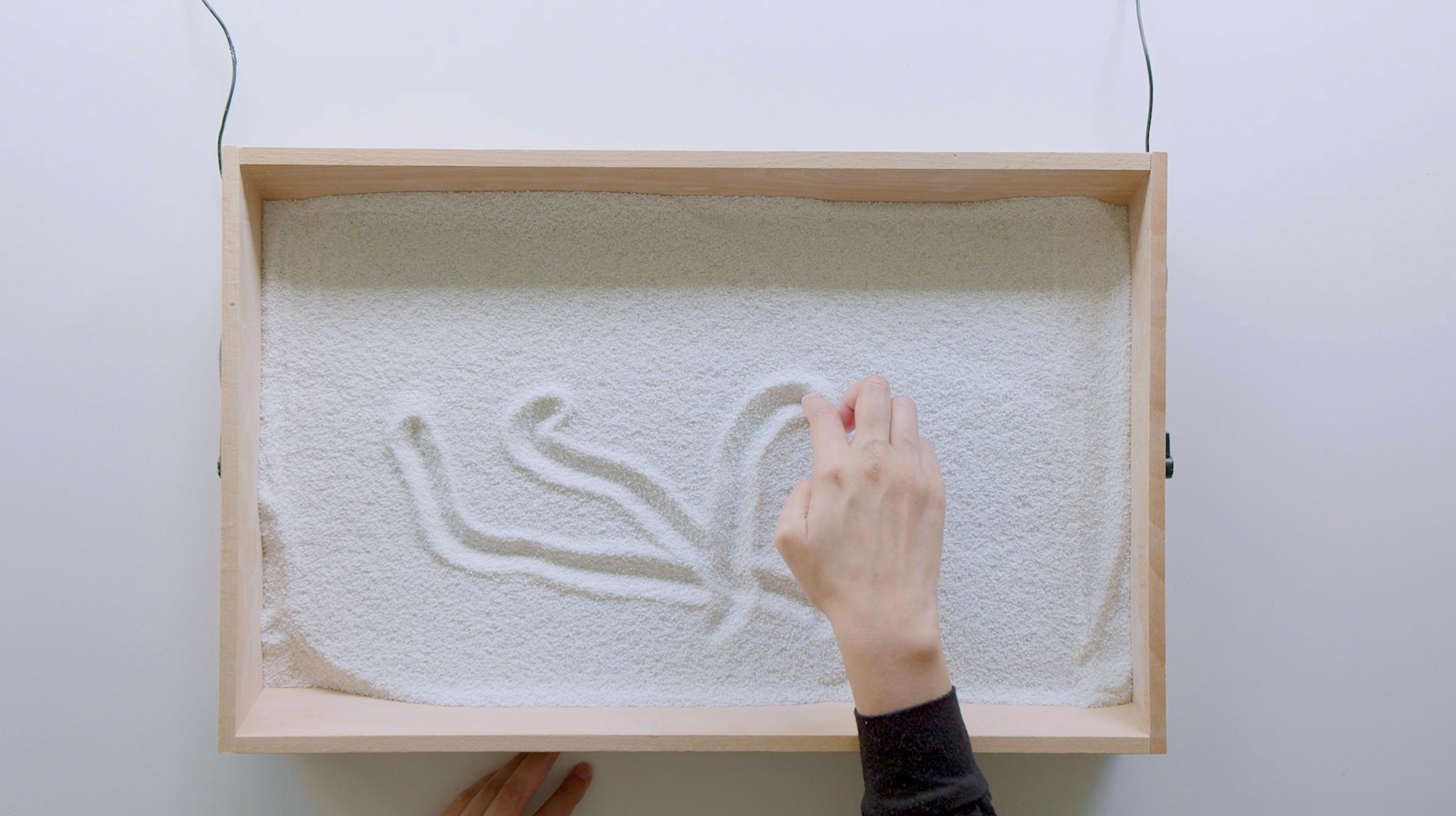
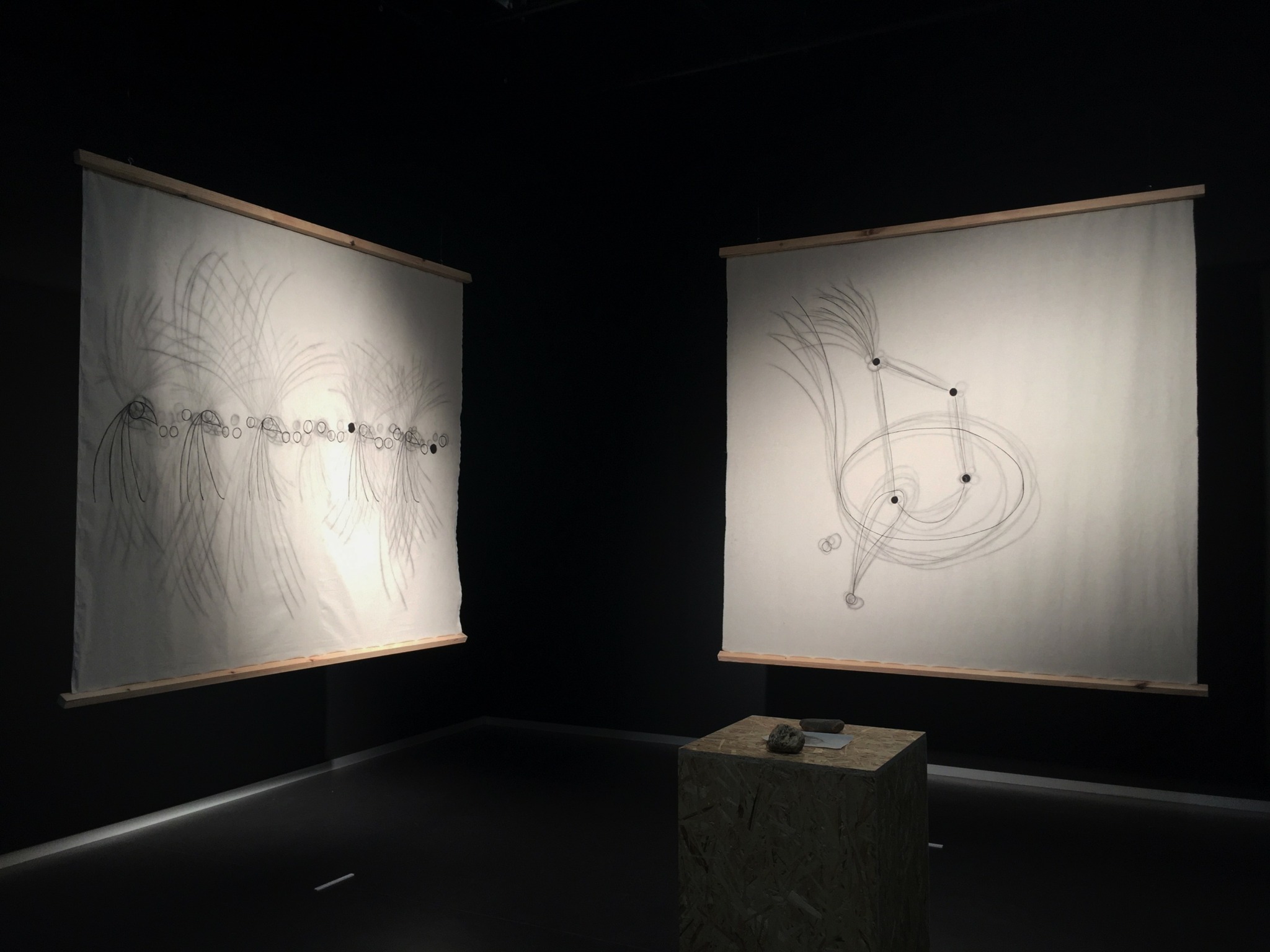
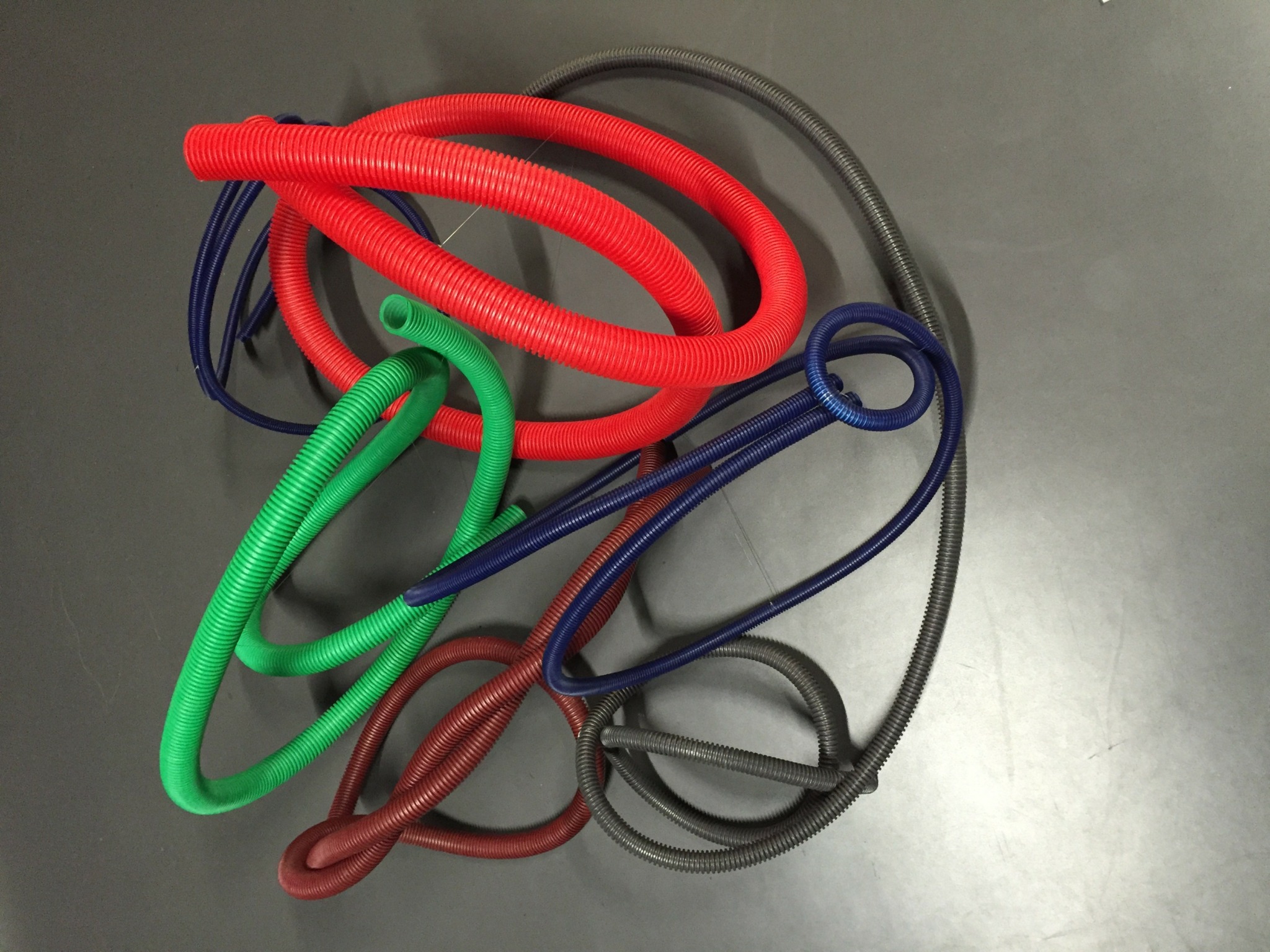
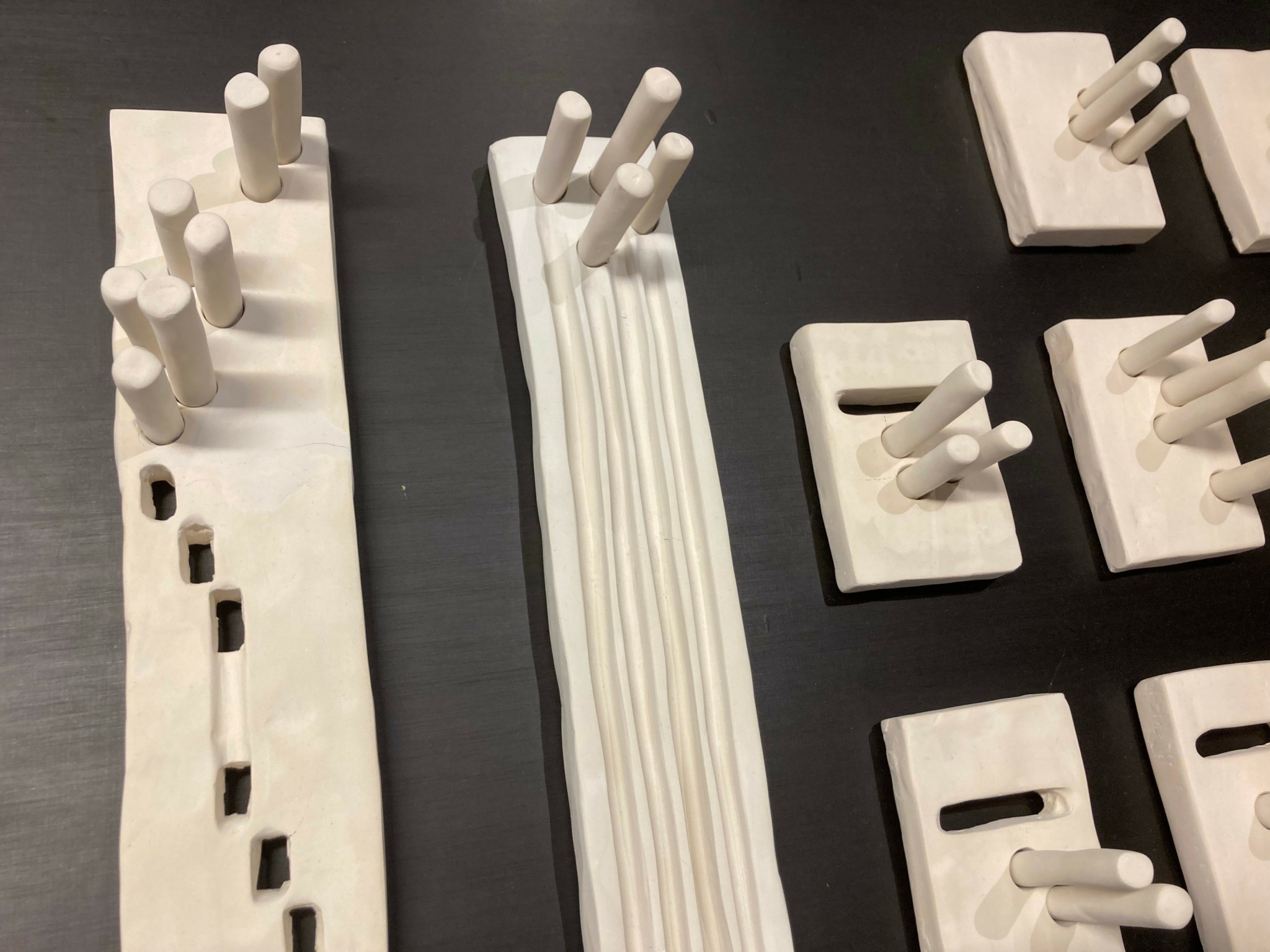
Image Credits
Marco Giugliarelli for Civitella Ranieri
Bertrand Chavarría-Aldrete