


We recently connected with Curtis Hines and have shared our conversation below.
Hi Curtis, thanks for joining us today. How did you come up with the idea for your business?
The idea for Better Men Better Families was born out of my own personal journey as a man, husband, and father trying to find direction and purpose. Years ago, I self-published my first book, Which Way to Go, a coming-of-age story about a young man navigating life decisions, loneliness, and the consequences that forced him to mature faster than expected—all while growing up without a father to guide him. As I wrote that story, I realized I wasn’t just telling a fictional narrative; I was processing many of the emotions and struggles I had experienced myself—confusion, isolation, and the deep desire for guidance and accountability.
After becoming sober and beginning to rebuild my life, I faced a new challenge: I didn’t yet have a healthy circle of men around me. Growing up fatherless in a single-parent household, I had always wrestled with identity and direction, and now I was trying to lead a family while still learning what strong manhood truly looked like. That season was marked by stress, moments of depression, and the weight of wanting to steward my marriage and family well but not always having the tools or brotherhood to do it. Through prayer and intentionally seeking out like-minded men—husbands and fathers committed to growth—I began to experience transformation and clarity.
That’s when the vision became clear: the support system I needed shouldn’t just exist for me; it should exist for other men facing the same silent struggles. Better Men Better Families was created to be that space—a brotherhood focused on the holistic well-being of men through accountability, financial empowerment, and personal growth. Logically, it made sense because many existing services addressed employment or mentorship separately, but very few created a structured pathway that strengthened a man’s mindset, finances, relationships, and sense of purpose all at once. What excited me most was the ripple effect: when a man becomes healthier and more disciplined, his family becomes stronger, and ultimately the entire community benefits. I knew this wasn’t just a worthwhile idea—it was a necessary response to a real and deeply felt need.
Curtis, love having you share your insights with us. Before we ask you more questions, maybe you can take a moment to introduce yourself to our readers who might have missed our earlier conversations?
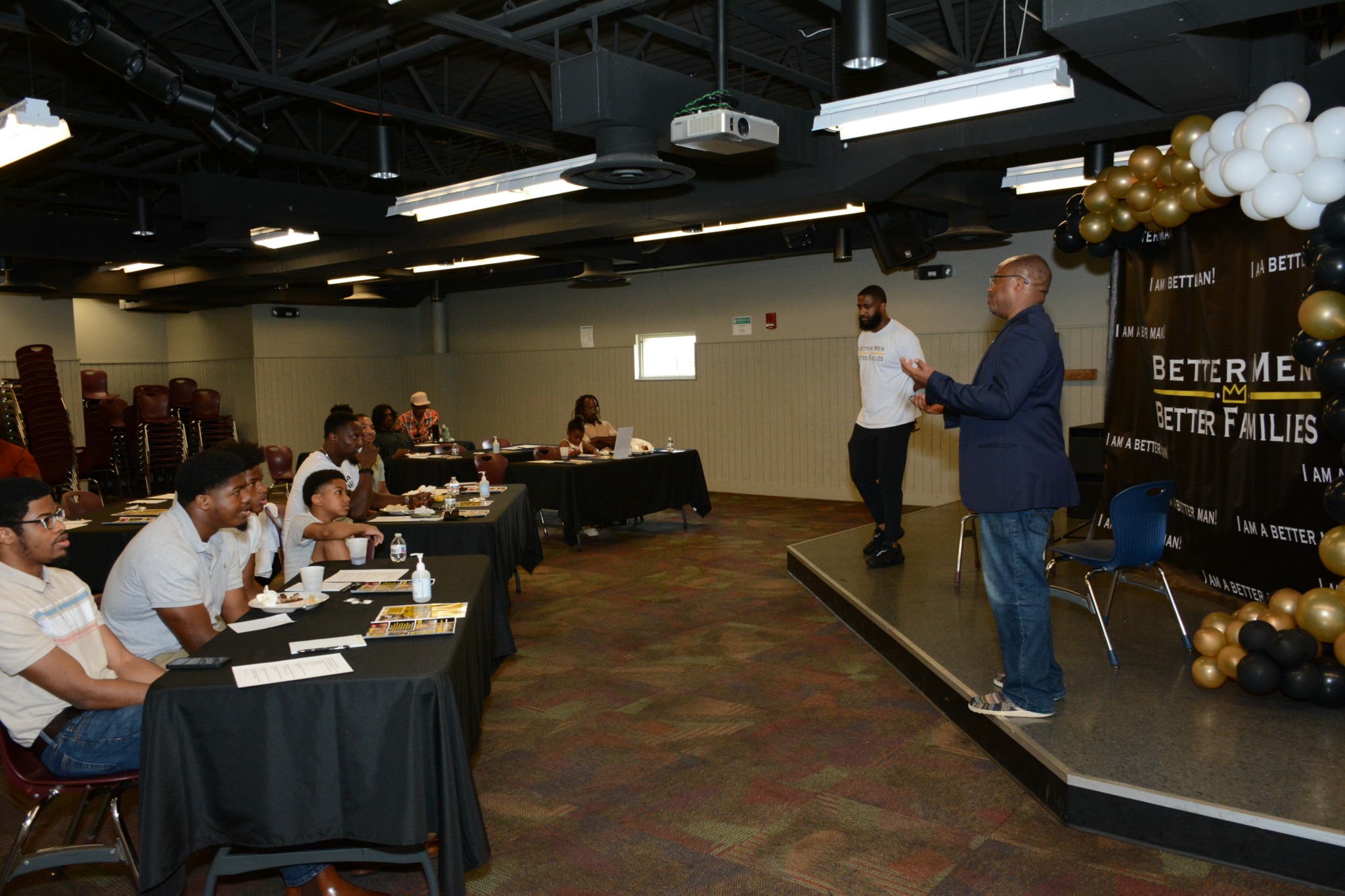
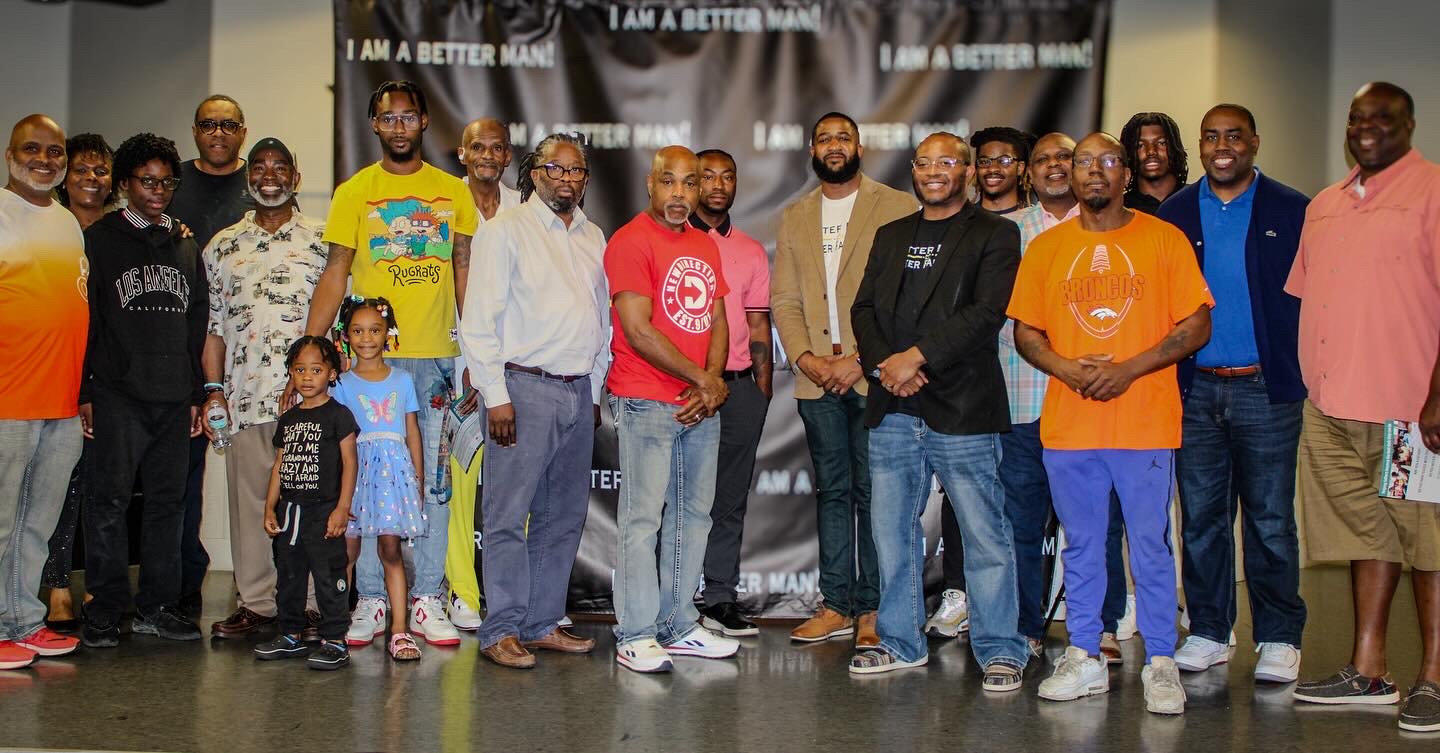
I am Curtis J. Hines, founder and president of Better Men Better Families, a nonprofit organization dedicated to strengthening men so they can build stronger families and, ultimately, stronger communities. My work is deeply personal. I grew up in a single-parent household without the consistent presence of a father, and as I became a husband and father myself, I wrestled with identity, direction, and the pressure of wanting to lead my family well without always having a blueprint to follow. After becoming sober and leaning heavily into prayer, mentorship, and self-development, I began intentionally surrounding myself with like-minded men committed to growth. That transformation shaped my calling and led me to formalize what started as a personal need into an organization designed to serve other men facing similar silent struggles.
Professionally, my background includes years of experience in sales and nonprofit workforce development, where I worked closely with men navigating employment barriers, financial instability, and broken support systems. That exposure confirmed what I had lived personally: many men want to do better, but lack structured environments that address their mindset, finances, relationships, and purpose all at once. This realization led to the creation of our core programs—ThriveMEN, which focuses on brotherhood, accountability, and emotional growth, and Financial Empowerment for Progress (FEP), which provides practical financial literacy, savings accountability, and pathways to long-term stability.
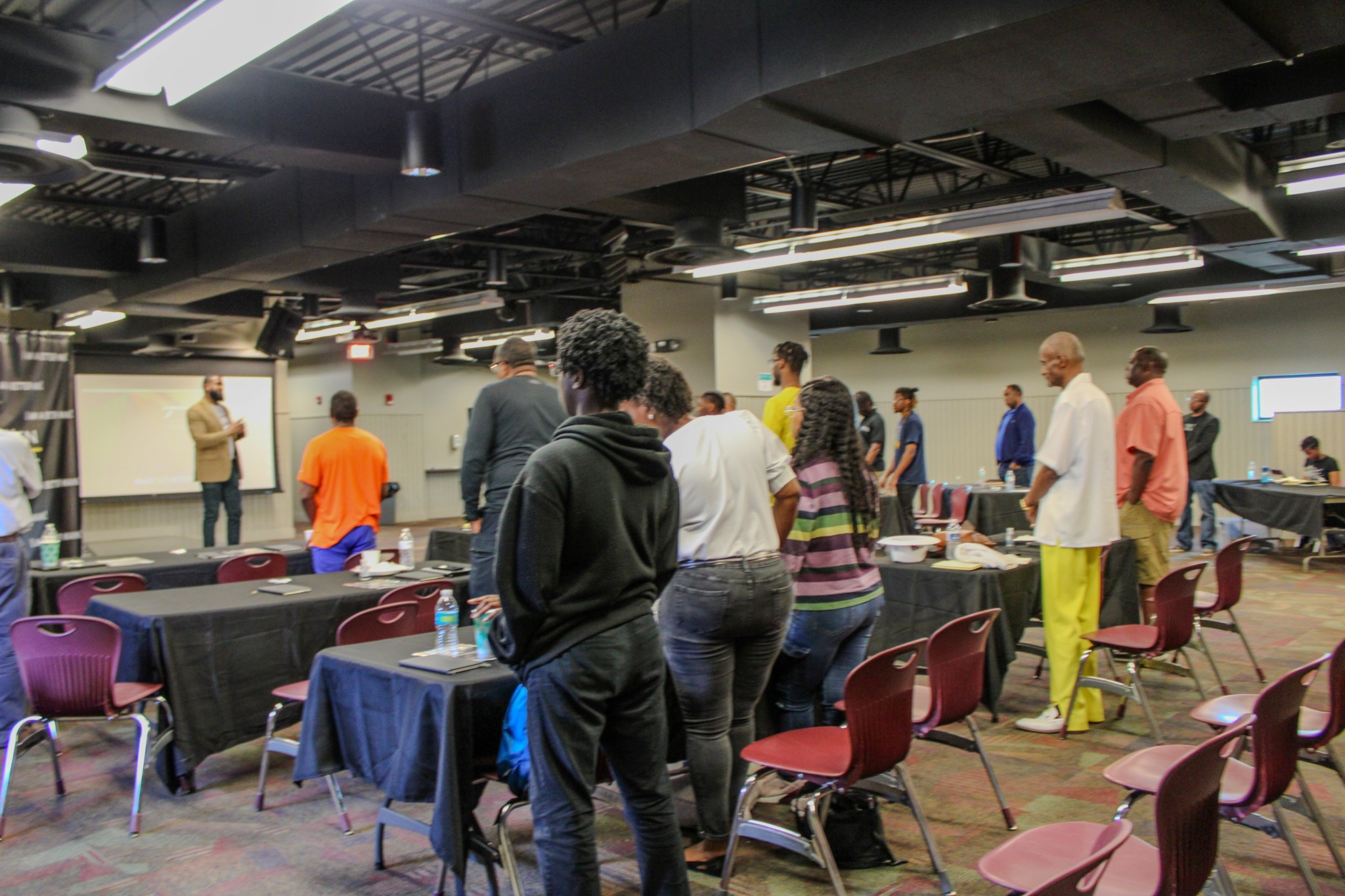
Through these programs, we provide mentorship, group sessions, financial education, structured journals and curriculum, and partnerships with financial institutions and community organizations. The problems we solve are often invisible but deeply impactful: isolation among men, lack of financial confidence, generational cycles of instability, and the absence of safe spaces where men can be honest about their challenges while still being held accountable to grow. We are not simply offering motivation; we are offering structure, discipline, and a brotherhood that pushes men to become better fathers, husbands, and leaders.
What sets Better Men Better Families apart is our holistic and culturally responsive approach. We focus on the whole man—mentally, financially, emotionally, and spiritually—because we believe true transformation happens when all those areas are addressed together. Our work is rooted in lived experience, not just theory. The curriculum we use is custom-built from the realities we’ve seen in our community, and our model emphasizes accountability and measurable progress rather than one-time inspiration.
What I am most proud of is seeing men who once felt lost begin to show up consistently, open bank accounts, rebuild relationships with their children, and develop a renewed sense of purpose. I want potential supporters and followers to know that Better Men Better Families is not just a program; it is a movement centered on restoration, responsibility, and long-term generational impact. Our mission is simple but powerful: when men grow stronger, families become healthier, and communities become more stable.

Learning and unlearning are both critical parts of growth – can you share a story of a time when you had to unlearn a lesson?
One of the most important lessons I had to unlearn was my understanding of what it truly means to be a father. Growing up without the consistent presence of my own father, I developed the belief that the most important responsibility of a man was simply to be a financial provider. I told myself that as long as I worked hard, paid the bills, and kept a roof over my children’s heads, I was fulfilling my role. On the surface, that seemed logical and even noble, but over time I realized it was incomplete.
The backstory is rooted in my own upbringing and the silent expectations I carried into adulthood. I didn’t have a clear model of fatherhood that showed emotional presence, daily engagement, and intentional guidance, so I defaulted to what I thought mattered most: provision. But as my children grew and I reflected more deeply on my role as a husband and father, I began to see that being physically present and financially responsible was only part of the equation. My children needed my voice, my attention, my wisdom, and my active involvement in their lives. They needed me to teach them life’s hardest lessons, to affirm them emotionally, and to model what discipline, integrity, and love truly look like.
Unlearning that mindset required humility and intentional change. I had to shift from being just a provider to becoming a fully engaged parent—mentally, emotionally, and spiritually invested in their development. That meant showing up to conversations, being available in moments of struggle, and creating memories and guidance that money alone could never replace. When I made that shift, it transformed not only my relationship with my children, but also strengthened my relationship with their mother and the overall health of our family.
That lesson now shapes the work we do at Better Men Better Families. We challenge men to see that fatherhood is not just about provision; it is about presence, guidance, and intentional leadership in the home. Providing is important, but being fully present is priceless.
Can you open up about how you funded your business?
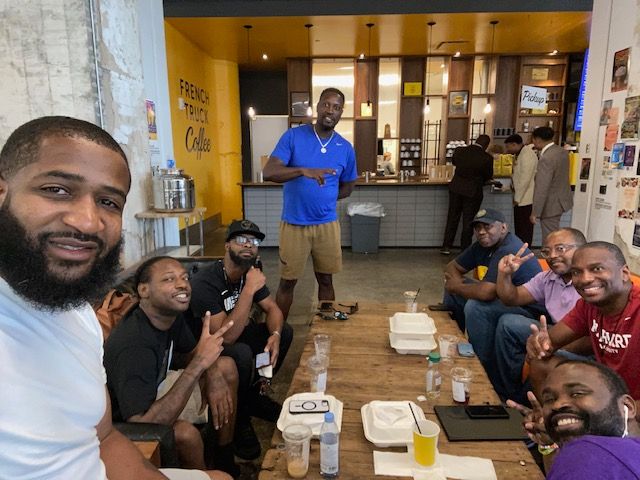
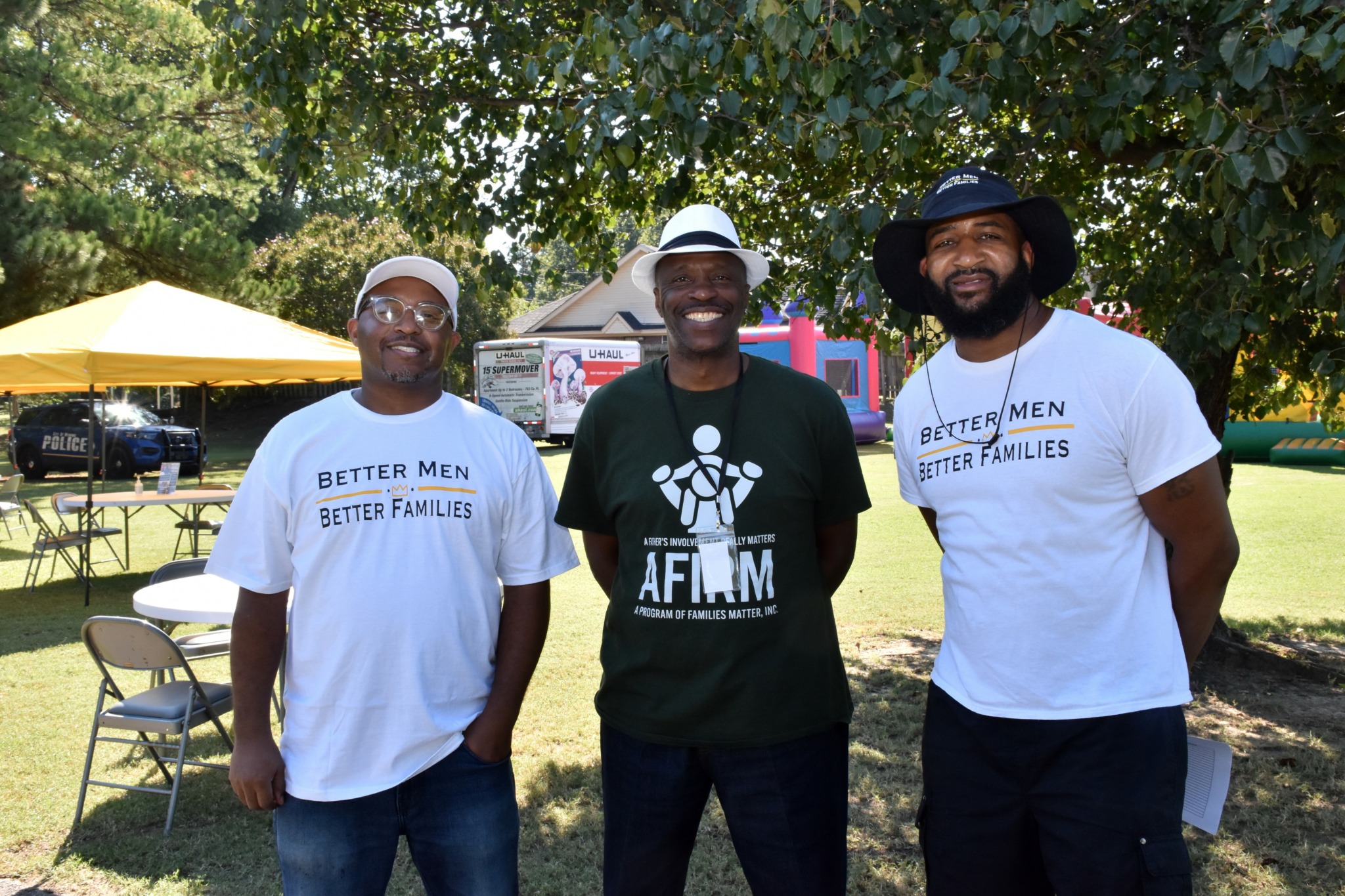
The story of our initial funding is deeply rooted in relationship, trust, and grassroots commitment rather than traditional startup capital. The idea truly began to take shape after I ran into Frederick Holmes—now my cofounder—at a local coffee shop. We had known each other for years through church and growing up in the same neighborhood, so there was already a foundation of respect and shared values. As we caught up, we started talking about what we had both been working on individually and the common struggles we were seeing among men around us. That conversation quickly revealed that we were carrying the same burden: a desire to see men grow stronger mentally, spiritually, and financially.
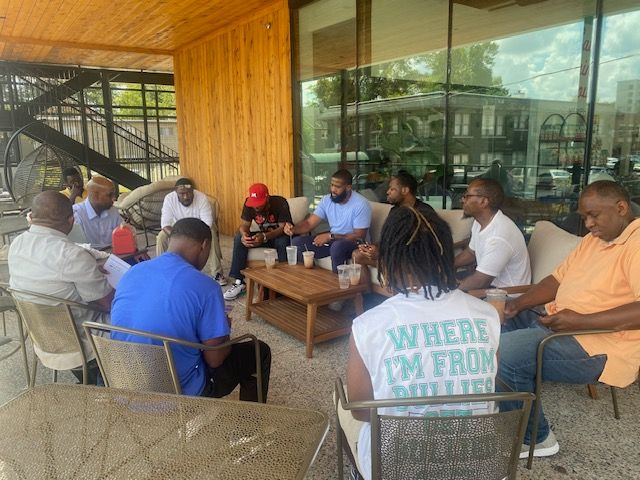
Out of that shared vision, we decided to start small and form a mastermind group of about five men who would meet twice a month. The purpose was simple but powerful—to create a safe, consistent space where we could be honest about our struggles, hold each other accountable, and push one another toward growth. To ensure commitment and seriousness, each member contributed a small membership fee. It wasn’t about the amount of money; it was about the principle of investment and ownership. We wanted every man at the table to feel that he had skin in the game.
Over the course of about a year and a half, those meetings became transformational. The brotherhood deepened, the conversations became more intentional, and we began to see real personal growth in each other’s lives. Eventually, we realized that what we had built informally was something that could benefit far more men than just the five of us sitting at that table. Instead of letting the funds we had collected remain unused, we made a collective decision to reinvest that money as seed capital to formally launch Better Men Better Families.
That grassroots beginning is significant to me because it reflects the heart of our organization. We didn’t start with large investors or major grants; we started with men who believed enough in the mission to invest their own money, time, and vulnerability. It proved that the need was real and that the model worked before we ever asked the broader community for support. In many ways, that initial investment symbolized the very principle we teach today—when men commit to growth together and invest in one another, the impact can extend far beyond what any one person could accomplish alone.
Contact Info:
- Website: https://www.bettermenbetterfamilies.org
- Instagram: bettermenbetterfamilies
- Facebook: bettermenbetterfamilies
- Linkedin: bettermenbetterfamilies
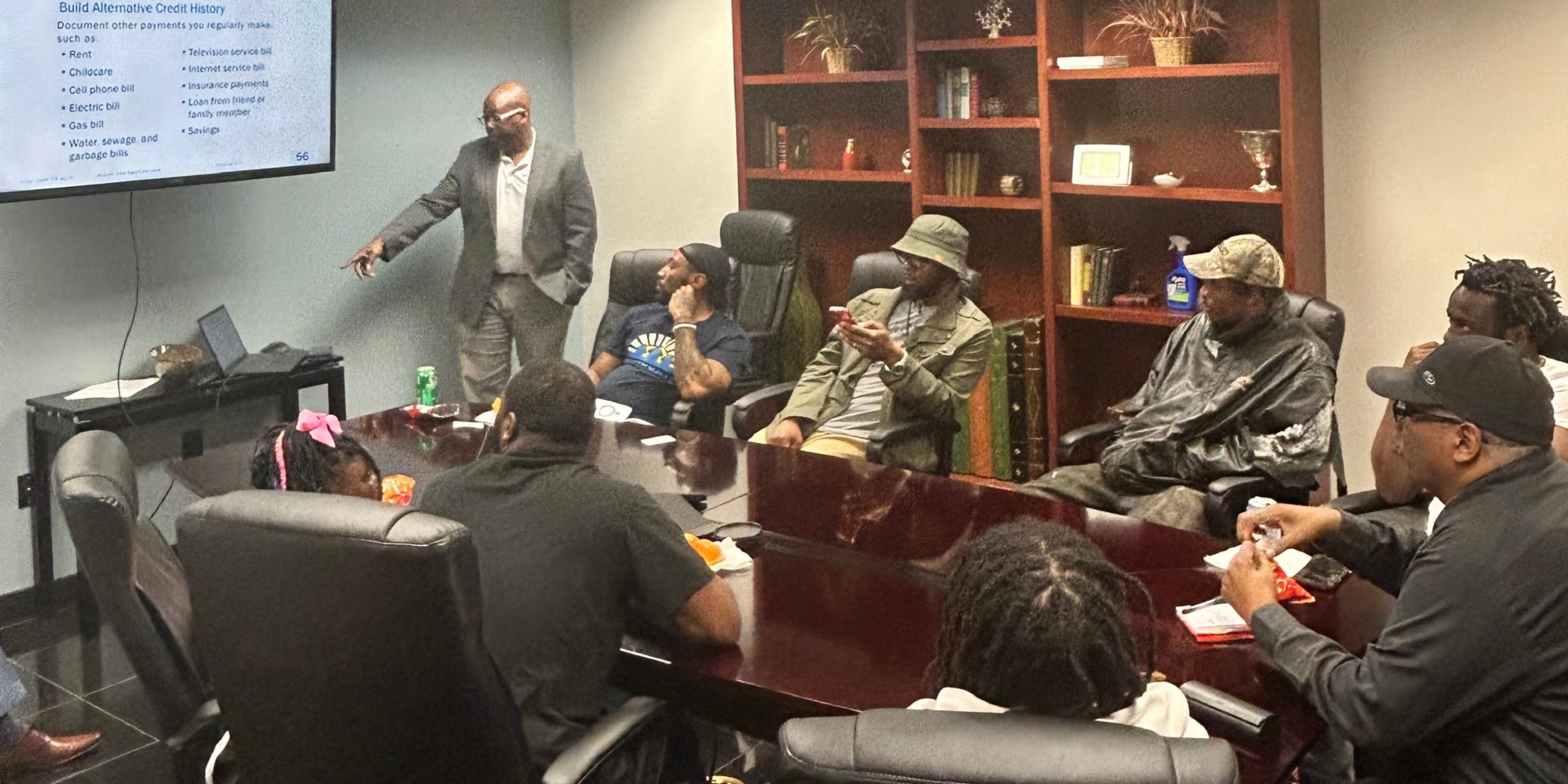
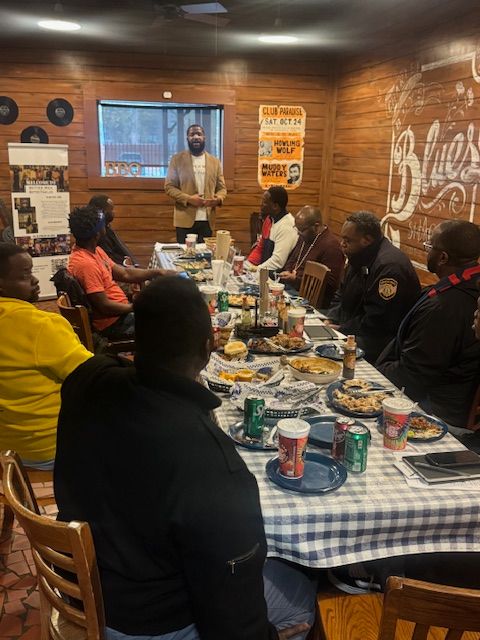
Image Credits
Curtis Hines, Jalen Hines and Frederick Holmes