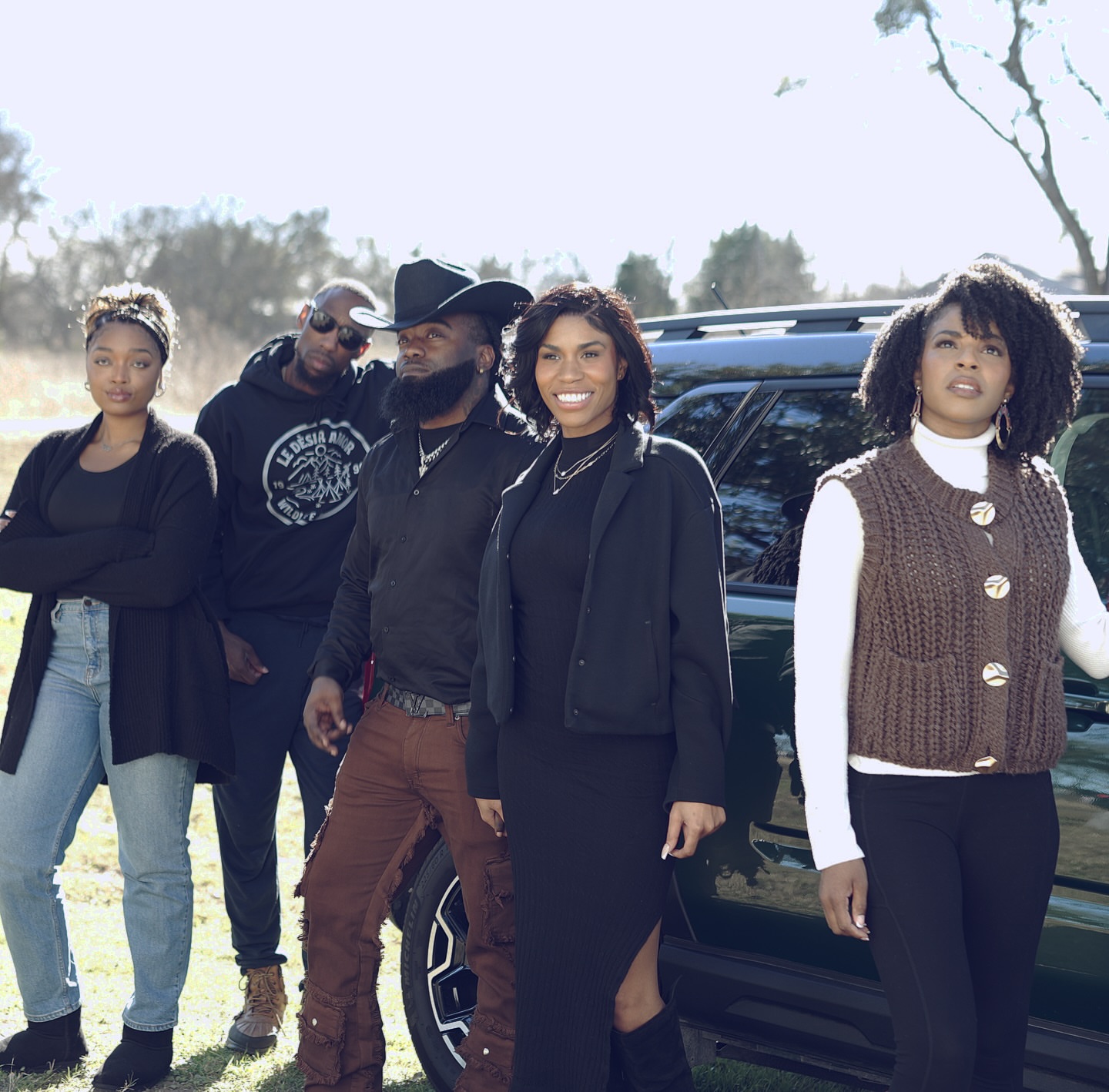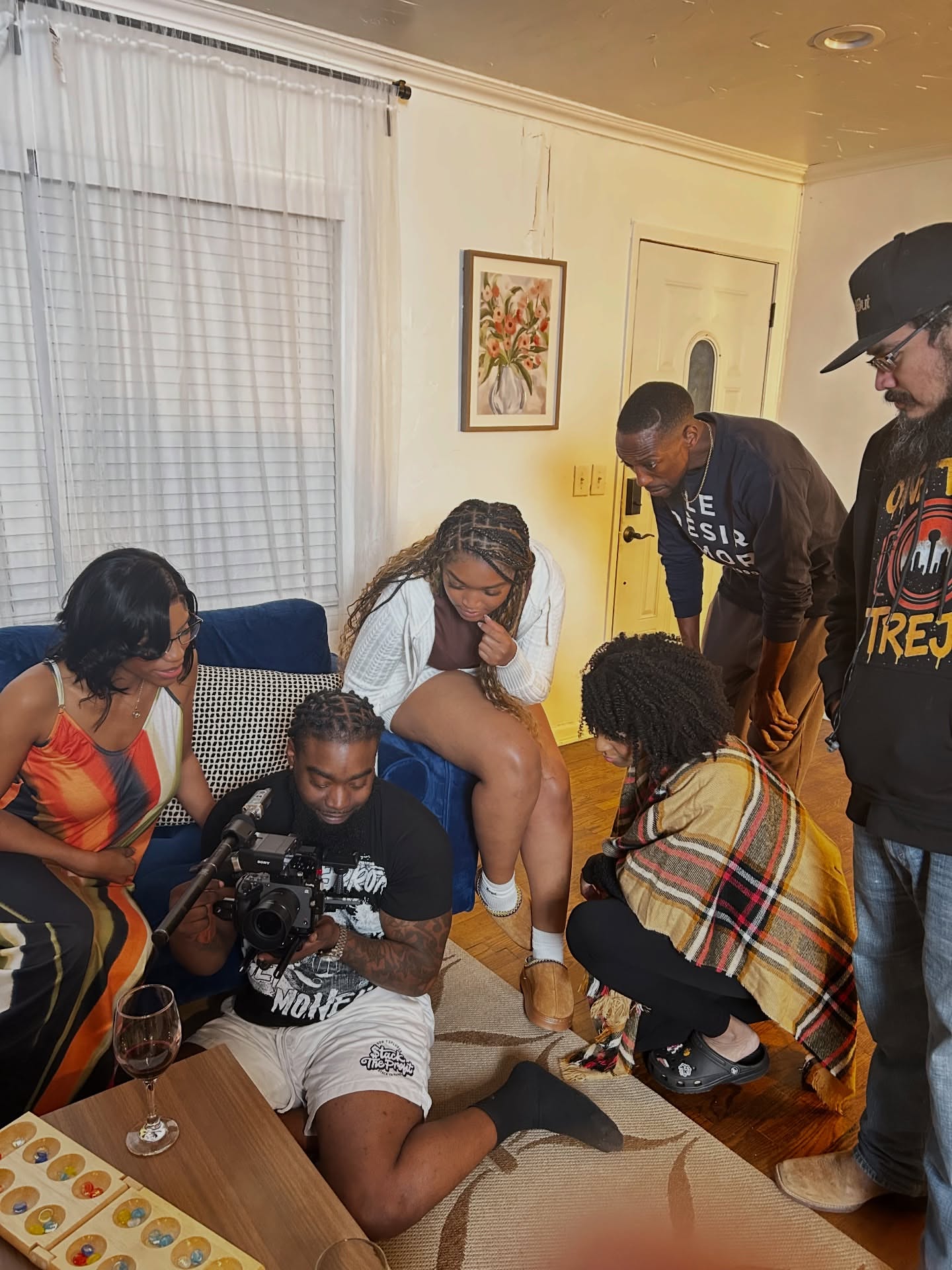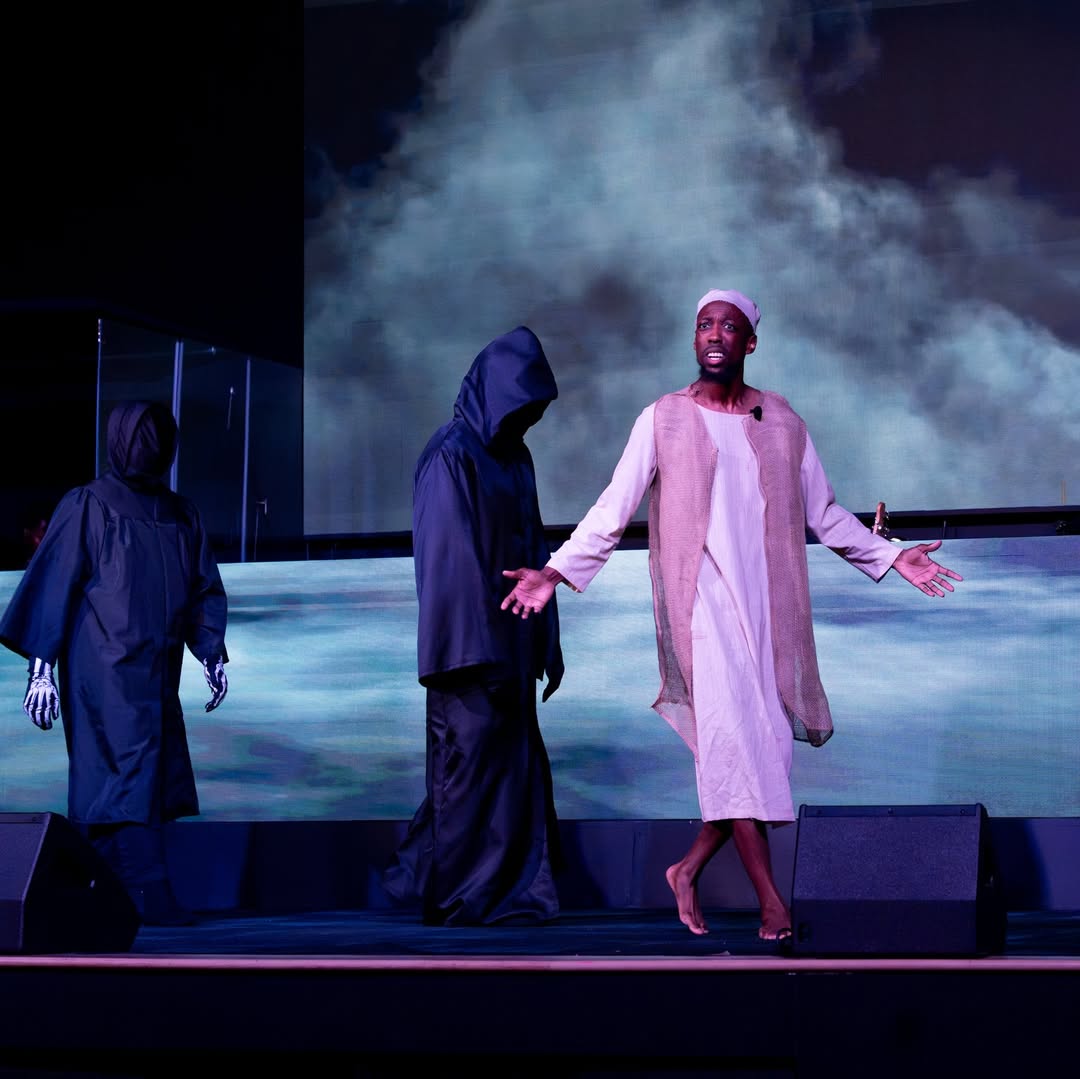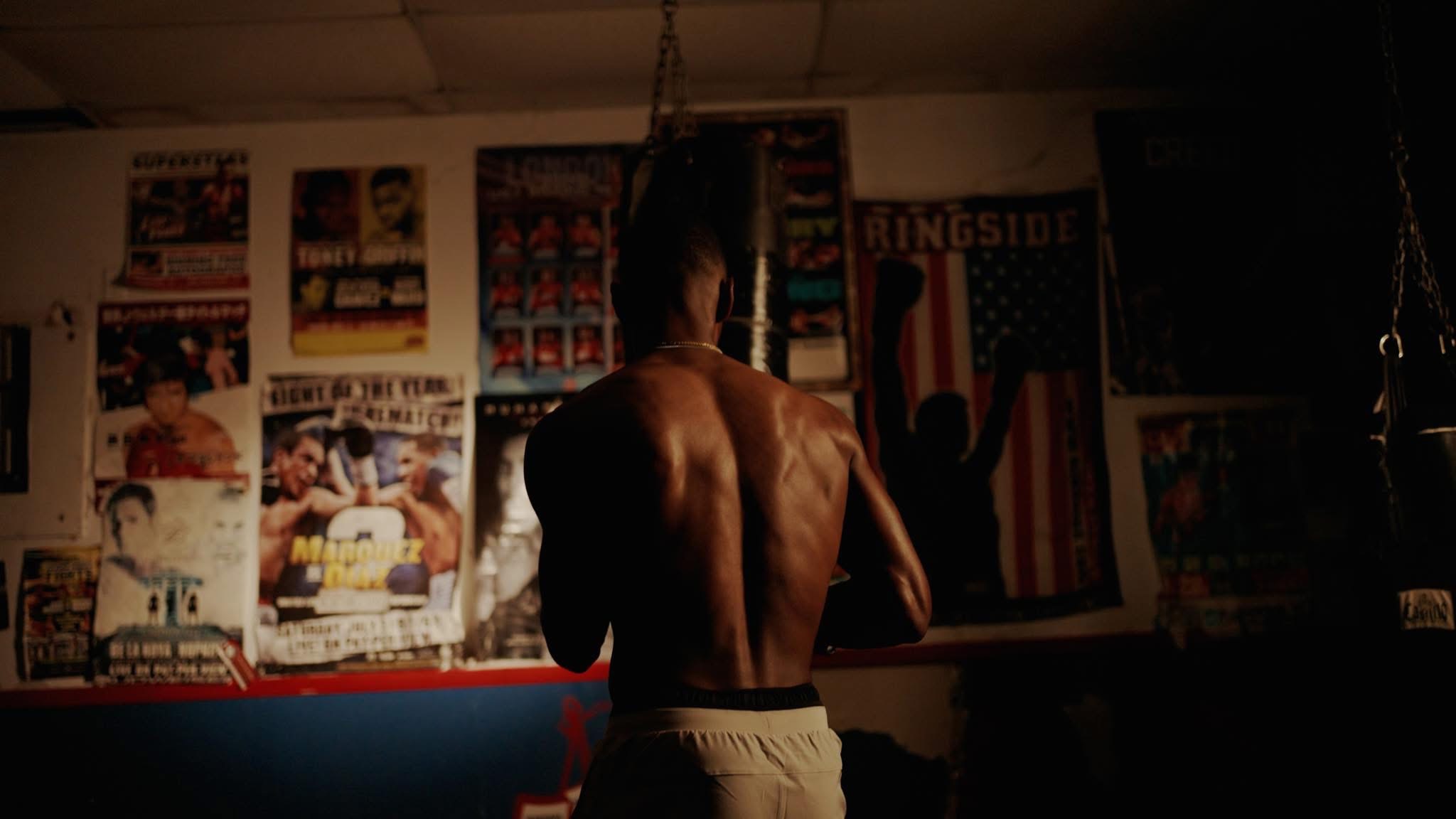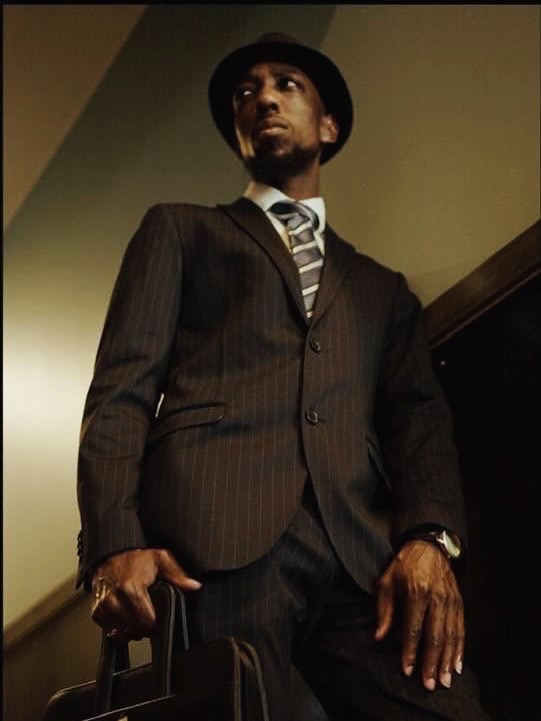

We recently connected with Damondray Christle and have shared our conversation below.
Damondray, thanks for taking the time to share your stories with us today How did you learn to do what you do? Knowing what you know now, what could you have done to speed up your learning process? What skills do you think were most essential? What obstacles stood in the way of learning more?
I learned by doing the work before I felt ready it came natural overall. Acting for me came from watching movies pretending I was apart of the cast. I have a few favorite 90 movies I will watch like I never seen before til this day. Being on set, being on stage, writing, watching myself fail on camera, then fixing it. I studied performances, paid attention to directors, and stayed close to storytelling. I remember I was on set for this one tv series I was gone for about a month from home because I was on set. I was working with the crew I watched everything the director did i definitely learned a lot from experience. I didn’t wait for permission or perfect conditions. Acting gets you sharp through repetition, Knowing what I know now, I would’ve shortened the learning curve by getting in front of the camera sooner and more often years ago. I would’ve recorded myself constantly, sought blunt feedback earlier, and put less weight on validation. I also would’ve studied business earlier. Understanding how projects get funded, marketed, and distributed changes how you approach your work as an actor. The most essential skills were emotional honesty, discipline, listening, and self-awareness. Being present matters more than trying to look impressive. Consistency beats talent when talent isn’t being trained. Learning how to take direction and figuring out which is the best way to go. So was learning how to trust my instincts. The biggest obstacles were trusting the process. Learning to quiet that voice took experience. Once I accepted that growth comes from discomfort, everything accelerated. Bottom line. I didn’t learn by waiting. I learned by doing, reflecting, and staying in it even when it felt unclear. That’s still how I move now.
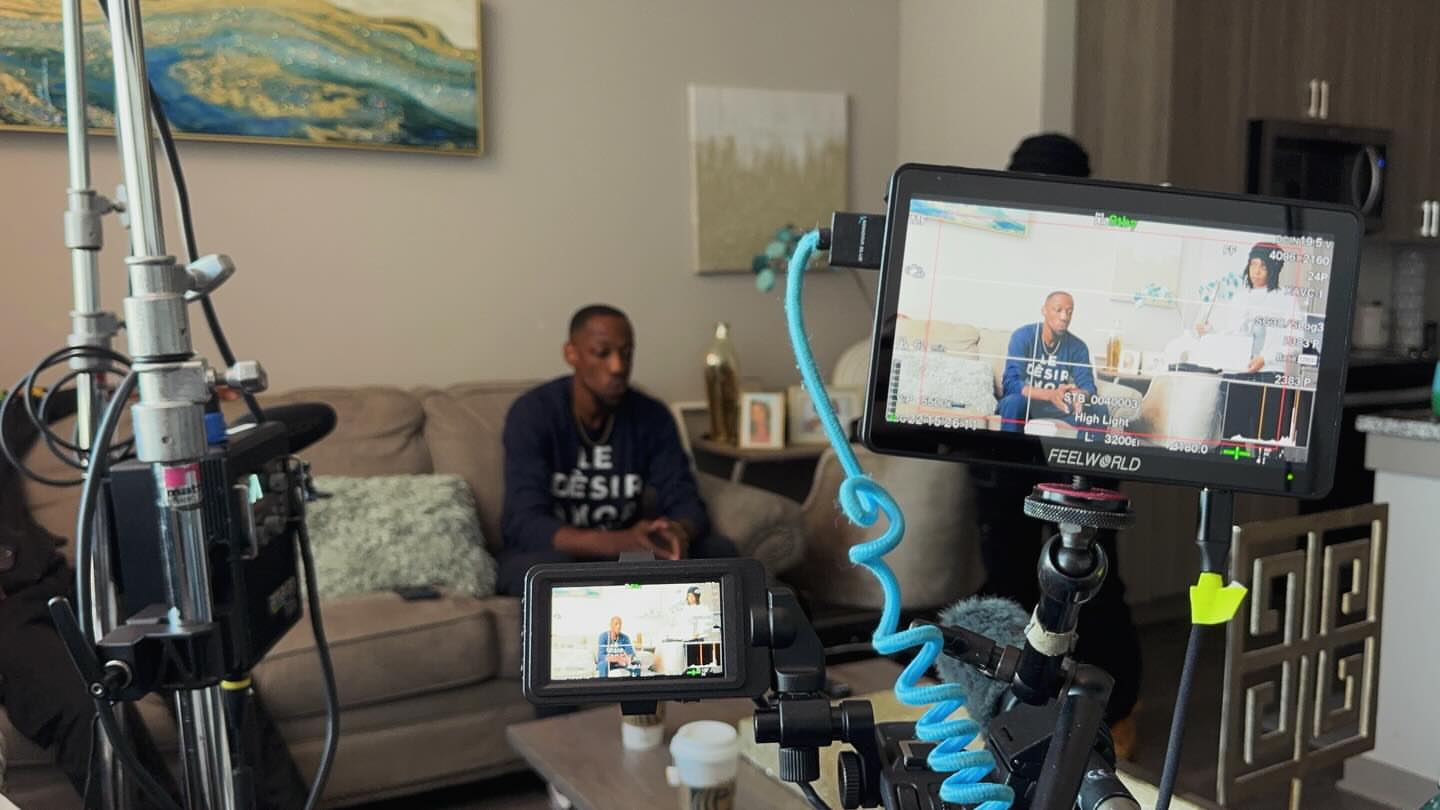
As always, we appreciate you sharing your insights and we’ve got a few more questions for you, but before we get to all of that can you take a minute to introduce yourself and give our readers some of your back background and context?
I’m Damondray Christle. I got into acting and storytelling because I’ve always been drawn to human emotion and the way stories can stick with people. For me, it’s not about pretending—it’s about bringing honesty to every character and every scene. I want people to feel what I feel, to see life through the lens of the story.
I work in film and television, taking on projects that range from intense thrillers to emotional dramas. I also create and develop stories, making sure every project I touch has depth and impact. What sets me apart is that I don’t do surface-level work. I push for authenticity, I take risks, and I make sure the work I do leaves an impression.
I’m proud of being able to take local or independent projects and elevate them into something memorable. I want people to know that when they work with me—or watch my work—they’re getting someone who takes storytelling seriously, values real emotion over ego, and is committed to creating performances and projects that resonate long after the screen goes dark.
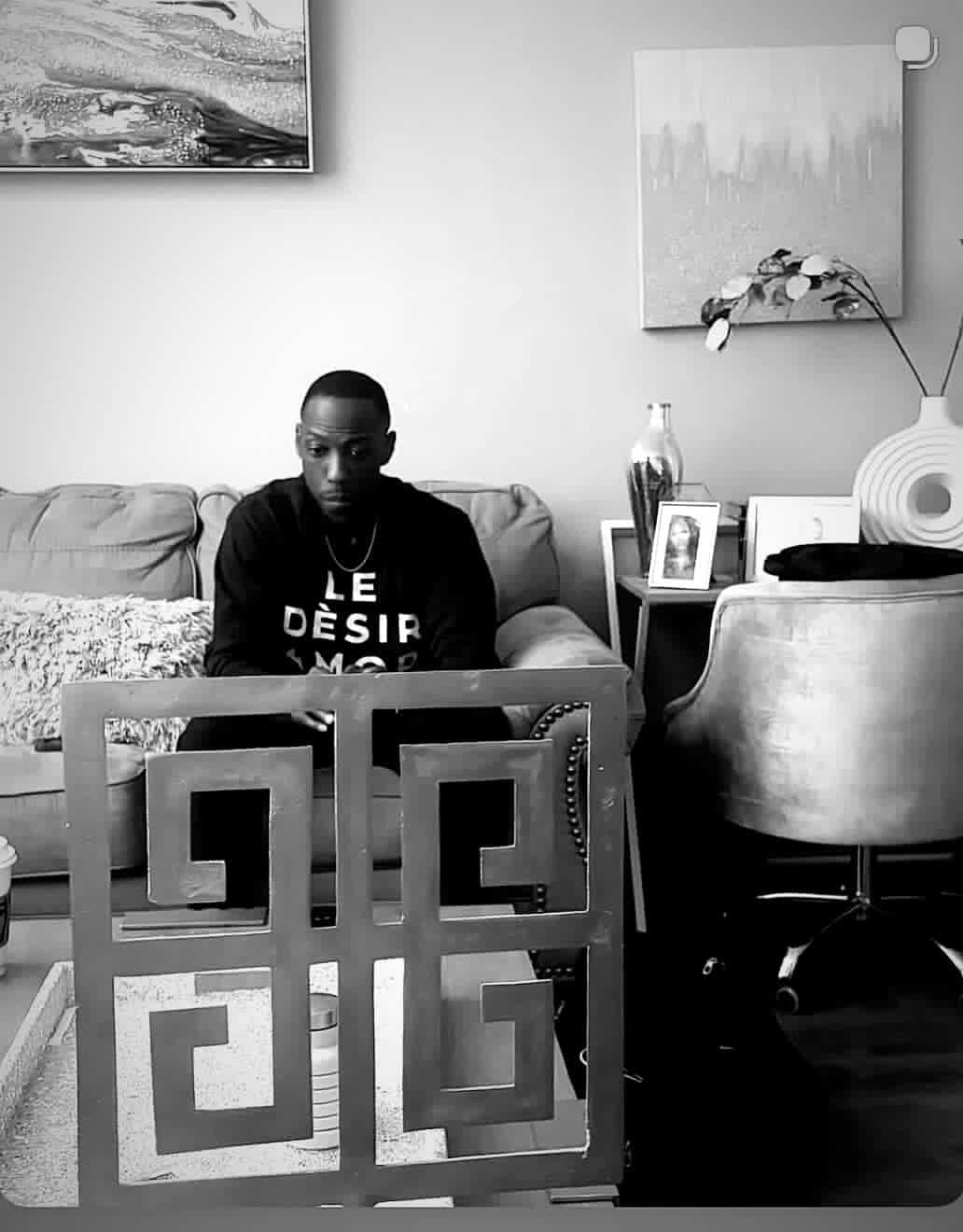
In your view, what can society to do to best support artists, creatives and a thriving creative ecosystem?
Society can support artists by valuing what we actually do, not just the product we put out. That means fair pay, access to resources, and opportunities to create without constantly worrying about survival. Funding, mentorship, and education programs help, but just as important is respect for the craft—recognizing that creativity drives culture, conversation, and even economy.
A thriving creative ecosystem comes from real support: giving artists space to experiment, fail, and grow; providing access to networks and platforms; and removing unnecessary gatekeeping that keeps talent out. It’s about creating an environment where creativity isn’t a luxury—it’s recognized as essential.
At the end of the day, society thrives when artists thrive, because what we make shapes how people think, feel, and connect. The more that’s understood and invested in, the better the ecosystem for everyone.
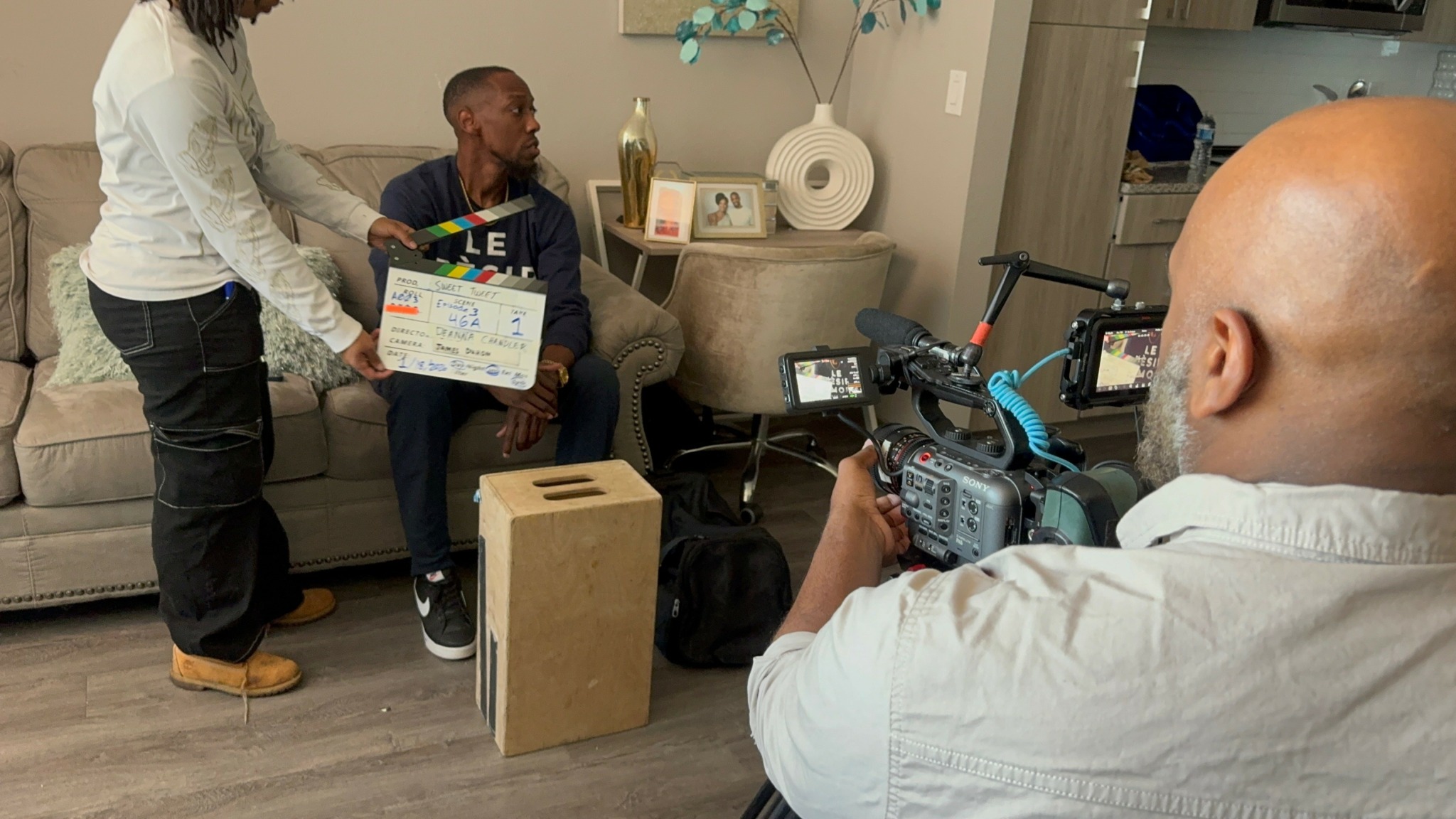
Is there a particular goal or mission driving your creative journey?
I’ve been fortunate to work on projects like Willow Drive which is one of my new upcoming projects with my brother Joshua T-Speed Hunt and Eric Hobbs with TSDC films which is our company and other films that push me to dig deeper, take risks, and bring honesty to every character. Each project teaches me something new, whether it’s about the craft itself or how storytelling connects with audiences. The mission behind my work is authenticity. I aim to make characters and stories that are grounded, relatable, and impactful.
At the core, I want my work to matter. I want to create performances and stories that leave a mark, that resonate, and that continue to elevate the projects and people I collaborate with. For me, it’s about building a body of work that reflects both the depth of the human experience and the drive to push storytelling forward.
Contact Info:
- Instagram: Dakeemc1/ TSDCfilms
- Facebook: Damondray Christle