

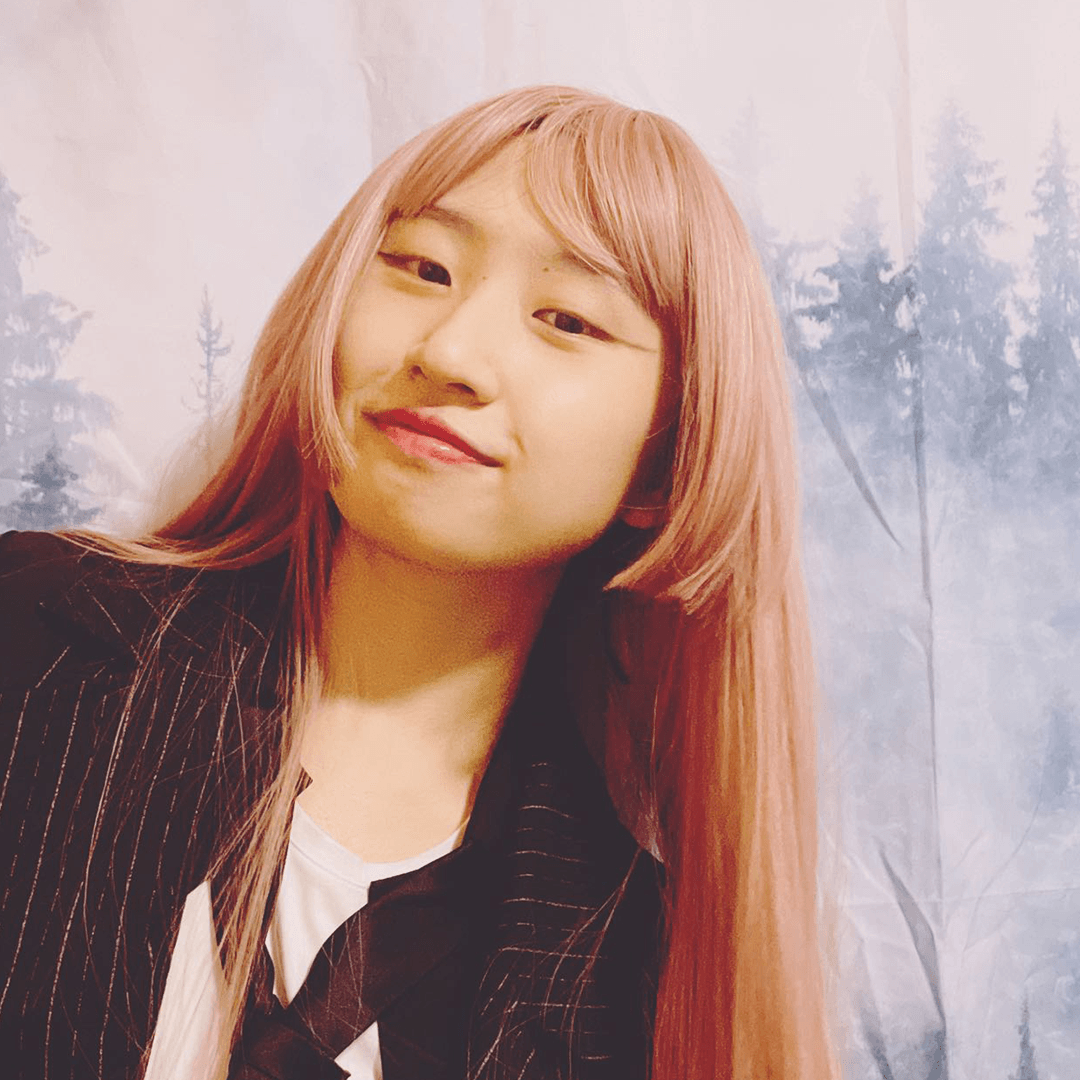

We’re excited to introduce you to the always interesting and insightful Lin Jin. We hope you’ll enjoy our conversation with Lin below.
Alright, Lin thanks for taking the time to share your stories and insights with us today. We’d love to hear about a project that you’ve worked on that’s meant a lot to you.
The most meaningful project I’ve worked on was Tea Leaves Left, which I participated in through Asian In Animation. I worked as a background painter on the project.
This project was especially meaningful to me because it centered around Asian culture and focused on sharing our cultural stories. I’ve always been deeply interested in projects that use visual storytelling to communicate culture. For me, creating art is not just about making something visually beautiful — it’s about expressing identity, memory, and emotion through design.
When I first joined the project, I focused heavily on atmosphere — color relationships, lighting, and emotional tone. I wanted each frame to feel immersive. Because the story carried cultural elements, I hoped the visuals could feel authentic and nuanced, and reflect the quiet depth often found in traditional aesthetics.
The backgrounds I worked on were inspired by traditional Chinese ink painting. When I was assigned this direction, I was genuinely excited. I started learning ink painting when I was six years old — landscapes, florals, brush control — and it was a big part of my childhood. It wasn’t just a technique, but a memory and a foundation of how I first understood art.
As I grew older, my professional training shifted toward animation and digital painting, and I rarely had the chance to fully use ink painting in my work. So when I returned to it in this project, it felt like reconnecting with my younger self.
There was something very special about that experience — on one side, the child practicing brush strokes on rice paper; on the other, the present-day me thinking about narrative structure, spatial clarity, and production workflow within a team. This project allowed those two versions of me to meet.
Tea Leaves Left is not just a project to me — it’s a bridge. A bridge between traditional culture and contemporary storytelling, between personal memory and collaborative creation, and between who I was and who I am becoming as an artist.
As always, we appreciate you sharing your insights and we’ve got a few more questions for you, but before we get to all of that can you take a minute to introduce yourself and give our readers some of your back background and context?
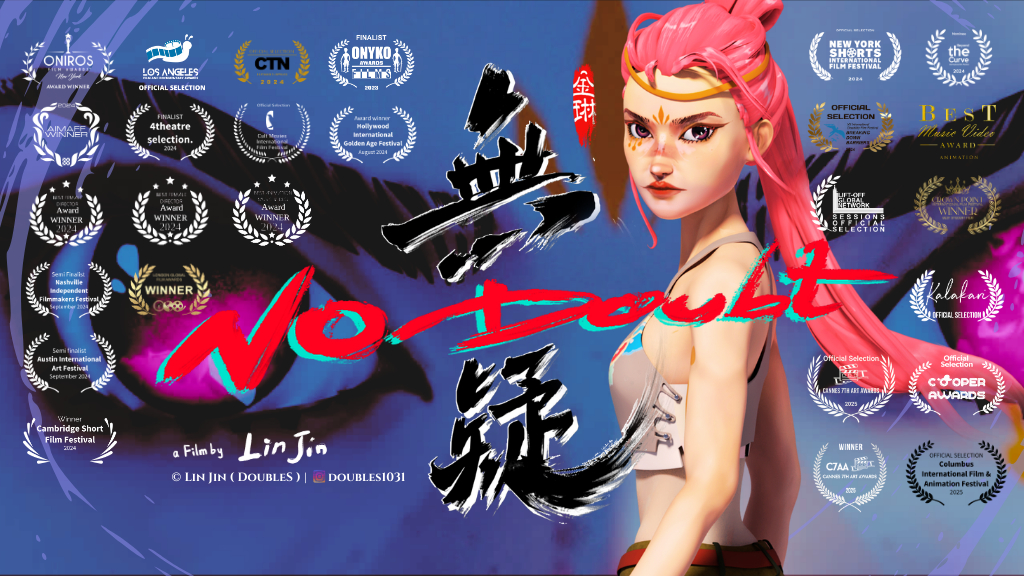
I’m a filmmaker, and no matter the type of project or the role I take within the pipeline, my core focus is always the same: telling a compelling story. In my recent projects, I’ve honed not only my artistic and technical skills but also gained deeper insight into the essence of storytelling. Through collaboration with my team and guidance from mentors, I’ve learned how to craft narratives that truly resonate, and which techniques can evoke a range of responses from audiences.
The problem I aim to solve for clients and viewers is universal: how to make a story impactful and immersive, how to draw audiences fully into the world of the film. Compared to other creators, what sets me apart is that, whether through technical execution or artistic expression, I always put the story first—this dedication to narrative threads through every part of my work.
What I’m most proud of is that throughout the creative process, I’ve not only strengthened my professional abilities but also maintained a sensitivity and passion for storytelling itself. I hope that potential clients, followers, or audiences understand the core of my work: I don’t just use technical tools to craft visuals; I focus on the emotional depth of the story and the audience’s experience. Every shot, every line of dialogue, is a tool to tell the story well.
Looking back, are there any resources you wish you knew about earlier in your creative journey?
If I look back on my creative journey, I wish I had been exposed earlier to knowledge about finance, business management, and copyright. Before I even started creating, if I had understood how to be a better “entrepreneur,” I believe I could have better protected my intellectual property and personal interests while simultaneously building a financial foundation.
Art brings me immense joy and total immersion, but in reality, creative work can be unpredictable. If I had learned earlier how to manage finances, run a business, and safeguard my copyrights, not only would I have more freedom to create, but I would also have greater financial security. The more I save, the more time I can dedicate to the work I truly love without constantly worrying about making ends meet.
In short, if I had gained this knowledge earlier, my artistic journey could have been more strategic, sustainable, and empowering.
What can society do to ensure an environment that’s helpful to artists and creatives?
I’ve noticed that in the early stages of many creative careers, compensation is often very low or sometimes nonexistent. This is particularly unfair to people with talent and potential. Many projects also remain in a constant “green light” limbo, which makes it difficult to pursue ambitious ideas.
I believe society can best support artists by creating platforms, competitions, or funding opportunities that provide financial backing or sponsorship for promising projects. This kind of support allows artists to tell their own stories and pursue their visions, such as starting a path as a director, without being held back by financial uncertainty.
Contact Info:
- Website: https://doubles.portfoliobox.net/
- Instagram: https://www.instagram.com/doubles1031/
- Linkedin: https://www.linkedin.com/mynetwork/grow/
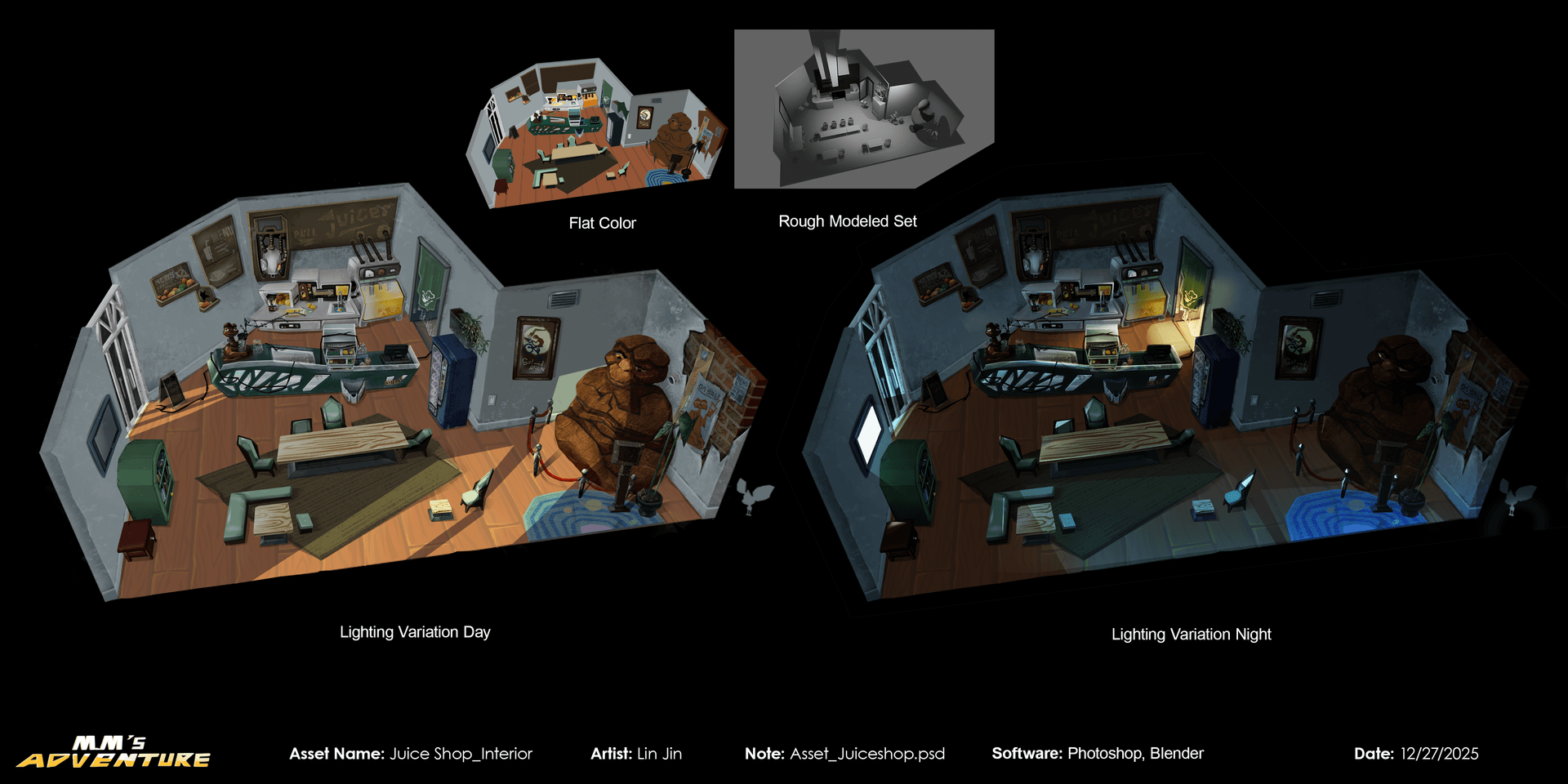
Image Credits
Lin Jin (DoubleS)