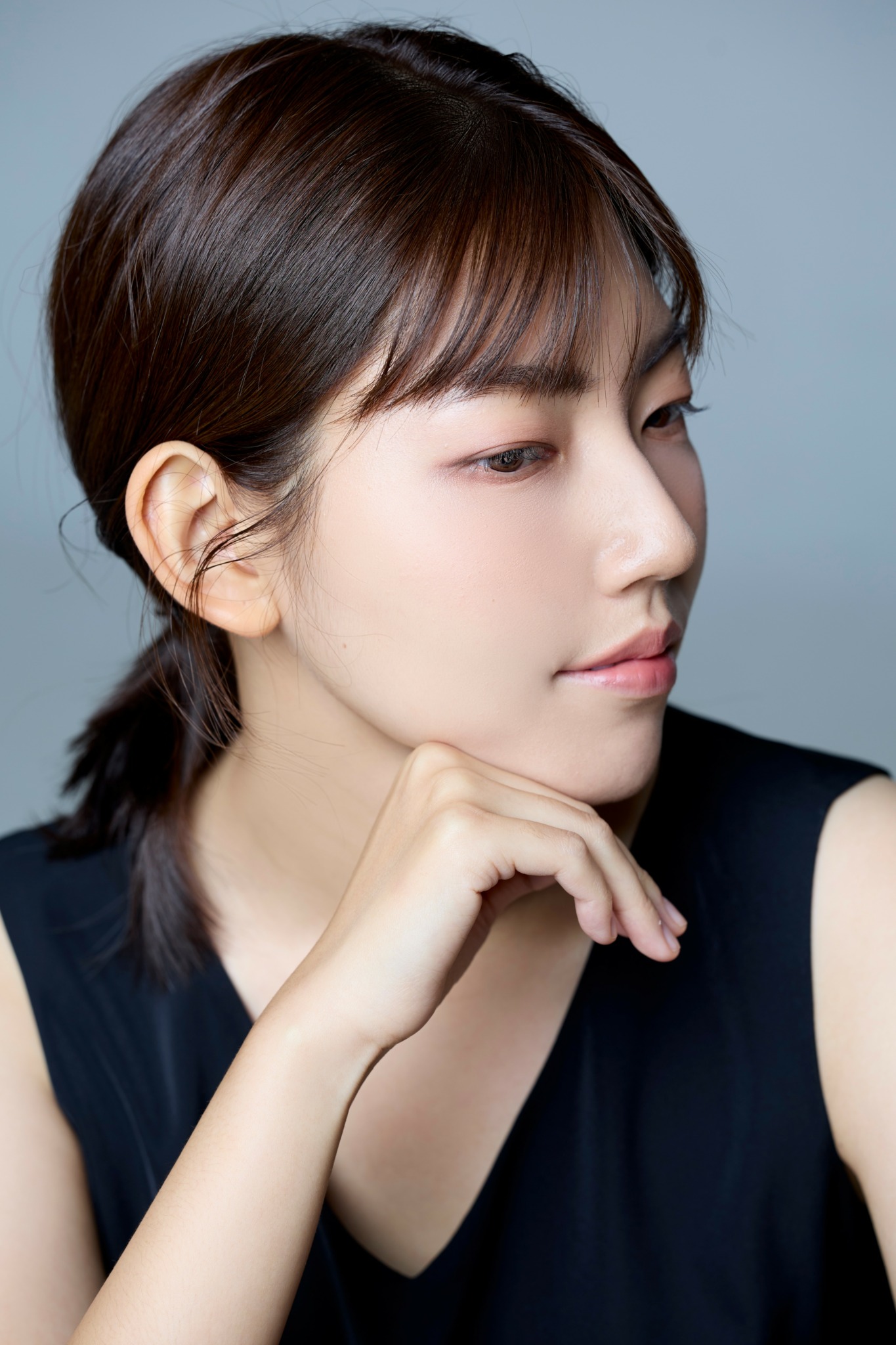

We recently connected with SiHyun Uhm and have shared our conversation below.
SiHyun, thanks for joining us, excited to have you contributing your stories and insights. We’d love to hear about a project that you’ve worked on that’s meant a lot to you.
One of the most meaningful projects I’ve worked on is my Endangered Animal Project, a large-scale cycle of pieces inspired by endangered species and vulnerable environments. This project grew out of my long-standing interest in the natural world, but also from a deeper emotional response to ecological loss, fragility, and the idea that many lives and habitats are disappearing quietly, often before we fully understand them. I wanted to create music that did not simply “describe” animals, but instead tried to translate their presence, movement, environment, and vulnerability into sound.
What made this project especially meaningful to me was that it brought together so many parts of who I am as an artist. Since it involves not only music but also multimedia elements, electronics, and visuals, it allowed me to think beyond the score itself and imagine a larger artistic world. Each piece required me to think not only musically, but also emotionally and conceptually: how can sound suggest the weight of a whale, the instability of a threatened landscape, or the fragile energy of a small living creature? I was not interested in making something purely illustrative. I wanted to create work that could hold beauty, tension, grief, and wonder at the same time.
This project also became meaningful because it asked me to trust my own artistic voice on a deeper level. It pushed me to think beyond individual pieces and imagine a broader world across multiple movements and perspectives. In many ways, it reflects the kind of artist I want to be—someone who creates work that is imaginative and carefully crafted, but also connected to questions that feel urgent and real. It remains one of the clearest expressions of my artistic identity.
Awesome – so before we get into the rest of our questions, can you briefly introduce yourself to our readers.
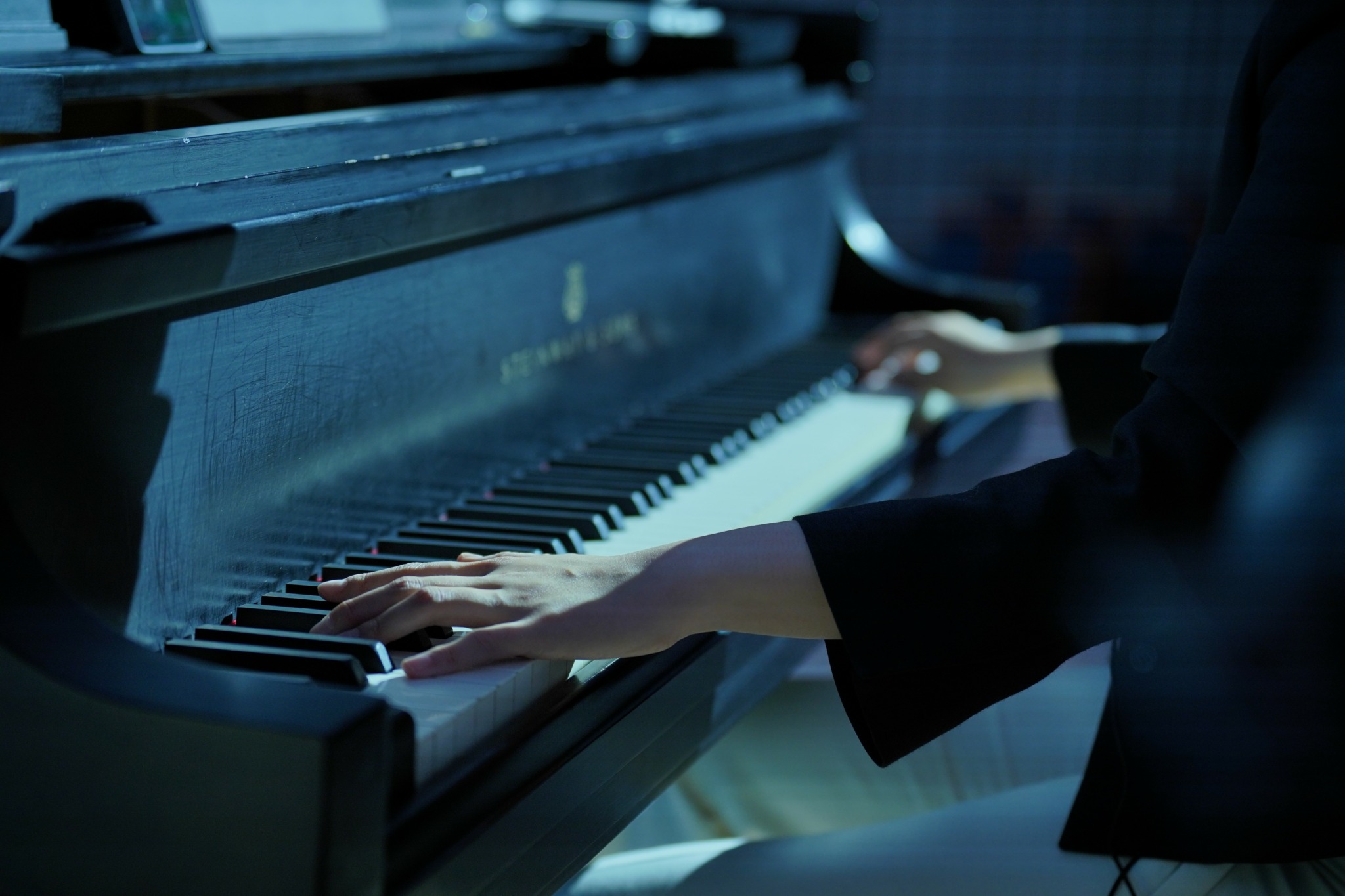
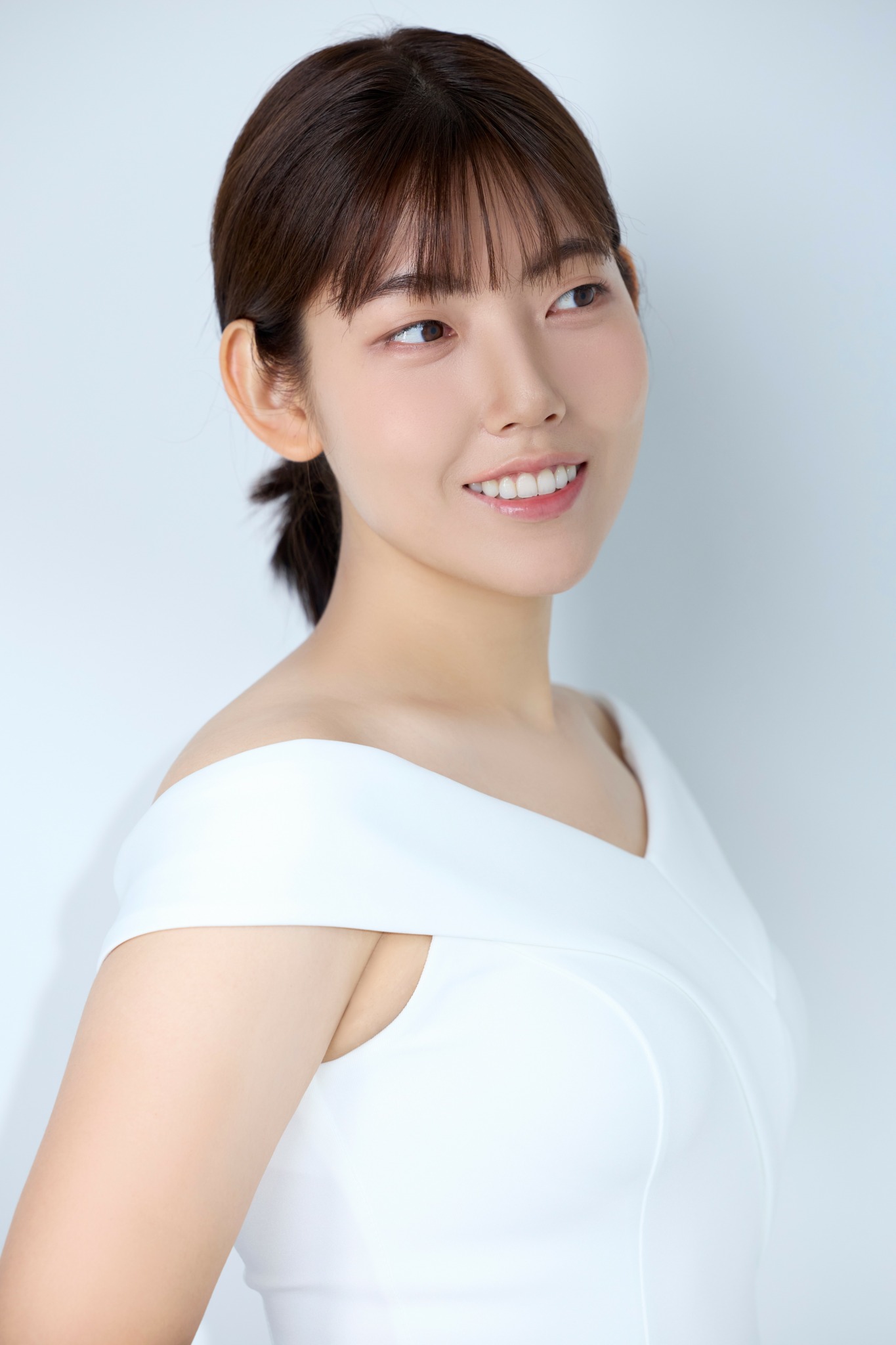
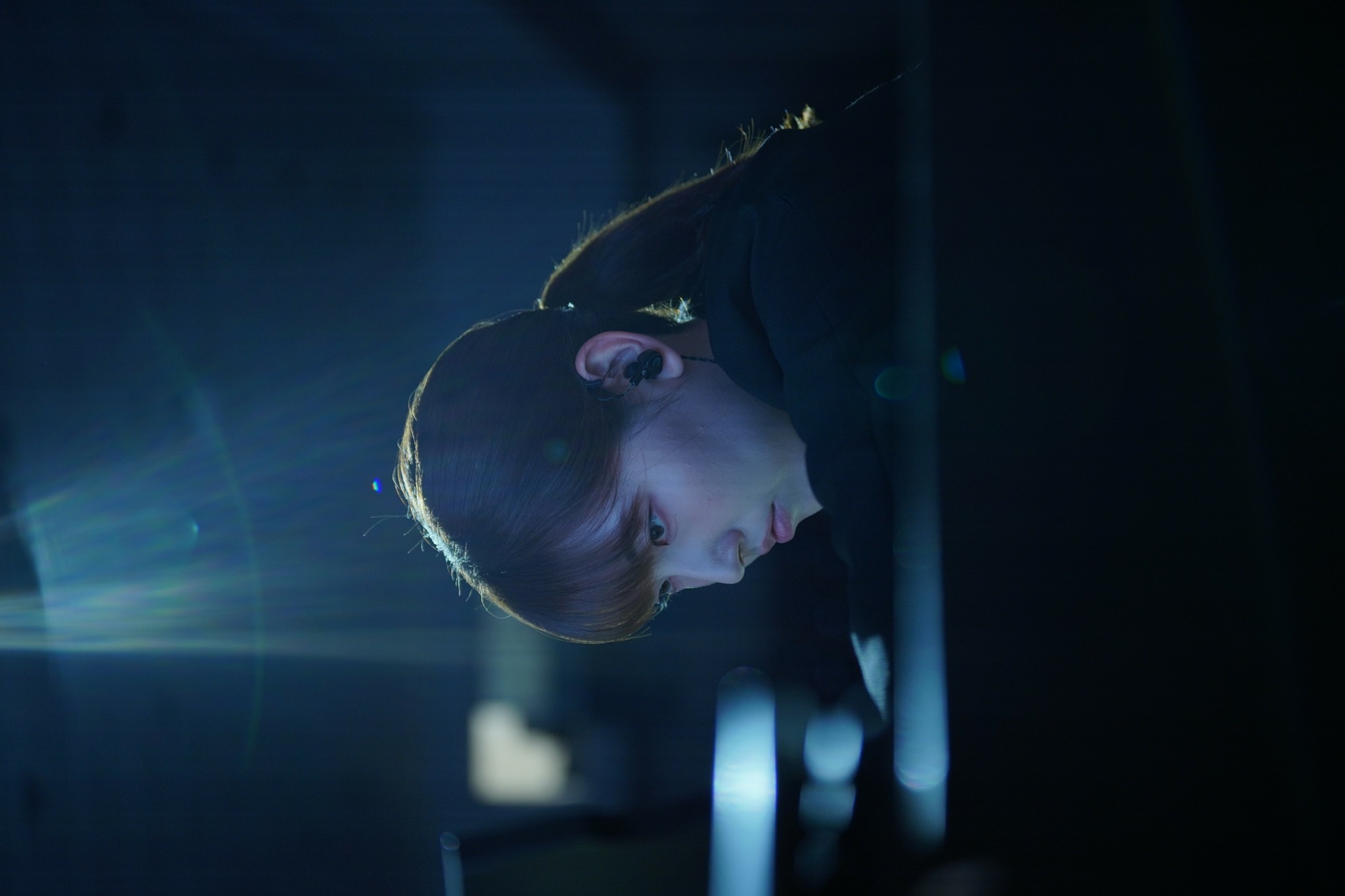
I am a composer, pianist, and multimedia artist. My work moves across concert music, performance, electronics, and interdisciplinary projects, and I’m especially interested in creating work that feels immersive, emotionally vivid, and conceptually meaningful. I began through music quite early, and composition gradually became the center of my creative life because it gave me a way to shape not only sound, but also energy, time, and emotion. Over time, my artistic practice expanded beyond music alone and grew into a broader interest in multimedia, technology, and creating larger artistic worlds through sound.
The kinds of work I create include solo and chamber music, ensemble, orchestral pieces, and multimedia projects that connect music with visuals, electronics, research, and narrative ideas. One of my most recent projects combines science lab data—specifically Miniscope data from the Aharoni Lab at UCLA—and transforms it into a work that incorporates VR visualization with music. Projects like that reflect what excites me most: finding ways to translate material from one world into another, whether that is scientific data into sound and image, or ecological ideas into musical form. I’m drawn to work that invites close listening but also offers a strong sensory and emotional experience.
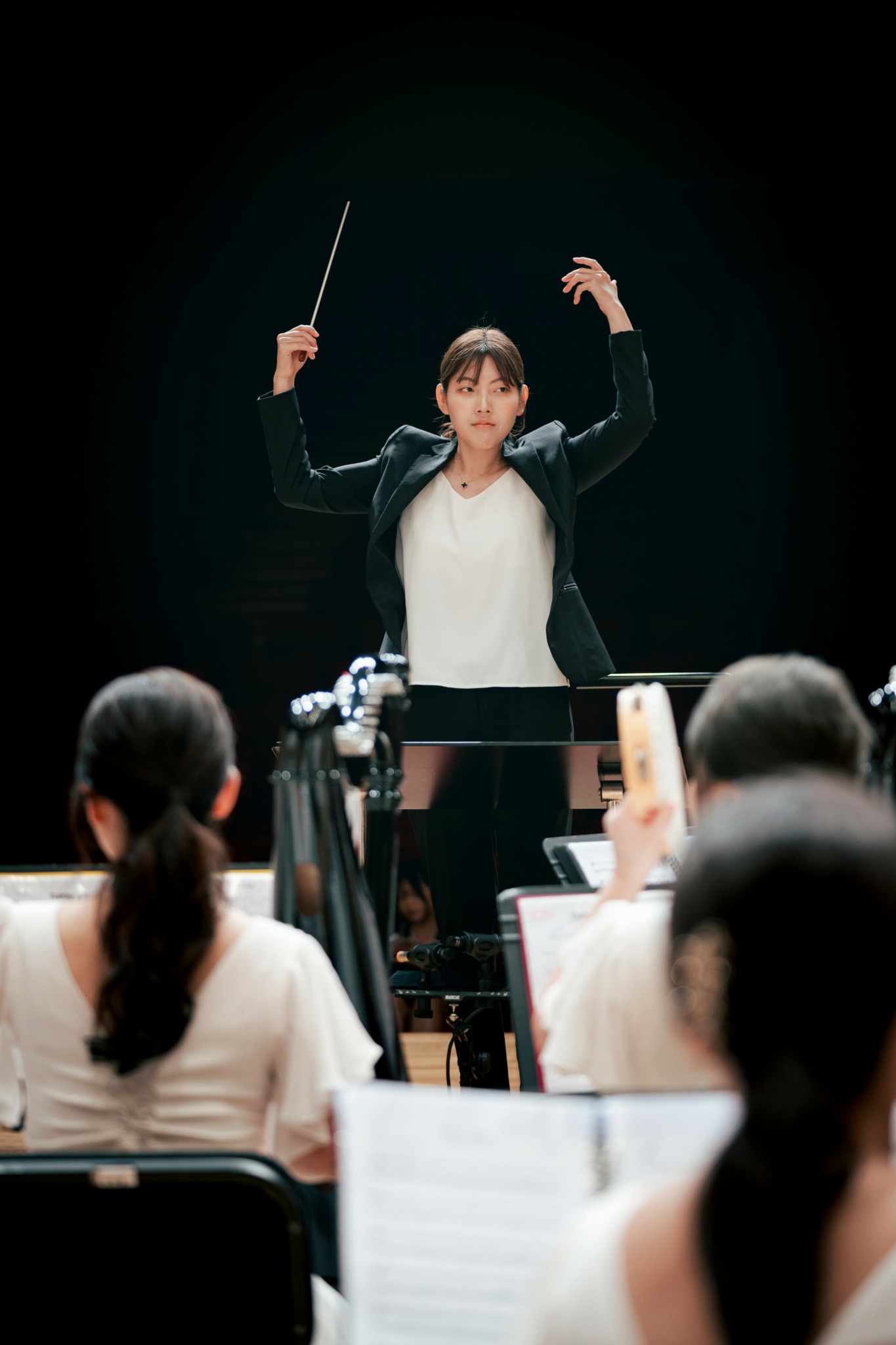
What sets me apart is probably the way I combine detailed musical craft with a strong conceptual and interdisciplinary approach. I care a lot about structure, timbre, pacing, and expressive clarity, but I also want every project to feel like it has its own world and its own reason for existing. I’m not interested in making work that feels decorative or interchangeable. I want each piece to carry its own voice, atmosphere, and deeper intention. Because I work across composition, performance, electronics, and multimedia thinking, I’m often approaching a project not only as a composer, but as someone shaping the larger artistic vision behind it.
What I’m most proud of is building a body of work that feels genuinely personal while continuing to grow in scale and depth. I’m especially proud of projects that bring together imagination, rigor, and sincerity, especially when they connect artistic expression with larger themes such as the environment, perception, or the relationship between sound and image. What I most want people to know about me and my work is that I care deeply about meaning, detail, and artistic integrity. I want my work to leave a lasting impression—not only as music, but as an experience.
What do you think is the goal or mission that drives your creative journey?
Unless I have a pressing deadline and need to finish something—which, to be honest, happens quite often—I do not always work with one fixed goal or mission in mind. Sometimes I create simply for the sake of creating. I think it is important for me to remain connected to the part of music making that comes from curiosity, play, and instinct, rather than always trying to force a larger purpose onto everything.
A lot of the time, that means noodling around, improvising, playing, and letting ideas emerge naturally. I have realized that I need to stay in touch with that sense of joy—just the joy of making sound, discovering something unexpected, and being present in the process. That feeling is important to me because it keeps the work alive and honest.
Of course, there are also deeper themes that I return to in my work, but I do not always begin with a clearly defined mission. Sometimes the act of creating itself leads me to what the piece is really about. In that way, my creative journey is driven as much by openness and exploration as it is by intention.
What’s the most rewarding aspect of being a creative in your experience?
Personally, the most rewarding part has changed over time. When I was younger and earlier in my training, the most rewarding feeling was often finally seeing the result. I was a slow writer, and the process could feel very difficult—full of struggle, overthinking, and long periods of not knowing whether something was really working. So for a long time, finishing a piece and hearing the final result felt like the biggest reward.
But through years and years of writing, training, and simply continuing to work, I gradually became a faster writer and a more trusting one. I learned how to move through doubt without getting completely stuck in it. And now I think what feels most rewarding is that I actually enjoy the process much more than I used to. Of course, I still care deeply about the final result, but now I also value the process itself—the discovery, the shaping, the quiet moments of figuring something out, and even the struggle that comes with trying to make something meaningful.
That shift has been really important for me. It made my creative life feel less like constantly chasing the end, and more like living inside the act of making. I think that has been one of the most fulfilling changes in my life as an artist.
Contact Info:
- Website: https://www.sihyunuhm.com
- Instagram: https://instagram.com/sihyunuhm
- Facebook: https://www.facebook.com/siamusic13
- Linkedin: https://www.linkedin.com/in/sihyunuhm