

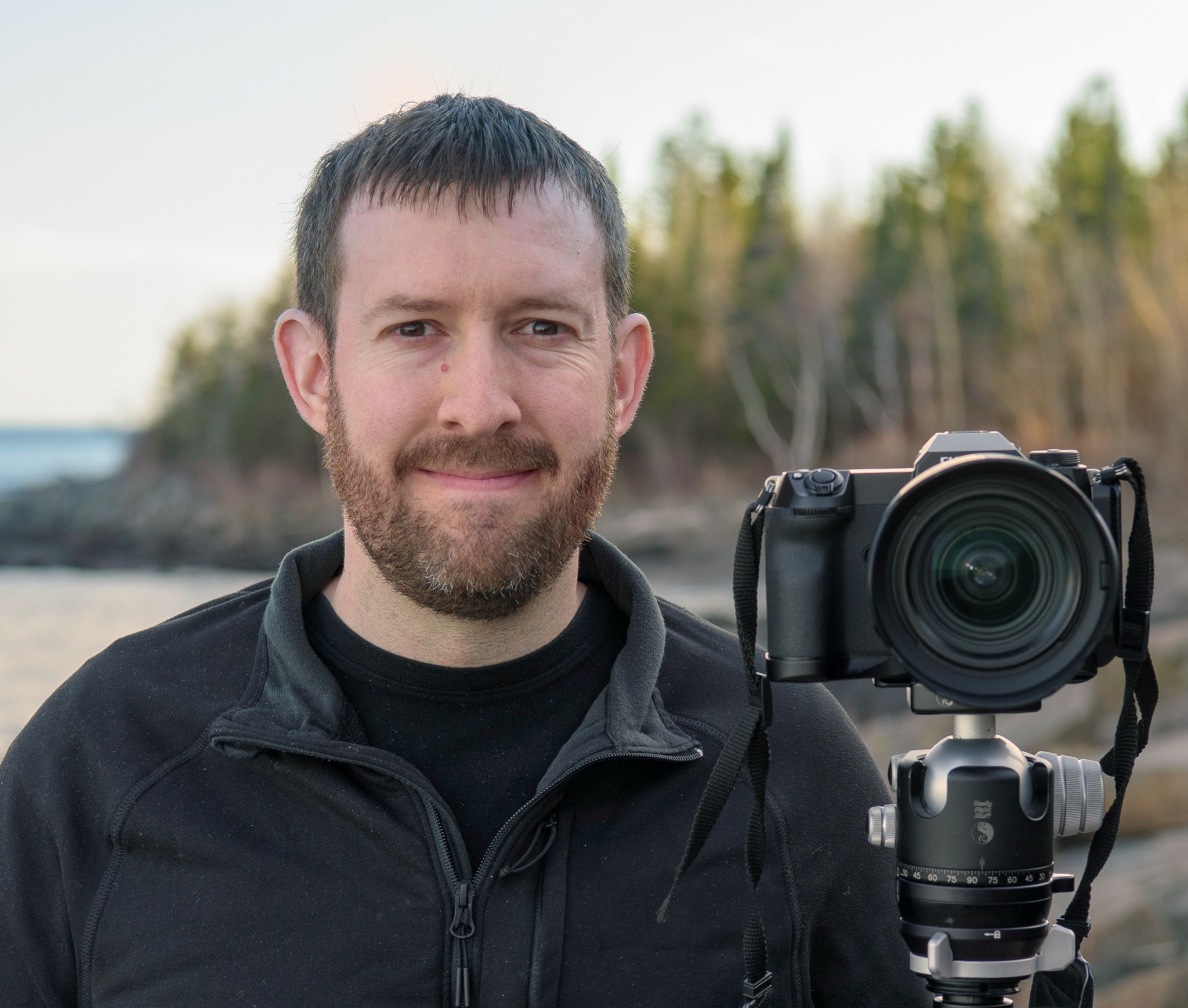

We’re excited to introduce you to the always interesting and insightful Ryan Tischer. We hope you’ll enjoy our conversation with Ryan below.
Ryan, appreciate you joining us today. Have you been able to earn a full-time living from your creative work? If so, can you walk us through your journey and how you made it happen? Was it like that from day one? If not, what were some of the major steps and milestones and do you think you could have sped up the process somehow knowing what you know now?
I’ve been making a living at my landscape photography since 2008, when I decided to go full-time with my business. It hasn’t been easy. My first year going full-time consisted of exhibiting in 45 art shows and festivals, while still making time to create new work. There were more than a few nights spent sleeping in my cargo van to save money on hotels while exhibiting in shows and out photographing.
As people became familiar with my photography, I developed a growing list of collectors and my business grew. Finding and developing repeat customers is one of the keys to becoming successful as an artist, similar to most other businesses. One of the most important things I did, and have continued to do, is collect the information of people that have made purchases and re-market to them via emails and the occasional postcard reminder for sales and events.
Over the following years my list of collectors grew and I figured out the best venues to exhibiting my photographic artwork. Things got a little easier, which was good because at times I did experience burnout from doing so many art shows and festivals. Most people don’t realize shows are an immense amount of work and can also be stressful with all the travel and booth setup.
In 2017, I decided to take a leap and opened a brick-and-mortar gallery in downtown Duluth, Minnesota. The fixed costs were a little scary at first, but the gallery turned a profit, which allowed me to cut back on doing the less lucrative shows. Three years later, my lease was almost up downtown and I discovered a vacant space in Canal Park, the tourist mecca of Duluth. My rent more than tripled, but the significant increase in sales allowed me to hire a manager to take on most of the day to day tasks of running a gallery. This freed up more time for making new images and having a much healthier personal life. Not having to do a show every summer and autumn weekend was a welcome change.
After years of hard work, I became regionally well-known for my landscape photography of northern Minnesota and no longer have to sleep in a van when traveling. I considered that a success.
If I could go back in time 20 years and give myself self advice, I wouldn’t change much other than to tell myself to keep up the hard work and eventually it will pay off.
Great, appreciate you sharing that with us. Before we ask you to share more of your insights, can you take a moment to introduce yourself and how you got to where you are today to our readers.
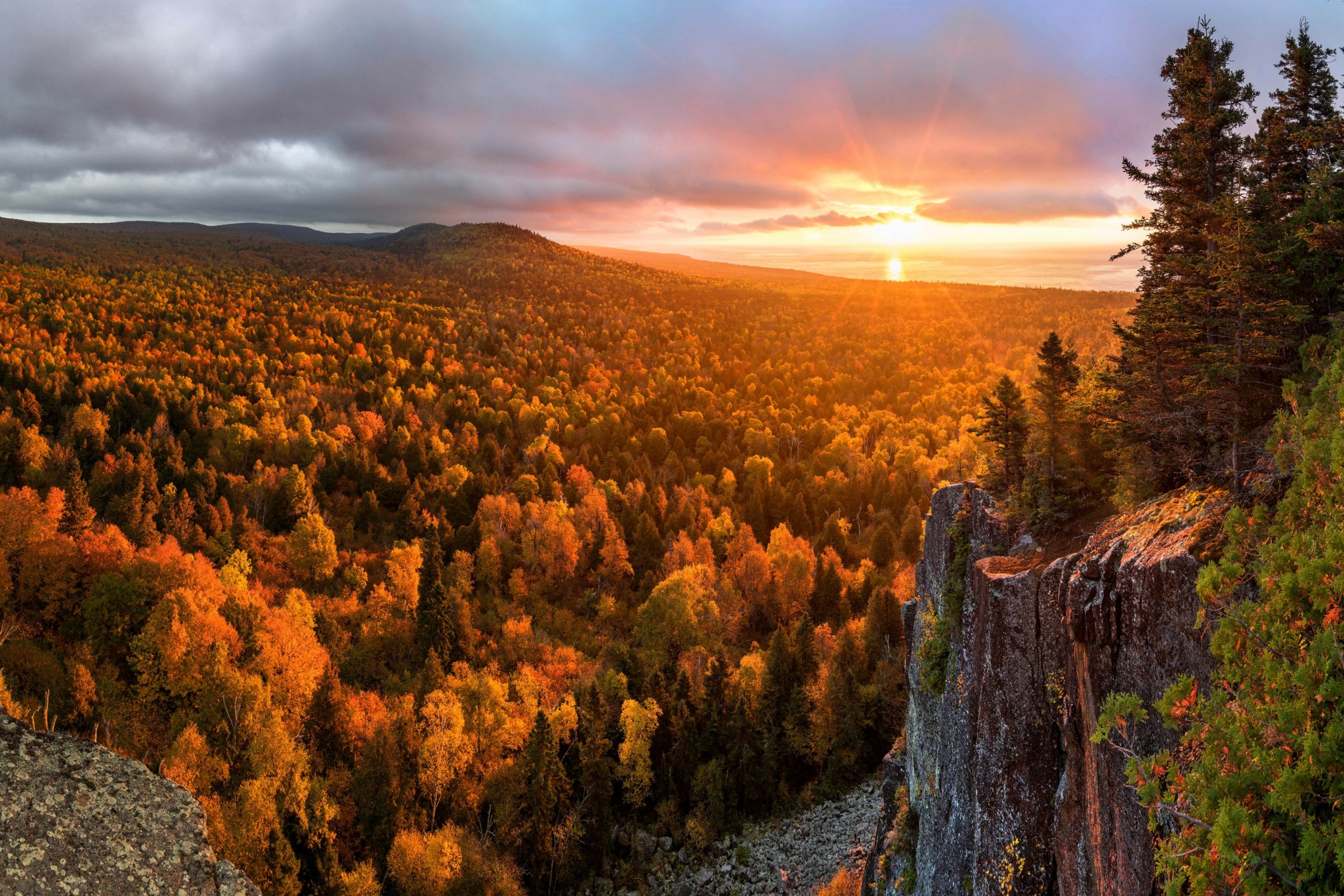
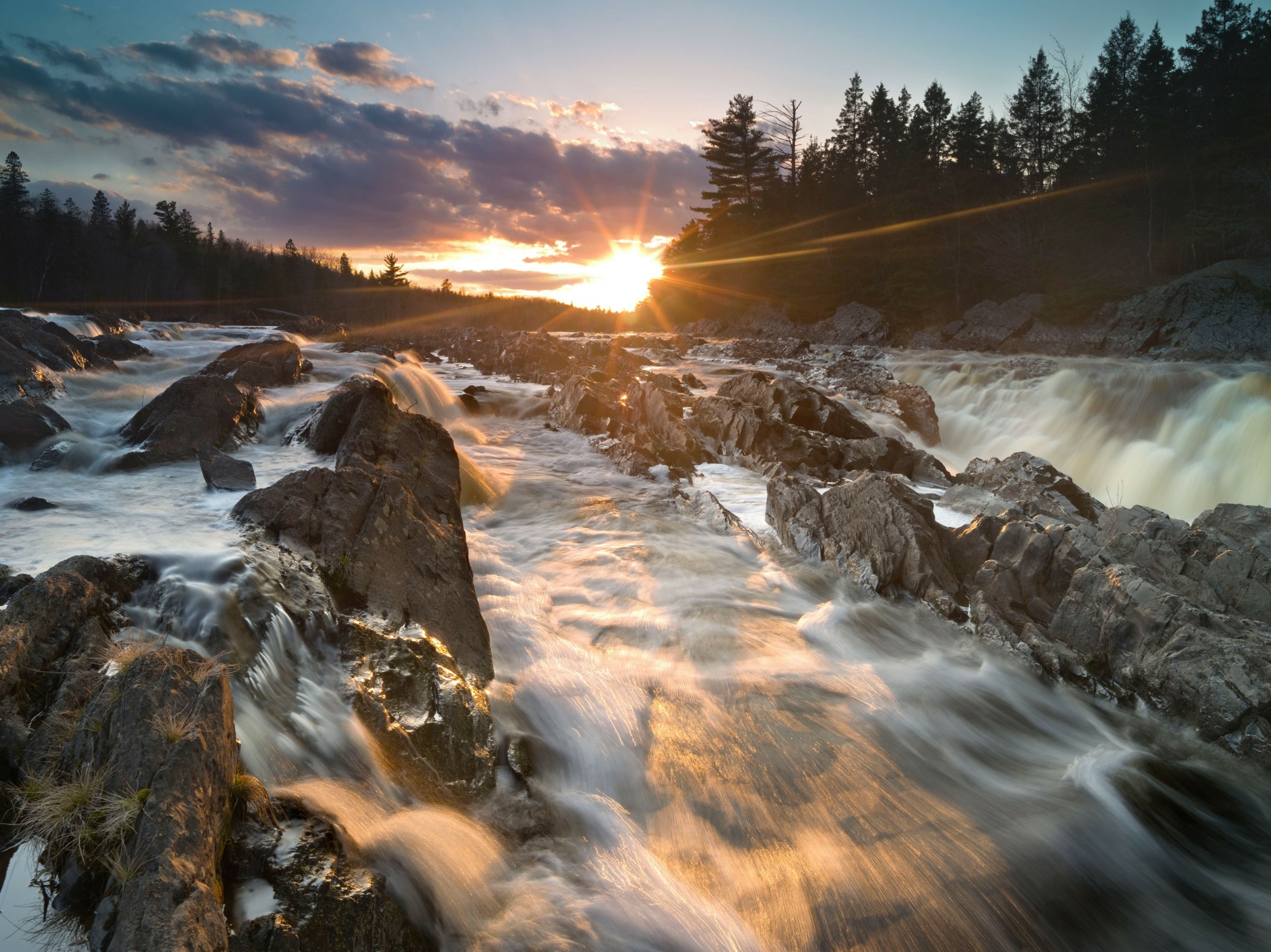
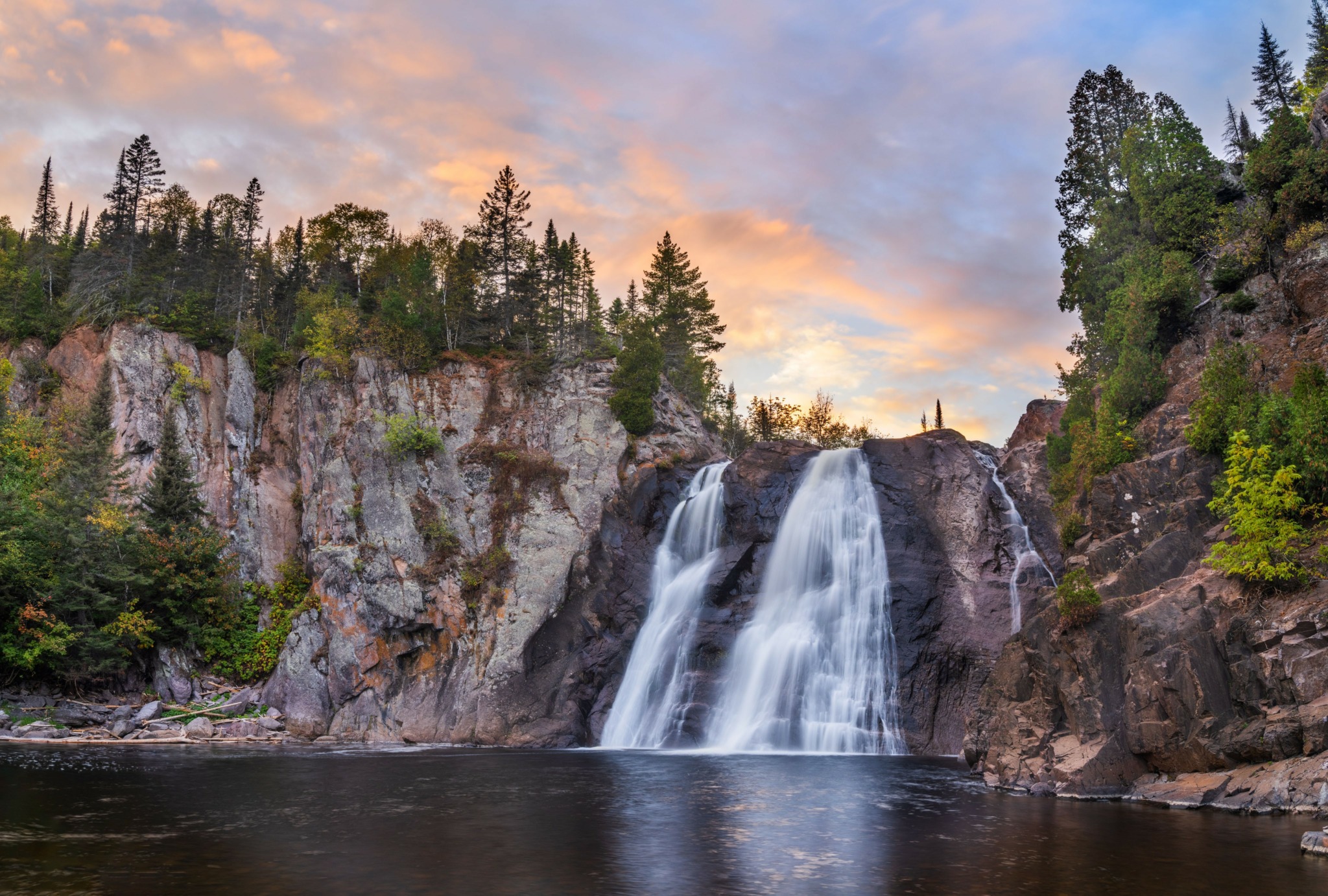
I’ve been selling my photographic artwork for over 20 years, which is the primary way that I earn a living.
Because we produce the artwork on site at the gallery, I’ve been able to keep the costs down and quality up on my artwork. Customers often come to the gallery with blank walls and aren’t sure of the best size and presentation. We’re able to work with them and customize each piece to their unique needs.
What I think sets me apart from other photographers is my attention to detail when making and processing my images. For me, it’s all about the finished result of my artwork –something that people can hang on their walls and admire for decades.
I’m most proud of building my art gallery family and being able to surrounds myself and work with good people on an everyday basis.
One of the important things in building an artwork business is having a unique brand. For me, part of that has been my trademarked motto, “take a piece of the North Shore home.”


Can you talk to us about how you funded your business?
I started out very small, with a relatively low start-up cost. For my first outdoor art fair, I built a display out of a 4×8′ sheet of pegboard cut in half and connected them with a piano hinge. I set that on top of an unskirted table I borrowed from a friend’s mom and I purchased a relatively inexpensive canopy from Sam’s Club. It wasn’t pretty, but I still sold art and I learned as I went along. As I could afford it, I purchased new camera and artwork display equipment that upped my level of professionalism and elevated the quality of my work.
When it comes to the finances of running my business, I’ve always proceeded carefully and have been able to avoid debt. Selling art is a fickle business and unpredictable. Because I’m selling a luxury items primarily to the middle class, changes in the economy can have a profound impact on artwork sales. For this reason, every piece of equipment I’ve ever purchased has been done so with cash. Staying away from debt has possibly made my business take longer to grow, but it’s also kept things financially sound enough to make a living.
Let’s talk about resilience next – do you have a story you can share with us?
During my first year doing art shows and festivals full-time, I did three different shows in three days over the Fourth of July weekend. It was hot and sticky and I slept in my van each night to save money. I was up by sunrise setting up my booth and didn’t arrive at my next show location until after dark. That weekend I worked my butt off and made what was, at the time, a respectable profit, but it also resulted in some burn out. Now I joke that I never fully recovered from that weekend.

Image Credits
Ryan’s portrait by William Hurst Photography.