

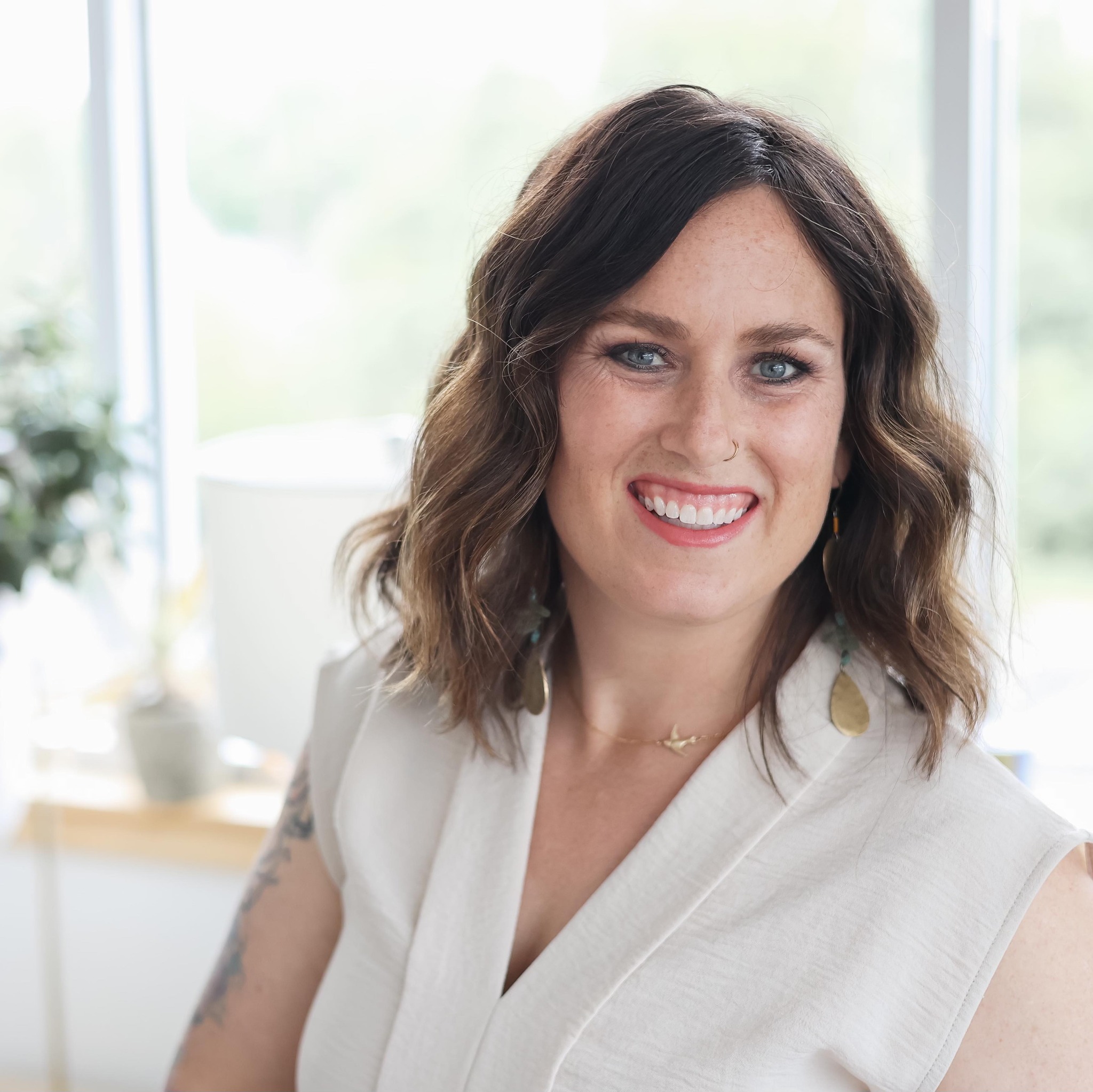

We caught up with the brilliant and insightful Taylor Bonga a few weeks ago and have shared our conversation below.
Hi Taylor, thanks for joining us today. Was there a defining moment in your professional career? A moment that changed the trajectory of your career?
Becoming a mother was the defining moment that changed the trajectory of my professional life. It’s been the best leadership course I’ve ever had.
I grew up in a home with a lot of love and a lot of dysfunction. My mom struggled with alcoholism, and while I always knew I was loved, I also learned early how to stay alert, manage emotions, and adapt to instability. Those patterns followed me quietly into adulthood—into my relationships, my nervous system, and eventually, into early motherhood.
When I became a mom, those patterns surfaced in a way I couldn’t ignore. I noticed how easily I moved into over-functioning, reactivity, and self-sacrifice. I saw how stress lived in my body, how disconnection showed up in moments I wanted to be calm, and how quickly generational patterns can repeat if they’re left unexamined. I didn’t want my children to inherit the emotional weight I carried—or to feel the confusion of love mixed with unpredictability. I also didn’t want to continue those dynamics in my partnership.
That realization became a turning point. I stopped asking, “How do I push through this?” and started asking, “What needs to be healed so this doesn’t continue?” That question redirected everything. It led me into nervous system education, somatic work, coaching, and eventually clinical counseling training—not just to support others, but because I was committed to doing my own work first.
My career is now rooted in helping people feel what I didn’t always feel growing up: safety, steadiness, and permission to be fully human without managing everyone else. Motherhood clarified my values, sharpened my purpose, and gave me a deep respect for how personal healing becomes relational healing. That moment—choosing to interrupt the pattern rather than normalize it—changed everything.

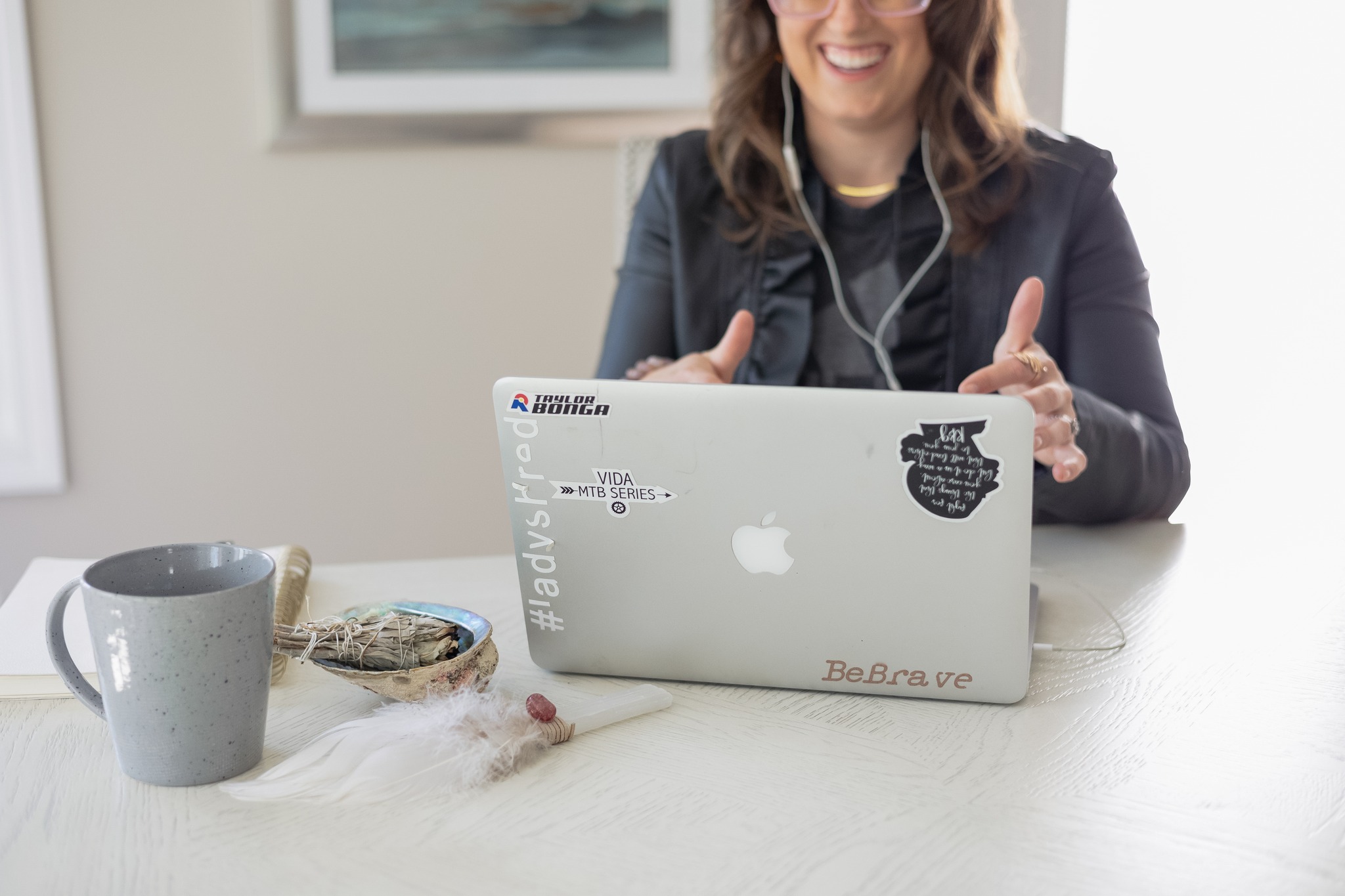
Taylor, love having you share your insights with us. Before we ask you more questions, maybe you can take a moment to introduce yourself to our readers who might have missed our earlier conversations?
Years of over-functioning, self-monitoring, and being the “strong one” collided with motherhood, relationship strain, and the slow realization that the world isn’t built to support nervous systems like mine. What I once thought were personal shortcomings were actually nervous-system responses to generational patterns, chronic pressure, invisible labor, and systems that reward self-abandonment.
My work lives at the intersection of nervous system science, somatic practice, attachment theory, and leadership—without bypassing reality or pretending the state of the world isn’t impacting us. Many of the women I work with are successful on paper but dysregulated in their bodies: sharp, capable, deeply caring women who are quietly burning out.
My clients are tired of:
– Yelling at their kids and hating themselves afterward
– Resenting partners they still love
– Carrying everything while feeling unseen
– Being told to “just rest” when rest doesn’t touch the root
– Therapy that explains why but doesn’t change how their body reacts
I help women move from reactivity to resourced through nervous-system–based coaching, somatic regulation, and relational repair. This isn’t mindset work. It isn’t spiritual bypassing. And it’s not about becoming calmer so you can tolerate more dysfunction.
What I name—clearly and without apology—is this:
Many women aren’t struggling because they’re broken. They’re responding normally to a world that feels increasingly unsafe, unjust, demanding and oppressive to women.
I’m most proud of building work that prioritizes protection over performance, capacity over hustle, and repair over perfection. My clients learn how to stop yelling at their kids, resenting their partners, and hating themselves for being “too much” or “not enough”—not by trying harder, but by working at the level where change actually sticks.
My work is for women who are done white-knuckling their lives and ready to lead from presence instead of pressure—inside themselves first.

Any advice for growing your clientele? What’s been most effective for you?
Hands down, my most effective strategy has been word-of-mouth referrals, which naturally come from the results my clients experience. When someone feels a real shift—something tangible in their relationships, their nervous system, or their ability to respond instead of react—they share it with people they care about. That’s when the magic of referral-based growth happens.
For example, I’ve had a client I’ve worked with for six years whose mother-daughter relationship transformed in ways that were previously unimaginable. The mom, who once led from a place of control and defensiveness, finally got curious about her own patterns and started therapy herself. Over time, the dynamic shifted to one of genuine connection, trust, and mutual understanding.
Other clients come to me having tried therapy elsewhere, often feeling stuck or frustrated. In some cases, they notice a meaningful transformation within the first session, and certainly by the third week. That early, visible progress fuels their confidence in the work—and they share it with their network, which continually brings new clients who are ready to dive deep and do the work.
For me, it’s never been about marketing gimmicks or chasing leads—it’s about creating results that speak louder than anything I could ever say. When the work lands, it sells itself.


We often hear about learning lessons – but just as important is unlearning lessons. Have you ever had to unlearn a lesson?
One of the biggest lessons I had to unlearn was that being constantly “strong” and in control was the only way to survive. For years, I over-functioned—at work, at home, in motherhood—believing that if I didn’t handle everything perfectly, everything would fall apart. I would react to my kids, shut down with my partner, and feel shame every time I wasn’t “enough.”
The backstory is simple: I grew up seeing patterns of martyrdom, reactivity, and self-abandonment that weren’t mine—but I carried them as if they were. It wasn’t until I became a mom that the truth hit me: I was replicating cycles I swore I’d break, and my nervous system was screaming for relief.
The resilience came in realizing that control is an illusion—the only control we truly have is how we respond to the world around us. I had to practice presence over pressure, experimenting with boundaries, self-regulation, and conscious curiosity even when it felt uncomfortable. Over time, I saw the shift in myself and my relationships: I could show up fully for my children, my partner, and myself without burning out, and that insight became the foundation for the work I do today with women who are carrying too much.
Contact Info:
- Website: https://wildhappyworth.com
- Instagram: https://instagram.com/taylorbonga.feminineleadership
- Facebook: https://Facebook.com/taylorbonga.feminineleadership


Image Credits
https://www.ejdilleyphotography.com
https://oliviaramultimedia.com