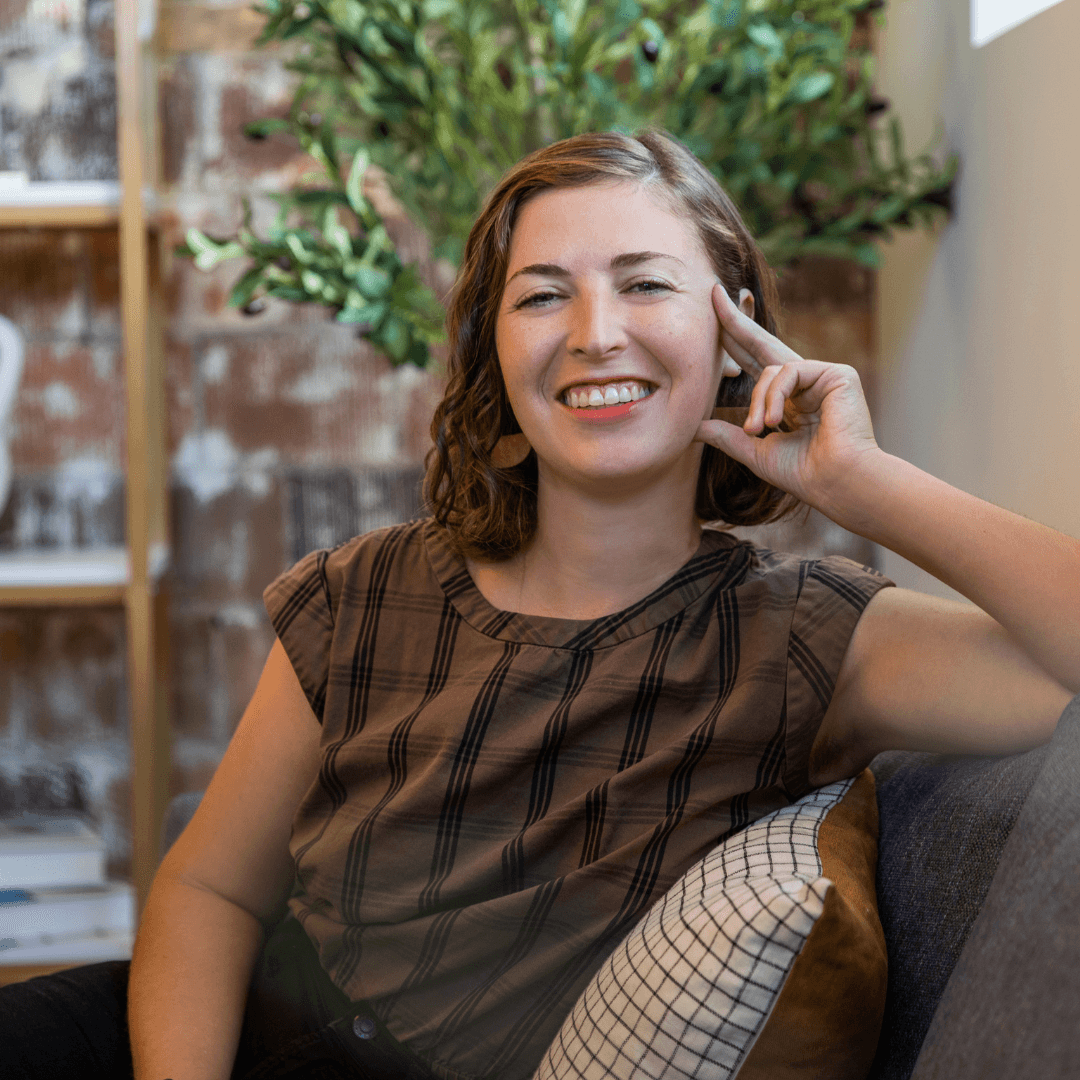

We’re excited to introduce you to the always interesting and insightful Emma Sartwell. We hope you’ll enjoy our conversation with Emma below.
Emma, appreciate you joining us today. We love heartwarming stories – do you have a heartwarming story from your career to share?
A client once brought me a beautiful thank you card after we’d finished working together.
She’d navigated a breakup, moved into her first place on her own, and stepped into adulthood in a way that was entirely her own doing — I had been there for her along the way as a cheerleader, a sounding board, a mirror.
Her card said that many people worry their work isn’t making an impact, but that mine had changed her life.
I put the card on my mantel, and it stayed there throughout my maternity leave — a quiet reminder, during my own season of transformation, of why this work matters.
Great, appreciate you sharing that with us. Before we ask you to share more of your insights, can you take a moment to introduce yourself and how you got to where you are today to our readers.
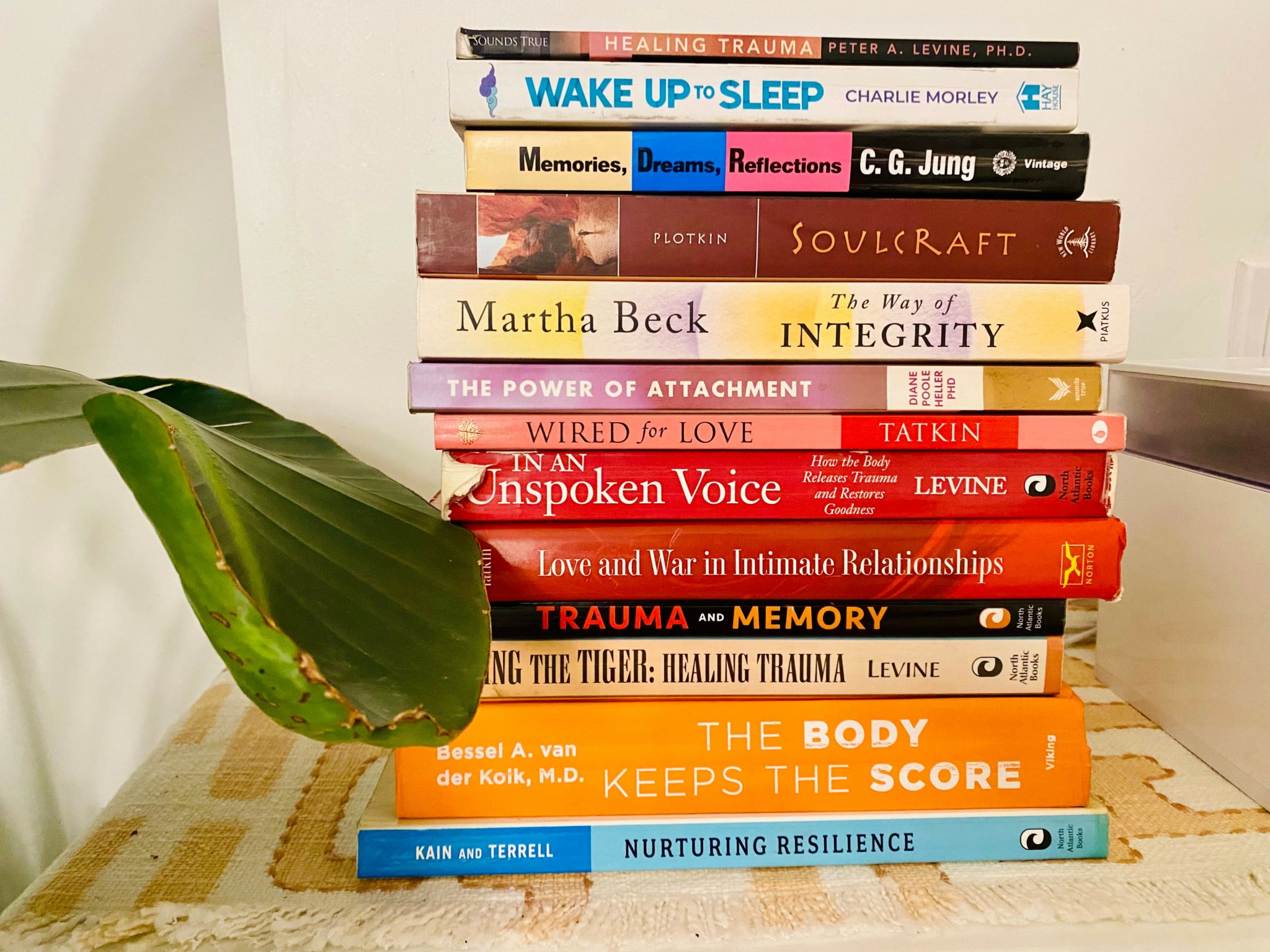
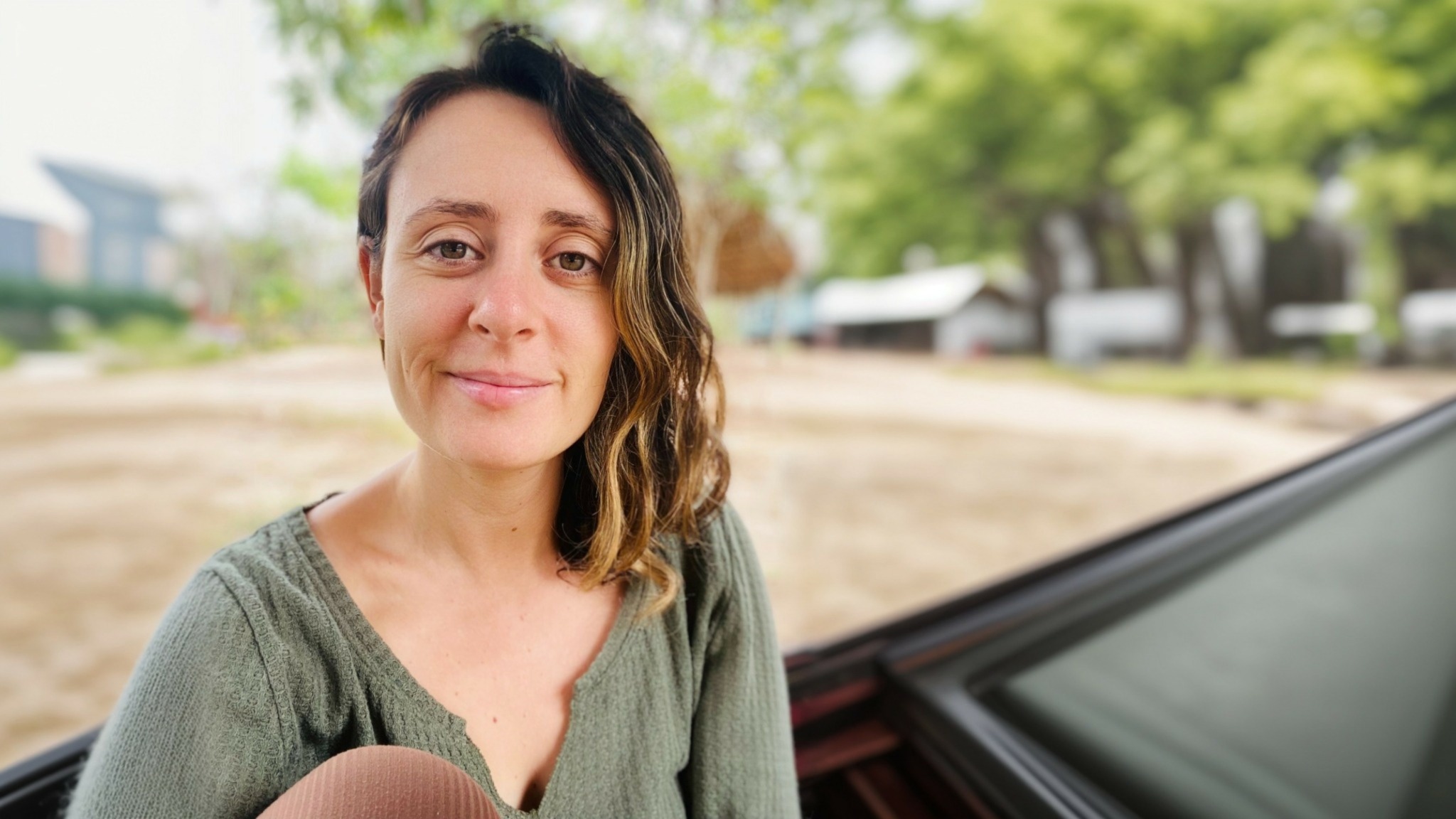
I’m Emma, a counselor and Somatic Experiencing Practitioner. My work lives at the intersection of the body, the psyche, and the soul — and I believe those three can’t really be separated. When we try to heal emotionally or spiritually while ignoring what’s happening in our nervous system, we often find ourselves stuck in the same loops. That’s where I come in.
I work virtually with clients one-on-one, supporting people through life transitions, grief, anxiety, relationship challenges, and the kind of existential questioning that doesn’t fit neatly into a therapy office or a meditation cushion. My sessions draw on somatic (body-based) trauma work, contemplative psychology, and spiritual counseling — tailored to wherever each person actually is.
What I’ve found, over years of this work, is that people aren’t broken. They’re just carrying more than they’ve been given tools to process. My role is less about fixing and more about accompanying — being a steady presence while someone finds their own way through. The insight, the growth, the courage? That’s always the client’s.
What sets my approach apart, I think, is that I take both the body and the spirit seriously — not as metaphors, but as real sites of healing. I hold a Master of Divinity from Naropa University and have spent almost two decades in the contemplative world, which means I’m equally at home sitting with someone’s panic attacks and sitting with their questions about existential meaning.
What I’m most proud of is the depth of transformation I witness in people who were convinced they were beyond help, or too complicated, or had already “tried everything.” If you’ve been searching for support that doesn’t ask you to leave any part of yourself at the door, I’d love to connect.
How’d you meet your business partner?
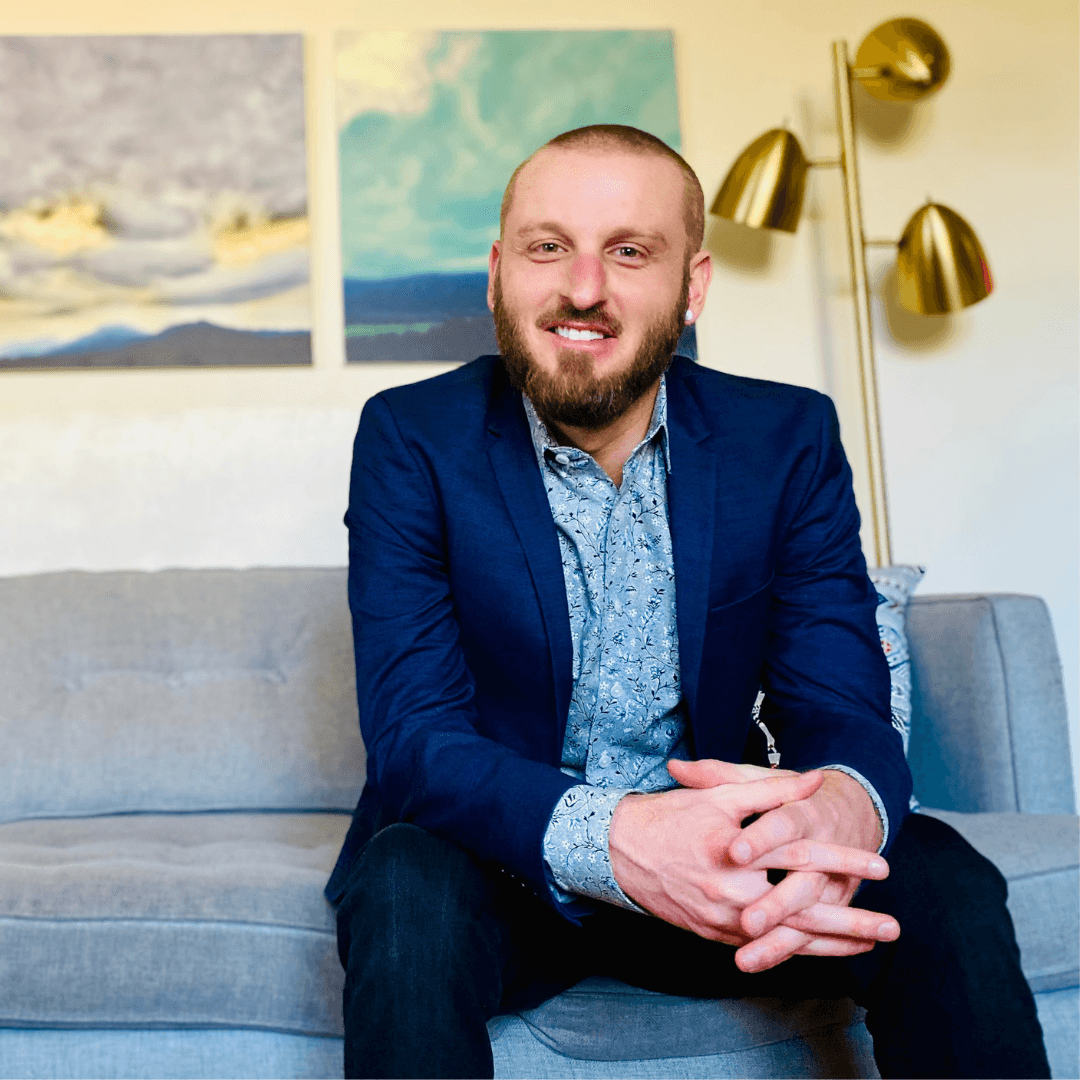
Chris and I met at a graduation party and were friends for a few years before we fell in love — so by the time we got together, we already knew each other pretty well. When we decided to build a life together, Chris proposed we combine our practices into one business, rather than run two separate ones. I was hesitant at first, honestly. Going into business with your partner felt like a lot to risk.
But I agreed to try, and it turned out we complement each other’s skillsets in ways that make the work better than either of us could do alone. Chris is also a therapist, so we share a deep common language around the work — but we bring different training, different strengths, and different perspectives to the table.
Would I recommend running a business with your spouse? Not necessarily. But for us, it works.
Do you have any insights you can share related to maintaining high team morale?
My biggest piece of advice is to think less like a manager and more like a community builder. We’re a small team, and I’ve leaned into that, rather than trying to impose corporate-style structure onto something that doesn’t need it.
In practice, that looks like monthly meetings, a shared WhatsApp group, birthday cards, covering for each other when life happens, consulting on each other’s tricky client questions, and doing practice sessions together. It sounds simple, but the cumulative effect is that people feel genuinely seen and connected — not just to the work, but to each other.
I think high morale in a small practice comes down to one thing: do people feel like they belong to something?
Compensation and flexibility matter, but what keeps good people engaged is feeling like their presence makes a difference. When someone on our team has a hard week, we notice. When they have a win, we celebrate it. That’s not a policy — it’s just what a real community does.
If I had to distill it: invest in the relational fabric, not just the operational structure. The culture you build is the product, in a way — and clients feel it.
Contact Info:
- Website: https://somaticspiritualcounseling.com/
- Instagram: https://www.instagram.com/somaticspiritual/
- Facebook: http://facebook.com/somaticspiritual
- Linkedin: https://linkedin.com/in/somaticspiritual
- Youtube: https://www.youtube.com/@SomaticSpiritualCounseling
- Yelp: https://www.yelp.com/biz/somatic-spiritual-counseling-boulder