
Alright – so today we’ve got the honor of introducing you to Kate Wade. We think you’ll enjoy our conversation, we’ve shared it below.
Hi Kate, thanks for joining us today. Can you talk to us about a project that’s meant a lot to you?
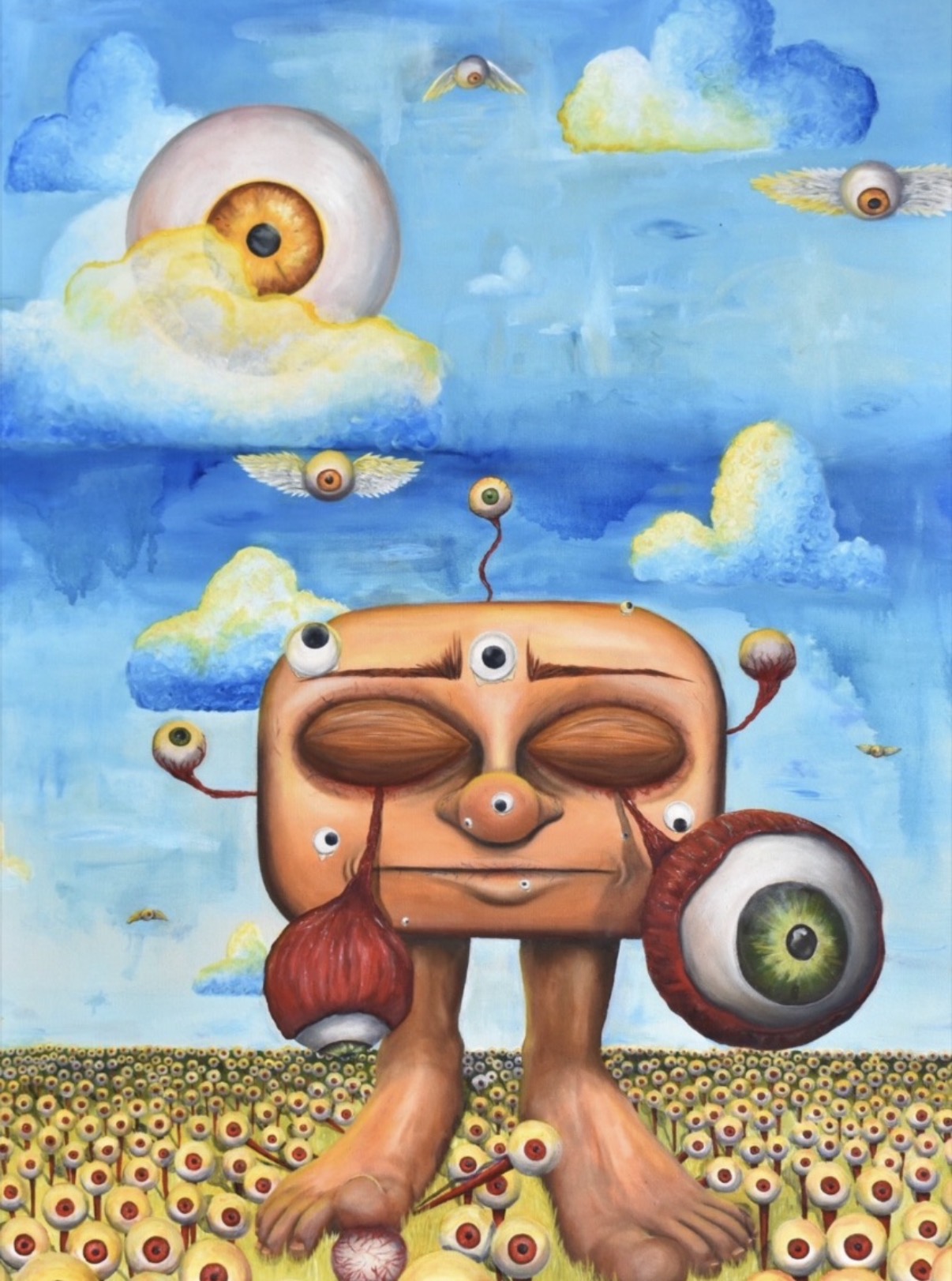
One of the most meaningful projects in my artistic journey was a classroom assignment while at SCAD (The Savannah College of Art and Design). The assignment was to create a figure painting, human or non-human, inspired by another artist. I remember sitting with the idea for days, wanting to push myself beyond what felt safe or familiar. During my search for inspiration, I discovered the work of Stephen Gibb, whose paintings draw from fairy tales and nursery rhymes.
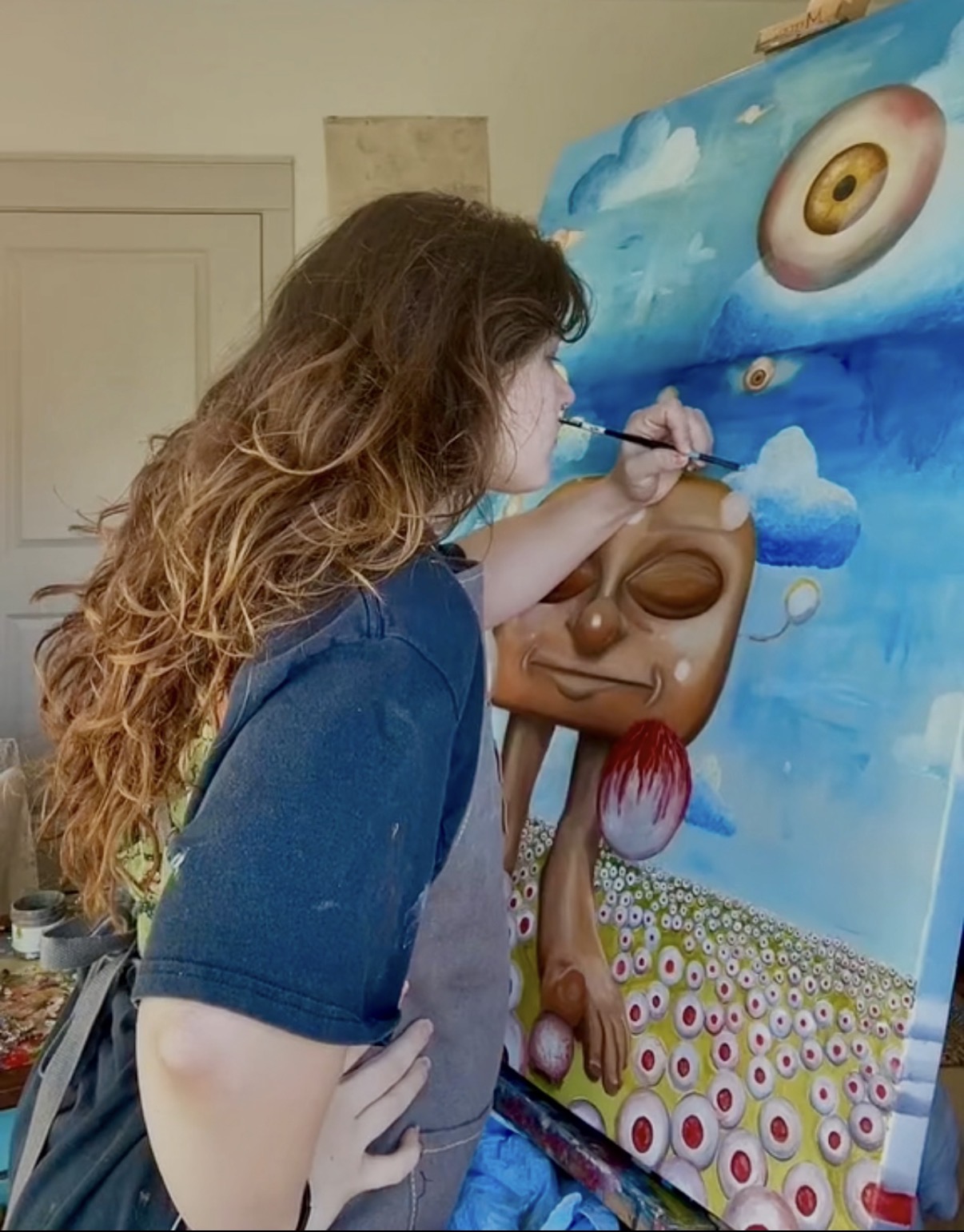
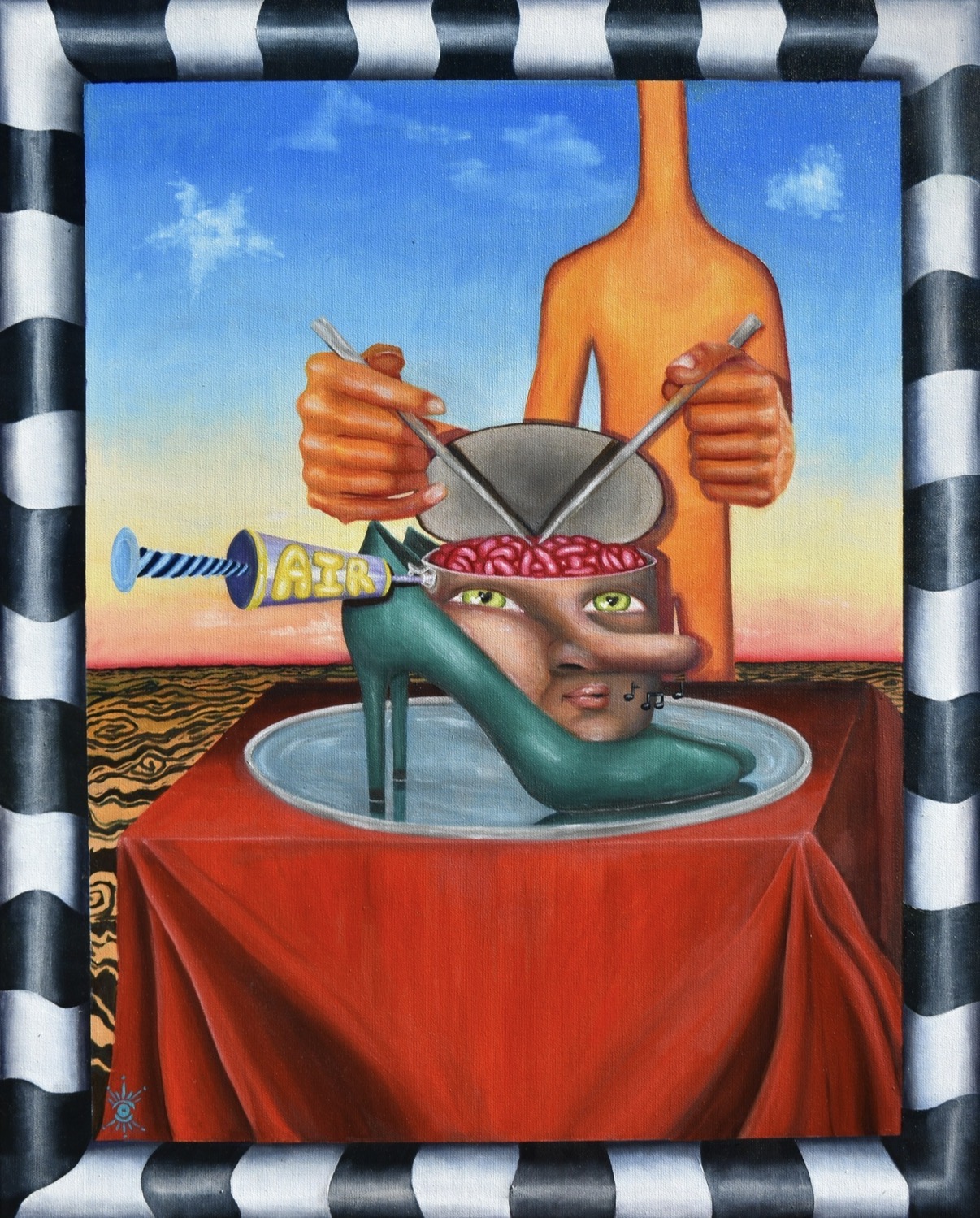
I decided to explore idioms, those quirky, expressive phrases we use every day, and bring them to life visually. The result was a large-scale surreal piece filled with faces and characters, each representing a different idiom, interacting with one another. It was layered, whimsical, and slightly chaotic. While presenting my piece to the class, I felt completely confident. I loved the energy and emotion my painting embodied, and I knew I had discovered both my signature character and the surreal storytelling style that would define my niche. That project gave me clarity and creative confidence. Since then, I’ve continued developing what I now call my “funky idiom series.” One of my favorites, titled “CHECK YOUR HEAD!!!”, is a bold composition built entirely from head-related idioms collaborating to form one striking, larger-than-life image. Looking back, that assignment was more than just a project, it was a turning point. Without it, I believe my work would have headed in a completely different direction. Instead, it sparked a path that feels uniquely mine, playful, surreal, and rooted in idiom storytelling.
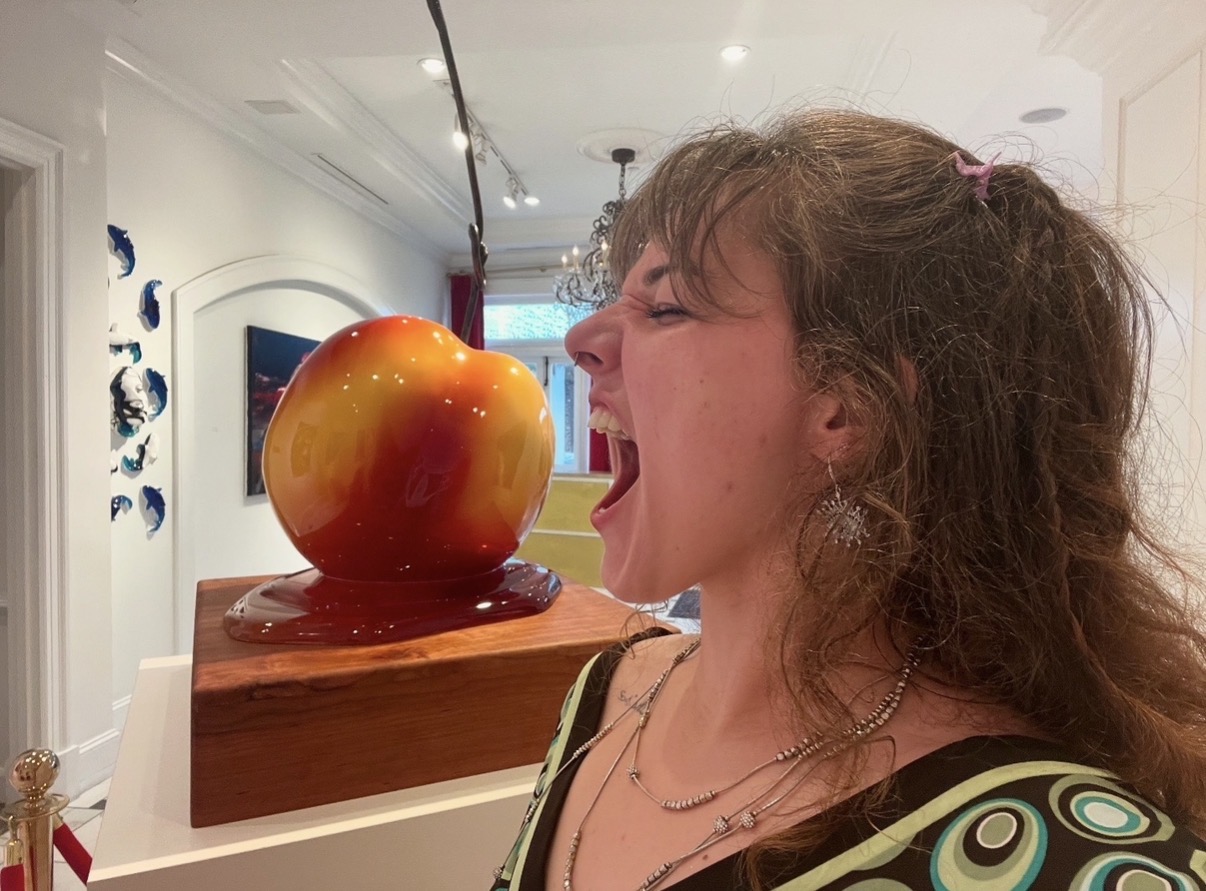
Great, appreciate you sharing that with us. Before we ask you to share more of your insights, can you take a moment to introduce yourself and how you got to where you are today to our readers.
When I was younger, I had a profound need to create. I was described as an “old soul”, quietly observing, listening and visualizing situations and things around me. Art was one of my favorite classes in school. One of my earliest defining moments came in middle school when my artwork was displayed in the main entrance of the building. Seeing my work showcased so publicly was a turning point; I had never been prouder, and it fueled my drive to keep pushing myself creatively.
I went on to attend SCAD, where I was challenged and expanded in ways I never imagined. I began to create emotional pieces that made viewers question, think, and take a moment to unravel the visual story. I gained a deeper understanding of art and the process, I learned to create intentional compositions, and most of all developed patience!
My concept and my process may be unique. I don’t heavily map out my ideas with countless preparatory sketches. Typically, I create one main sketch and let the rest live in my imagination. Overworking an idea on paper can sometimes drain its energy for me. I prefer to preserve that spark and allow the painting to evolve organically on the canvas.
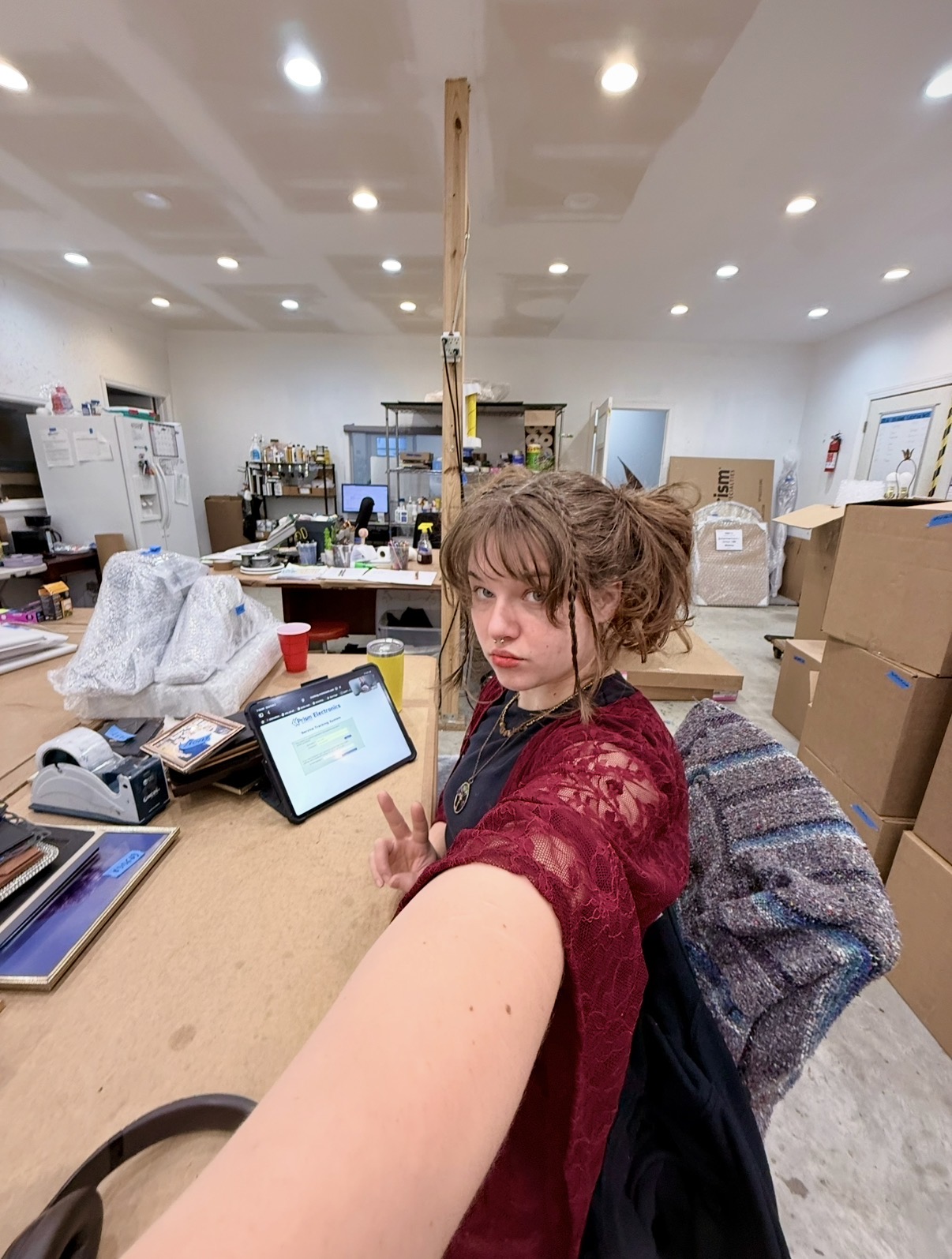
I’m most proud of my persistence. The artistic path isn’t easy! It takes resilience, discipline, and belief in yourself. In my current role as an Art Restoration Specialist, I see that truth every day. Restoration is careful, patient work and each project teaches me something new about materials, technique, and the decisions artists make.
I am also a commissioned artist and specialize in portraiture, pet portraits, caricatures, and surrealism. Each piece I create is tailored to capture the essence of the subject or scene. I work closely with clients to bring their vision to life, blending technical skill with creativity to create art that is truly personal and unique.
Above all, I want people to know that my art is intentional, imaginative, and deeply personal. Every piece is crafted with heart and holds a part of me. My work is only considered truly finished when it earns my “quiet satisfied smile”, the moment I know it has reached its full potential.
What’s the most rewarding aspect of being a creative in your experience?
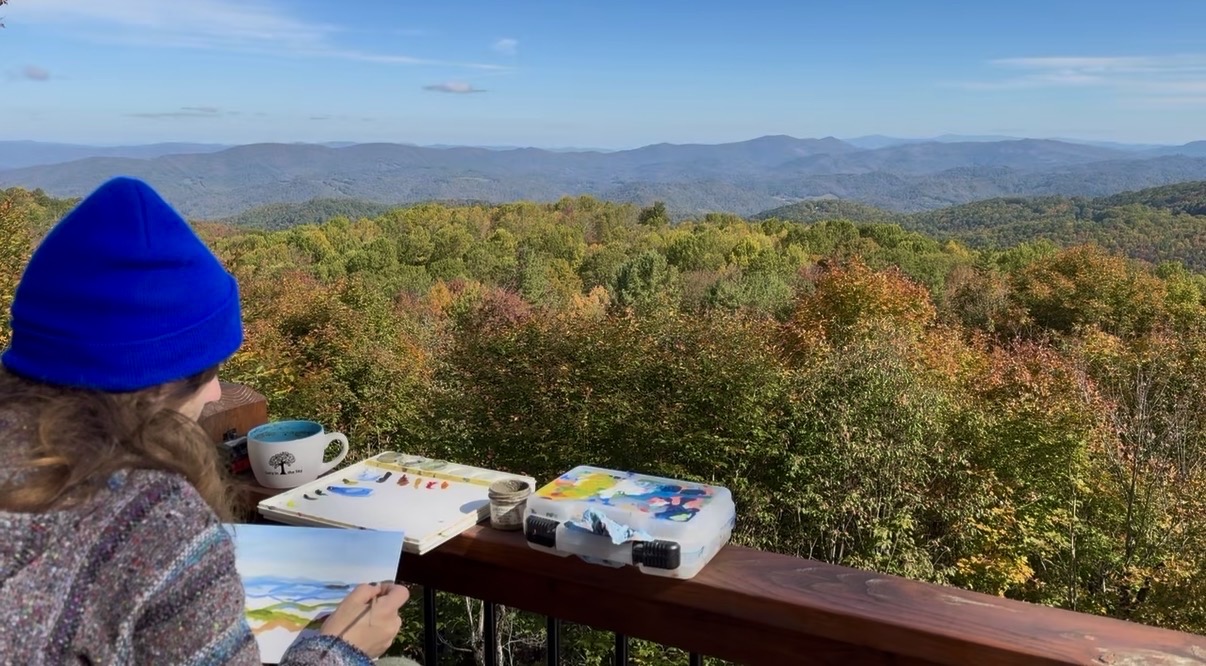
The most rewarding aspect of being an artist is the way it allows me to see the world. I notice things that others might overlook, the way sunlight filters through the trees casting a warm yellow-ochre glow, the subtle sparkle on a concrete street, or the curve of a shadow that shifts with the day. For me, texture, light, color, and small moments become sources of inspiration. Being an artist also shapes the way I navigate the world. Creativity doesn’t turn off when I step away from the canvas. I naturally look for solutions others might not immediately see. Whether it’s finding a clever fix around the house, or approaching a challenge from a different angle. Artists are wired to problem-solve in unconventional ways. But above all, the most meaningful reward is the reaction from my clients. Seeing a smile spread across their face and hearing the excitement in their voice when they receive their piece is powerful. It fills me with pride knowing that something I created for them sparks such joy. That exchange of emotion is unforgettable.
In your view, what can society to do to best support artists, creatives and a thriving creative ecosystem?
Supporting artists can be as simple as reposting their work, attending a local show, commissioning a piece, or purchasing directly from them. By doing this you are strengthening communities, fueling small businesses, and keeping culture alive.
We must also expand access. Art is for everyone, but is not accessible to everyone. Stronger investment in arts programs, lowering the cost of materials and educational expenses would open opportunities to many emerging artists.
Most importantly, we need to shift how artists are viewed culturally. There is an assumption that being an artist is not a “real job” or a “real career” when in fact many people do not realize that choosing an art path requires courage. It is about committing yourself to constant growth, critique, rejection, reinvention, and resilience. For me, studying at SCAD was not just about painting and drawing, but about developing technical mastery, conceptual thinking, problem-solving skills, and learning how to communicate ideas visually and emotionally. Being an artist is about understanding branding, marketing, entrepreneurship, and the discipline it takes to build something from nothing.
Think about a world without artists, there are no campaigns, no visual identities, no films, no immersive experiences, no cultural movements. Imagine how dull the world would be!
Contact Info:
- Website: https://www.katekreatesit.com
- Instagram: https://www.instagram.com/katekreatesit
- Linkedin: https://www.linkedin.com/in/katewade-katekreatesit/
- Other: TikTok: https://www.tiktok.com/@katekreatesit