

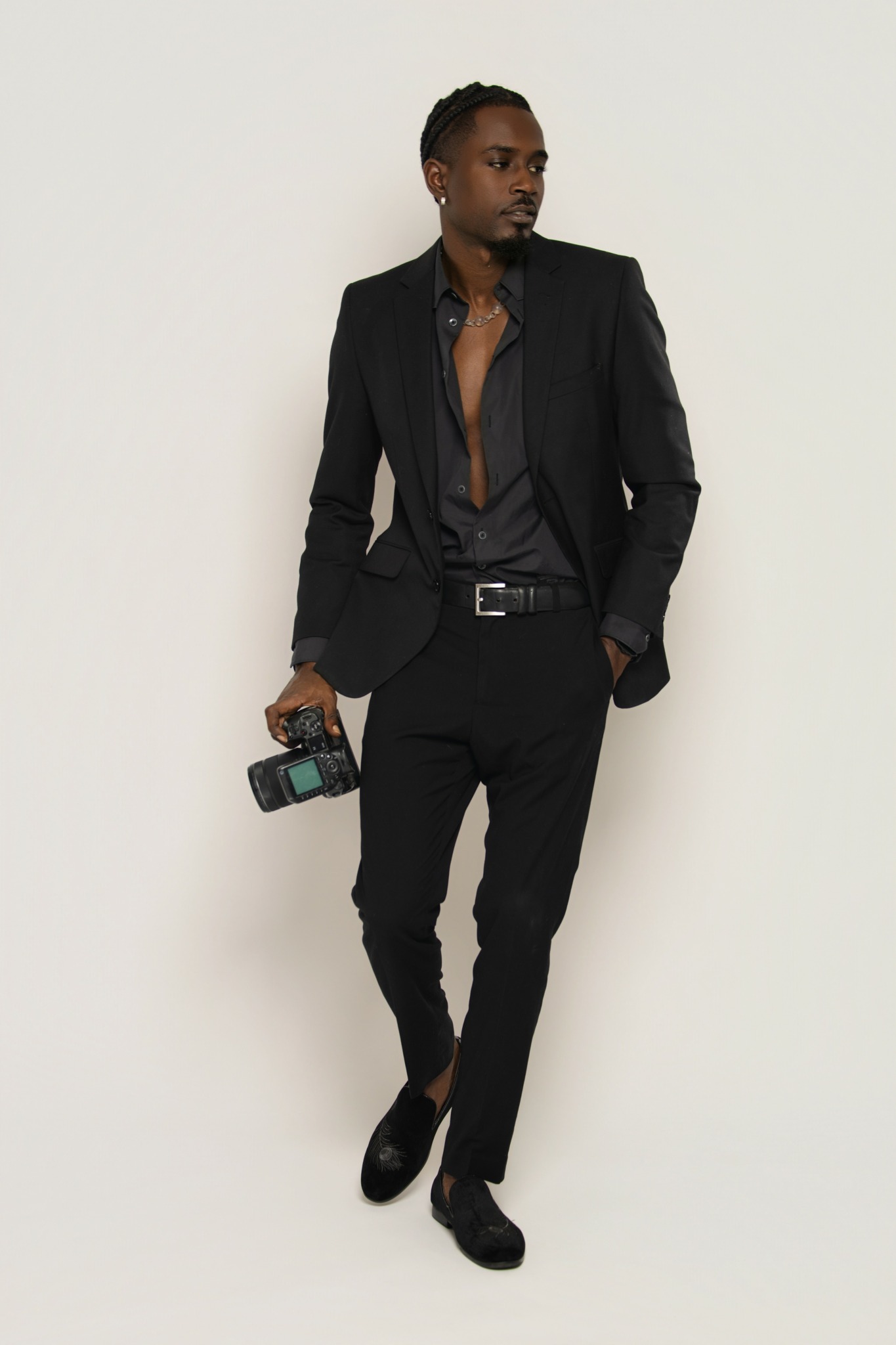

Alright – so today we’ve got the honor of introducing you to Csha’Re Handy. We think you’ll enjoy our conversation, we’ve shared it below.
Csha’Re, looking forward to hearing all of your stories today. Are you happy as a creative professional? Do you sometimes wonder what it would be like to work for someone else?
I genuinely love being a creative. The freedom to explore different avenues, to move when inspiration hits, to create my own opportunities instead of waiting for them, that’s what fuels me. Building my brand from the ground up and shaping my own path gives me a sense of ownership that I wouldn’t trade.
Of course, I’ve thought about what a traditional 9 to 5 might look like. I’m not against it. Stability has its appeal. But I know myself well enough to understand that my personality isn’t built to sit still in an office environment. I need movement, I need space to think, to create, to pivot. I need the ability to soar, not feel confined.
The last time that thought crossed my mind was during a slower season, when projects weren’t lining up as quickly as I wanted and the uncertainty felt louder than usual. In those moments, structure can seem comforting. But even then, I realized I wasn’t craving a regular job, I was craving growth, refinement, and stronger systems within what I already do.
Being a creative isn’t just what I do, it’s how I’m wired. And once I fully accepted that, the question stopped being “Should I get a regular job?” and became “How do I build this creative life bigger and better?”
That shift changed everything.
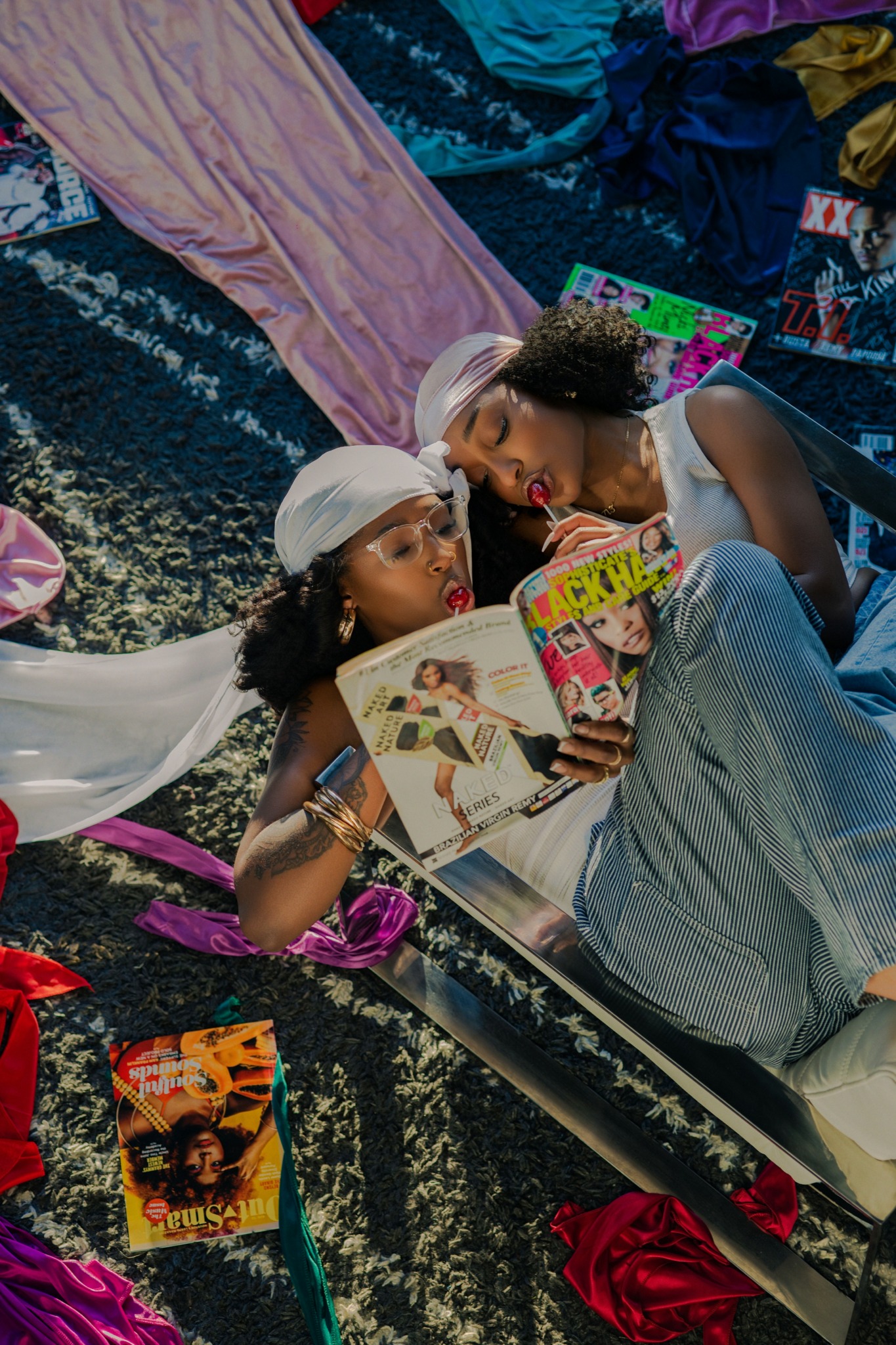
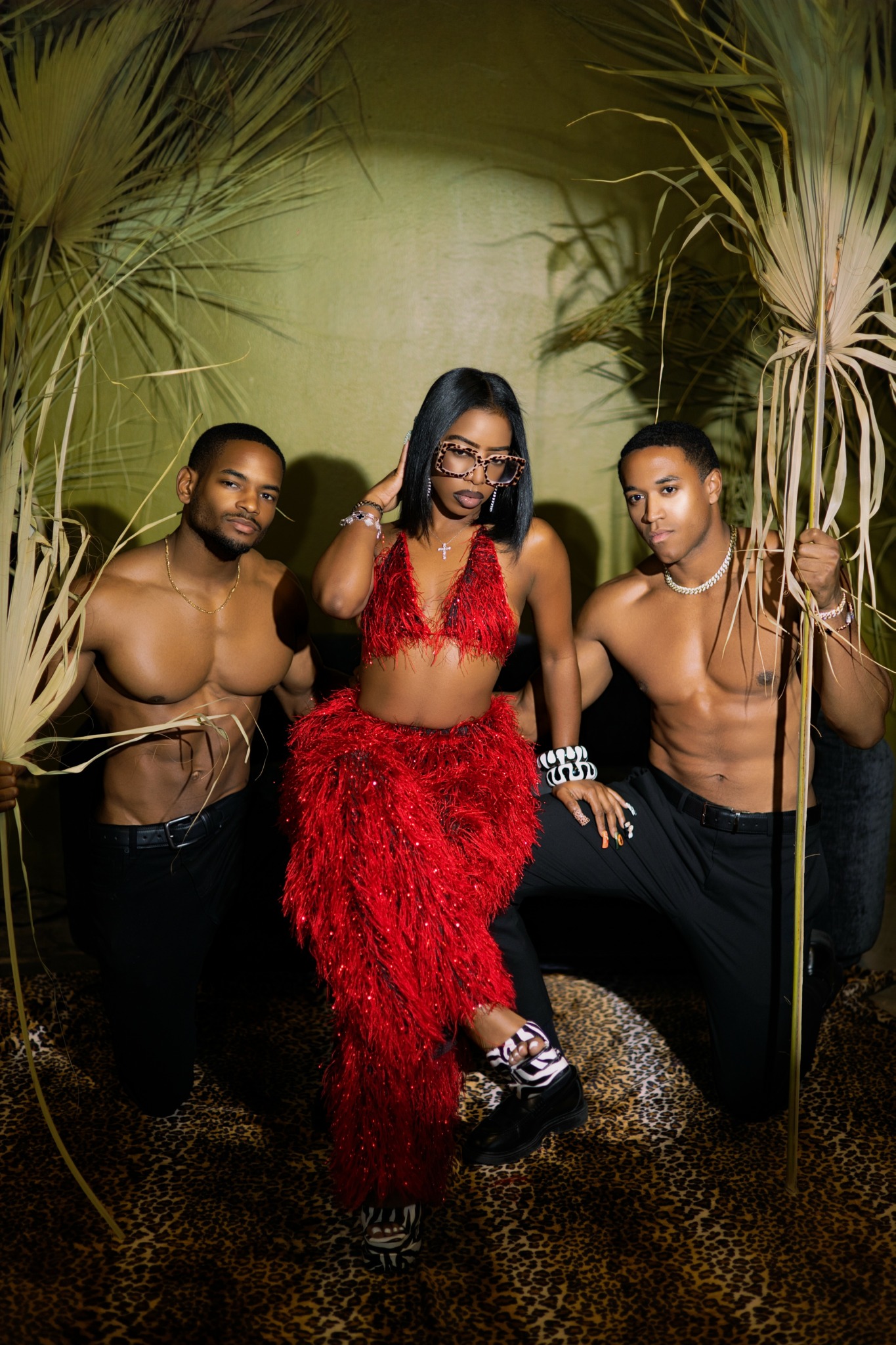
Csha’Re, before we move on to more of these sorts of questions, can you take some time to bring our readers up to speed on you and what you do?
I have always been drawn to fashion and presentation. Growing up in Houston, Texas, style was more than just clothing, it was expression, identity, and confidence. That passion followed me to Oakwood University, where everything shifted. My college roommate was into photography as a hobby, and since I already loved dressing with intention, I would ask him to shoot photos of me. What started as casual photos quickly became curiosity. I wanted to understand the camera, not just stand in front of it. That curiosity turned into skill, and that skill turned into purpose.
Originally, I was an accounting major. On paper, it made sense. But creatively, it did not align with who I was becoming. I made the decision to switch my major to broadcast journalism, and that decision broadened my entire perspective. It sharpened how I tell stories, how I frame moments, and how I communicate visually. It taught me that content is not just about aesthetics, it is about narrative, timing, and impact.
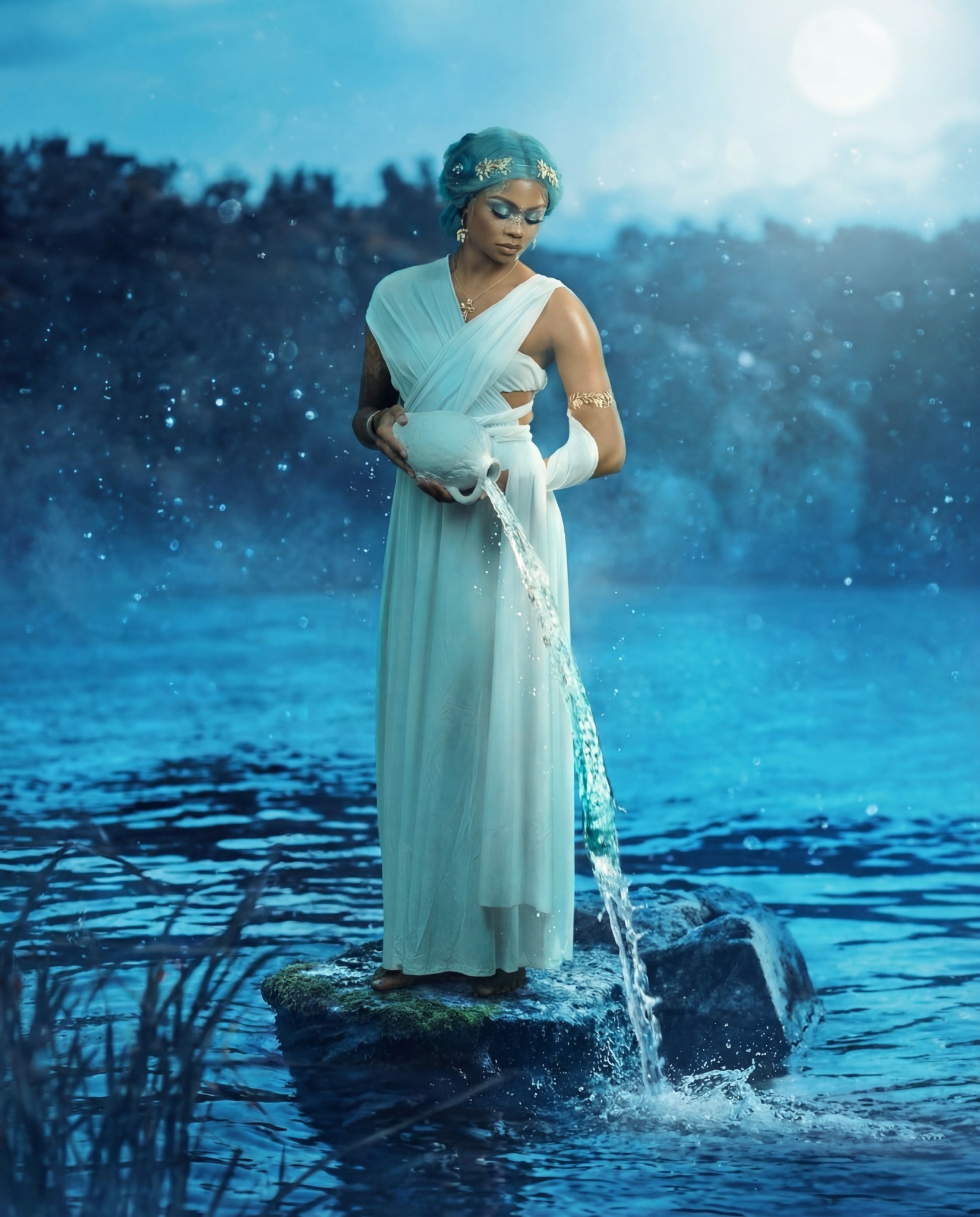
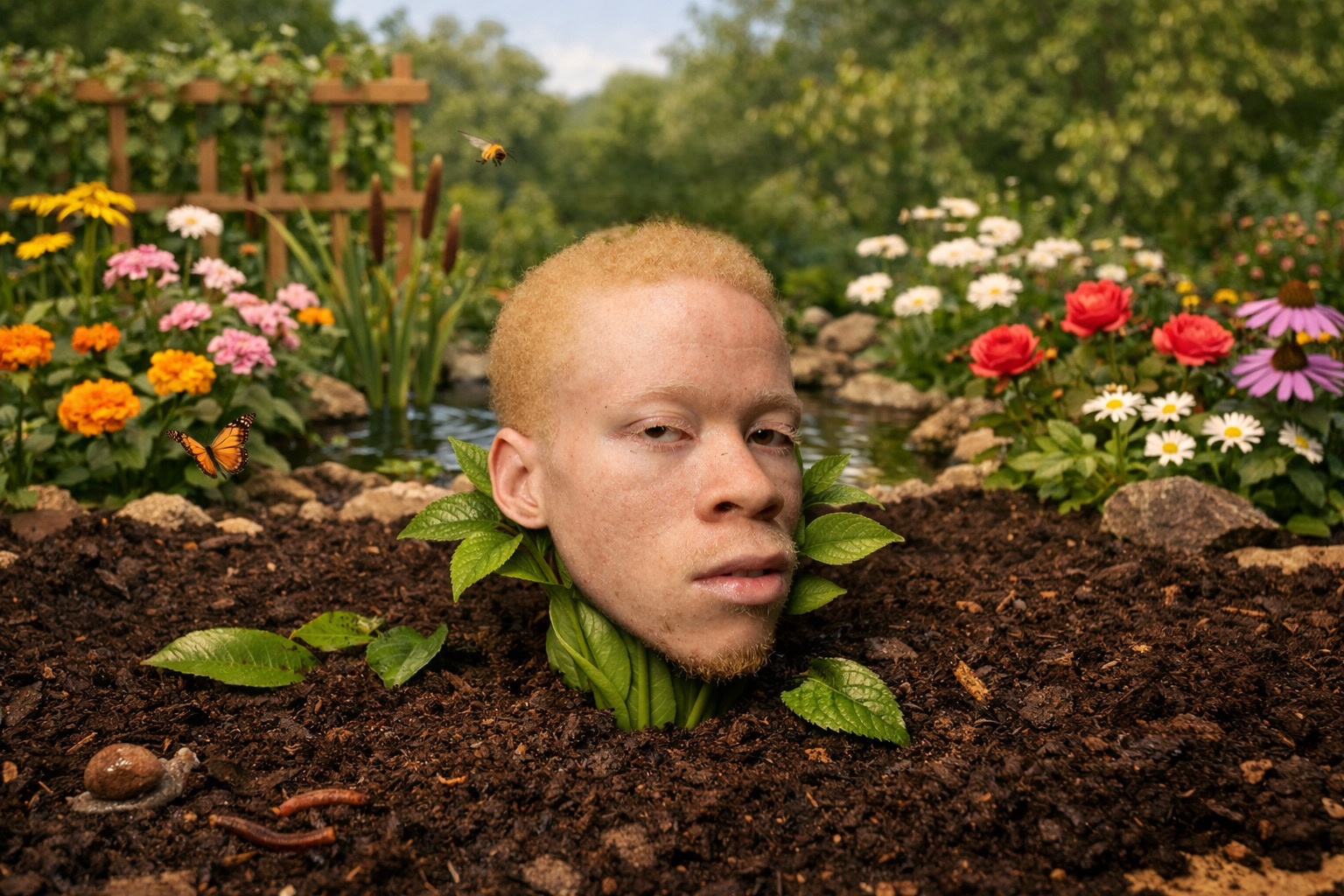
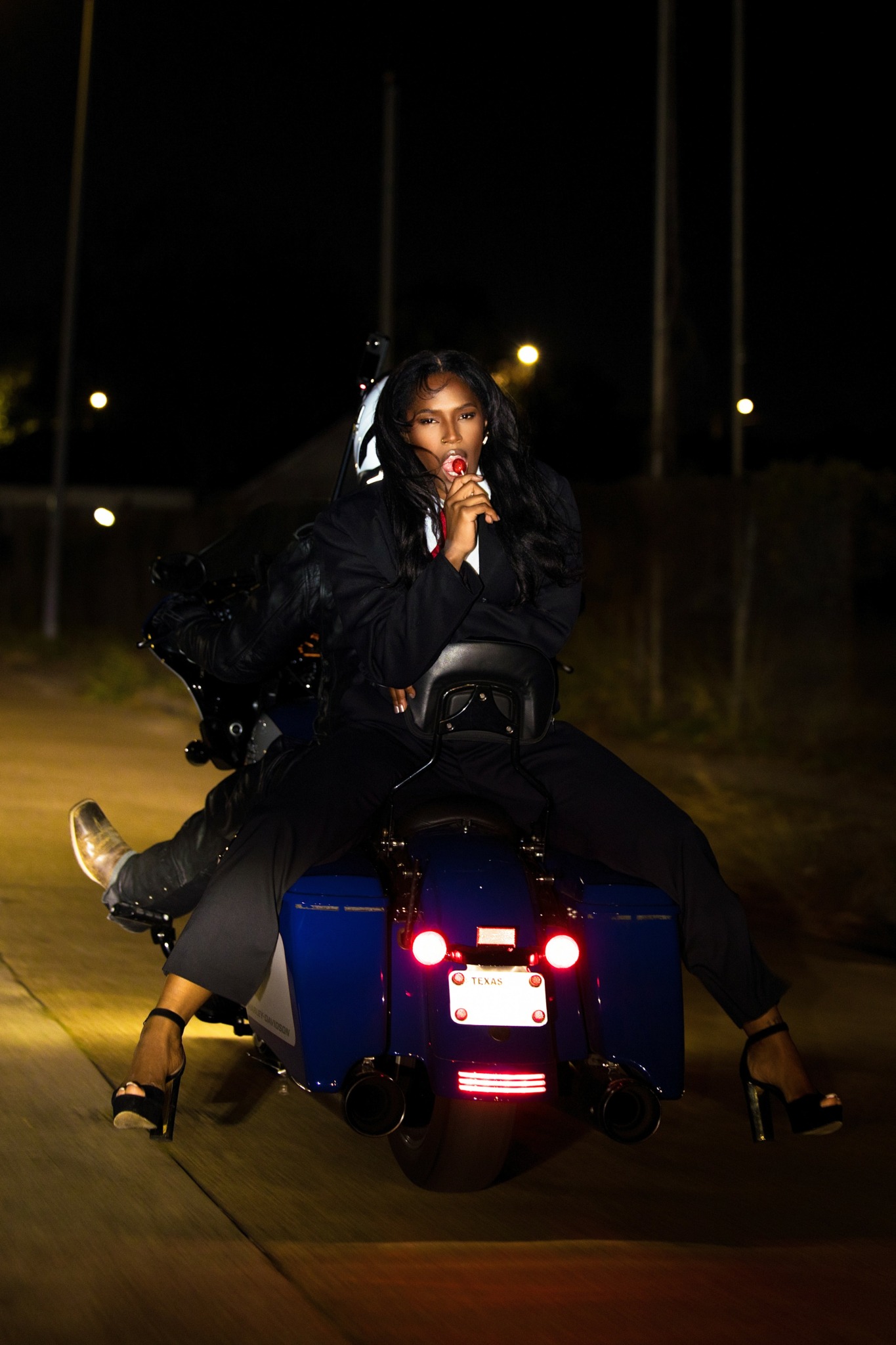
Today, I operate as a photographer, model, content creator, and creative director. I offer creative concept shoots, headshots, lifestyle branding sessions, and event photography. However, what I truly provide goes deeper than a service. I help individuals and brands visually articulate who they are. Many people struggle to translate their vision into something tangible. I bridge that gap. I take ideas that feel abstract and turn them into imagery that feels intentional, elevated, and aligned.
What sets me apart is that I understand both sides of the lens. As a model and creative myself, I know what it feels like to be the subject. That allows me to direct with empathy while still executing with precision. I am not just capturing images, I am building experiences and creating assets that serve a long term purpose for my clients.
What I am most proud of is my growth. I did not start with a blueprint. I started with curiosity. Every step has been intentional, from changing my major to building my brand piece by piece. Potential clients and supporters should know that I take my craft seriously. I do not approach projects casually. I approach them strategically. My goal is not just to deliver photos, but to elevate perception, build confidence, and create work that stands out in a crowded digital world.
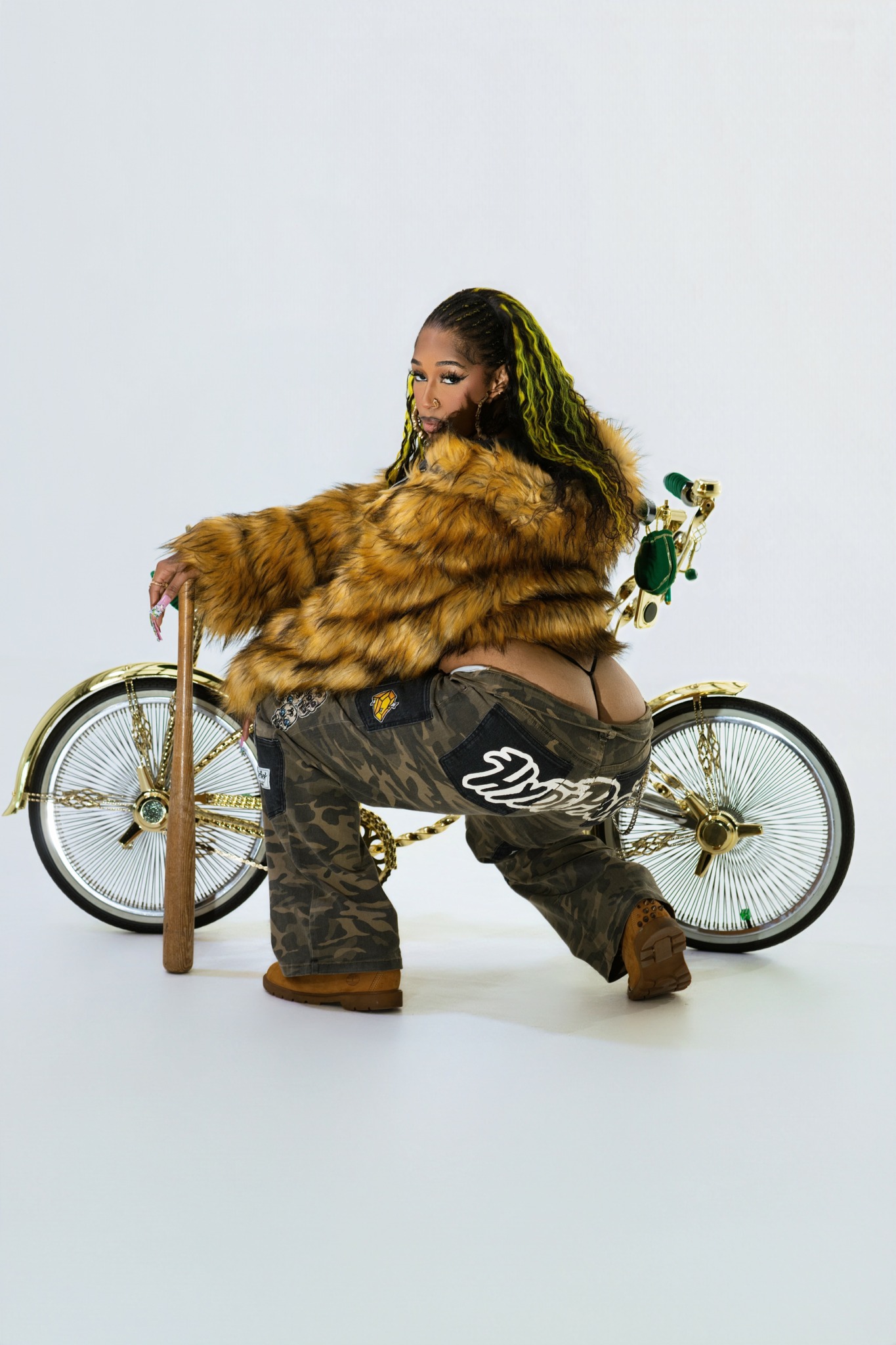
Any insights you can share with us about how you built up your social media presence?
I did not build my audience by chasing algorithms. I built it by building real relationships.
My platform grew from in person connections first. Before social media ever amplified my work, I was outside, networking, showing up to events, collaborating, and putting myself in rooms where conversations turned into opportunities. When people meet you in real life and feel your energy, your professionalism, and your vision, they are far more likely to support and share your work online. Social media simply became an extension of the reputation I was already building offline.
The second layer was intention. I focus heavily on creating feeling through my photography. Anyone can post a clean photo, but not everyone can make you feel something. I aim to create images that communicate confidence, elevation, and identity. When people see themselves reflected in the emotion of the work, they engage. That emotional connection is what converts viewers into supporters.
Collaborations also played a major role. I partnered with brands and individuals who already had established platforms. Not in a way that felt transactional, but in a way that felt aligned. When you collaborate with people whose audience overlaps with your target audience, you expand organically. The key is making sure the collaboration adds value on both sides.
For anyone just starting to build a presence, my advice is simple but not easy:
First, stop obsessing over numbers. Focus on clarity. Who are you? What do you represent? What feeling do you want associated with your name? If you cannot answer that clearly, your audience will not be able to either.
Second, prioritize real world relationships. Social media is a tool, not the foundation. Your network will always outperform your notifications.
Third, be consistent in quality and message. You do not need to post every day, but what you post should reinforce your brand identity.
And finally, think long term. Virality is temporary. Brand equity is lasting. Build something that would still make sense even if the algorithm disappeared tomorrow.
That is how you build an audience that actually supports you, not just scrolls past you.
What’s a lesson you had to unlearn and what’s the backstory?
One of the biggest lessons I had to unlearn was the idea that “common sense” is actually common.
Early on, I assumed that certain things did not need to be over explained. I believed that if something felt obvious to me, it would feel obvious to the client as well. That assumption led to unnecessary tension. I experienced situations where expectations were not fully aligned, timelines were interpreted differently, or deliverables were misunderstood. Nothing catastrophic, but complicated enough to realize the issue was not talent, it was communication.
The backstory is simple. As a creative, I was focused on producing strong work. I thought the art would speak for itself. What I learned the hard way is that professionalism is not just about the final product, it is about clarity before the product is ever created.
Now, I over communicate. Every detail is outlined in advance, timelines, deliverables, revisions, payment structure, creative direction. I would rather repeat myself than leave room for assumption. Clear expectations protect both sides. They protect the client’s experience and they protect my brand.
Unlearning that assumption mindset elevated my business. It shifted me from just being a creative to operating like a true professional. Creativity gets you noticed. Structure keeps you respected.
Contact Info:
- Website: https://reeyecuproductions.mypixieset.com/?fbclid=PARlRTSAQIw9BleHRuA2FlbQIxMQBzcnRjBmFwcF9pZA8xMjQwMjQ1NzQyODc0MTQAAael_y-FqCLXb0PQr9bh8zn3Qicbm_DWMhh2c1DIKyG6tAf0I19ssw7bM9WECA_aem_ghGXav-2GtDt4RfttUdE2w
- Instagram: https://www.instagram.com/re.eyecu?igsh=MTNkMGFoNGFhY3Y4bg%3D%3D&utm_source=qr
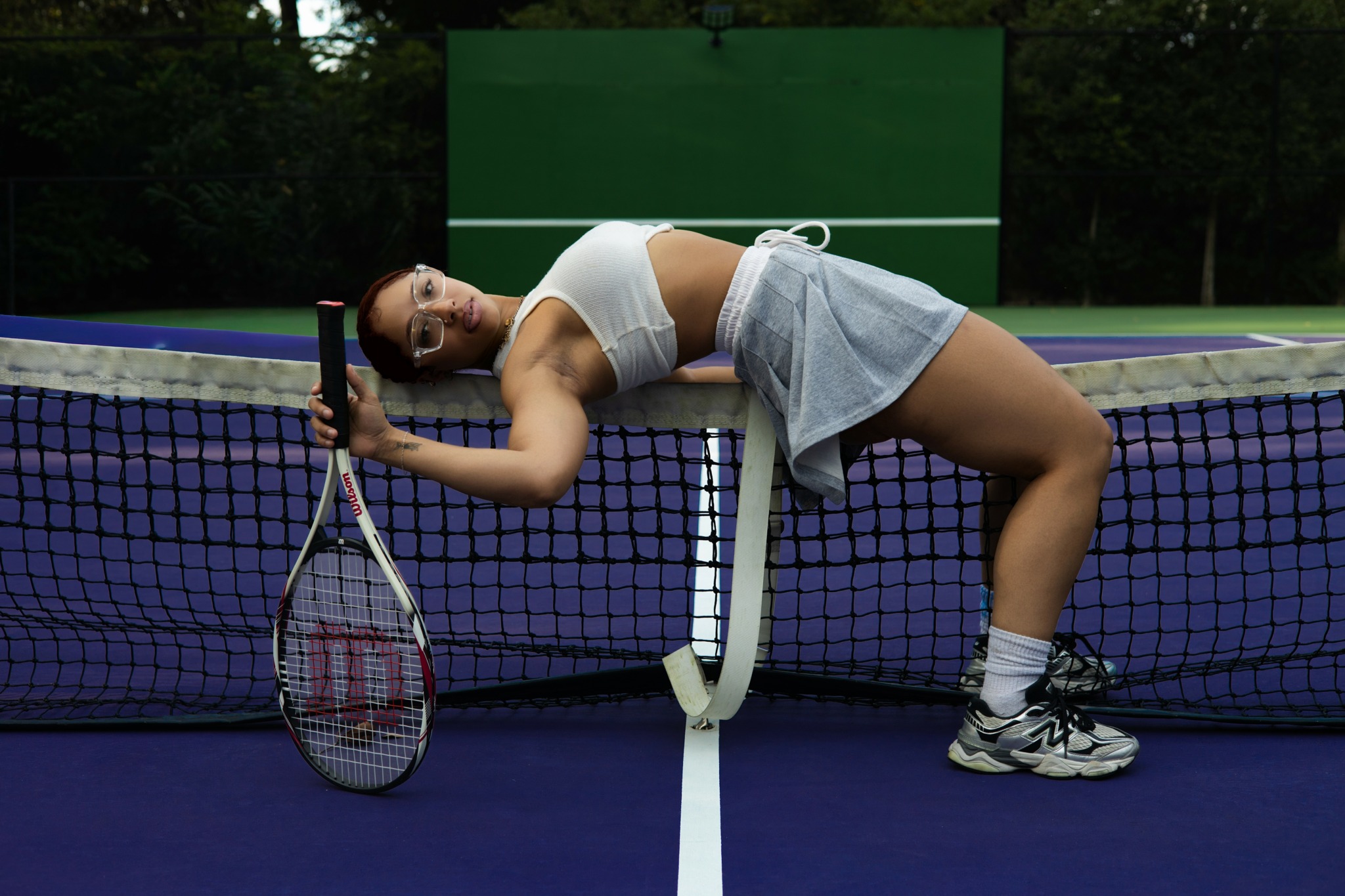
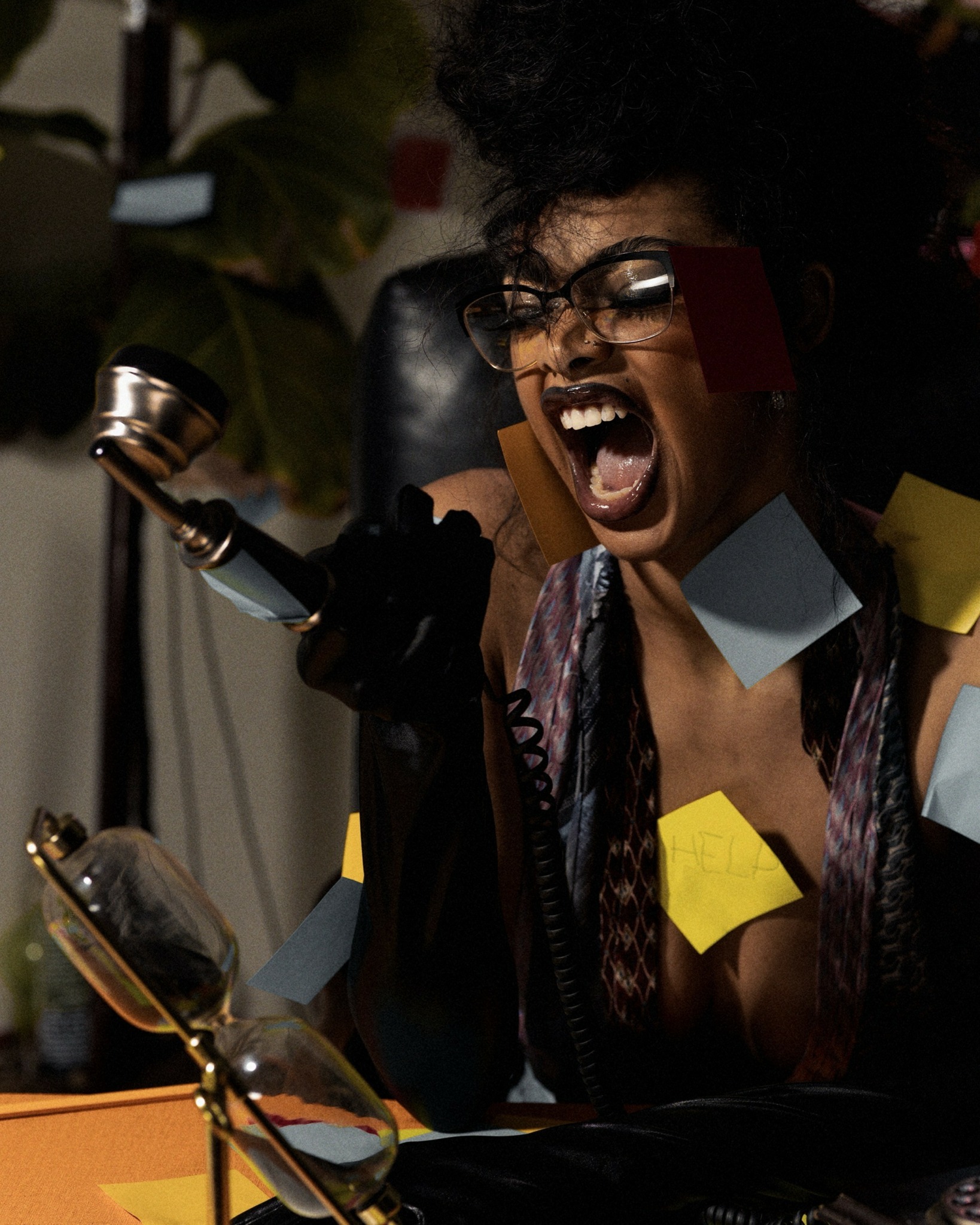
Image Credits
All images shot by me, @re.eyecu