

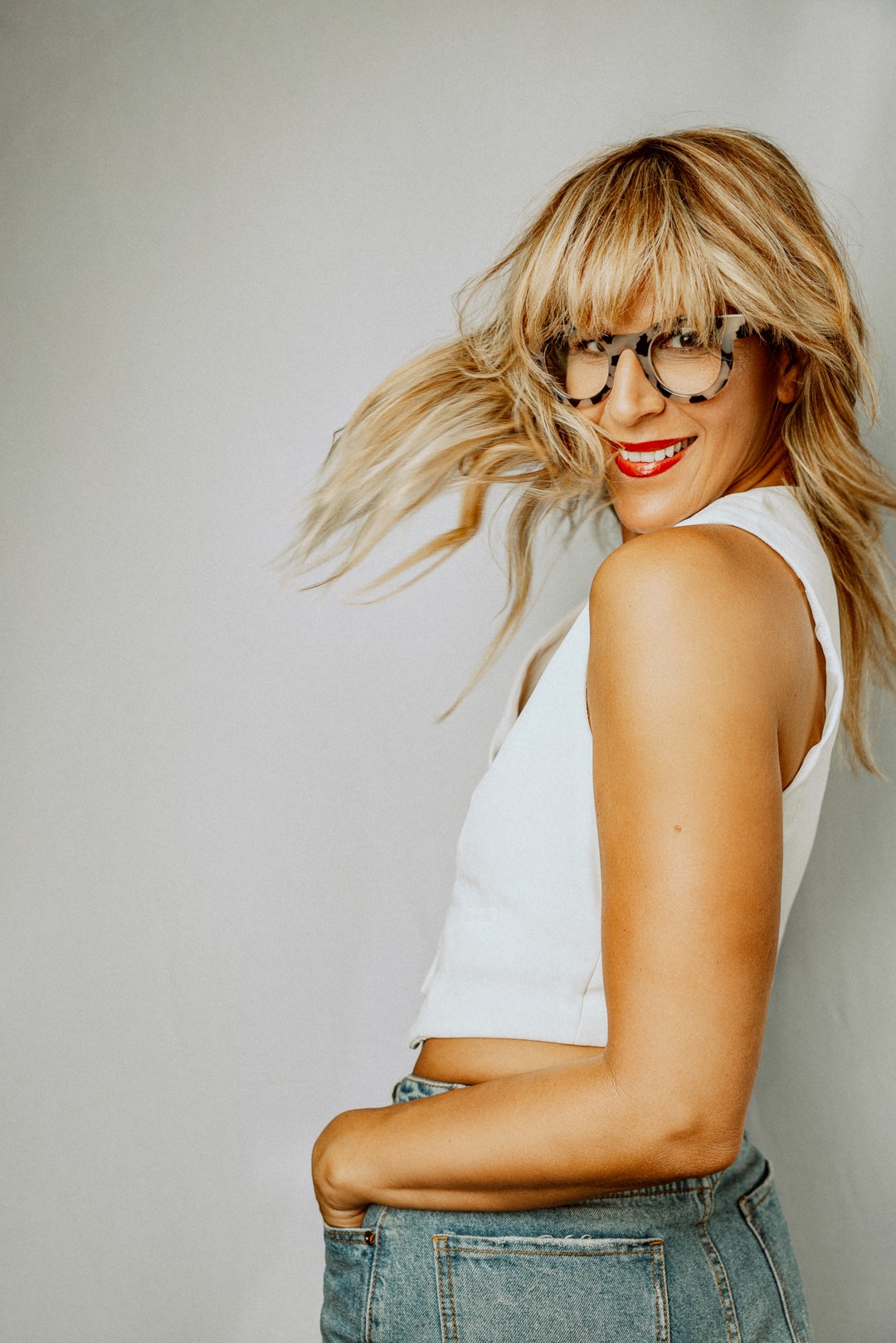

We recently connected with Michelle VanTine and have shared our conversation below.
Michelle, thanks for taking the time to share your stories with us today Have you been able to earn a full-time living from your creative work? If so, can you walk us through your journey and how you made it happen? Was it like that from day one? If not, what were some of the major steps and milestones and do you think you could have sped up the process somehow knowing what you know now?
Making the jump to being a full-time creative is always a daunting leap. I made the leap in 2008. Being a full-time art teacher, I had been shooting on the weekends for about 3 years. My name had started to circulate quite a bit and it was at the point that one or the other had to give. I wasn’t making enough money on my side hustle, to replace a full-time salary, but I was emotionally drained from my employer, and I felt energized when I was shooting. I decided to make the jump. It was a big financial strain at the begging, but eventually I hit the same salary, living off of my camera. I’ve been living off my photography full time for 17 years. My 30-image package which I began with at $350 now ranges between $4, $6k depending on the complexity of the project and on usage rights.

Michelle, before we move on to more of these sorts of questions, can you take some time to bring our readers up to speed on you and what you do?
I work full time as a commercial photographer. I specialize in two areas: CPG and sports.
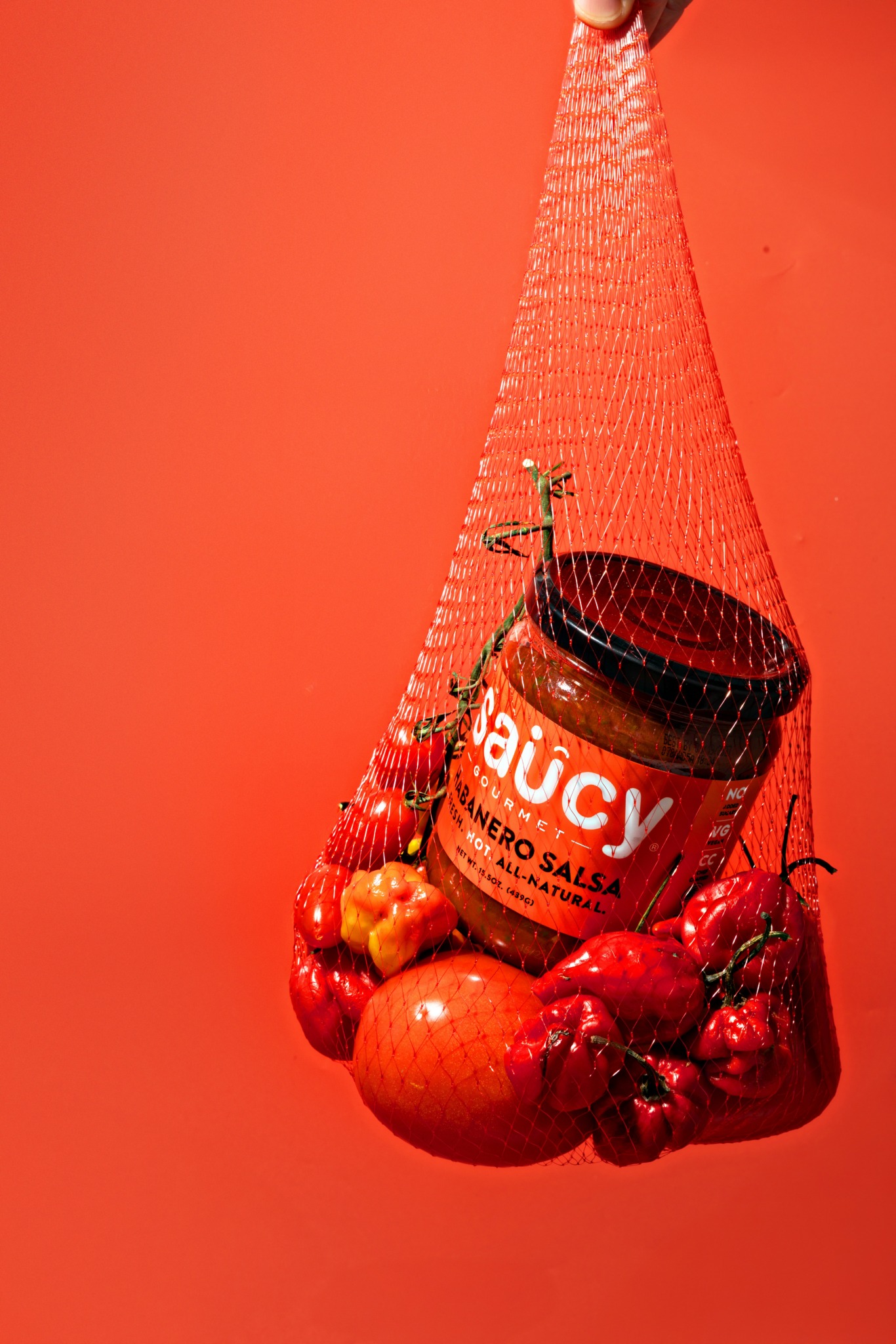
CPG (Consumer packaged goods) is anything you can purchase off a shelf: kombucha, eye cream, protein chips. My clients’ products line the shelves of Target, Whole Foods, ULTA Beauty, and more.
I also work in the commercial sports world. I’m not the person on the sideline with a camera and a beige vest, I’m the person who made the ad that convinced you to buy the ticket. For example, at the FIFA Club World Cup last year, my client was Hard Rock VIP Experience. I photographed various scenes to create marketing material for Hard Rock to use at future sporting events. I’ve also worked extensively in athlete portraiture, photographing NFL players, professional tennis players, Olympic athletes, MMA champions, and more.
I’m often hired for my use of color, my sense of movement, and the creativity of my work. I’ve had friends send me photos from magazines while sitting in a waiting room with the text, “Is this yours?” My images have appeared in Inc. Magazine, Condé Nast publications, Forbes, and more.
What sets me apart, I think, is a few things.
First, my work. It’s consistent and recognizable. It looks like “a Michelle shot.” Brands and agencies often view photographers who shoot many different things as a jack of all trades, master of none. If they see different styles and different subjects across the board, it’s harder to position that person as an expert. There are certain jobs I would never be considered for—and that’s okay. But if a contract comes up for a clean beverage with bold colors and a modern aesthetic, I’ll be at the top of the interview list.
The other part of my success is that I’m good at running a business. Artists are sometimes stereotyped as disorganized or late and while that’s not always true, it’s not uncommon. I’ve been running my business full time for 17 years, and I have strong systems in place: onboarding, billing, clear and concise contracts. I’m early. I’m reliable. And most of all, I’m genuinely fun to work with.
One of my clients wrote in an online review that he liked working with me because after assigning me a project, he sometimes forgot he had hired me for it. Not because he’s forgetful, but because as a multimillion-dollar company, if he knows someone is dependable, he can assign and forget. That was incredibly valuable to him.
My clients know they can trust me.
Are there any resources you wish you knew about earlier in your creative journey?
I always heard that “networking” was the key to success. I heard it so often, in fact, that I became irritated. “What even was networking?” introducing myself to people when I was in certain spaces or emailing people? Going to parties with the right people? I heard it so often that I became fatigued by the answer.
Now, over a decade later, this is always the answer I give. Your network really is your net worth. Now, I understand also how to network. It’s not something organic. It’s something intentional. It involves a lot of rejections and a lot of persistence. I have the 2nd and 4th Thursday blocked off on my calendar just for the task of building and growing my network. Meeting one right person can, and has, added sometimes up to $30k to my salary for that year. Meeting 3 right people in a year can add $85k to my salary. Having the right people know you is invaluable.
What I didn’t know at the time was how to network. If I had known how early in my career what I know now, it would have been a game changer.

Learning and unlearning are both critical parts of growth – can you share a story of a time when you had to unlearn a lesson?
I had to unlearn the idea that being a good artist would automatically make me a successful artist. Don’t get me wrong, being one of the best artists in your specific field is absolutely necessary. But if you can’t run a successful business, you will only go so far.
There’s a reason the starving artist stereotype exists. To be a successful artist, you also have to be a strong business owner. You need both.
The more I cut down on shoots and increase my time spent on business development, the more opportunities I get and the better the jobs pay.
Contact Info:
- Website: https://www.michellevantinephotography.com
- Instagram: @michellevantinephotography
- Linkedin: https://www.linkedin.com/in/michelle-vantine-49377112b/
- Other: https://www.sportsphotographermiami.com

Image Credits
All images by Michelle VanTine Photography