

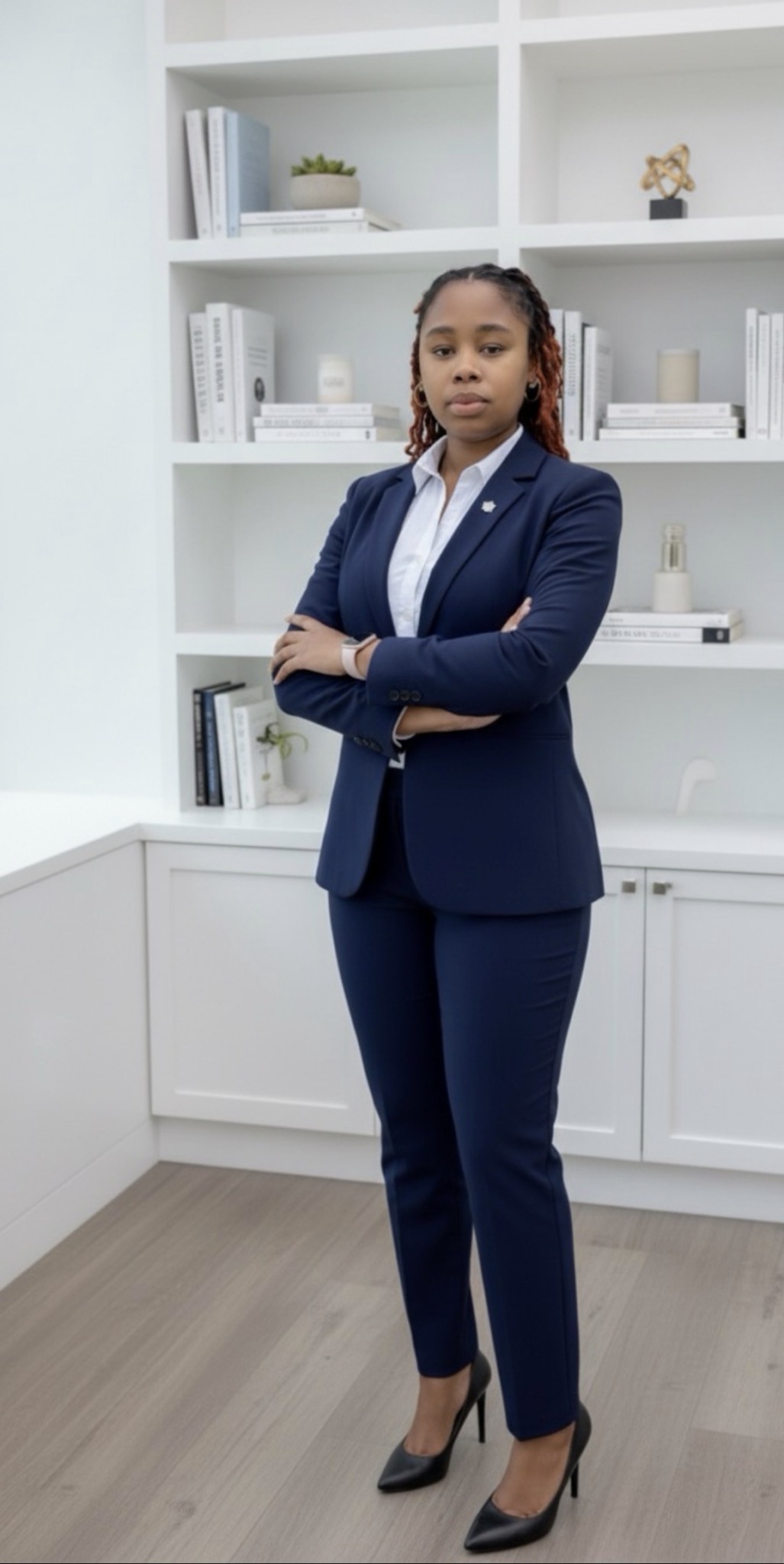

We were lucky to catch up with Kemisha Levy recently and have shared our conversation below.
Kemisha, appreciate you joining us today. Let’s jump right into how you came up with the idea?
I didn’t wake up one day and decide to start a creative services business — it was built out of survival, healing, and the quiet realization that my voice was the one tool no one could take from me.
For years, I was balancing motherhood, working in the dental field, and carrying stories that had nowhere to go. Writing started as a release — late nights, early mornings, moments in between responsibilities where I could process life, pain, growth, and purpose. What began as journaling turned into structured chapters. Those chapters turned into books. And those books turned into people reaching out to me saying, “Your words sound like my life.”
That was the moment the light shifted. I realized writing wasn’t just therapy for me — it was service.
At the same time, I was building my brands, The Little Bee Box and Kybos Baby Clothing, and I saw firsthand how storytelling shapes connection. Products alone don’t move people — stories do. Words do. Identity does. I was already creating messaging, content, brand voice, and emotional narratives for my own businesses, so the transition into offering creative services was a natural extension of what I was living every day.
Emotionally, it came from a place of reclaiming power. Logically, it made sense because I had proof of concept: published work, brand platforms, an audience of mothers and entrepreneurs who were engaging with my content, and a clear niche — storytelling rooted in motherhood, healing, and business.
I knew it was worthwhile because people weren’t just reading — they were responding, sharing, and asking for help telling their own stories. That demand told me this wasn’t a hobby; it was a needed service.
My creative services business is built on the belief that everyone has a story, but not everyone has the language, structure, or confidence to tell it. I provide that bridge — through writing, brand storytelling, and content development — especially for women and mothers who are building something while still healing.
So the foundation wasn’t just strategy. It was experience, consistency, and impact. I didn’t start with investors or a big launch. I started with a pen, a lived story, and the decision to treat my voice like an asset instead of a secret.
That’s when I knew I could succeed — because I wasn’t creating something from nothing. I was formalizing something I had already been doing, already proven, and already living.
Kemisha, love having you share your insights with us. Before we ask you more questions, maybe you can take a moment to introduce yourself to our readers who might have missed our earlier conversations?
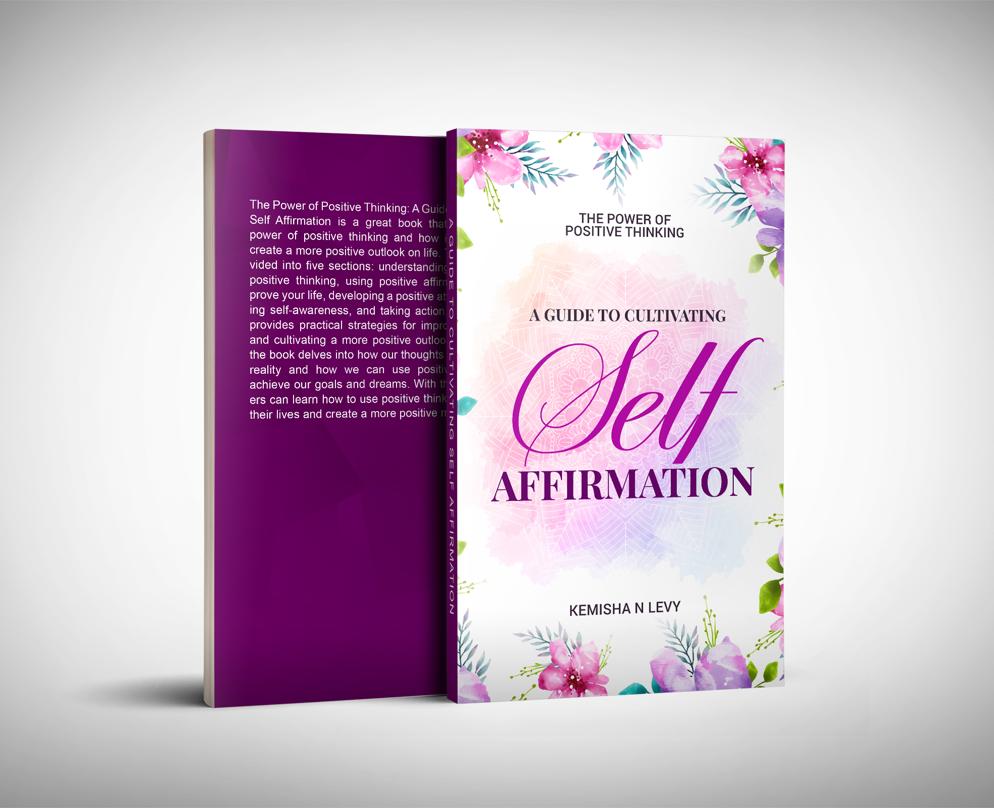
I’m a writer first — everything else in my world grew from that foundation. I’m an author, entrepreneur, and the founder of The Little Bee Box and Kybos Baby Clothing, but at the core of all of it is storytelling. My work lives at the intersection of motherhood, healing, and building something meaningful from lived experience.
I entered this space in a very organic way. I’ve spent over a decade working in the dental field in clinical leadership, which taught me structure, systems, and how to manage people and operations. At the same time, I was navigating motherhood, personal growth, and the emotional realities that come with both. Writing became my outlet — first as private journaling, then as books, then as public content that other women began to connect with. When people started telling me that my words helped them feel seen, I realized this wasn’t just personal expression — it was a form of service and impact.
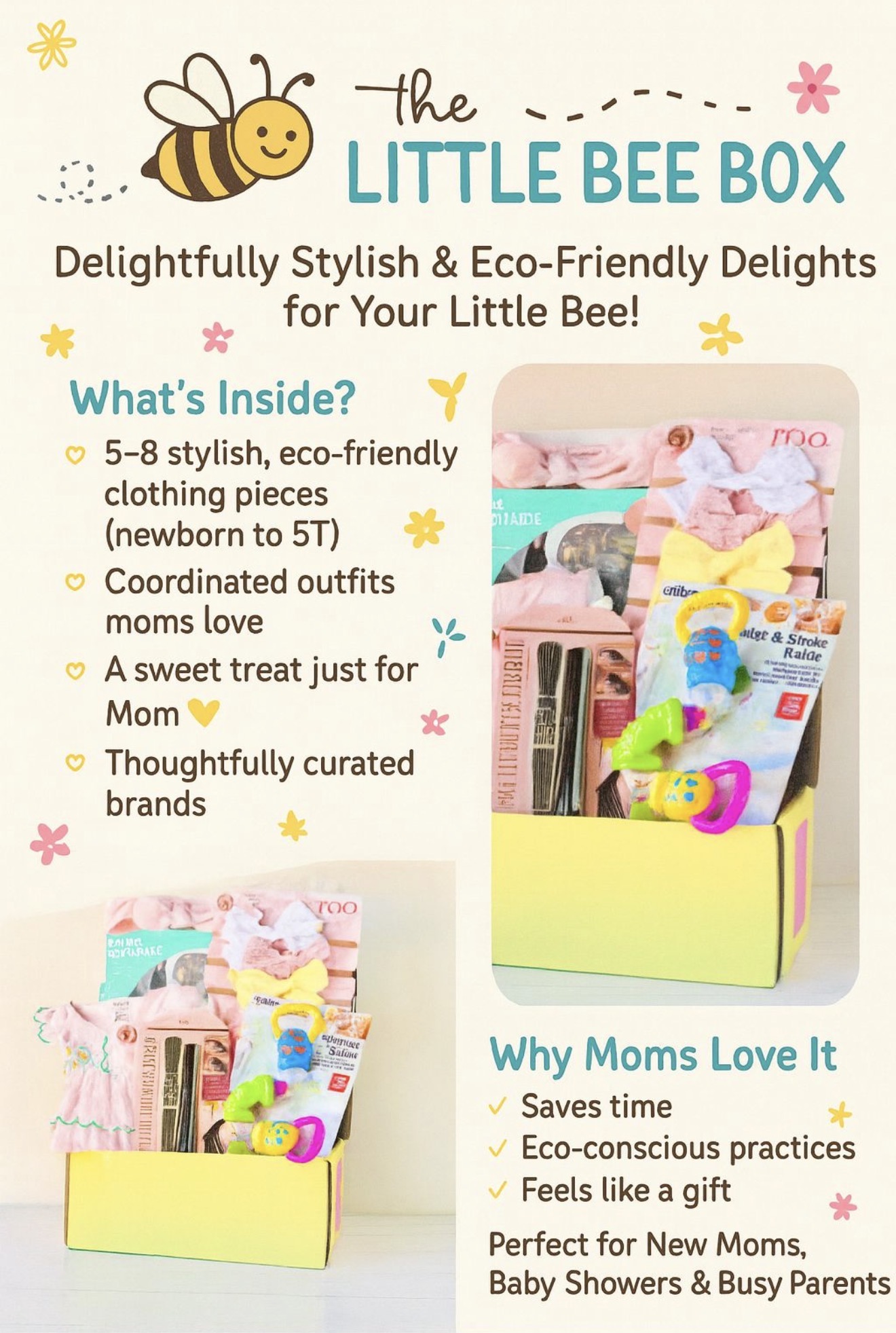
From there, my creative path expanded. I built brands that reflect my audience — mothers, families, and women who are trying to grow while still healing. The Little Bee Box is a curated experience for babies and mothers that centers care, connection, and intentional living. Kybos Baby Clothing was created to celebrate identity and legacy through children’s fashion. Alongside those brands, I offer creative services that include writing, brand storytelling, content development, and ghostwriting for individuals who have powerful stories but need help bringing them to life in a structured and authentic way.
The problems I solve for my clients are both strategic and emotional. Many people have ideas, businesses, or life stories, but they struggle with clarity, messaging, and consistency. I help them find their voice, shape their narrative, and translate their experiences into books, brand language, or content that connects with their audience. I specialize in working with women, mothers, and purpose-driven entrepreneurs who want their work to feel honest rather than performative.
What sets me apart is that I’m not approaching storytelling from theory — I’m living it. I’ve built brands while raising a child, written books while working full-time, and created platforms from the ground up without traditional funding. My work is rooted in lived experience, emotional intelligence, and operational discipline. I understand both the creative side and the business side, which allows me to help clients not only tell their story but position it in a way that supports growth.
What I’m most proud of is consistency. I didn’t wait for the perfect moment, perfect funding, or perfect platform. I started where I was — with a notebook, a vision, and a commitment to keep building. I’m also proud that my work centers community. Everything I create, from my books to my subscription experiences, is designed to make mothers and families feel supported, seen, and valued.
The main thing I want people to know about me and my brand is that this is purpose-driven work. I’m not creating for aesthetics alone — I’m creating tools, stories, and experiences that help people navigate real life. My writing is honest, my brands are intentional, and my services are built to help others transform their ideas and experiences into something structured, meaningful, and sustainable.
At the end of the day, my mission is simple: help people turn their stories into assets — emotionally, creatively, and professionally.
We’d love to hear a story of resilience from your journey.
One of the clearest moments that tested my resilience was the period where I was working full-time in clinical leadership, raising my child, and quietly building my brands and books at the same time — with no roadmap, no funding, and very little external validation.
On paper, my life looked stable. I had a career, responsibilities, and structure. But internally, I was carrying the weight of wanting more for myself while still showing up for everyone else. There were nights I would finish a full day managing teams, come home, take care of my child, and then sit at my laptop after midnight to write — not because it was convenient, but because it was the only time that belonged to me.
There was one particular season where everything felt like it was moving slowly. I was creating content, writing books, developing The Little Bee Box, and building Kybos Baby Clothing, but the growth wasn’t immediate. No viral moment, no big launch, no instant success. Just quiet, consistent work. That’s the part of entrepreneurship and creative life people don’t talk about — the long stretch where you’re investing energy without visible return.
What made it harder was balancing identity. In my professional environment, I was a supervisor. At home, I was a mother. In my creative life, I was a writer trying to be taken seriously. It felt like I was living three different lives, and none of them had fully met each other yet.
The turning point wasn’t a big external win — it was internal. I realized that resilience isn’t about dramatic breakthroughs; it’s about showing up when no one is watching. I stopped measuring progress by immediate results and started measuring it by consistency. Every chapter written, every product curated, every piece of content posted became proof that I was building something real.
Eventually, the pieces began to connect. My writing informed my brands. My brands gave my writing a platform. My lived experience became the foundation for the creative services I now provide to others. What once felt like separate roles became one aligned purpose.
That season taught me that resilience is quiet discipline. It’s choosing to continue when the outcome isn’t guaranteed. It’s building without applause. And it’s trusting that if you keep laying bricks, eventually you’ll have something solid enough for others to stand on too.
That’s the mindset I bring to my work and to my clients: you don’t need perfect timing or perfect conditions — you need commitment, clarity, and the willingness to keep going long enough for your vision to catch up with your effort.
We often hear about learning lessons – but just as important is unlearning lessons. Have you ever had to unlearn a lesson?
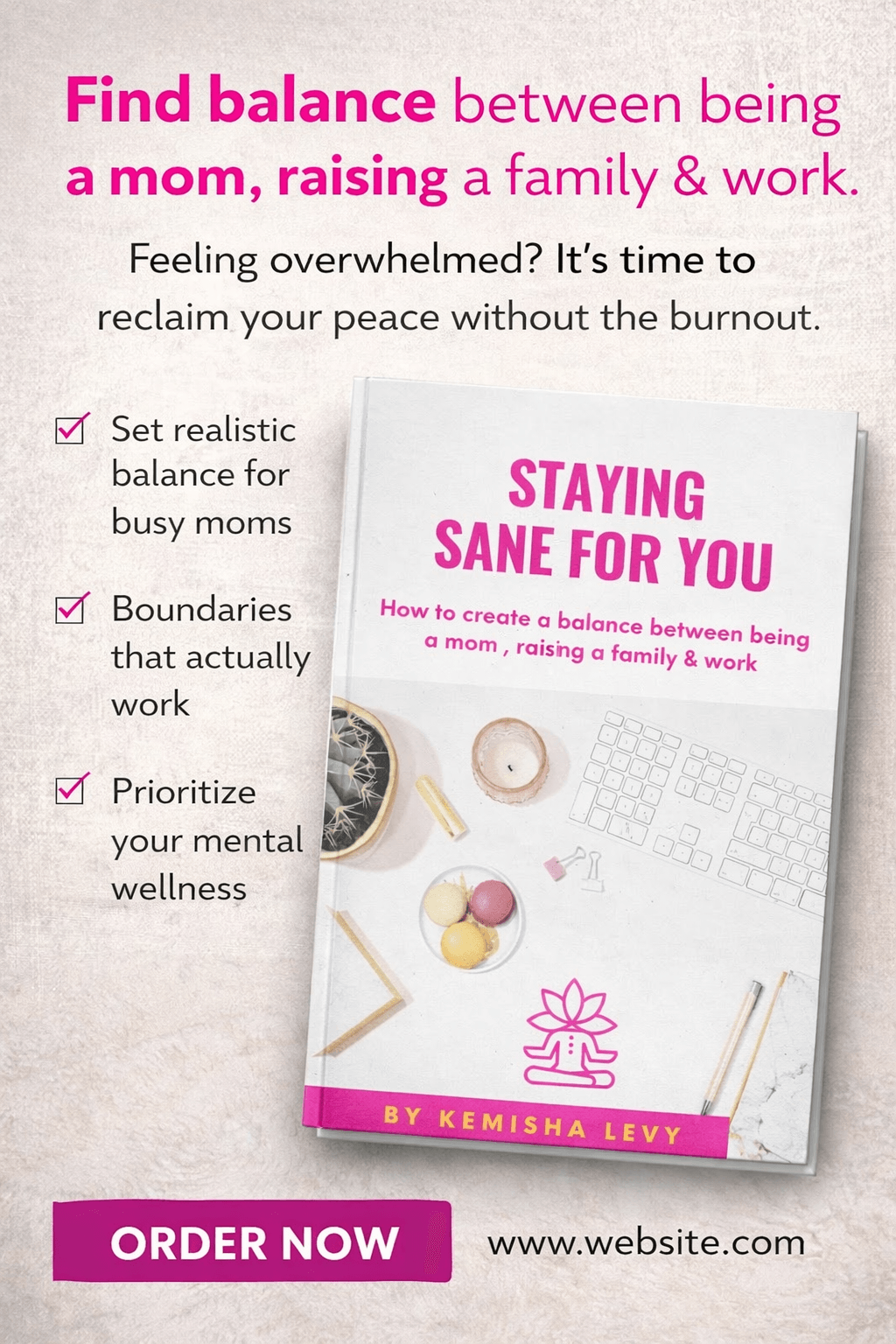
I came from environments — both professionally and personally — where being dependable, overprepared, and constantly “on” was praised. In my clinical leadership role, that mindset worked. I could manage teams, solve problems quickly, and keep systems running. But when I stepped into writing and entrepreneurship, I carried that same habit with me. I felt like I had to prove myself through constant output — more content, more products, more ideas — without giving myself space to breathe or create with intention.
The backstory behind that realization came during a period when I was building my brands, writing books late at night, working full-time, and raising my child. From the outside, it looked like momentum. Internally, it felt like depletion. I wasn’t creating from clarity; I was creating from pressure.
There was a moment when I sat down to write and realized I had nothing left to say — not because I had run out of ideas, but because I had run out of energy. That was a turning point. I had to ask myself whether I was building something sustainable or just trying to validate my own value through how much I could produce.
Unlearning that mindset meant redefining success. Instead of asking, “How much did I do today?” I started asking, “Did what I did today align with my purpose?” That shift changed everything. My writing became more intentional. My brands became more focused. My creative services became less about volume and more about impact.
It also made me a better storyteller for my clients. Many of them come to me feeling the same pressure — to launch quickly, to post constantly, to create without pause. Because I’ve lived that cycle, I can help them build from a place of clarity rather than urgency.
The lesson was that rest is not the opposite of productivity — it’s part of the process. And creativity that is paced and intentional will always outlast creativity that is driven by exhaustion.
Unlearning that belief allowed me to move from proving my worth to expressing my purpose. That’s a quieter mindset, but it’s far more sustainable — and far more powerful.
Contact Info:
- Website: https://kemishalevyauthor.com/
- Linkedin: source:%20LinkedIn
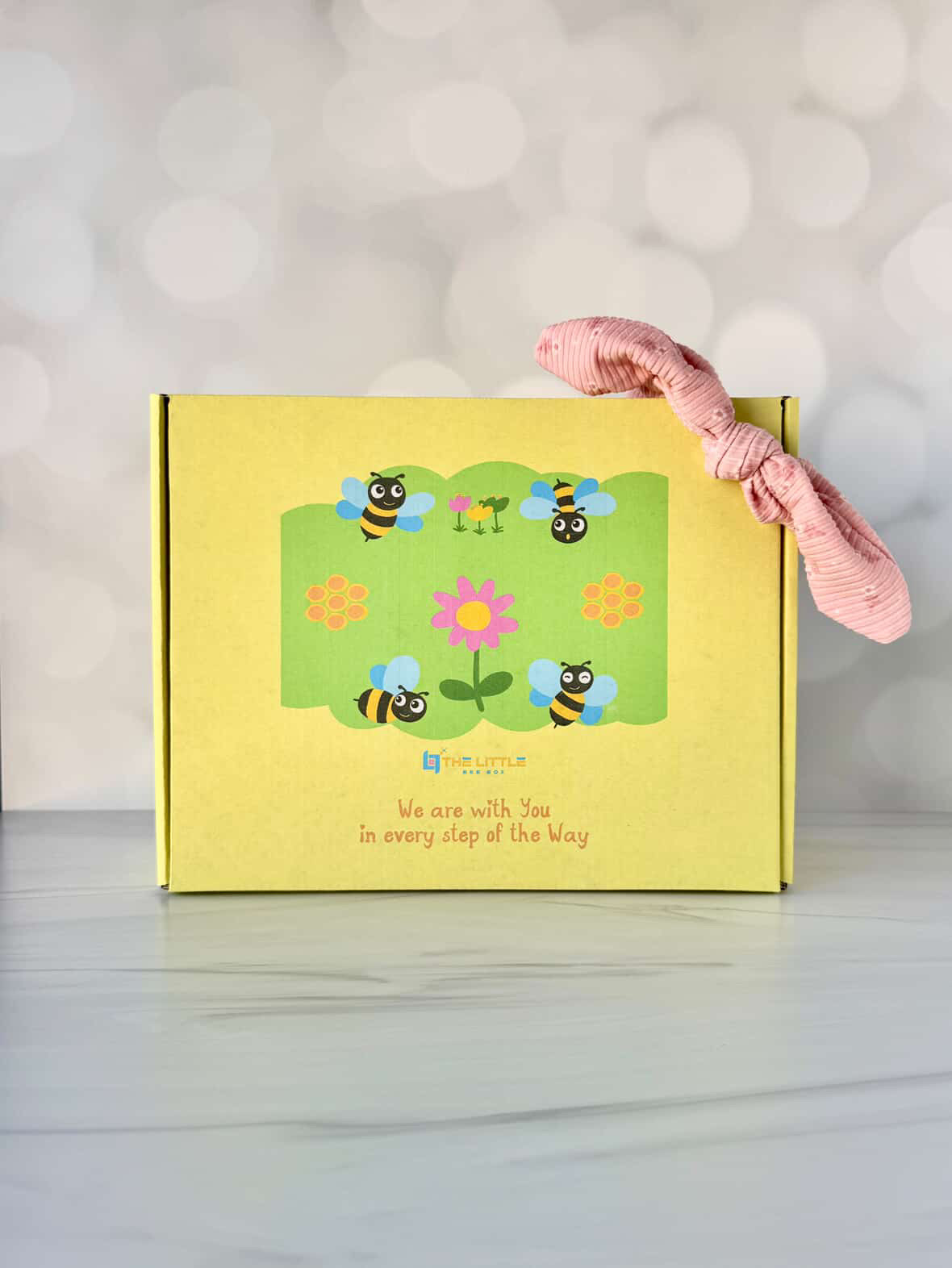
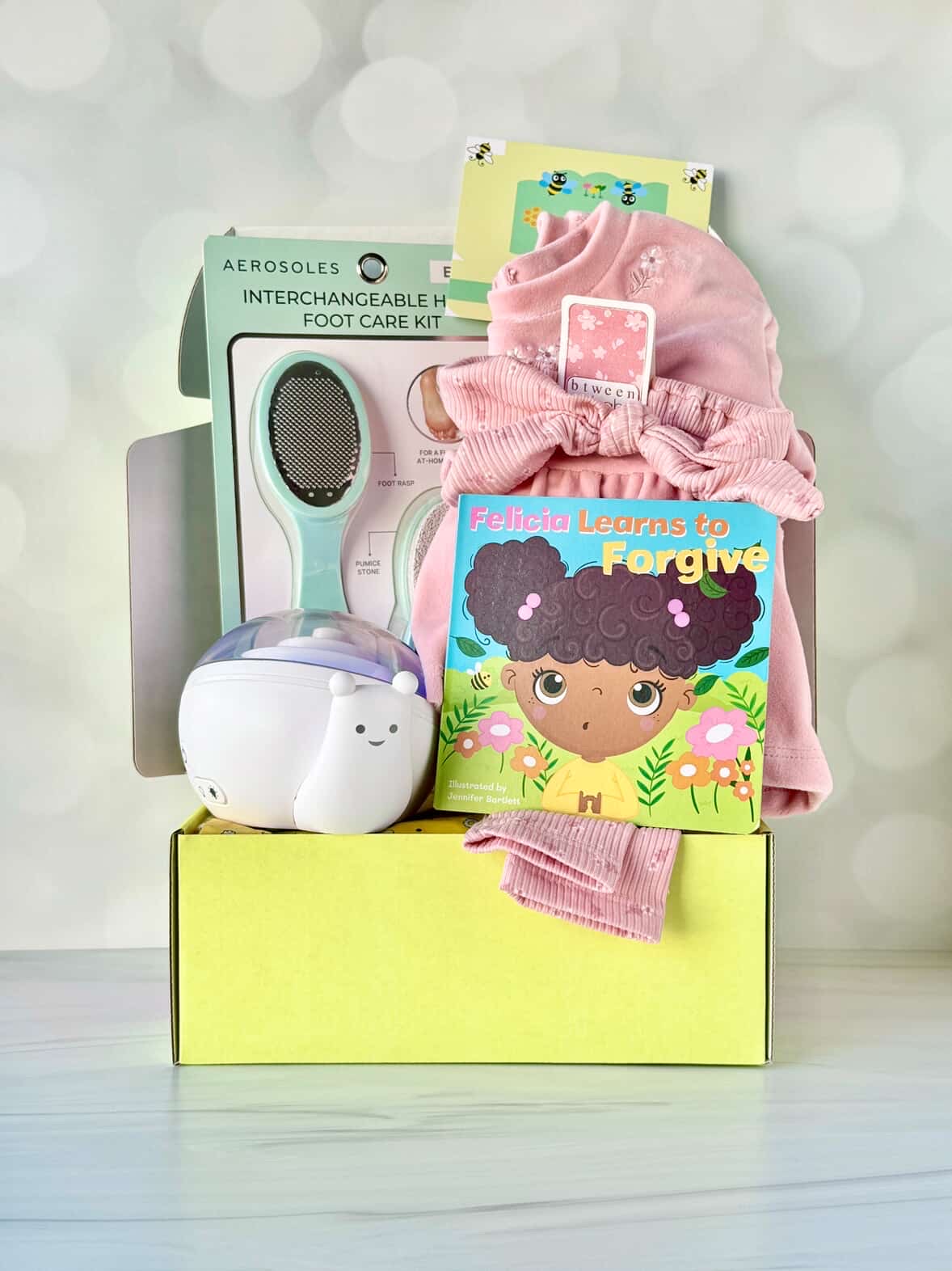
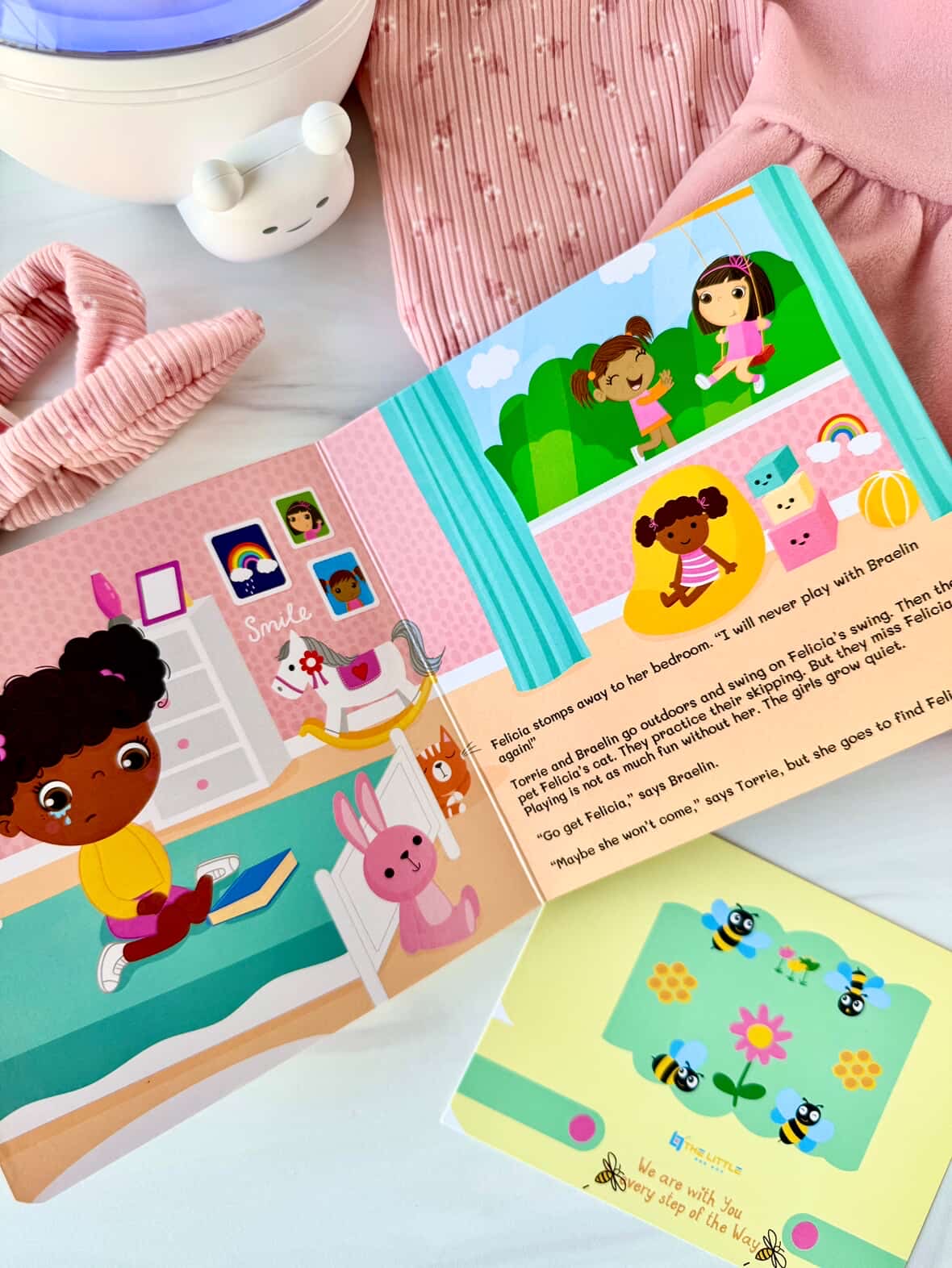
Image Credits
Kemisha levy