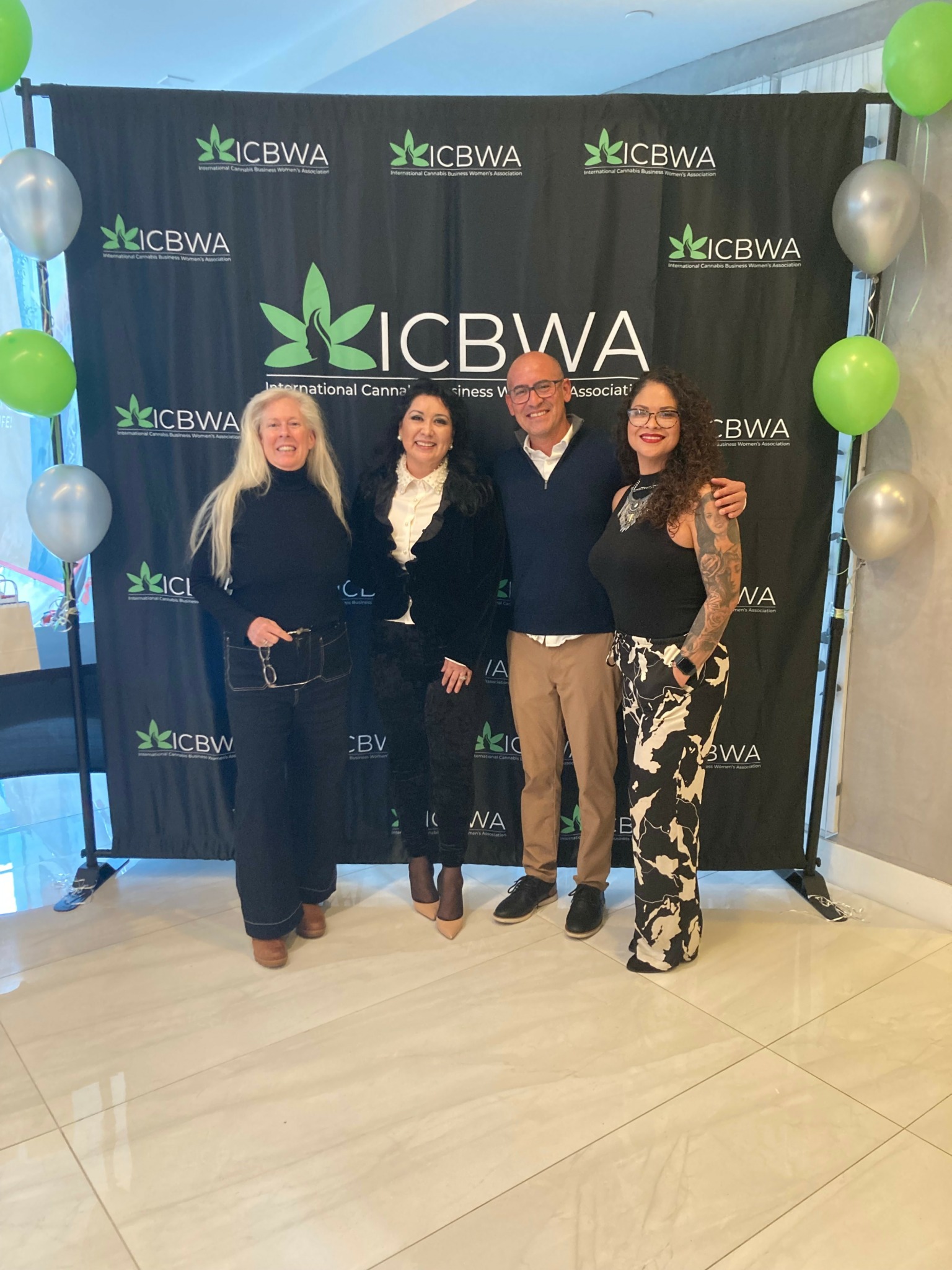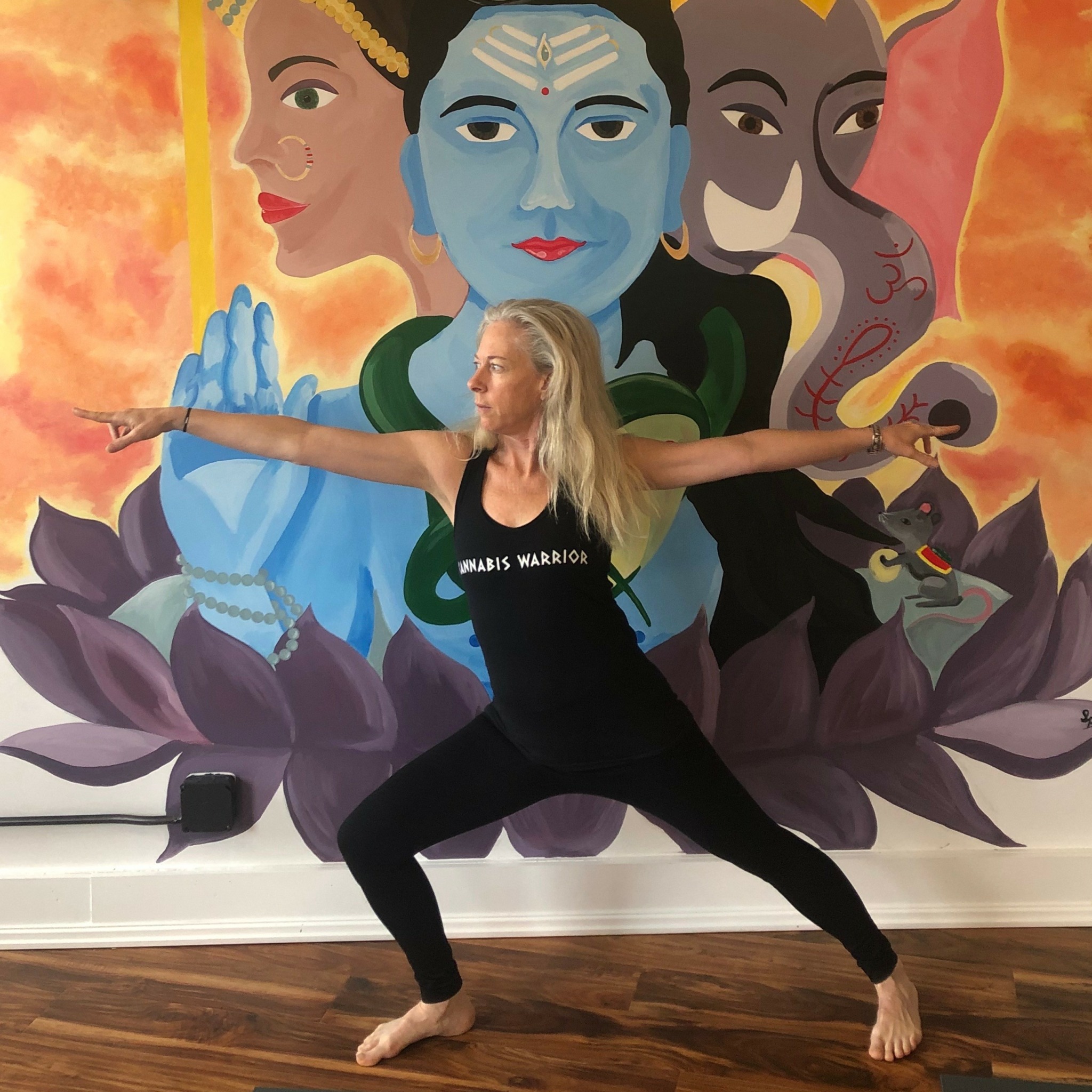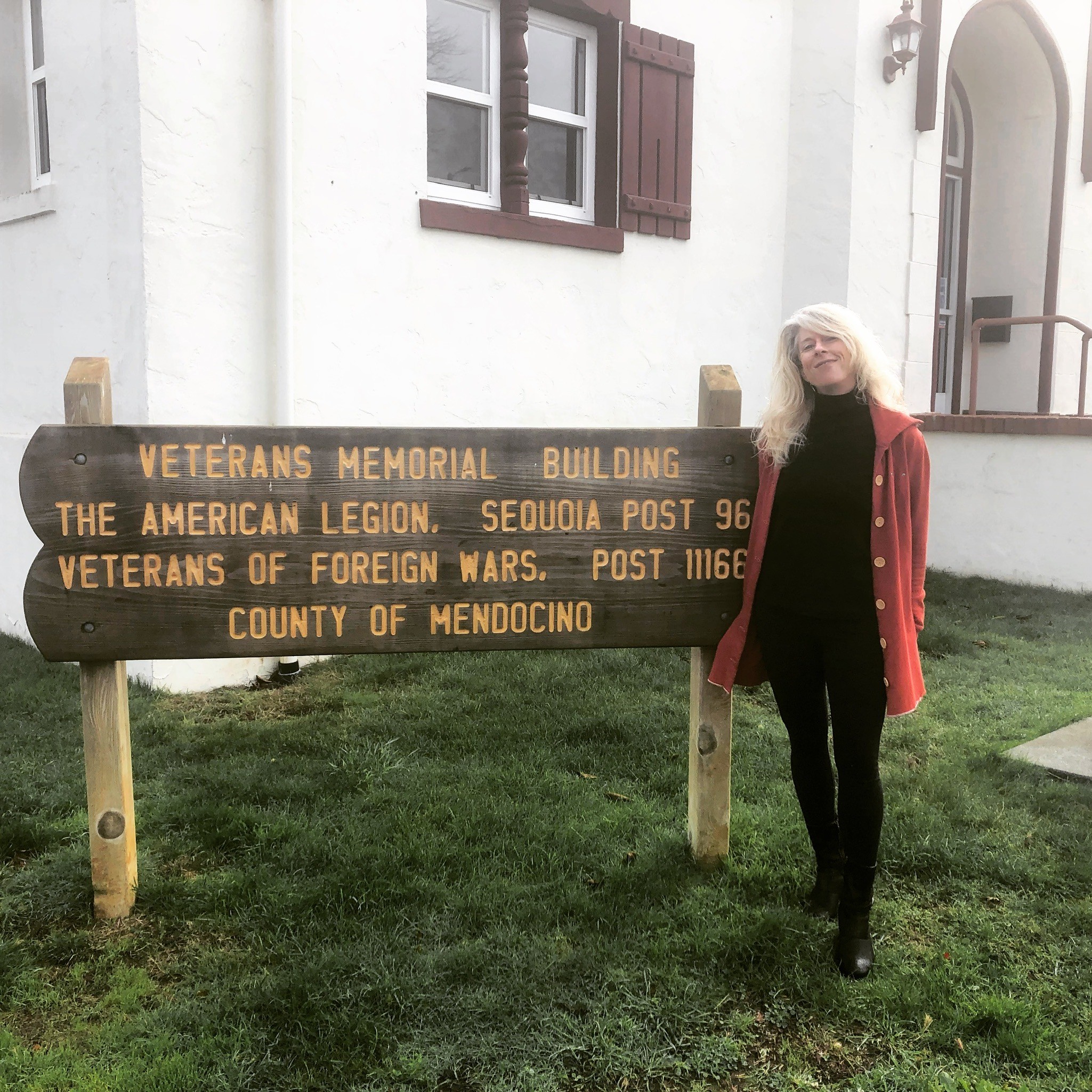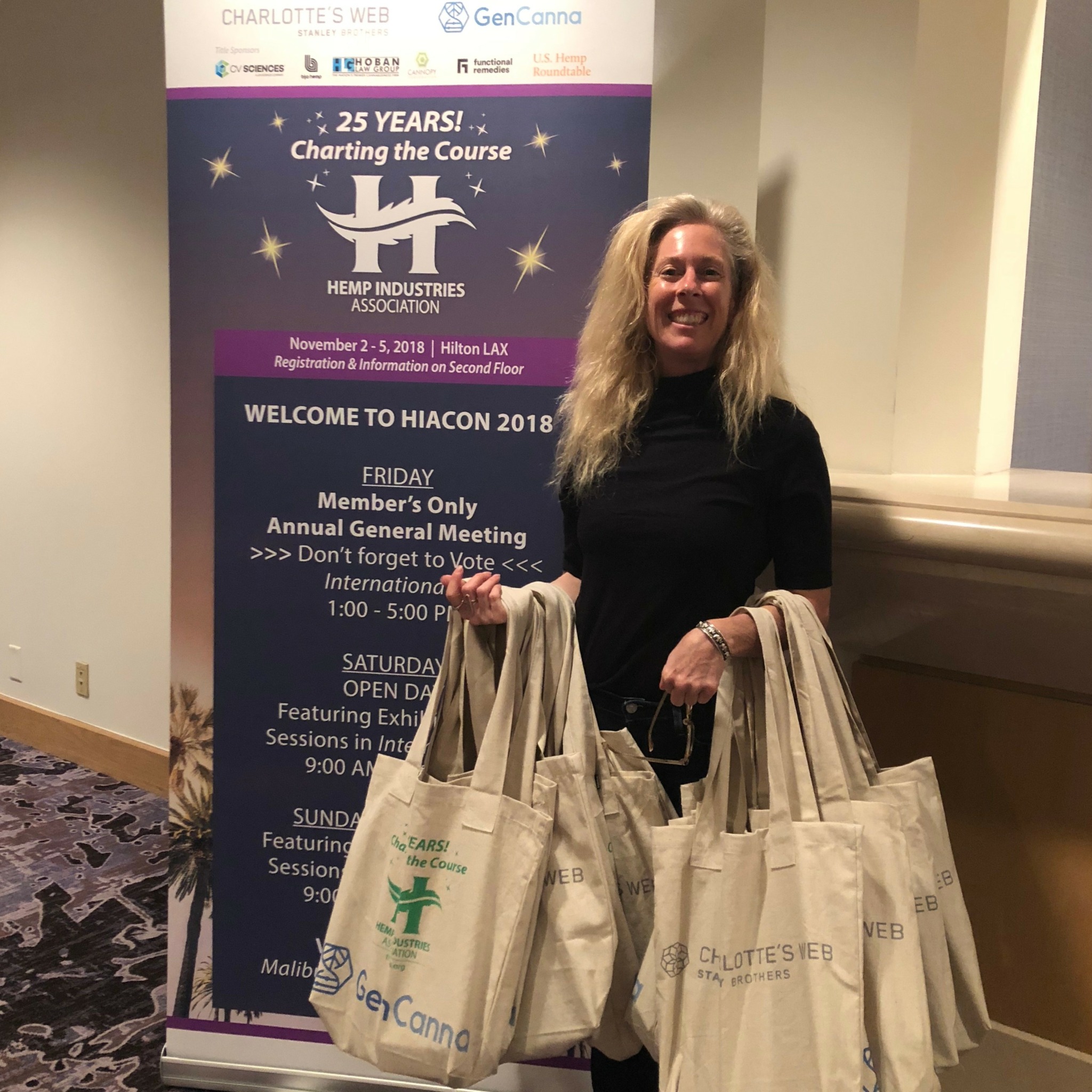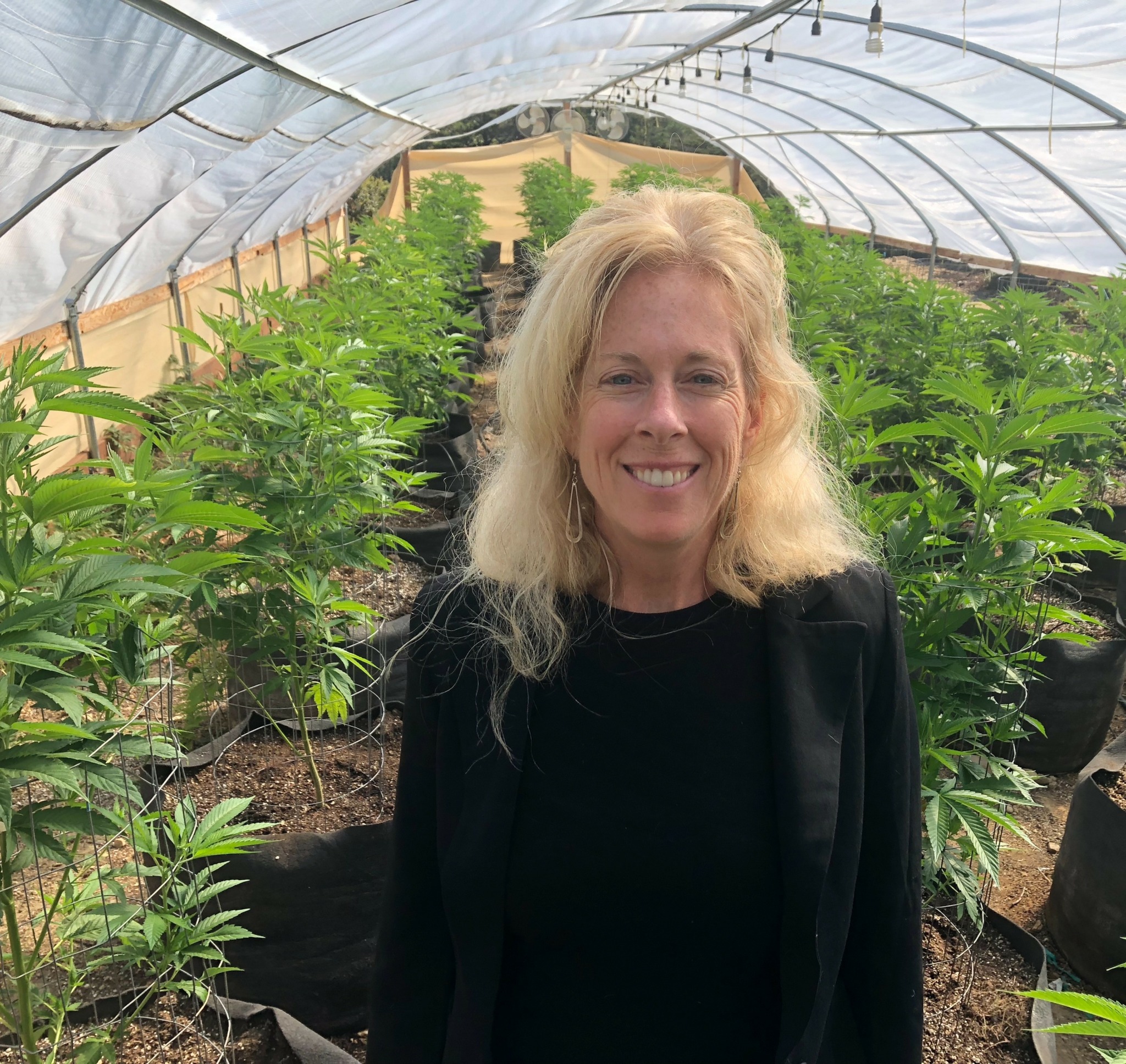

Alright – so today we’ve got the honor of introducing you to Mo Smyth. We think you’ll enjoy our conversation, we’ve shared it below.
Alright, Mo thanks for taking the time to share your stories and insights with us today. What was your school or training experience like? Share an anecdote or two that you feel illustrate important aspects or the overall nature of your schooling/training experience.
My university experience was a bit unconventional but incredibly rewarding. I went to college later in life, after raising my two children on a secretary’s salary. At that point, I was technically a grown-up, but I still didn’t have a clear answer to the question, ‘What do you want to be when you grow up?’
In one of my Psychology classes, I read How Can I Help? by Ram Dass, and it shifted me. The book is about finding purpose through service, and it made me reflect on how I could make a meaningful impact. My mom was a nurse, and while I never saw myself following in her footsteps, as a young single mom, I was obsessed with self-help and preventative health.
I loved being in college and learning, so much so that I took classes here and there while raising my kids. When I chose my first college class, I thought back to what I loved in high school—Russian! Over time, I earned a BA in Russian Arts, which was fascinating, but super impractical as a career path. That’s when I started looking at nursing as a profession.
It was the late 90s to early 2000s, and I read about a trend in the medical field. Women were pursuing broader roles, like becoming doctors and neurologists, but at the same time, the baby boomer generation—many of whom had more limited career options—was approaching retirement, creating a growing demand for nurses. Nursing felt like the perfect choice: it was a calculated economic decision that offered stability and opportunity, but it also aligned with my desire to answer the question, ‘How can I help?’
Mo , before we move on to more of these sorts of questions, can you take some time to bring our readers up to speed on you and what you do?
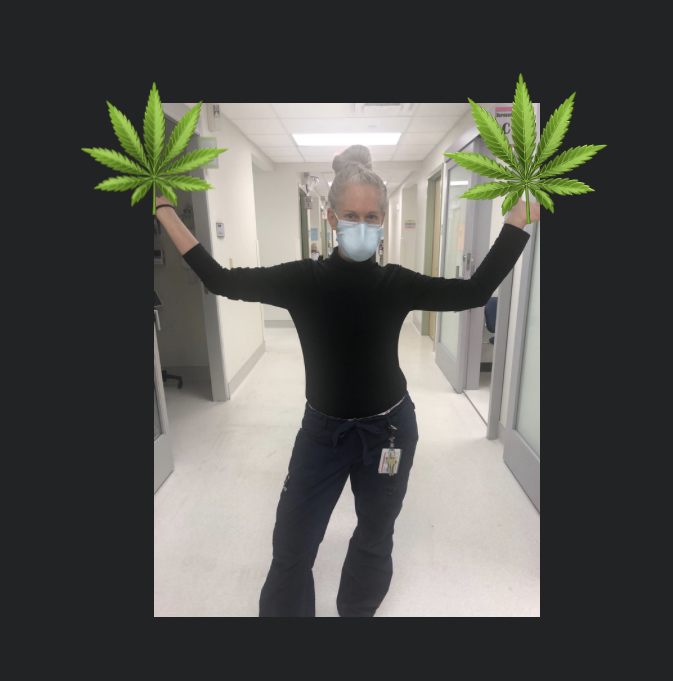
After 20 years in nursing, I became disillusioned with the for-profit healthcare system and its disconnect from true health and well-being. While I loved the intellectual challenges of nursing—discussing cardiology, pharmacology, and pathophysiology—what was missing for me was actual care for health. In 2018, a family crisis led me to explore cannabis as a first-line tool for holistic well-being. That same year – 2018 – the National Council of State Boards of Nursing released guidelines emphasizing the need for cannabis education, including understanding the endocannabinoid system (ECS) and cannabis pharmacology. Well, let’s just say, I felt lucky, in a way at the coincidence, because it seem like a could start on a new path, but one that had clear guidelines.
Learning about the ECS—a vast bodily system that supports internal balance, or homeostasis, especially during stressed states or chronic illness—opened my eyes to how it can help patients. Yet, the ECS also promotes flow states like those felt when running, surfing, painting, playing music, or dancing by rewarding us with bliss! As a way to encourage healthy coping skills! I realized how I can help! And that was to teach people how our bodies are designed to heal, how humans have an internal mechanism to thrive, and how cannabis, when properly dosed and guided by clinicians, herbalists & healers, works within this system to deliver better outcomes than most could ever imagine.
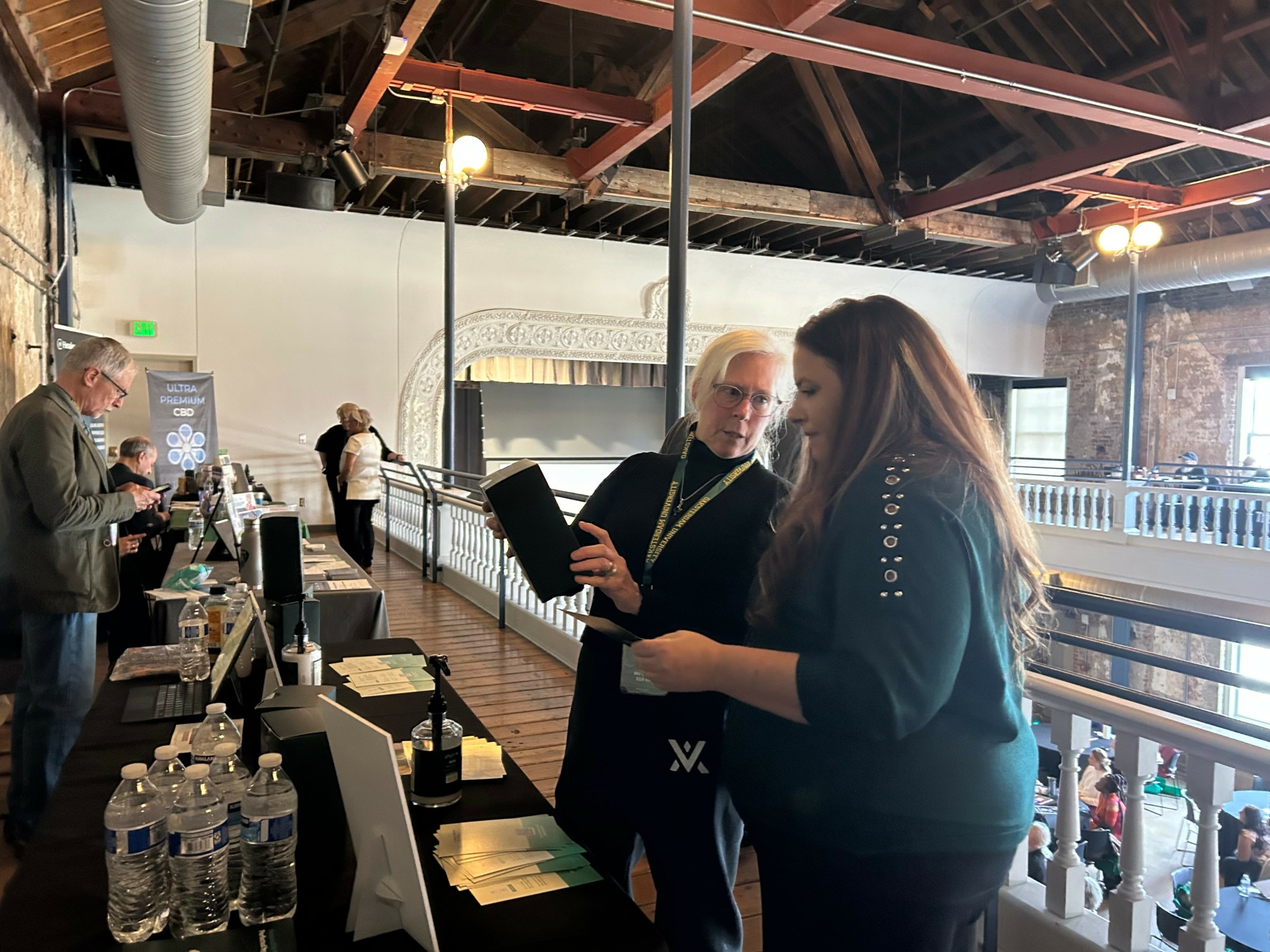
I eventually founded Cannabis Public School, a free and inclusive platform dedicated to evidence-based cannabis education. Our mission is to provide accurate information, empower individuals to make informed decisions, and bridge the gap between healthcare consumers and providers. We’ve built a thriving community where people can learn about quality cannabis products, network with stakeholders, and access clear guidance on holistic health. Sometimes practitioners and clinicians review case studies while consumers listen in on real-world discussions, and product manufacturers gain valuable feedback. Our guest speakers are top-notch!
Ultimately, the purpose of CPS is to improve healthcare consumers’ quality of life, reduce stigma around cannabis use, and advocate for healthcare autonomy. As my friend Mandy of Potency 710 says, “Every Sunday session feels like a service of passion, knowledge, and commitment. I’m energized, inspired, and sometimes want to whisper ‘amen’ at the end. It’s uplifting to see so many talented professionals unite for this plant.”
At the heart of it all, our school is about whole health and empowering people to define what that looks like for themselves
Putting training and knowledge aside, what else do you think really matters in terms of succeeding in your field?
Resilience, fearlessness and the ability to turn on a dime.
If you could go back in time, do you think you would have chosen a different profession or specialty?
My first nursing job was at a VA hospital in Boston. I worked on a spinal cord injury unit. A lot of times, I would end up grooming the veterans, shaving, hair cutting, eyebrow and ear hair trims. If I had to do it all over again, I would become a barber. Or a neurologist.
Contact Info:
- Website: https://cannabispublicschool.org/
- Instagram: https://www.instagram.com/smythmed
- Linkedin: http://linkedin.com/in/maureen-smyth-rn-bsn
- Youtube: Undirected Song https://youtu.be/e8C0MZijbFc
- Other: https://cannabispublicschool.org/classes/#s-414b2042-684d-4a20-8ef2-c50604a42042/