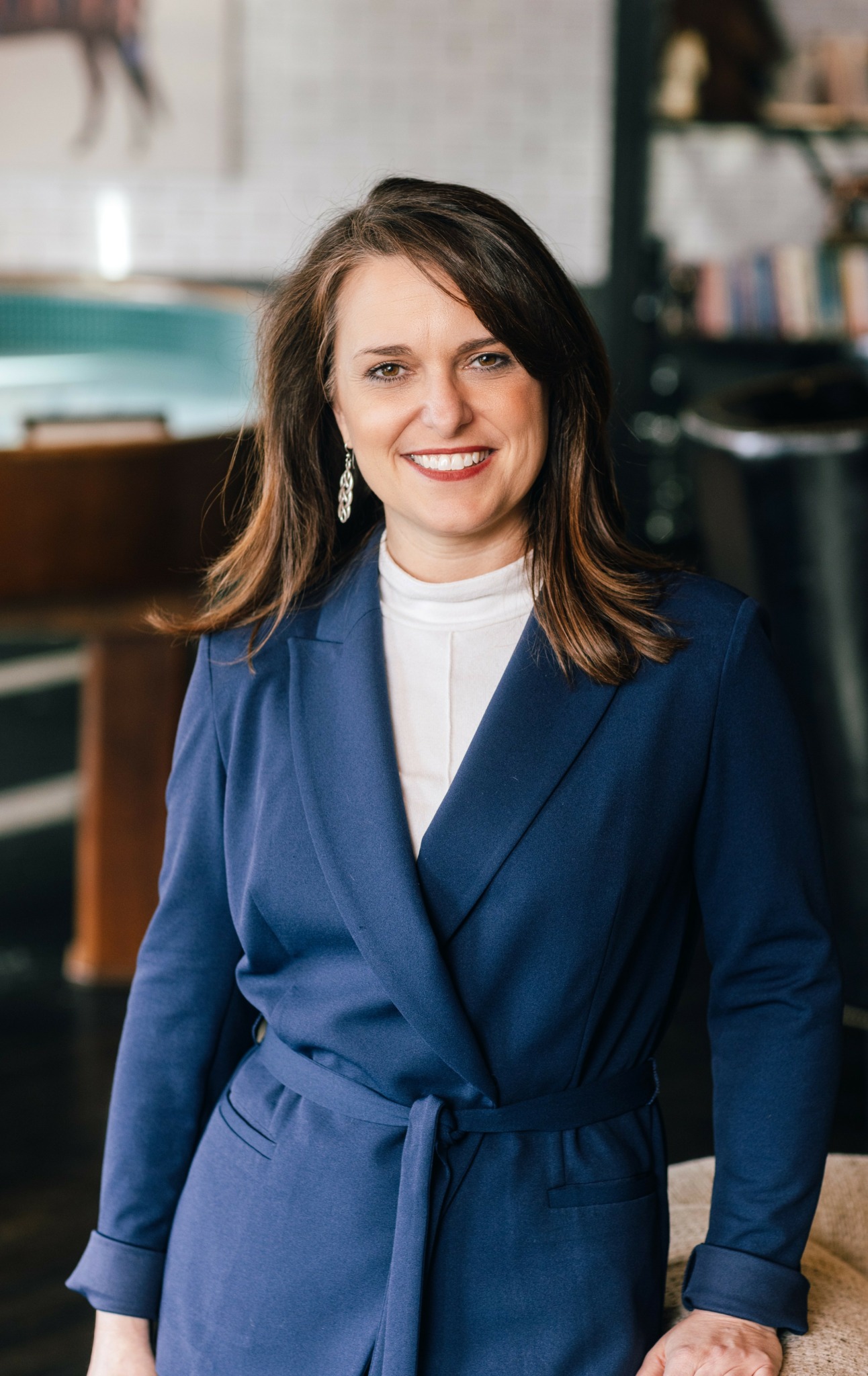

We caught up with the brilliant and insightful Tara Goode a few weeks ago and have shared our conversation below.
Alright, Tara thanks for taking the time to share your stories and insights with us today. We’d love to have you retell us the story behind how you came up with the idea for your business, I think our audience would really enjoy hearing the backstory.
I have helped launch and grow multiple businesses over the course of my career, and I am proud of those accomplishments. But none of them fully represented what I personally wanted to bring into the world. I have been a creative person my entire life, deeply connected to writing, books, and storytelling. I always knew I wanted to launch something creative of my own — likely rooted in books or publishing — but I wasn’t sure what form it would take.
For a long time, that idea felt impractical. I live in Louisville, not New York. I didn’t have a formal publishing background. I was already deeply committed to my day job, which I love. And frankly, I wondered if I was too far along in my career to pivot into something entirely new. Still, the pull never went away.
About three or four years ago, I hit a real creative block. I was hungry for an outlet that felt meaningful and sustaining. I tried painting more, writing more — but it wasn’t enough. Then one night, standing in my kitchen, something clicked. I was cooking, music was playing, my daughters were dancing around the room, my husband was pouring wine and talking with me. It was loud and imperfect and joyful. And I remember thinking very clearly: this is what the world needs more of.
Not polish. Not pretense. Just spaces where people can relax, laugh, talk, connect — with people they love and people they’ve never met — over simple pleasures like good food, good wine, and shared conversation. A place to disconnect from the digital noise and recharge.
That moment sent me down a research rabbit hole. I began studying similar concepts in other cities, analyzing business models, and closely examining my own market in Louisville. I talked with trusted friends and advisors, interviewed operators of comparable businesses, and pressure-tested the idea. I wasn’t interested in creating a beautiful boutique that only worked in theory — I needed to know it could function as a real, sustainable business.
The data supported the instinct. Independent bookstores are experiencing a revival — almost a rebellion — against a fully digitized world. When paired with diversified revenue streams and smart cost controls, bookstores can thrive. At the same time, Louisville’s downtown lacked a bookstore entirely, and it lacked places designed for people to stay awhile. That combination told me the timing was right.
From there, the idea expanded beyond a single space, inspired by some other successful concepts in the US that offered a similar element. Yer Mom’s Bookstore & Wine Café and Green House Work Space were conceived together as connected environments — not separate businesses, but complementary parts of a larger placemaking effort. Yer Mom’s is the public living room: books, wine, food, conversation, events. Green House extends that experience into a flexible, creative work environment upstairs. Together, they create a place people can move through naturally over the course of a day — reading, working, meeting, lingering — rather than just passing through.
The brand itself grew from that same spirit. Wine and books can sometimes feel intimidating or overly intellectual, and I wanted the opposite — a space that feels warm, funny, and disarming. As a mom, my kids have always been quick to humble me. Any question I asked was inevitably answered with “Yer Mom.” It is always followed by an eye roll, but always makes me laugh. When I joked, “What should I name the bookstore?” and heard the same response, it stuck.
It was a risk — and it’s not everyone’s cup of tea — but it captures exactly how I want people to feel when they walk in: relaxed, welcome, amused, at ease. Beneath the humor, the name is also a quiet tribute to strong women — mothers, sisters, aunts, friends — whose grit, care, and resilience shape our communities every day.
Opening a bookstore alone isn’t novel. What is unique is the experience we’re creating and the problem it addresses. In an increasingly digital, fragmented world, we are building connected, human-scale spaces that encourage presence, creativity, and community. The response since announcing the project — before we’ve even opened our doors — has confirmed that this is something people have been waiting for.
This isn’t just a business. It’s a place meant to be used, loved, and returned to — and that’s why I knew it was worth bringing to life. I hope to start in Ky and have 5 other markets/locations in mind for similar concepts.
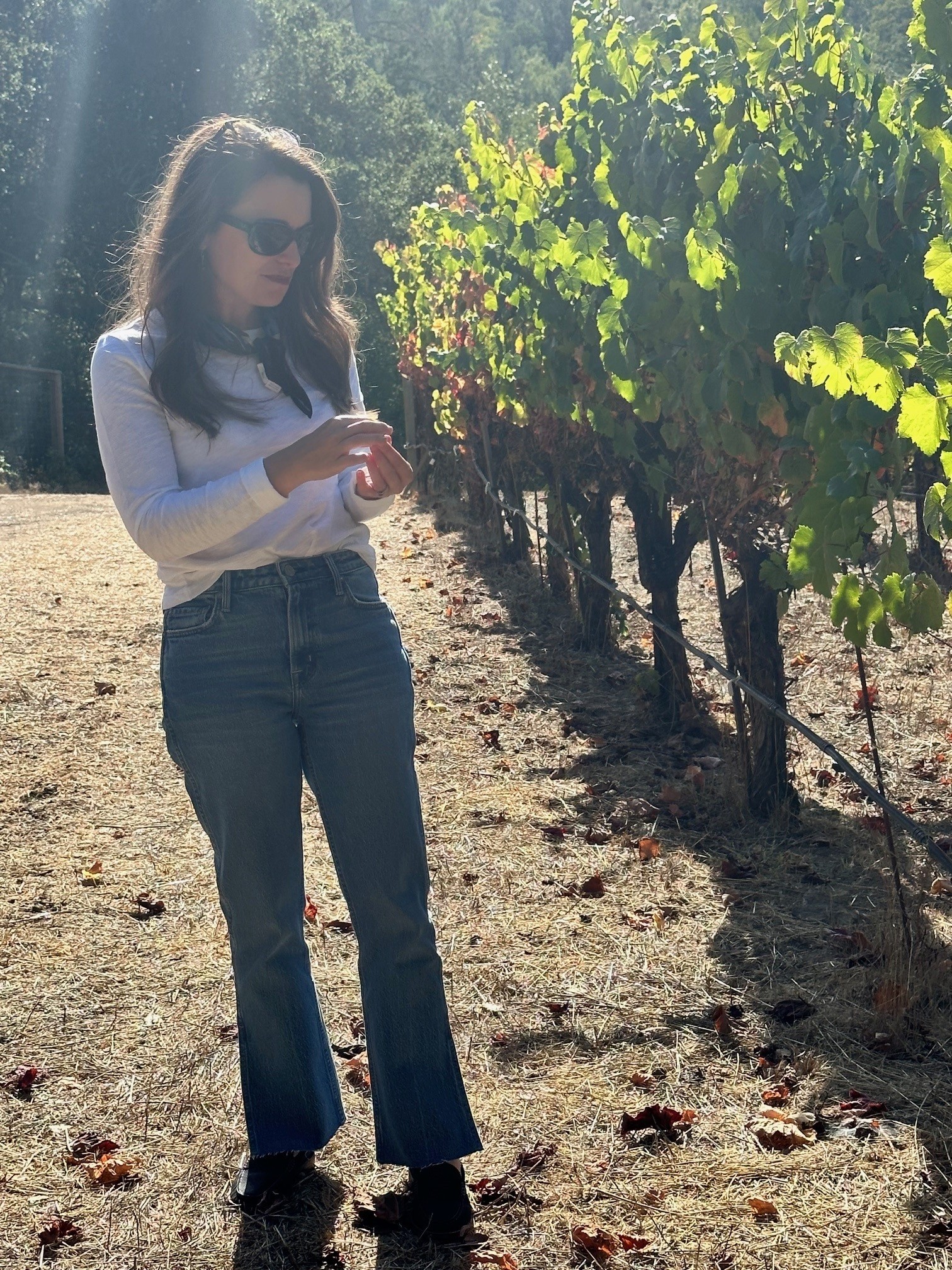
Tara, love having you share your insights with us. Before we ask you more questions, maybe you can take a moment to introduce yourself to our readers who might have missed our earlier conversations?
I’ve spent more than twenty years working across the public and private sectors, but the common thread in my background has always been language, ideas, creativity, and people. I hold a bachelor’s degree in English and creative writing and a master’s degree in international relations, and that combination has shaped both how I think and how I work.
I started out as a student teacher in high school English, which grounded me early in the need for language and communication — not just as academic exercises, but as tools for helping people make sense of the world. From there, I moved into public affairs, working in the northwest and the southeast where I helped connect leadership to communities and served a niche and unexpected role in disaster preparedness response.
That work eventually led me into the weather and energy technology space, where I’ve helped launch and grow mission-driven companies. I co-founded Fleur de Lis Communications and later helped launch Climavision, where I am still a senior leader and my work has centered on building partnerships, shaping strategy, and telling clear, credible stories about why the work matters. Across all of these roles, I’ve been drawn to projects that sit at the intersection of expertise and impact — where you can tangibly see that the work is making a difference.
Yer Mom’s Bookstore & Wine Café and Green House Work Space represent a different expression of that same foundation. This venture gives me a creative outlet rooted in books, writing, and physical space, while still drawing heavily on the skills I’ve spent my career developing. It’s less about selling a concept and more about creating environments that support conversation, creativity, and connection.
Through these spaces, we’re addressing a set of practical gaps that exist in downtown Louisville and in many cities like it. There is no independent bookstore in the urban core, and there are few places designed for people to spend time without a fixed agenda. Cultural spaces can often feel intimidating or transactional, and work, leisure, and community are typically separated into silos that don’t reflect how people actually live. By intentionally connecting Yer Mom’s and Green House, the project creates an approachable, flexible environment where people can read, work, meet, and gather in ways that feel natural rather than prescribed.
Through these spaces, we provide books, food, wine, workspace, and programming — but more importantly, we provide a place people can return to. We believe the most meaningful spaces allow people to move naturally between ideas, work, and community – a key learning from my time in the public sector.
The goal is to offer spaces that don’t ask people to be anything other than themselves. Yer Mom’s and Green House are designed to feel approachable, flexible, and familiar — places where people can spend time alone or together without pressure. Over time, the hope is that the spaces become recognizable parts of people’s routines and relationships, shaped as much by the community as by the original idea.
Across very different roles and stages of life, I’m most proud of having stayed grounded and clear-eyed about my work and for demonstrating the importance of doing good work. Raising children alongside a demanding career has required focus and restraint, and has strengthened my ability to evaluate ideas from multiple perspectives, check my own biases, and stay committed to the underlying mission rather than surface noise. I have not been perfect at this, but it’s a skill I’ve refined over the years, thanks in large part to my family’s ability to keep me in check.
We’d love to hear a story of resilience from your journey.
Nearly twenty years ago, very early in my career — and shortly after beginning a new role — I found myself responding to the EF4 tornado in Enterprise, Alabama that killed 9 people, 8 of whom were teenagers in our high school. Within hours, I became a point of contact for national and international media while also serving as a liaison across local, state, and federal agencies during an unfolding crisis.
At that point in my career, I had not had the opportunity to understand what I was capable of and what I could do. As a young woman just starting out, I was still learning where I fit and how much responsibility I could carry. There was no handbook for what followed. I was helping families navigate loss and trauma, translating incomplete and evolving information, and absorbing an enormous amount of pressure — all while the situation on the ground continued to change.
What steadied me was trusting my intuition. I stopped thinking about what I was prepared for and paid attention instead to what the work required: clarity, presence, and making careful judgments with imperfect information. The hours were long and non-negotiable, but the responsibility was clear, and showing up consistently mattered more than getting everything exactly right.
That experience was completely unexpected, but it became a compass. It showed me that I could operate calmly under pressure, that I could trust my intuition, and contribute meaningfully even without certainty or precedent. Nearly two decades later, it’s still a reference point for me — a reminder that resilience isn’t loud or dramatic, but rooted in judgment, steadiness, and the ability to stay present when people are counting on you.
How about pivoting – can you share the story of a time you’ve had to pivot?
I’ve had to pivot many times throughout my career — some by choice, others by circumstance — and each pivot has shaped how I think about and respond to change.
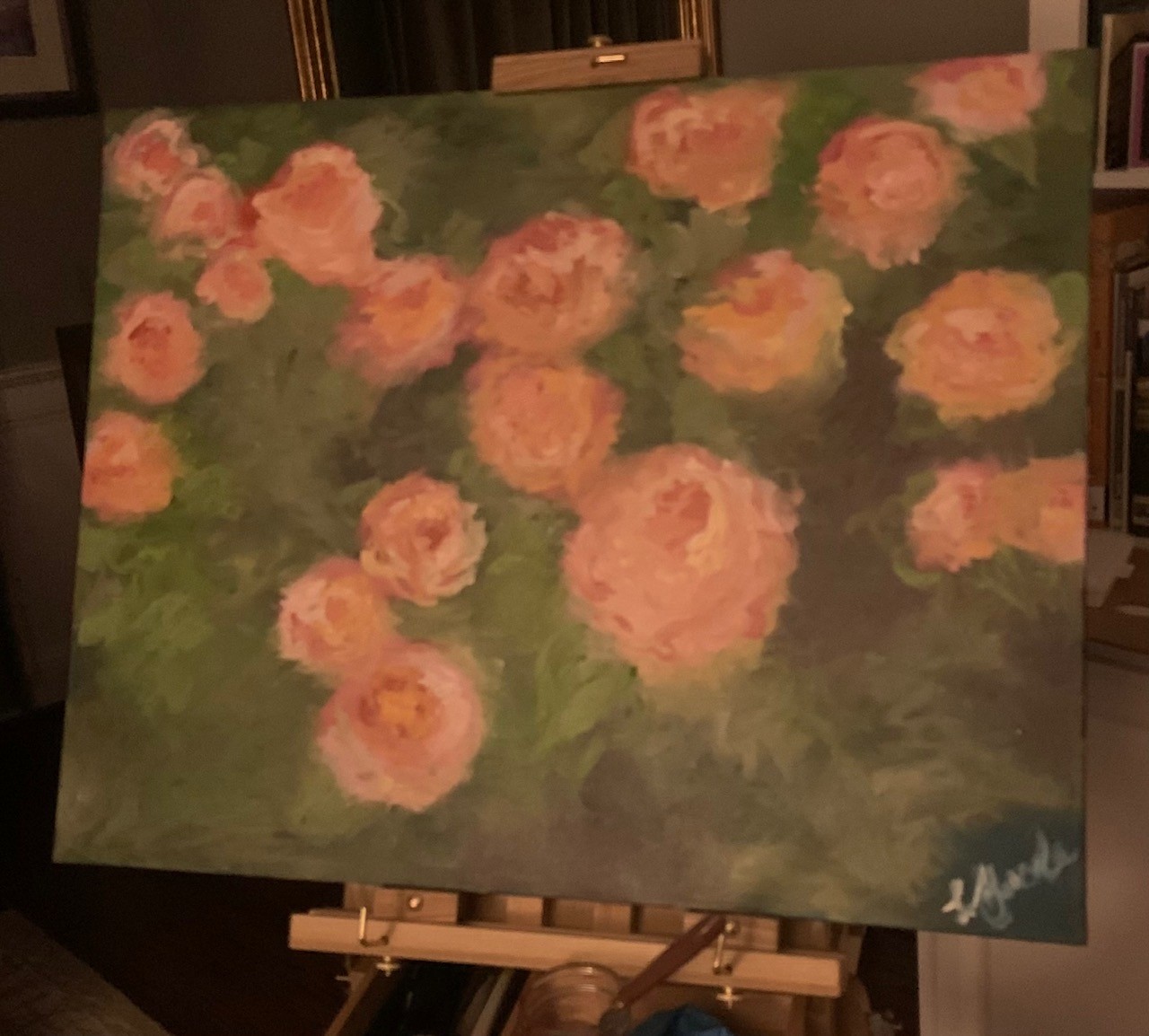
My first real “adult” pivot happened in college. I entered as a studio art major, hoping to become a photographer. I wasn’t at an art school, but at a public university where I could use my scholarship, and I was genuinely excited about the required art classes. Two semesters in, I was discouraged and lost. In a fine arts painting course, it was clear realism was not a strength of mine, and my professor made it clear that I didn’t belong there. At eighteen, this crushed me.
I switched majors quickly, unsure of where to go next. I tried marketing and eventually landed in English and creative writing — a path a high school English teacher had once told me I was made for. It was a safer choice, and in many ways the right one. It nurtured a deep love of language and storytelling that has stayed with me ever since. Still, with the benefit of time, I can see that the pivot was shaped as much by discouragement as by clarity. Returning to visual art later in life has been rewarding, but also harder than I expected because I don’t have as much time to immerse myself. This college experience taught me something important about how fear can quietly influence our decisions.
Not all pivots have been negative even if they were uncomfortable in the moment. A more recent example led to both a successful business and one of the strongest professional relationships in my life. In 2020, an energy tech company project I was working on was coming to an end, and I needed to figure out what was next. I had just spoken to a recently retired media news director who asked for my advice on transitioning from media into communications and public relations. That conversation turned into an idea, and in the middle of COVID, we launched a boutique PR firm with a simple mission: to bring human-centered communication back to business.
Our first client was a restaurant association — a daunting challenge during that year — and we learned quickly what was possible by trusting each other and staying flexible. Six years later, the firm has grown into a meaningful and sustainable business with real community impact. While I’m no longer involved in the day-to-day due to my role at a weather technology company I later helped launch, that pivot remains one of the most formative of my career. It only happened because someone believed in me before I fully believed in myself, and that leap of faith changed the trajectory of my work and my confidence.
Over time, I’ve come to see pivoting as necessary. A good pivot can reignite creativity and open paths you couldn’t have planned for. It’s always uncomfortable at first — like stepping into cold water — but eventually you adjust, and sometimes you even begin to look forward to what’s next. In my twenties, the question “What’s going to happen?” filled me with anxiety. Now, I ask the same question more often with curiosity and anticipation. I’ve learned that as long as I don’t wait passively for things to come to me, change is not something to fear — it’s often where the most meaningful work begins.
Contact Info:
- Website: www.yermomsbookandwine.com www.fdlcomms.com
- Instagram: @tealeegee @yermomsbookandwine @fdl_comms
- Facebook: @yermomsbookandwine @fdlcomms
- Linkedin: https://www.linkedin.com/in/taraleighgoode/