
We caught up with the brilliant and insightful Jarrett Tishmack a few weeks ago and have shared our conversation below.
Jarrett, appreciate you joining us today. How did you learn to do what you do? Knowing what you know now, what could you have done to speed up your learning process? What skills do you think were most essential? What obstacles stood in the way of learning more?
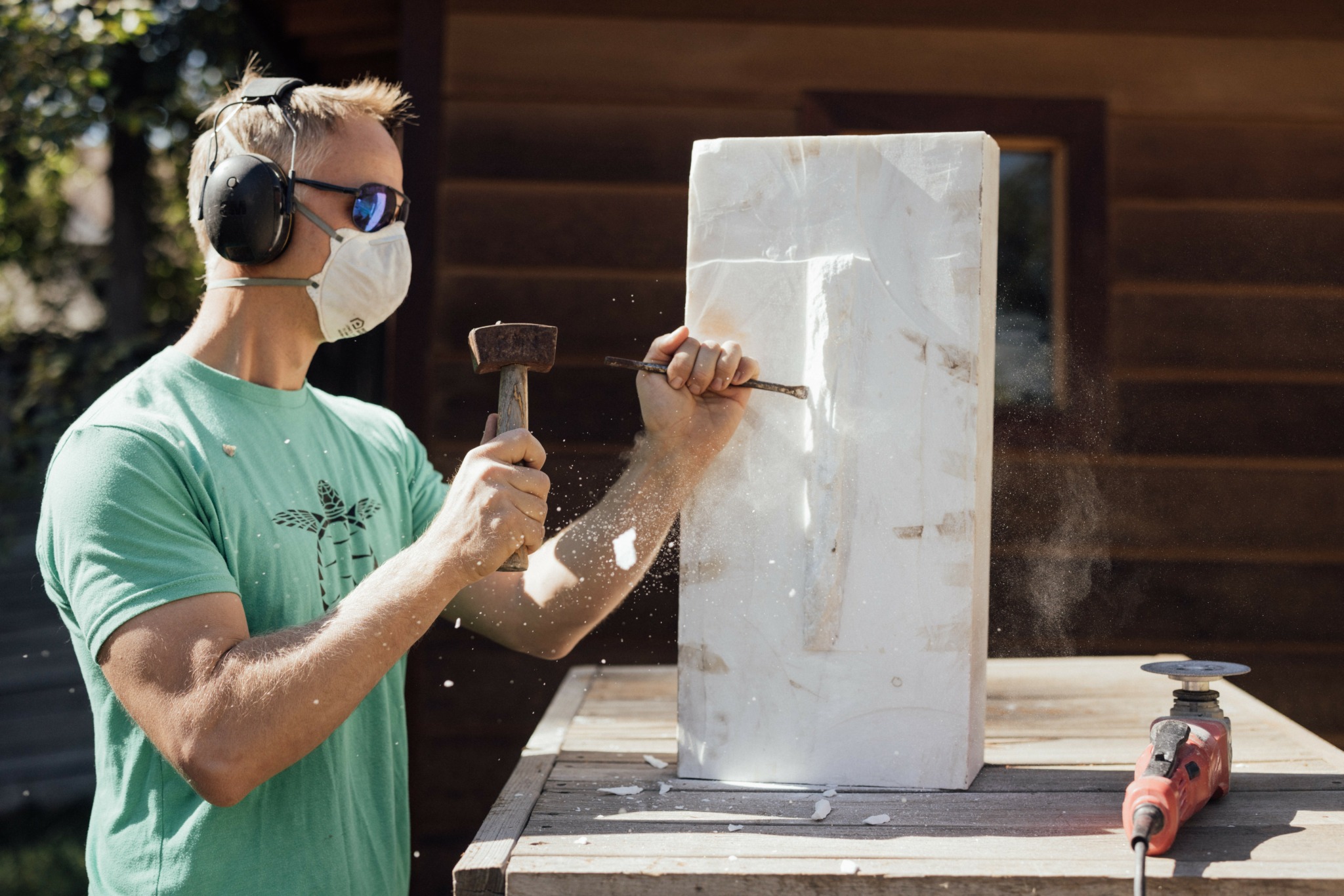
I’m a stone sculptor and professional carpenter. My father was a tile installer, and as a teenager I would help him during my summer breaks. As his helper, I would be the designated tile cutter, and I found the diamond blade fascinating in how it could so precisely cut the stone. I felt like I had a knack for it; using variable pressure and feed speed to work the tile. I loved working with marble and natural stone, so it was a short jump to my first real sculpture. I found a large, granite river rock and sculpted a bowl. I intended to sell the bowl, but I never did, and it still sits on my shelf reminding me of my journey to where I am now.
I never had a strong intention to turn sculpting into a career. I only worked when the creative drive would hit, but I was always limited by not having an ideal space to work. It’s such a noisy and dusty process. It’s something that can easily annoy the neighborhood, so I had to be selective about when and where I could work. I certainly would’ve been more prolific in my work if I had a more ideal space in those earlier years.
As always, we appreciate you sharing your insights and we’ve got a few more questions for you, but before we get to all of that can you take a minute to introduce yourself and give our readers some of your back background and context?
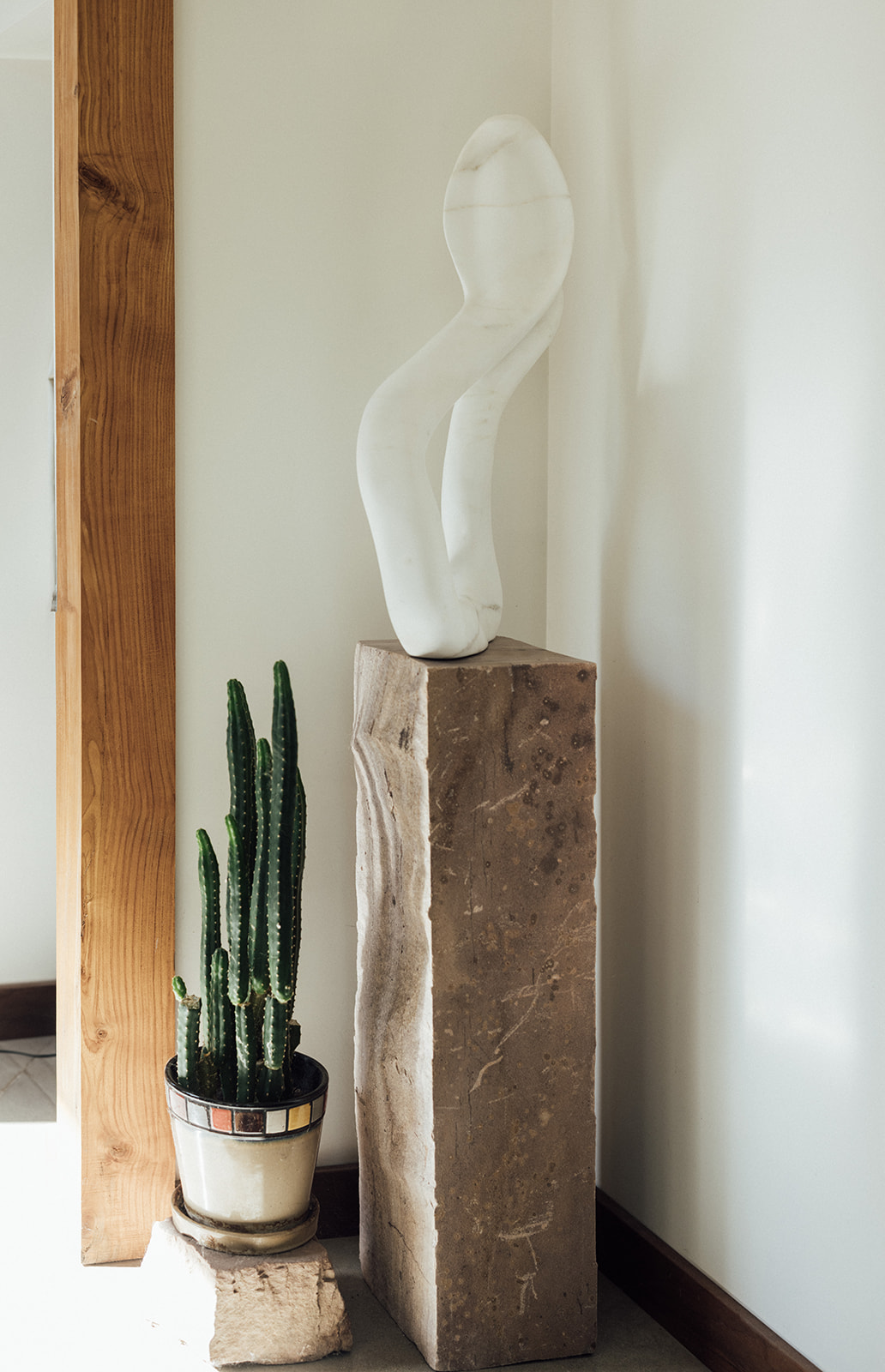
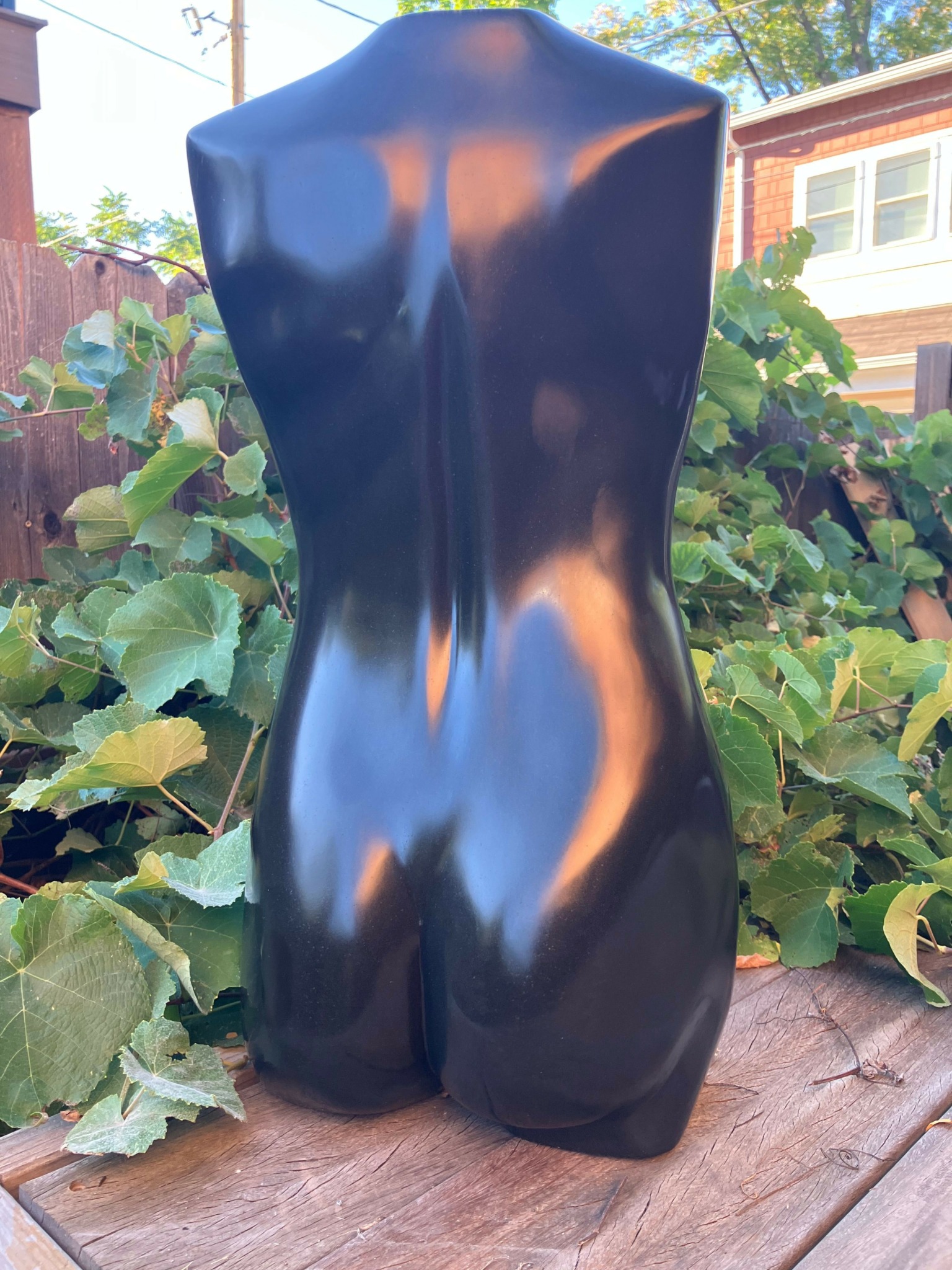
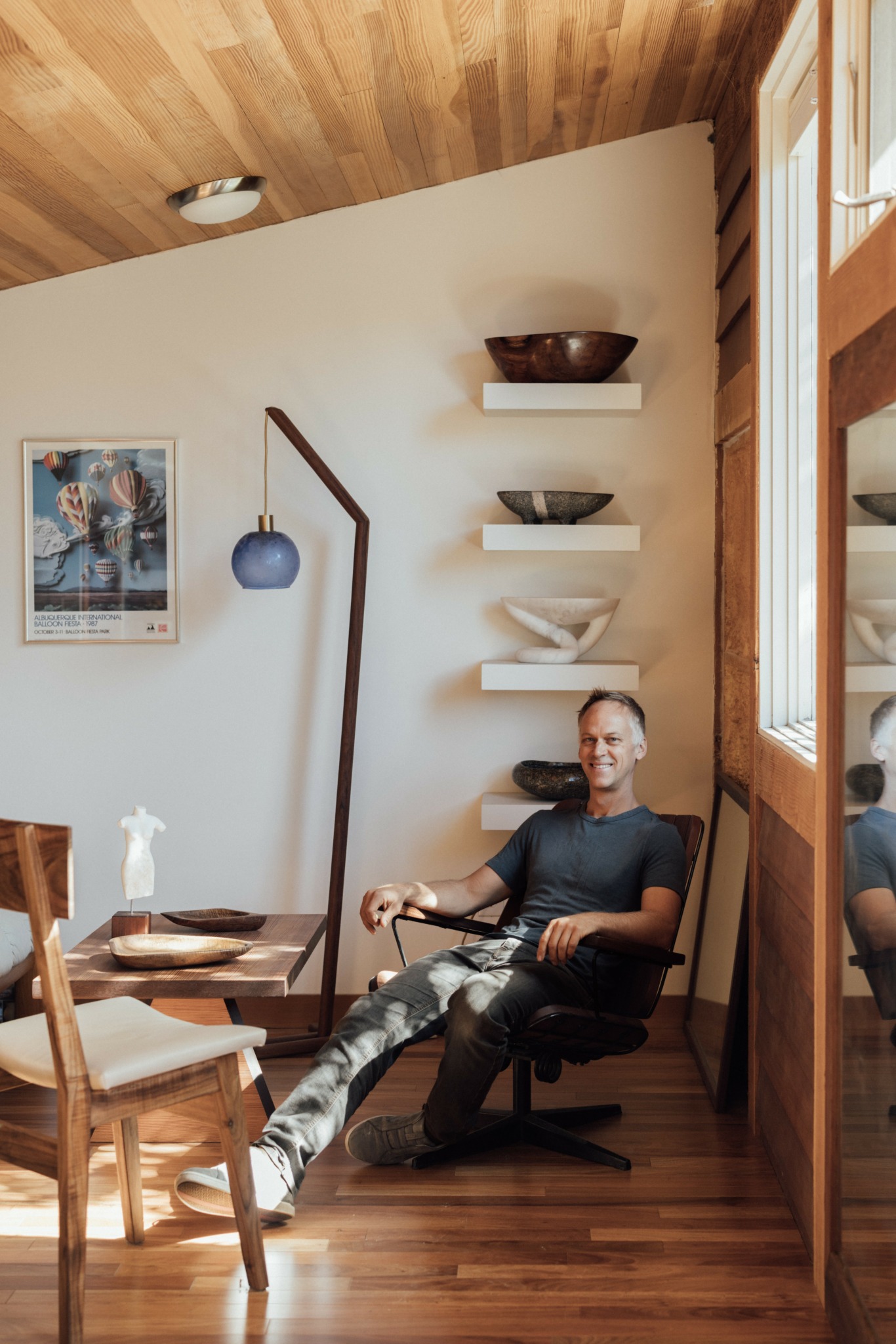
I’m a general contractor in Boulder, Colorado specializing in high-end custom showers and tile. I also often work building furniture with rare and exotic woods. This has led to a blending of crafts and sculptures incorporating both stone and wood. My sculpture tends to be figurative or abstract in nature, but trending towards soft lines with intertwining dissimilar materials.
My biggest strength with customers is continually iterating their design to come up with something incredibly unique. Being the actual craftsman that will create the design gives me a huge advantage above what an interior designer can offer since I’m aware of the boundaries of what’s actually possible in the real-time implementation. I really enjoy the back and forth with a client even midway through a project where we come up with new ideas often based on outcomes that nobody could’ve foreseen in the beginning.
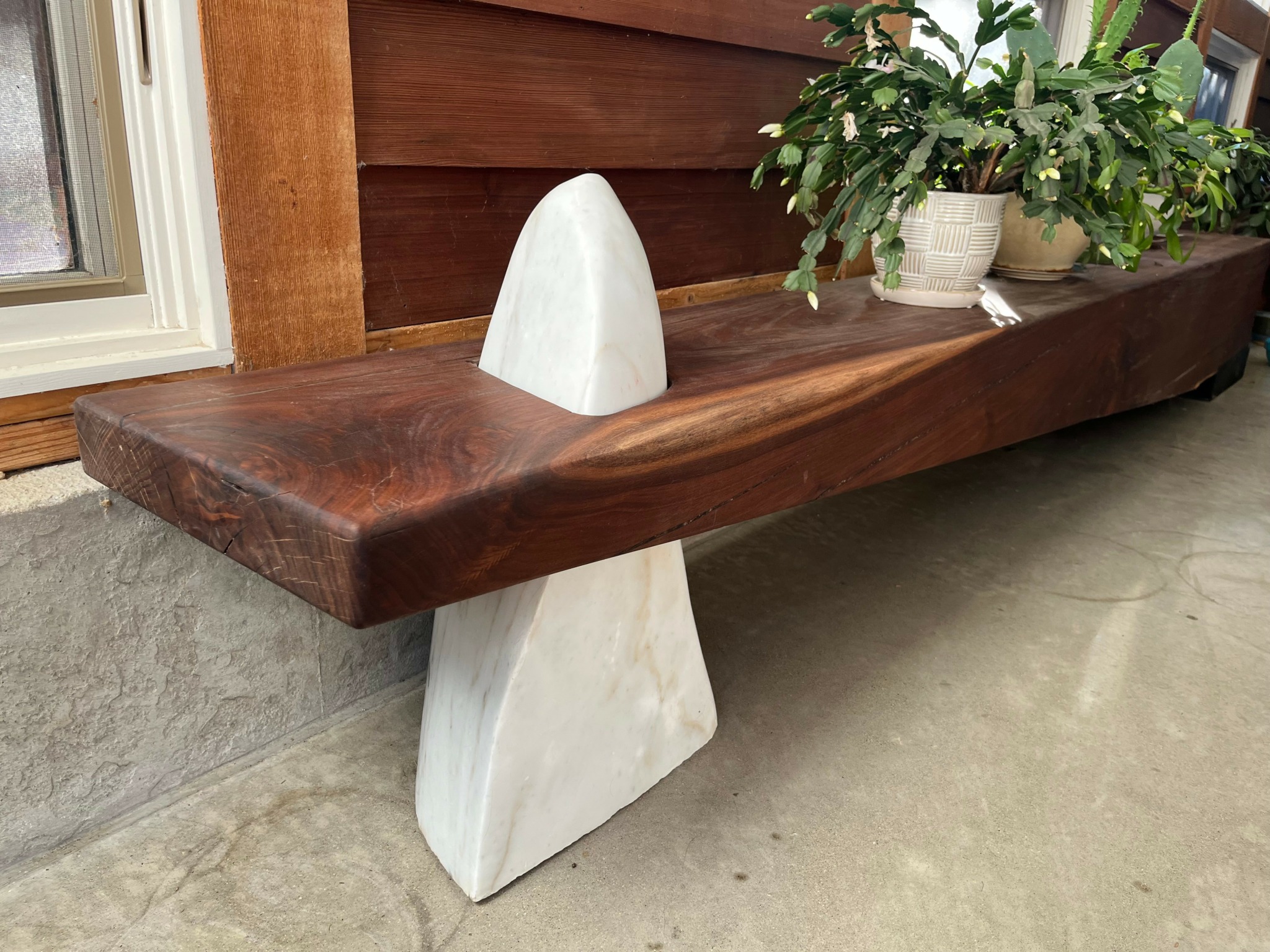
What’s the most rewarding aspect of being a creative in your experience?
As an artist, I love viewing other people’s work. It can be relaxing, inspiring, or even escapist entertainment. Of course, there are things I love and things I really don’t! The most rewarding aspect of being an artist is that I can always strive to create something that I would absolutely love to see or own, find interesting and emotionally engaging, or just something purely for aesthetic enjoyment. It’s very liberating that my only mandate in creating is to make something that I would love if someone else produced it.
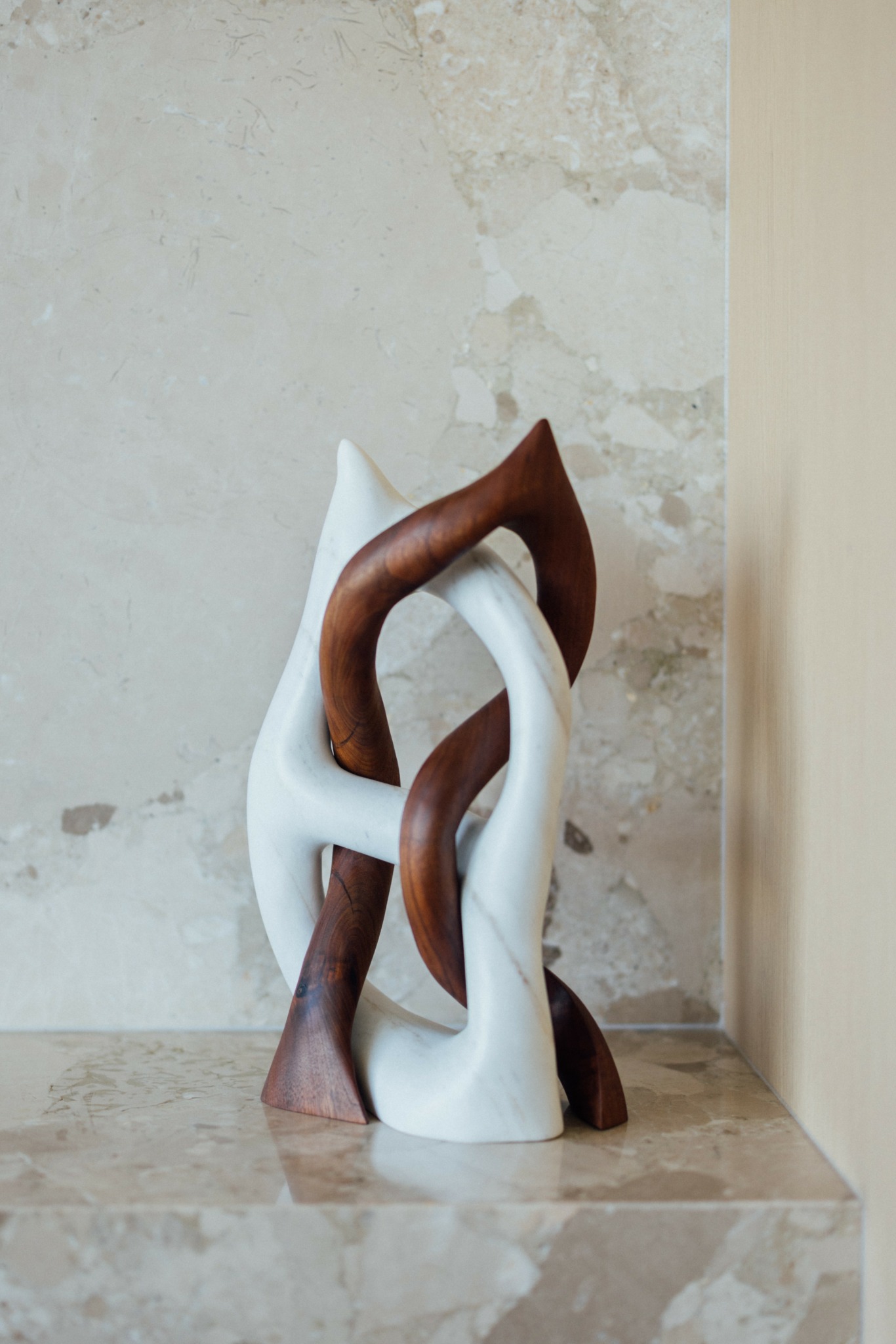
What can society do to ensure an environment that’s helpful to artists and creatives?
The best support society can offer to artists and creatives is not always financial in nature. Creating art is an innate drive for me; I would produce regardless of the financial compensation. But what keeps the fire going the most is positive feedback and encouragement. Municipalities that choose to display art, have calls for entry for projects, and dedicate resources and space to showcase art in every form is the strongest backing society can show toward creatives. Being appreciated by others and being given a chance to shine is more important than the monetary reward.
Contact Info:
- Website: https://Tishmackdesign.com