

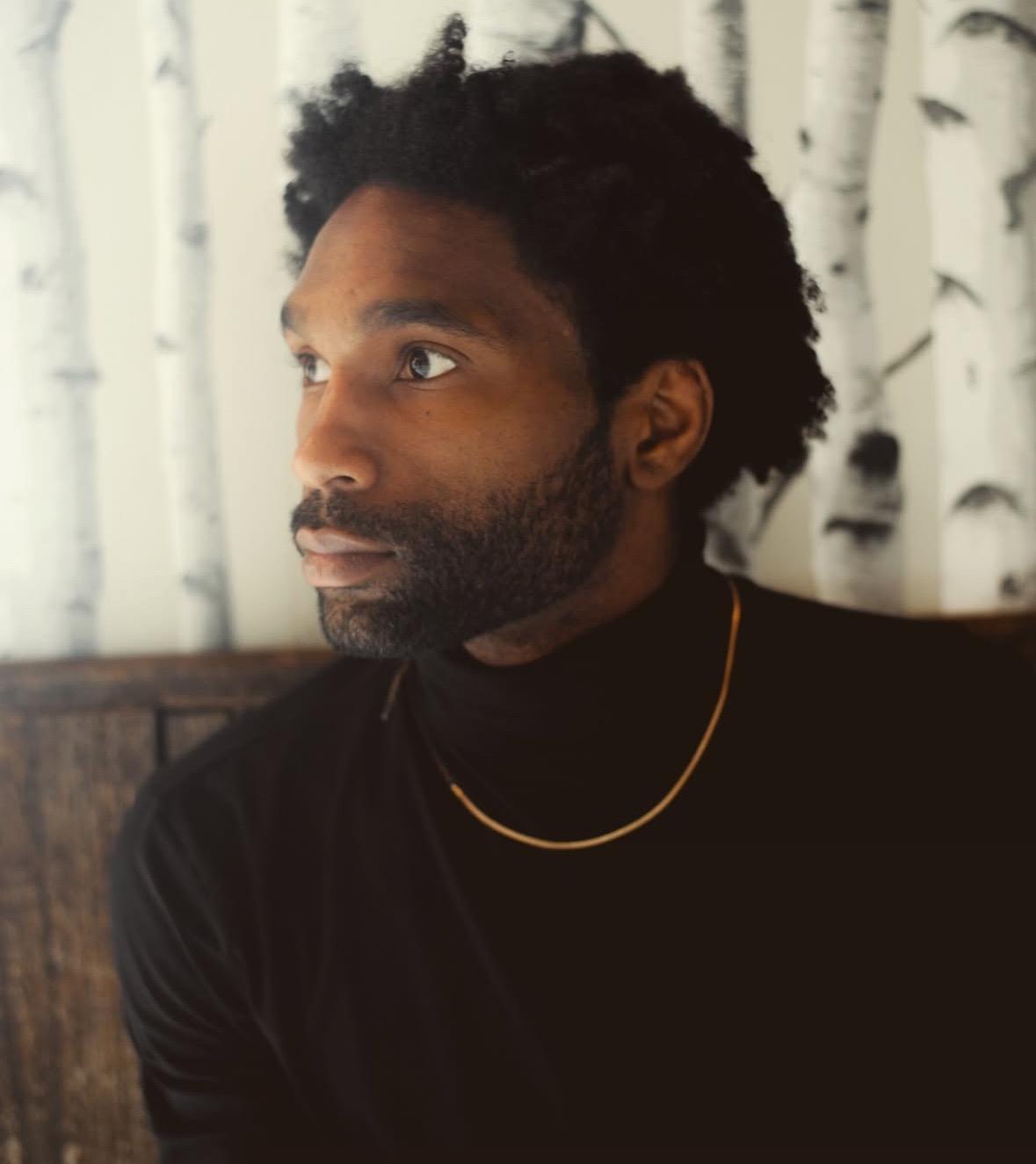

We recently connected with Zen J. Jackson and have shared our conversation below.
Zen J., thanks for taking the time to share your stories with us today We’d love to hear about when you first realized that you wanted to pursue a creative path professionally.
I’ve always known I was an artist long before I ever thought of it as a career. The funny thing is, I never decided to be creative. It was never a choice. It was just who I was. As a kid, I didn’t say, “I want to be an artist.” I just created. I drew at home, at school, everywhere. One day you look up and realize you’ve built a whole body of work without even trying.
Creativity was part of my environment, too. My dad was a musician. My uncle was an artist who carved candles and illustrated. He had stacks and stacks of work, and I wanted to be like him. I wanted to create as much as he did. That showed me early on that making things was a natural way of life.
As I got older, I got into sports, and I learned something important about attention. When I performed well, people noticed me. As the oldest of six siblings, attention wasn’t always guaranteed at home. Being good at sports, and later, being good at drawing became ways I felt seen. Looking back, I know that chasing attention isn’t a healthy long-term motivation, but at the time, it reminded me of who I was.
No matter what job I had, I always created. I carried a sketchbook everywhere. I drew at work. I wrote at work. There was never a moment when I stopped. I was stubborn about it. People told me, “You only make money as an artist when you’re dead,” but honestly, I wasn’t even thinking about money. I just wanted the freedom to express myself without shame or limitation. Art gave me a voice without needing to explain myself.
It wasn’t until I met my wife that I really began to understand how art could become a business. She helped me see the practical side whilst publishing books, painting murals, creating commissions, and managing administration. She built systems. I built relationships. Together, we created opportunities. Over time, I found myself constantly working creatively for others while still developing my personal work. I never stopped creating for myself.
For years, I balanced art with traditional jobs. That imbalance always felt wrong. I worked security, healthcare, and other jobs just to keep income flowing. I finished my entire novel while working as a security guard, sneaking time to write between rounds. I was always looking over my shoulder, risking my job just to follow my passion. It was exhausting.
Then everything shifted.
At the end of 2025 and into early 2026, my wife and I learned that our unborn daughter had been diagnosed with Trisomy 18. It’s a high-risk condition. We were told she likely wouldn’t survive. Around the same time, I lost my job. It felt like the ground disappeared beneath me.
But in that moment, something became very clear.
Life is fragile. Time is precious. And I didn’t want to spend what I had left pretending to be passionate about things I didn’t believe in.
That experience pushed me to fully commit to being a full-time artist. I realized I’d rather struggle honestly in my calling than survive comfortably in something that felt false. I’d rather face the challenges of art than the slow erosion of pretending.
My daughter’s diagnosis forced me to reflect on how often I had chosen survival over belief in myself. It taught me the difference between fear-based decisions and faith-based ones. I began saying yes to work I truly connected with. I began saying no to work that didn’t align. I stopped letting bills and anxiety dictate my identity.
I started trusting that if I stayed true to my purpose, things would align.
Today, I understand that art isn’t just my passion, it’s my need. Like air, water, and shelter. I have to create in order to be whole. I structure my life around that truth. Sometimes that means working odd jobs. Sometimes it means writing after long days. Sometimes it means building slowly. But my focus is clear.
Now, I bet on myself every day.
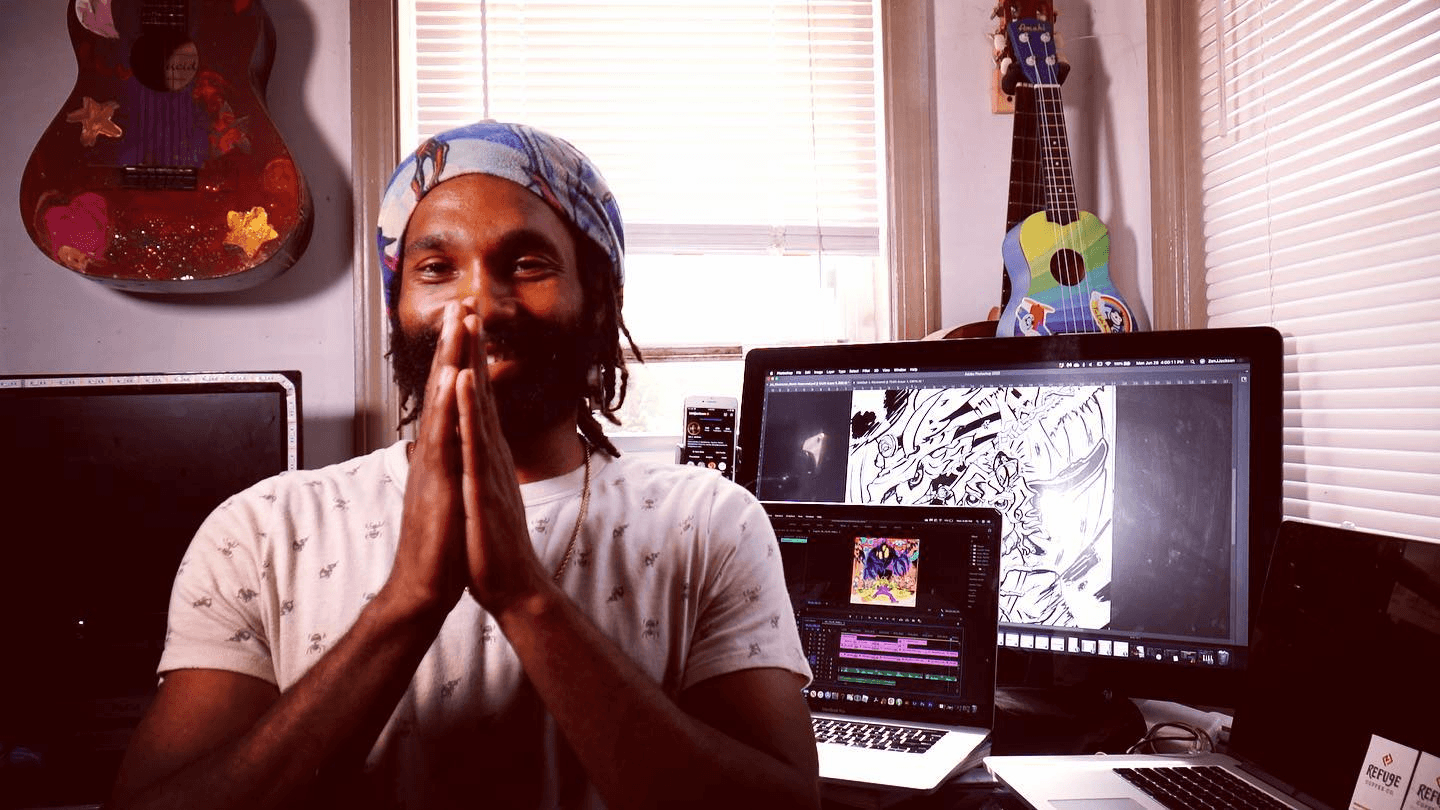
As always, we appreciate you sharing your insights and we’ve got a few more questions for you, but before we get to all of that can you take a minute to introduce yourself and give our readers some of your back background and context?
At my core, I’m a storyteller who works across multiple creative disciplines such as writing, visual art, design, and narrative development. My journey has always been driven by a deep curiosity about human experience, emotion, and meaning. Over time, that curiosity naturally led me not only deeper into storytelling, but also into the world of psychology and behavioral health.
Along my creative path, I spent time working as a Registered Behavioral Technician and in rehabilitation settings. That experience became an important part of my artistic development. It deepened my understanding of human behavior, trauma, resilience, and growth, and it strengthened my belief that storytelling is psychology in motion. It’s healing, reflection, and entertainment all at once.
Through years of learning and creating, I’ve come to see storytelling as a lifelong practice of self-exploration. Writing isn’t just about mastering technique. It’s about understanding yourself so you can understand others. Your personal story is always unfolding, and as it expands, your creative voice gains more depth, clarity, and emotional truth.
Many writers struggle with pacing, flow, emotional resonance, and decision-making. I’ve experienced all of that myself. What I’ve learned is that those challenges often come from internal uncertainty rather than lack of talent. When creators haven’t fully explored their own experiences and perspectives, it becomes harder to guide characters with confidence. My work focuses on helping artists reconnect with that inner foundation so their stories can move with purpose.
Through my brand, The Storyteller Shoppe, I focus on weaving psychology seamlessly into entertainment. Behind the scenes, we’re stitching together human behavior, narrative structure, and emotional awareness to create stories that resonate. Whether a story reaches thousands of people or just one, meaningful connection happens when creators understand where resonance lives and how to bridge emotional gaps through craft.
My work is influenced by thinkers and storytellers such as Carl Jung, Joseph Campbell, and others who explored myth, archetypes, and human development. These frameworks inform my approach to developmental editing, character development, and story architecture.
I offer developmental editing, story consulting, creative direction, and narrative coaching for writers, comic creators, and independent artists. I help creators move past indecision, creative paralysis, and unfinished projects by providing structure, clarity, and confidence. My goal isn’t just to help people complete projects, but to help them sustain a creative life.
One of my proudest accomplishments is my Ashcan comic, Jack and the Journey: Starseed Ascension, which serves as a proof of concept for an ongoing series. After years of hesitation about format and direction, completing this project was a major breakthrough. It reminded me that execution matters more than perfection, and that finished work builds community and momentum.
Sequential art holds a special place in my creative identity. While I work across multiple mediums, comics allow me to blend psychology, symbolism, pacing, and visual storytelling in a powerful way. This series represents my clearest voice right now, and it’s only the beginning.
What sets me apart is my integration of psychological insight, emotional awareness, and practical storytelling. I help creators understand why their stories matter and how their lived experiences shape their voice.
I see storytelling as a cultural tool. It allows people to explore growth, consequence, and transformation through characters. It builds empathy, community, and belonging. That’s what I aim to create through my work.
To potential clients, readers, and collaborators, I want you to know that I value authenticity, completion, and emotional truth. Doubt will always exist, but learning to move forward anyway is what builds lasting creative careers.
When you work with me, you’re partnering with someone deeply invested in your growth, clarity, and long-term vision.
Storytelling is my discipline, my service, and my calling. Psychology has always been part of that journey.
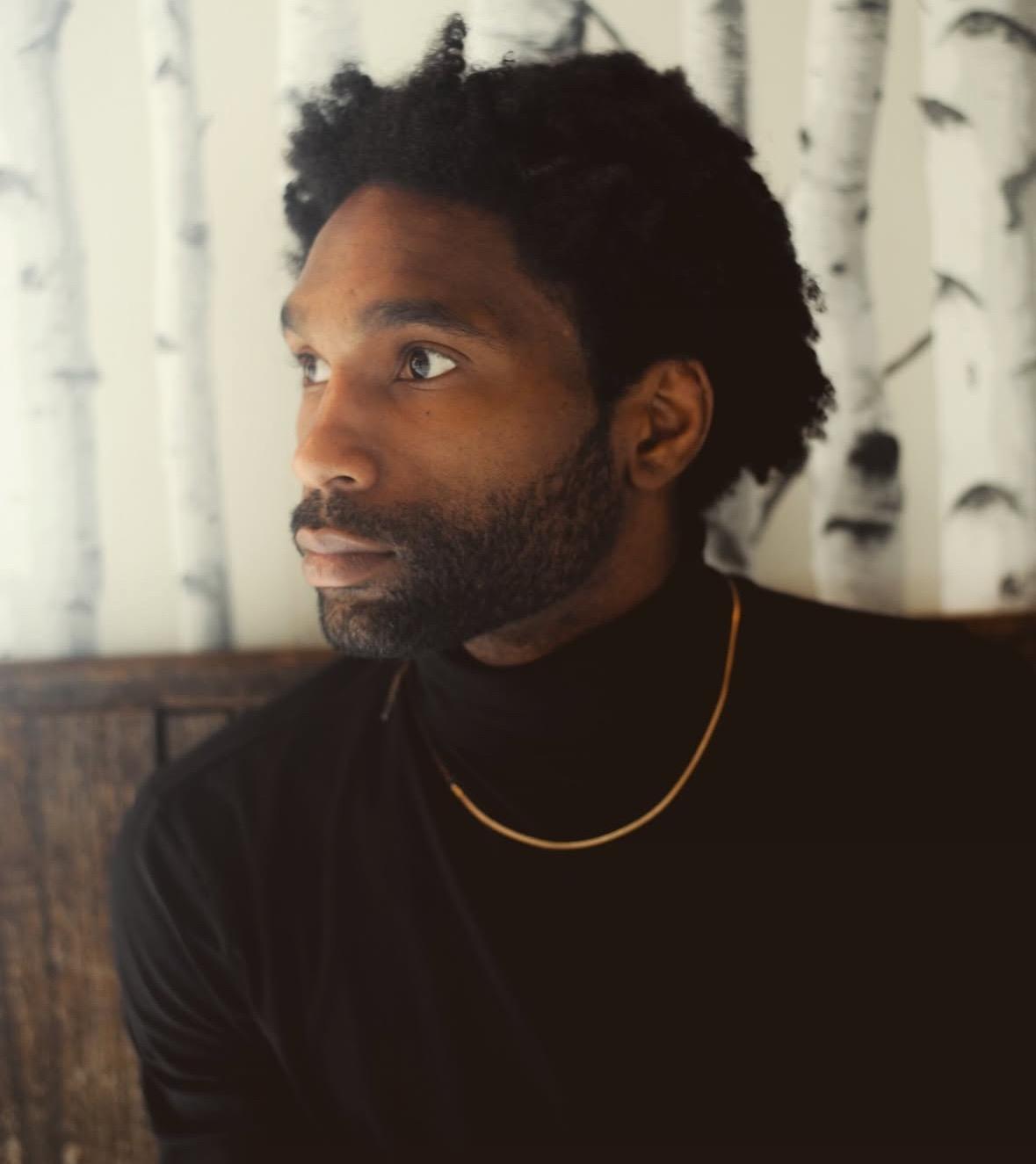
For you, what’s the most rewarding aspect of being a creative?
For me, the most rewarding aspect of being an artist is the intentional journey of self-discovery I commit to every day. Creating art allows me to explore who I am, understand my connection to others, and engage deeply with the world around me. Through storytelling, I can share these discoveries in ways that resonate with people by helping them grow, shift perspectives, or see something anew. The more I uncover and bring into my characters, settings, and narratives, the more I can connect with others visually, emotionally, and intellectually. Being an artist is a gift that keeps giving and it requires a sense of responsibility, knowing that our work is both a service to ourselves and to others. Art shapes culture, influences perspective, and builds narratives that future generations will follow.
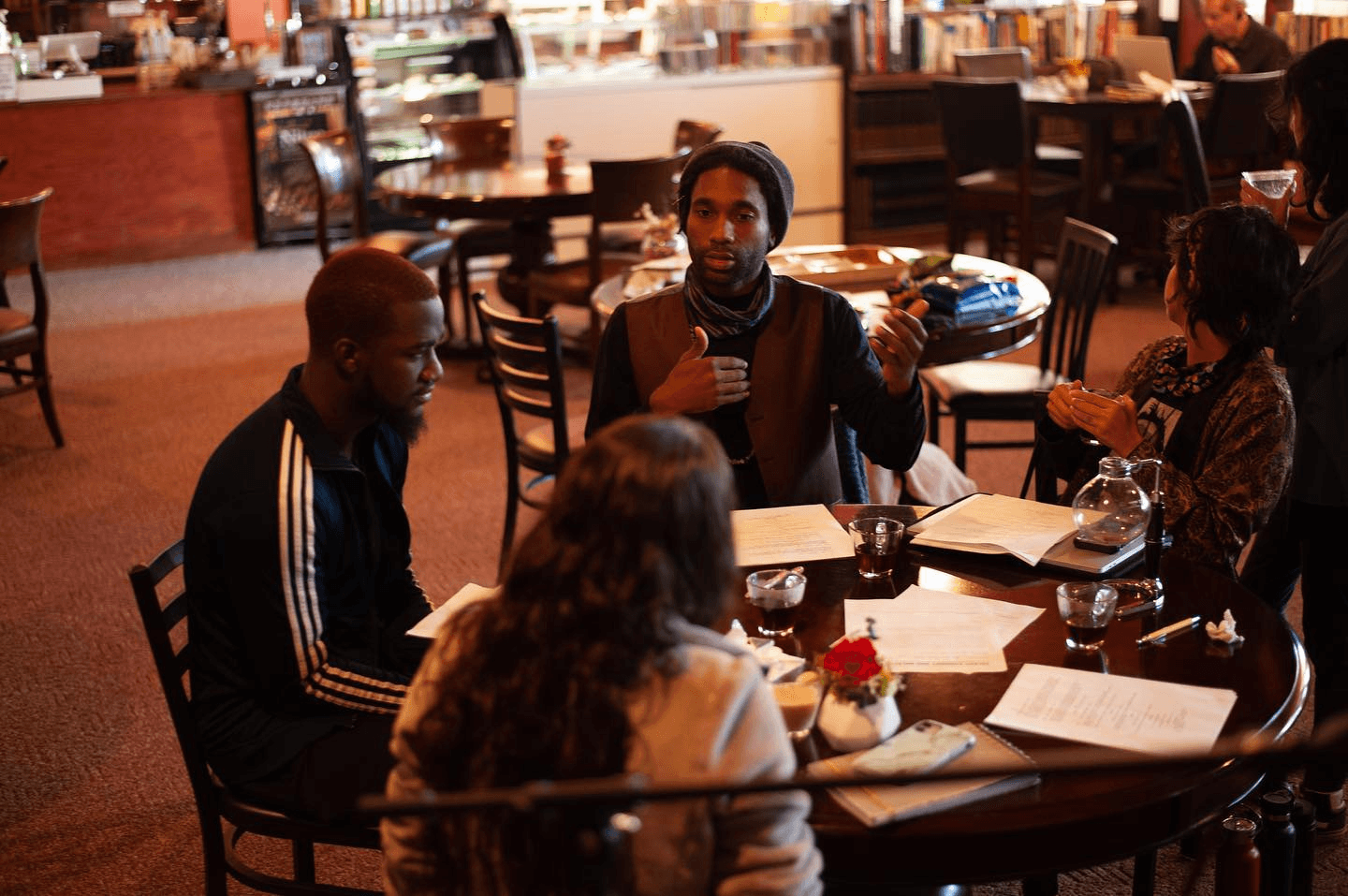
Have you ever had to pivot?
Life is always about pivoting, and being an artist is really about learning how to navigate resistance and adapt. One pivotal moment for me came during my education. Early on, I struggled with the idea of furthering my education because I didn’t know what I wanted to do. I had no concept of what a career as an artist could look like. At one point, I didn’t even know what a graphic designer did.
I started school for animation, hoping to pursue traditional animation, but ended up in a 3D program that didn’t excite me. I tried a few courses, but it didn’t feel like the right fit. I then pivoted to graphic design, thinking it might compliment my creative pursuits. While I could take on clients and create work successfully, it didn’t spark the passion I was looking for. I realized I didn’t want to follow a path just to survive or meet surface-level expectations.
At a moment when I was ready to give up, my wife suggested I explore creative writing. It clicked. I was already telling stories alongside my artistic journey, and writing allowed me to unify my visual creativity with storytelling. Rather than relying on others to translate my vision, I could now take full ownership of my narratives. Creative writing became the foundation of everything I do, and it allowed me to combine my visual artistry with my love for storytelling. It’s been the most fulfilling pivot of my life.
Contact Info:
- Website: https://zenjjackson.com
- Instagram: @zenjjackson
- Facebook: @zenjjackson
- Youtube: @zenjjackson
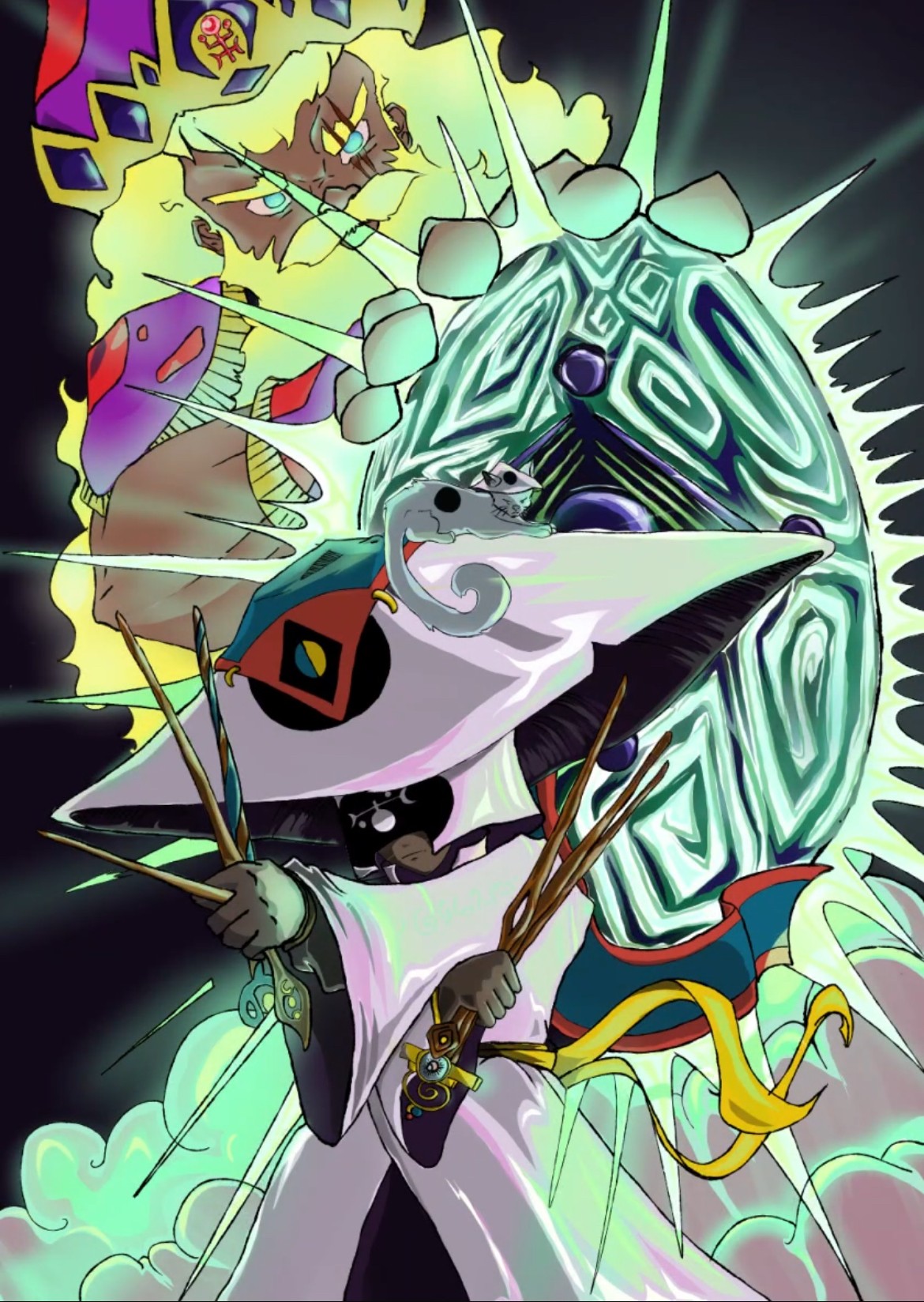
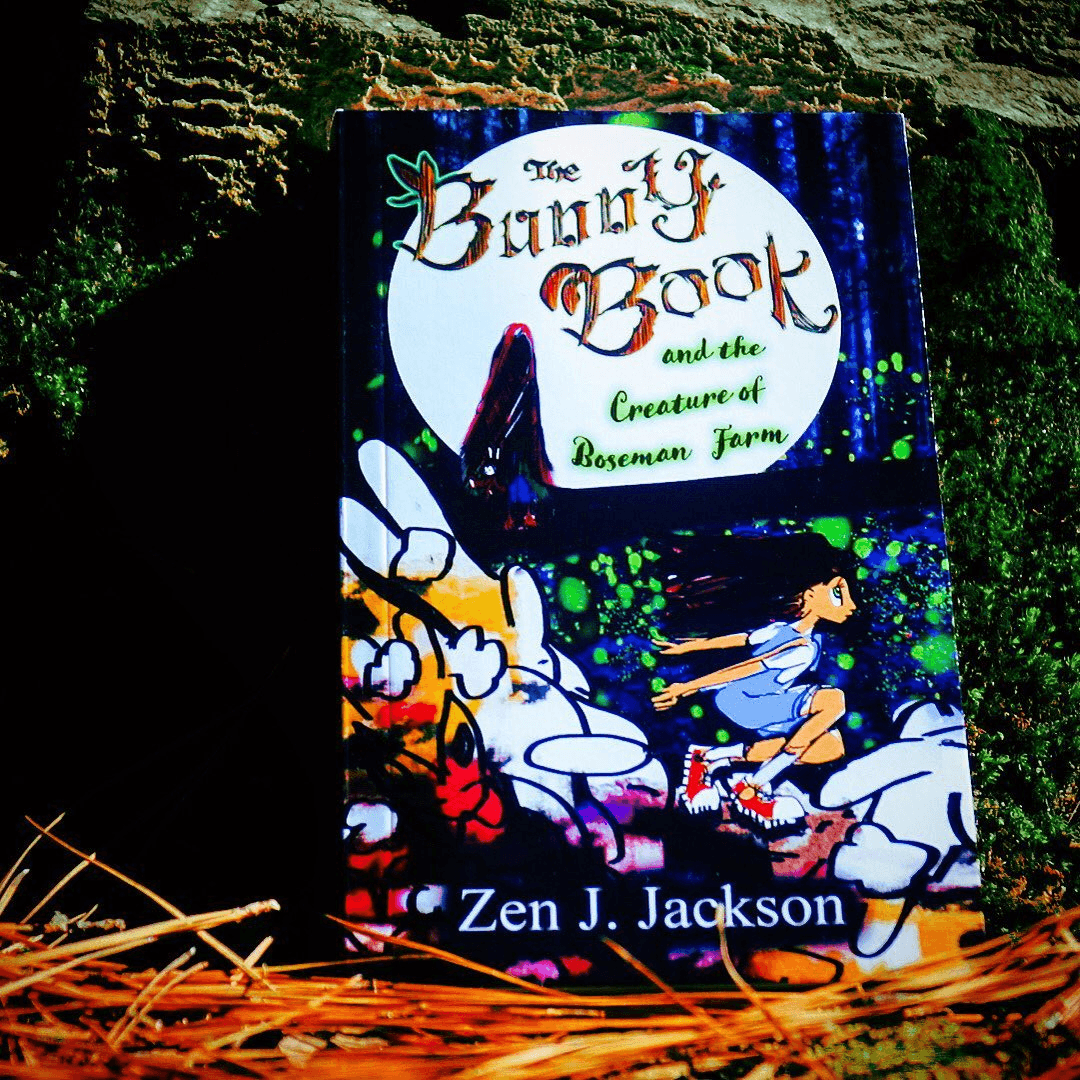
Image Credits
@bluecocoonfilms