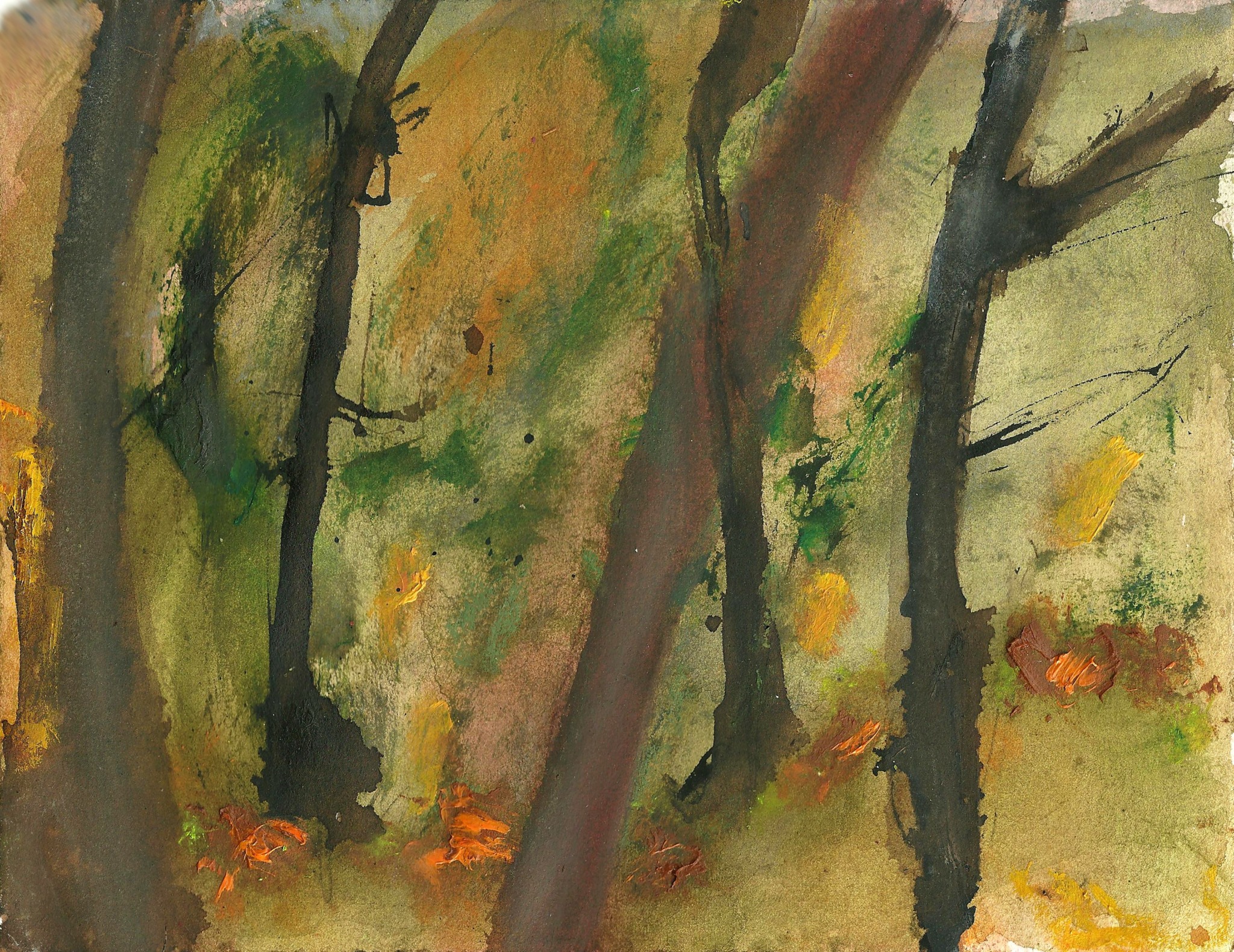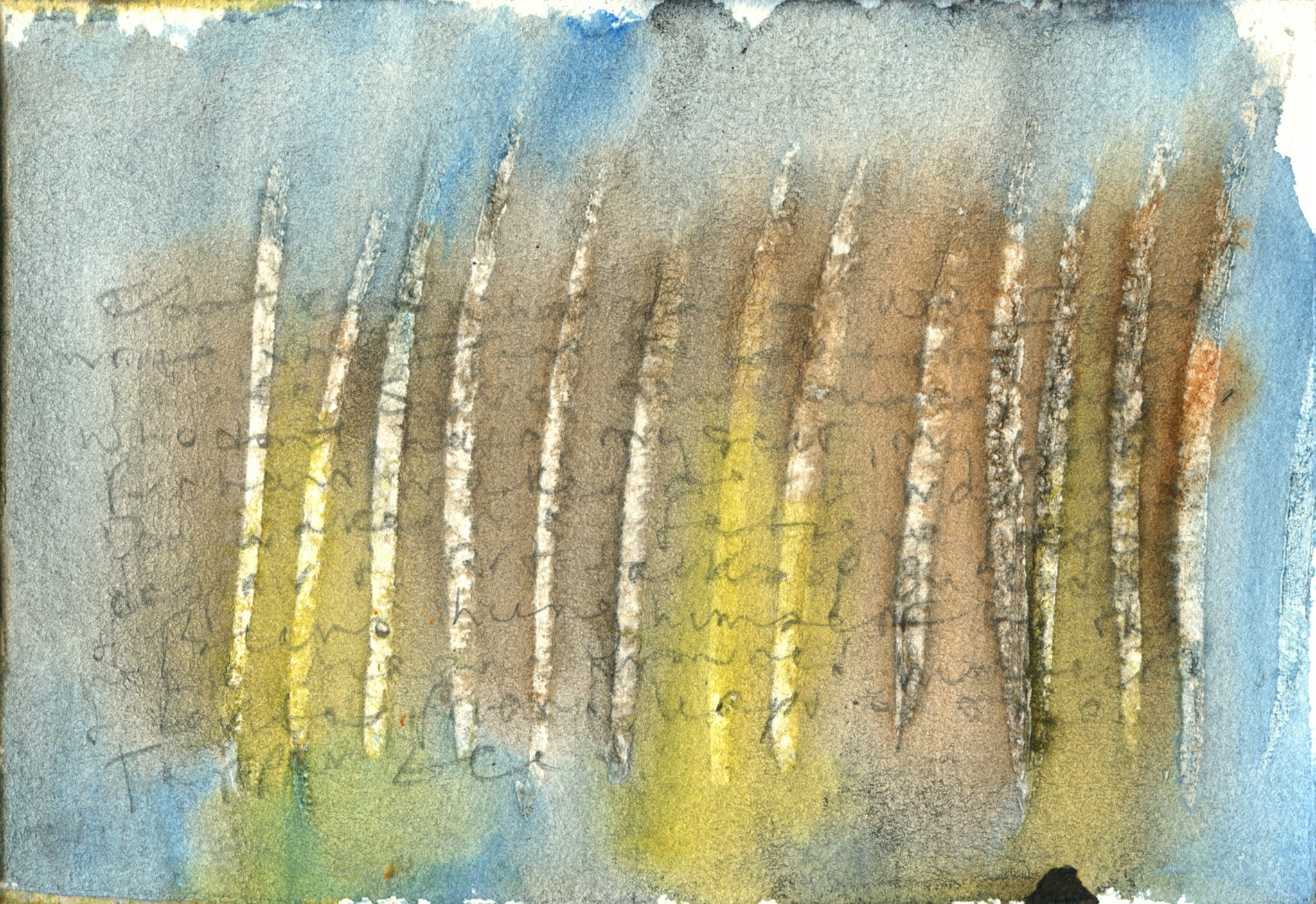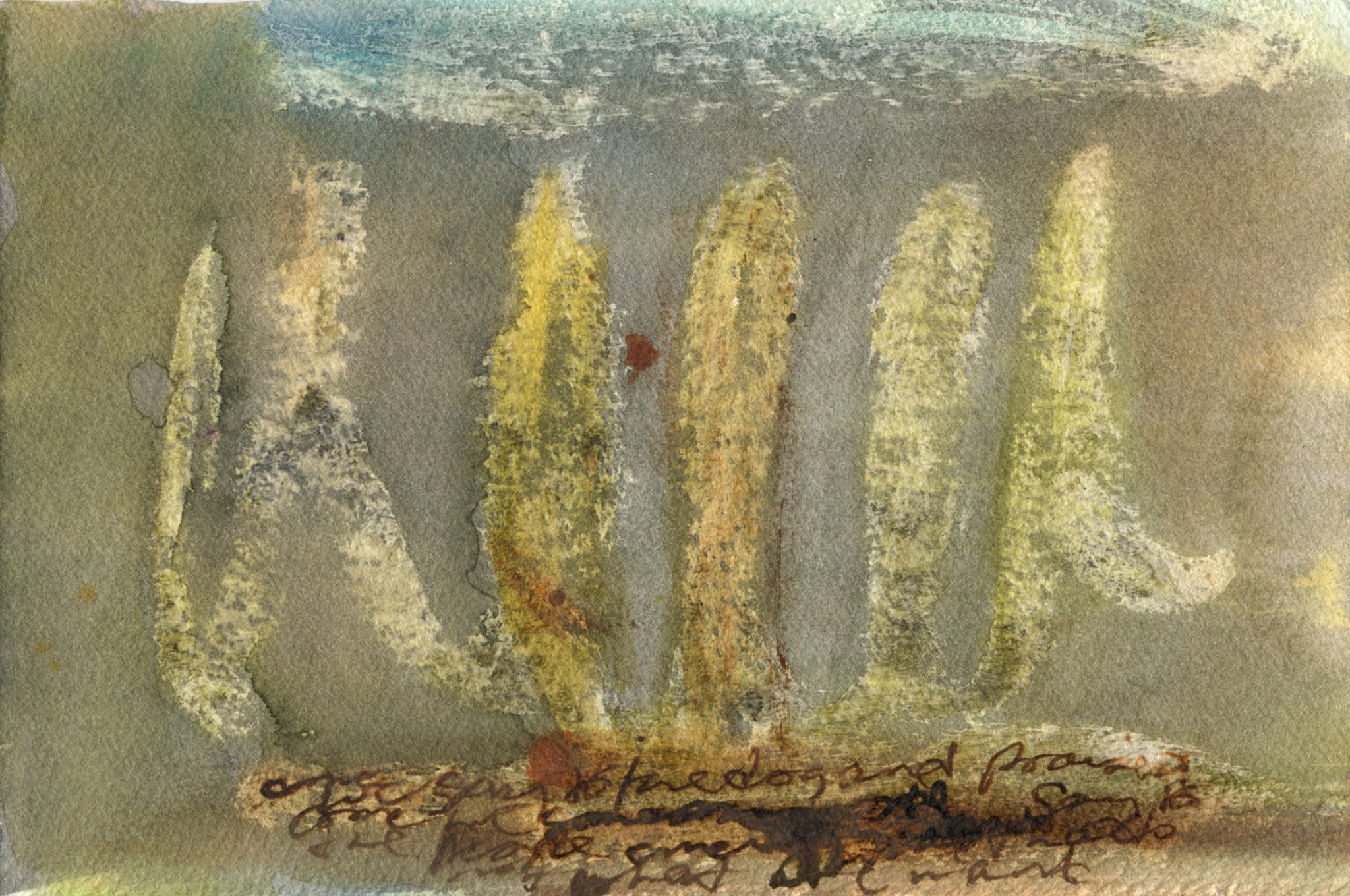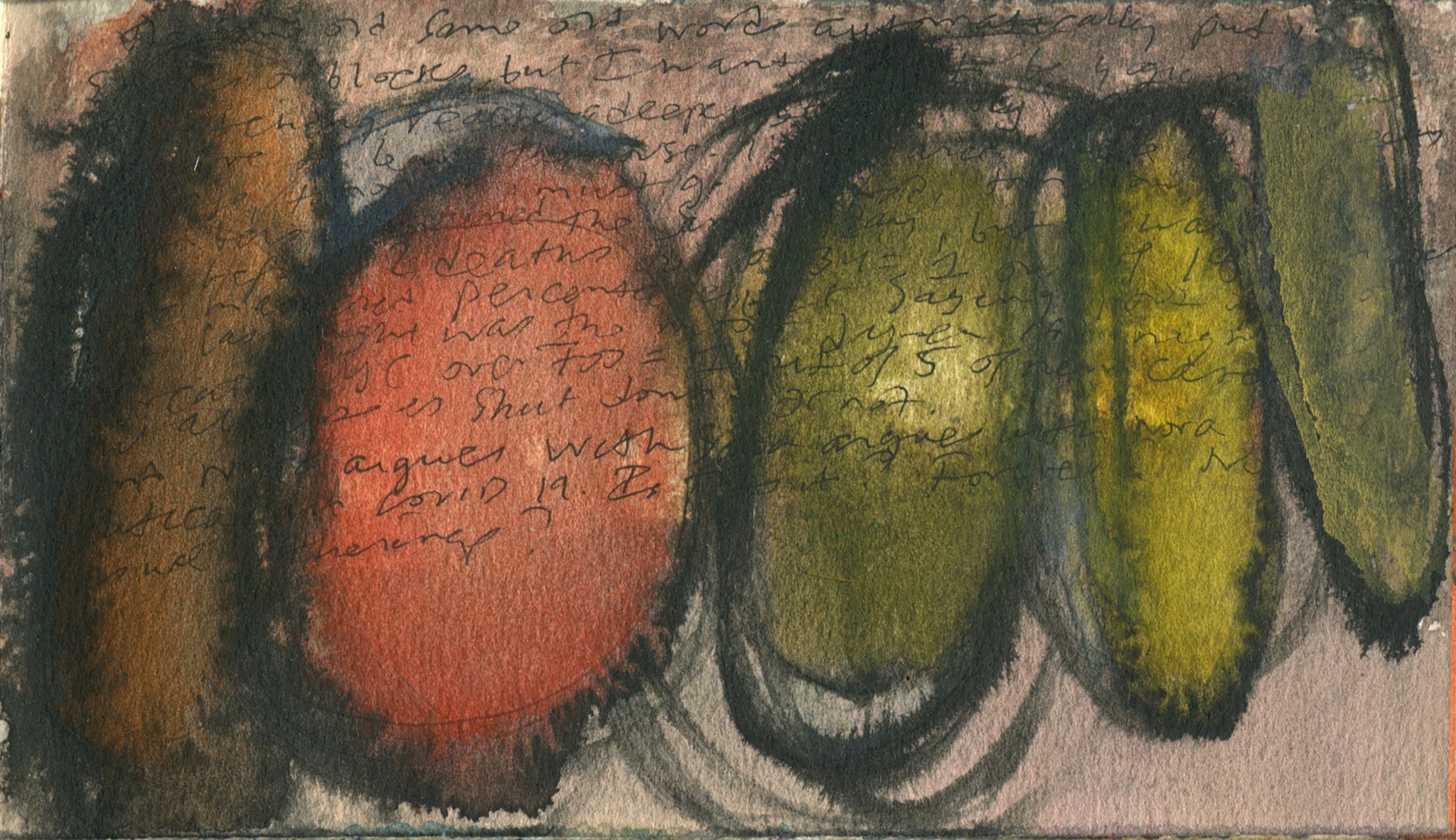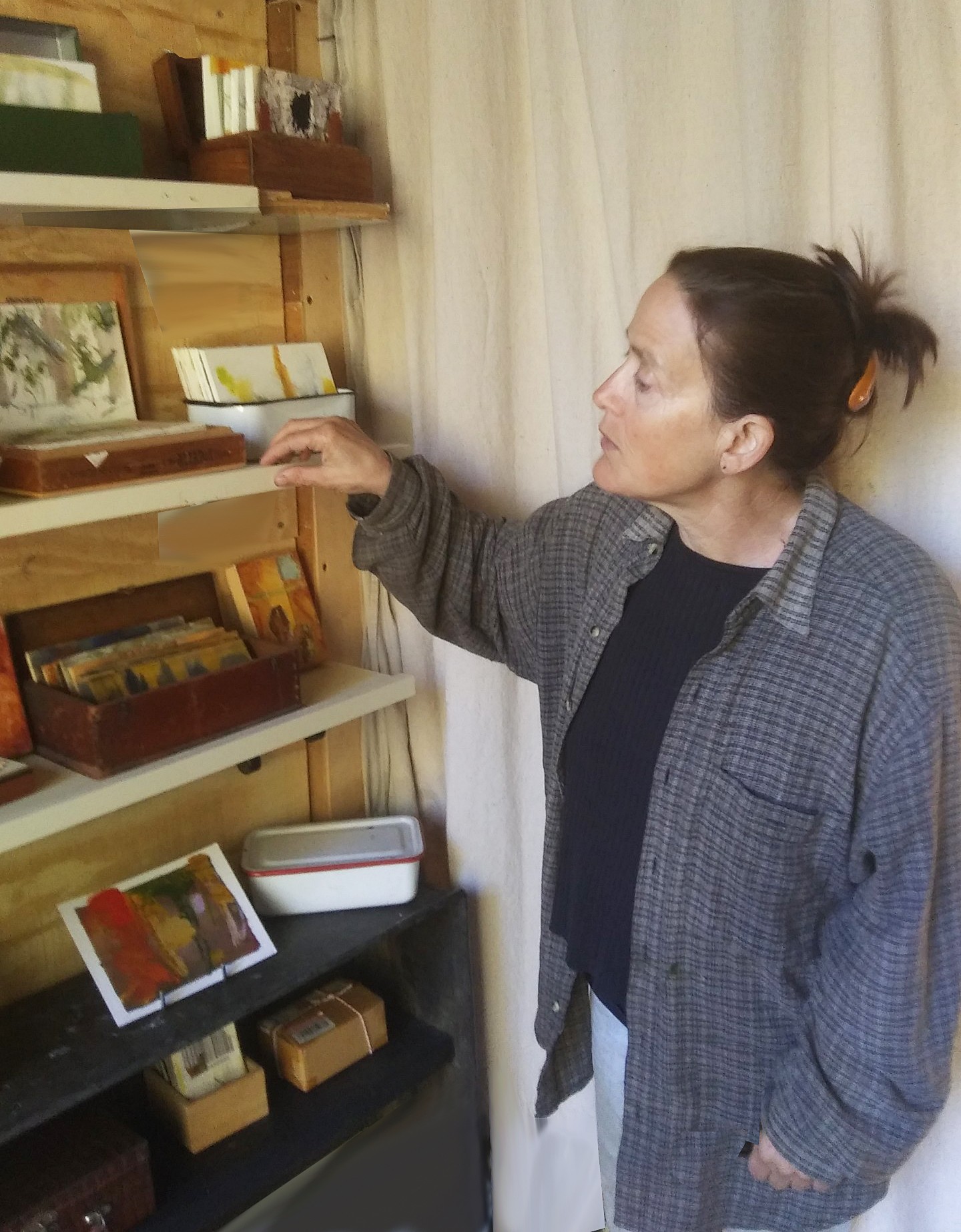

We recently connected with Mary Regina Ashwood and have shared our conversation below.
Mary Regina, appreciate you joining us today. Are you able to earn a full-time living from your creative work? If so, can you walk us through your journey and how you made it happen?
<b>Who I am</b>
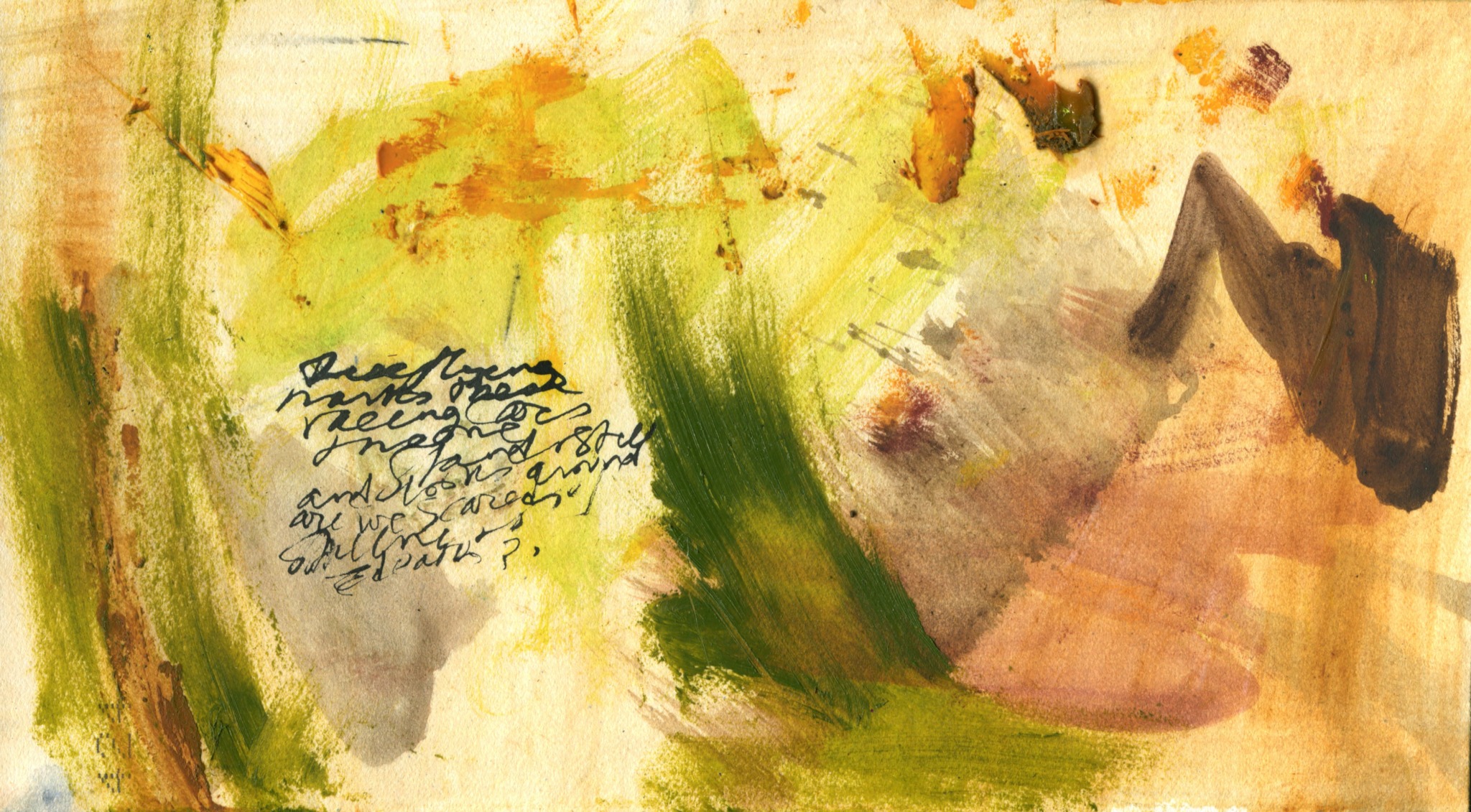
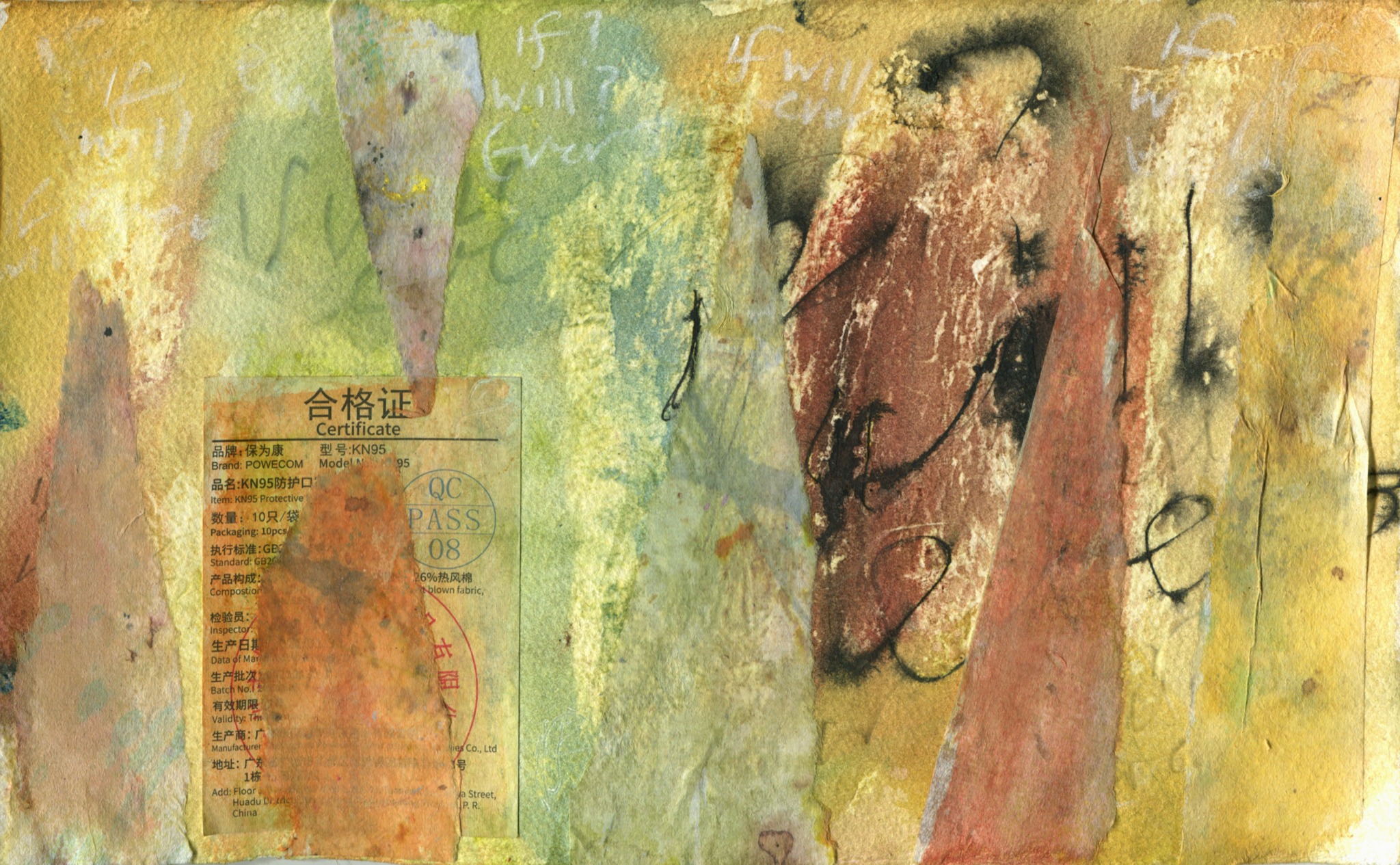
My name is Mary Regina Ashwood and I am both a visual artist and a children’s writer, though I have 4 books of poetry + images. In addition to writing and painting, I was on the Hans Christian Andersen Award Nominating Committee for two terms and then I wrote annotations of international books in translation for the International Board on Books for Young Readers.
What’s the origin story behind your journey—how did you get started?
I don’t remember a time before having both art and writing as part of my life. My mother, who was an accomplished potter, always provided my brother (who became a sculptor) and me with art supplies and our house was filled with books (for all ages). Before I learned how to write, I must have already sensed the importance of writing to me: I created my own personal form of hieroglyphs that much later on reappeared in my paintings. I’m sad to say though because my English teachers encouraged me and my art teachers didn’t that for decades writing took the foreground.
What was a meaningful obstacle you faced and how you navigated it.
Both marriage and motherhood were obstacles to sustaining my writing and art. When the children were young, creative time was a luxury. Now that my children are grown I find myself returning to the creative trajectory I began in my twenties— a path interrupted but never abandoned. I was fortunate to have my mother’s support for the first nine years of my son’s life; she believed in me and readily babysat so I could write. Her faith in me as a writer was crucial and without it, I could have easily stopped believing in myself as a writer. She was there to see me through my first two stories in Highlights for Children. Beyond that, my art evolved within motherhood itself. I sat on the floor and painted with my children with the same enthusiasm they had. Like my mother did for me, I made sure they always had art supplies around, but more accurately maybe I should say “we” rather than “they”; it was this shared space that kept my creativity alive through these demanding years.
What was a risk you took that changed your trajectory (what you learned)?
After my mother passed away, I had the great fortune to meet a kindred spirit who shared my passion and commitment for painting and writing. Through our conversations and collaborations, it became increasingly clear to me that I must get rid of my safety net. I took the risk and left teaching in order to give all of my energy to pursuing my creative endeavors. After which I sold more stories to Highlights, had a picture book published, and then my art stepped up to share the stage.
The thing about trajectory is there really is a magic to it. One step in front of another can take you a long way. In 2013, Richard and I had a show called Word/Image. Our goal was to examine every possible way a poet and painter could combine their disciplines: I responded to his images with my poems, he to my poems with images, we did them separately and put them together and finally we worked on the same piece, painting and writing simultaneously. To do this project, Richard set up a small studio in our bedroom/my office. He’d leave to go to his main studio and I’d sit down at the computer to write, while right behind me was a tempting table laden with oil paints, brushes, and paper. It succeeded: I was drawn to it and couldn’t escape it. I began painting and haven’t stopped since.
The path of my journey has taken me to an understanding of a vision of creativity in the largest sense, as together they engage my entire being, mind and body, in a way neither could on its own.
7. What’s one misconception about your field that you’d like to correct?
The biggest misconception I’d like to address is the belief that writing juvenile literature means you aren’t a real writer, that it’s a stepping stone to writing for adults once you can write well. Even well-meaning people will ask me why I don’t write for adults. Wow! If anything I’d say, I wish I were clever enough to write a picture book. People believe because there are only 28 pages that contain but a few words per page, it’s easy to write them. But in these sparse sentences plus the illustration there’s an alchemy that happens with the reader. Like with all great literature, the picture book requires a lot of involvement and creativity on the reader’s part. The picture books I read as a child nearly 60 years ago still resonate with me. I need only open one page and I’m back there, five and feeling joy or fear or anger or a sense of injustice or just marveling at the beauty of the illustrations. In some ways we all still see the world through the eyes of our childhood.
Contact Info:
- Website: http://maryashwood.com
- Linkedin: www.linkedin.com/in/mary-ashwood-72660a27