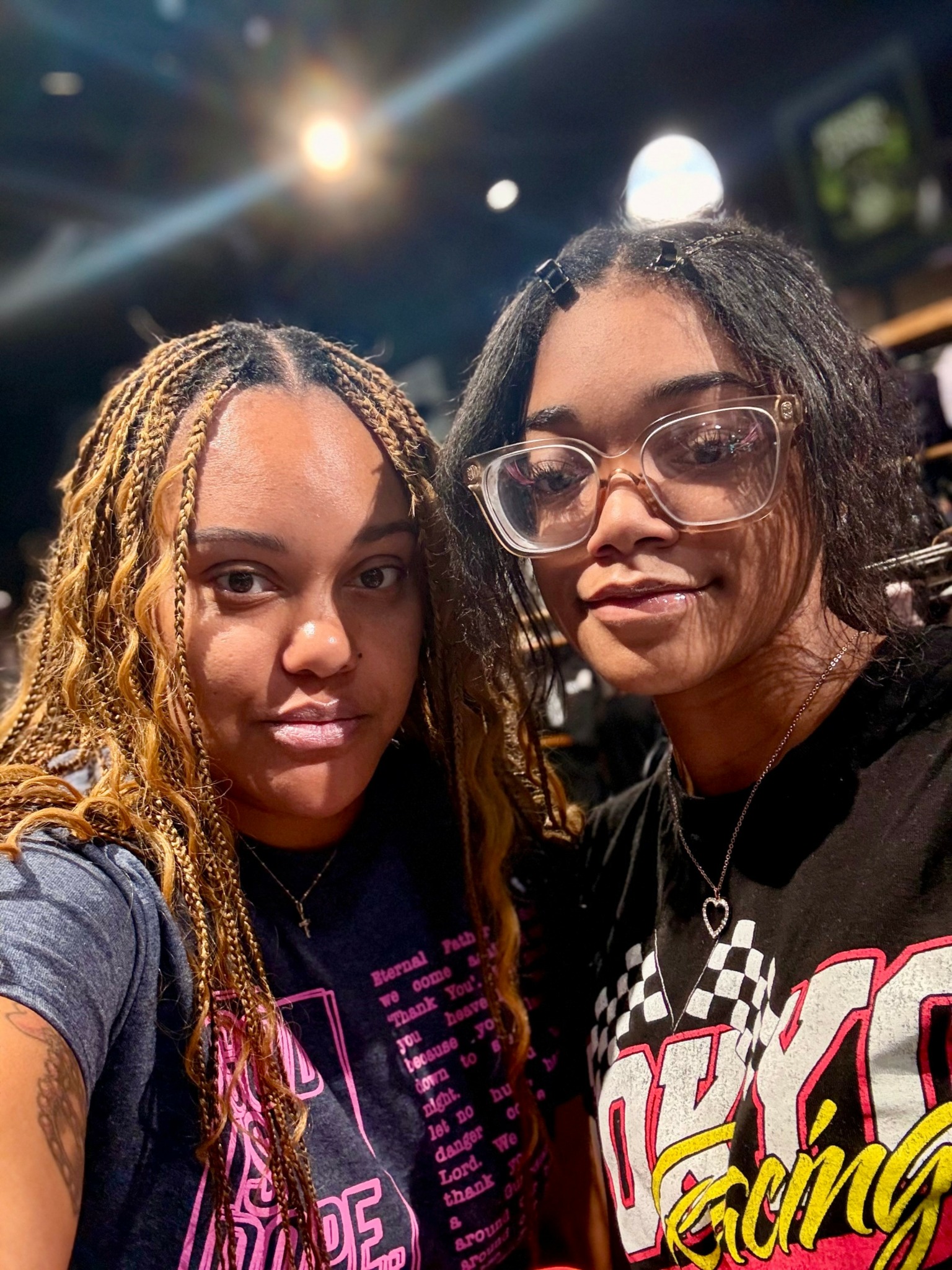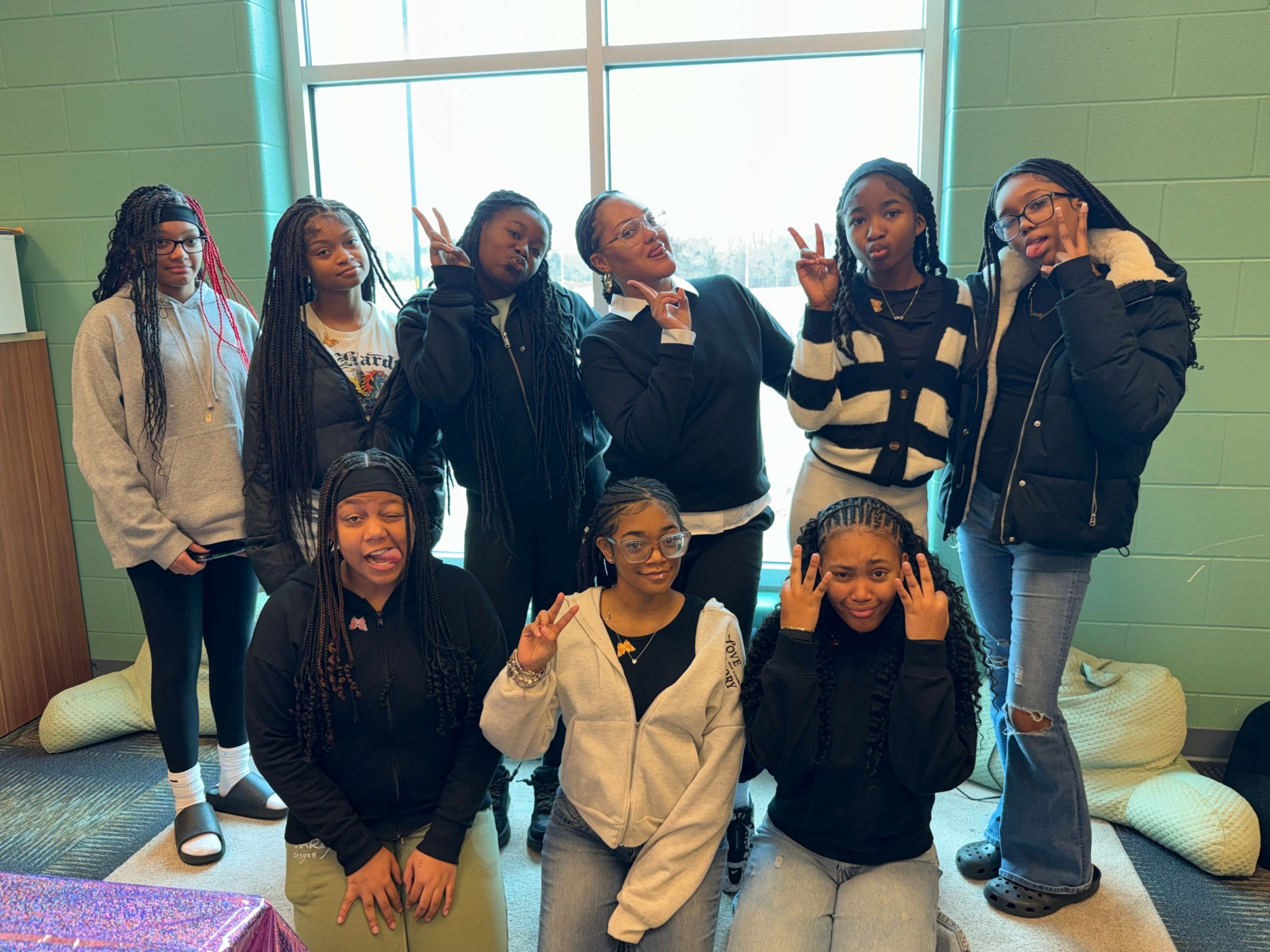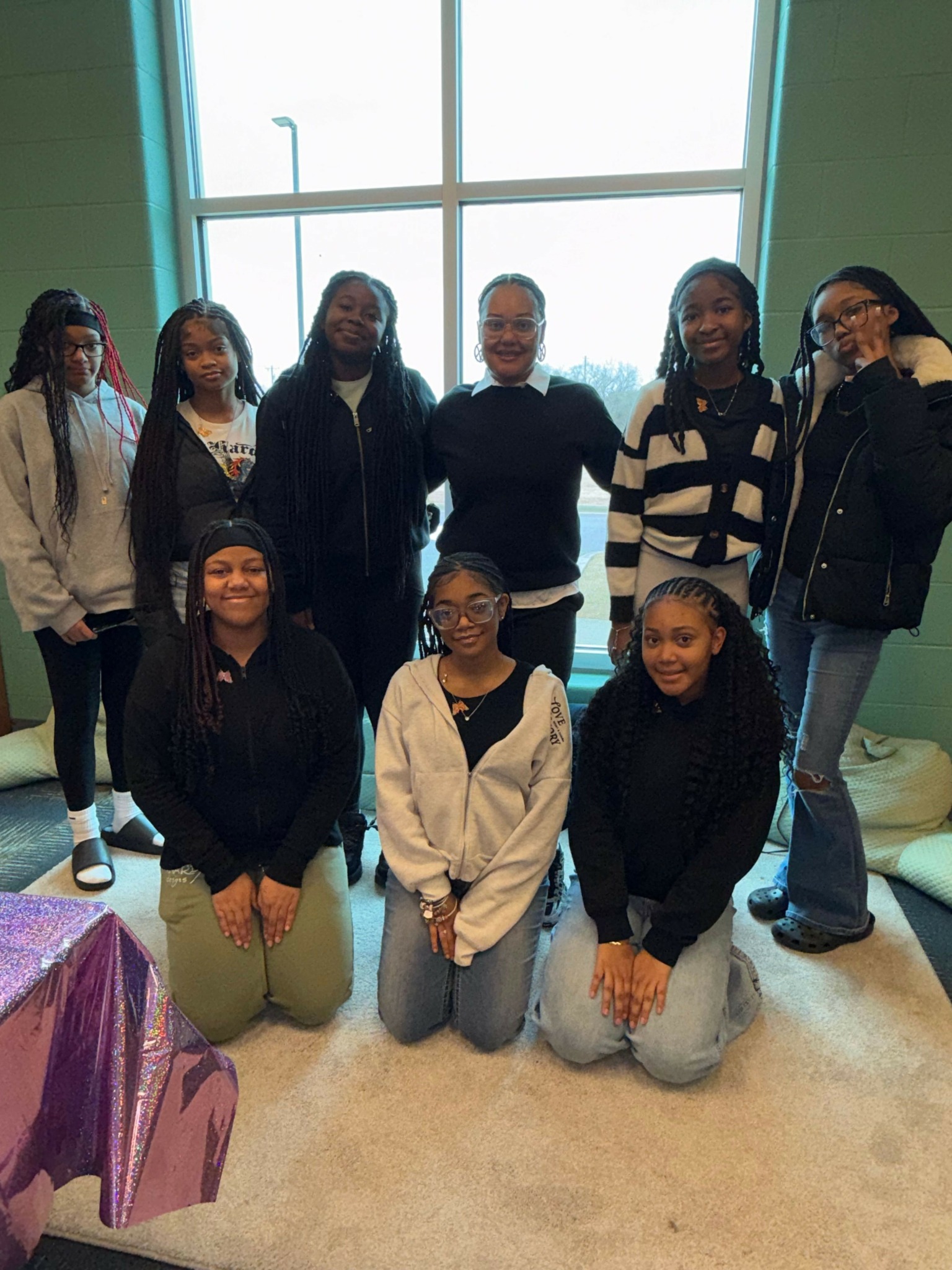

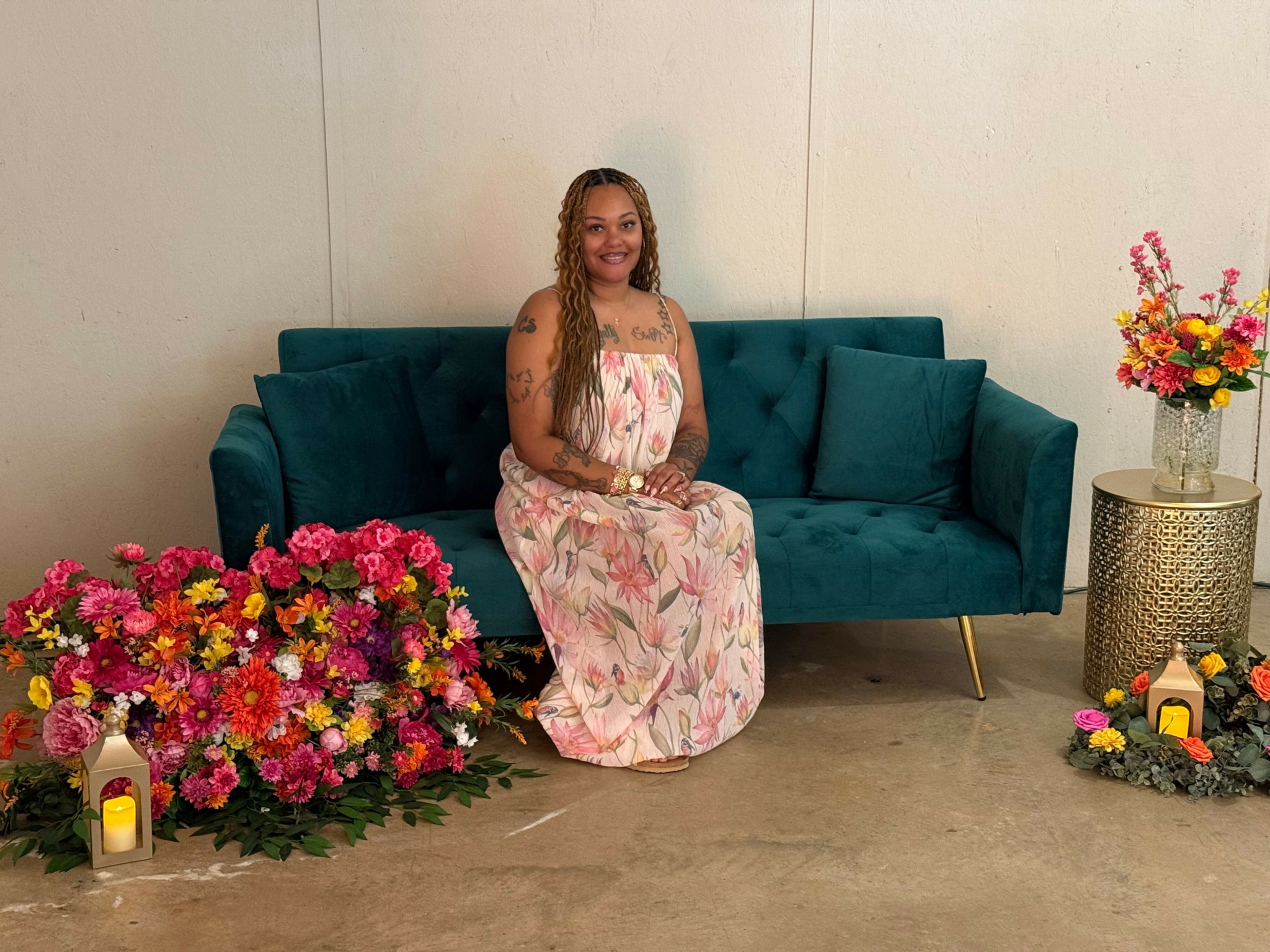
Alright – so today we’ve got the honor of introducing you to Brandi Robbins. We think you’ll enjoy our conversation, we’ve shared it below.
Alright, Brandi thanks for taking the time to share your stories and insights with us today. How did you come up with the idea for your business?
StrongHER Minds was born from a gap I lived in.
When I think about how this idea came to life, I always go back to who I was as a teenager. I wasn’t a “bad kid,” but I was a confused one. I didn’t have a safe space to process my emotions, no big sister to guide me, and no one teaching me how to navigate boundaries, self-worth, or relationships. I was expected to be strong, respectful, and resilient—but not taught how to be emotionally healthy.
So I learned the hard way.
Through anger.
Through anxiety.
Through trial and error that left scars I carried into adulthood.
Fast forward to now—I’m a wife, a mom of five, and deeply connected to my community. I started noticing the same patterns in teen girls around me. Girls carrying adult-level pressure with kid-level tools. Girls who weren’t “acting out,” but crying for language, guidance, and support. Parents were doing their best, but many didn’t have access to resources, therapy, or programs that felt culturally safe and realistic.
That’s when it clicked for me:
The problem isn’t that we don’t care about our girls. It’s that we’re asking them to figure out emotional skills on their own.
StrongHER Minds exists to solve that exact problem.
What made me confident this would work is that I wasn’t trying to create therapy, replace parents, or “fix” girls. I was creating a skills-first safe space—a place where girls can learn emotional regulation, boundaries, communication, and self-worth before life teaches them through pain.
What makes StrongHER Minds different is the approach.
We lead with sisterhood, relatability, and prevention, not crisis response.
We meet girls where they are developmentally and emotionally.
And we speak to them in a language they actually understand—without judgment, lectures, or labels.
I don’t just believe in this work emotionally—I believe in it logically. Research shows that ages 14–16 are a critical window for identity formation and emotional patterning. If we can introduce healthy tools during that window, we don’t just help girls feel better—we change trajectories.
What excites me most is that this is small on purpose. It’s community-rooted. It’s scalable. And it has the potential to grow into something bigger—something that doesn’t just support girls individually, but strengthens families and communities as a whole.
StrongHER Minds is the space I needed at 14.
And now, I get to be part of giving that to the next generation.
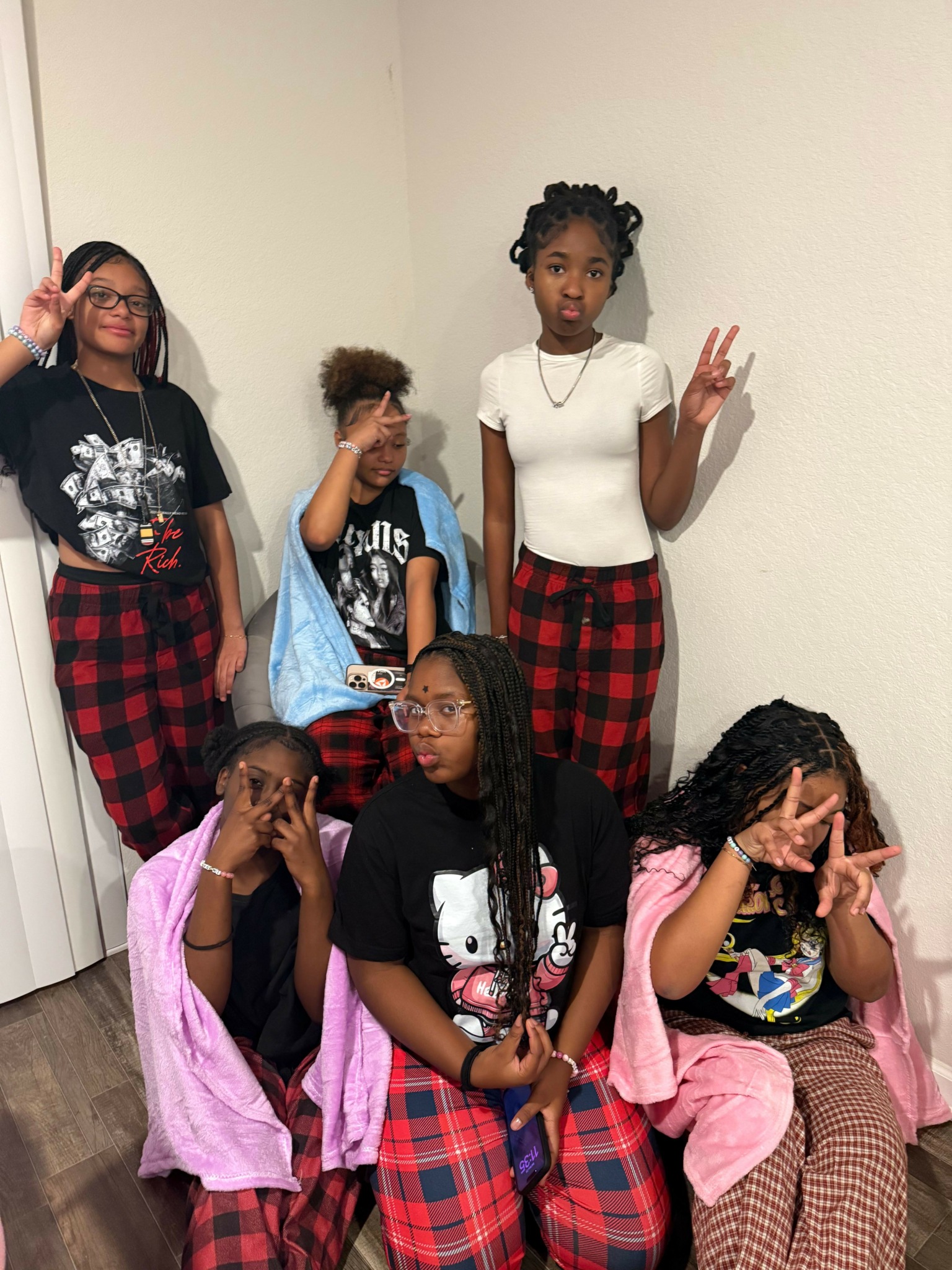
Brandi, love having you share your insights with us. Before we ask you more questions, maybe you can take a moment to introduce yourself to our readers who might have missed our earlier conversations?
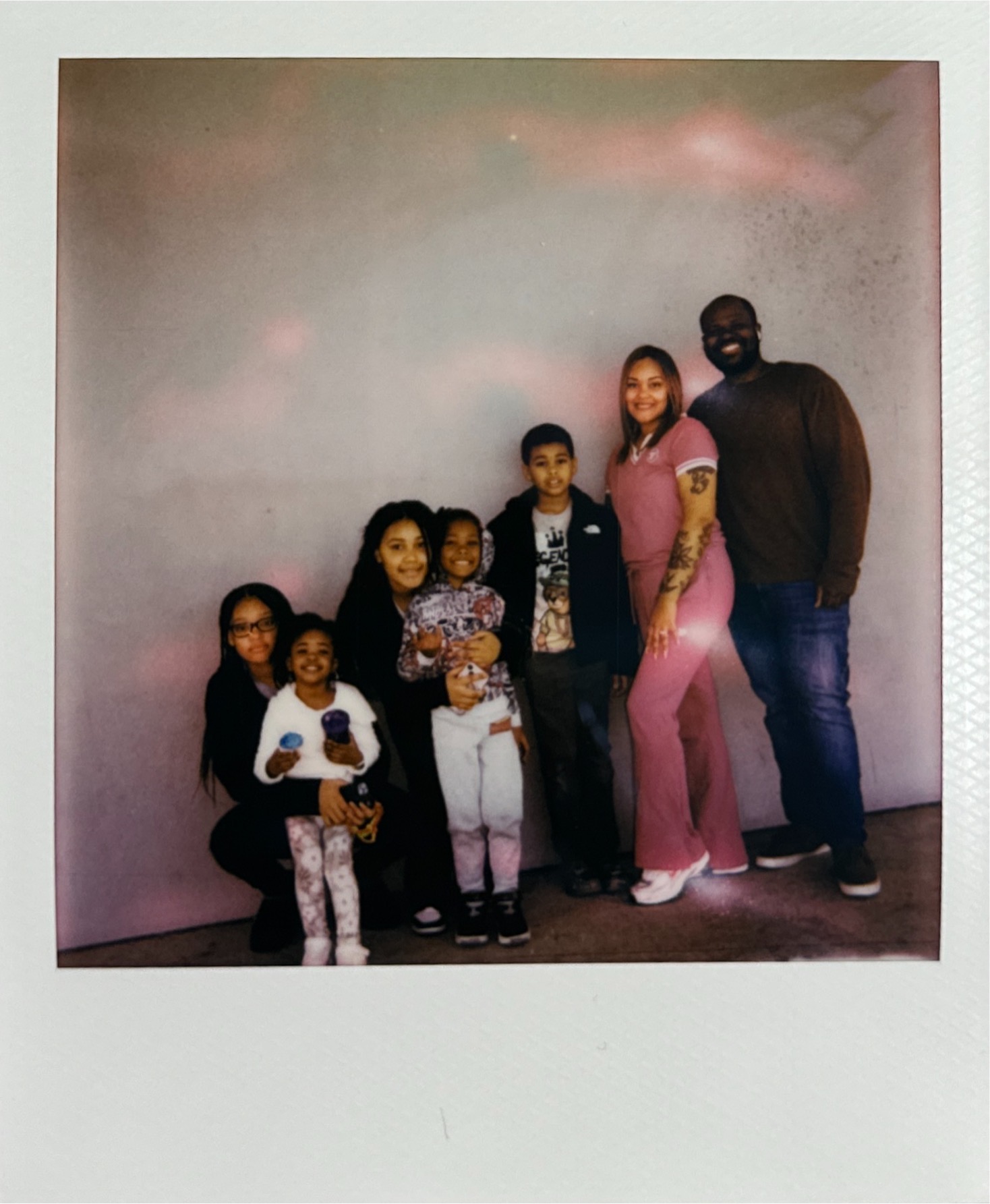
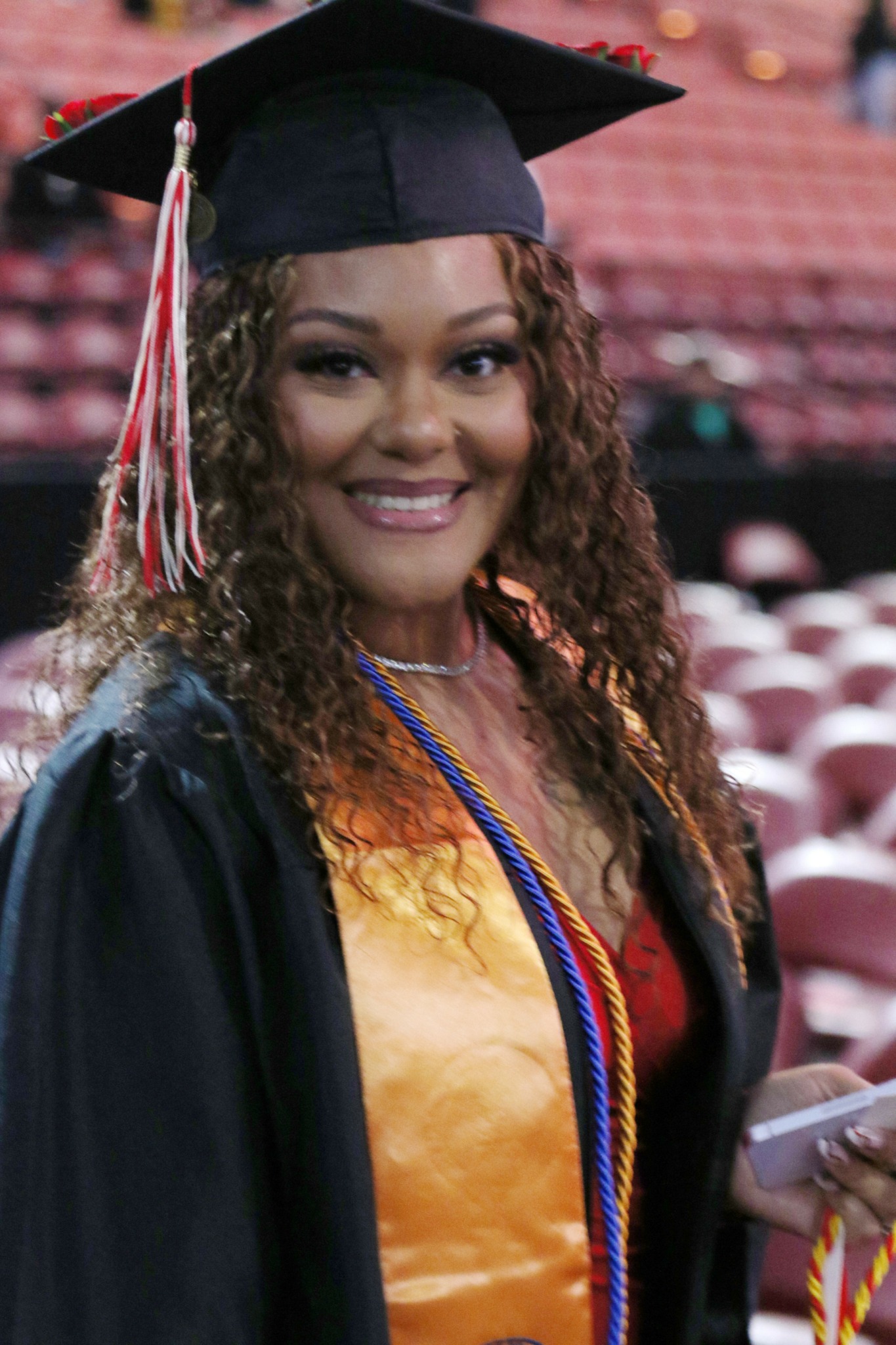
I’m Brandi Robbins—a wife, a mother of five, and the founder of StrongHER Minds. My work sits at the intersection of youth development, emotional wellness, and community building. I didn’t come into this work through a traditional mental-health or nonprofit pipeline. I came into it through lived experience, motherhood, and a deep awareness of what was missing when I was growing up—and what is still missing for so many girls today.
As a teenager, I didn’t have a safe space to process emotions, learn boundaries, or understand my worth. I wasn’t “troubled,” but I was unsupported. Like many girls, especially Black girls, I was expected to be strong, respectful, and resilient—but not taught how to regulate emotions, communicate needs, or protect my peace. Those gaps followed me into adulthood and took years to unlearn.
Fast forward to today: as a mom raising children in this generation and an active member of my local community, I began seeing those same gaps show up again and again in teen girls. Girls carrying anxiety, pressure, and identity questions without the tools to navigate them. Parents doing their best, but often without access to culturally relevant, affordable, or preventative support.
That’s where StrongHER Minds comes in.
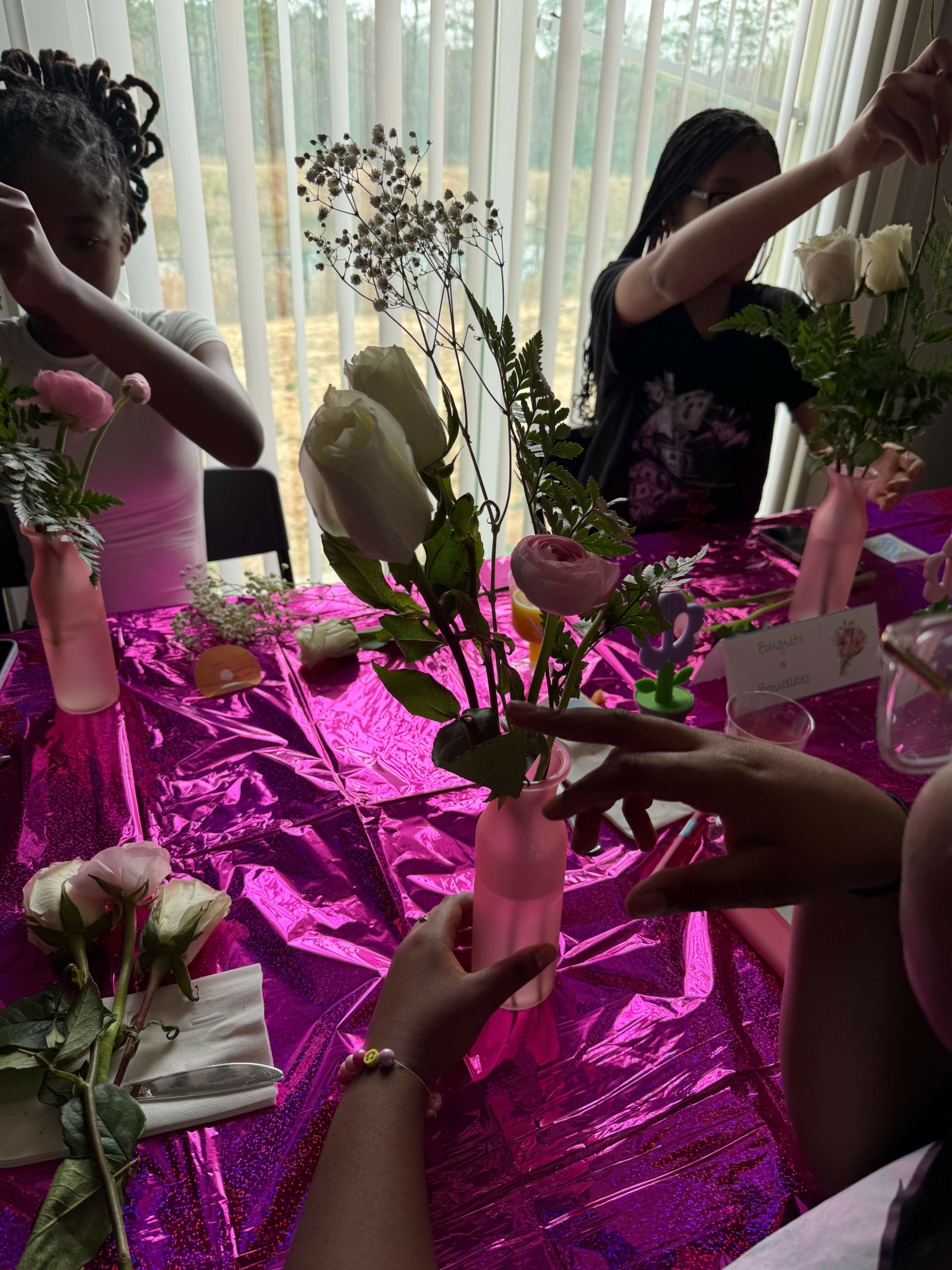
StrongHER Minds is a skills-first safe space for teen girls, designed to teach emotional regulation, self-worth, boundaries, communication, and identity development before those lessons come through pain. We offer small-group experiences, events, and multi-month programming for girls ages 14–16, rooted in sisterhood, relatability, and real-life application. This is not therapy and it’s not a lecture—it’s guided growth in community.
What sets StrongHER Minds apart is the approach. We don’t wait for a crisis. We don’t label girls as broken. And we don’t position ourselves as replacements for parents. Instead, we focus on prevention, connection, and empowerment—meeting girls where they are developmentally and emotionally, and giving them language and tools they can actually use.
I’m most proud of the way this work centers both honesty and hope. We talk about hard things—identity, pressure, relationships, emotional overwhelm—but we do it in a way that feels safe, affirming, and empowering. I’m also proud that StrongHER Minds is community-rooted and accessible. Our goal is to keep programming free for families by partnering with donors, sponsors, and supporters who believe in investing early.
What I want people to know about me and this brand is that this work is deeply personal, but it’s also strategic and scalable. StrongHER Minds is starting small on purpose—with the long-term vision of becoming a sustainable nonprofit that supports girls across communities, not just in moments of crisis, but during the most formative years of their lives.
At its core, StrongHER Minds is about breaking cycles—not by blaming the past, but by building something better for the future. It’s the space I needed at 14, and now it’s the work I’m committed to growing for the next generation.
How did you put together the initial capital you needed to start your business?
From the very beginning, StrongHER Minds has been intentionally community-funded.
Because this work is rooted in access and equity, I knew I didn’t want to rely on high program fees or barriers that would exclude the girls who need this space most. Instead, I chose a model built on donations, sponsorships, and local community support.
In the early stages, I self-funded foundational costs—things like materials, planning, and initial programming—while simultaneously inviting the community into the mission. I shared the story behind StrongHER Minds, the need I was addressing, and the impact we aimed to create. What followed was incredibly affirming: parents, individuals, and small businesses stepped forward to sponsor girls, donate supplies, and contribute financially because they believed in investing in prevention rather than waiting for crisis.
Our initial capital has come from grassroots fundraising, individual donors, and local business sponsorships who understand that supporting girls early strengthens families and communities long-term. We’ve kept our funding lean and transparent, focusing every dollar on direct program impact—materials, food, facilitators, and creating safe, welcoming environments for the girls.
As we continue to grow, we’re using this pilot phase to build proof of concept, demonstrate impact, and establish the systems needed to pursue 501(c)(3) nonprofit status. That next step will allow us to expand funding opportunities through grants and larger partnerships while staying true to our community-first approach.
What’s most important to me is that StrongHER Minds isn’t funded by one source—it’s sustained by a shared belief. A belief that when a community comes together to invest in its girls, the return is generational.
Let’s talk about resilience next – do you have a story you can share with us?
Resilience has been the through-line of my entire life.
There were many moments where I was counted out—sometimes quietly, sometimes out loud. I didn’t come from a background where starting a program, leading a community initiative, or building something of my own felt “expected.” For a long time, I carried big ideas in my heart but not always the confidence or resources to act on them. I spent years saying, “One day I want to create something for girls. One day I want to give back in this way.”
Life didn’t pause while I figured it out. I became a wife. I became a mother—five times over. I worked full-time. I carried responsibilities that could have easily convinced me to stay in survival mode and put my dreams on the back burner permanently.
But resilience, for me, looked like refusing to let that be the end of the story.
There came a moment where I realized that if I kept waiting for the “perfect time,” StrongHER Minds would always stay an idea instead of becoming a reality. So I made the decision to move forward imperfectly. I stopped waiting for permission, funding, or validation, and I started building with what I had—my story, my community, and a clear sense of purpose.
Launching StrongHER Minds after years of talking about it was a turning point. It wasn’t just about starting a program; it was about proving to myself that I could follow through on the vision I had carried for so long. Every workshop, every conversation with a parent, every girl who shows up reminds me that resilience isn’t about never struggling—it’s about continuing to show up anyway.
What makes this story especially meaningful is that my resilience now serves a bigger purpose. I’m modeling for the girls in StrongHER Minds what it looks like to keep going, to believe in yourself even when others don’t, and to turn survival into service.
StrongHER Minds is proof that being counted out doesn’t mean being counted off. Sometimes it just means the story hasn’t finished being written yet.
Contact Info:
- Instagram: https://www.instagram.com/xogodsgirl?igsh=MW84aWMwbXE4NjRkcA%3D%3D&utm_source=qr
- Other: Tik Tok: https://www.tiktok.com/@xogodsgirlalways?_r=1&_t=ZP-93QyOADbwmk