



We were lucky to catch up with Tyeler Viel recently and have shared our conversation below.
Hi Tyeler, thanks for joining us today. What did your parents do right and how has that impacted you in your life and career?
Curious, open-hearted, and adventurous are the first words that come to mind when I think about what my parents did right.
They met while serving in the Peace Corps in Bogotá, Colombia, and that origin story matters. From the very beginning, their lives were shaped by a belief that the world is meant to be explored, understood, and cared for. They sought the unknown, leaned into unfamiliar cultures, and centered their choices around helping others. They were drawn to wild, untouched places and to people with stories different from their own.
They raised us with that same spirit. We grew up in a small town in Northern California where cold rivers, creeks, and the Trinity Alps were our playground. Nature wasn’t a backdrop. It was a teacher. Curiosity was encouraged, independence was trusted, and adventure was normal. Instead of predictability, we learned how to be comfortable with not knowing what was next.
They also invested deeply in traveling with us, choosing remote parts of the world over polished tourist destinations. The goal was never to see what was shiny or perfect, but to understand people and culture as they really were. I still remember my dad driving us into Mexico in an old pickup truck, the three of us girls squeezed behind the seats, hot and sweaty with no air conditioning. We crossed the border and took dirt roads through small towns he had heard about from someone or had been encouraged to explore. We found beaches only locals knew about. Those trips taught me how to listen, how to observe, and how to respect places and people without trying to change them.
That foundation of curiosity, kindness, and discovery has shaped how I live my life and how I show up in my career. It’s why I lead with empathy and openness, why I value listening as much as speaking, and why I’m comfortable walking into unfamiliar rooms and building trust quickly. As a leader, it’s taught me to create space for different perspectives. As a teacher, it’s why I use storytelling to make learning human and meaningful. As a connector, it’s why I genuinely enjoy bringing people together and helping them feel seen.
My parents didn’t just raise us to explore the world. They taught us how to get curious, enjoy the moments and people around us.
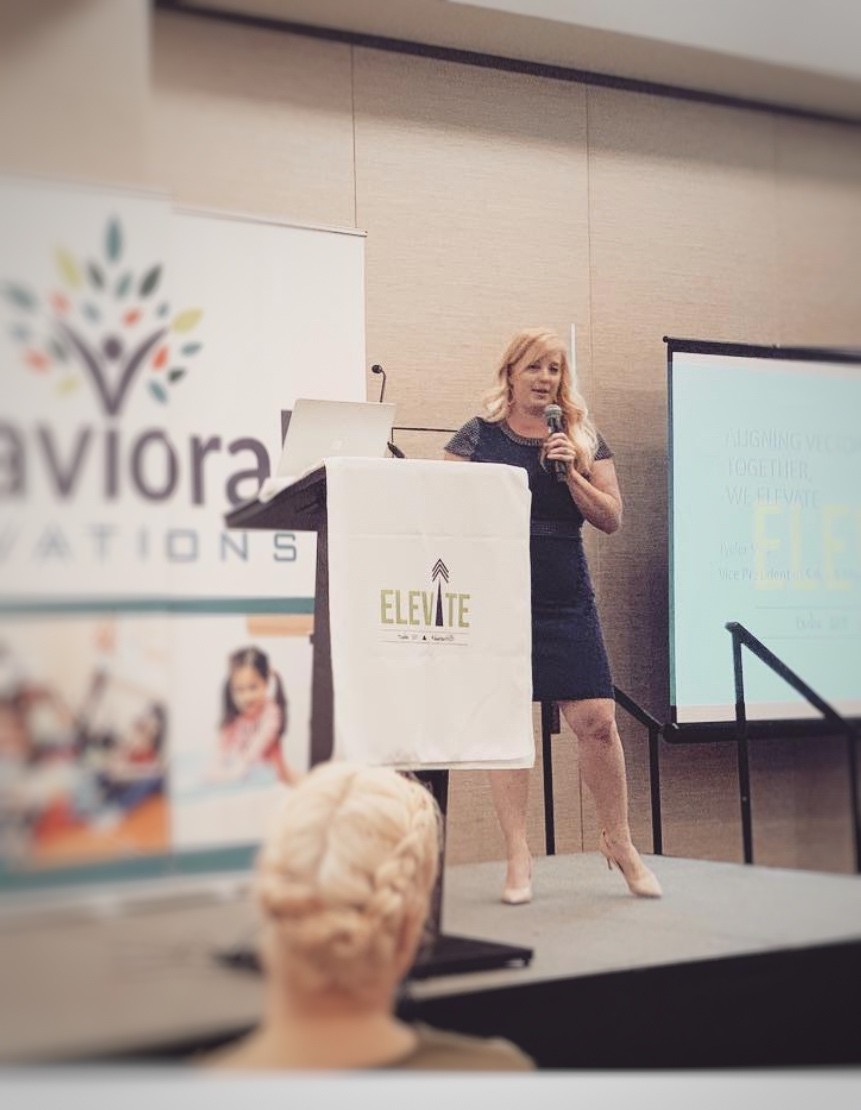
Awesome – so before we get into the rest of our questions, can you briefly introduce yourself to our readers.
At my core, I am deeply curious about people and what helps them connect, grow, and do their best work together. That curiosity is what first drew me to advance my education in psychology and continues to guide everything I do today. I’ve always been fascinated by how relationships are built, how trust is earned, and how communication shapes the way we work and live. My foundation in psychology gave me a deep understanding of human behavior, motivation, and connection, which naturally led me into training and development.
I began my career focused on relationship-based selling and communication, where I learned that real success doesn’t come from scripts or pressure tactics, but from authenticity, listening, and genuine connection. Over time, my work evolved into designing and facilitating training that helps people communicate more effectively, collaborate more intentionally, and build relationships that last. I specialize in people-centered learning experiences rooted in storytelling, practical application, and real-world connection. I create and deliver training programs that focus on communication, leadership development, collaboration, and relationship-building, all designed to actually stick long after the session ends.
Today, I’m part of LJA, an employee-owned full-service engineering consultancy firm that believes investing in people is the foundation for long-term success. LJA solves complex infrastructure and design challenges by combining innovation with a strong cultural foundation. What makes LJA special is its commitment to learning, development, and growing leaders from within. My role allows me to do what I love most: connect with people across the organization, collaborate with teams, and teach skills that help individuals and groups show up better for one another with curiosity, compassion, and generosity.
The problems I help solve are often invisible but incredibly impactful. When teams struggle to communicate, trust breaks down, productivity suffers, and retention drops. Through intentional learning and development, I help organizations strengthen connection, improve collaboration, and create environments where people feel valued and supported. When people feel connected, they work better together, stay longer, and contribute more meaningfully to the success of the business.
I don’t believe in one-size-fits-all training. I believe in meeting people where they are and creating learning experiences that feel human, relevant, and energizing. I am most proud of the relationships I’ve built and the moments when people realize they can communicate differently, lead more authentically, and connect more deeply with their teams. Connection is not a soft skill. It is a strategic advantage. When companies invest in people-centered learning, they build stronger teams, increase productivity, improve retention, and create the foundation for sustainable growth and profitability. My work is about helping individuals and organizations unlock that potential by putting people first and building cultures where everyone can thrive.
What do you think helped you build your reputation within your market?
What helped me build my reputation in the market came down to a few simple but intentional practices, especially while helping companies grow and expand their footprint.
First, I got clear on my message. Before you can build a reputation, people need to understand what makes you different. Seth Godin talks about this as knowing your “purple cow” the thing that sets you apart in a field full of sameness. Simply put, if everything looks the same, nothing stands out. Taking the time to clearly articulate what you do, who you serve, and why it matters makes it much easier for others to remember you and talk about you when you’re not in the room.
Second, I practiced how I said it. I didn’t wait for the perfect pitch. I tested my message in real conversations with friends, my partner, family, and colleagues. Saying it out loud helped me refine my language so it sounded natural, confident, and human, not rehearsed or salesy.
Third, I showed up and met people. Just start reaching out. Alongside traditional marketing efforts, the biggest impact came from getting out into the community and having real conversations. Not pitching. Not talking about myself the whole time. Listening. Asking thoughtful questions. Learning about what mattered to them and where they were trying to go. That curiosity built trust, and trust is what spreads your reputation.
Finally, I delivered on follow-up. I made it personal, consistent, and memorable. Thoughtful follow-up takes time, but it’s where credibility is built. Shiny ads and targeted marketing can create awareness, and experts absolutely help with that, but reputation is earned through relationships. It comes from doing what you say you’ll do and staying connected over time.
At the heart of it all is relationship-based selling. Whether we like it or not, we are all in sales, but the best kind is rooted in connection. You don’t show up and make it all about you. You show up curious, generous, and focused on understanding others. When people feel seen and respected, they remember you, they talk about you, and they want to work with you. That’s how a reputation is built.
How do you keep your team’s morale high?
Early in my career, I learned this lesson the fast way. I was 27, had zero formal management experience, and was told to get on a plane to New York for the first time in my life to help hire and train a team to open a brand-new market. I was still figuring out how to manage my own career, and suddenly I was responsible for building and building a team in NYC. It was equal parts exciting and terrifying, and it taught me more than any management book ever could.
What I’ve learned since then, after years of managing and training teams across the country, is that high morale starts with one simple but powerful principle: truly know your people. Not just their job title or output, but what motivates them, how they learn when things are new or uncomfortable, what triggers stress or shutdown, where they struggle, and how they communicate best. When you know your people, you can actually lead them, understand them.
Trust comes next, and it doesn’t just magically happen. Trust is built through consistency, courage, strength and compassion. Do what you say you’re going to do. Own your misses. Take accountability when things don’t go as planned. Be willing to share mistakes you’ve made, lessons you’ve learned, and challenges you’ve faced. You don’t have to overshare personal details, but showing vulnerability as a leader makes it safer for others to do the same.
Assume generosity. Ask questions before making assumptions and listen to understand, not to respond. At the same time, hold clear boundaries and expectations and hold people to them. Caring about your team doesn’t mean avoiding accountability. In fact, strong boundaries and clear standards are a form of care.
Every team will face challenges, conflict, and hard moments. What matters most is how consistently you show up for them. When your team sees that you care, that you hold yourself accountable, and that you invest in them as people, morale follows naturally.
One of my favorite reminders is simple: when you invest in your people, they invest back in the business.
Contact Info:
- Linkedin: https://www.linkedin.com/in/tyelerviel/
- Other: https://tyelerviel.medium.com/
Image Credits
Sarah K Photography