
We’re excited to introduce you to the always interesting and insightful Emilya. We hope you’ll enjoy our conversation with Emilya below.
Hi Emilya , thanks for joining us today. Are you able to earn a full-time living from your creative work? If so, can you walk us through your journey and how you made it happen?
By the time I was eight, I decided I was going to be an artist. My parents, God bless them, supported me, but gently suggested I study some kind of commercial art. I went to an art high school, an art college, and when I graduated, I had no marketable skills at all. I didn’t even know how to type.
I knew plenty art history, film history, art techniques, and ways to think about design and how it affects the viewer’s perception. I had to teach myself how to type, how to estimate, how to invoice, how to dress for an interview, how to… basically everything.
After several years working as an editor (not creative), and getting illustration work for magazines and books (creative, but not a living wage), I transitioned into interactive design. This paid a salary I could actually live (thrive) on, and I was able to use all my artistic tips and tricks. It was a match made in heaven.
The trick though, as with my latest passion–writing novels–was how to continue making a living from creative work. The answer is: be flexible. In creative fields it is crucial to continue learning, whether it’s the latest tools and technology, or the latest trends. And that’s a great part of the appeal of this life, the constant improvement. The foundations I learned in college: how to affect a viewer with colors, shapes, words, are ones I still use every single day, whether I’m designing a homepage or writing a short story.
I don’t think I could have sped up the process. In a creative field, you need to follow your interests. Do the stuff that you would do whether you got paid for it or not, and you will get paid because you will end up doing great work. If you work to the best of your ability, that’s all you can do. Other people will be better and will arrive there sooner, but that’s not your problem. Do what you love, and the career will sort itself out.
Emilya , love having you share your insights with us. Before we ask you more questions, maybe you can take a moment to introduce yourself to our readers who might have missed our earlier conversations?
I am an information technology designer and developer with an emphasis on user experience and user-centered design. This means that my first goal is to create online experiences that are easy, intuitive, crystal clear. It’s an interesting line to walk because my top obligation is to my clients and their business, but my second one is to the client’s customers. The end product needs to satisfy both business objectives and ease of use and I get to use all the tools in my creative arsenal to get this to happen. Understanding the psychology of visual perception and human interaction is key.
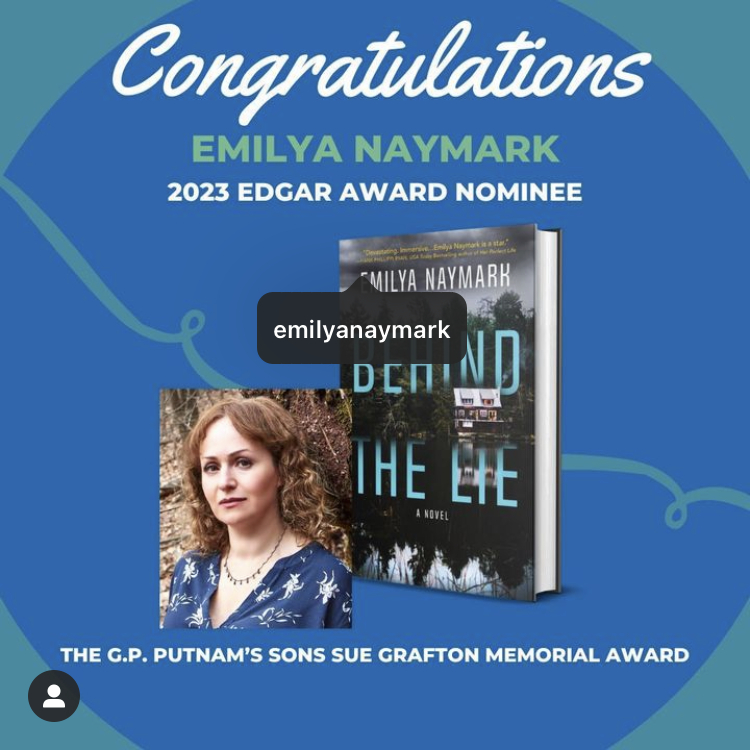
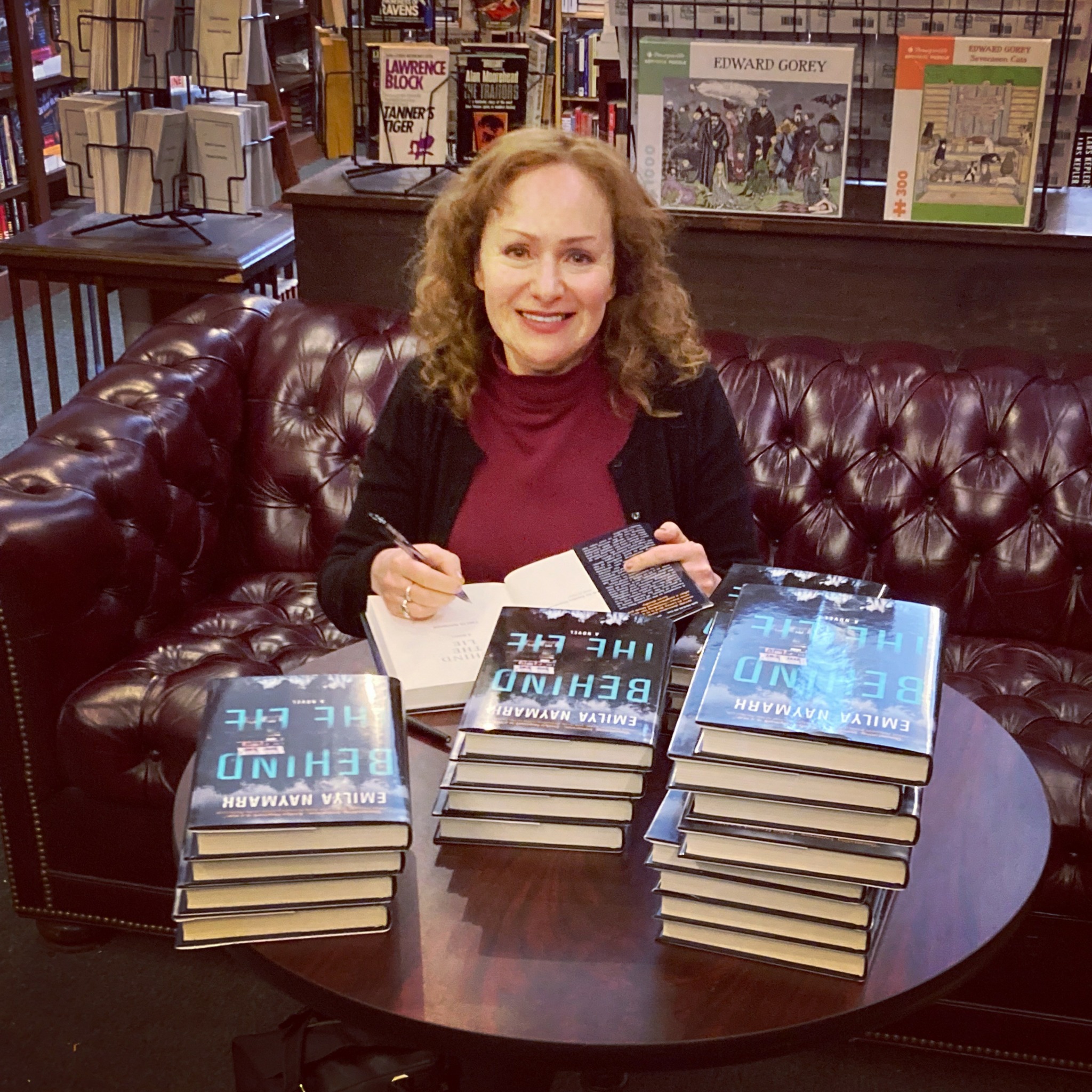
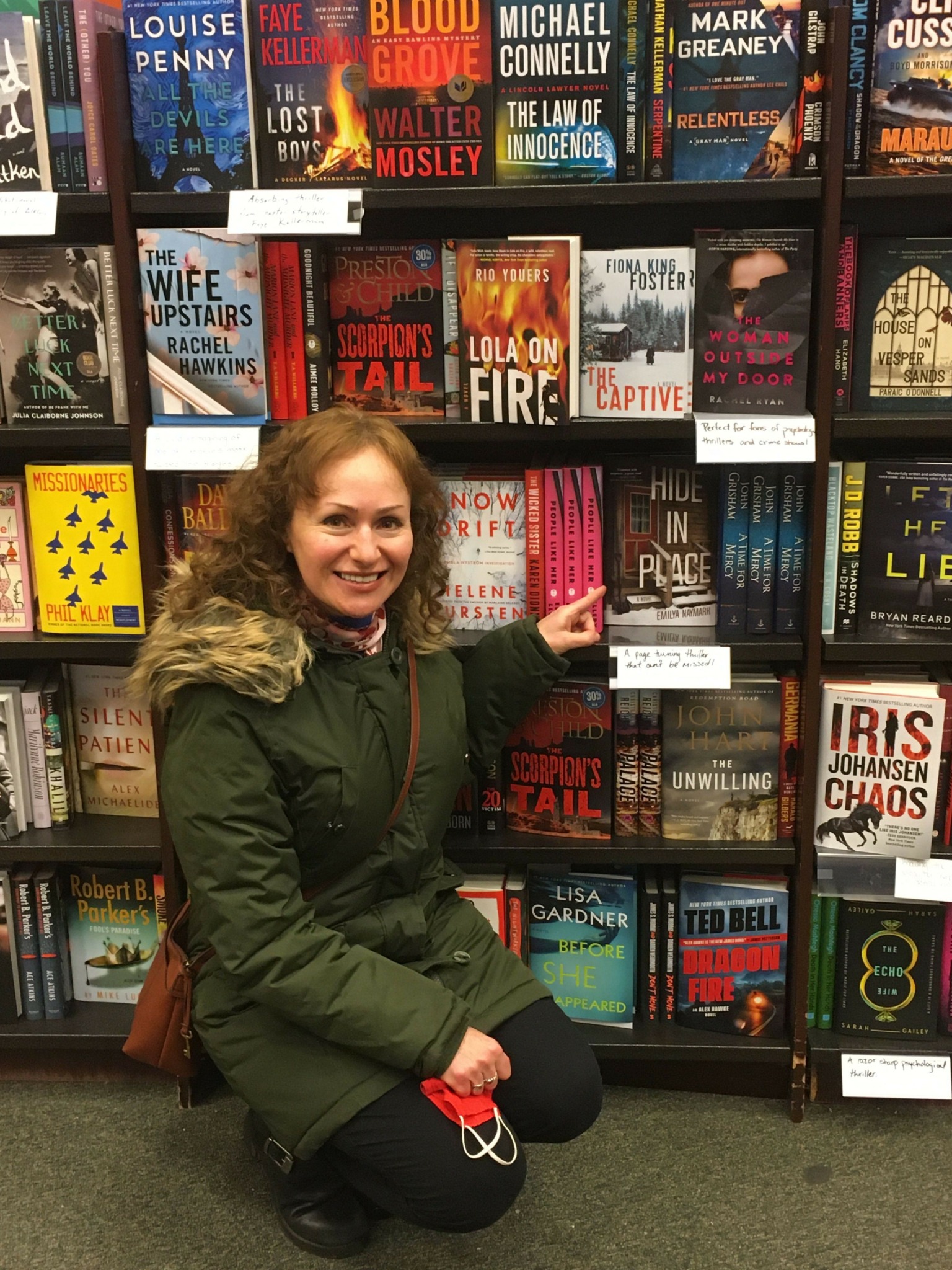
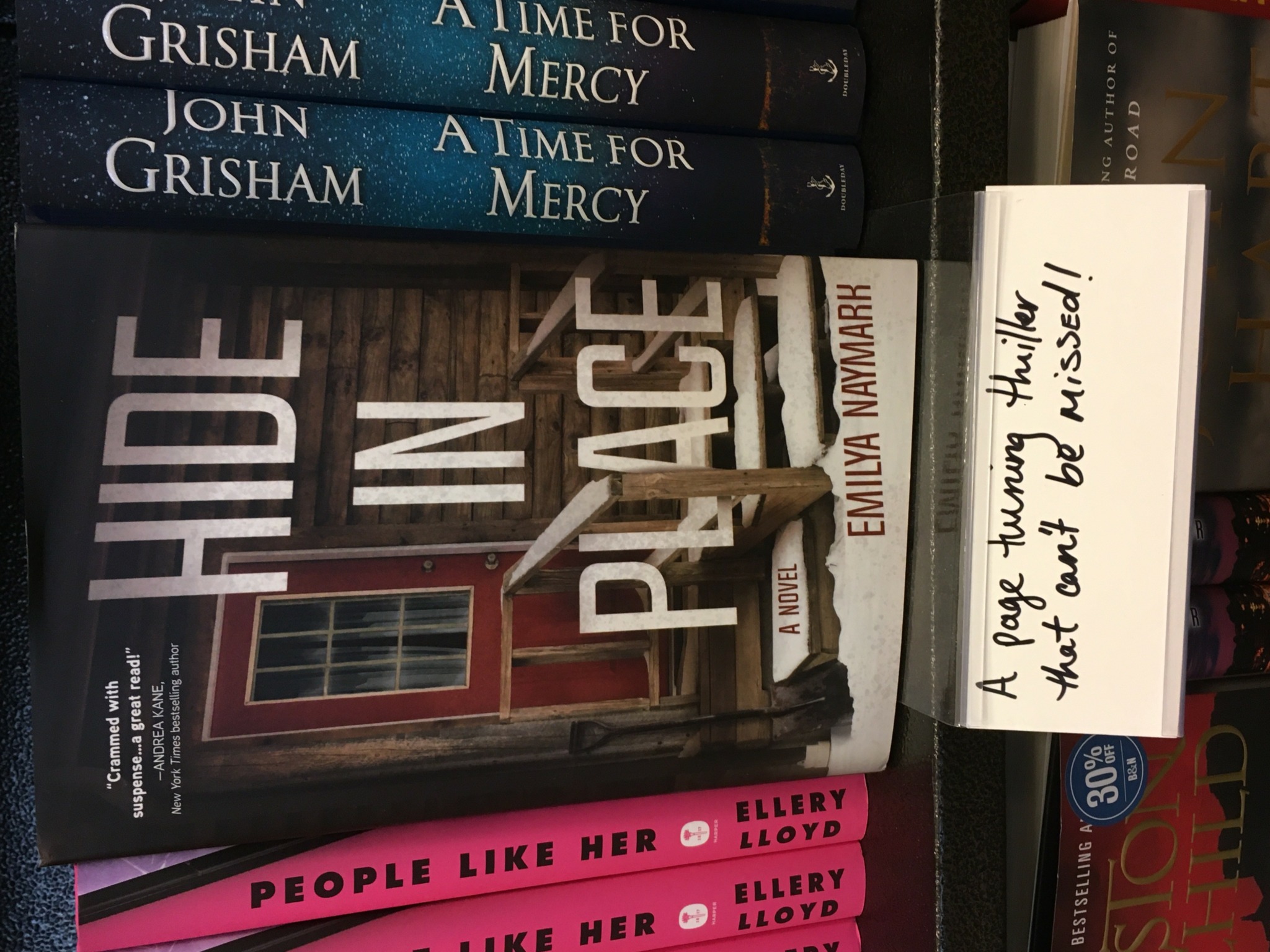
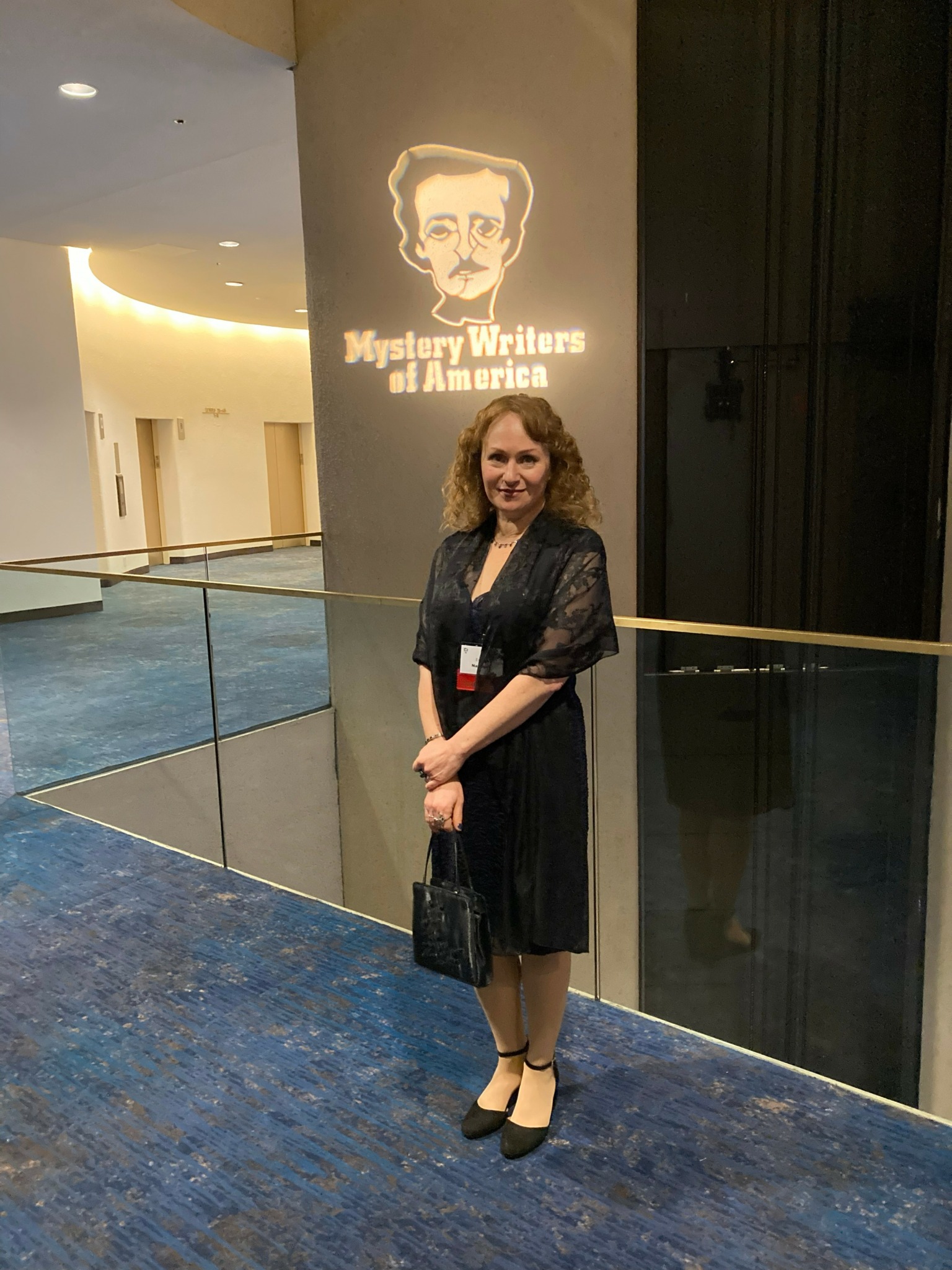
I am also a novelist, with two published crime/thriller novels, Hide in Place, and Behind the Lie, as well as multiple short stories to my name. As a novelist, my goal is not so dissimilar from my goals as an artist. I want my reader to feel something, and I work hard to improve my writing to get this to happen.
We’d love to hear a story of resilience from your journey.
Resilience is maybe the number one reason for a continued creative career. As a creative person, there is nothing more important than being able to look at a rejection, analyze it, and extract the necessary conclusion. Sometimes a rejection means someone did the stuff better. Sometimes it means you were too late. And sometimes it is COMPLETELY RANDOM. Okay, so you might say, but Emilya, how can a rejection be random? They rejected ME! Wrong way to look at it. They rejected your output, for any number of reasons, and none of those reasons are you as a person. Simply put, your output did not fit the need of another person.
I had plenty of rejections before I got my agent, plenty more before I sold a series to Crooked Lane Books, an imprint of Penguin Random House, and even more when it came to getting industry outlets to review my books. The first ones hurt because I took them personally, but as the “no”s piled up, I realized it had very little to do with me as a person. I finished and queried two novels of speculative fiction before I decided to pivot to crime, and that’s what got me an agent and a publisher.
Speculative fiction is a hard sell even if the writing is spectacular, and my writing was still in its baby stages. When I pivoted to crime, I did it because my husband was a detective, and I had all the stories, all the advice I could possibly want, at my fingertips. I also kept studying story structure, down to reverse engineering novels I loved to see how they were assembled.
Resilience is what you need to keep going after rejection. But the constant self-improvement and, for lack of a better term, “reading the room” is what you need to reach your goals.
What do you think is the goal or mission that drives your creative journey?
I am a gluttonous consumer of other people’s creativity, and when I read a good book, watch a good show, listen to music that transports me, I am deeply grateful to the people who reached into their souls and psyches, dug out a story or a feeling and by some voodoo magic gave me an experience.
I want to be able to do this for others. When people take the time to reach out and tell me how much they liked my books, it’s a feeling like no other. Truly.
Contact Info:
- Website: https://www.emilyanaymark.com/author
- Instagram: emilyanaymark
- Facebook: emilya.naymark
- Linkedin: https://www.linkedin.com/in/emilya-naymark/