

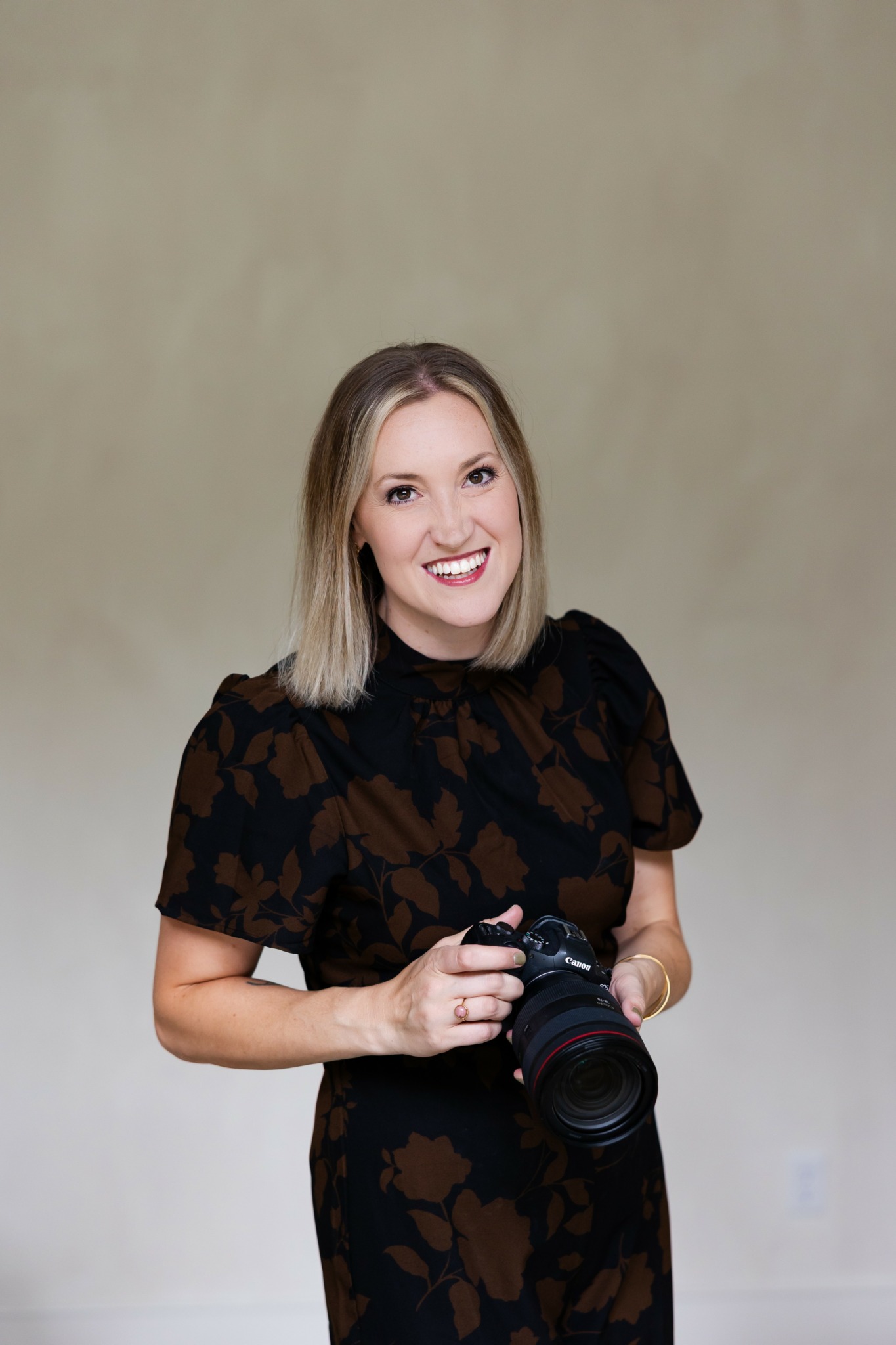

We recently connected with Kira Goff and have shared our conversation below.
Alright, Kira thanks for taking the time to share your stories and insights with us today. It’s always helpful to hear about times when someone’s had to take a risk – how did they think through the decision, why did they take the risk, and what ended up happening. We’d love to hear about a risk you’ve taken.
Opening my photo studio was the biggest professional risk I’ve ever taken.
For years, my business existed in borrowed spaces—client homes, coffee shops, outdoor locations, and hourly-rented studios. On paper, it worked. I was booking consistently, my calendar was full, and from the outside it looked like a safe, successful business. But behind the scenes, everything felt fragile. Every shoot depended on variables I couldn’t control: weather, lighting, availability, noise, and whether a space truly fit the vision I was trying to create for my clients.
The idea of signing a long-term commercial lease—during a season of life where flexibility mattered with kids—felt terrifying. It wasn’t just a financial risk; it was a responsibility risk. A studio meant fixed overhead every single month, whether I felt inspired or not, whether bookings were high or slow.
But I kept coming back to the same question: If I want my business to grow into something more sustainable, more elevated, and more impactful, what am I avoiding because it feels scary?
The turning point came when I realized I wasn’t just opening a studio for myself. I was building a space my clients desperately needed—a calm, consistent, professional environment where small business owners, creatives, and families could show up without stress or guesswork. I was also creating something I wished had existed earlier in my career: a welcoming studio that felt accessible and I had more control over.
So I took the leap. I signed the lease before I had every answer. I invested in the build-out, furnishings, and systems before I felt “ready.” I trusted that the years I’d spent building relationships, refining my craft, and understanding my community would carry me forward.
And it did.
The studio didn’t just pay for itself—it transformed my business. My work improved and I got more of it. My confidence grew. I became more well-known. My clients felt more at ease. And as I had hoped, the space became a hub for other creatives—hosting memberships, workshops, events, and collaborations I never could have imagined before taking that risk.
Looking back, the scariest part wasn’t the lease or the money—it was betting fully on myself. But that risk taught me that sustainable growth doesn’t come from playing it safe. It comes from building something aligned with your values and trusting that the right people will meet you there.
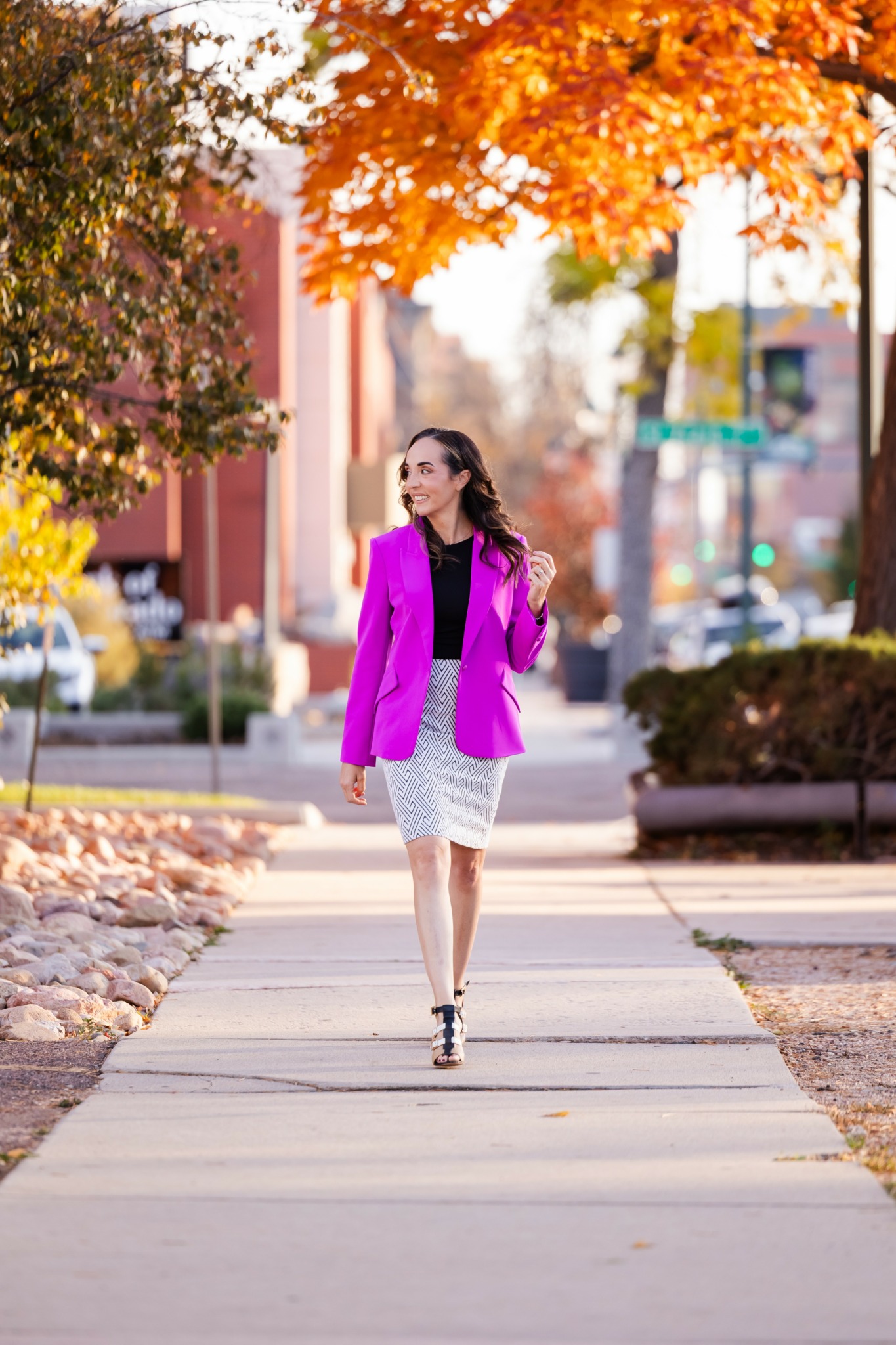
Kira, before we move on to more of these sorts of questions, can you take some time to bring our readers up to speed on you and what you do?
I’m Kira, a brand photographer, studio owner, and educator based in Colorado Springs. I work primarily with small business owners—many of them women—who are building something meaningful and want visuals that reflect the depth, professionalism, and heart behind their work.
I didn’t enter photography with a perfectly mapped-out business plan. I started because I’ve always been drawn to stories—especially the quiet, often overlooked ones. Early on, I realized that photography wasn’t just about creating beautiful images; it was about helping people feel seen and confident in how they show up. That understanding shaped everything that followed.
As my business evolved, I naturally gravitated toward brand photography. I saw so many talented business owners struggling to articulate their value visually. They had strong offers, clear missions, and real expertise—but their photos didn’t match the level they were operating at. My role became less about “taking pictures” and more about translating who they are and what they do into imagery that works strategically across websites, social media, and marketing.
Today, I offer brand photography, studio portraits, and content-focused photo sessions designed to give clients a library of images they can actually use. I also own and operate a photo studio and creative event space that serves not only my own clients, but other photographers and creatives in the community through rentals, memberships, workshops, and events. In addition, I create educational resources for photographers who want to build sustainable, profitable businesses without burnout.
What sets my work apart is the blend of strategy and approachability. I care deeply about aesthetics—clean, modern, true-to-color imagery—but I care just as much about the experience. Many of my clients come in feeling nervous, unsure, or convinced they’re “not photogenic.” My job is to remove that pressure, guide them clearly, and create an environment where they can relax and show up as themselves. The result is imagery that feels elevated and authentic.
I’m most proud of the community I’ve built—both through my studio and through my work. Watching clients gain confidence, raise their prices, book better-aligned work, or finally feel proud of how they’re presenting themselves never gets old. I’m also proud of building a business that supports my family, honors my values, and proves that you don’t have to choose between professionalism and humanity.
What I want people to know about me and my brand is that I’m deeply invested—in my clients, in my craft, and in doing things thoughtfully. I believe good photography isn’t about trends or perfection; it’s about clarity, consistency, and connection. Whether someone works with me for a single session or over many years, my goal is always the same: to help them show up with confidence and be taken seriously for the work they do.
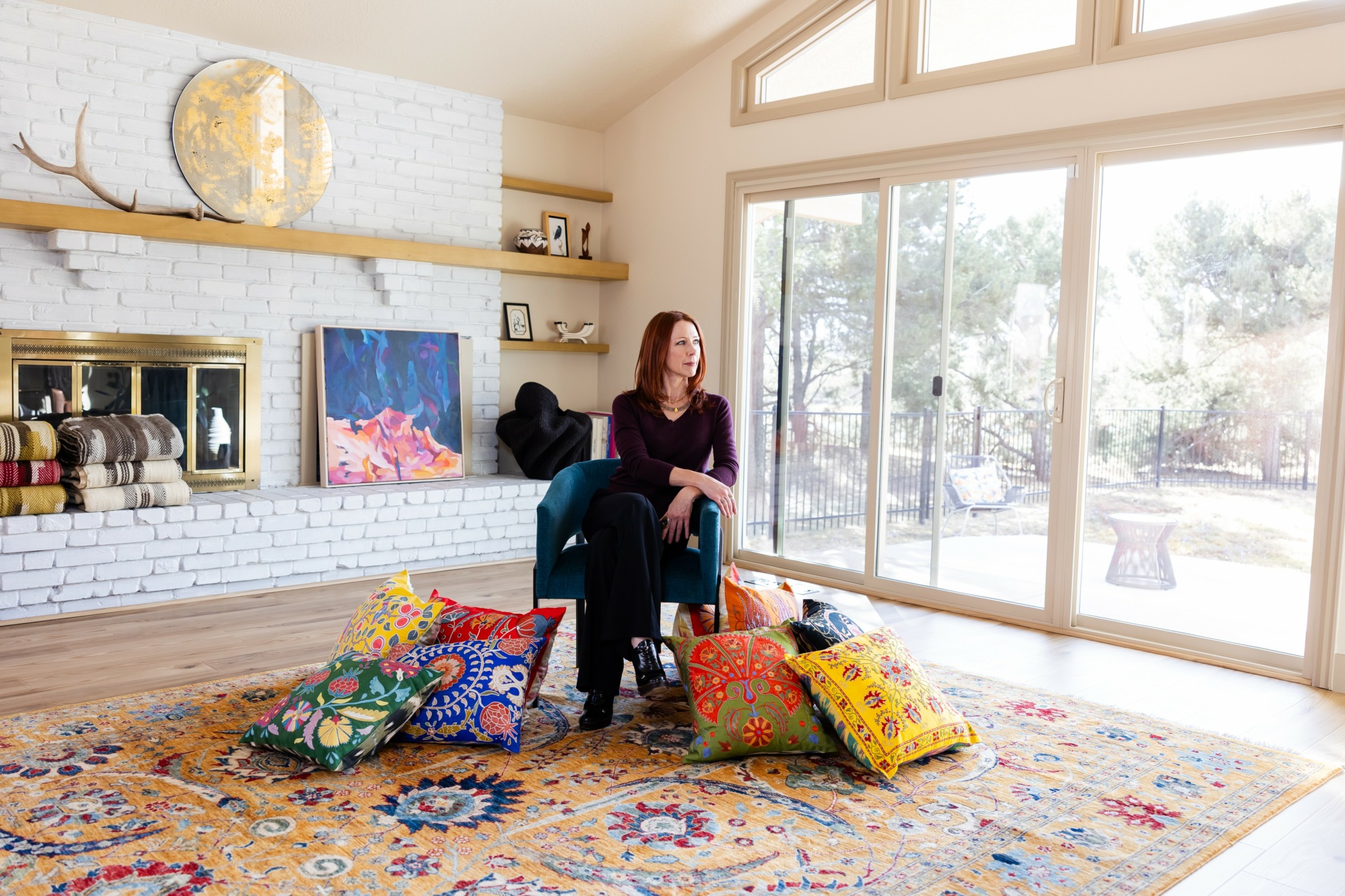
Is there mission driving your creative journey?
At the core of my creativity is the idea of freedom.
For me, freedom looks like building a business that supports my life instead of competing with it—having control over my time, my environment, and the kind of work I say yes to. Creativity became the vehicle for that freedom, but intention is what sustains it. I’m not interested in creating for the sake of output or trends; I want the work to serve something real.
That same desire for freedom is what drives how I show up for my clients. Many of the people I work with are small business owners who feel constrained—by inconsistent visibility, unclear messaging, or visuals that don’t reflect the level of their expertise. Strong, strategic imagery gives them options. It allows them to market confidently, show up consistently, raise their prices, and spend less time scrambling for content. In that sense, imagery becomes a tool for freedom too.
My creative goal is always twofold: to create work that feels honest and elevated, and to make sure it works for the client long after the shoot is over. When a client can open their website or social media and feel proud of what they’re putting into the world—and see tangible growth because of it—that’s the most meaningful outcome to me.
Ultimately, my mission is to use creativity as a form of empowerment. When visuals align with values, they don’t just look good—they create clarity, momentum, and space. That’s the kind of freedom I’m always working toward, for myself and for the people I serve.
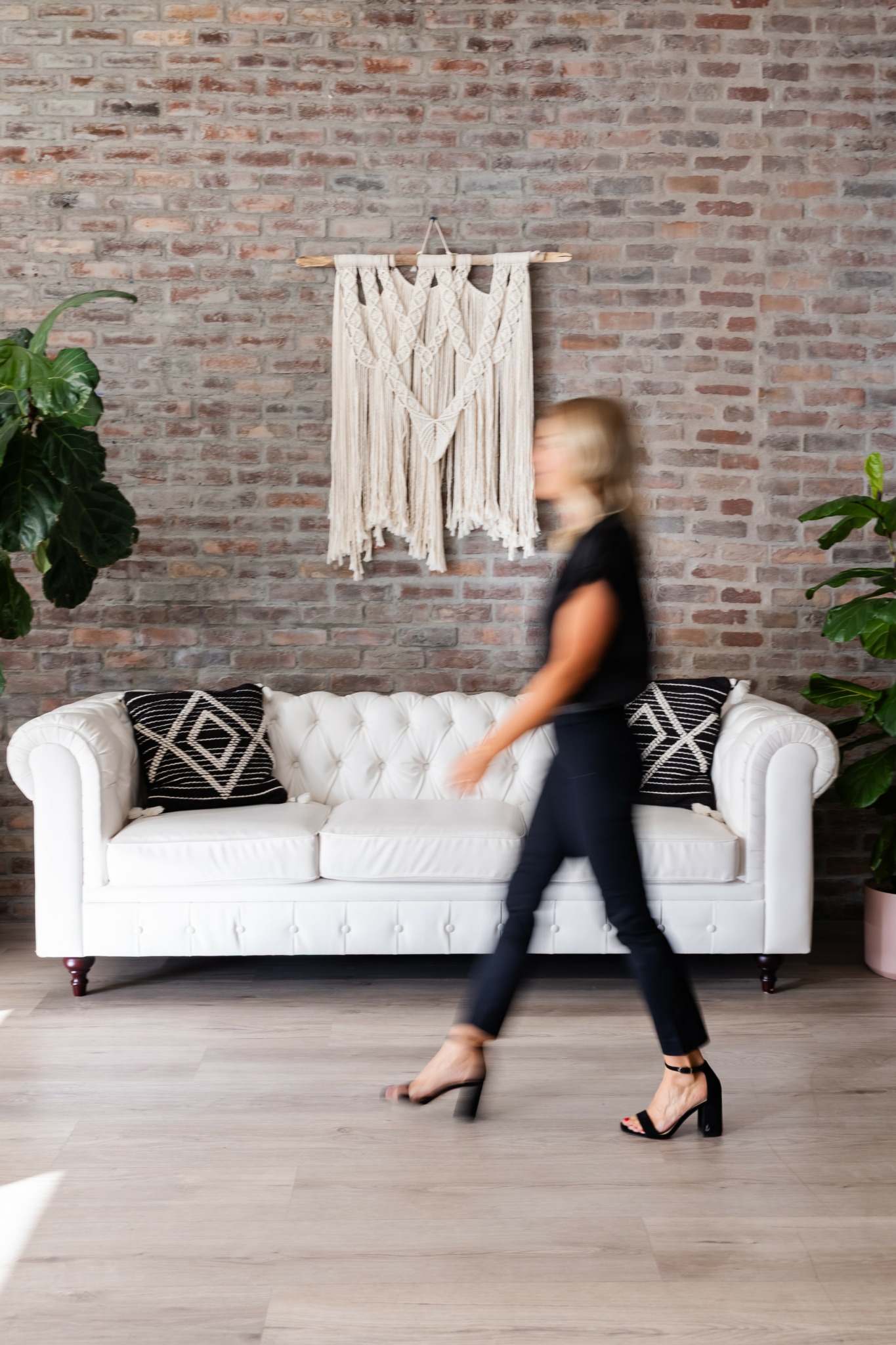
Can you tell us about a time you’ve had to pivot?
One of the most defining pivots in my career was moving from wedding photography into brand photography.
I began my business photographing weddings, and for a long time, it made sense. Weddings taught me how to work under pressure, tell a story quickly, manage high emotions, and deliver consistently in high-stakes environments. But as my life and priorities shifted, I started to feel a growing disconnect. The work was beautiful, but the structure of the industry—weekend-heavy schedules, long hours away from home, and a model that capped both flexibility and scalability—no longer aligned with the life I was trying to build.
At the same time, I noticed something important: many of the small business owners around me were struggling with their visual presence. They were incredible at what they did, but their imagery didn’t reflect their professionalism or value. I found myself far more energized by helping them clarify their brand, feel confident showing up online, and use photography as a strategic business tool rather than a one-day event.
Making the pivot wasn’t immediate or comfortable. Walking away from an established reputation and steady bookings meant starting over in many ways—new messaging, new offers, new education, and a new audience. There was no guarantee that the work would translate or that clients would follow. But the more I leaned into branding, the more aligned everything felt.
The pivot ultimately gave me something weddings couldn’t: sustainability. Brand photography has allowed me to create long-term client relationships, work within more predictable schedules, and build offerings that grew alongside my clients’ businesses. It also opened the door to education, community building, and eventually opening my own studio—things that would have been difficult, if not impossible, in my previous model.
That pivot taught me that growth doesn’t always mean doing more of what’s working—it sometimes means having the courage to leave what’s comfortable in order to build something that fits who you’re becoming. Choosing branding wasn’t just a business decision; it was a values decision, and it reshaped my career in the most meaningful way.
Contact Info:
- Website: https://www.kirawhitney.com
- Instagram: https://www.instagram.com/kirawhitneyphotography
- Facebook: https://www.facebook.com/kirawhitneyphotography
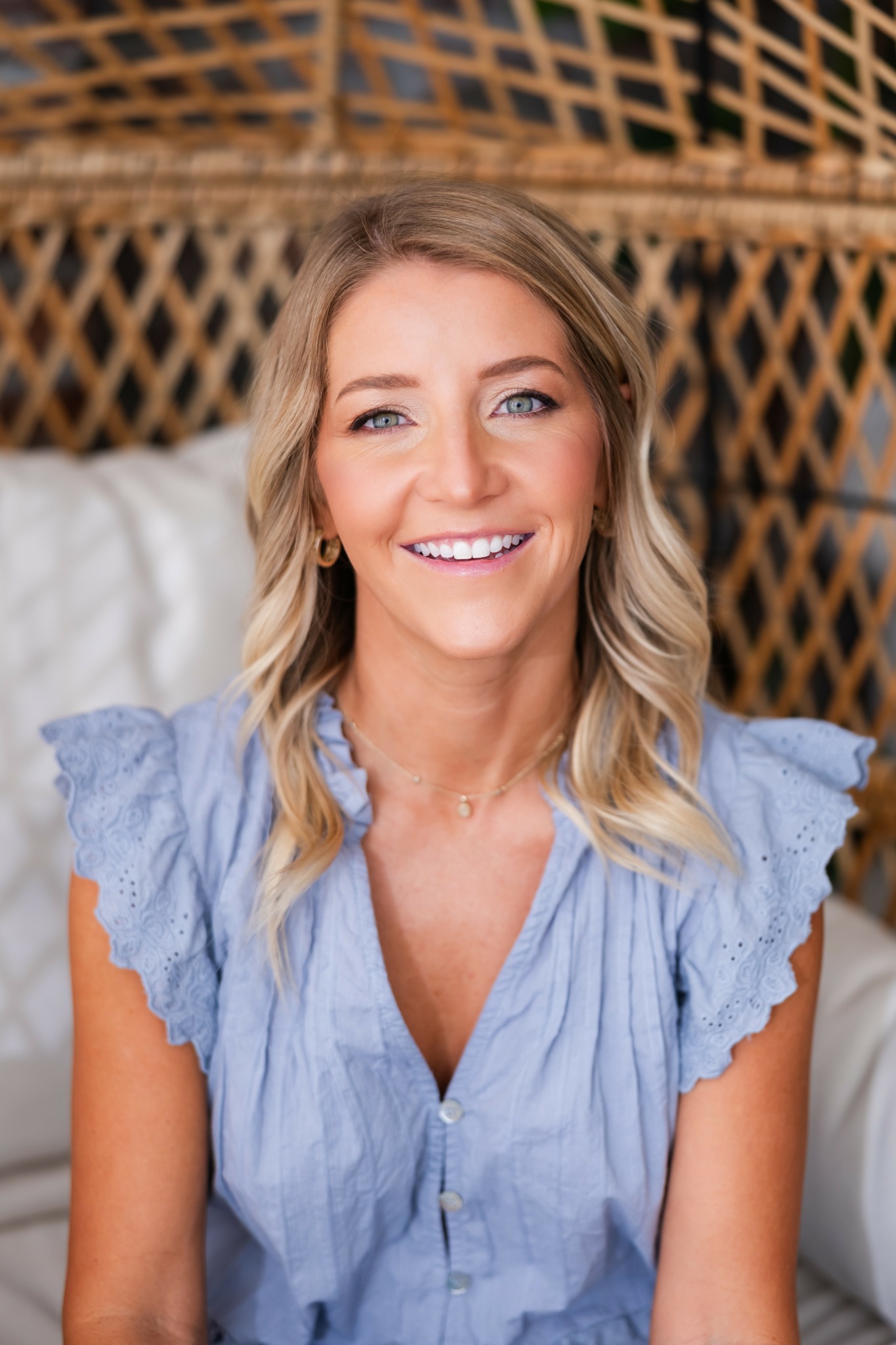
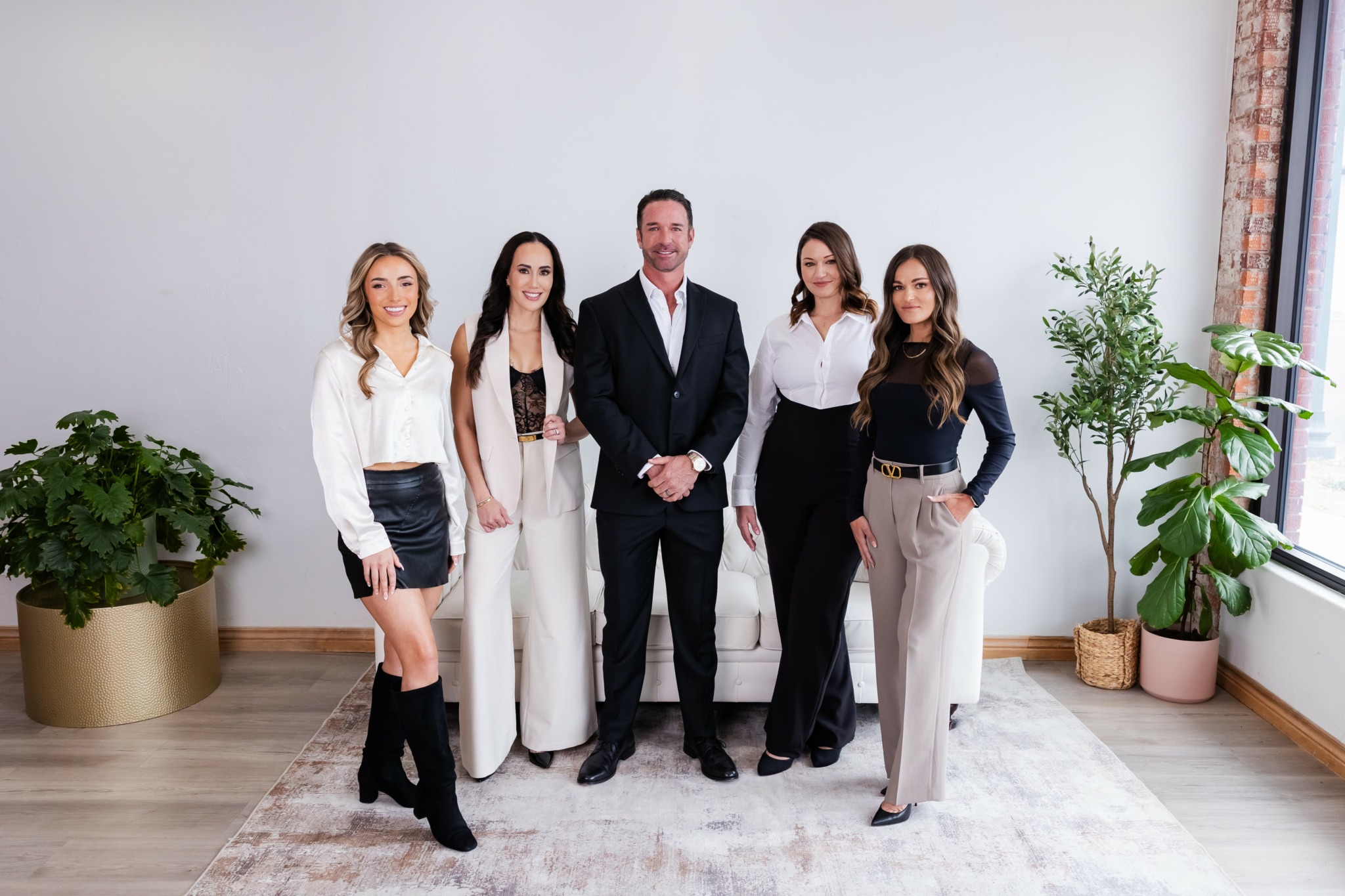
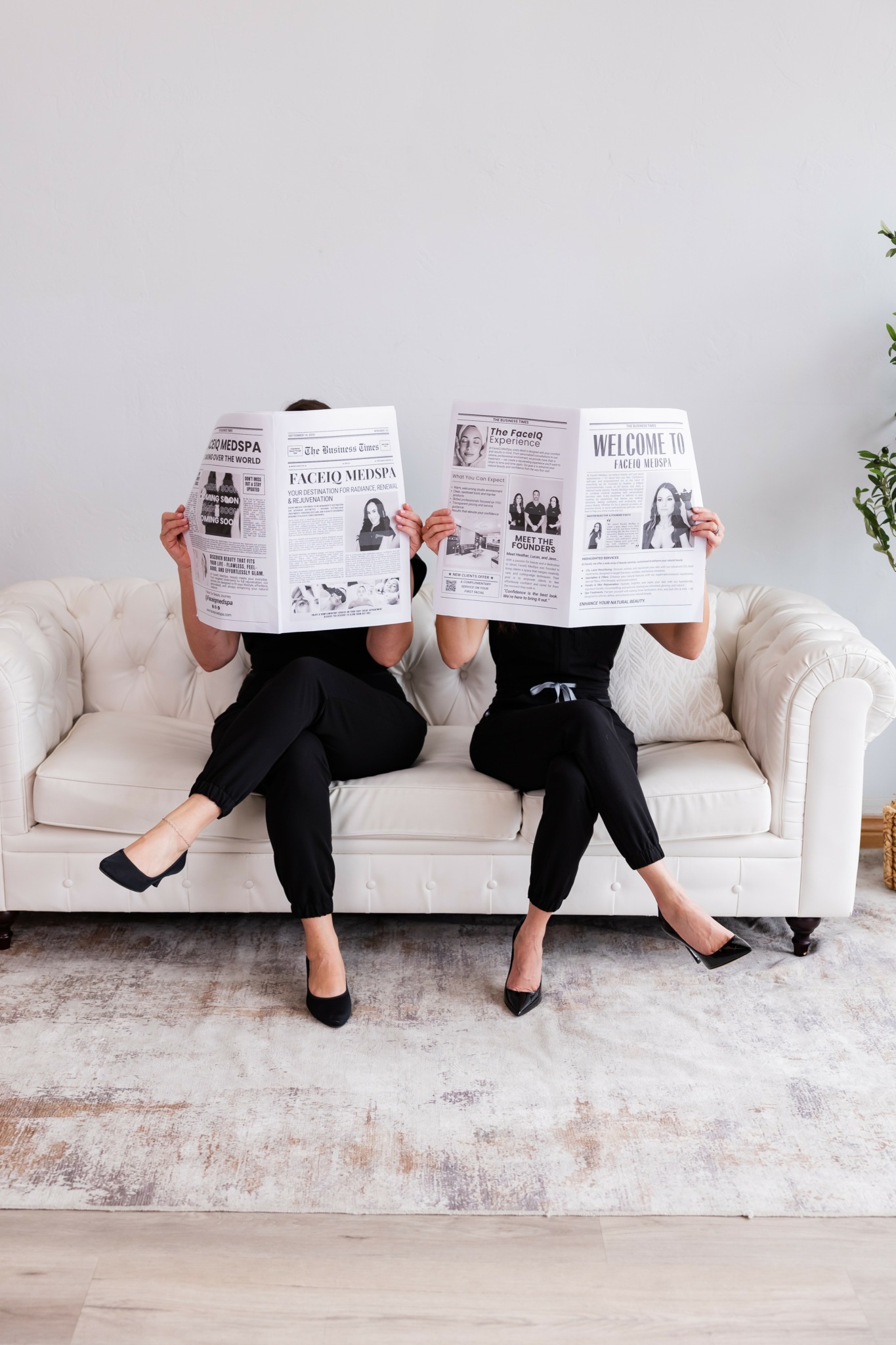
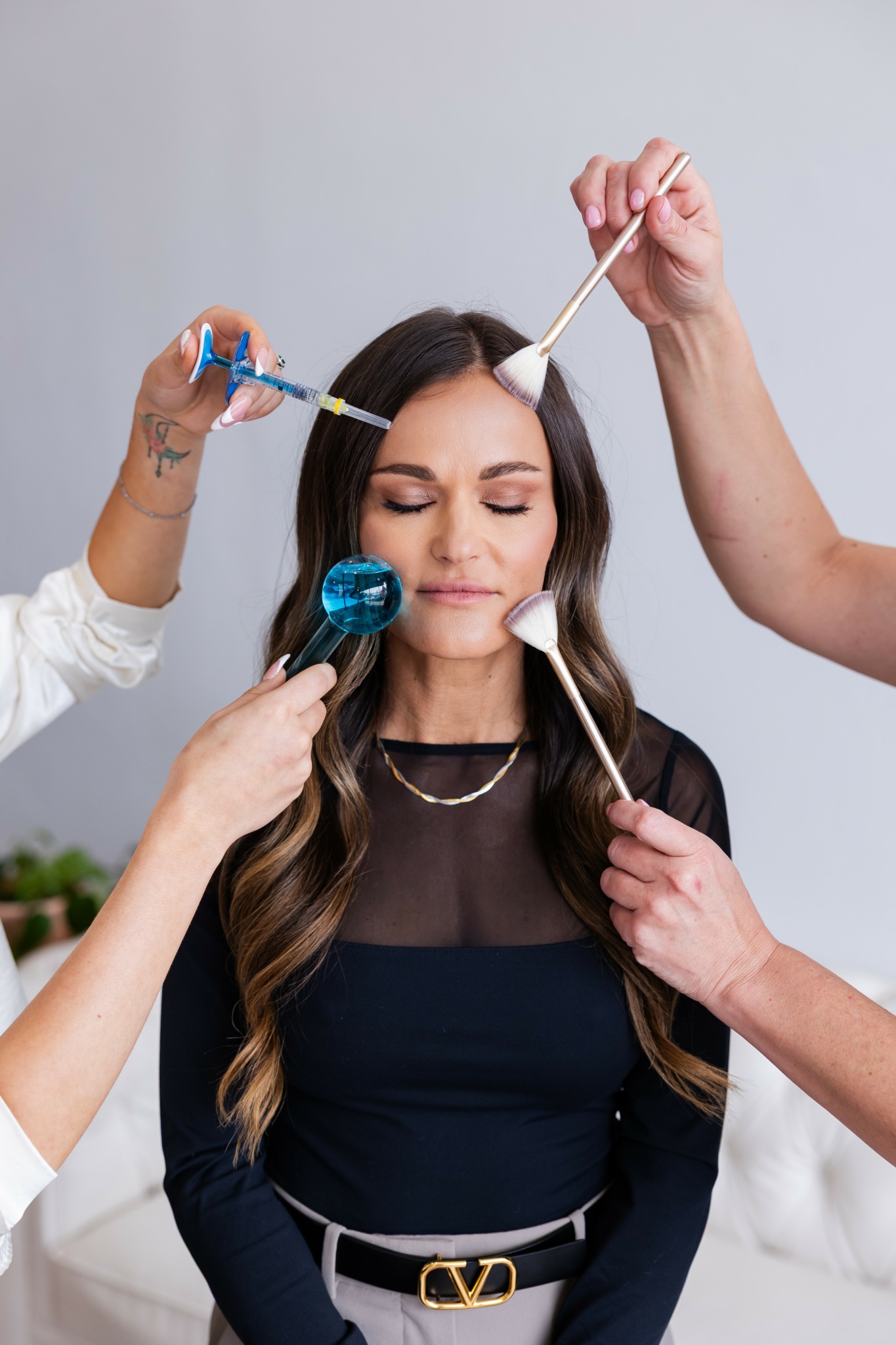
Image Credits
Kira Whitney Photography