
We recently connected with DAndre J. Herron and have shared our conversation below.
DAndre J. , thanks for joining us, excited to have you contributing your stories and insights. Owning a business isn’t always glamorous and so most business owners we’ve connected with have shared that on tough days they sometimes wonder what it would have been like to have just had a regular job instead of all the responsibility of running a business. Have you ever felt that way?
For me, happiness is not actually found in my business itself. My business has definitely brought me joy, meaningful relationships, opportunities to travel, and some great experiences — but it is not the root of my happiness. My business is simply a product of my skills, creativity, and discipline. It is something I do, not who I am.
One thing I’ve learned is that, as entrepreneurs, we often give so much of ourselves to our businesses that we forget we are human beings with emotional, mental, and physical needs. We still have to maintain friendships, health, peace of mind, and basic life stability. At 29, I understand now that I must make sure I am good on a personal level first. If I am not grounded as a person, nothing I build will feel fulfilling.
I’ve seen both sides of “going all in” on entrepreneurship. There is the exciting side — investing in ideas, taking risks, betting on yourself. Then there is the part people do not talk about often: you may miss rent, fall behind on your phone bill, struggle to buy food, or feel financial pressure because the money you invested into your business has not returned yet. You planted seeds, but seeds do not turn into fruit overnight. That waiting period can be mentally heavy.
Do I think about having a regular job? Yes, absolutely. The last time I had that thought was just recently and I’m still actively looking for contract gigs.
I remember sitting at home late at night reviewing business expenses and upcoming bills. I had just invested money into my tech company and I was waiting on payments and book sales to cycle through. In that moment, the thought came: “Life would be cool if I had a weekly check and knew exactly what was hitting my account every week.” It was not a feeling of quitting — more a moment of fatigue, honesty, and reality. We all want an extra few dollars in our pockets.
I reflected on it and realized something important: jobs have always been a funding source for my business, not competition to it. I do not look down on work. I’ve worked temp jobs, contract jobs, and short-term roles intentionally because they allow flexibility while still providing income. I trade my time for money, but I do it with a plan. The money goes into my ventures, my books, my travel, my ideas. That is especially important because I have not had success with loans or grants, so everything has been self-funded.
Sometimes that means I am not at a job long — not always by design, but because my mindset is entrepreneurial and I am always moving. Jobs, for me, have been revolving doors and stepping stones rather than final destinations.
As I move into my 30s, I do think about building a career alongside entrepreneurship — something that aligns with my skills and credentials, increases my income, and strengthens my professional foundation. I do not see it as either/or anymore. I see it as “both,” strategically. I have financial goals, creative goals, and community goals, and more income simply helps accelerate the timeline.
So am I happier as a business owner? I am happier being aligned. Sometimes that alignment includes running my business full-time. Sometimes it includes taking a job. Happiness for me is found in purpose, growth, peace, and becoming who I’m meant to be — not just in ownership alone.
DAndre J. , love having you share your insights with us. Before we ask you more questions, maybe you can take a moment to introduce yourself to our readers who might have missed our earlier conversations?
I am a Detroit native, entrepreneur, and independent author whose work lives at the intersection of technology, creative writing, and community impact. My journey into the tech industry began in college almost by accident. In 2018, while I was a sophomore studying computer science, I was sitting in my English class when my aunt texted me asking if I could help fix a few things on her website. I looked at it, figured it out, and realized not only that I enjoyed the process, but that there was a real need for this type of service among small businesses and professionals.
That was the moment ERD Technology was born. What started as helping my aunt turned into a full website development company. At the time, I was also working in Michigan state and local politics, and some of the elected officials I worked with became my first clients. I built campaign websites, consulted on branding, and was referred to other officials, organizations, and business owners. Those early referrals taught me two things: your name matters, and your work is your best business card.
When COVID-19 hit in 2020, my business slowed significantly. The face-to-face connections that were core to my growth disappeared almost overnight. That period forced me to regroup mentally and professionally. I paused, reevaluated, and focused on rebuilding myself first so that I could rebuild my company the right way.
When I restarted ERD Technology in 2023, something interesting happened — my clientele shifted. I began working heavily within the medical field, from LPNs to surgeons. That exposure opened my mind to how much inefficiency still exists in healthcare technology. It inspired me to start brainstorming software concepts and tools that could make fieldwork and patient coordination more efficient. In 2024, I expanded my services to include cybersecurity because I wanted to evolve beyond just web design. To be honest, I began feeling bored with only building websites. My mind is now moving toward robotics, automation, and machinery. That is the direction I see myself focused on for the next ten years.
What I enjoy most about my work is taking a client’s idea and bringing it to life in real time. Seeing their reaction and knowing I helped them solve a real problem — whether it’s visibility, branding, security, or efficiency — is what keeps me motivated.
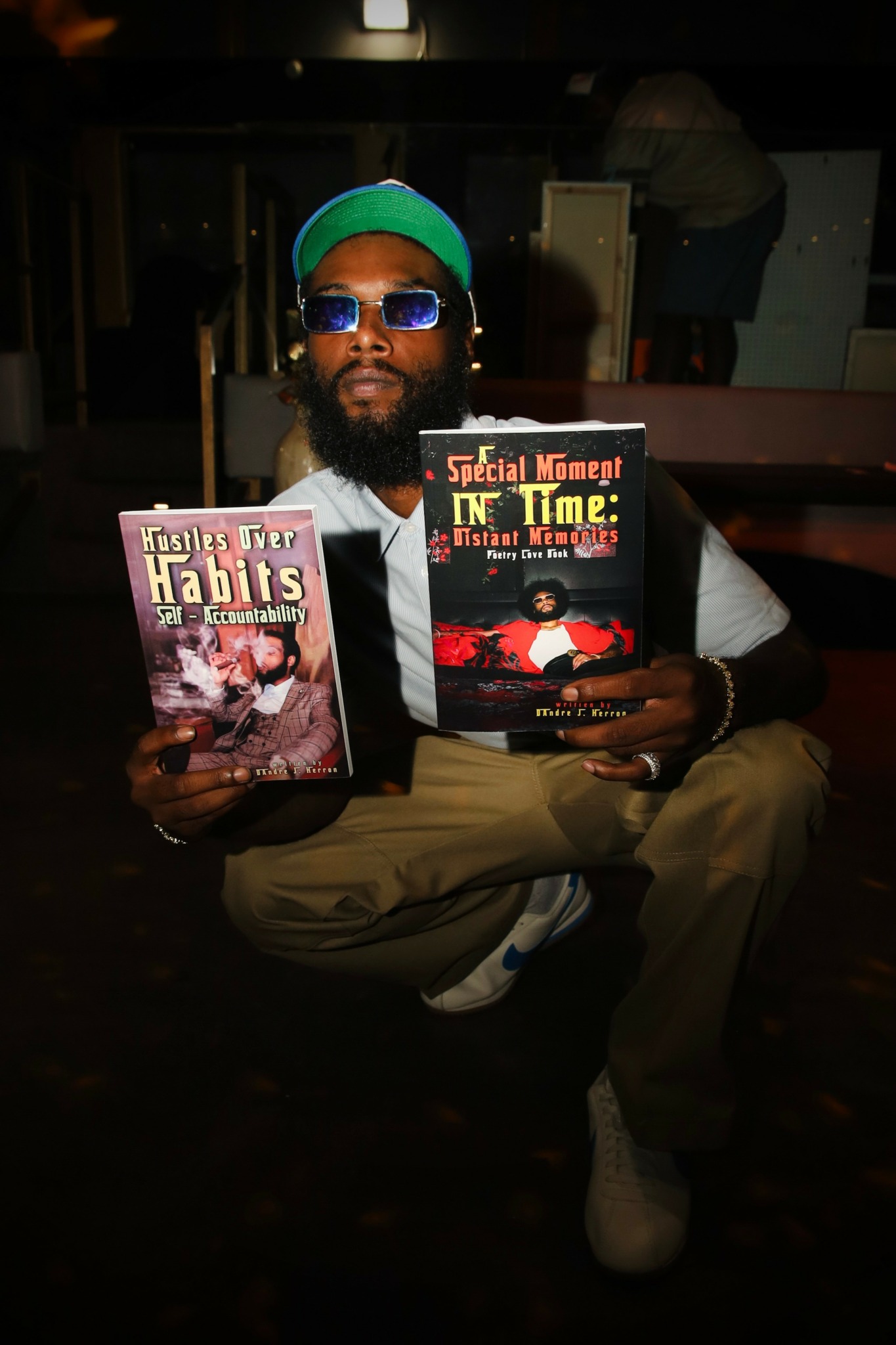
In addition to technology, I am also an independent author. I published my first book in February 2024. That book was born from years of journal entries, private reflections, and personal writing that I never initially intended to share. I have loved writing since elementary school, when I used to create short stories and scripts, but it took years for me to finally shape my ideas into finished books.
Writing challenges a completely different part of my mind than technology does. I focus on poetry, philosophy, mental health, and the complexities of the human experience. I am fascinated by how we are all so different yet deeply similar in the ways we think, hurt, love, and heal. Many people live within one perspective or ideology and reject everything that challenges it. My writing exists to question those mental walls.
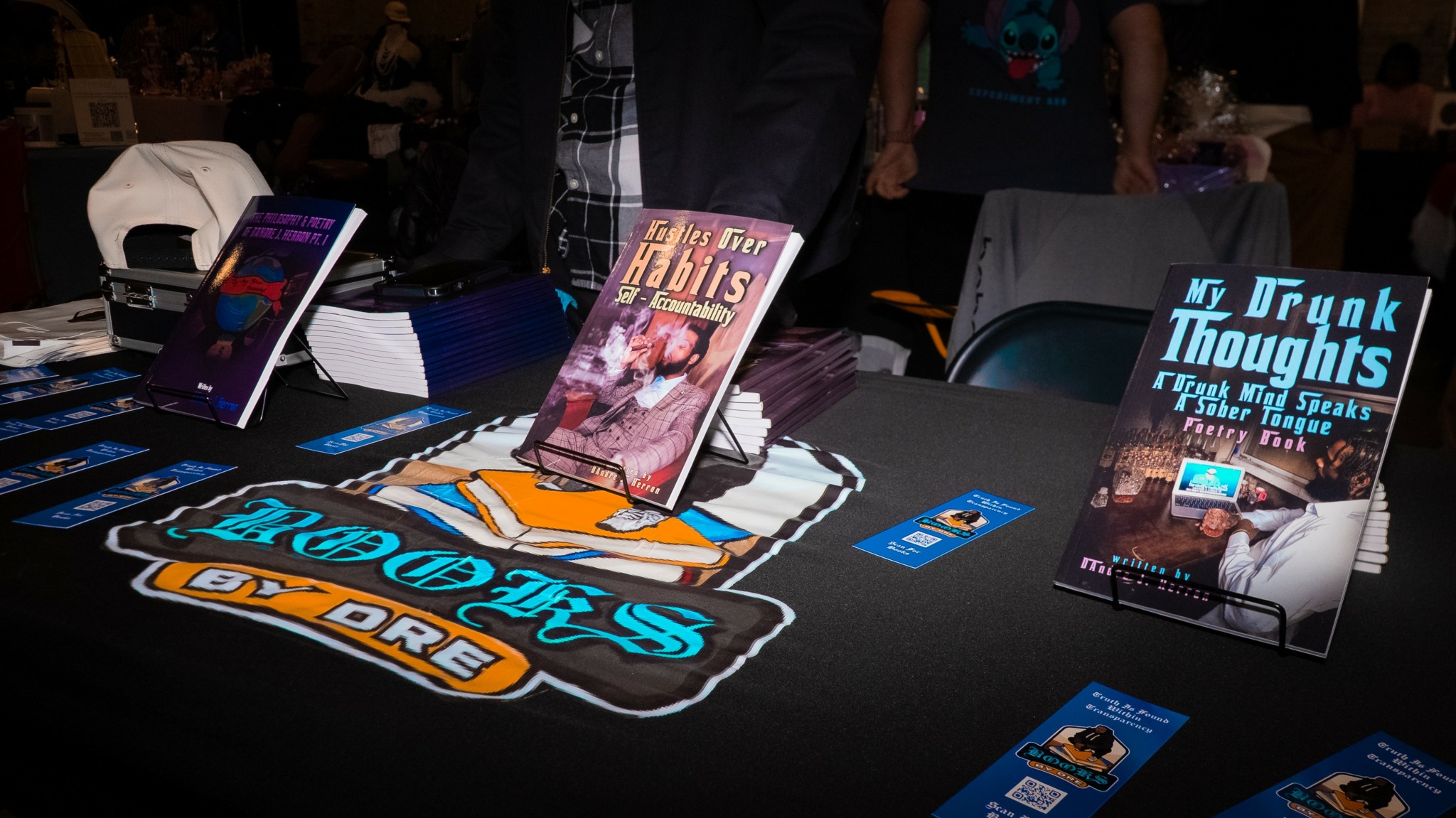
My book brand, “Books By Dre,” carries the slogan: Truth Is Found Within Transparency. That philosophy runs through everything I create. We live in a time filled with filters, personas, and false perceptions. My mission is to strip some of that away — both in myself and in my readers — and invite people to be honest about who they are, where they hurt, and what they want to become.
What sets me apart is not perfection or a straight path. It is the fact that my work is grounded in authenticity, spirituality, and lived experience. I started my tech company as a college student with no investors, no loans, and no shortcuts. I became an author by sharing parts of myself most people would hide. I want potential clients, readers, and supporters to know this: everything I create comes from a real place. My businesses and books are not just products — they are extensions of my growth and my journey.
I am most proud that I never stopped. Despite loss, depression, financial uncertainty, and starting over multiple times, I have continued to build. That resilience is the core of my brand. My work is for entrepreneurs, creatives, thinkers, and everyday people who believe in transparency, evolution, and the courage to design their own lives.
Can you share a story from your journey that illustrates your resilience?
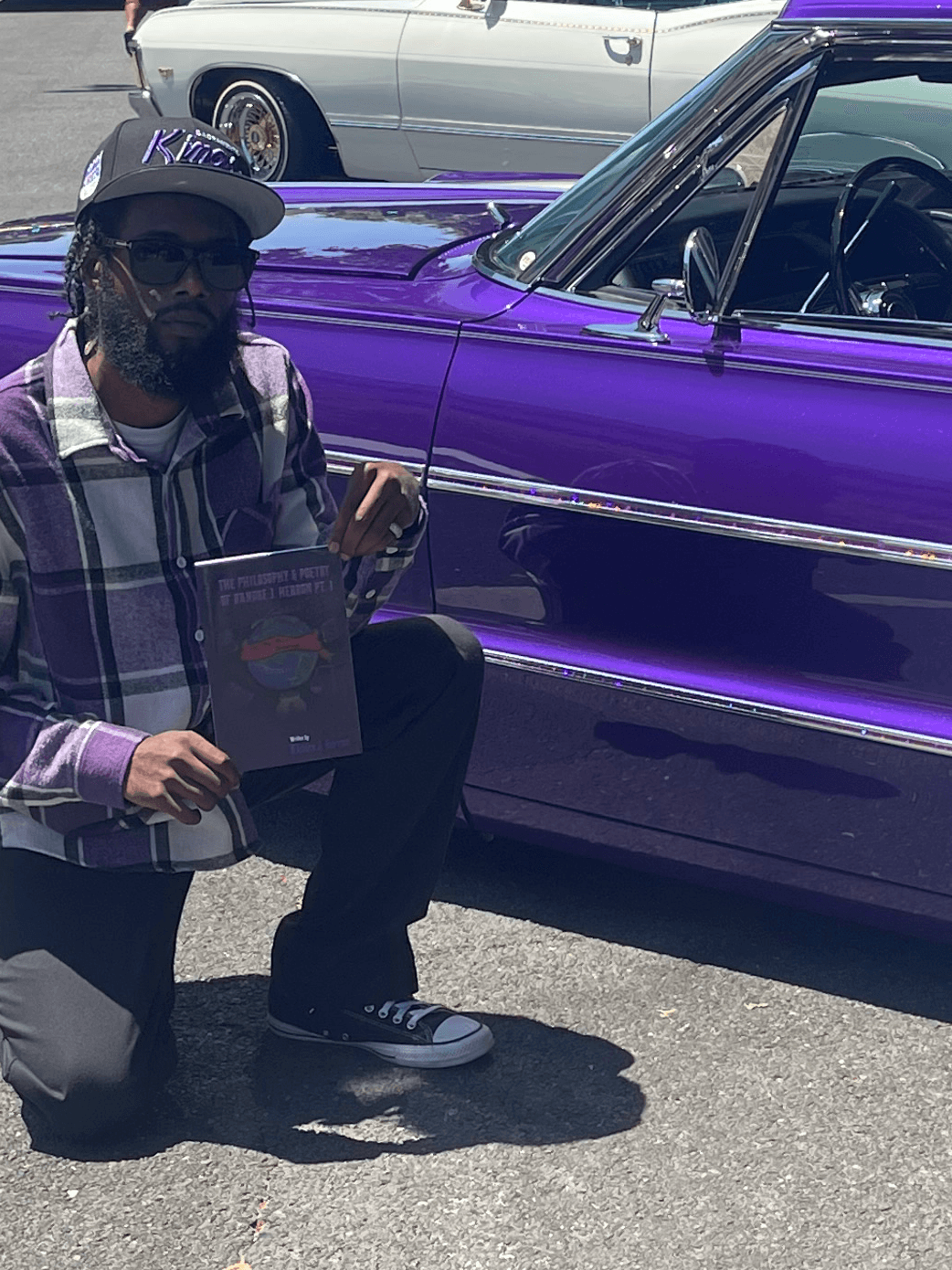
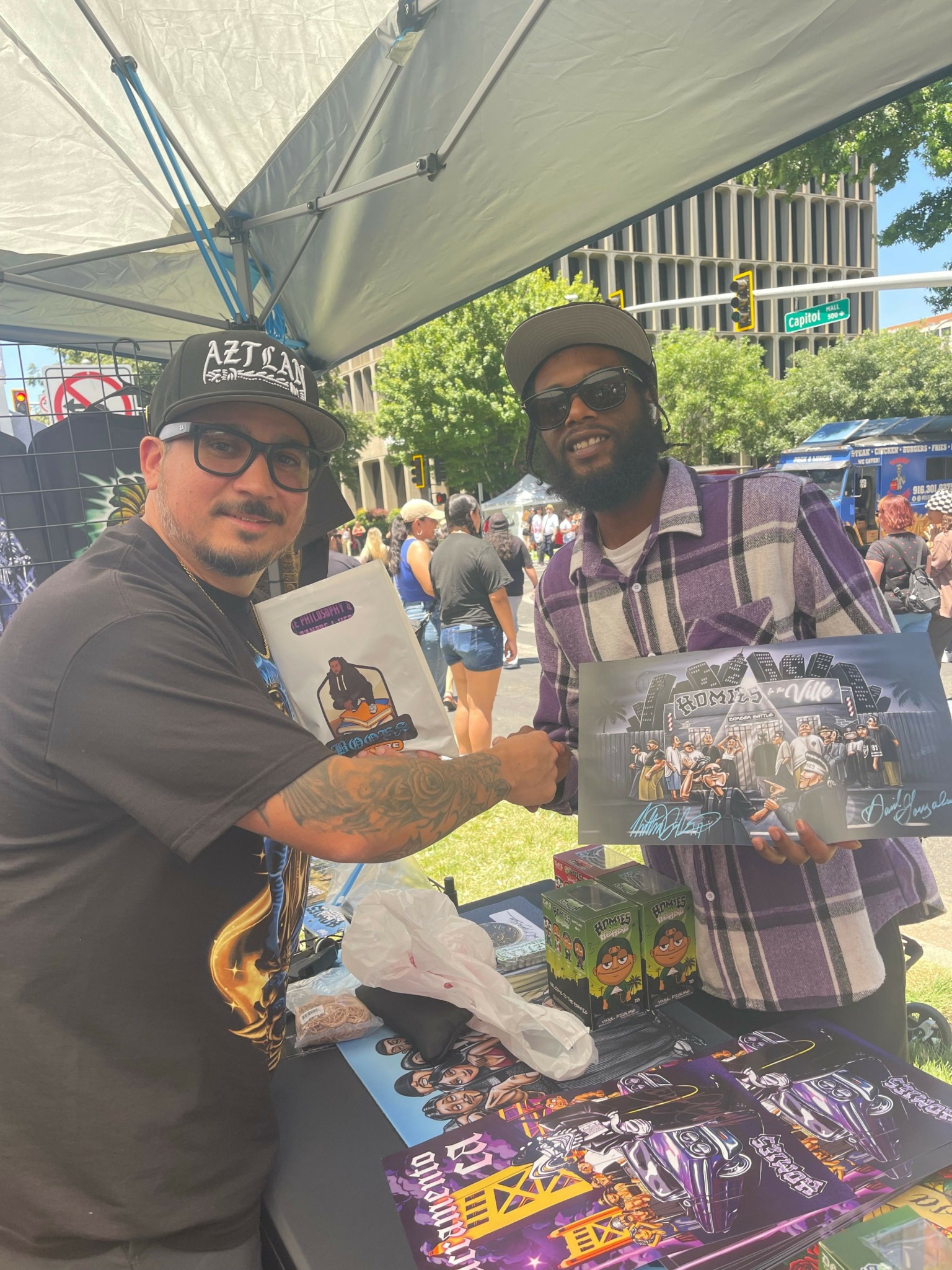
A defining story of my resilience comes from my first book tour, which I launched in February 2025. The tour lasted six months, and while it was one of the most important accomplishments of my life, it was also one of the most difficult periods I have ever experienced.
When I started the tour, I assumed that many of the people I had supported over the years would show up for me in return. I expected old friends, classmates, and people who once had constant access to me to be there — not necessarily to spend money, but to stand in the room and show love. Instead, I experienced the opposite. People who were once vocal went quiet. The support I thought I could count on disappeared just as quickly as the access disappeared. That realization was painful, and it forced me to confront expectations I had subconsciously built.
At the same time, the practical side of touring never stopped. I had to reinvest repeatedly in books, travel, marketing material, and brand accessories. There were moments where it came down to basic choices — reinvest in the tour or keep money for personal needs. My mother helped me when she could, and I am deeply grateful for that, but there were still many nights where the numbers didn’t add up and the pressure felt heavy.
There were multiple times where I genuinely considered quitting the tour. Not because I didn’t love my work, but because emotionally and financially it became exhausting. You start to ask yourself, “Is anyone really paying attention? Does this even matter?” That’s a very real place a lot of creatives and entrepreneurs reach but rarely talk about.
The turning point came when I realized something important: I was not touring for validation from familiar faces. I was touring because I believed in my craft, my message, and the path I am on. Every city, every bookstore, every small crowd reminded me that my responsibility was to the work itself — and to the person I am becoming.
Resilience, for me, was waking up on days when I felt defeated, packing my books, and still showing up to each tour stop with full energy. It was standing in rooms where I knew nobody and presenting like it was a sold-out event. It was choosing not to collapse into bitterness, but to mature.
That experience taught me that support is not always local, familiar, or loud. Sometimes resilience means letting go of who you thought would clap for you and learning to clap for yourself. It means honoring your vision even when you have every reason to stay in bed.
That tour didn’t just test my endurance — it clarified my purpose.
What’s a lesson you had to unlearn and what’s the backstory?
One of the biggest lessons I had to unlearn was the mindset of, “I’ll just make the money back.” That mindset was common where I grew up, and it was something I heard often in my early 20s. Money came and went, and as long as more was coming in, there was no urgency to save. I carried that mentality for years without realizing how damaging it was to my long-term stability.
As I matured, especially while running my business and funding everything myself, reality set in. Production does not always stay at the same pace. Sales slow down. Projects pause. Momentum shifts. I began to understand my lifestyle and responsibilities, and I realized that I needed real savings, not just confidence that “more money is coming.”
The backstory behind the change was simple but honest: there were moments when business slowed and I had no financial cushion. No loans, no investors, no guarantees. And I had to face the fact that when things stop moving, there is no one I can depend on financially. That realization created a different level of discipline in me — what I call “cold discipline.”
I had to learn how to say no. No to unnecessary outings. No to doing financial favors. No to situations that would drain me just to keep up appearances. I started asking myself a question before spending: “If I needed help tomorrow, would this person or situation help me back?” Most of the time, the answer was no — and that clarity saved me a lot of time and money.
Unlearning that old money mindset also changed how I view relationships. It helped me distinguish between people who are transactional and people who are genuine. When you’re not trying to impress anyone or spend to belong, you see clearly who values you for you. I don’t need to get anything from others, which allows me to build relationships based on real connection, shared values, and mutual respect.
Today, saving is part of my self-respect. It is not about fear — it is about preparation, independence, and responsibility for my future self.
Contact Info:
- Website: https://linktr.ee/dreherron58
- Instagram: DreHerron58