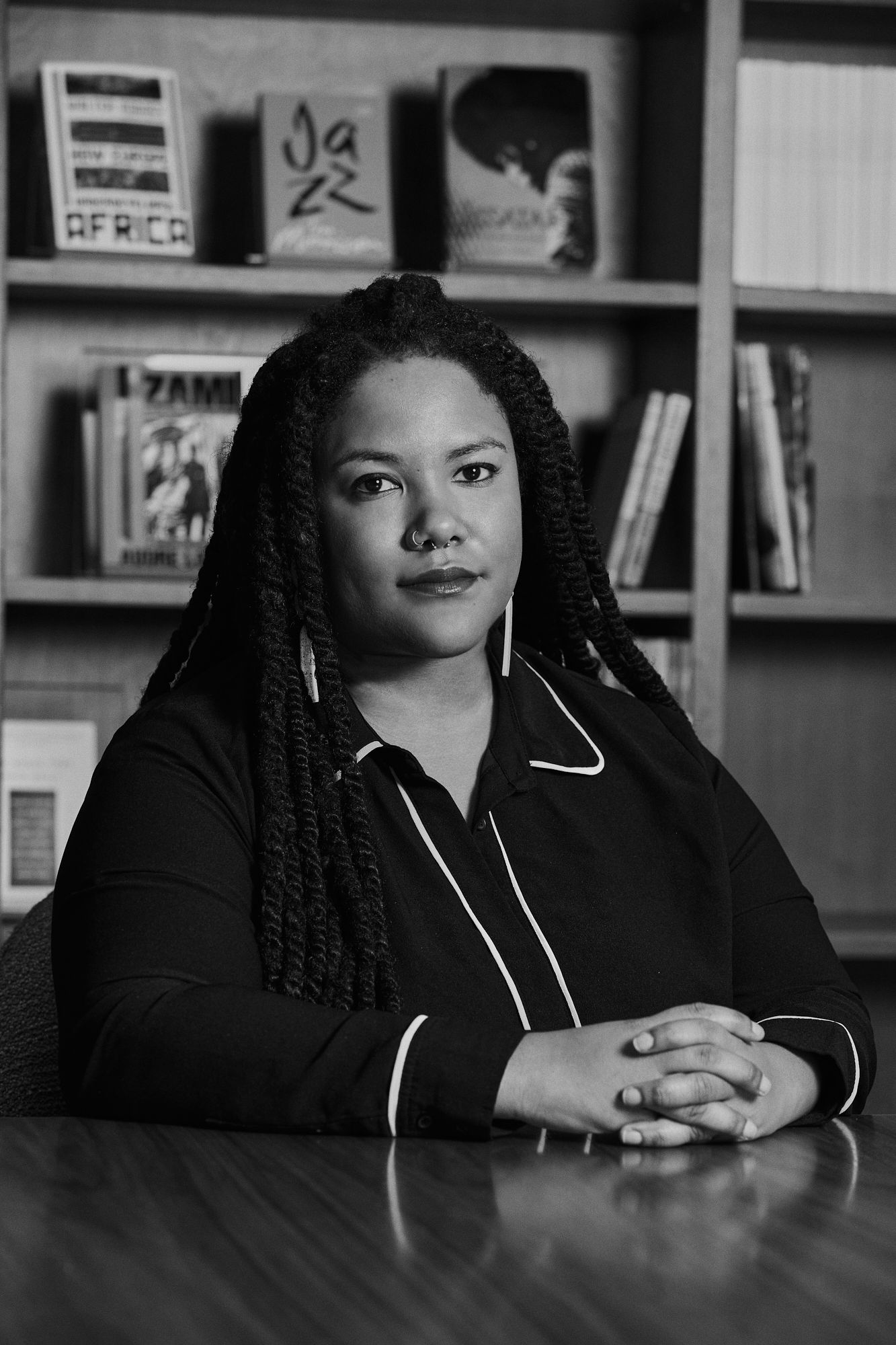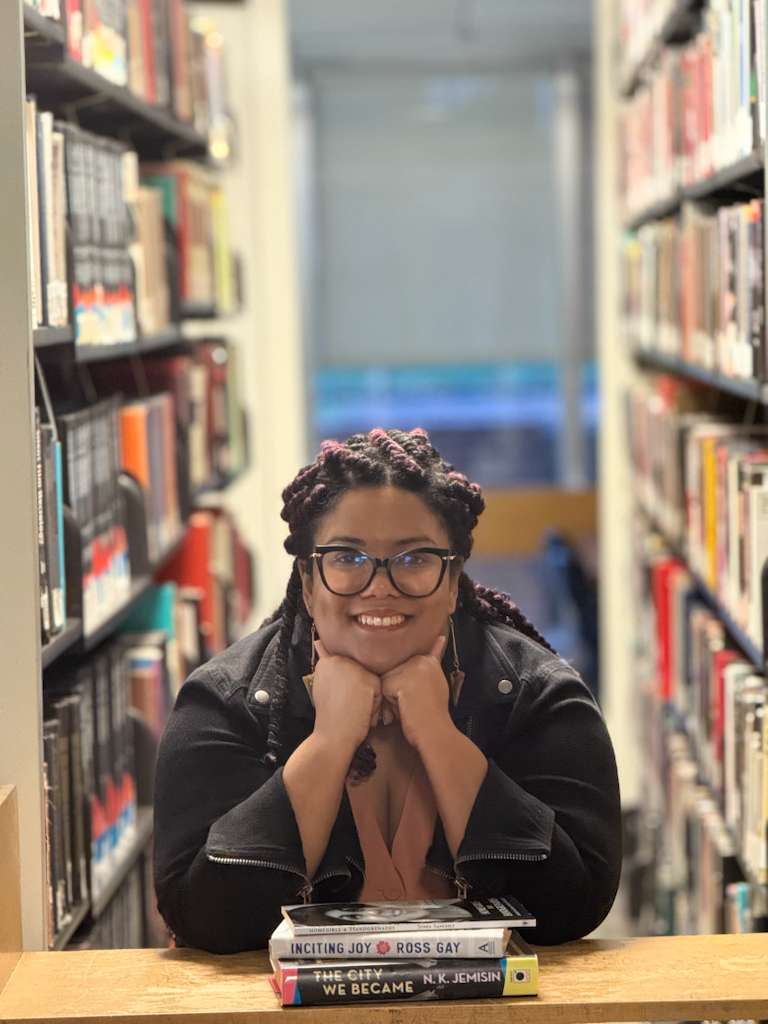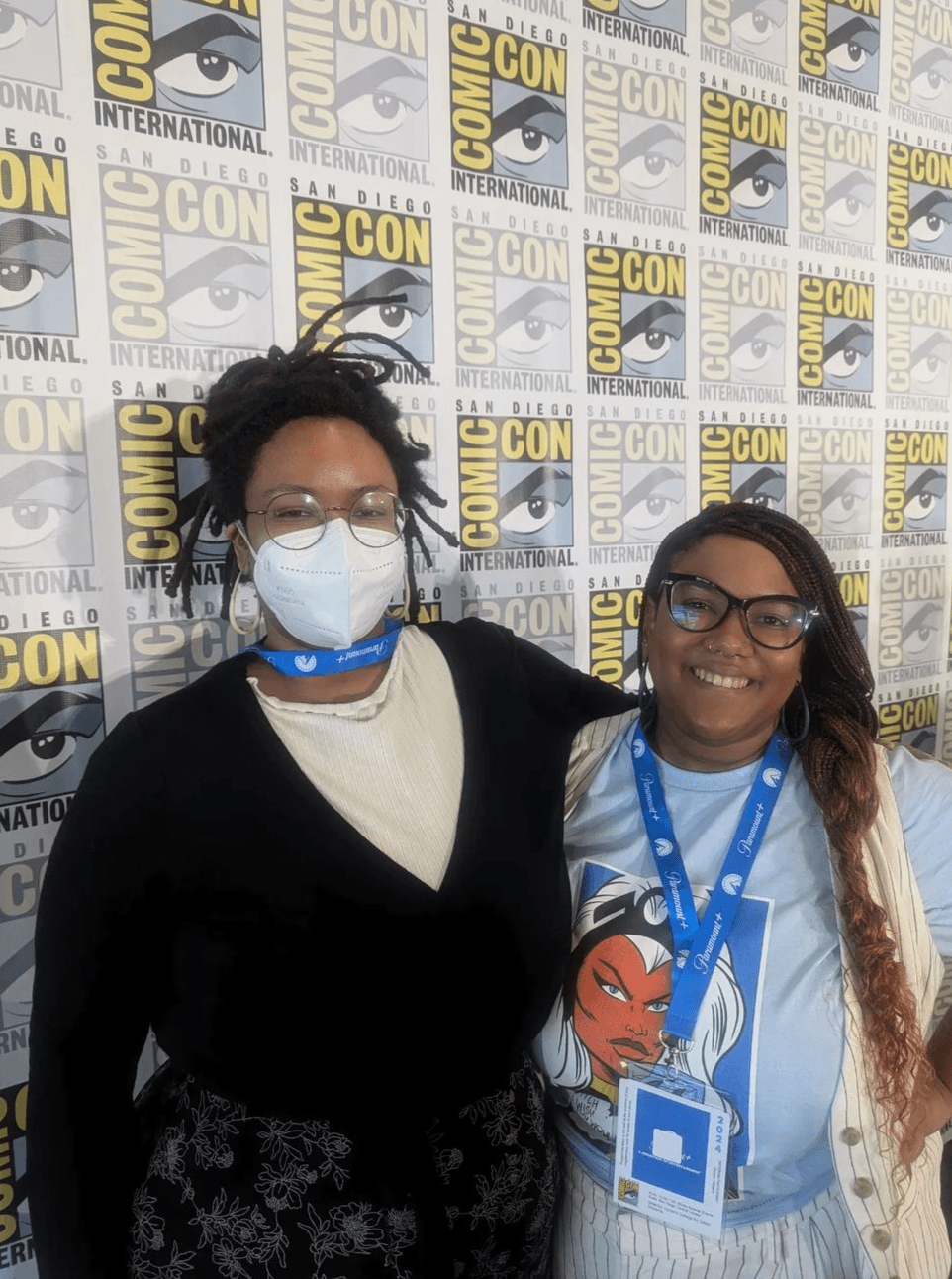

Alright – so today we’ve got the honor of introducing you to Geralyn Williams. We think you’ll enjoy our conversation, we’ve shared it below.
Geralyn , appreciate you joining us today. Can you talk to us about a project that’s meant a lot to you?
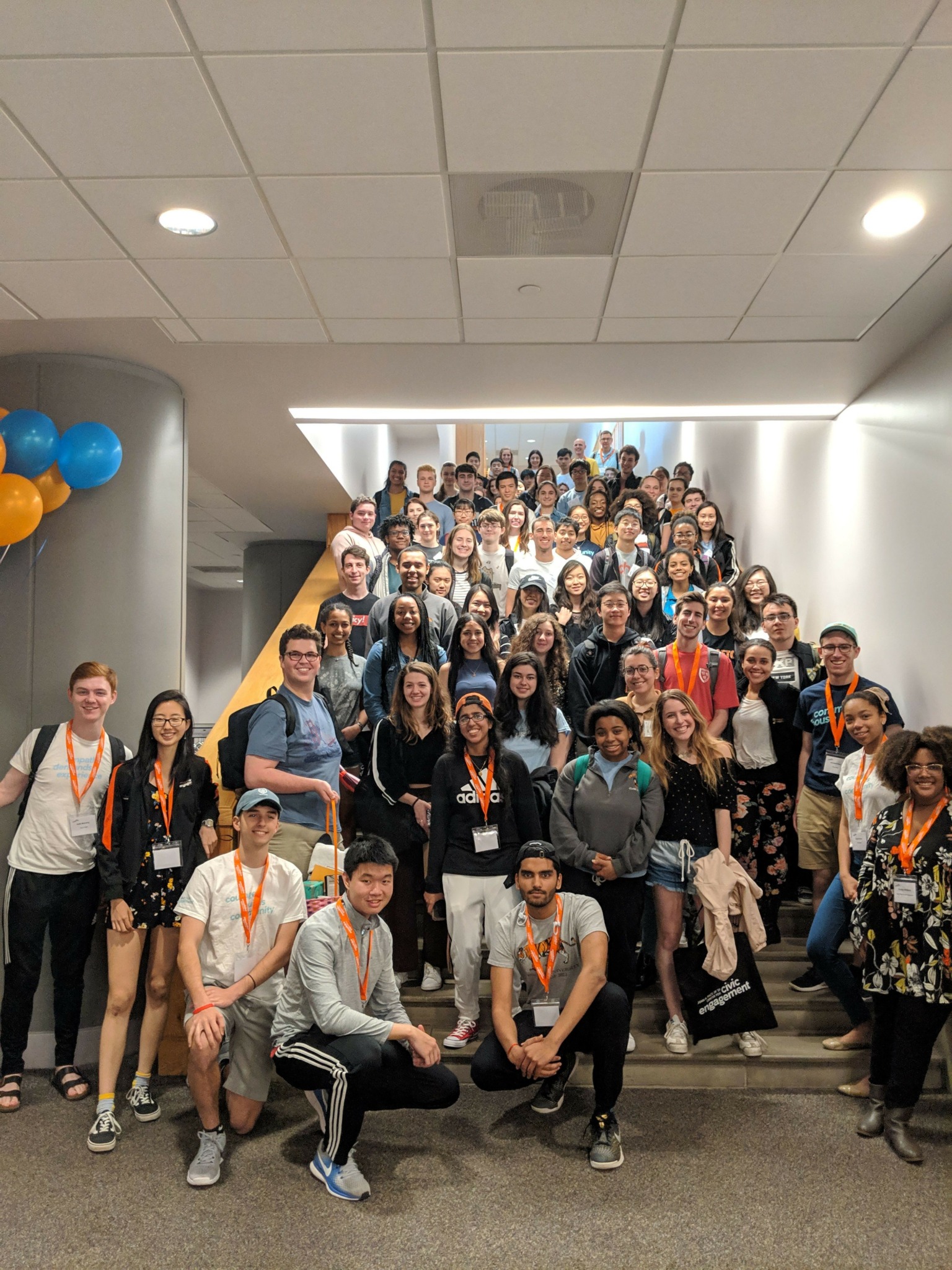
The most meaningful work I’ve ever done started at Princeton, where I mentored and advised our Activism & Advocacy Board and supported students who wanted to organize in real, grounded ways. My priority was always the community partners—the local organizers, advocates, and grassroots leaders who had been doing the work long before any of us stepped in. I made sure students weren’t “doing projects on communities,” but learning with them, following the lead of people who had lived the issues, and showing up with humility and intention.
Together, we worked on campaigns tied to clemency and incarceration, domestic labor rights, substance harm reduction, ESL and immigration support, Indigenous healthcare, and more. I built the curriculum, relationships, and political education tools that helped students understand the deep histories behind these issues and collaborate in ways that were genuinely supportive rather than extractive. Watching students realize that meaningful change only happens in community—and never in isolation—is what made the work so powerful for me.
A lot of that comes from my own family. I come from generations of public servants, educators, and people who poured into their neighborhoods. New Jersey is home, and growing up in the tri-state area taught me early what real community work looks like. My grandmother, who was the heart of our family, wasn’t professionally trained but still found time—between raising seven kids—to teach free community cooking classes and help families stretch their budgets with coupons, sales, and welfare resources. She shared what she knew because she believed knowledge should never be gatekept. That example shaped everything about how I move.
I’m a perpetual learner, historian, and part-time archivist at heart—and if there’s something important, something that could help someone, I want to make sure there’s a platform for it. That’s exactly what I’m building with the Plot Twist podcast. It’s my way of continuing political education and community connection through pop culture, storytelling, and humor. Whether I’m supporting a student organizer or breaking down a TV show, the mission stays the same: help people feel informed, connected, and ready to build the future alongside the communities they care about.
Awesome – so before we get into the rest of our questions, can you briefly introduce yourself to our readers.
I describe myself as a community and cultural historian, a storyteller, and someone who’s always been drawn to teaching — first through dance, then English, and eventually history. I studied history with a minor in art history focused on media and cinema, and later earned a master’s in organizational leadership and higher education administration. Growing up in New Jersey and then spending time in San Diego — in a border region with layered histories and identities — completely reshaped how I think about community, belonging, and care.
In my professional work, I designed programs that helped students and community members understand the issues they cared about and connect that knowledge to real organizing. I created curriculum, tools, and partnerships that supported work around clemency and incarceration, domestic labor rights, harm reduction, immigration and ESL support, Indigenous healthcare, and more. A core value for me was always making sure students were working with community partners — not acting on communities — and understanding the leadership, wisdom, and histories that already existed.
That commitment to solidarity organizing, mutual aid, and collective liberation still anchors everything I do. These practices feel essential for navigating the moment we’re in and the uncertain future ahead. They teach us how to care for ourselves and protect our neighbors — and they remind us that none of us has to build or survive alone.
Today, I bring that same purpose into my creative and consulting work. My podcast, Plot Twist, blends pop culture, Black history, cultural analysis, and political education. It’s a space where I break down the media we love while talking about power, memory, identity, and the world we’re all trying to make sense of. I want the show to feel like sitting down with a brilliant, slightly nerdy friend who can connect Beyoncé to global politics without losing the humor or joy.
My platform, Nerdy Neighborhood Historian, expands that work through community-centered storytelling, media breakdowns, and educational guides. I also consult as a community relationship architect — helping organizations build partnerships, programs, and internal systems that are ethical, relational, and grounded in community needs — and I guest lecture on storytelling, leadership, culture, and social change.
What makes my work different is the way I move between educator, archivist, strategist, and creative. I care about accuracy and lineage, but also about joy, curiosity, and accessibility. I want people to learn without feeling lectured, to care about justice while still loving fandom, and to feel connected to something bigger than themselves.
How about pivoting – can you share the story of a time you’ve had to pivot?
One of my biggest pivots was realizing that my work didn’t have to stay inside a classroom, campus, or formal program. For years, I thought my impact had to look like curriculum, workshops, and structured leadership roles — especially around political education, community engagement, and social systems education. Leaving that environment forced me to ask a different question: How do I continue this work in new ways that still honor my purpose?
The pivot was also believing that people would actually be interested in what I had to offer outside of an institution. It took time to trust that my voice, analysis, creativity, and community-centered approach could stand on their own. That shift is what led me to build Nerdy Neighborhood Historian and launch the Plot Twist podcast. It’s the same mission: political education, social systems literacy, community connection, and cultural analysis; but delivered in a way that feels more honest to who I am now, and more accessible to the people I want to reach.
Are there any resources you wish you knew about earlier in your creative journey?
I wish I had known earlier how many free or low-cost tools exist to support creative work, political education, and content creation. The Anarchist Library opened up an entire world of accessible theory, community organizing resources, and political writing. It completely changed how I build syllabi, guides, and episodes.
Tools like Notion, Google’s project management templates, and Google Keep would have saved me years of scrambling. They make planning, tracking ideas, and organizing content so much easier, especially when juggling research, creative work, and consulting.
On the design side, Canva has been a huge gift, especially for building my Nerdy Neighborhood Historian visuals, podcast assets, and educational guides. And something as simple as a writer’s notebook has become essential. When you’re building a creative practice, capturing ideas the moment they show up matters more than people realize.
If I had known about these tools earlier, I would’ve felt far more empowered to step into my creative and entrepreneurial work with clarity instead of hesitation.
Contact Info: