

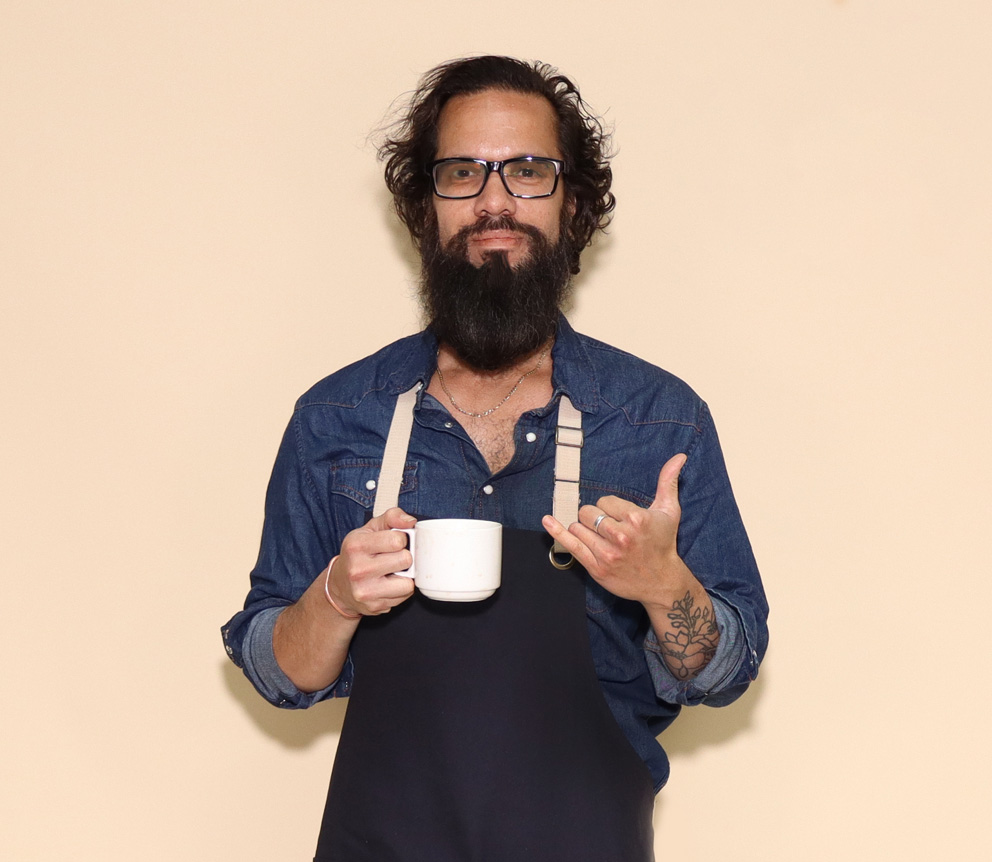

We caught up with the brilliant and insightful Keala Ramos a few weeks ago and have shared our conversation below.
Keala, looking forward to hearing all of your stories today. Can you talk to us about a risk you’ve taken – walk us through the story?
I’ve taken many risks in my life from coming out of the closet, to leaving the island where I was born to attend college in California, to leaving California for New York City. But one of the biggest, if not the biggest, was abandoning the safety of my job to start my own business while still pursuing my art. My artistic self and my business self are married, even though most people think you have to choose one over the other. To understand how I eventually started my own business, I can trace it back to my relationship with music and starting my band, The Nervous Breakdowns.
After moving to San Francisco for art school, I was determined to push my boundaries. I had been doing art my entire life, and I was already out of the closet, but the city offered something my island home of Oʻahu never could. After graduating high school, I immediately began learning guitar. As a shy outcast, playing in a band had always been a secret dream. I began learning with another girl from my graduating class, who became my best friend but college took me away. Still, I kept practicing, eventually learning songs and even busking on the street. Sometimes people dropped money into my tip jar, but the real achievement was that I had the courage to do it at all. It showed how quickly I was evolving.
After learning some cover songs, I began writing my own. Eventually I realized I needed to start a band but I didn’t have any bandmates. I wanted to play shows, but I had no idea how to get one. I put ads in the local weekly paper with no results. So I began asking people I knew. They weren’t musicians just friends. My roommate, who went to a lot of shows with me, said he used to know a little guitar. A classmate told me she played keyboard; I asked if she could play drums and she joked, “Sure, why not?” Then my roommate’s classmate mentioned how much she loved watching bass players at shows, so I asked if she would buy a bass and join the band if I taught her. Somehow, they all agreed.
We started practicing in my living room. Then in a friend’s kitchen, then a garage, and eventually a rehearsal space. The next challenge was finding a show. No one would book us—not because we were amateurs, but because we didn’t fit in. We were too loud for indie rock and too indie for punk. And with a name like The Nervous Breakdowns, we fully lived up to the irony.
So I decided we would play at the same spot where I used to busk: the doorway of a hardware store in the Castro, the queer district of San Francisco. I chose Halloween for our debut a night when massive crowds fill the streets and because I planned to dress as my guitar hero, Courtney Love. I upped the risk not only by performing with a generator and no permit, but by doing it in drag with a group of total beginners. I still think about what it took to pull that off: hauling equipment, arguing with cops, surviving the chaos of the crowd. But what happened was unforgettable clapping, cheering, raised eyebrows, people covering their ears, laughing, jeering, and cheering again. We kept performing like this for years until we didn’t. And that was The Nervous Breakdowns.
Years later, after moving to NYC and continuing to play music, I stumbled upon old videos from that era (2000–2005). I was instantly pulled back in. I contacted my old drummer from film school who had since become a producer—and we met at a bar in San Francisco. We decided this story should be a feature documentary. Where would we get the funding? She suggested Kickstarter.
At the time, I was managing a coffee shop in Brooklyn. Although I was well known in the neighborhood, my boss wasn’t treating me well. I wasn’t getting raises, praise, or even time off. So I decided: I’m going to make this film, and I’m going to start my own business. It felt impossible, but the call to action was there. It was exactly what I had studied in film school the hero’s journey. I had “received the call,” and no matter the risk, I had to answer it.
So I gave my notice, started my film, and started my business. As you’ll see in the next pages, the same way I started my band with all my limitations, I started my business with my limitations too. I turned those limitations into my brand.
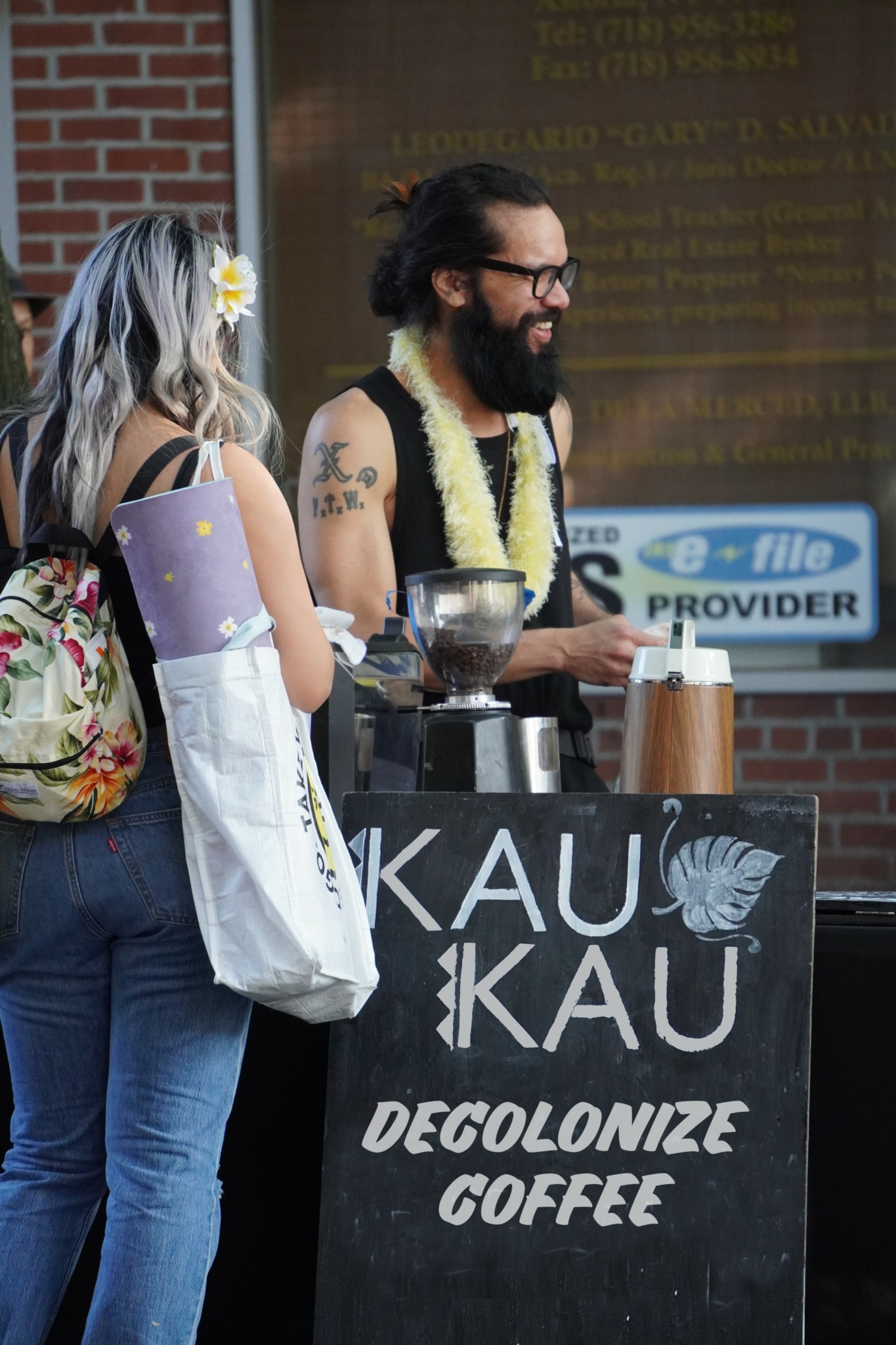
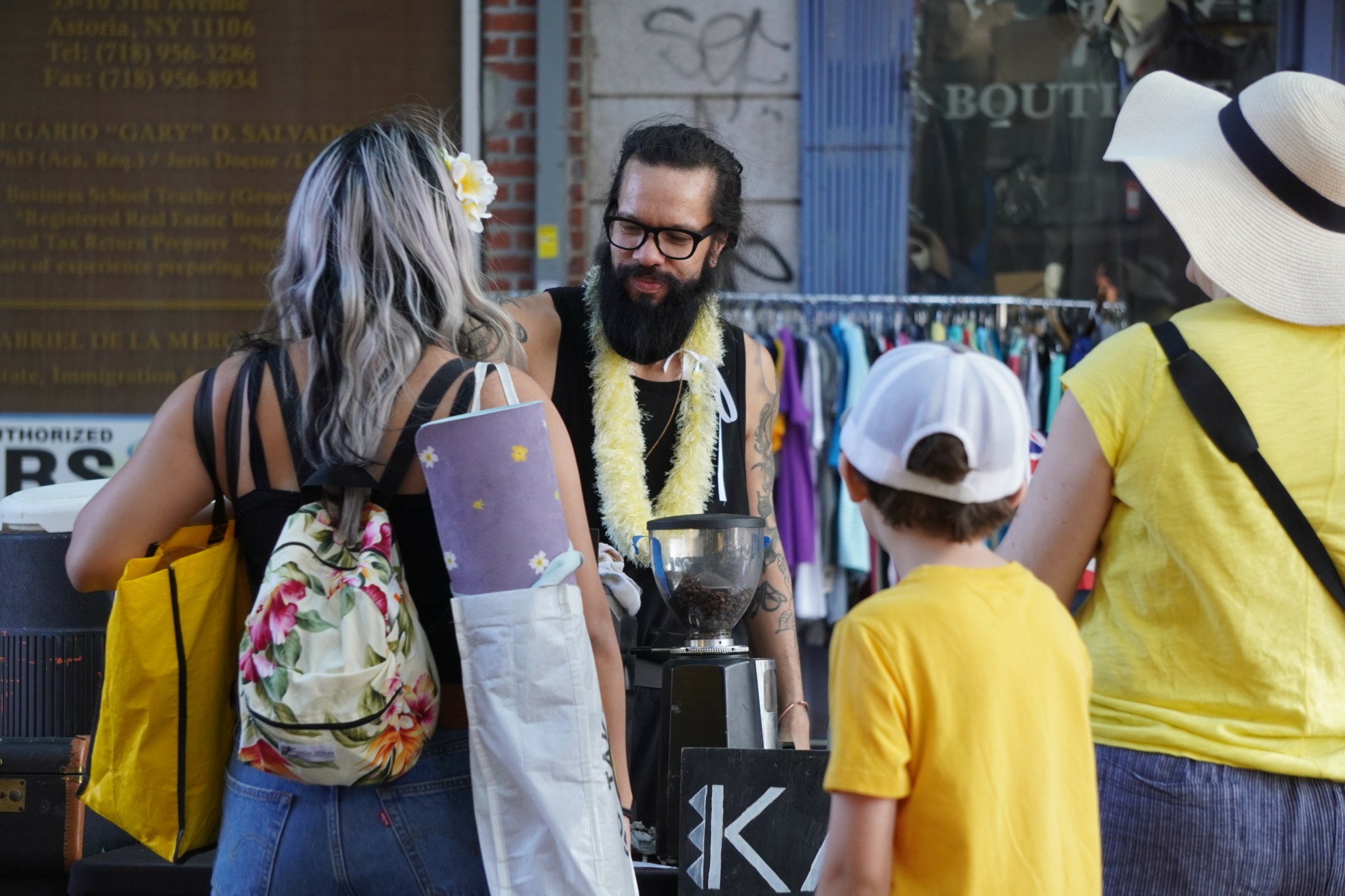
Keala, love having you share your insights with us. Before we ask you more questions, maybe you can take a moment to introduce yourself to our readers who might have missed our earlier conversations?
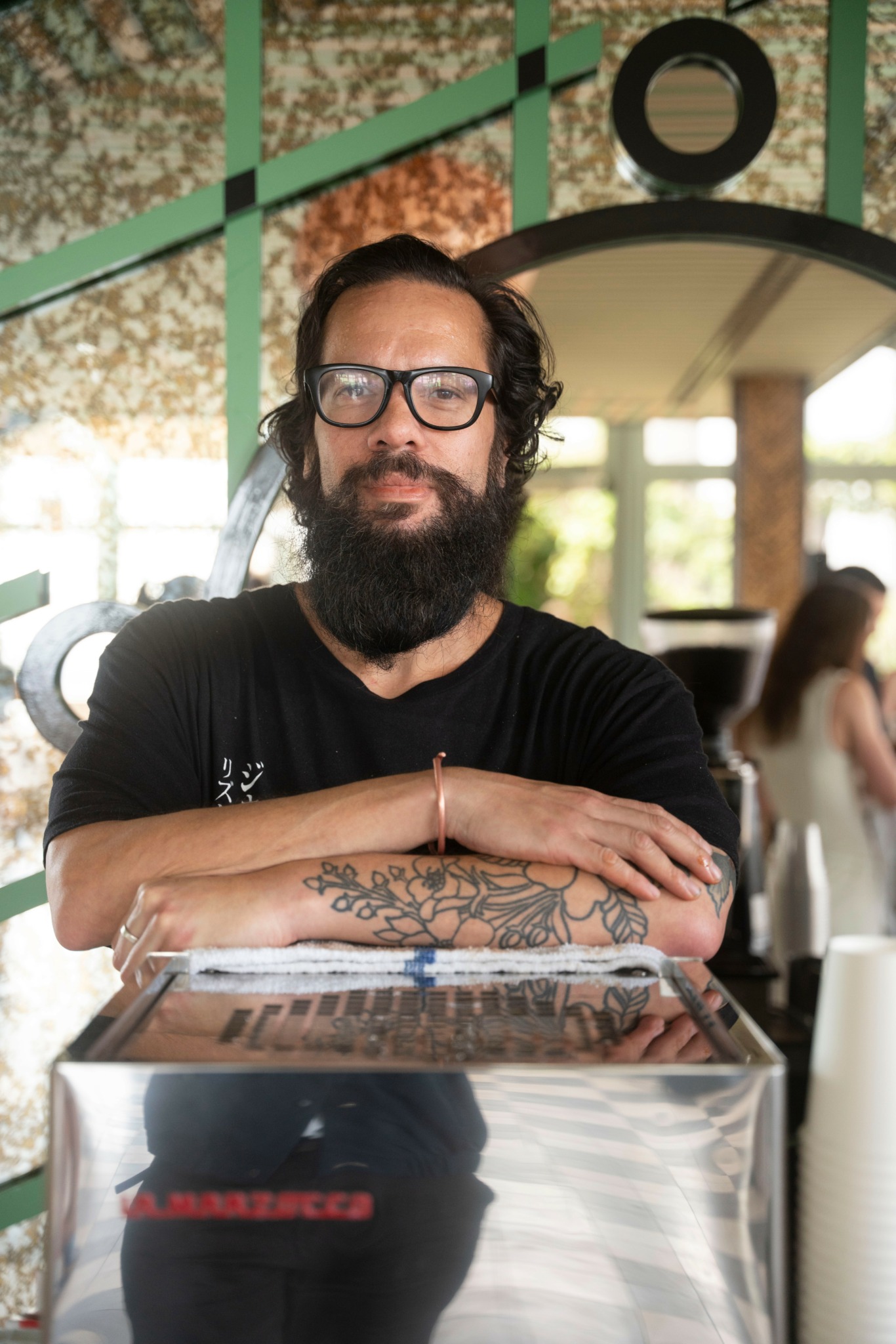
I got into the coffee industry when soon after I moved to NYC. After about a year of searching for a decent job and working as a temp I realized the years I spent working at a record store would not pay off in 2007. Record stores were small and not hiring and the money wasnʻt that great. What I loved about working in record stores (I worked at an amazing, massive record store called Amoeba Music in San Francisco) was being around other creative types like myself. Lots of us were in bands or in each others bands and we supported each other. While searching on craigslist I saw an ad looking for a barista. I thought to myself whatʻs the next. place I would find a creative type outside of the record store and it dawned on my the cafe was the next place I would go. Problem is I love coffee but I donʻt know how to make all those fancy drinks. However, this ad said no experience necessary and willing to train the right person. So I set up an interview and brought my resume and by the following week I was a barista in training the iconic West Village in NYC.
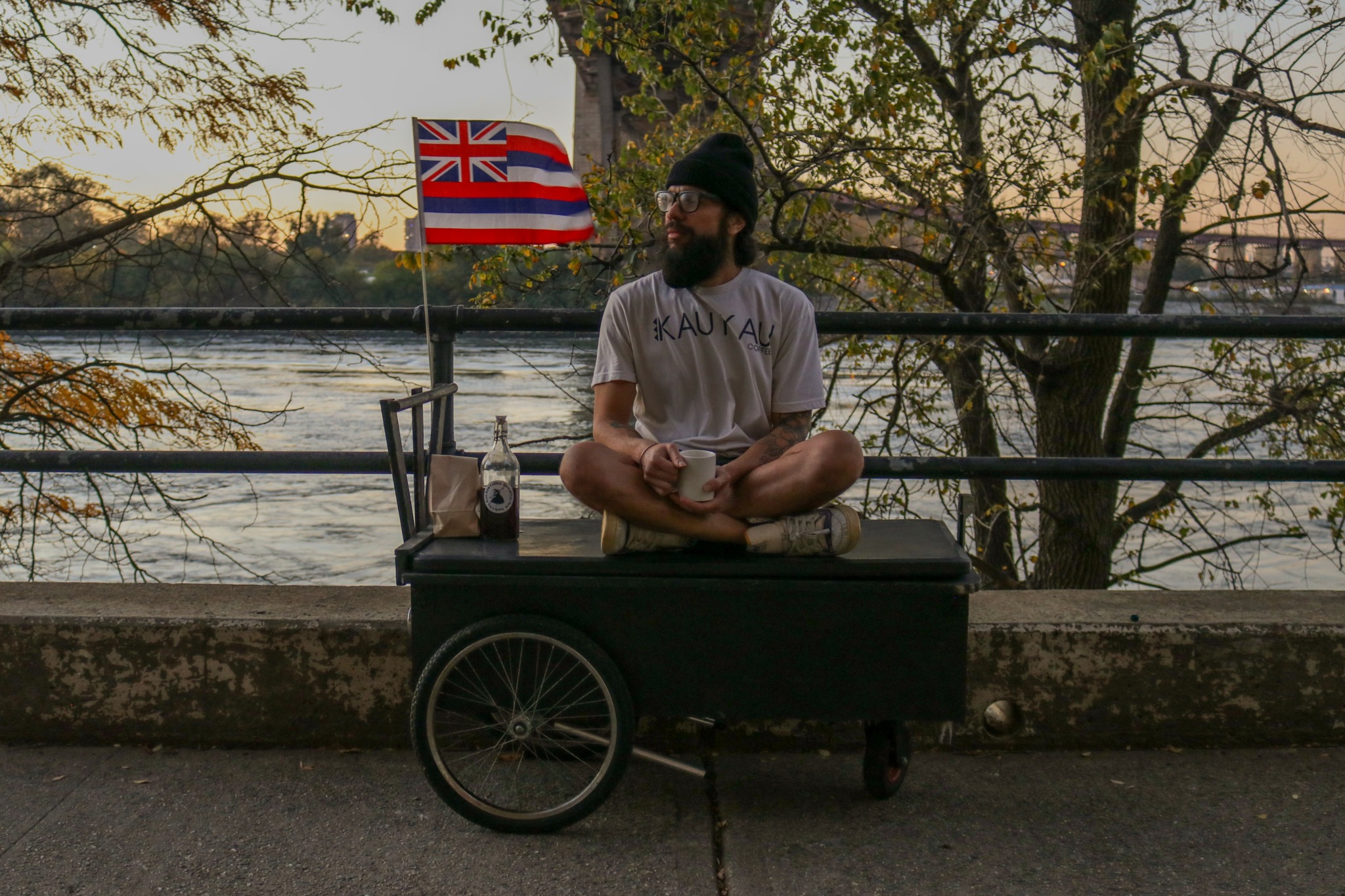
Let’s talk about resilience next – do you have a story you can share with us?
The first place I thought I would start my business was in a small space inside a vintage store. I knew the owners—a couple who had suggested that when I launched my business, I could set up inside their shop. It was close to the job I was leaving, and I had earned the support of many regulars in that neighborhood. The feeling was that people would follow me down the street. Everything seemed so promising; this was supposed to be my springboard into business.
But nothing was what it seemed.
Almost no one from my old café came to the vintage store to see me, and the owners wouldn’t allow me to style my area the way I wanted. It conflicted with their “look.” Things fell apart quickly. I had no friends who understood what I was going through they weren’t entrepreneurs or like-minded in that way, so it wasn’t their fault. But it was scary and lonely. Worse, the store owners began gaslighting me into staying.
With very little money to start with, I was forced to figure out daily how to keep going. I analyzed my finances and costs, and when I looked at the rent they were charging me combined with all their limitations it didn’t seem worth it. Because I was already connected to the area as a former local business manager, and had built a community through coffee, I set up a meeting with the head of the city’s local business office. I learned that the vintage store’s lease was about to expire and they were likely facing a major rent increase. Suddenly, it all made sense: they hadn’t pulled me in to support my business they wanted me there to help offset their rising costs.
That was my first real business lesson: you simply can’t trust just anyone, but you do need people you can trust.
I didn’t know what to do, and I had no one to ask but myself. So I turned to what I do best when I serve coffee and connect with people I talked to everyone. Eventually I found myself speaking with one of the business owners who used to buy coffee from me, someone who ran my favorite bar about a mile away. I confessed my stress, my rent, and the risks I was taking. Almost instantly, she told me the rent I was paying for that space and that neighborhood was far above market rate.
It became clear I needed to get out as soon as possible. Thankfully, I had never signed the lease. But then I had to figure out what to do with all my stock cups, lids, coffee, the coffee maker. Was I supposed to cram everything into my tiny Queens apartment? Store it somewhere? And how would I keep my brand alive?
That’s when the bar owner stepped in. She said, “Bring your stock here. Store it in my basement with ours.” Then we realized the bar’s front window opened outward. “Maybe you can open the window in the morning since we’re close and serve coffee out of it.”
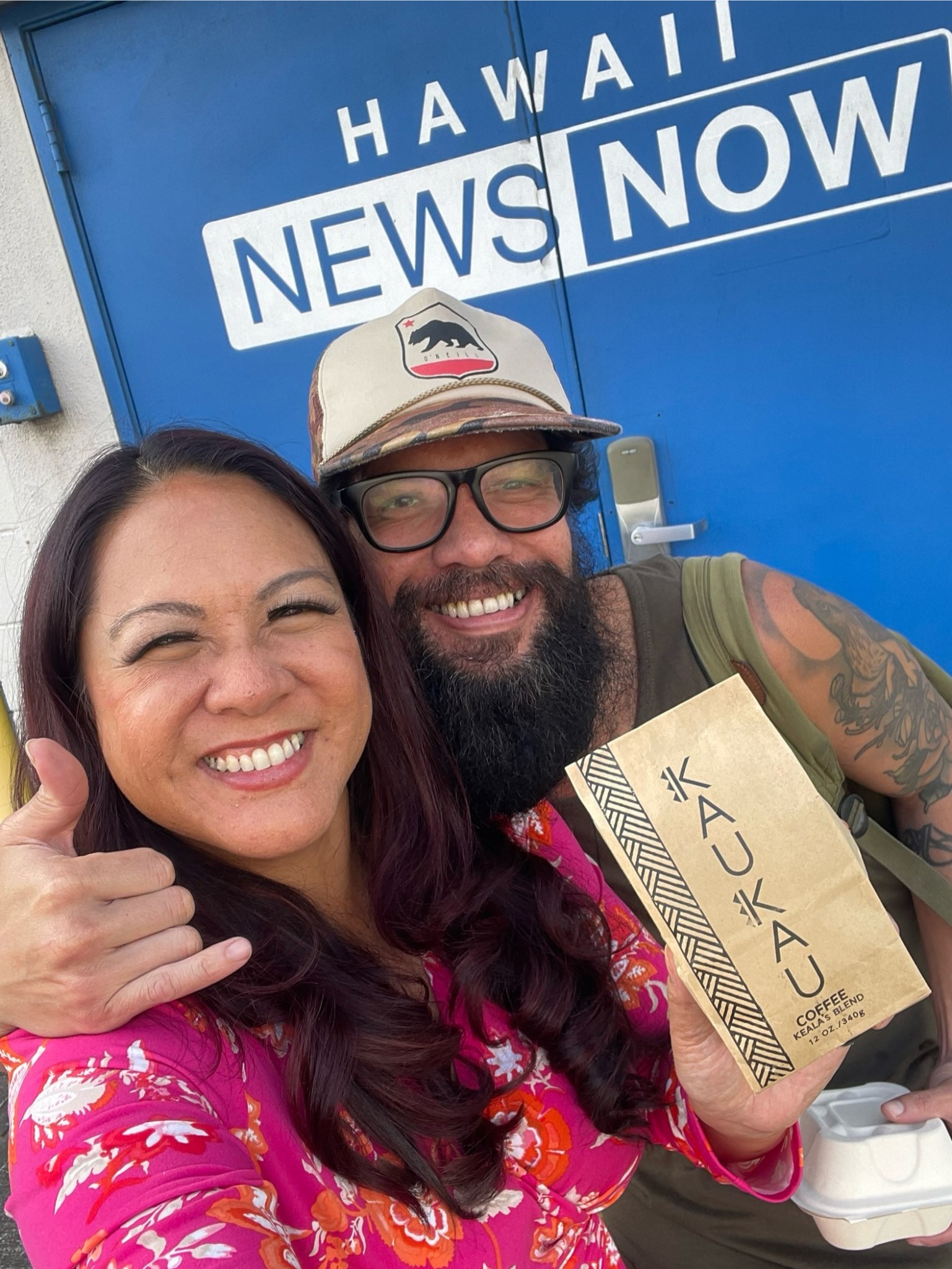
And from there, Kau Kau prevailed.
What do you think helped you build your reputation within your market?
Showing up.
I connect with people in person, not online. I thrive on real conversations, and people respond to that. So I refocused on my own neighborhood in Queens instead of Brooklyn. Why was I trying so hard to fit into Brooklyn when I’m based in Queens? Why does Brooklyn get all the attention? I realized I’m the underdog and I needed to own that.
All the ways I didn’t “fit in” were actually my advantage. I’m from Hawaiʻi, and so is my brand, my coffee, my vibe and my borough is Queens. I had to stop trying to fit in somewhere else and start from where I truly come from.
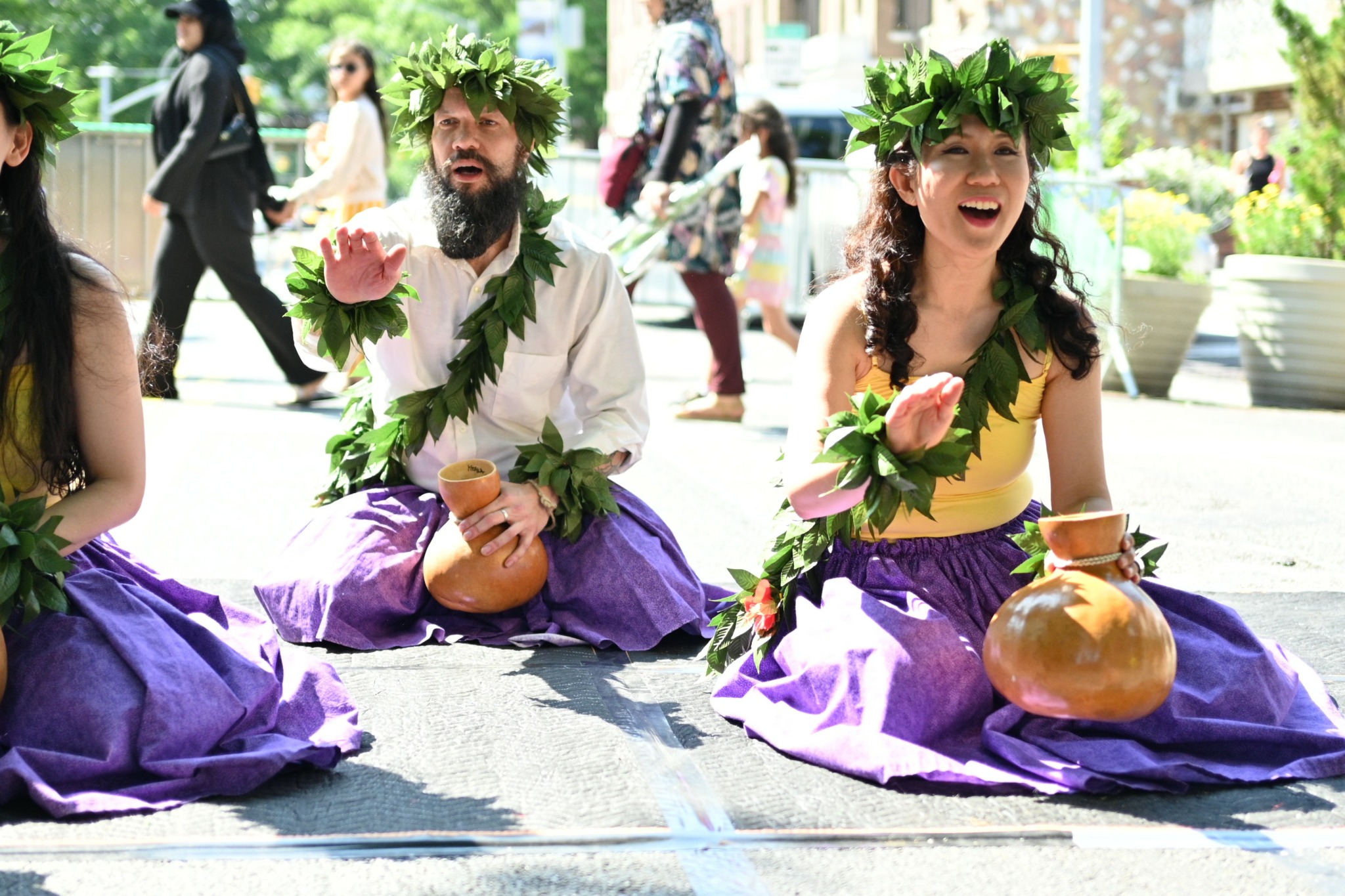
So I began doing street pop-ups legally or not.to sell my coffee. And from that hustle, I built a community. Today, I host an annual Hawaiian street fair in Astoria, Queens, where I curate and present local vendors, new entrepreneurs, and Hawaiian culture. People get to experience real hula and learn about Hawaiian traditions right here in Queens, NYC.
Contact Info:
- Website: https://www.kaukaucoffee.com
- Instagram: www.instagram.com/kaukaucoffee www.instagram/thenervousbreakdowns
- Soundcloud: https://soundcloud.com/thenervousbreakdowns
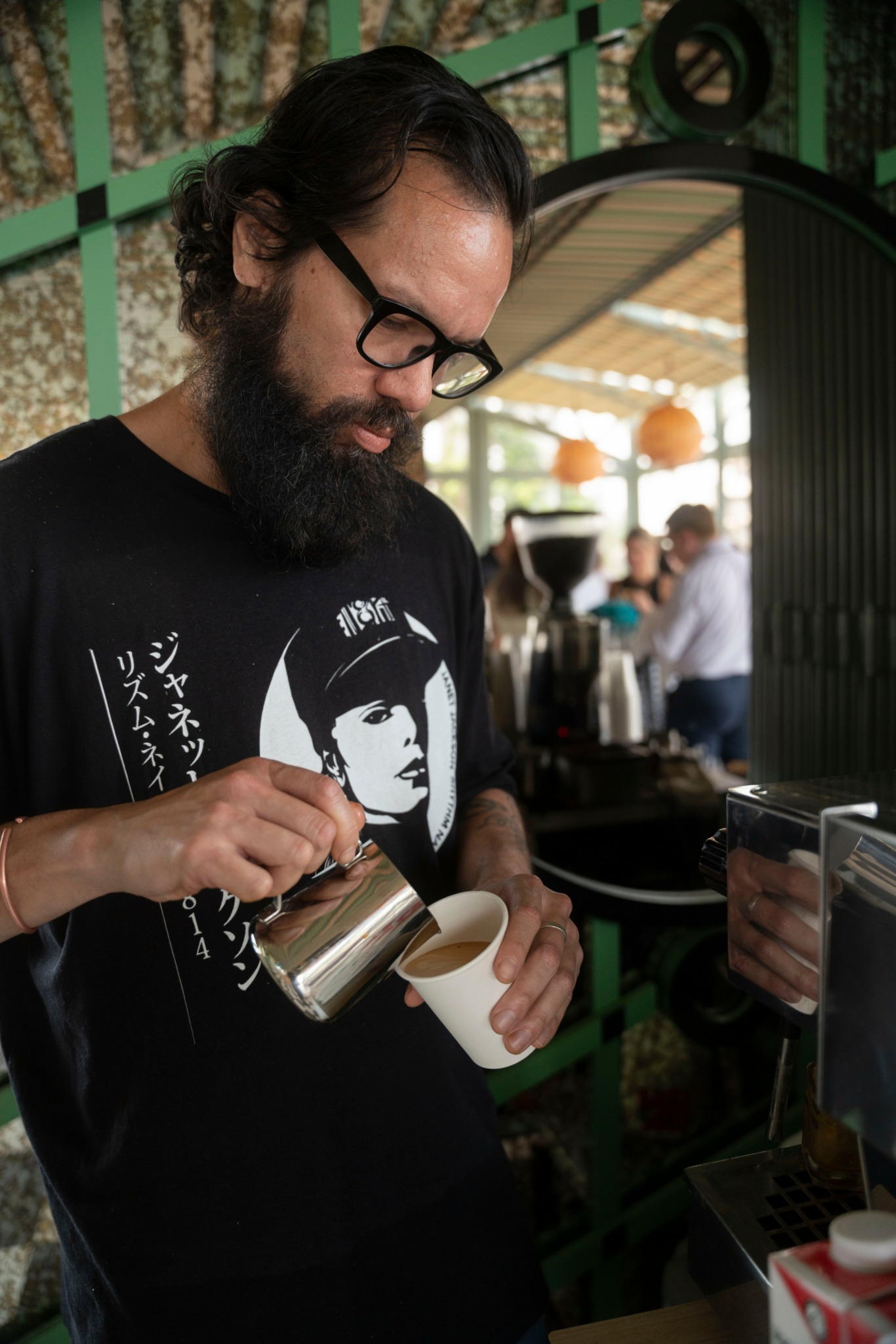
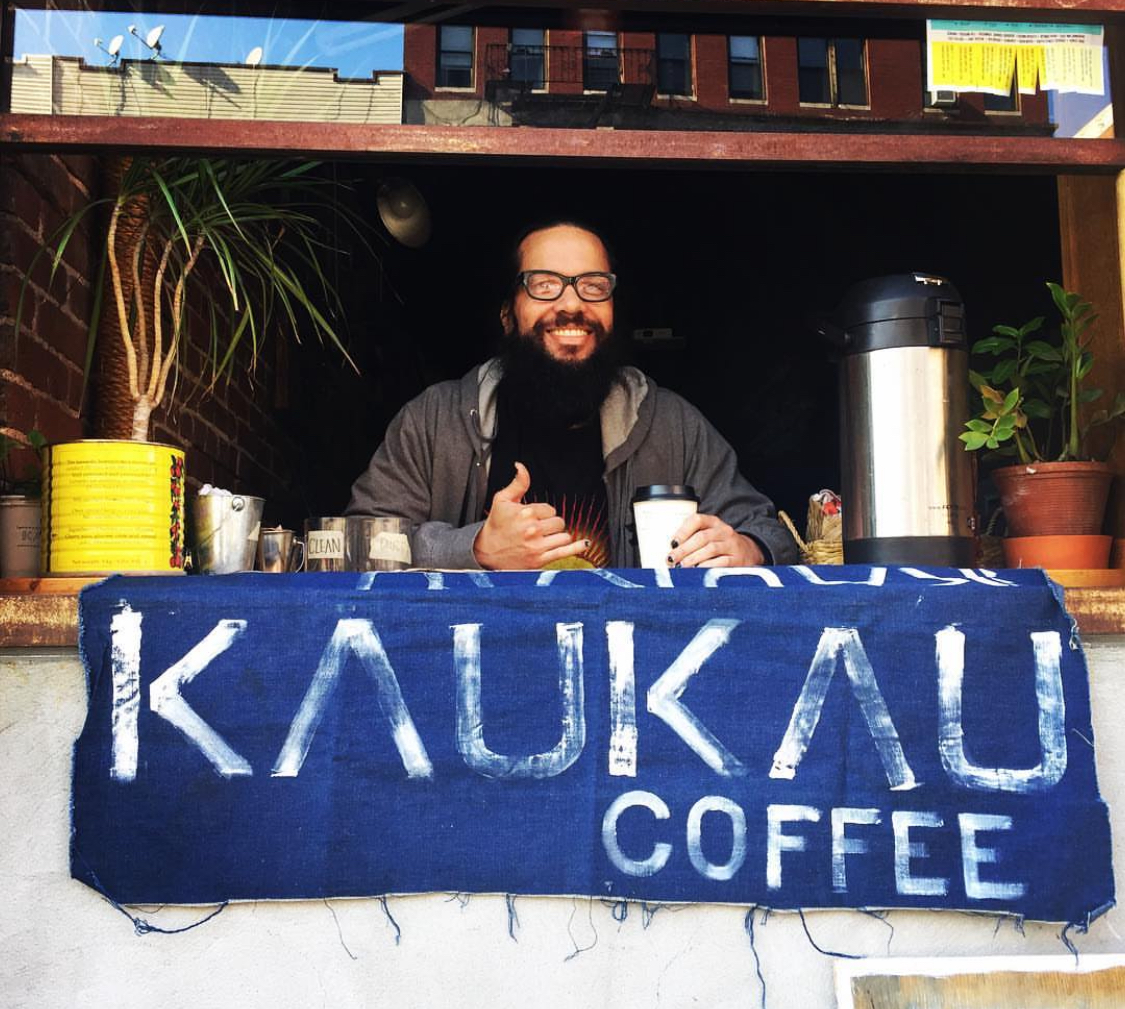
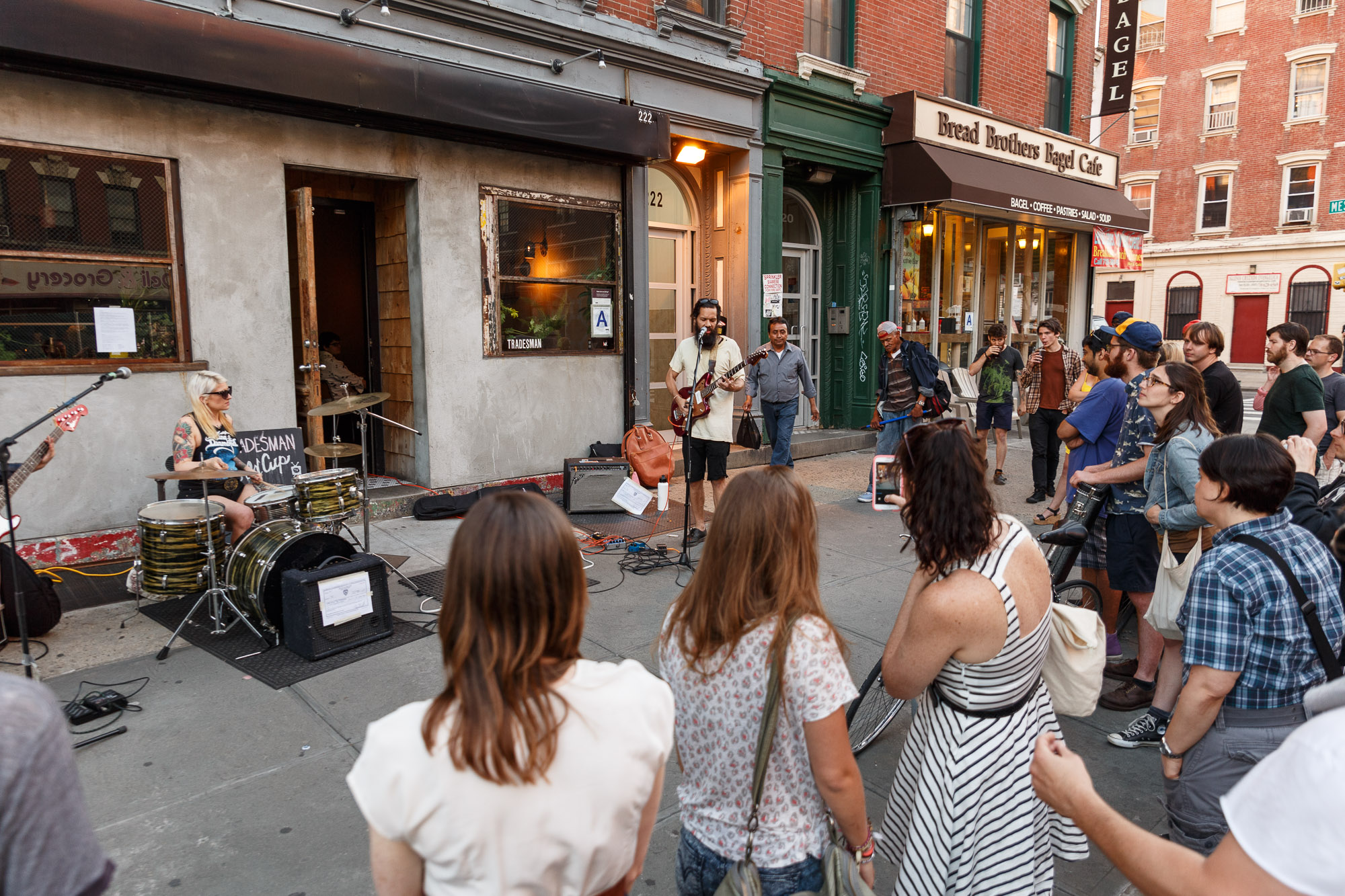
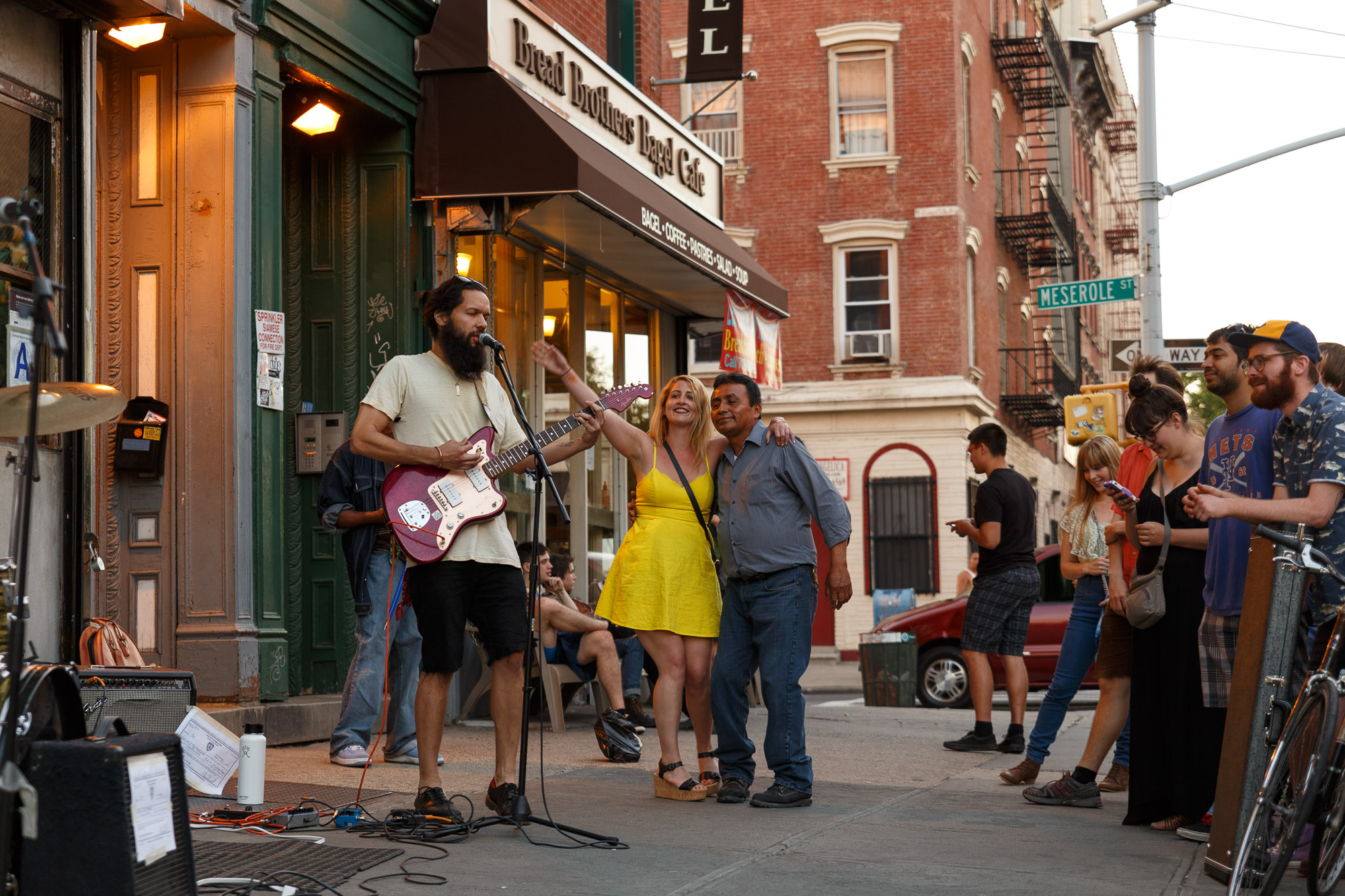
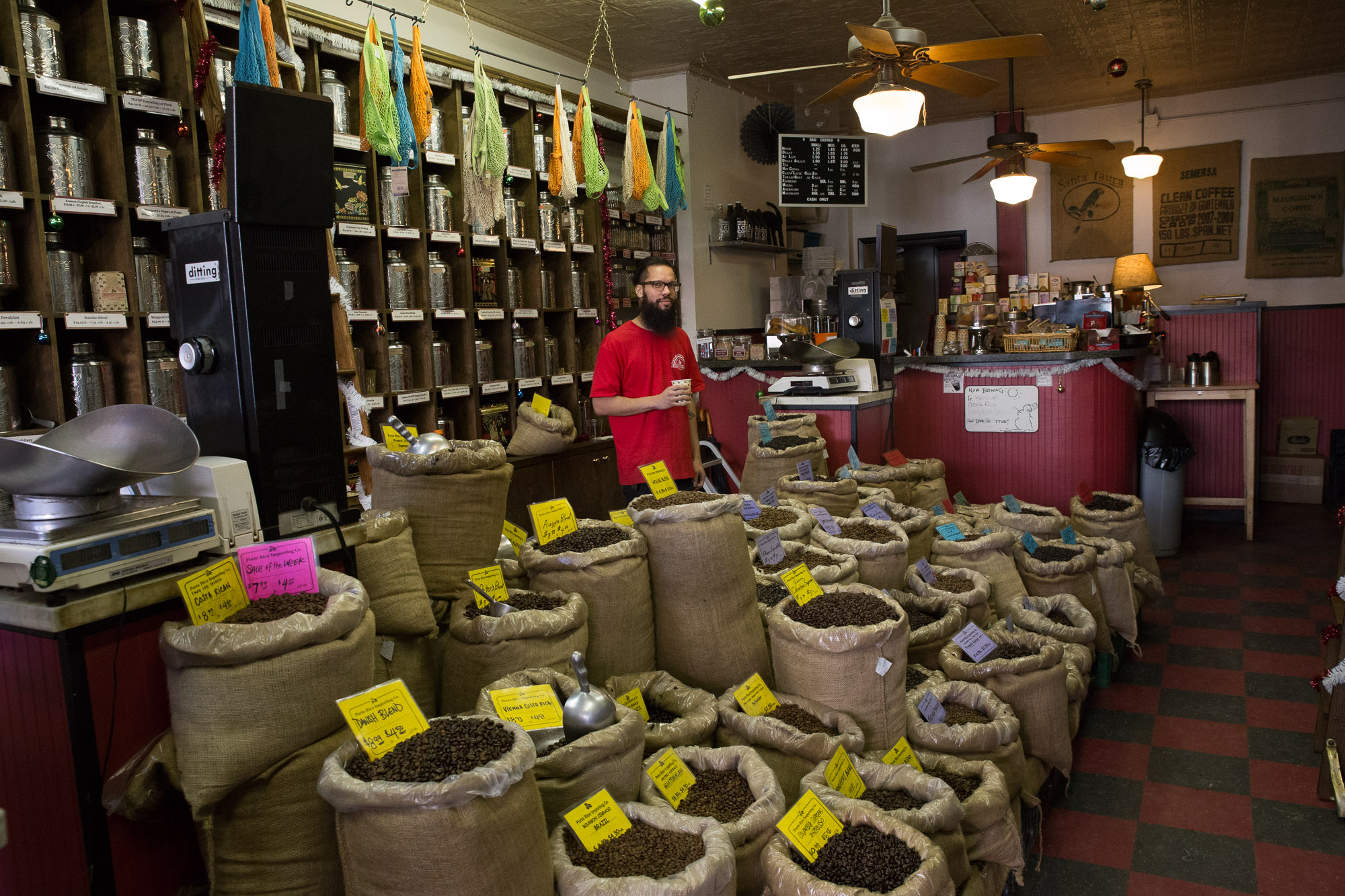
Image Credits
Morgan White, Richard Biermann