

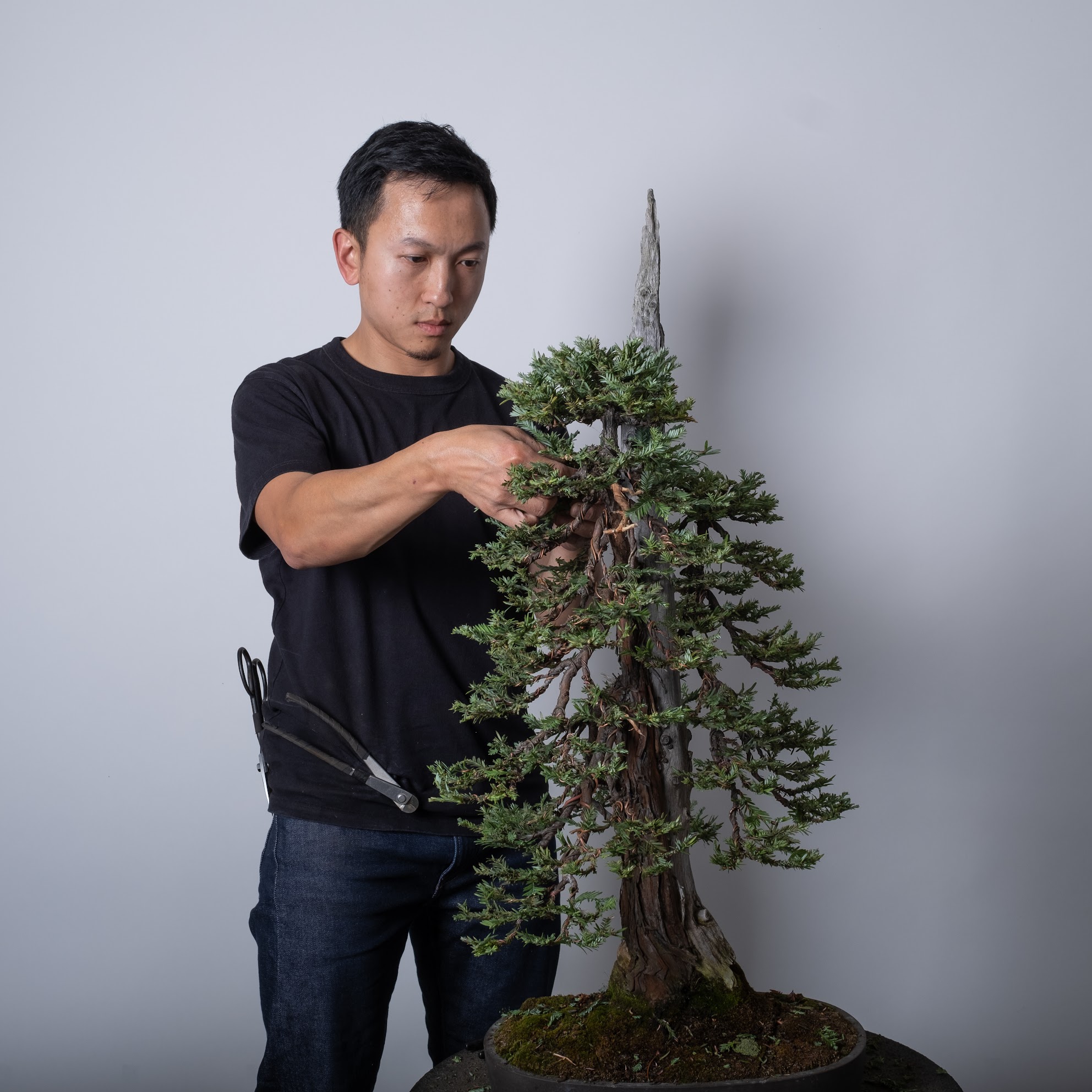

We were lucky to catch up with Sam Tan recently and have shared our conversation below.
Hi Sam, thanks for joining us today. Can you talk to us about how you learned to do what you do?
In the two years that followed, I filled my apartment patio with more trees and went out of my way to seek instruction. I took workshops from several teachers and watched countless instructional videos online, but eventually realized that piecing together information like that could only take me so far. Looking back, I probably could have sped things up by finding a more intensive form of mentorship earlier, rather than trying to reverse-engineer everything from short classes and YouTube.
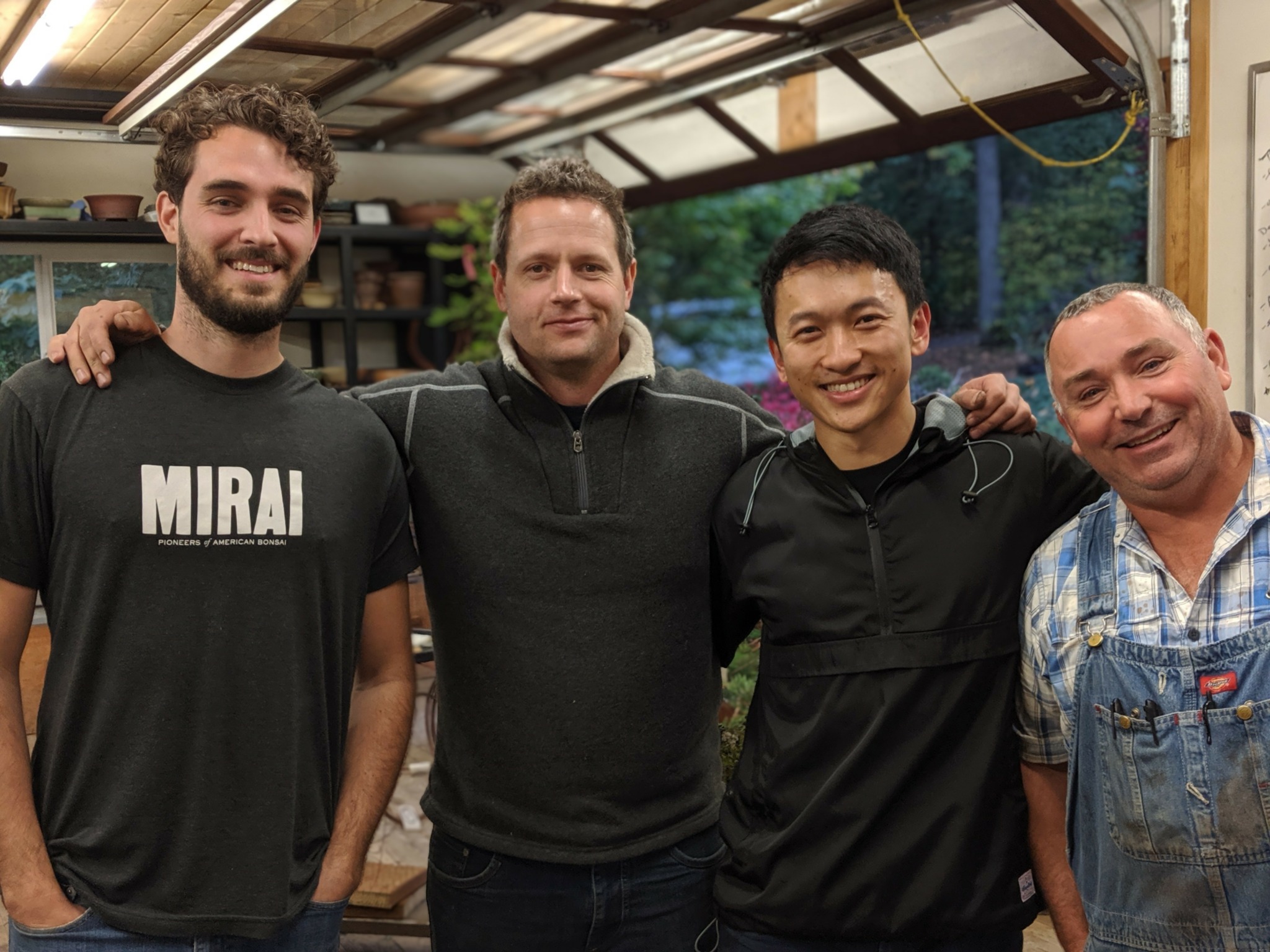
Coincidence, persistence, and luck landed me a three-month internship at Bonsai Mirai in Warren, Oregon, where I lived and studied under Ryan Neil. I spent most of my time there learning how to “style” bonsai trees—a process that combines pruning and bracing the tree with copper wire to create an intentional aesthetic form. Doing that day in and day out for an extended period is where I really started to build fluency with the technical aspects of bonsai.
I learned a tremendous amount from watching Ryan correct my work. He would rearrange branches, reorient foliage, and prune unnecessary shoots to achieve a more beautiful finish than I thought was possible. He also allowed me to observe and assist on more complex projects, talking through his process as he worked. Those experiences helped me internalize his design ethos and the underlying concepts, which I later adapted into my own approach. A lot of my growth came from being willing to make mistakes in front of someone whose standards were much higher than mine—and then staying open to being corrected.
Despite having an amazing teacher, three months was nowhere near enough to make me a respectable artisan. When I moved back from Oregon and returned to my full-time job, the biggest obstacle was time. High-level instruction was now hundreds of miles away, and trees grow on their own schedule, not mine. To keep progressing, I had to deliberately carve out evenings and weekends for bonsai. I expanded my personal collection, started volunteering at a public collection, and began taking on private clients so I was constantly confronted with new problems to solve.
Over the years, that rhythm—showing up consistently, paying close attention, and letting the trees teach me as much as the people did—did more for my development than any single breakthrough. Eventually, demand for my services grew, and my work started getting accepted into some of the nation’s most prestigious exhibits. From the outside it can look like a jump, but for me it was just the accumulation of many small, patient repetitions.
Sam, love having you share your insights with us. Before we ask you more questions, maybe you can take a moment to introduce yourself to our readers who might have missed our earlier conversations?
My name is Sam Tan and I’m a bonsai practitioner based in San Francisco, California. I discovered bonsai in 2017, when I bought my first tree from a local nursery. That one small tree opened up an entirely new world for me and, before long, I was spending most of my free time learning how to care for trees and shape them into living works of art.
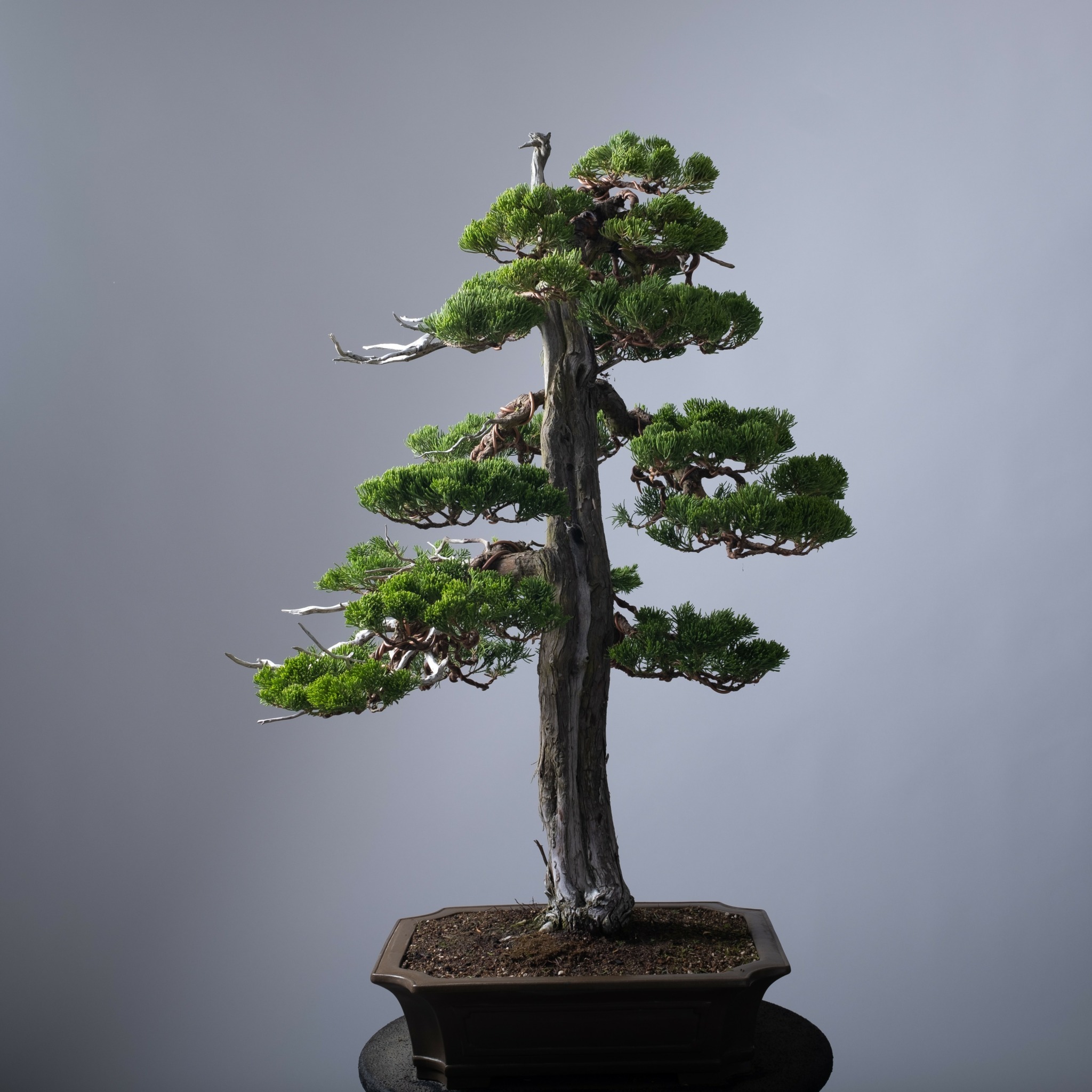
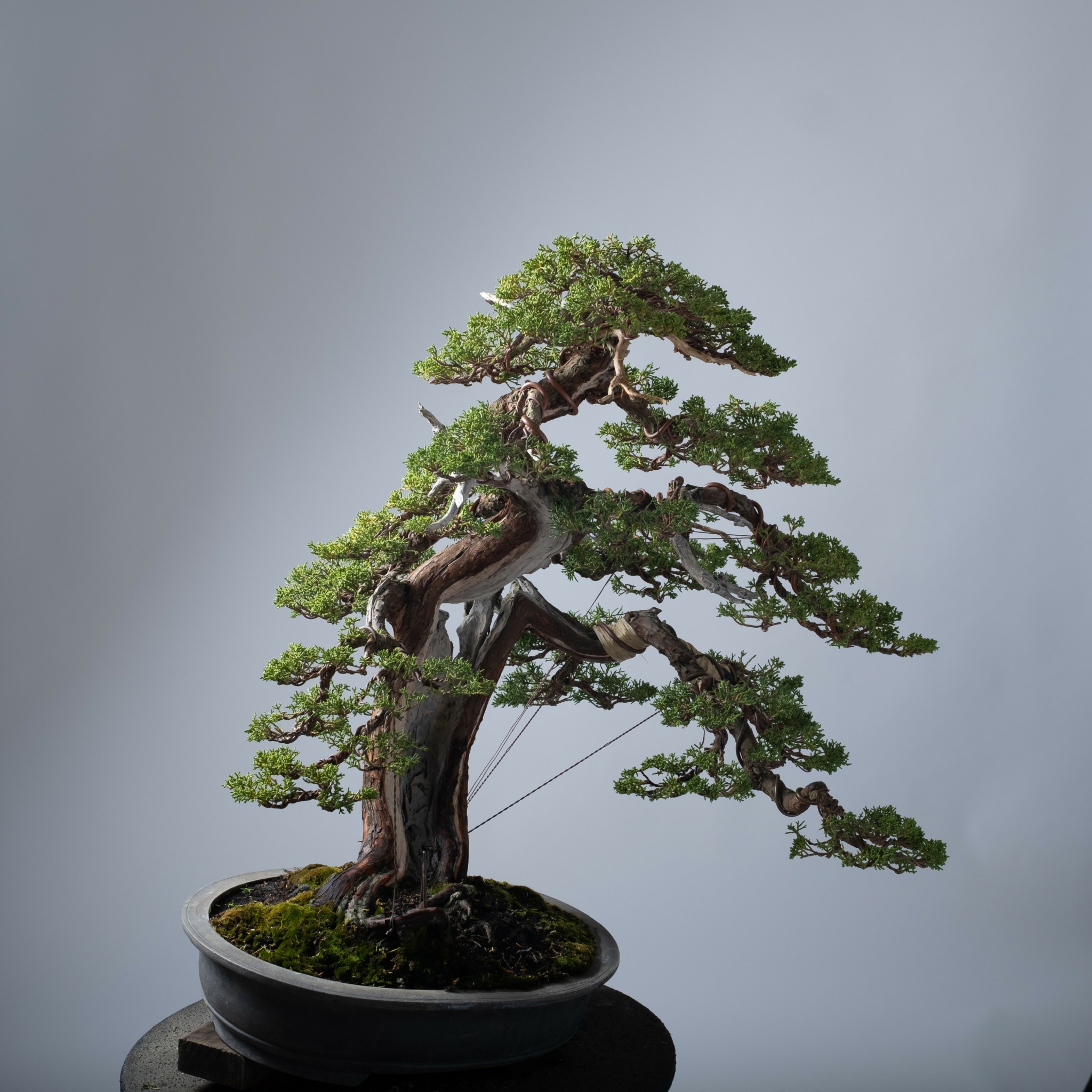
Over the years, that curiosity turned into a serious, long-term commitment. I studied with Ryan Neil at Bonsai Mirai, and have established my own bonsai garden in San Francisco. I’m especially drawn to native North American conifers and I love capturing their distinctive, wild characteristics in miniature. I strive to create bonsai that are unique, visually compelling, and thoughtfully designed.
Today I provide bonsai maintenance, design, and collection curation services for private clients and organizations. That can mean anything from ongoing health care and seasonal work on individual trees, to sourcing and styling trees for specific spaces, to helping clients build a coherent collection over time. I also offer educational services like lectures, demonstrations, and hands-on workshops.
I have exhibited my work at several notable exhibitions, including the 2022 and 2024 Pacific Bonsai Expo. You can see more of my trees and follow along with my work on Instagram at @samtanbonsai.
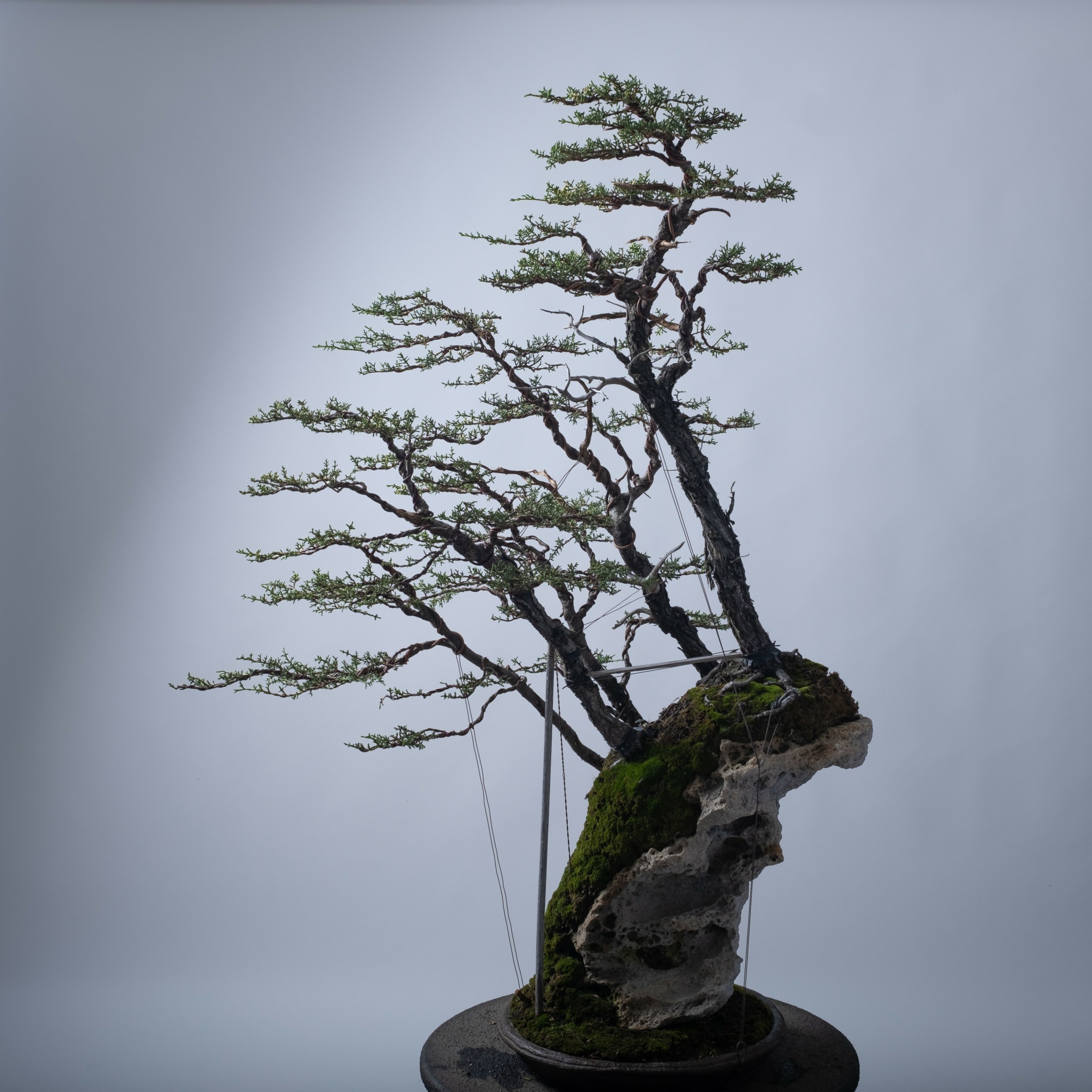
Learning and unlearning are both critical parts of growth – can you share a story of a time when you had to unlearn a lesson?
When I started doing bonsai as a hobbyist, I believed that the goal was simple: make each tree as beautiful as possible, no matter how long it took. I would obsess over small details and spend hours adding the final level of polish to my creations. Time didn’t factor into the equation at all.
When I began working in a professional capacity, I had to unlearn that mindset. It wasn’t enough for the work to be beautiful—it also had to be efficient and repeatable. I had to learn how to balance quality and speed in a way that actually serves the client—delivering work I’m proud of within the time and budget they’re expecting.
To push myself, I started timing my projects and deliberately trying to improve my work times from one assignment to the next. I also began doing live demonstrations for bonsai clubs, where I had to teach an audience and complete a design in a very limited window, with a room full of people watching my every move. In those settings, there was no time to agonize over small details—I had to commit to a design and execute quickly to finish the tree on time.
Those experiences forced me out of my comfort zone and taught me to work faster, better, and smarter. Within a couple of years, I felt my abilities as an artist had grown significantly. I’m grateful to the clients and clubs who gave me those opportunities—they were the training ground where I sharpened my skills and learned to work efficiently without sacrificing quality.
What do you find most rewarding about being a creative?
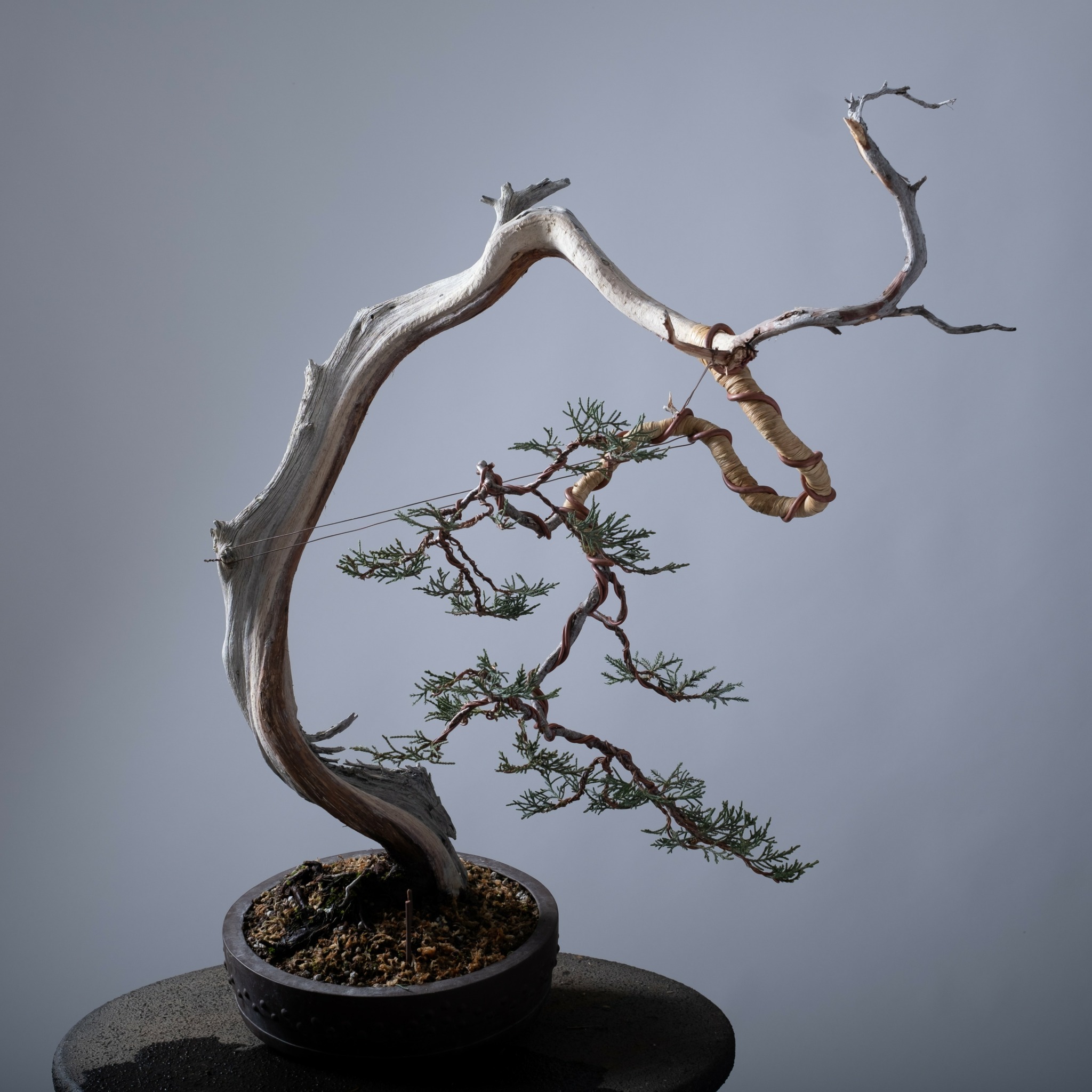
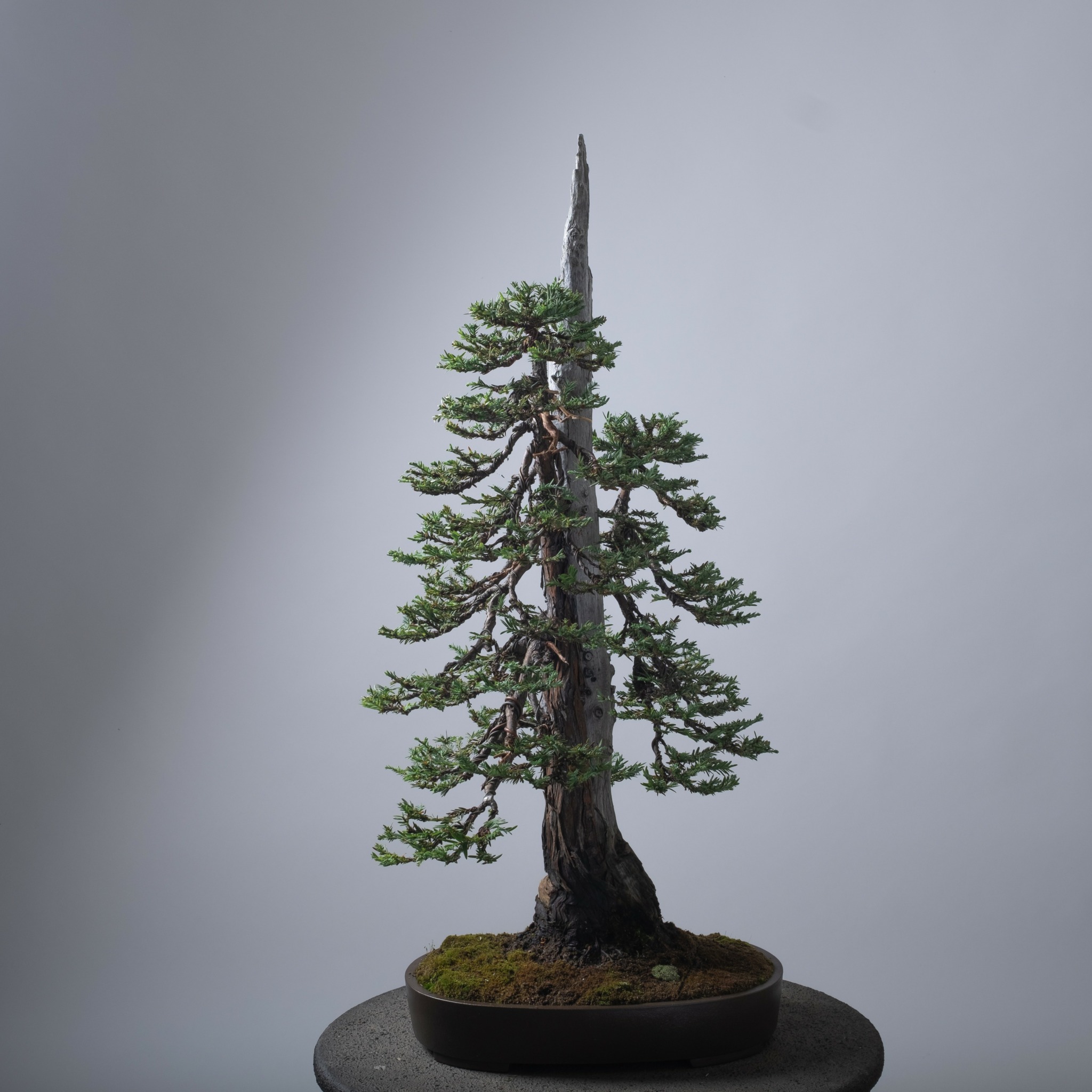
I love the problem-solving aspect of creating beautiful bonsai. Most of the time, clients come to me with material that’s flawed in one way or another and are looking for a creative path forward. I enjoy finding the beauty in humble or awkward trees, working within their limitations, and sometimes even turning a “flaw” into the feature that gives the tree its character. That kind of constraint-driven design is challenging, but it’s also one of the most satisfying parts of the work for me.
Another rewarding piece is how often the process surprises me. I might start with a clear idea, but as I work, the tree inevitably pushes back and suggests different solutions. The final result is usually more interesting than what I first imagined — that sense of discovery keeps the work fresh every time.
Contact Info:
- Instagram: https://www.instagram.com/samtanbonsai/


Image Credits
The two photos whose filenames are prefixed with “james-newman-photography” were taken by James Newman Photographer (https://jamesnewmanphoto.com/). Please credit him if you use those images.