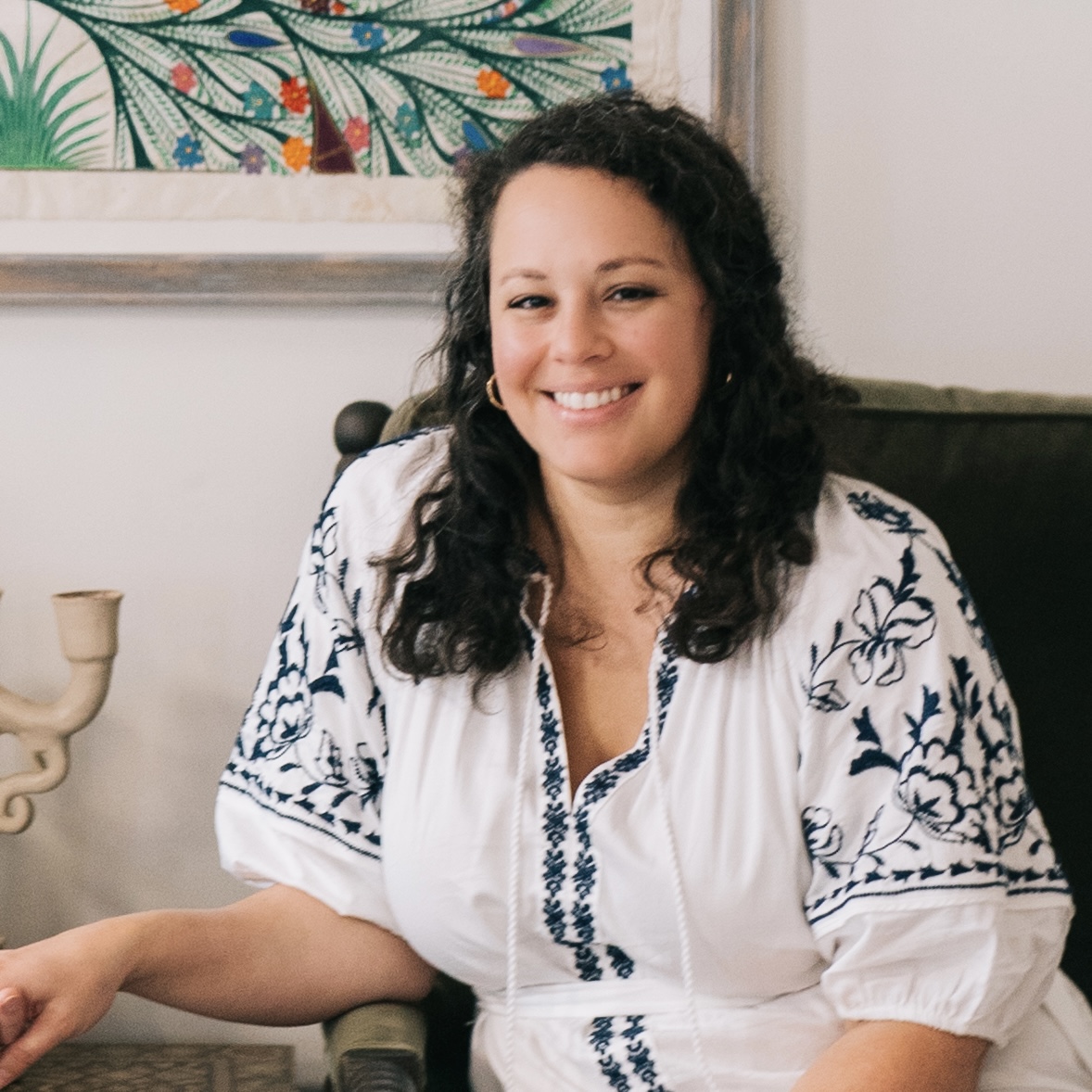

We’re excited to introduce you to the always interesting and insightful Monica Joseph. We hope you’ll enjoy our conversation with Monica below.
Monica, looking forward to hearing all of your stories today. What was it like going from idea to execution? Can you share some of the backstory and some of the major steps or milestones?
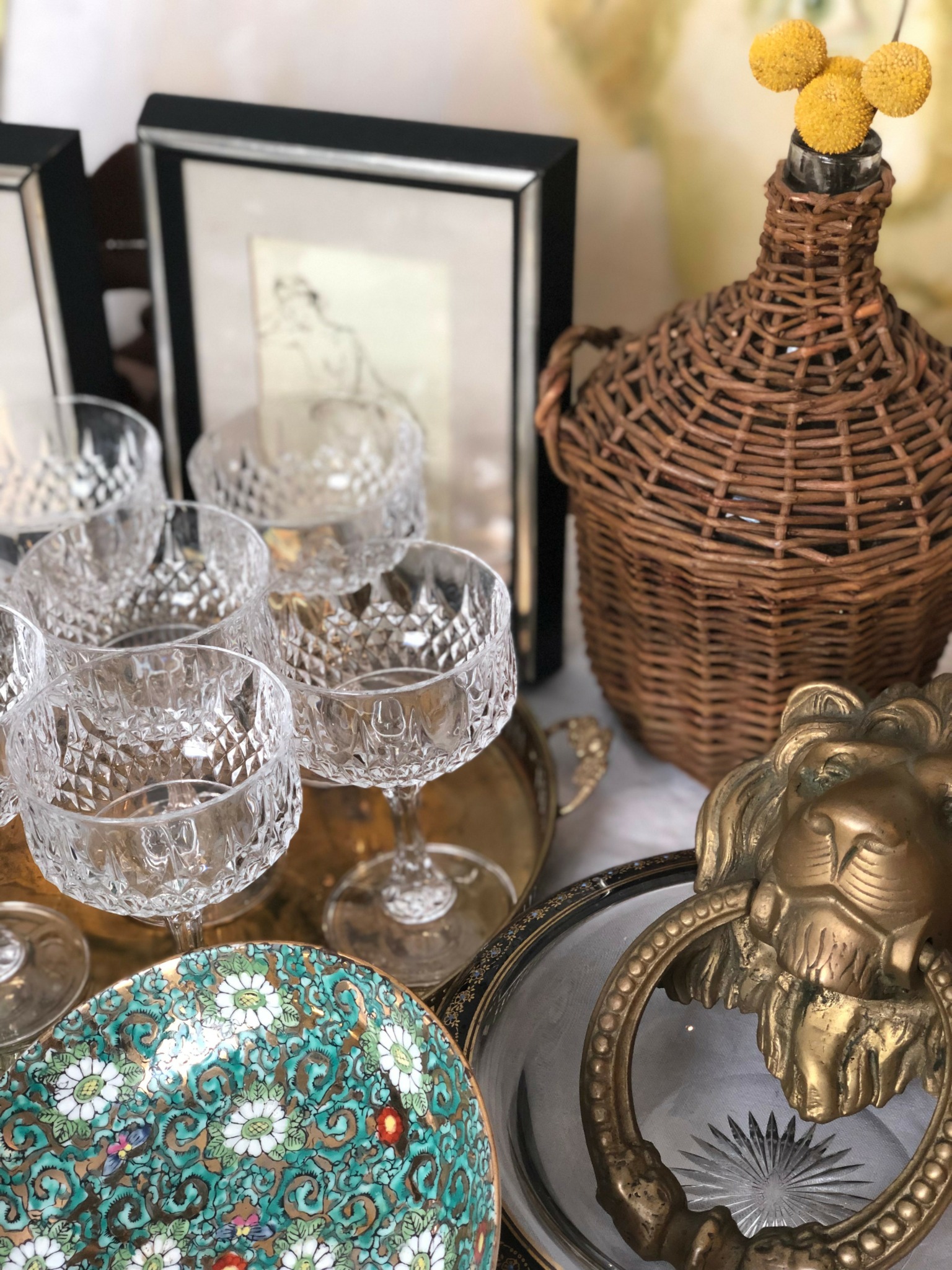
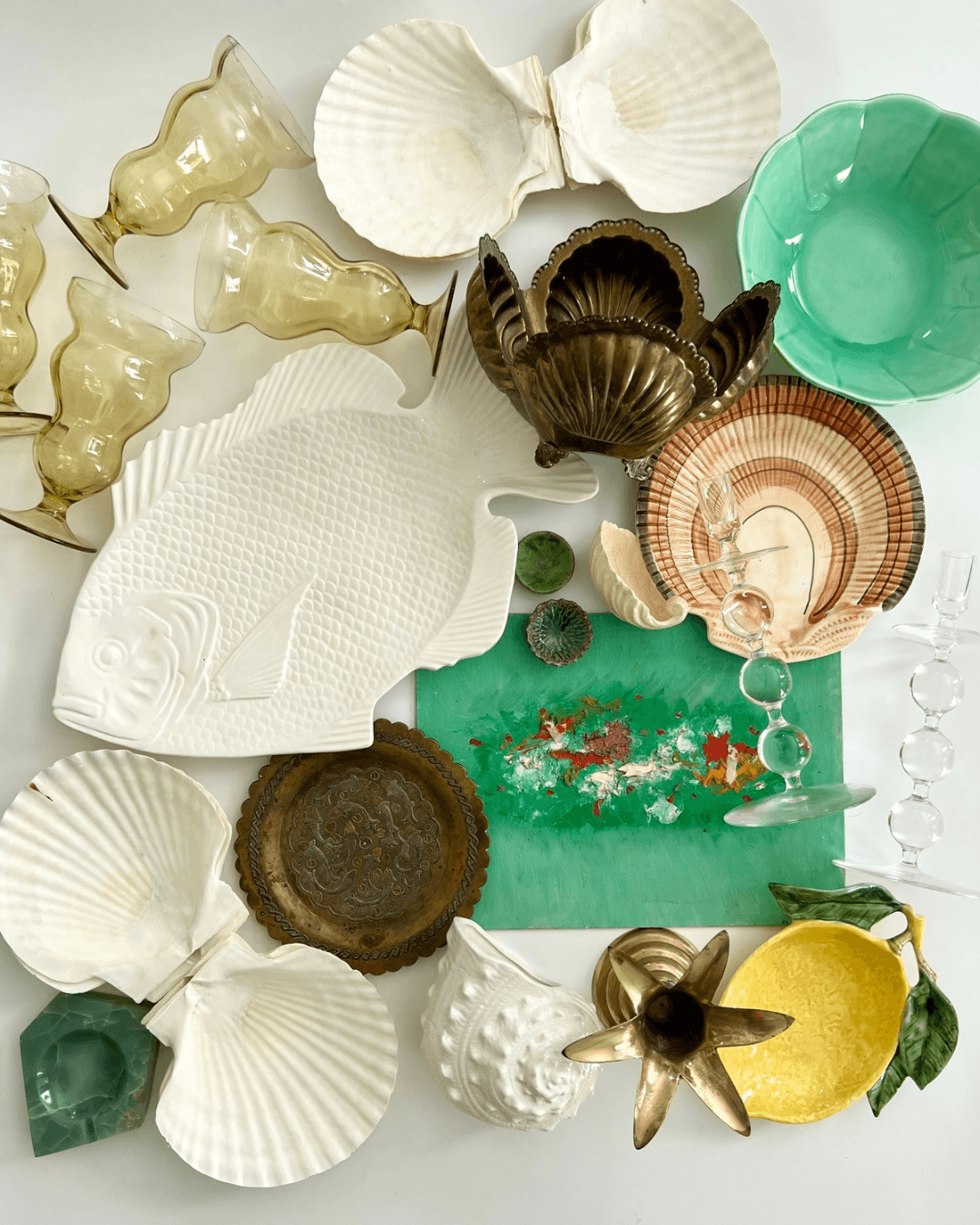
I’ve always loved decorating my home, but I’ve always been on a budget. I’ve also never wanted it to look like everyone else’s or like it came straight from a Target or West Elm catalogue. In 2019, we bought a new house so I started going to estate sales. I saw so many things I loved, but couldn’t take it all home. I started seeing vintage shops on Instagram and I thought that it was something I could do. I honestly didn’t think too much into the logistics of starting a business. I thought of a name, bought a few things at an estate sale and started posting. I didn’t even know how to ship things so I wasn’t sure how to charge for shipping. I took 2 part payments which was not a streamlined process. I would package an item, bring it to the post office, pay out of pocket, then charge the customer. I quickly found pirateship.com and bought myself a home scale. It was little things like that that I learned along the way. I created a spread sheet to keep track of inventory and profits. I’ve learned how to evaluate and price while learning the history of items that my customers may want to know. I’m continually learning what’s valuable and what’s trending. I’ve grown the business to offer high end items and furniture. What started being stored on one shelf in my linen closet has now expanded full to wall to wall cabinets.
Monica, love having you share your insights with us. Before we ask you more questions, maybe you can take a moment to introduce yourself to our readers who might have missed our earlier conversations?
Growing my business has been a big risk of unknowns. I’m a person who like to play it safe. I like a path to follow, checklists to check off. In college, I chose to study Communication Disorders which had a clear path to becoming a Speech Language Pathologist. I would finish undergrad, go straight to graduate school and then find a career in the school system. I’d retire young enough with a pension and my life was set. Until I realized that wasn’t my passion. It was just job and a draining one. During the pandemic, I had a lot of free time. There was a lot of uncertainty about when and how we would go back to work in the schools and during that time I found the Instagram vintage world. I’ve always loved decorating my home and going to estate sales, but when I found out people were selling vintage and antique home goods online, I thought – I can do that! So I did. I told no one except my husband because I was afraid of judgment and that no one would buy my things. Within 24 hours, I’d sold my first item (a framed embroidery piece I probably wouldn’t pick up now) and I was hooked. The more I sold, the more I loved it. I was happy selling online while working my day job. I always dreamed that the shop could get bigger, but I wasn’t sure how and didn’t think I had the time. I was honestly afraid and being cautious is in my nature. Then an unexpected life experience happened, and I started working my SLP job part-time so I could put more focus into the business. I was able to put more time in and take more risks. I’ve now had two in-stores booths in the city – one I’ve just expanded into a larger space. I’ve sold at markets and holiday boutiques, and I’ve expanded into selling furniture. The risk to put so much time and energy is panning out. I work even less as an SLP with a goal to run my business full time. I love finding unique items with history especially art, glassware, and serveware for hosting. It such a great feeling when someone really connects with something I’ve found and they find that special place in their home.
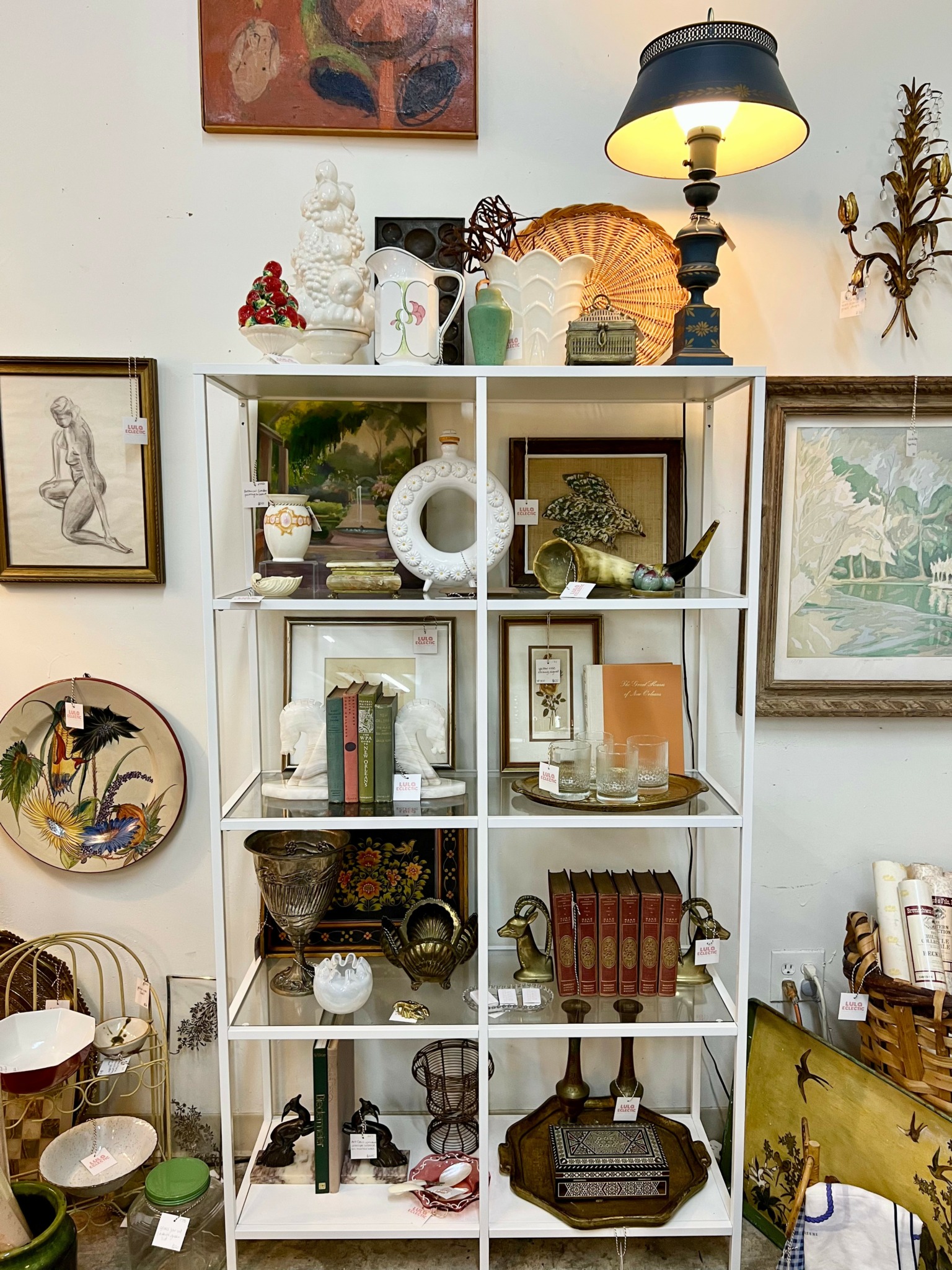
How’d you think through whether to sell directly on your own site or through a platform like Amazon, Etsy, Cratejoy, etc.
I started my business on Instagram which admittedly has been difficult on the everchanging platform. It’s not meant to be a sales channel, but there are so many positives to selling on a social media platform that I don’t think I’ll ever leave the platform for good. As a millenial I already spend a lot of my free time on Instagram. It’s a great place to get up-to-date, real-time information on businesses you follow. It’s also a great place to be visually creative and connect personally with people. The way I work my business is that I announce sales in either the Feed or Stories to get people excited for what I will be posting. Then on “Drop Day,” I post items to my feed with all the necessary details to purchase – price, size, disclaimers, etc. I post product photos as you would to any website. Customers can engage by commenting on the post whether they just want to stop and say they love an item or to comment sold to purchase. All the backend communication happens through Direct Message. It makes buying/selling a little more personal instead of transactional. I get to know my customers this way and we often chat and they send me photos of how they used the items they bought from me. Some people don’t want that interaction and I’m totally fine with that as well! Instagram is also great for sharing personal aspects of the business or the behind the scenes and that where stories really comes into play. Some of my best content is behind the scenes estate sale footage or “Shop with Me” series – here I post pictures of items while I shop, and my customers answer yes/no polls to tell whether they think I should buy it or pass. The feed is the formal side of the business and Stories are the fun informal side! The cons of selling on Instagram is that you constantly have to be creating new content, but not just any content, content Instagram decides is worthy of the ever elusive algorithm. It can be difficult to be “seen” by your customers because the platform really relies on engagement. It can be a vicious circle you’re constantly trying to chase. I’m not always the most social media savvy, but I remind myself that I’m happy with the size of my business. Instagram been a great platform to start from, but expanding to my own website is in the near future.
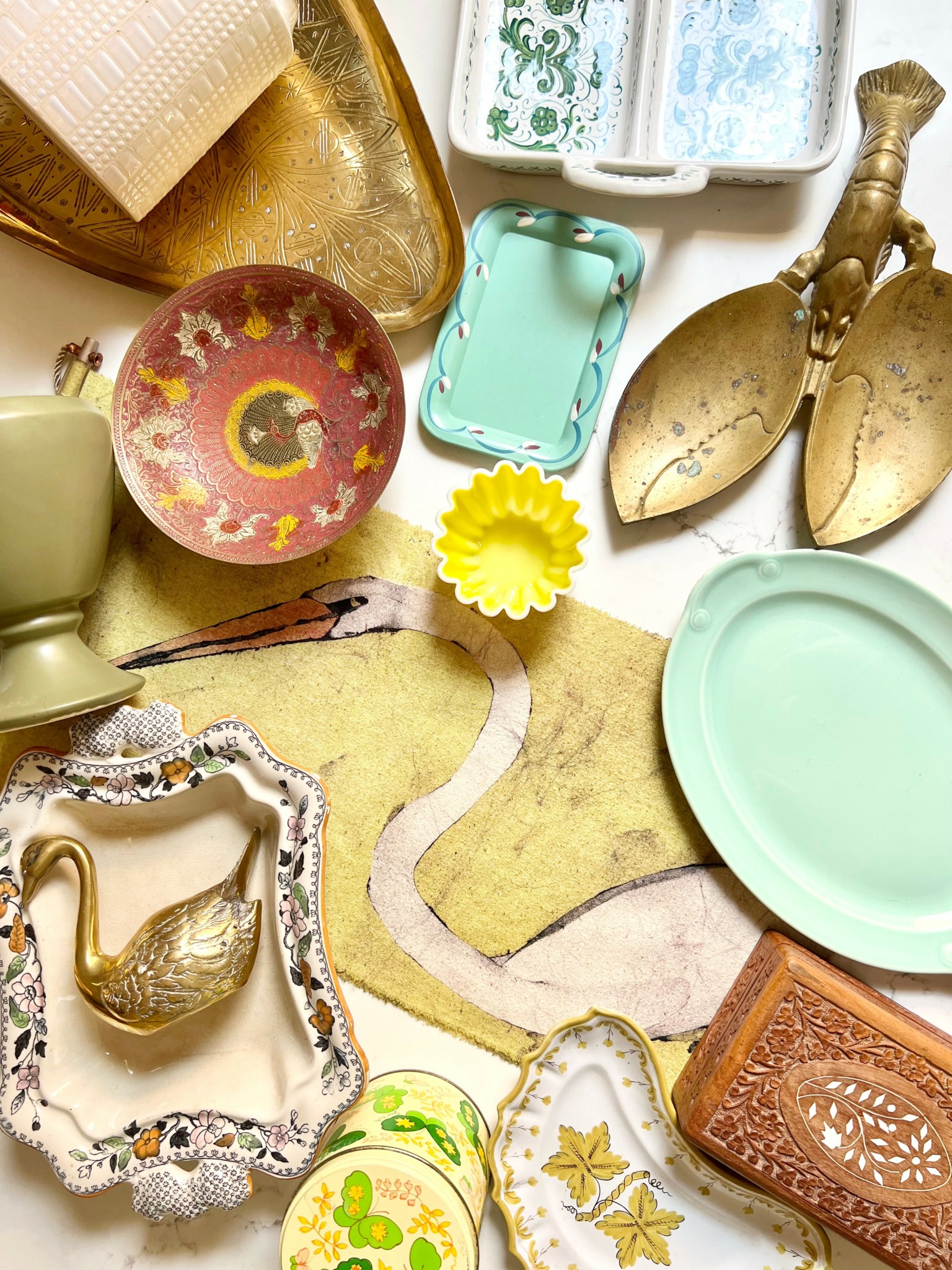
Does your business have multiple or supplementary revenue streams (like a ATM machine at a barbershop, etc)?
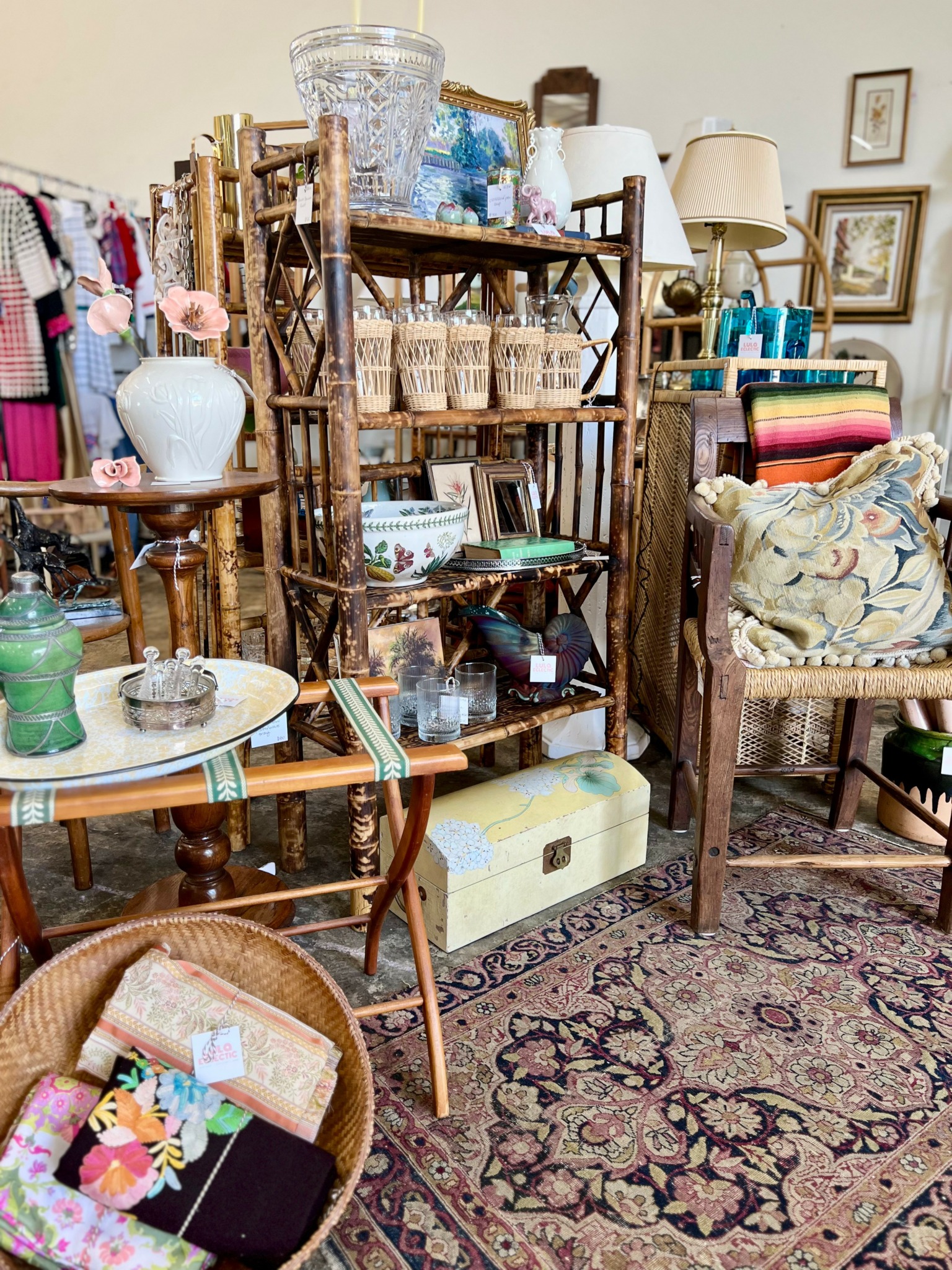
For years, Instagram was my only stream for selling, but when I decided to really take the business seriously, I knew I was going to have to expand somehow. Selling one-of-a-kind items is hard to scale so I really had to think about it. I was good at selling online, so I decided to start adding my items to other platforms like Etsy and Chairish. Those are good supplemental sales, but still not enough. I knew I wanted to grow my local clientele so I started selling at in-person markets at coffee shops and bars. Lugging fragile and cumbersome items isn’t something I wanted to do every weekend, so I kept thinking. A permanent booth in store was the next step. I started to reach and two stores contacted me the same month that they had space available. I figured, if I was going to expand, I might as well take both opportunities. One of the stores, Left Bank, is a Vintage Collective of like-minded people and I’ve really found my place with other fantastic sellers. It’s really allowed me to expand into larger items like furniture. I also plan to create my own website which is currently in the works.
Contact Info:
- Website: https://www.lulaeclectic.com
- Instagram: @lula_eclectic