


We were lucky to catch up with Matthew Paneitz recently and have shared our conversation below.
Matthew, appreciate you joining us today. One of the things we most admire about small businesses is their ability to diverge from the corporate/industry standard. Is there something that you or your brand do that differs from the industry standard? We’d love to hear about it as well as any stories you might have that illustrate how or why this difference matters.
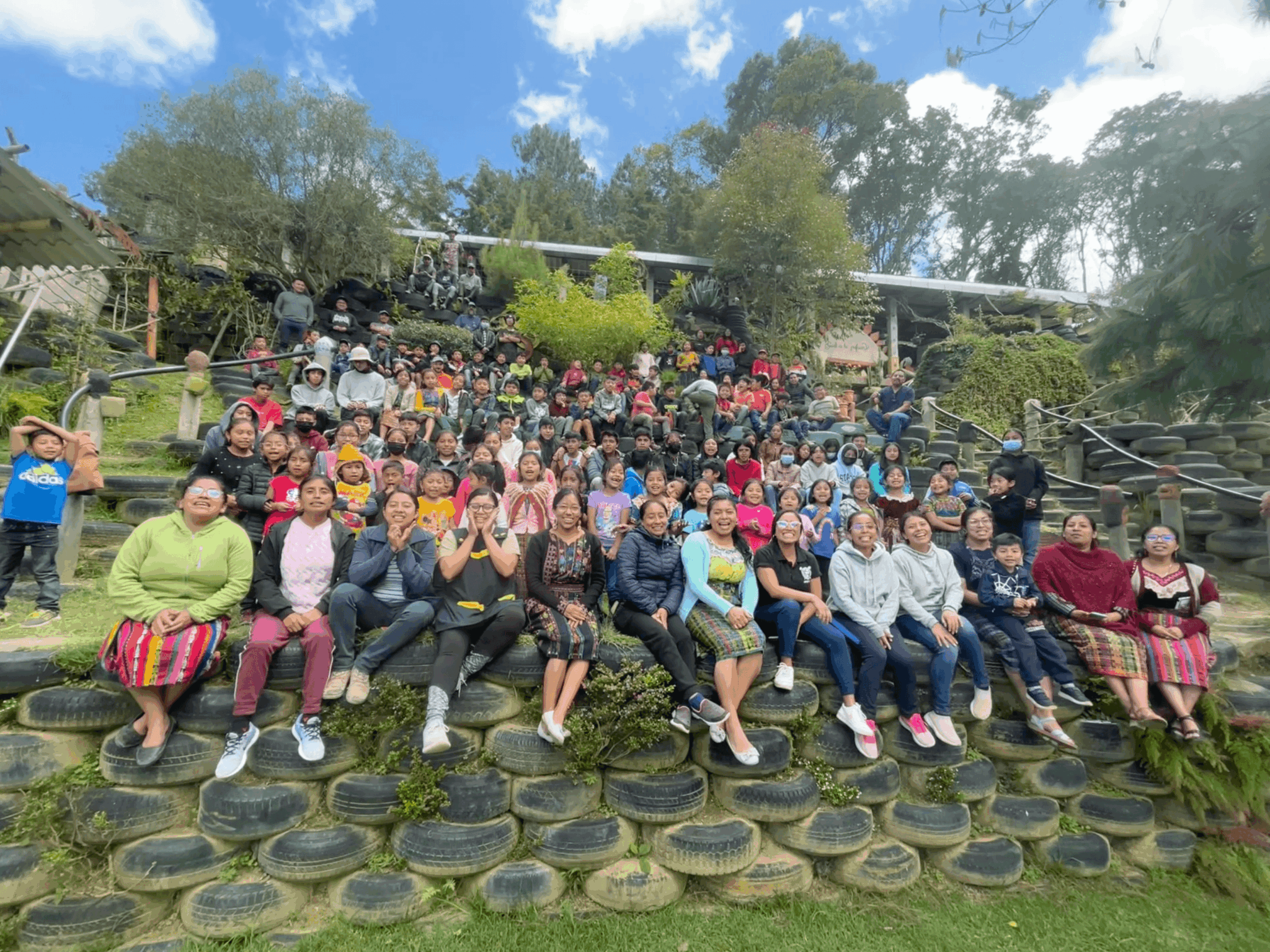
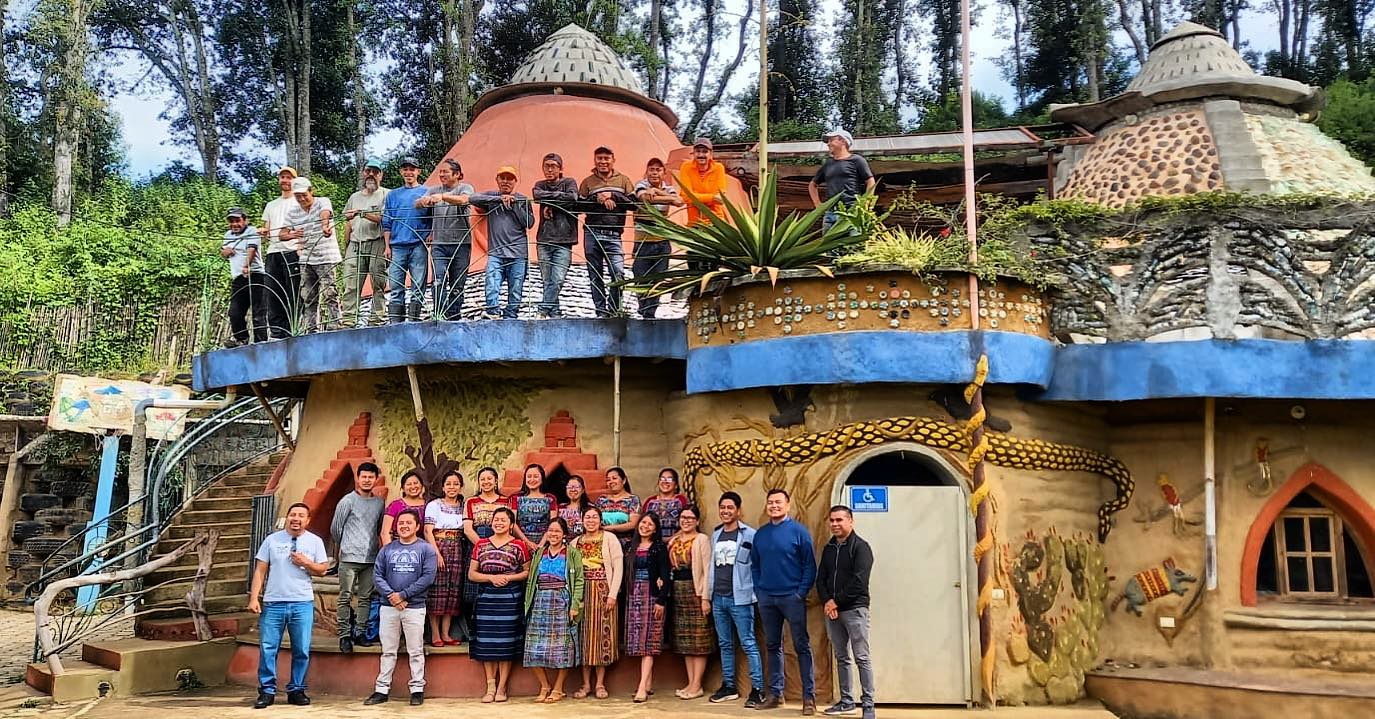
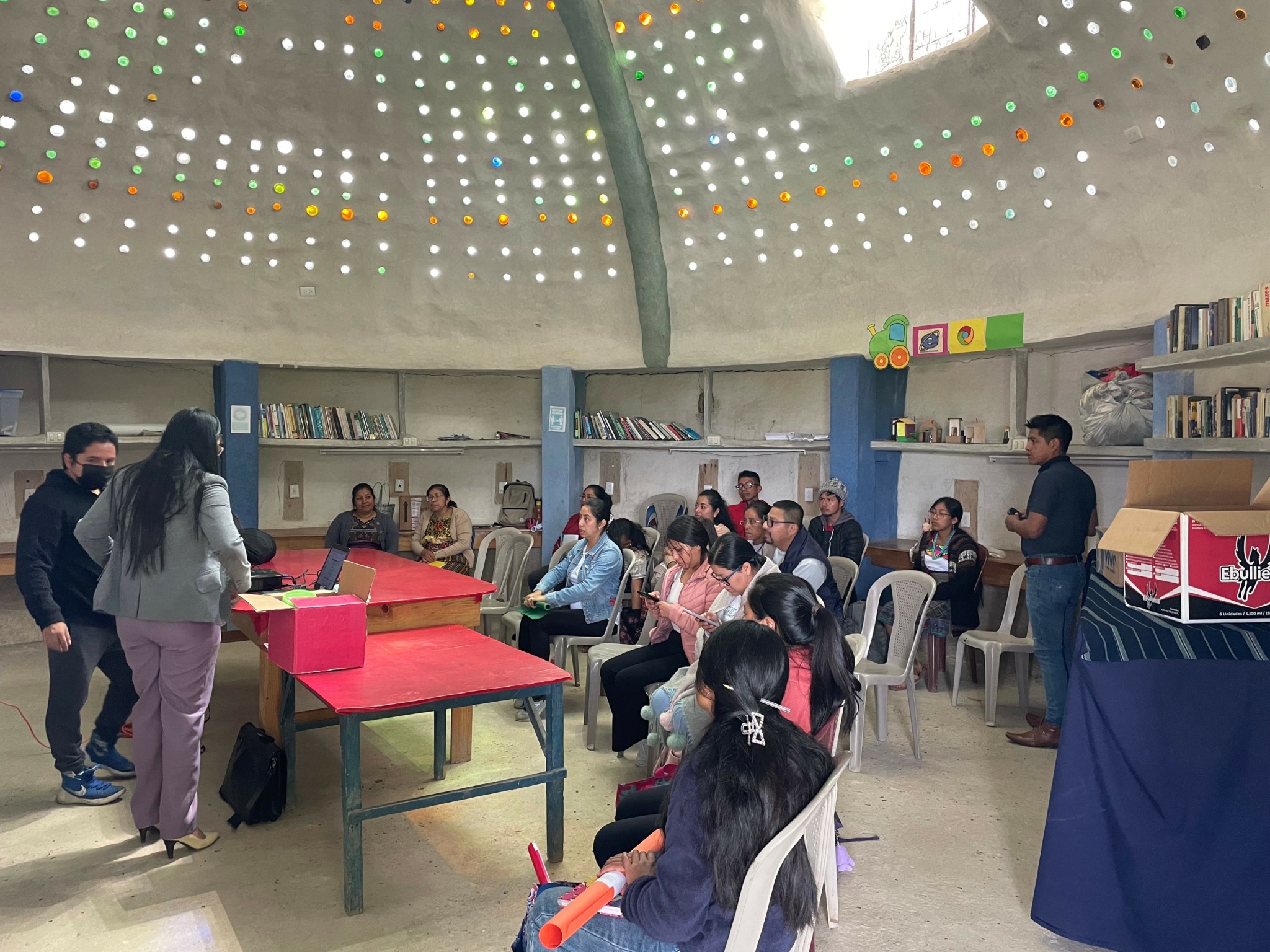
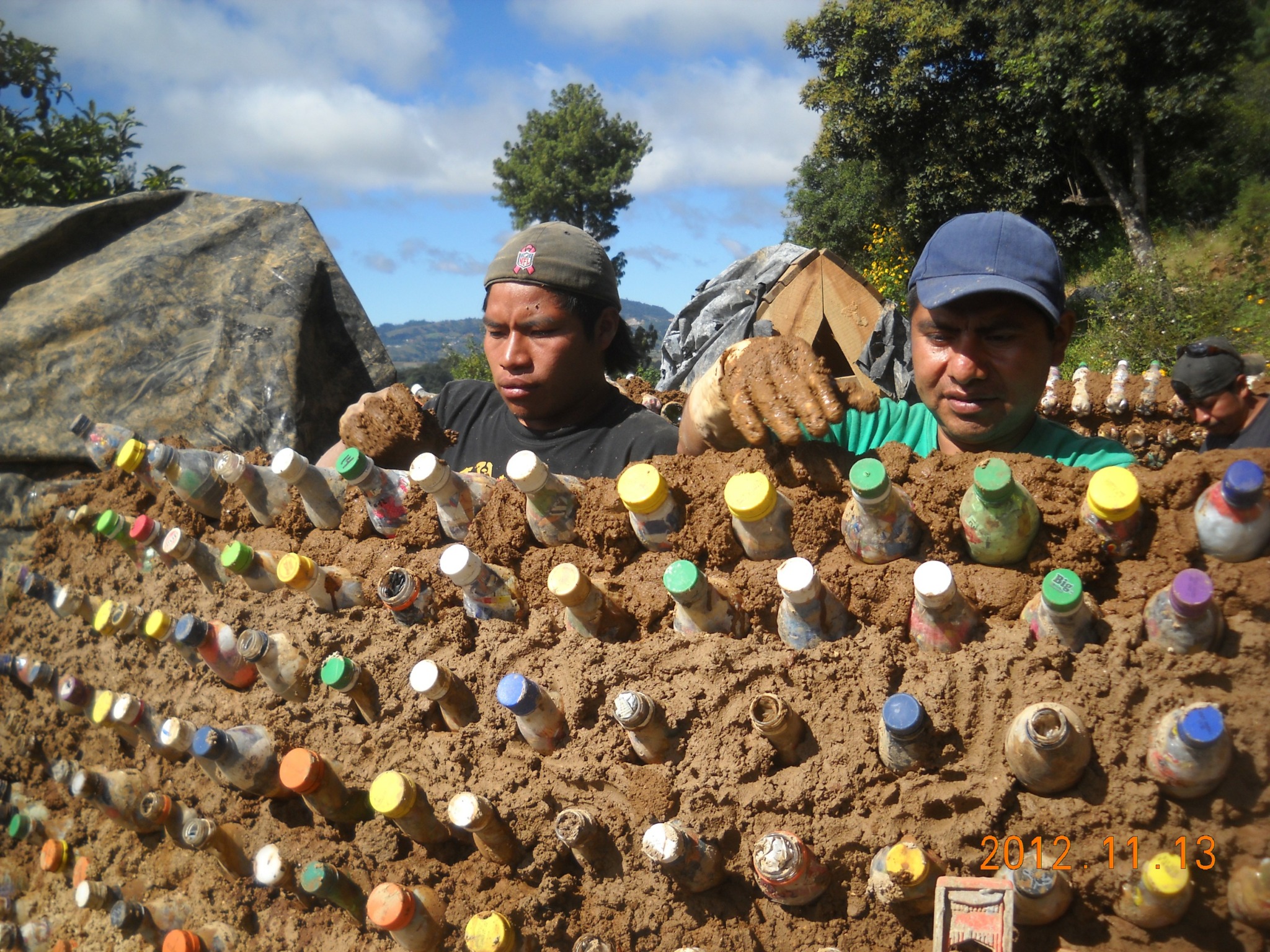
From 2008 to 2024 we have been transforming rubbish into the marvel that is the Hero School campus located into San Juan Comalapa, Guatemala. Photos are available here: https://www.lwhomegreen.org/projects/hero-school-campus
Constructing a campus using the rubbish we found in the streets, the landfill, and the rivers inspired us to improve the quality of education provided by the Ministry of Education of Guatemala. Most teachers in Guatemala do not prepare lesson plans. At Hero School we spend as much time preparing our lesson plans as we do delivering them. Additionally, We are integrating the practice of democracy into our lesson plans. People are expected to be involved in their community’s needs but are not formally instructed on how their Democracy functions nor are they taught to engage their Democracy from a young age. We start teaching how to engage Democracy in the 1st grade and follow through until the end of high school,
Great, appreciate you sharing that with us. Before we ask you to share more of your insights, can you take a moment to introduce yourself and how you got to where you are today to our readers.
In 1992, government leaders around the world received a document endorsed by 1,575 of the world’s most prominent scientists (including 99 of the 196 living Nobel laureates in the sciences) titled ‘World Scientists’ Warning to Humanity. To avoid causing “vast human misery” this document called for immediate action “to stop the ever-increasing environmental degradation that threatens global life support systems on this planet,” through a widespread transformation of human behavior. A second Warning to Humanity was issued in 2017.
In the 97% indigenous Mayan Kaqchikel rural town of Comalapa, Guatemala 57% of the population lives in poverty, 27% live in extreme poverty. Residents lack access to potable water, food, shelter, and quality education. Severe environmental degradation and climate change are exacerbating these challenges. A major shift in these circumstances requires a heroic and collaborative effort. To address these issues Long Way Home was founded in 2004. In 2008, our team of educators, builders, volunteers, and administrators established Hero School to ensure multi-generational systemic change. In 2012 we welcomed our first 15 primary school students.
Long Way Home’s mission is to mobilize people to actively participate in democracy and create innovative pathways to economic and environmental justice, through green building, employment, and education. We envision communities equipped to innovate and act responsibly in the face of local and global challenges. Hero School is the full embodiment of such an ambitious organizational mission and vision, and representative of our commitment to sustainability since our establishment. With the invaluable support of individuals from Comalapa and volunteers worldwide, we transformed 500 tons of rubbish into the 20 building marvel that is the Hero School campus which stands as a testament to our dedication to environmental action.
Can you tell us about a time you’ve had to pivot?
When we started Long Way Home we thought we would be exclusively be building green infrastructure. When we found out that Democracy is not taught in school we shifted toward building lesson plans and curriculum. This was a huge shift because none of our team had a background in lesson plan development. The Executive Director of LWH enrolled in a Masters degree program in Education to facilitate our shift. He is now doing a doctorate in critical pedagogy. All 25 of the teachers at Hero School are making this shift along with the Executive Director. We are the only school in our town teaching students how to engage in Democracy.

Can you tell us the story behind how you met your business partner?
I met Long Way Home’s cofounder in the Peace Corps inn 2002. We were the worst Spanish speakers in our training group and got to know each other while taking remedial Spanish courses. The night that all of the people in our training group graduated from Peace Corps training the entire group decided to celebrate in Antigua, Guatemala a tourist town about 20 miles away. Adam and I decided to first stop by his house to grab a few things before heading that way. We both went into the garage to check out a painting and I accidentally closed the door behind us. This door had an automatic lock and this meant we were locked in the garage until the host family returned. We walked into the garage at 2 pm and did not walk out until 1230 am. We missed the entire graduation celebration in Antigua. However, 2024 is our 22nd year of working together, During that time together we launched a lifelong friendship and business partnership that is thriving today.
Contact Info:
- Website: https://lwhome.org/
- Instagram: https://www.instagram.com/lwhome_org/
- Facebook: https://www.facebook.com/lwhomeorg
- Linkedin: https://www.linkedin.com/company/long-way-home/mycompany/
- Youtube: https://www.youtube.com/channel/UCGp4wuyTpyGytkXWSwYX1SA
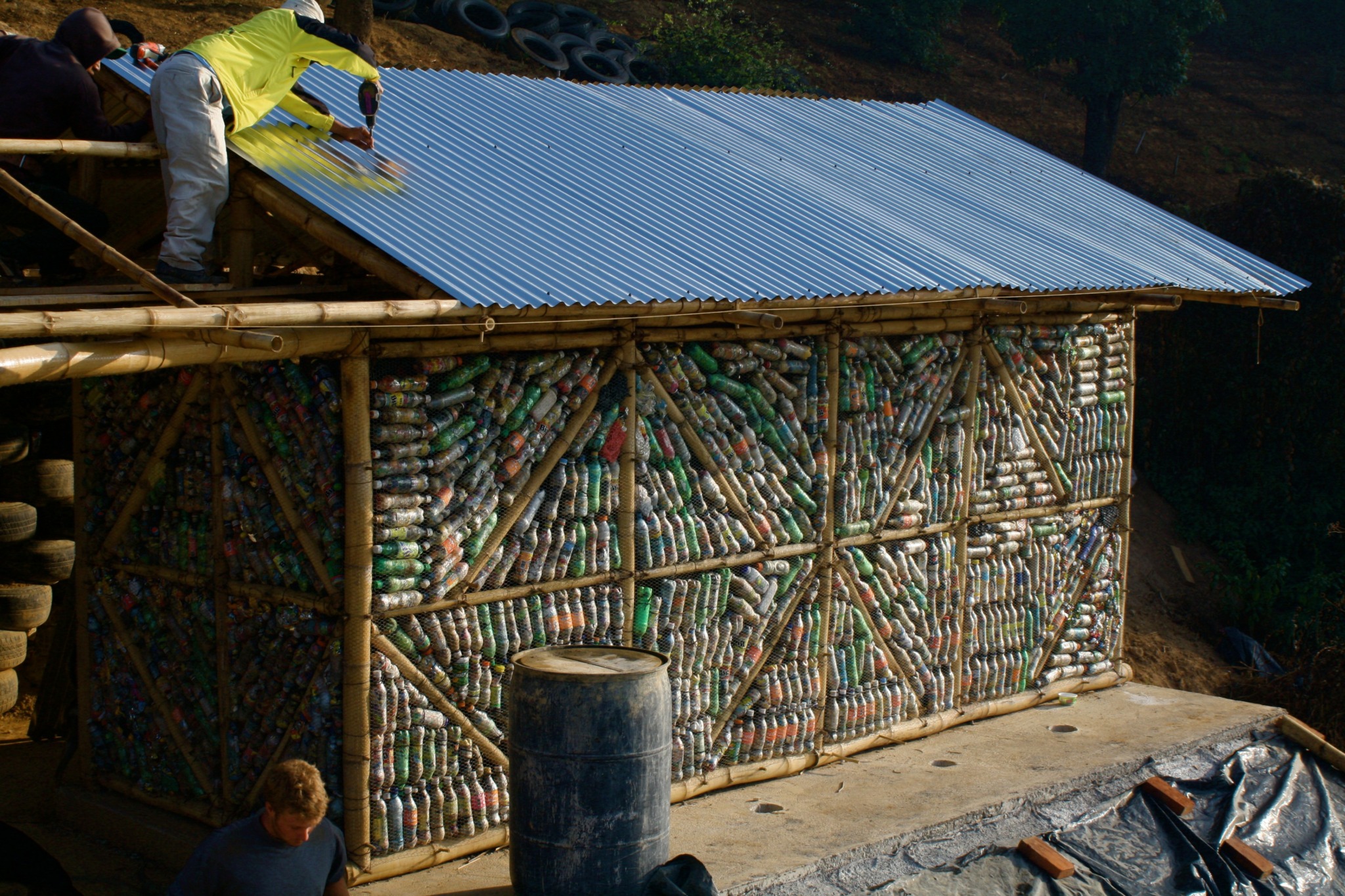
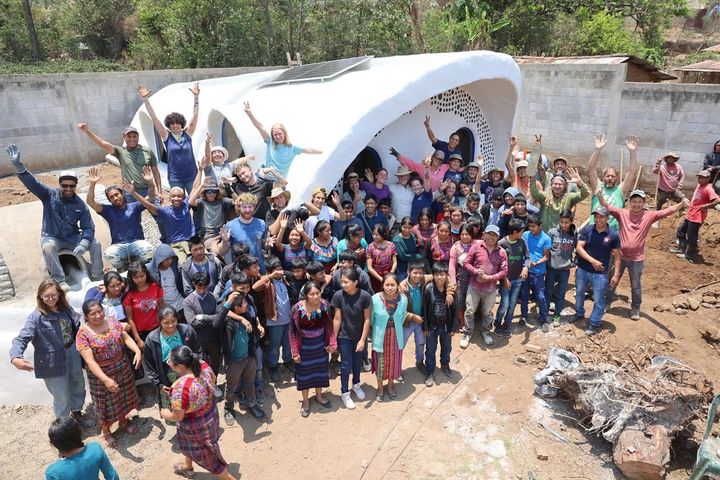
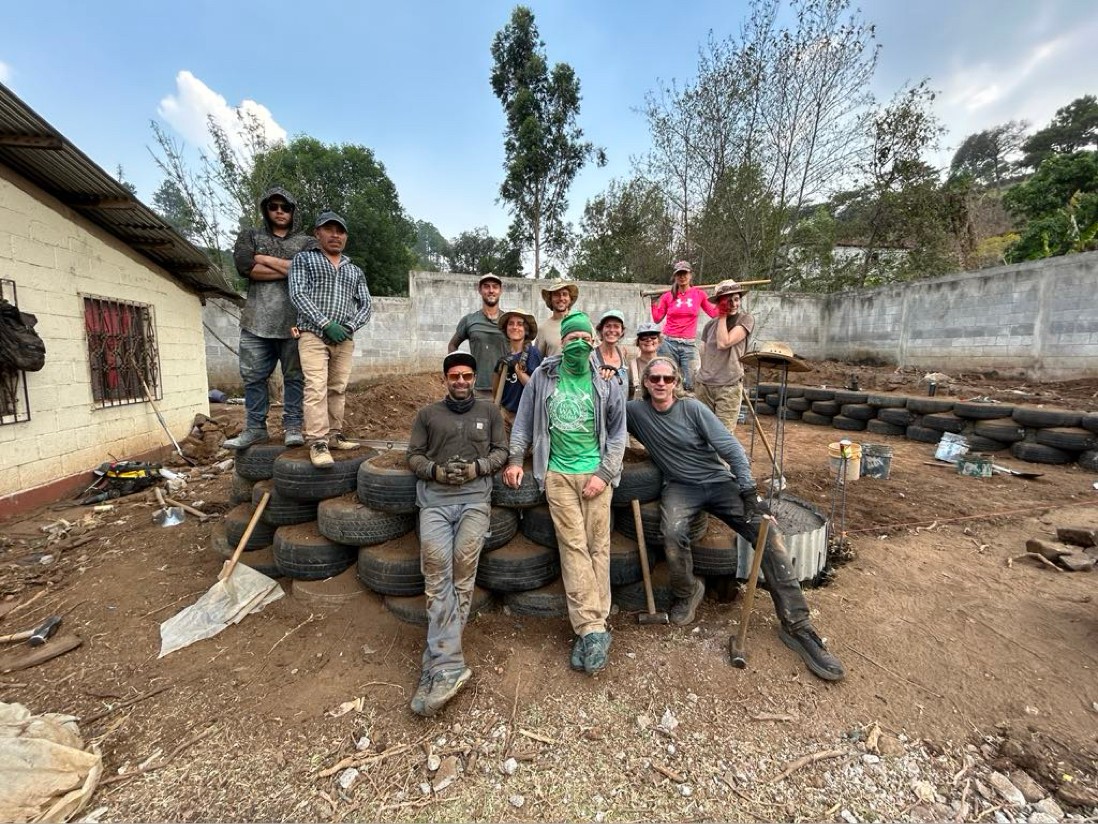


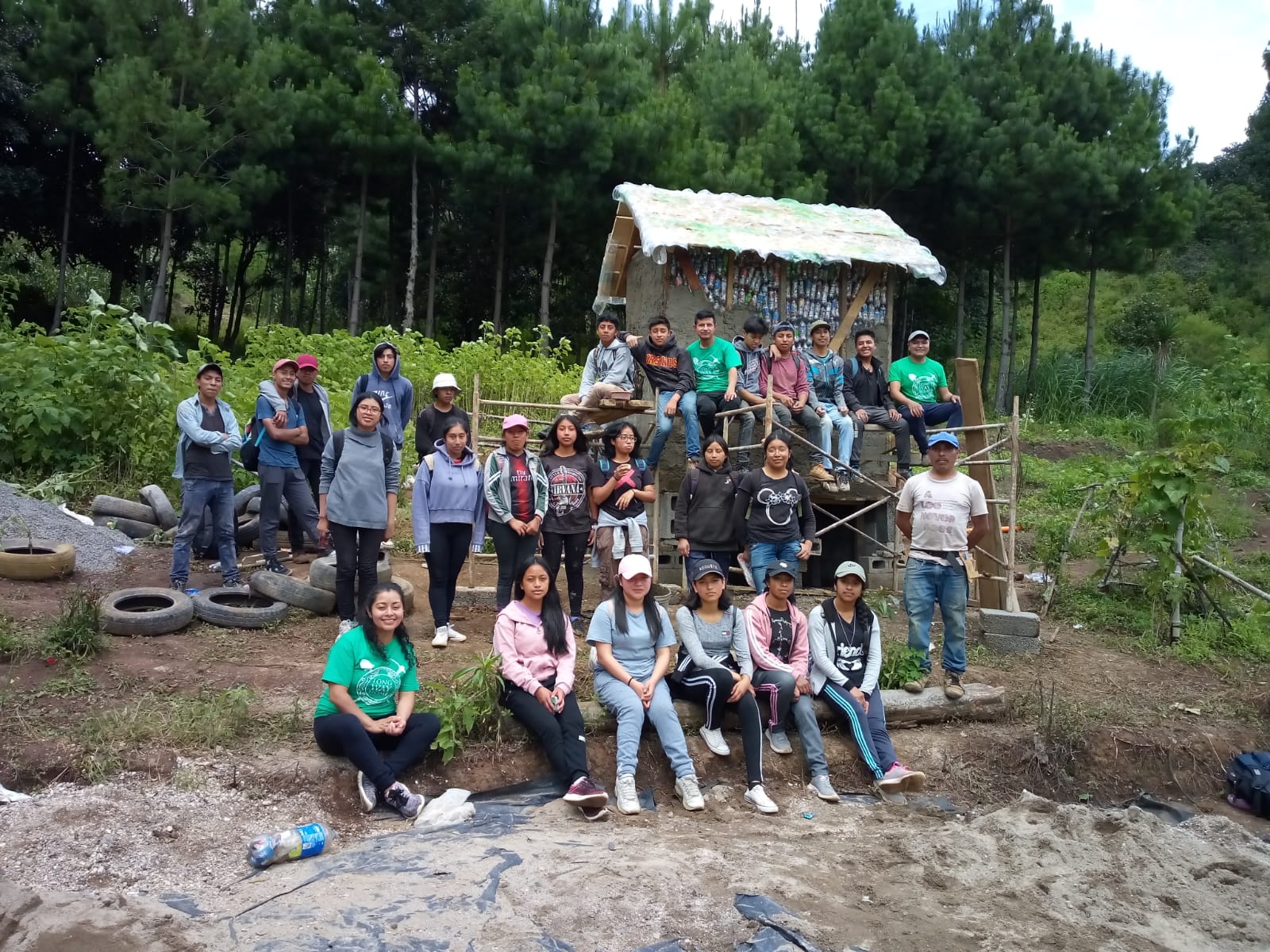
Image Credits
Matt Paneitz