

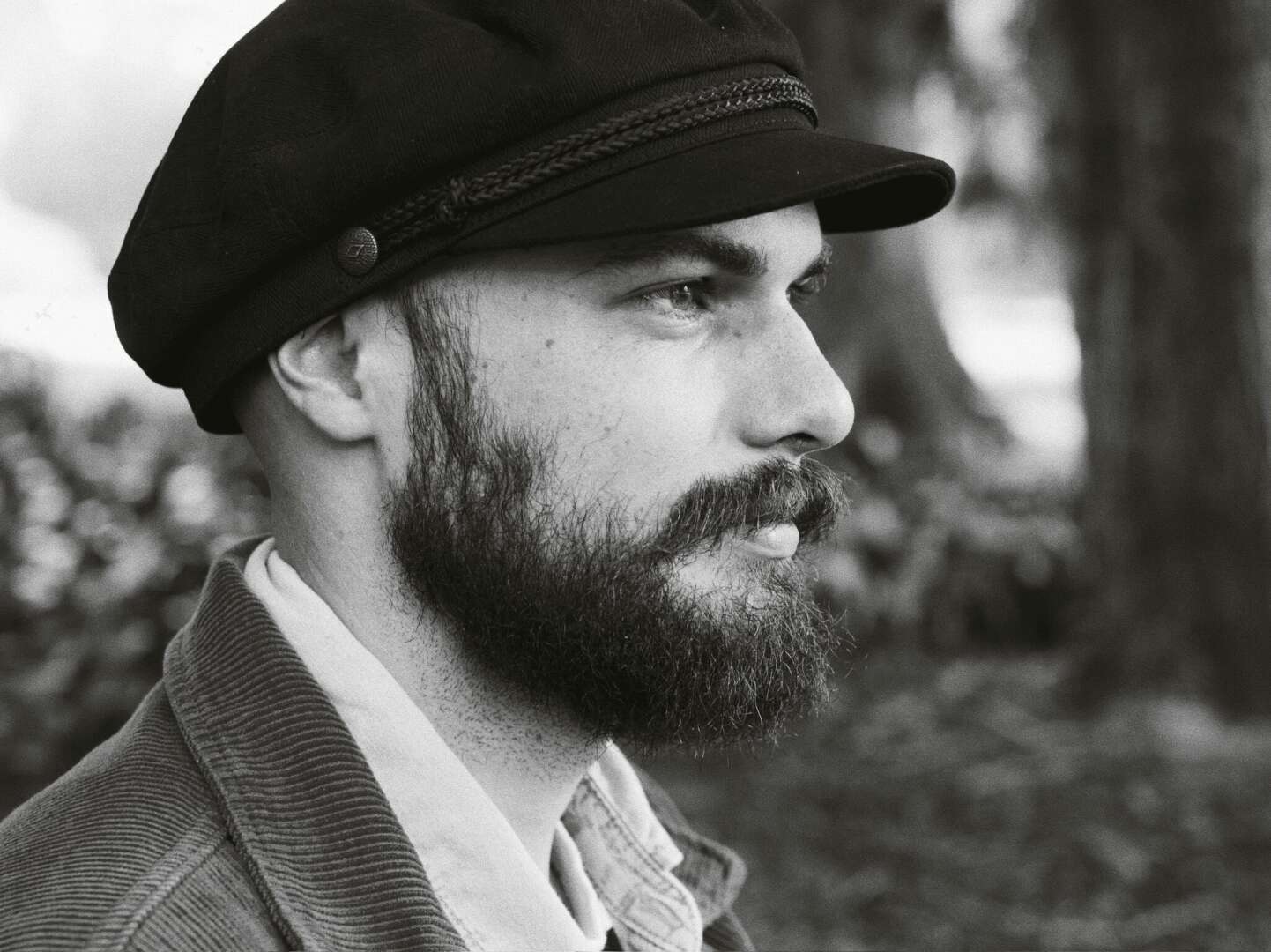

Alright – so today we’ve got the honor of introducing you to Chase Potter. We think you’ll enjoy our conversation, we’ve shared it below.
Chase, thanks for taking the time to share your stories with us today Do you think your parents have had a meaningful impact on you and your journey?
I was very fortunate and privileged to grow up with parents who were very supportive of my pursuit of music and were able to provide musical nurturing for me starting from a very young age. When I was three years old, I remember watching PBS, seeing a string section of an orchestra on TV and being completely mesmerized. Everyday for about a year I said, “I want to play the violin” to my parents. Around my 4th birthday, they got me my first violin and set me up with lessons. The fact that they took my interests seriously at a young age literally made me who I am as an artist today, and I can’t thank them enough for that. I’m also fortunate that they were both working musicians at different times in their lives as well, so they understand all that encompasses working full time as a musician.
Awesome – so before we get into the rest of our questions, can you briefly introduce yourself to our readers.
My name is Chase Potter and I am a full time musician who performs and records on an array of instruments. I write, produce, and record music as well.
Here’s a quick digest of my musical upbringing: Music has always been around me due to my parents both being musicians, and I first started performing in public with my Dad around Columbus, Ohio when I was four years old. We performed quite a bit as a duo for years doing bluegrass, jazz, and old time folk music. By the time I was in high school, I started playing with other bands on days where I wasn’t in school. I eventually was fortunate enough to receive a Presidential Scholarship to Berklee College of Music in Boston which allowed me to meet other people who had similar stories to me from all over the world. After completing my degree at Berklee, I moved back to Columbus for a year and then ended up spending about three and a half years in Brooklyn, New York. During COVID, I had to move back to Ohio and currently live back in Columbus again.
I have always done freelance work in the world of music, and though it can be stressful at times, it can also be immensely rewarding. It’s also the only life I’ve ever known, so I guess I’m pretty used to it at this point. The best way I can sum up what I do and what allows me to sustain a career is striving to have a genuinely good and honest reputation, which comes down to core ideas such as being good at what you’re hired to do, being professional, and being easy to work with. This also means being honest with what your strengths and weaknesses are within your craft and trying to hone in on those, and being honest about not doing things that you wouldn’t be a good fit for.
Recognizing the need to work that comes with the freelance life has also led me to learning other skills and becoming adequate at them enough to get hired. My main instrument and best skill as a musician has always been as a violinist, but I have played gigs and recorded on other instruments throughout the years and have also learned skills in producing and audio editing that have gotten me plenty of work as well.
No matter what I am getting hired to do, I always ask myself “what do I need to do in order to do a good job for this task?” Sometimes that means playing a lot of notes, sometimes that means playing hardly any notes, sometimes it means playing an instrument I haven’t played in awhile so I have to spend some extra time practicing, etc. I think of “doing a good job” as the goal, and I try to ask myself what I have within my skill set in order to accomplish that goal, and if there is something that is not within my skill set that needs to be for a certain job or needs to be improved upon, I try my best to strengthen that and learn from it. Every single time I work, I view it as a learning experience, even if it’s something I have done a thousand times before.
What can society do to ensure an environment that’s helpful to artists and creatives?
Honestly, I think at the core, we need to strive to improve material conditions not just for working creatives, but for working class people in general. The amount that we have to work in order to pay the bills can leave us feeling like we’re burning the candle at both ends, and that candle seems to be burning hotter and hotter every year with the way the cost of living is going. Sometimes with all the work that we find ourselves doing in order to pay the bills, it can feel a lot less creative and soul nourishing than it used to, which can be draining on the creative because the feelings of soul nourishment and creative expression are why we got into these fields in the first place.
What do all creatives need in order to hone their craft and create? Time to work on their craft, and space to do it in. How does one acquire time to work on their craft and a space to do it in? Money….which, unfortunately for us working creatives, there never seems to be enough of (unless you happen to come from it or become very successful).
I think as a society, we need to recognize that there is true value that exists in the time and space that is needed in order for creative energy to emerge, and put more funding into nurturing that in a legitimate way. I don’t know if I’m smart enough to come up with any concrete plans on how to enact such a thing, but one can hope and dream.
Can you tell us about a time you’ve had to pivot?
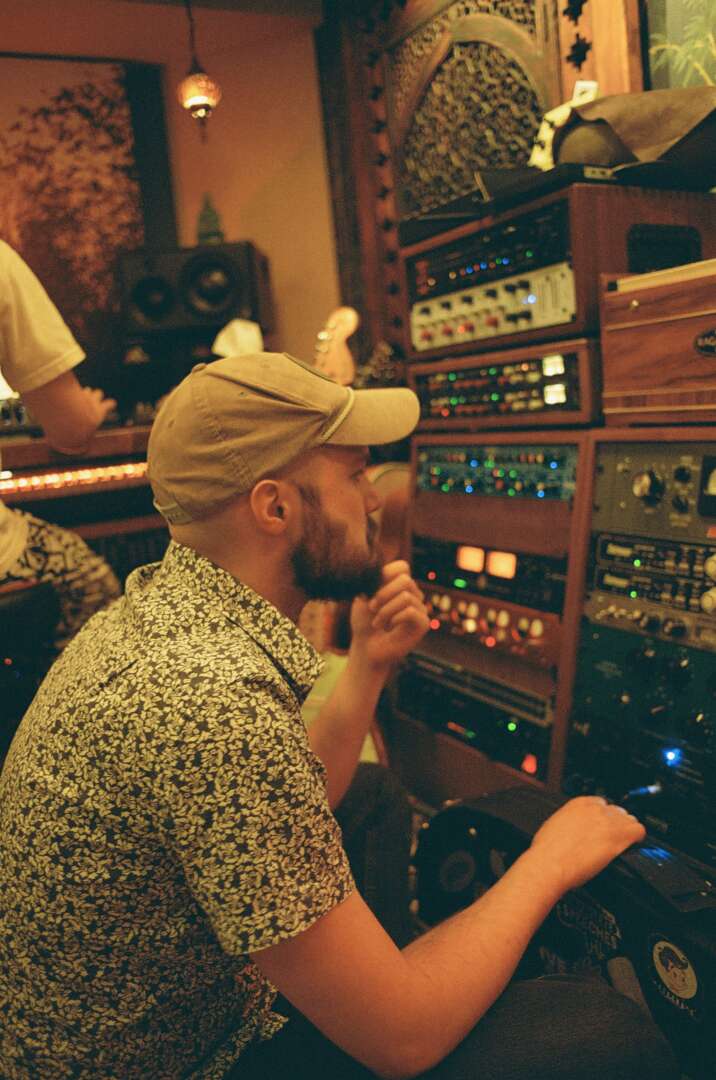
As all of us experienced, 2020 was truly a year of reckoning, and the creative space was no exception. I remember March 2020 happening and withing 48 hours, my calendar for the entire year was wiped out. This included multiple tours including a month long tour in Germany, a bunch of wedding gigs, and some recording sessions. After some time passed, remote work became a lot more popular, and so did remote recording sessions, which inspired me to upgrade my home studio setup and learn more about producing and recording. I started getting more and more calls to record violin and other instruments for people from my home, which was something I hadn’t had that much experience with before.
Although my remote recording sessions were becoming more frequent and some gigs were starting to return, I still needed more income, so I started to get into podcast editing. For the last two and a half years, editing podcasts became a major side hustle for me on top of all of the other music related things I was doing. There were definitely plenty of times where I was getting more work as a podcast editor than as a musician, which is something I never anticipated happening in my life, but I needed the work and it was there, so I did it. I can honestly say that I learned a lot from editing podcasts, and it definitely helped keep me afloat for a couple of years while the world was still trying to get back to “normal”.
Contact Info:
- Website: https://www.chasepottermusic.com
- Instagram: https://www.instagram.com/chase_potter_music/
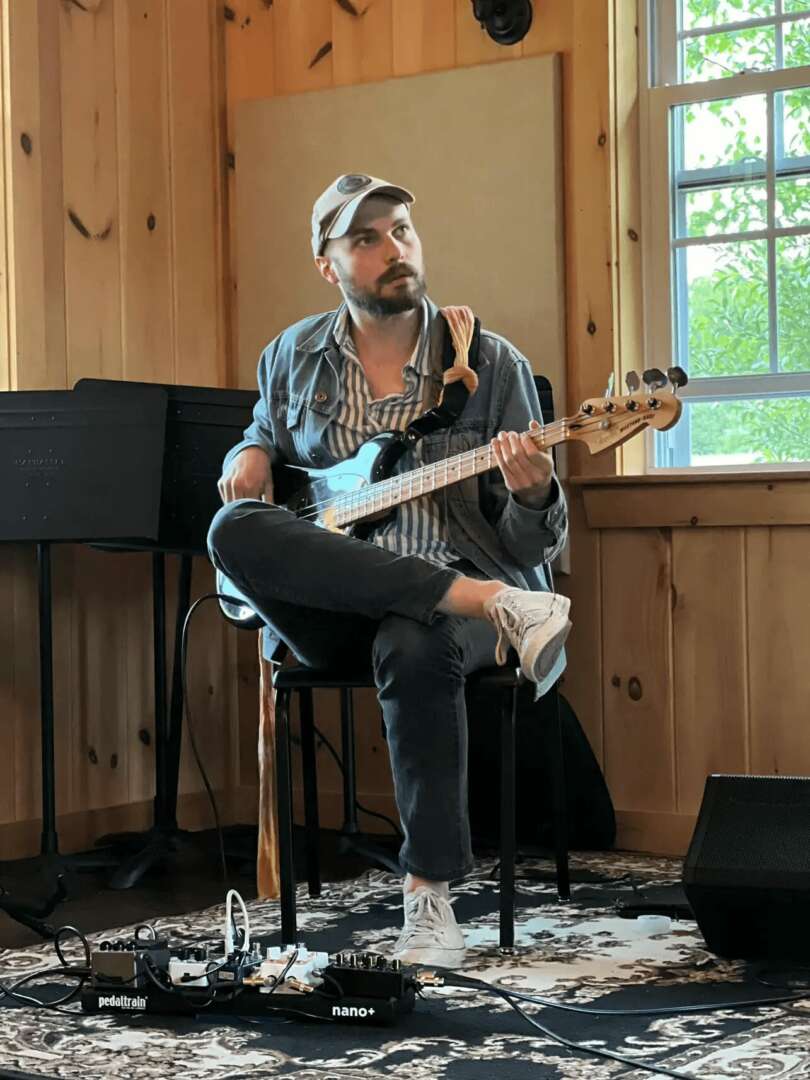
Image Credits
Black and white headshot – Selia Mozzelle
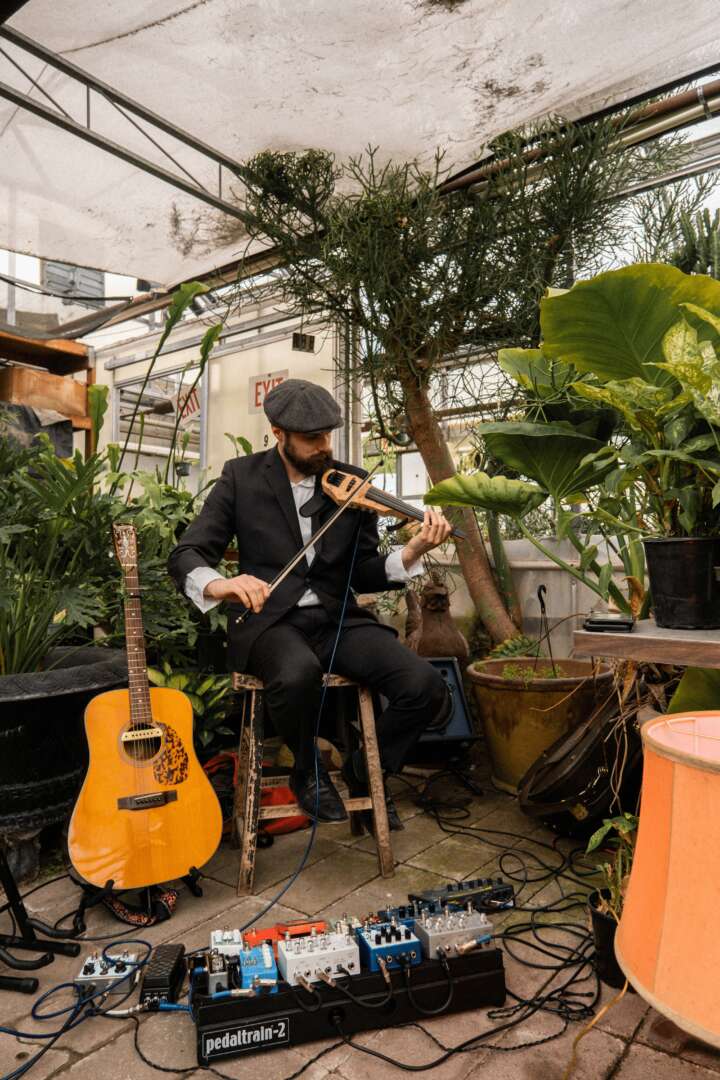
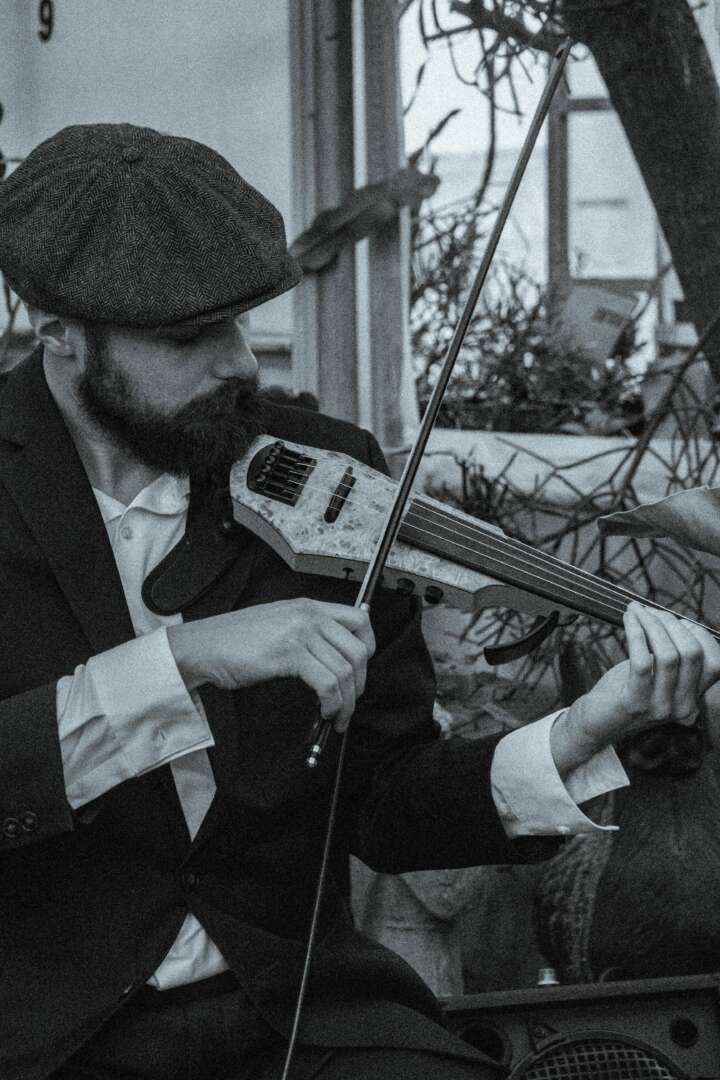
Black and white electric violin shot and color violin shot (both in a green house) – Kat Pappas
Me in the studio with outboard gear – Mckenzie Kilborne
Me playing bass – Matthiessen Nisch Quan (i think it’s just an iphone photo that my buddy snagged)