

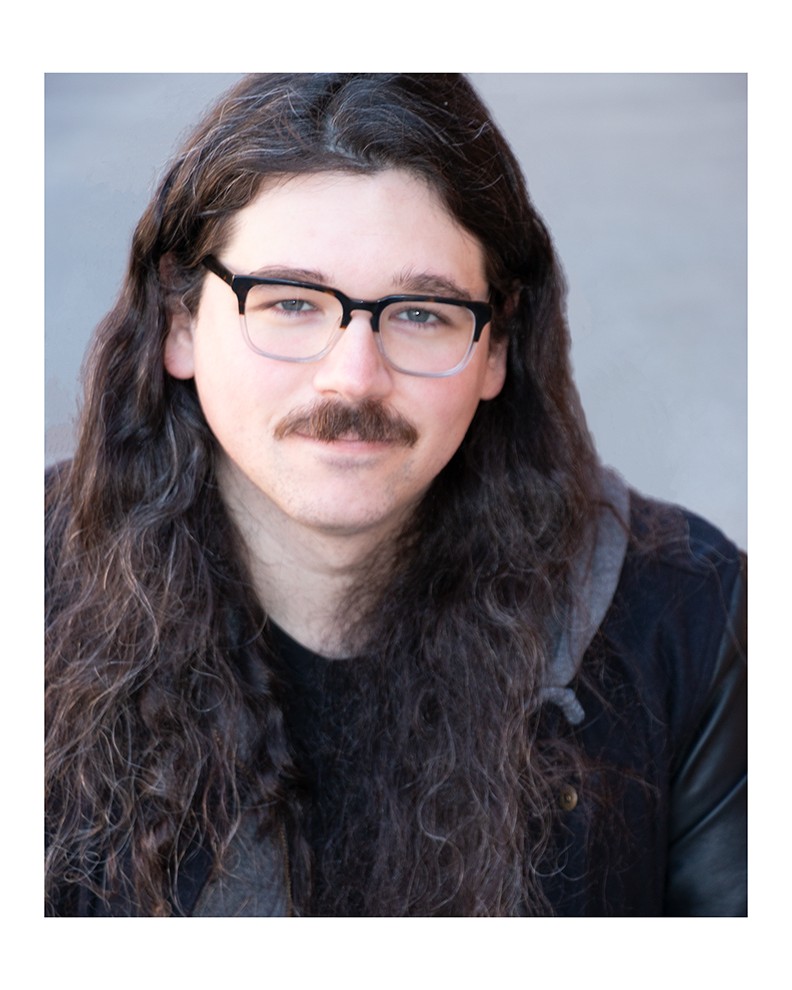

We’re excited to introduce you to the always interesting and insightful Ro Rovito. We hope you’ll enjoy our conversation with Ro below.
Ro, appreciate you joining us today. We’d love to hear about when you first realized that you wanted to pursue a creative path professionally.
I think it was probably a couple months into doing improv for the first time. Something finally clicked in me in a way that nothing really ever had before. It was one of those moments where I was leaving an improv class and just thought, “this is all I’ve ever wanted to do.” I’ve loved comedy and making people laugh since I was a little kid, but I never thought about it as a career growing up. I always just assumed a career in comedy was something that happened to you and not something you actively pursued. Being a millenial and living in a capitalistic society kind of creates a strange dichotemy in your idea of what’s possible. When we were kids, I think many of us were often told that you could be anything you wanted if you put your mind to it, but being limited in resources and money drives you along a more practical path. I spent a lot of my career working as a manager in post production because it was the most practical job I could pursue in a creative industry and it was the only thing I could do to make enough money to afford to pay student loans and rent. That practicality put me on a path parallel to creative eneavors, but didn’t necessarily afford me the ability to pursue them. After a while, a long while, I realized that if I wanted to do creative work, I needed to put whatever free time I had into it and hope that something would pay off.
Ro, love having you share your insights with us. Before we ask you more questions, maybe you can take a moment to introduce yourself to our readers who might have missed our earlier conversations?
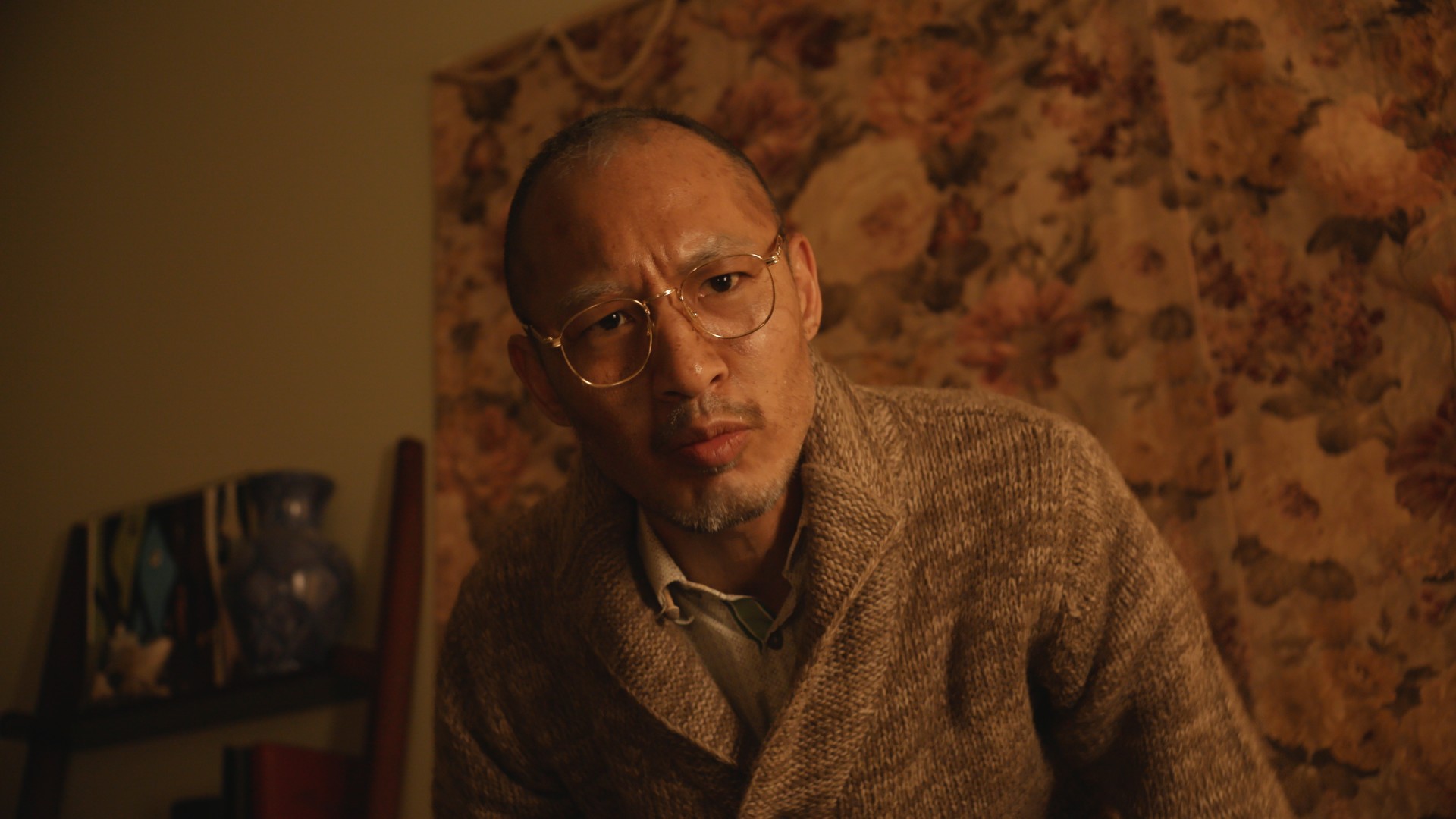
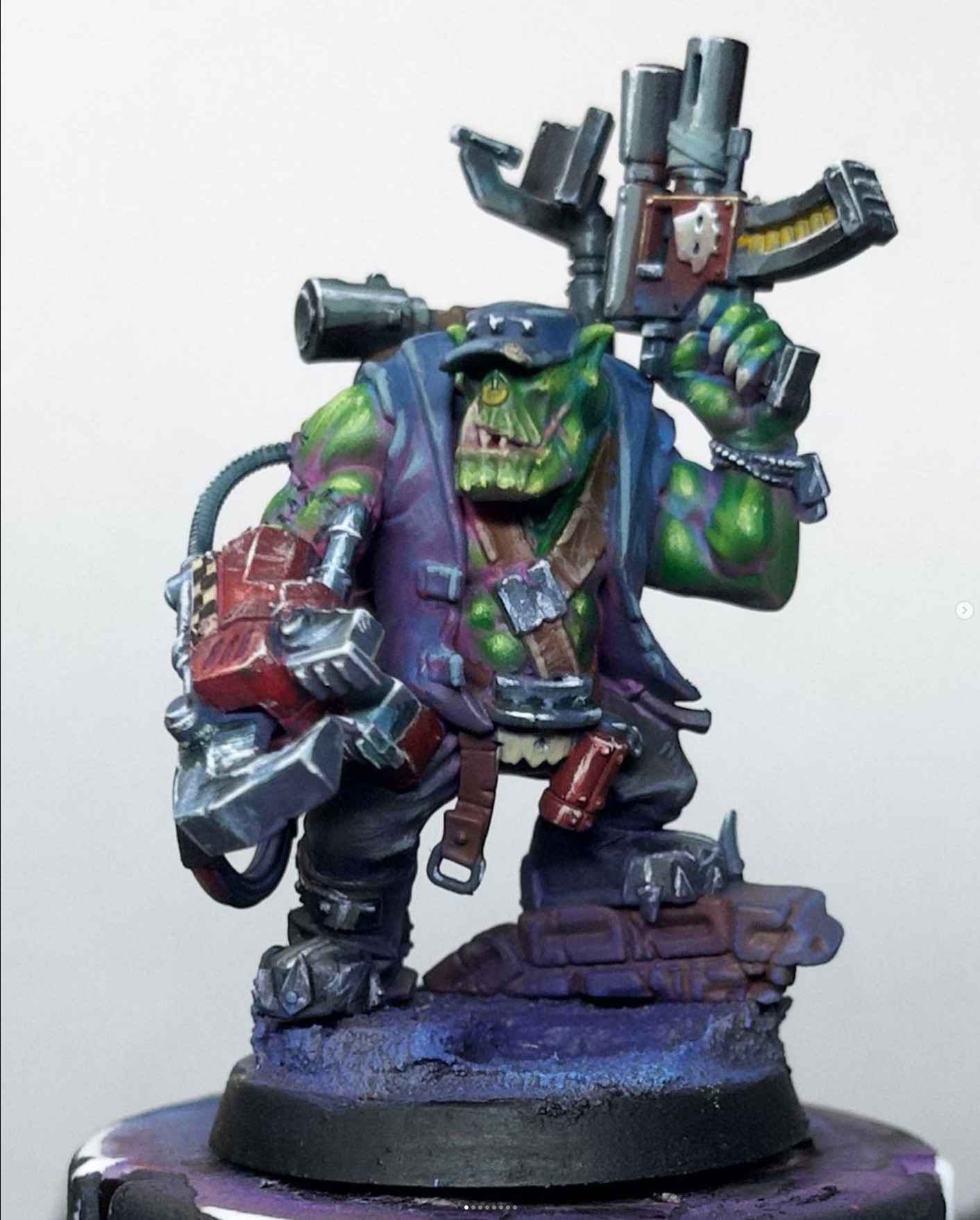
I’m Ro, I’m a comedian and a video editor/colorist and a miniature painter. I’ve been working in post production for over ten years and pursuing work in comedy and painting for a signifcantly shorter amount of time. I consider myself to be a jack of many trades (definitely not all), I have a lot of creative passions and interests and they all fuel me in different ways, so the past few years it’s been important to me to be able to find different work that taps into all those different things.
I started a career in post production right out of college and just kinda stuck with it because I didn’t feel that I had much of a choice. Getting on the post production management track seemed to be the most direct path to regular advancement and consistent financial gain. Eventually, I decided I needed to get off that path and became a video editor and colorist in my spare time. I always really enjoyed color work because it’s a perfect combination of creative problem-solving and artistic expression. Color does so much to establish tone and sense of place and direct the viewers’ eye; it’s just as important to the storytelling as editing is.
My pursuit of editing and coloring eventually led me to opportunities to work with lots of different makeup brands like Elizabeth Arden and L’Oreal. I was, and am, incredibly grateful for those opportunities; they were so much fun to be a part of. It’s really cool to be able to work on sleek, high production value product work because it all looks so glamorous.
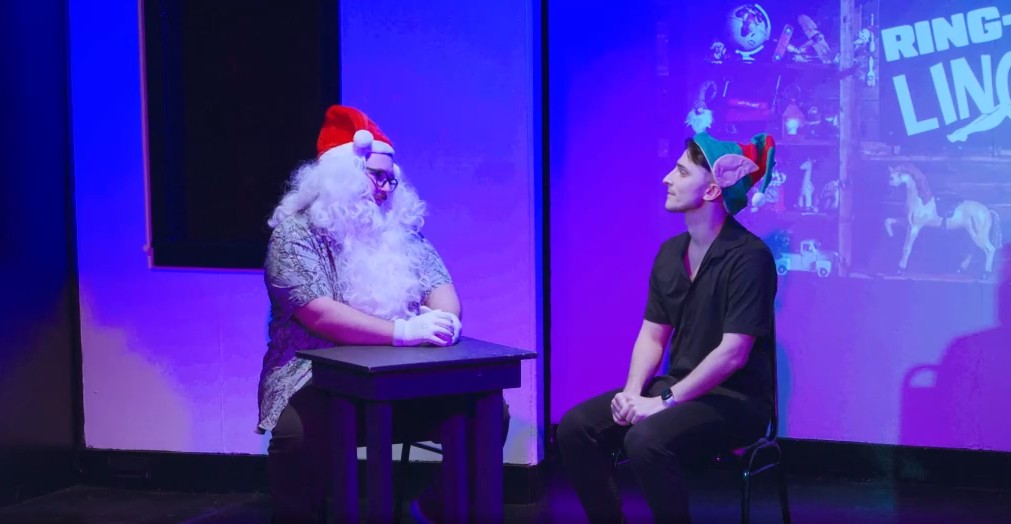
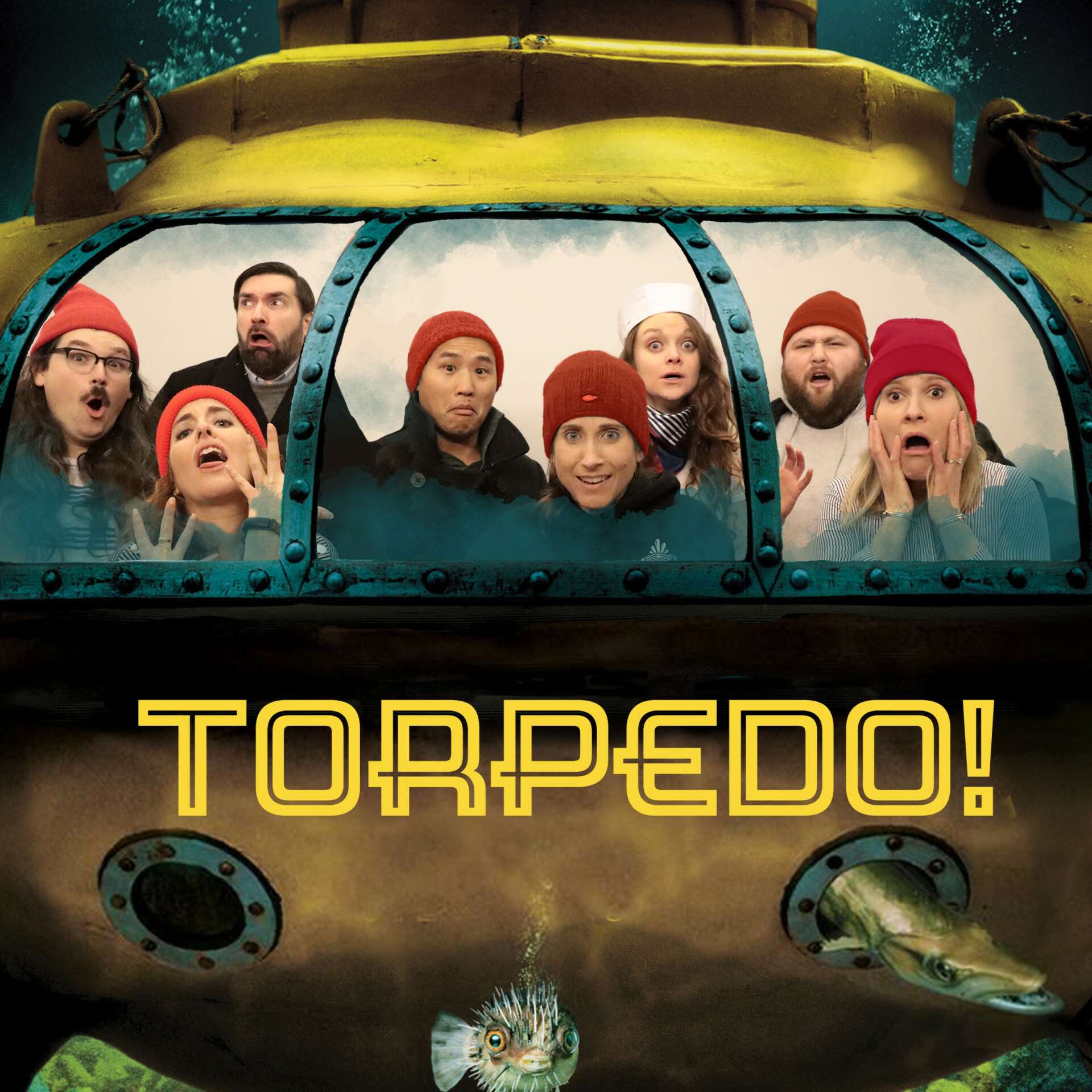
I’ve been doing improv and sketch comedy for almost as long. My work in comedy also directly enhances my ability to do all the other creative work I do. Comedy requires being an active and careful listener, a conscise communicator, and an empathetic person. It’s the most collaborative and most rewarding work that I do. I was very recently accepted as a freelance writer for hard-drive.net, which is a satire news website that specifically focuses on video games and popular culture. It’s still very new and exciting, but I’m incredibly grateful to get to contribute.
How about pivoting – can you share the story of a time you’ve had to pivot?
A few months into the pandemic lockdown I was laid off from the job I had at the time. It was the longest job I’d ever had, and while the writing wasn’t on the wall, I should’ve been more prepared for that to happen. It was a very difficult time to find work, which didn’t help alleviate all the stress and fear about what was happening to the world. I had to finally give freelancing a shot, it was the only work I could find consistently at the time. I’d mostly been permalance up until that point, so it was the first time I was fully going it on my own. It’s not an easy switch to make, you have to do so much additional work outside the jobs themselves: networking, cold-calling, pitching, it’s a major hustle. They were great skills to hone, but it was a very difficult time to do it.

What can society do to ensure an environment that’s helpful to artists and creatives?
More funding for arts and public services, less funding for cops. We hear all the time about school budgets being cut, the first things to go are art and music. We need to support creative expression for children so that they grow up to be empathetic adults who are able to think critically. There need to be more government grants for art so that you don’t have to be a rich kid to shoot a short film. We need a universal basic income so that people can afford to step away from their jobs and see what else is out there for them. In the past, being an artist was something largely only possible for the rich because they were the only ones who had the time to learn an art. We’ve trended in that direction again. Yes, the creation of programs like photoshop and davinci resolve have democratized the ability to learn art, most people can’t afford to take the time to learn art.
Contact Info:
- Website: https://rorovitocolor.com/
- Instagram: https://www.instagram.com/baroke_hobbies/
- Linkedin: https://www.linkedin.com/in/ro-rovito/
- Youtube: https://www.youtube.com/@rococosketchcomedy
- Other: https://www.tiktok.com/@ro_rovito
Image Credits
Ro Rovito, Refinery29, Samantha Walsh, Woody Fu