


Our children are our future. Education is at the heart at developing their skills and abilities and yet year after year we hear about the degrading state of our educational system. Our nation has spent trillions of dollars on failed programs that research and experts had promised would work. Achievement gaps persist, performance declines are accelerating and so it is of paramount importance that we explore novel ideas and solutions. You might not agree with many or any of the ideas below, and we certainly are not endorsing policies – our hope is just to create a space where bright, dedicated folks from the community can share their ideas – so that we can all come together and better understand each others experiences, concerns and how we might move forward together to build a brighter future.
MARIA ENGLEHARDT

I feel that a college degree does not always ensure high achievement. What makes someone successful includes their will to learn, adapt and find solutions for people/companies. If I could change our educational system, I would ensure high school students were learning basic life skills such as financial courses, cooking courses, career aptitude tests, providing better guidance and play on students’ strengths and guide them on how to strengthen their weaknesses. I understand that not everyone is good at test taking and not all students are the same. There are those students who are great test takers but do not retain what they learn and there are people that do not excel in test taking but have the knack for learning more than the average student. Read more>>
JA’NET ADAMS

I would not exactly say change as much as I would say adapt. How can the educational system adapt to today’s world while also using lessons from the past. For example being to teach students today who want to work to solve poverty issues the work of Fannie Lou Hamer. Fannie Lou Hamer main goals were to alleviate poverty while at the same time fighting for racial equality. I think learning about the work of Hamer would be more beneficial to students than an entire year of medieval history. Read more>>
Gabrielle Perkins-Lichlyter

I would change the importance of the arts and the stigmas surrounding other forms of academic learning within the public school system. I never fit the traditional academic roles, from being left-handed to having a reading disability, and dyslexia, normal education was always a constant struggle. The way the educational system has indoctrinated students and me alike to root their worth in a letter grade and percentage. This led me down the path of insecurity that has taken me years to break. There was always an involuntary need to compare myself academically to others and therefore degraded my self-worth. Read more>>
Belinda Niling Stohner

I would like to see an emphasis on cultivating what academics call a “growth mindset”. This is the idea that we aren’t just born with or without certain capabilities, but that we can work and put effort into any skill to become great, or at least really good, at it. It’s the thing that keeps people from quitting when things get tough. So when we fail a test or don’t get a promotion, we’re empowered to think “I’m not good enough YET” as opposed to “I don’t have what it takes to do this”. Growth and fixed mindsets really influence how people act when they’re in a challenging situation. Read more>>
Elena Agaragimova

When it comes to career development, one’s journey starts way before he or she enters the working force. It starts in schools and universities. Career development professionals and educators must ensure that we are preparing the next generations to come for the real world. Too often, we focus on academics, but in fact, there are more important factors at play. There needs to be an integration between academics and career advising for better student outcomes. In addition, parents now often want their children to attend university to be better prepared for careers. Yet, that is not the case. There is a huge disconnect between what universities are teaching and what companies look for in a fresh talent. Read more>>
Lauren Grube
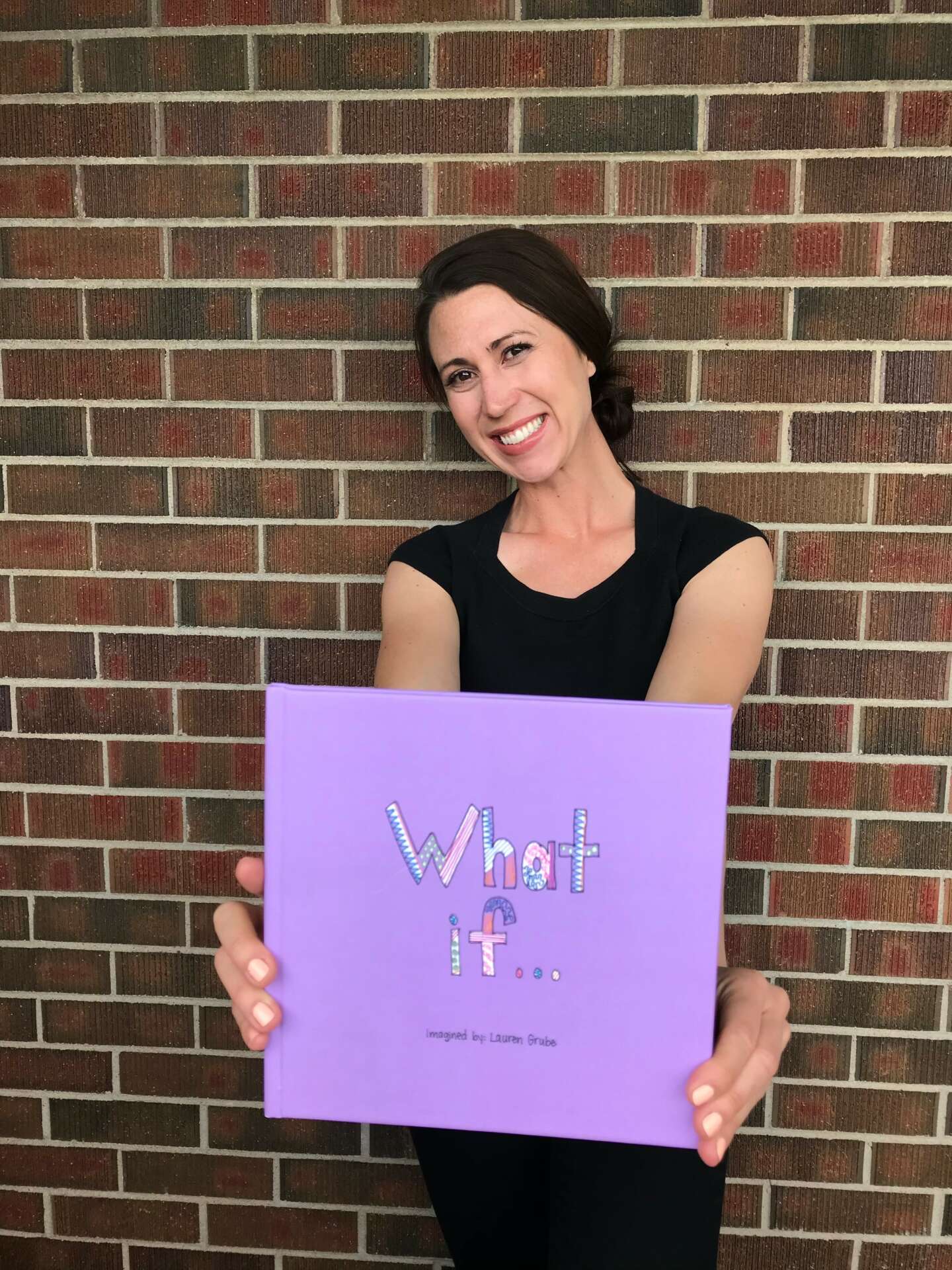
As a former elementary school teacher, I could talk about this for hours! And is one of the reasons I left the profession. I wanted to teach my students to be well-rounded, ready for real life, polite, thoughtful, big thinkers, and to get uncomfortable. The problem is that those are not ‘standards’ therefore most schools do not allow time for that in the school day. As a teacher it is already near impossible to teach a 10-month curriculum in about 7 months before testing while giving yourself time to get settled in as a class. I have often been asked this question, and sometimes I feel like the answer is too big to be an easy solution. But it does start in the home. Read more>>
Hayley Tillman

When I went to school for Cosmetology it was a nightmare. Very few educators knew what they where doing it didn’t really care about your growth. Anytime I had a question it was always answered with “ just YouTube it” so pretty much I was on my own for any growth. I didn’t even get a teacher for my stateboard class. I had to lock myself in a room to study the 5 hour days alone of stateboard regulations and procedures. So I took the initiative to really educate myself and my other class mates the best I could. I’m thankful I went into school with some knowledge of hair and salon life thanks to family members who had a amazing career in Hair and salon ownership. Read more>>
Salenah Cartier

Currently, I am a first-year Ph.D. student at the University of Houston’s Curriculum and Instruction program. Prior to beginning this program, I completed a Masters’s Degree of Education in Curriculum and Instruction with an emphasis in Learning, Design, and Technology. A major factor in my decision to pursue an education track in technology was because I knew that I wanted to find a way to have a positive worldwide impact in the field of education. I know that technology holds the power to make learning more accessible, usable, and adaptive to fit the learning preferences and needs of all students. Through technology, we can teach students how to teach themselves, and by giving them that power, we’re giving them the key to a lifetime of unlimited growth. Read more>>
Timoteo Perez
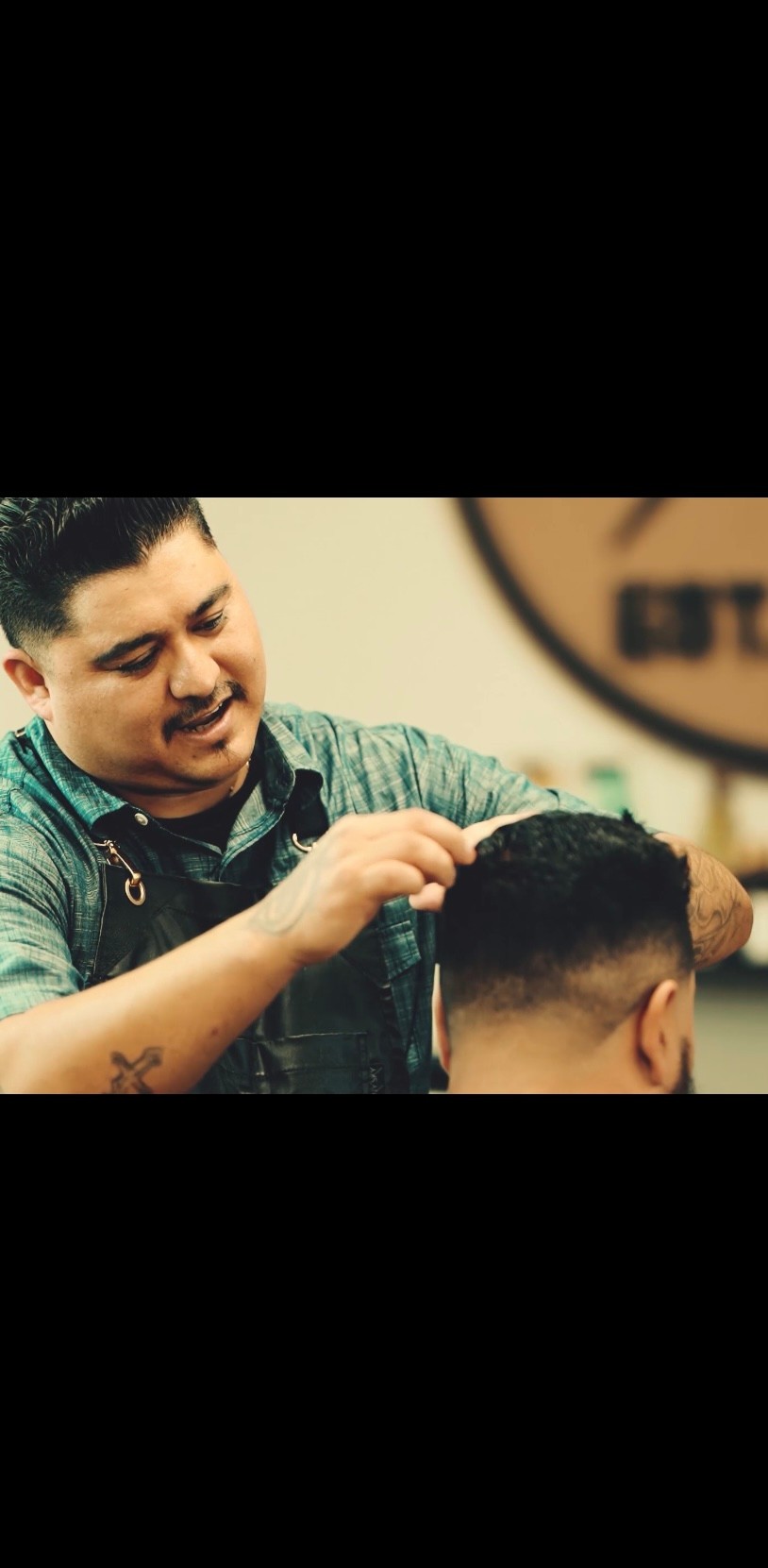
What I would like to change/add would be making basic life skills and personal finance a required class to take starting from middle/junior high school all the way to a required class to graduate from high school. I feel like life skills for example cooking and gardening are great way to teach independence, how to be self-sufficient and could even be turned into a career. Even showing them how to change a tire. As far as for personal finance, this will also teach how to be independent, manage expenses and budgeting so hopefully once they are in the real world they won’t accumulate a ton of debt before they are 21. Read more>>
Christina Nicodemou
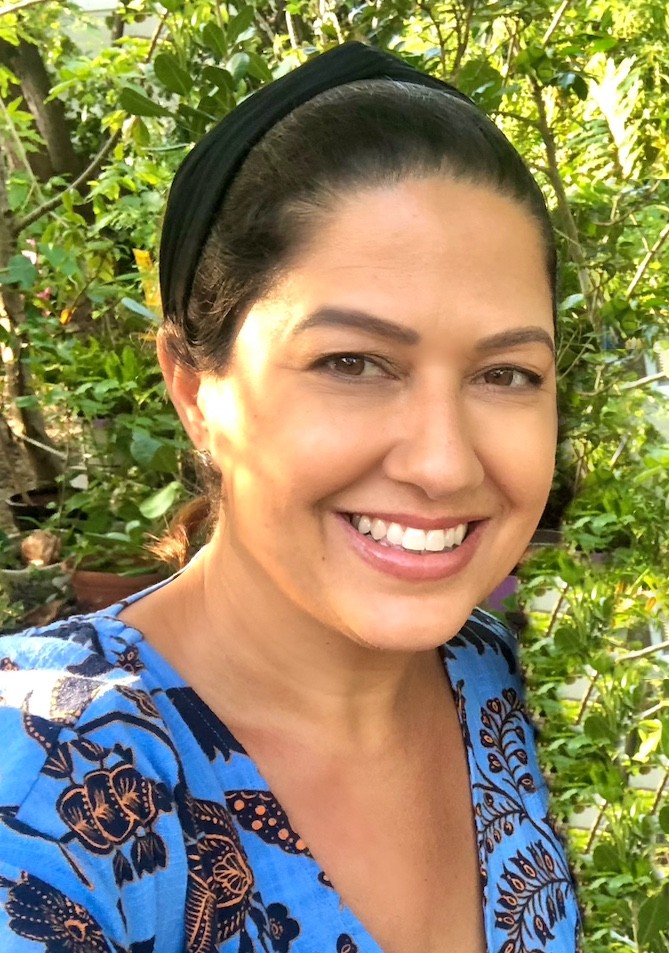
We are long overdue for a complete re-design of the school system. It would be wonderful to see a learning environment developed for children that is set up for enriching exploration, authentic collaboration and real-life experience. It seems as though obedience and testing have become prioritized in standard schooling. Particularly for early childhood and early elementary education, I believe it is vital for children to have autonomy and freedom to move and explore at their own pace in order to build a strong foundation of Self. Young children must be supported in their natural abilities to learn the life-long skill of decision making and risk-taking. So often, school systems remove the freedom of this for children and rules and standards become the priority. Read more>>
Ryan-Alexander Thomas
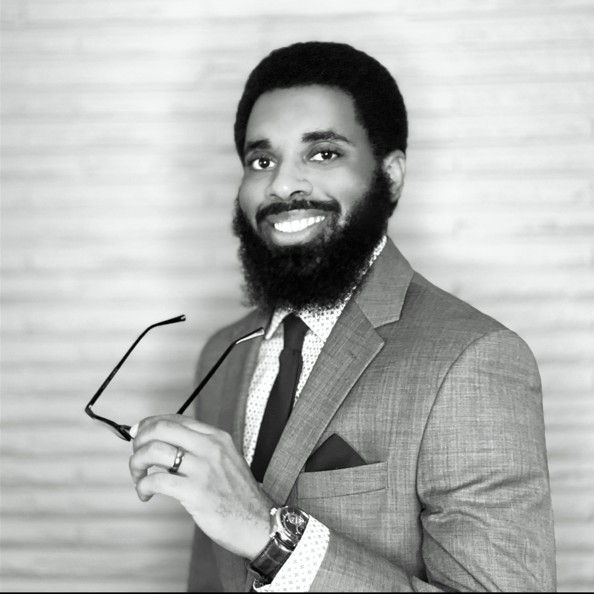
Although we have made strides in the education system, in many ways, we have yet to scratch the surface when it comes to unearthing the potential of today’s youth. I grew up learning what was in the book in order to take a test; there always was an emphasis on memorization first and comprehension second. Today, having a supercomputer in the pocket of nearly every individual over the age of 10 is mind-boggling. There should be less of an emphasis on memorization and a direct investment on comprehension and utility. Read more>>
Tiffany Rucker

If I could change one thing about the educational system, it would be to make financial education a substantial part of middle and high school requirements. I believe that children, especially minority students, need to graduate with a solid foundation in finances. Money is a tool that they will use for the rest of their lives, yet only a half of a credit is dedicated to financial education. Read more>>