



One of the biggest opportunities for folks who want to make an impact through entrepreneurship is to tackle things that Corporate America has gotten wrong and so we’ve asked some of the best and brightest in the community to share examples of what Corporate America is getting wrong in their industries.
Brody Newton

Corporate America often gets it wrong by putting the bottom line above the employee and customer experience. For a long time, I fell into that trap myself—it was all about the numbers, squeezing every ounce out of the day to hit financial targets. But what I’ve realized, and what many companies miss, is that this approach is short-sighted. When employees feel like just another number or a cog in the machine, their engagement drops, and it shows in the customer experience and overall business performance. Read more>>
Somya Munjal

America was essentially built on East India Company policies, which is modern-day Corporate America. It’s about extracting value and having the top always win. This eventually creates immense inequality, distrust, and unrest. It’s not sustainable, and it’s not helpful for humanity. Youthful Savings aims to rebuild the economy through a bottom-up, community-based approach that brings democratic economics to life. If we didn’t have Corporate America on one side, we wouldn’t be working hard to build something different on the other. In a way, it’s our greatest inspiration for what not to do! Read more>>
Erik Shaw

This is a tough question, and my response might ruffle a few feathers. Still, the biggest issue with this industry is that there are too many publishers overpromising and consistently underdelivering. What’s sad about this is the fact that the publishers know they are doing this, and the writers, especially new writers, do not realize that this is a common practice. Most writers are usually so excited to talk to a publisher they don’t even know what questions to ask and most publishers know this and use it to their advantage. Read more>>
Lisa E. Kirkwood

• Jaguar car brand and Bud Light beer have lost (and continue to lose), tens of millions of dollars in revenue and a large market share of consumers due to failed LGBTIQ+ ads intended for the social majority. • Disengaged employees account for low productivity and high turnover rates, which, in turn, cause increased training and employment expenses. • Private plaintiff employment discrimination lawsuits cost USA firms between $500 M and $1 B annually. Read more>>
Dana Fluegge

A lot of big companies get so caught up in presenting a perfect brand image that they forget about their real, human side. Nowadays, consumers really value authenticity and transparency. Brands that embrace their true values and even show a few flaws tend to connect with customers a lot better. Corporate marketing often takes a “one-size-fits-all” route, which means they don’t tailor their messages to local communities or cultures. This can turn potential customers away, making brands feel out of touch. Some companies splash out on flashy ads that promise more than they can actually deliver, resulting in distrust and frustration. Long-term success is all about keeping promises and building a strong reputation. Read more>>
Kristy Barton

So much of Corporate America has turned into one of two extremes. Either you build and promote your business around a specific ideology, and in turn target/attract a demographic that looks and thinks like you. Or, you become as neutral as possible so as not to offend anyone; i.e., either you pick a camp OR say nothing at all. As a result we have an economy packed full of businesses (both large and small) that have no real heartbeat, and people who are more prone to die on a hill they don’t necessarily believe in over the possibility of being misunderstood. Fear and/or self-righteous views start to steer the ship, so to speak, and we end up building a society that’s forgotten how to honor those that are different than them. That results in authenticity and artistic expression being stifled for fear of offense, and in turn our businesses all start to look and sound alike to one degree or another. Read more>>
Dila Budan

Have you ever wondered how different the animation shows are compared to the ones in the 90s or early 2000s? I cannot count how many times I have heard people say that the shows they grew up with were incredibly remarkable compared to the shows now. Something shifted in the industry after the 2010s. The animation industry has been through all sorts of milestones for decades. It reached an all-time low in recent years because of Corporate America. Excessive focus on market trends led most of the animation features and shows to lose quality due to the pressure to produce commercially viable content rather than creatively fulfilling and style-wise different. Not to mention low pay and demanding work schedules. Exploitation of animators has been the norm since the day the industry established new major motion picture companies that concentrate on animation. And unfortunately, for artists who are versatile and unique, navigating all of this is quite challenging. Read more>>
Michael Paranal

If I could change one thing about the education system, it would be to focus less on rigid standardization and more on fostering creativity and individuality. The traditional model we use today was designed during the industrial era, when schools were built to graduate large groups of students in batches to meet the workforce needs of factories. While that system worked for its time, today’s world is vastly different. Modern careers and life challenges require flexibility, creativity, and problem-solving—skills that standardized education often doesn’t prioritize. Instead of preparing students to fit into pre-set molds, we should be inspiring them to explore, innovate, and discover their unique potential. Read more>>
Marc Feinberg
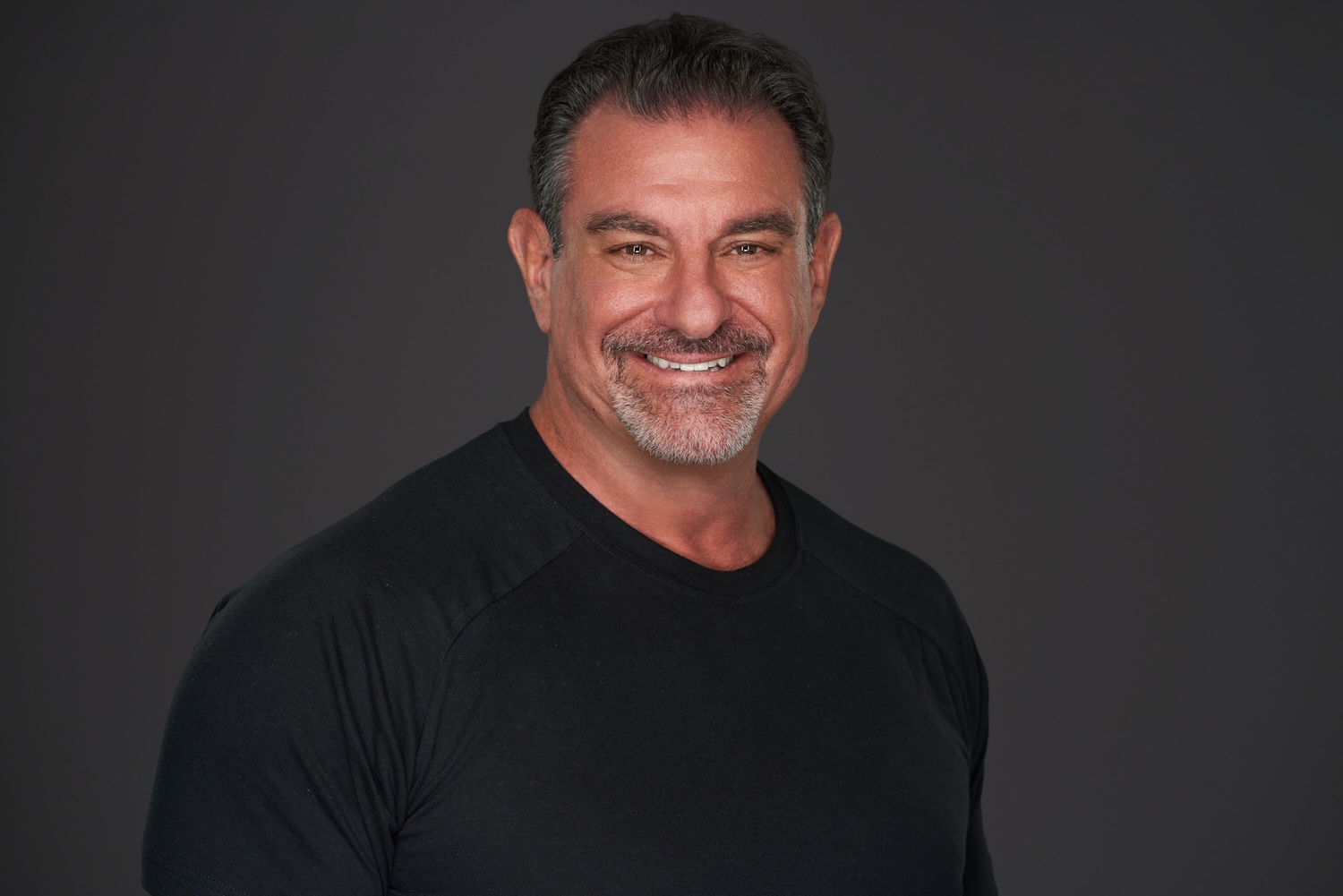
Growing up as a kid in New York City after my father got divorced to my mother, I made up stories about that experience. My daddy didn’t love me, it was my fault that my daddy left my mother, and those negative disempowering stories are what shaped my belief systems about who I am at a very early age. I found Freedom in a three day workshop at 30 years old. I’ve been on a personal growth and development journey ever since so much so that I’ve spent my career coaching some of the highest achieving athletes and entrepreneur of all time, athletes like the four-time heavyweight champion in Evander Holyfield, the two-time heavyweight champion Shannon Briggs, the Olympic gold medalist, Henry Tillman Miami Marlins hitting coach, Coach Jesus Merchan GOLF legend Robert Karlsson and so many others. Read more>>
Kimbo Rose Sorabella
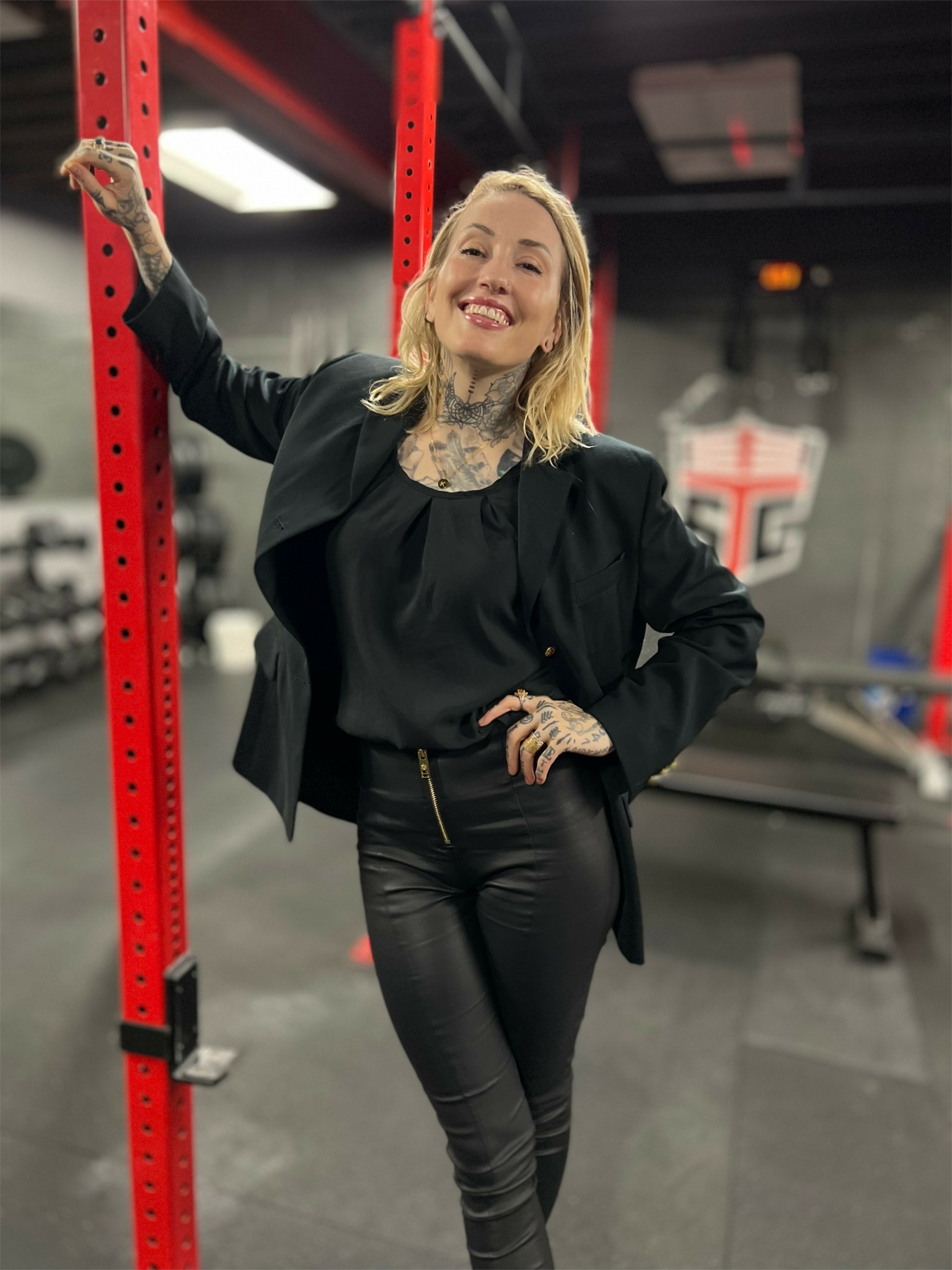
Although each child and student is different and entitled to their own unique up bringing, family traditions, values and personal experiences. I believe wholeheartedly that allowing dialogues about the association between the external and internal influences that affect health and wellbeing can enhance our children’s understanding of what happiness and health look like. For example, being healthy is not just the food on your plate. Not just, making sure that you get three meals a day (which some families can’t afford) and that you are eating whole fruits vegetables greens. Read more>>
Emily Diaz

I feel as though creativity and expression should be more embraced in our school system. Being an artist alone is difficult due to the stereotypes of the starving weird artist, let alone being an artist with a small business. In all of Highschool, I was given one class regarding financial literacy with brief mentions of entrepreneurs, as a definition. Freelance illustration is barely taken into account as a job, as art is underfunded in schools. Many Highschool counselors will also discourage interests in art as they don’t know much about the industry. Read more>>