

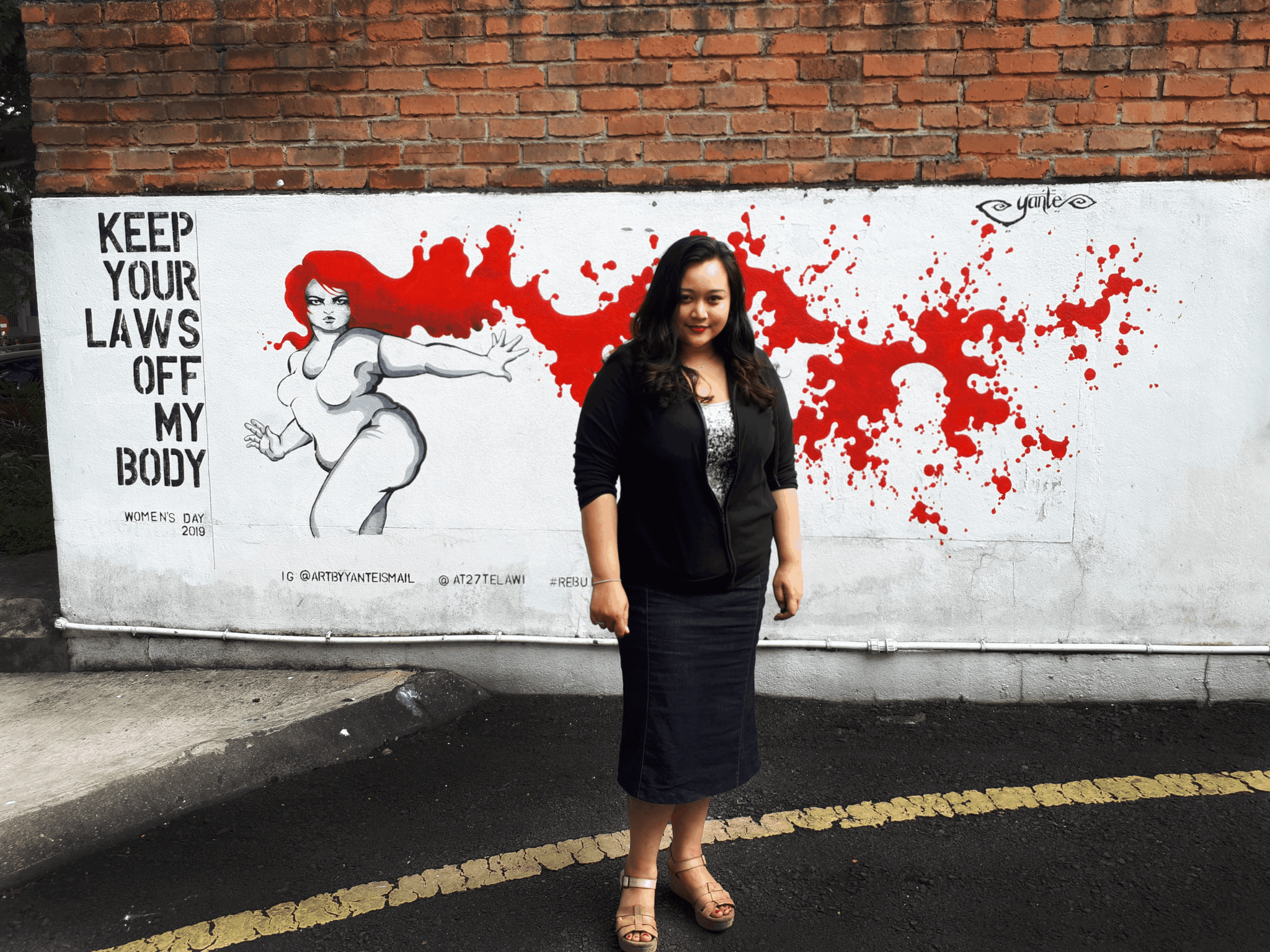

Today we’d like to introduce you to Yante Ismail
Hi Yante, can you start by introducing yourself? We’d love to learn more about how you got to where you are today?
I don’t think there was anything particularly exceptional about me growing up. I felt I was quite ordinary in every way. I got average grades, I drew a little, did a little theatre. I made friends easily and was popular in school.
Only as an adult looking back at my life did I realise that perhaps the circumstances around my life were maybe not so ordinary.
I was born in a small town in the north of Malaysia in 1974, but actually, I ‘grew up’ in Melbourne, Australia when my mother earned a scholarship to do her Masters and later, her PhD at Monash University. When I talk about my life trajectory, I always start with my mother. She is the daughter of a rubber-tapper immigrant from Java, the first girl in her village to go to University, and I would be willing to bet, the first to get a full ride to pursue advanced degrees abroad. Yet, this village girl found the drive to reach for the stars. She’s an international expert in her field, widely published, and author of several Award-winning books. I have always credited her for setting me on the path I am on today.
Several things made me different than many of my peers when I resumed school in Malaysia in the 1980’s upon returning from Australia. English became my first language, practically – and that accorded me access to information, opportunities, and interactions that I may not have gotten otherwise. Growing up in Australia affected me profoundly, because I had the lived experience of being an immigrant child in a country that was mired in sentiments of xenophobia as a result of the Indochinese refugee crisis affecting the region at that time. Bullying, taunting, and racism became the daily reality for my sibling and me. I was too young to defend myself, but I watched my only slightly older sister constantly get into fights standing up to bullies. I didn’t notice till later in life how much the experiences of those years shaped the way I saw the world, and how I saw race relations and the concept of in/justice, and of privilege.
I also credit my mother for making me a feminist from a very young age. She talked often and openly of patriarchy, the agents of patriarchy, and the injustices and oppression faced by women in our society. My father – because he had three daughters and one son – had a very egalitarian approach to our upbringing. Chores were not divided according to gender but based on capabilities. Because of him, I learnt very early in my life that there were no differences in responsibilities – or opportunities – between girls and boys. I also credit my natural aptitude to art to my father – he was a creative man, and took naturally to creating with his hands, be it woodworking, copper-tooling, or metalwork smithing.
This backdrop of experiences formed my principles and world view, and shaped my moral compass.
By the time I was in University, majoring in Journalism, I knew I wanted to “change the world”. The “how” of it, was unclear at the time. I never thought art would be one of the ways I would try to do this. Up till that point, art was just for fun. I had a natural aptitude for it and I picked up new art skills very easily – but it was always just a hobby.
But I remember when I was 22, and I was studying abroad in Canada for a term, I was exposed for the first time to discourse and literature on gender issues and human rights at a level that I had not experienced before. I wrote in a diary that upon returning to Malaysia, among other things, that whatever career I chose, it would be in human rights, and to use my skills in art to advocate for issues on women’s rights.
I forgot about that diary entry after that, and indeed, I did not remember it for nearly two decades later when I found it in a chest of keepsakes. But I have always believed that I had set my intentions that day with that diary entry, and whether I realised it or not, it guided the decisions I would later make in my life.
I did indeed enter into a career in human rights – for the last 20 years, I have worked for an international humanitarian organisation on refugee rights. And for the last 15 years, I have used art as a platform for advocacy on issues related to women’s rights.
Can you talk to us a bit about the challenges and lessons you’ve learned along the way. Looking back would you say it’s been easy or smooth in retrospect?
My entry into human rights and humanitarian work has been quite straightforward. I had volunteered for non-profit organisations from the time I was in university, and so this was a world that made sense to me. My academic and work experiences prepared me well for applying for work within this sector, and later, finding opportunities to enter into the United Nations as a professional staff.
My art career, however, has been somewhat more challenging. For a start, I am a self taught artist. Not having the pedigree of an art school background meant I had to work harder to open doors to opportunities to exhibit or showcase my work. The fact that I had a parallel career in the UN also worked against me – gallery owners and curators questioned my commitment to my art career. I think I was viewed as a risk – that I would not be able to deliver or that I would lose focus and interest. As a woman artist, my commitment to my art career has also been questioned by collectors. I was told that collectors were less ready to invest in women artists till it was certain they would not “drop out when they started having babies”.
I also faced pushback from gallery owners and curators because of the feminist ideology that my artwork carries. In a country like Malaysia, where the word “feminism” is demonised (like it is in many parts of the world today) as being radical, anti-men, too liberal, or anti-Islam, being an artist who identifies as a feminist can draw negative attention. A gallery owner asked me once to drop the “feminist” label from my identity, as they felt I would be more marketable without it. A collector once accosted me at one of my exhibitions, hostilely challenging me on a variety of issues on women’s rights and LGBTQI rights. I have also been trolled online for artworks I produced on topical women’s rights issues – especially if perceived to be anti-Islam. There have been times when I deactivated my social media presence when hostility escalated online over my works, till the attention passed.
Thanks for sharing that. So, maybe next you can tell us a bit more about your work?
I am a feminist artist – my work broadly deals with issues of human rights, but with a specific focus on women’s rights. My art challenges patriarchy, and the damaging social, religious, cultural, and social norms that control women’s bodies and dictate how women exist in society.
I am a figurative artist, working mostly in the medium of oil and acrylic on canvas, and I have recently begun producing mixed media sculptural works.
My subjects are always women who are bold, strong, and audacious. I also largely paint the female body in the nude to provide an alternative feminist frame of reference on the subject, reclaiming it from the ‘male gaze’ that defines the female body only as sexual or lewd, or shameful or virginal.
My niche is probably the feminist activist art that I produce. In Malaysia, there are not many artists who categorise themselves as producing feminist art. I feel that this is an area where I can make a unique contribution to the broader women’s rights movement. I have also been in a privileged position to access and understand issues around human rights and women’s rights because of my experience working in human rights. I feel that adds weight and credibility to the issues I raise through my art. My professional training has also honed my writing skills, so my art is always accompanied by narrative and analysis on the issues I am addressing.
Only because I’ve put in a lot of hard work into it, I am proud that I can now comfortably and credibly straddle the worlds of advocacy/activism and art.
Let’s talk about our city – what do you love? What do you not love?
To be honest, Kuala Lumpur became the city I lived in because it is the centre of virtually everything in Malaysia, especially to do the work I do. What I like the least about the city is the excessive number of malls in the city, and the never-ending building of malls.
The city would be immensely improved if it were more pedestrian-friendly and better connected with public transport. It could also benefit from more public parks and easy access to nature, and areas of recreation (that are not malls).
Contact Info:
- Website: [email protected]
- Instagram: https://www.instagram.com/studio.yante.ismail
- Facebook: https://www.facebook.com/StudioYanteIsmail
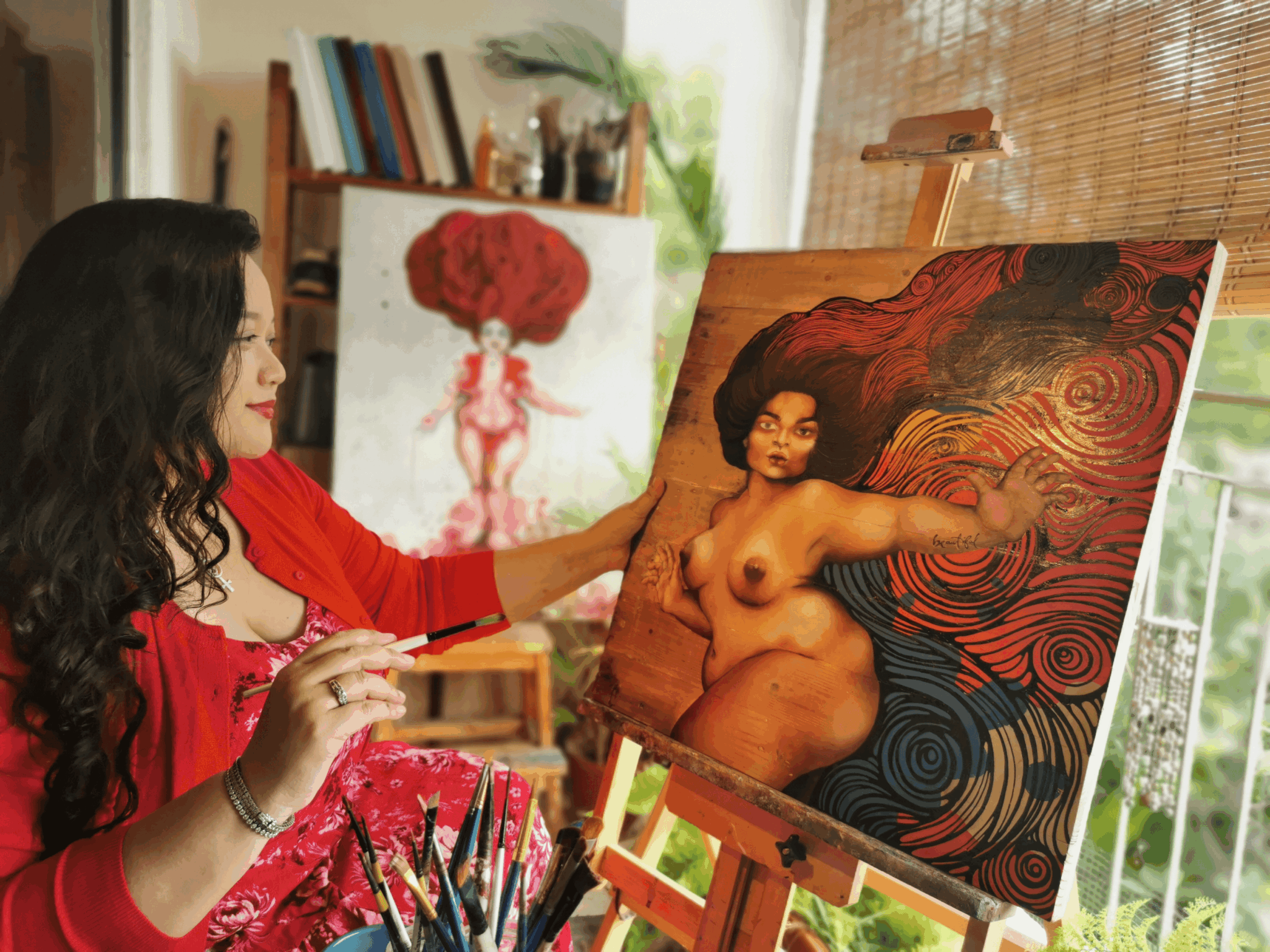
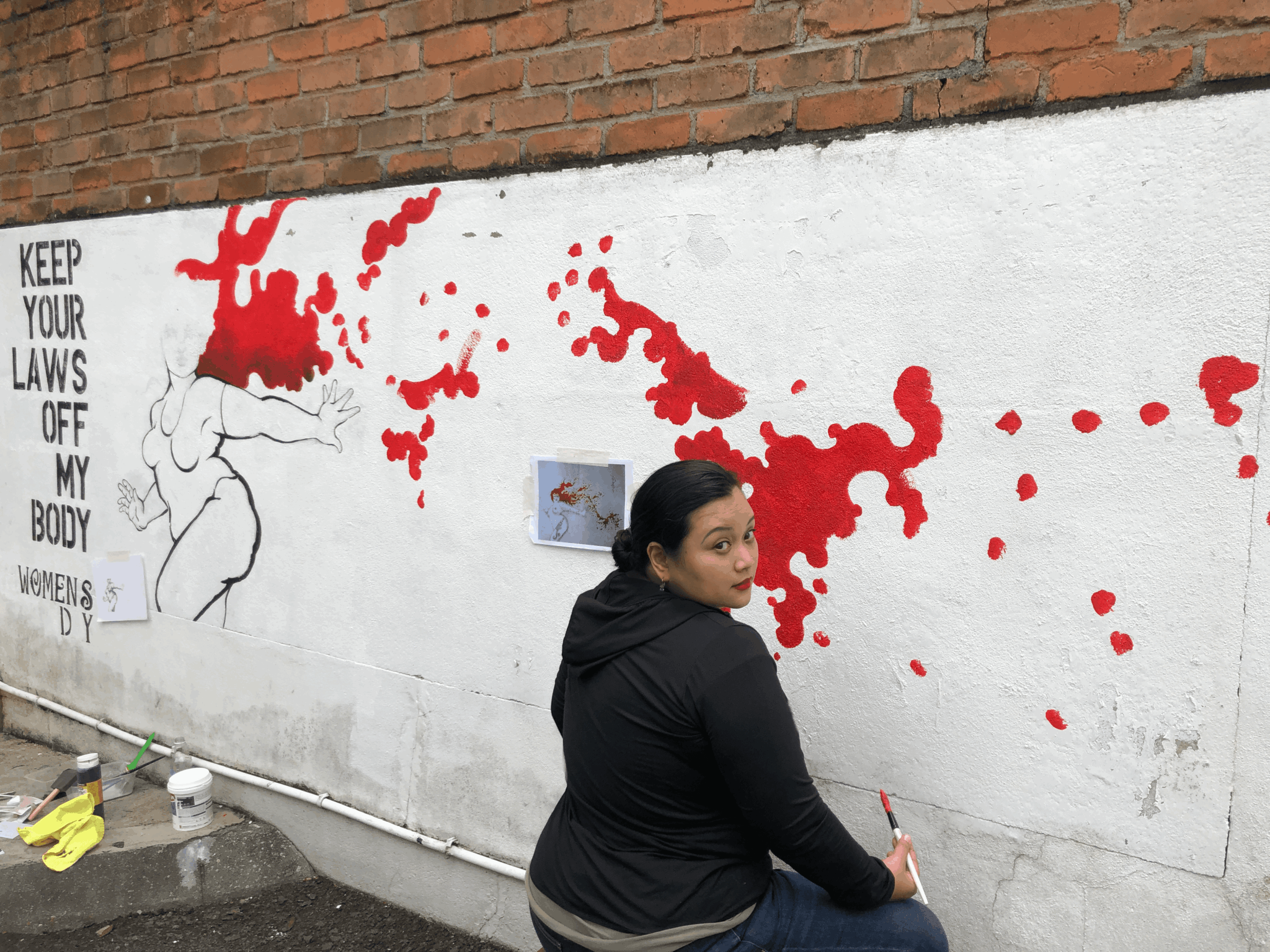
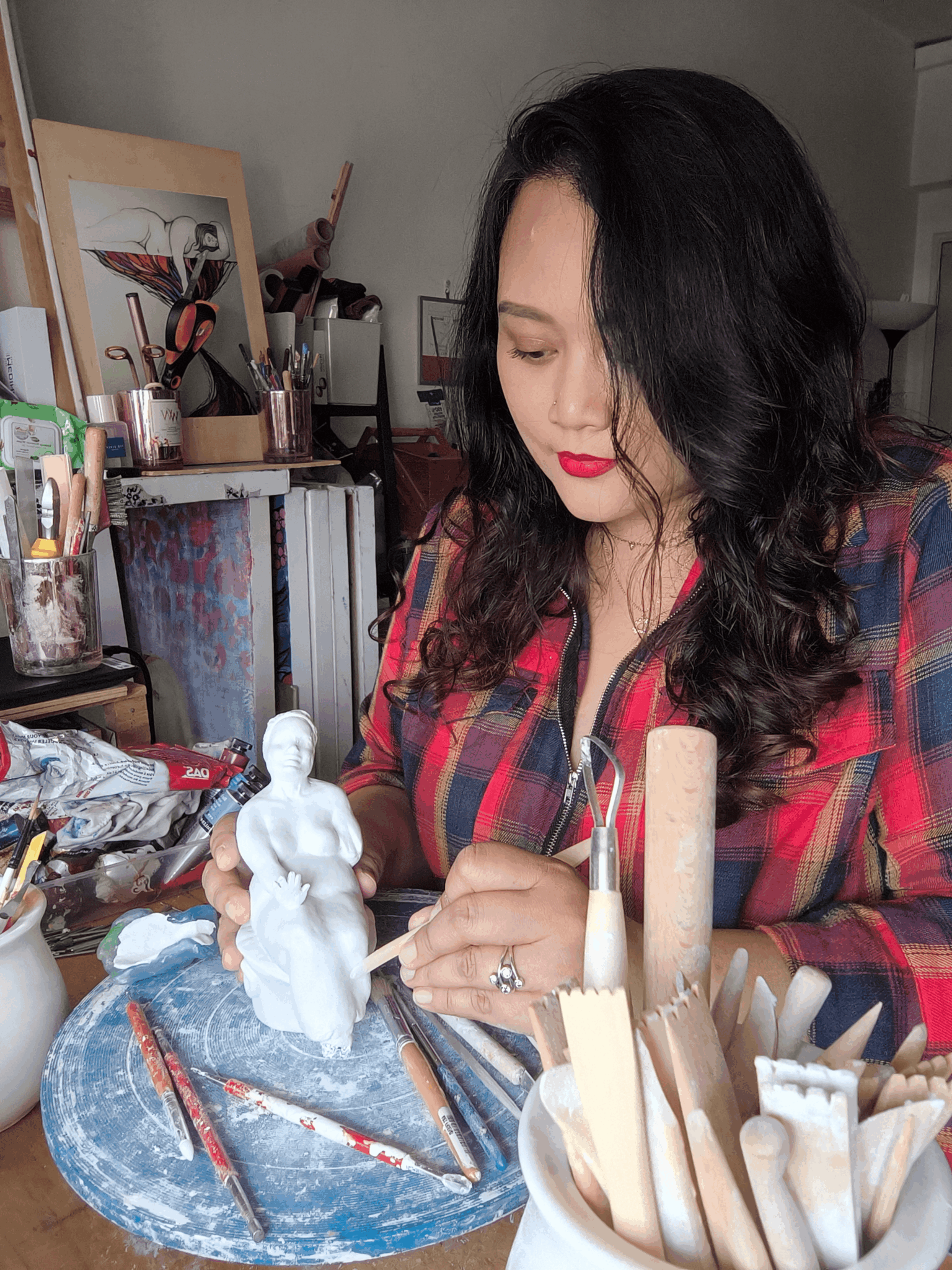
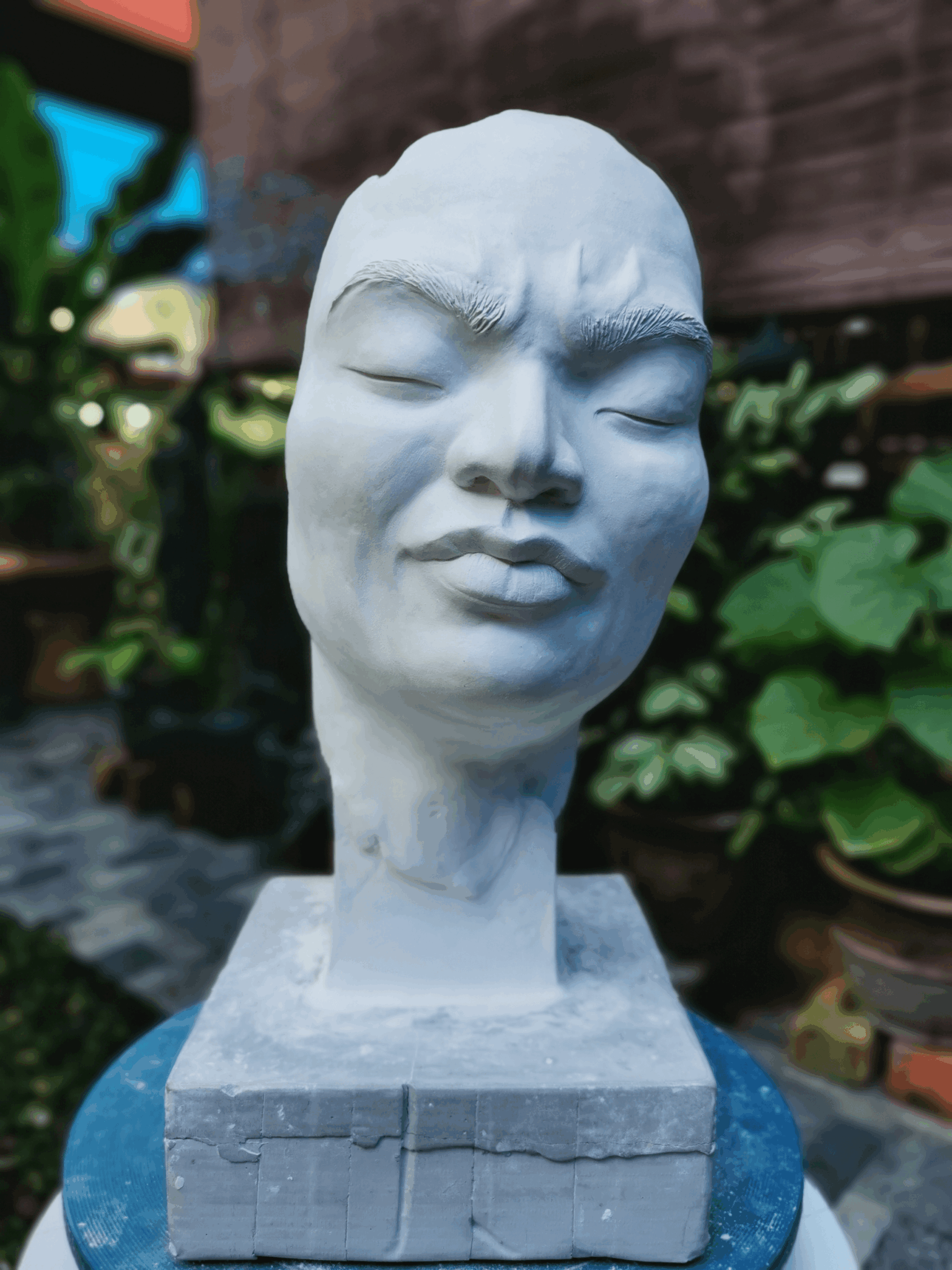
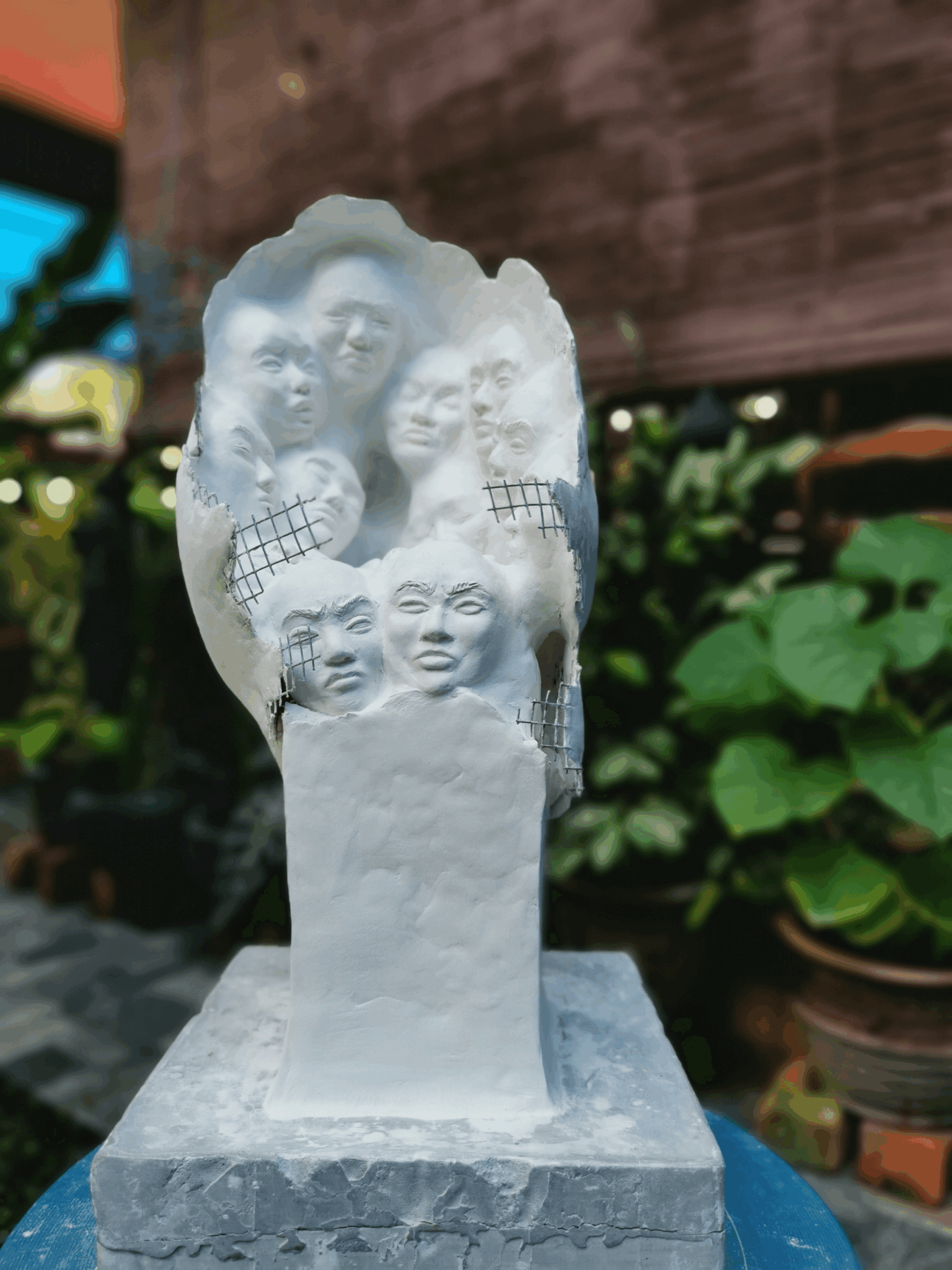
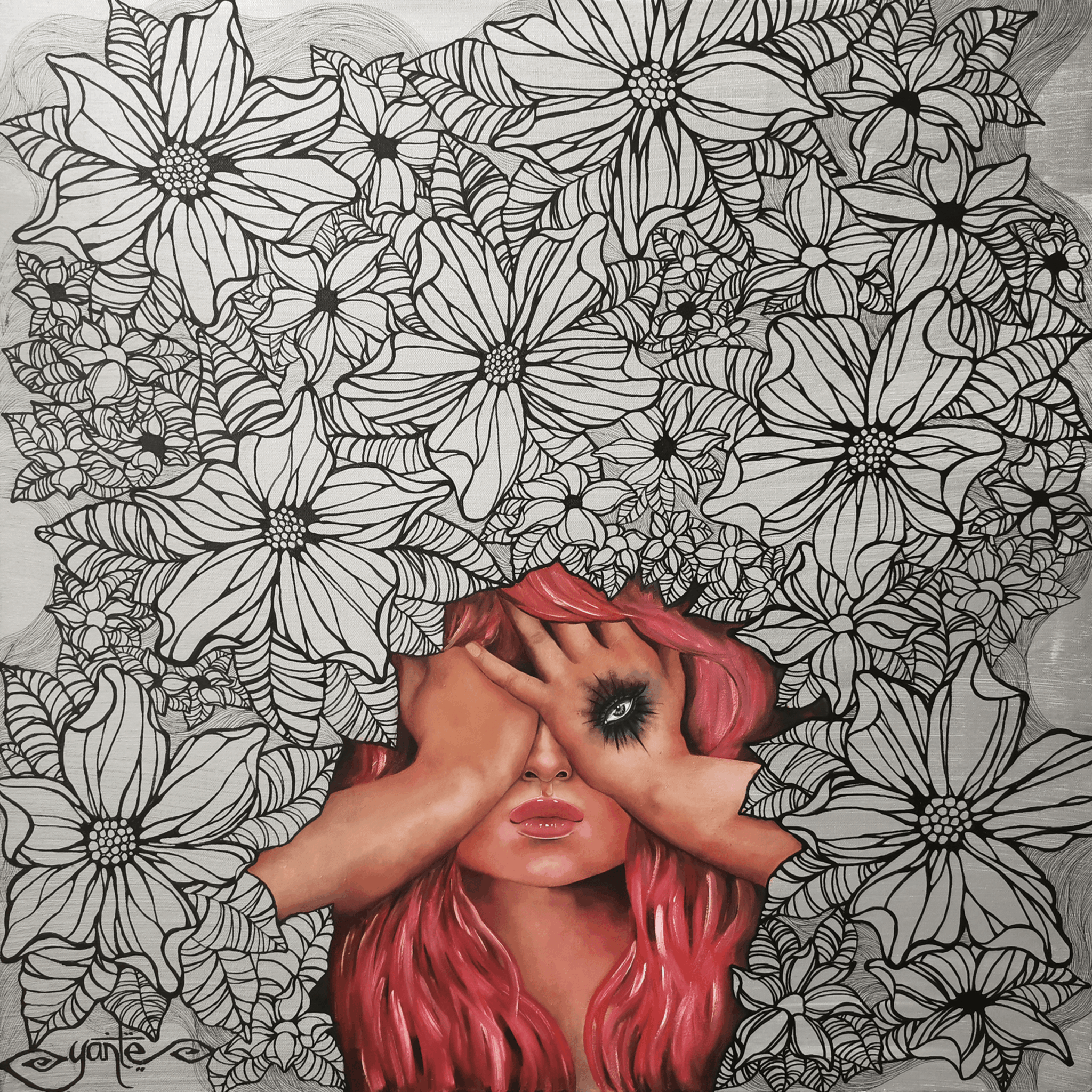

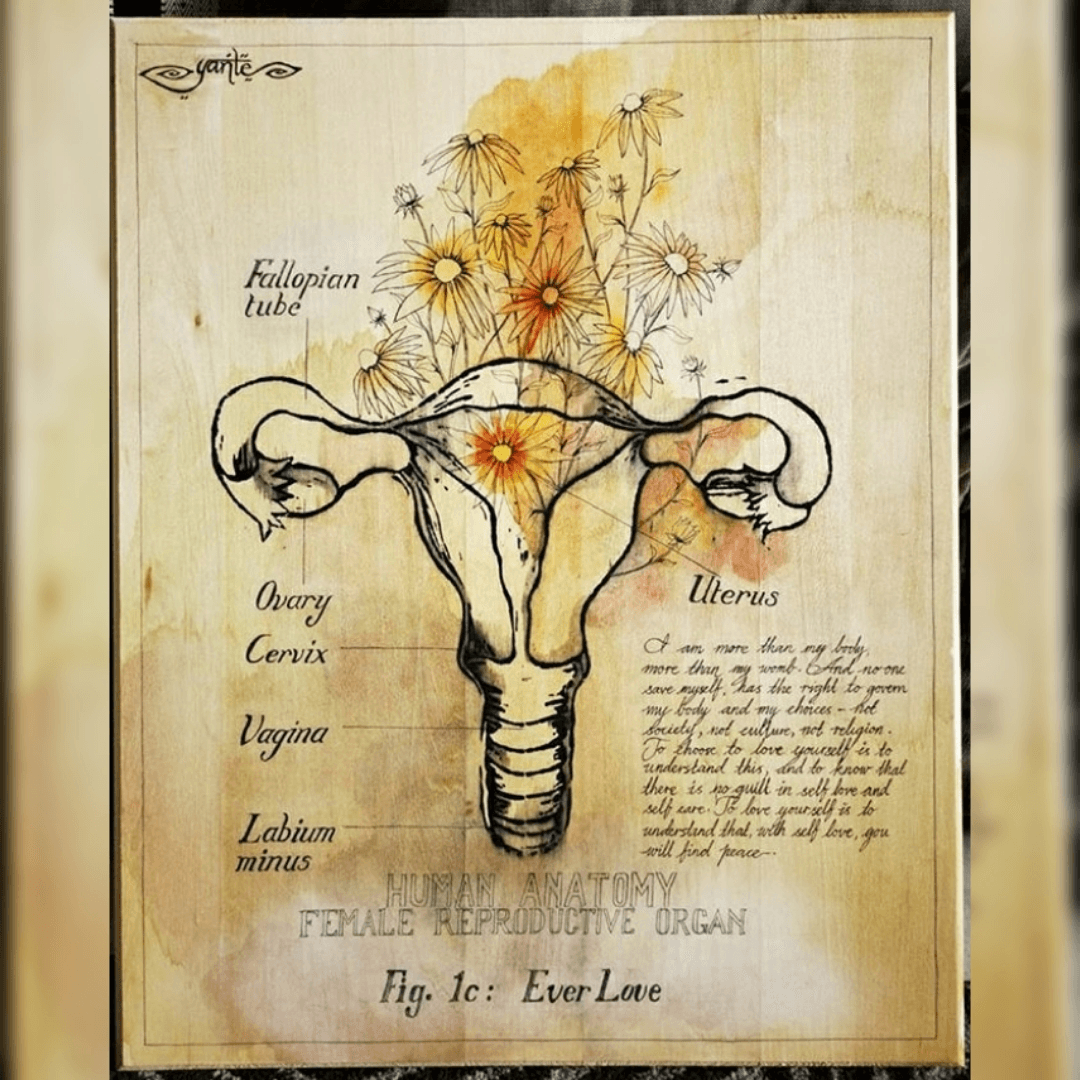
Image Credits
Yante Ismail