



Today we’d like to introduce you to Trusha Chandan
Hi Trusha, we’re thrilled to have a chance to learn your story today. So, before we get into specifics, maybe you can briefly walk us through how you got to where you are today?
I was born and raised in a small town in western part of India. I moved to the United States in 2017 to pursue my Bachelor’s degree at ArtCenter College of Design – CA, where I majored in Product Design with a minor in Business.
My upbringing, marked by modest financial circumstances, has been a significant source of inspiration. My parents, who lacked traditional four-year college education, demonstrated resilience and resourcefulness, instilling in me the value of hard work and perseverance. My grandfather introduced me to “Jugaad,” the concept of creative problem-solving with limited resources, which has been a guiding philosophy in my life.
Coming from a conventional Asian family, my parents placed a strong emphasis on education and ambition which drove me to excel academically and professionally. My passion for integrating design innovation, technology, and business has been a driving force in my career to make a positive impact, utilizing my innate talent for creative problem-solving.
At ArtCenter College of Design, I built a strong foundation in interdisciplinary learning, guided by industry experts. Due to Art Center’s flexible curriculum and transdisciplinary approach I got an amazing exposure and the freedom to experiment and try different classes across multiple design programs like Automotive Interior System Design, Interaction Design, Research & Strategy, CMF Material innovation to designing IoT soft goods and wearables.
My experience includes sponsored projects with major companies like Google, SIG, and Peugeot, and international study abroad programs in Shanghai and Singapore. Additionally, my role as a Design coach at INSEAD, where I taught Design Thinking to industry leaders, has refined my leadership skills and multidisciplinary approach.
Through INSEAD’s COVID-19 Innovation Competition, I met my co-founders and co-founded Out of Office Spaces in London. This experience was life-changing because it allowed me to combine my expertise in interaction design with the business acumen I had acquired from INSEAD. Studying abroad at INSEAD in Singapore allowed me to learn about business and entrepreneurship from one of the top MBA programs in the world. This unique combination enhanced my hands-on “Maker” approach and facilitated cross-disciplinary collaboration. In just four months, our team brought a concept to life and engaged effectively with a diverse audience. I was the Chief Experience Officer (CXO) but assumed multiple roles – Designer, Product Manager, Researcher, Strategist, and Marketer – which honed my adaptability and skill set versatility. This was more than a business success; it was a lesson in adaptability and resilience.
Upon graduation, I worked in a reputed management consulting firm as a Product Designer and Strategist. These experiences have been immensely valuable leading me to my current job as a CX Strategist at Honda.
Can you talk to us a bit about the challenges and lessons you’ve learned along the way. Looking back would you say it’s been easy or smooth in retrospect?
Academically, socially, and culturally, moving straight from high school to ArtCenter College of Design required a significant adjustment. I had never taken any design-focused classes in high school and came from a household with no experience in design. I found it very difficult to adjust to a new environment and maintain a healthy social life balance while attempting to learn basic skills from scratch to keep up with my peers. It wasn’t always a smooth road. Understanding my interests took a lot of trial and error with multiple programs and classes, two botched company endeavors, and a great deal of exploration through numerous sponsored classes and study abroad programs.
Some of my major milestones were made possible by the study abroad programs, which not only allowed me to develop personally but also opened my mind to the idea of exploring new avenues and professional paths.
A transformative experience unfolded during my 2019 study abroad program with “Neuni Material Studio” in Shanghai. As one of the fortunate twelve chosen, we traversed China, exploring production processes, traditional crafts, and imbibing insights from renowned design fairs like Design Shanghai and Design Beijing. Observing travellers struggling with generic, cumbersome luggage, I innovated a patent-pending material from recycled airline waste and conceptualized ‘re-pack’—a light, durable, and sustainable modular luggage system, which garnered recognition at notable design exhibitions. I even bagged a five-year license agreement for manufacturing and marketing of my product. Sadly, COVID-19 wreaked widespread chaos and killed the deal.
Up until that point, my intrigue was rooted in industrial design and tangible creations. However, a shift occurred in early 2020 during a study abroad program at INSEAD Business School, Singapore, where courses in Business, Strategy, Marketing, Negotiations, Entrepreneurship, and UX/UI Design stirred a growing passion within me. Consequently, I pivoted towards Business Strategy and Digital Design (UI/UX), integrating these learnings with my expertise as a Product Designer amidst the expanding digital world spurred by the onset of COVID and participated in INSEAD’s COVID-19 Innovation Competition. Competing against over 200+ applicants, our concept was rewarded with a £5,000 launch fund from Lake Star and a B2C hotel co-working start-up ‘Out of Office Spaces’ was born. Within six months, we successfully launched a pilot program in London, collaborating with more than ten hotels including notable names like Hilton, Conrad, and The Standard achieving a valuation of $3.9 Million within 2 years. Unfortunately, the needs and demands of the changing government policies during COVID-19 ultimately led to its dissolution.
However, my entrepreneurial resilience didn’t allow me to give up. As a Product Designer, Creative Strategist, and an Entrepreneur, I harbour a deep-seated fascination for developing at the intersection of physical and digital product design, owing to my penchant for big-picture thinking. Eventually, My career has been enriched, working at CGI, collaborating on research, design, and strategic endeavors with an array of Fortune 500 companies, such as Nissan & Infinity, PNC Financial Services, where I eventually found my passion for automotive industry at the intersection of hardware and software Product Design and Strategy.
My expertise spans at the intersection of tangible and digital Product Design, User Experience, UX Research, Design & Business Strategy, and Visual Design. My multifaceted skill set allows me to navigate through various roles within a team, ensuring a holistic engagement in the end-to-end design process. However 2023 led to struggles and disillusionment when mass layoffs impacted me.
Nevertheless, three qualities have been my constant companions: tenacity, grit, and resilience. Failure and the need to veer off course have never scared me.
Alright, so let’s switch gears a bit and talk business. What should we know about your work?
One of my defining abilities as a designer lies in my visual thinking and an acute ability to discern trends within the technological, social, economic and cultural terrains across various industries. I delve into understanding the demands and needs of users, dissecting problems to their core, and promptly formulating innovative, out-of-the-box solutions that elegantly untangle complex, moving parts.
A pivotal goal propelling my creative journey revolves around designing for accessibility and inclusion, shaped significantly by witnessing my cousin navigate through 22 years of life with undiagnosed ADHD and Sensory Processing Disorder. While these conditions posed challenges, they also bestowed upon her admirable strengths such as innate problem-solving, an innovative perspective, and a knack for disruptive solutions.
I realized that a myriad of products and services, despite being crafted for the masses, lack user-friendliness—particularly for those with special needs. Inspired by adults such as my cousin, with their distinct struggles and assets, I used my unemployment last year to focus on a personal project, “Aura.” This brain-computer interface employs AI and machine learning algorithms to monitor and comprehend user behavior daily, employing cognitive-behavioral learning techniques to offer real-time, personalized guidance and support for adults with undiagnosed ADHD, Autism, and Sensory Processing Disorder. “Aura” aspires to simplify daily life, foster connections, enhance productivity, improve sleep, and promote mental health for its users.
My interests lay at the nexus of design and business. I have excellent big-picture thinking skills, the capacity to narrow down complex issues through extensive research, trend analysis and the ability to see patterns to find potential areas for innovation. I have a strong passion for entrepreneurship and frequently use this desire to find difficulties in people’s daily lives and make connections with current affairs to create creative business concepts and models. I am able to analyze complex information, simplify and bring it to life for seamless user experience.
I am currently employed as a Customer Experience (CX) Strategist at Honda. I work in conjunction with business stakeholders at the nexus of design thinking and business. My job involves analyzing market and user research data, identifying key trends and patterns within the data to pinpoint important problem areas to focus on and uncover opportunities/areas of innovation. I work on a team that is currently responsible for improving the in-vehicle user experience for future Honda vehicles. I help co-facilitate design thinking workshops among different stakeholders and teams, conduct brainstorming sessions within the teams to help formulate big picture customer journey maps, create target consumer personas and formulating new innovative business models.
I like solving intricate problems in a creative way. investigating novel possibilities, concepts, and what lies beyond while coming up with inventive methods. I really believe that we need a varied group of people with a wide range of perspectives, which is why I am a great advocate of neurodiverse voices.
Where do you see things going in the next 5-10 years?
The growing impact of artificial intelligence (AI) has largely engulfed today’s globe. In my opinion as a UX designer and Creative Strategist, there should be more creative people working to shape technological and AI landscape to make it more user-centric, so that AI becomes a natural extension and helping hand for an individual to help foster better decision making rather than a source of dependency. It’s our generation that is responsible for the way this technology would diverge based on tools and resources we develop which could either serve for the good, making it better for humans or destroy the life as we know it.
The way we engage and interact with our automobiles has already changed significantly over the past years. As a result of growing use of AI, according to the trends I’m now observing in the automotive sector that instead of concentrating only on the outside of the car, there has been a stronger movement to make the interior and in-car experience more seamless and user-friendly. We already see the emphasis of these OEMs has shifted from purely functional vehicles to those offering enhanced experiences, comfort, and integration with digital lifestyles to the customers.
It is anticipated that in the future, automobiles might serve as havens for rest and relaxation where these AI bots could also serve as your therapist and guide while you drive. Mercedes Benz just debuted their integration with Chat-GPT for their in- vehicle interactions. New hardware and sensors have also been heavily incorporated to improve driving safety and security and to assist in tracking a person’s health and well-being. A preview of this future is already available, with companies like Zoox, Cruise, Waymo, and others introducing driverless vehicles to the streets of Los Angeles and San Francisco. However, there will be a bigger transition in the near future with the emergence of new business models that are heavily focused on investing in hydrogen and electric vehicles (EVS) and making it a seamless experience for their customers, resulting in a connected vehicle sharing experience.
Personally, though, I believe there will be a significant change in connected brand experiences, with a strong emphasis on an ecosystem of linked, personalized, rather than bespoke, custom experiences. In the future of our shared mobility ecosystem, I envision each vehicle having the ability to change to reflect the personality of the driver, making it stand out on the road. The vehicle would also act as a copilot or driving assistant, getting to know the user well enough to guide them and help them adapt based on the driver’s past driving behavior, current psychological state, and external conditions. This would allow the drivers to be more adaptive in different driving scenarios and offer a V2X personalized driving experience.
Contact Info:
- Website: https://www.tbchandan.com/
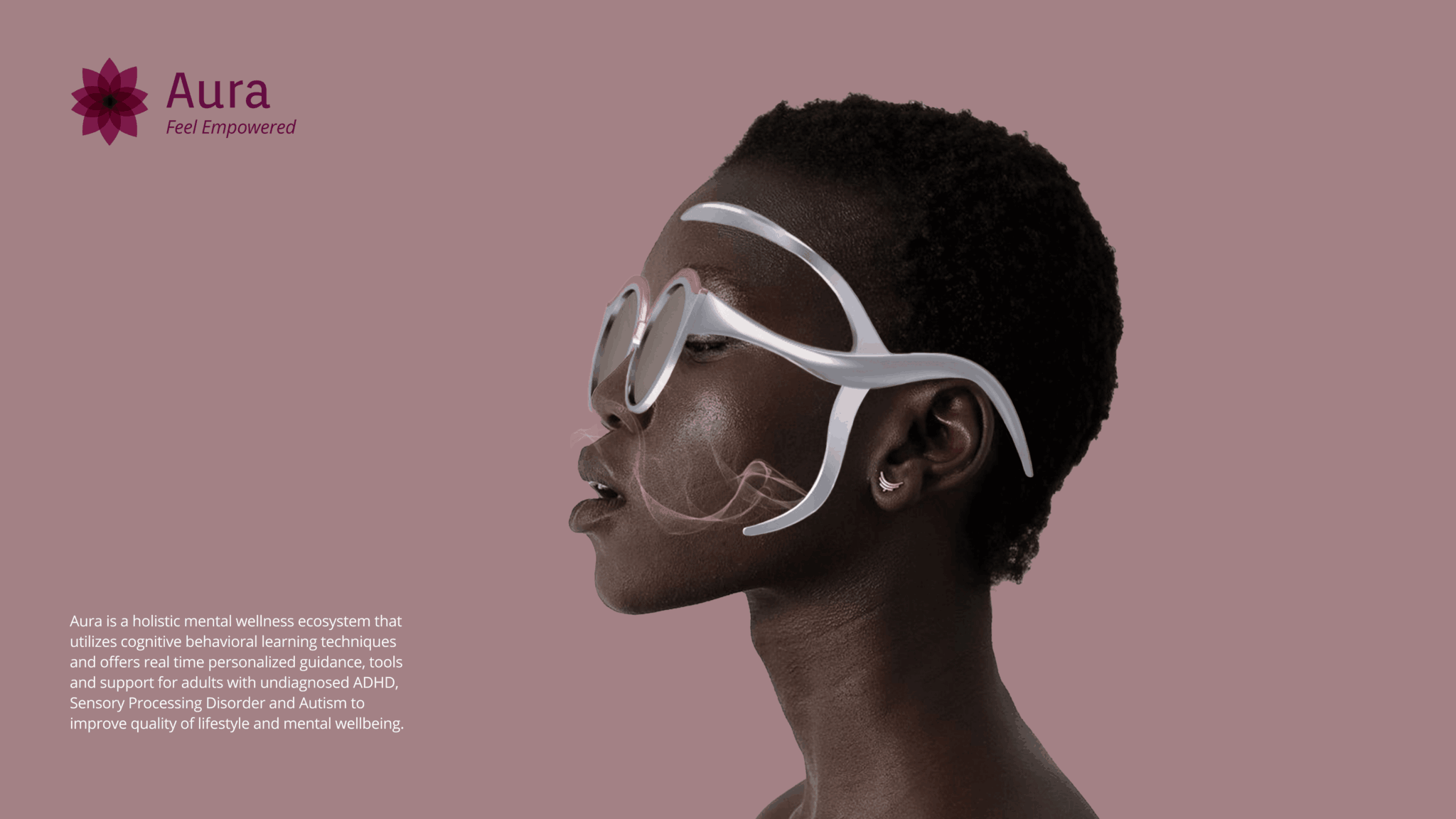
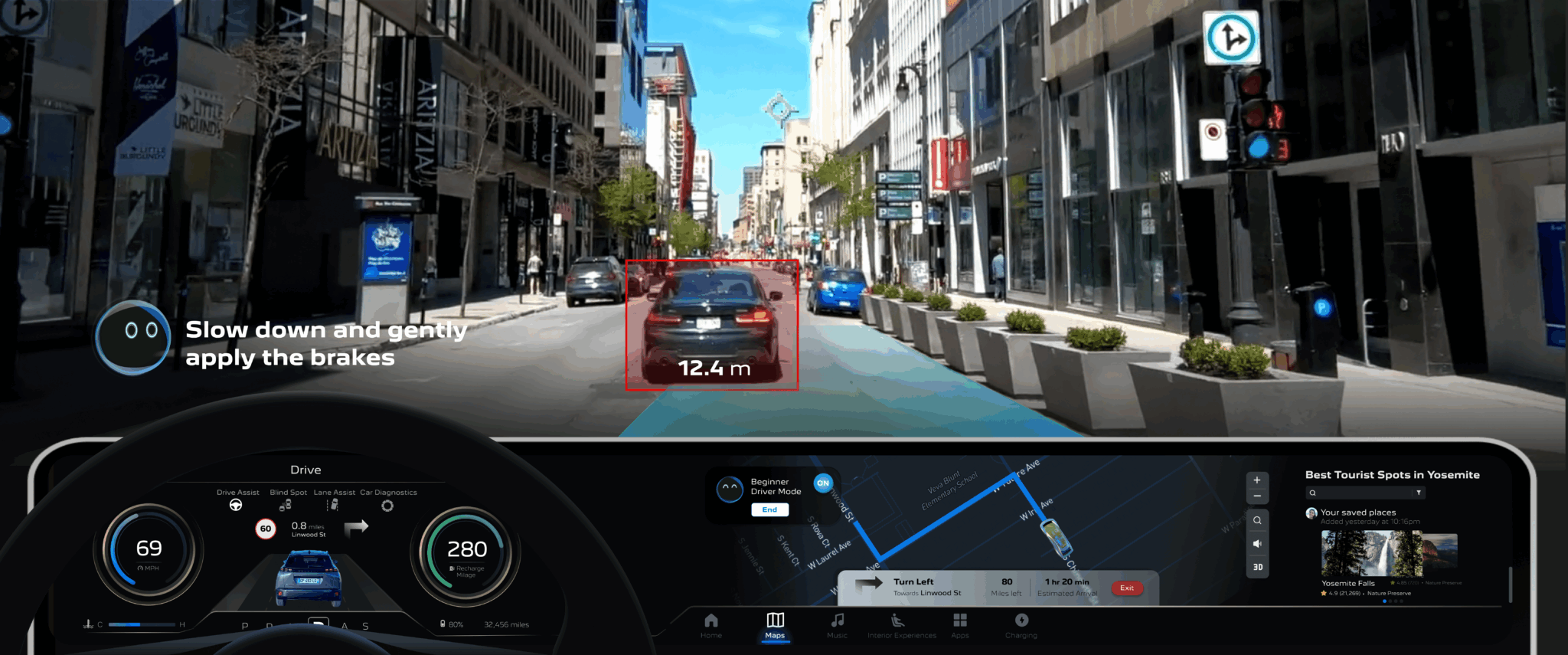
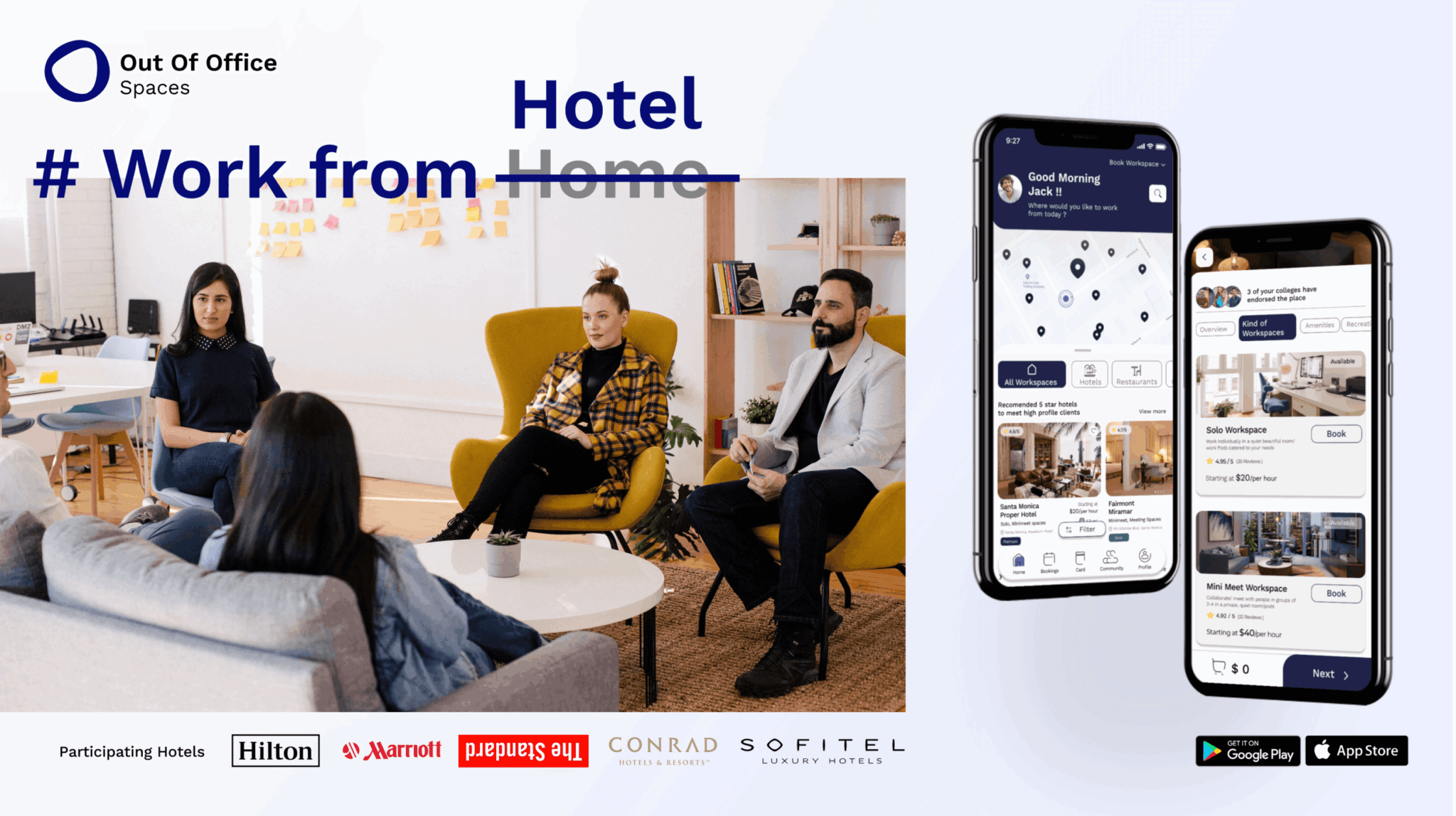
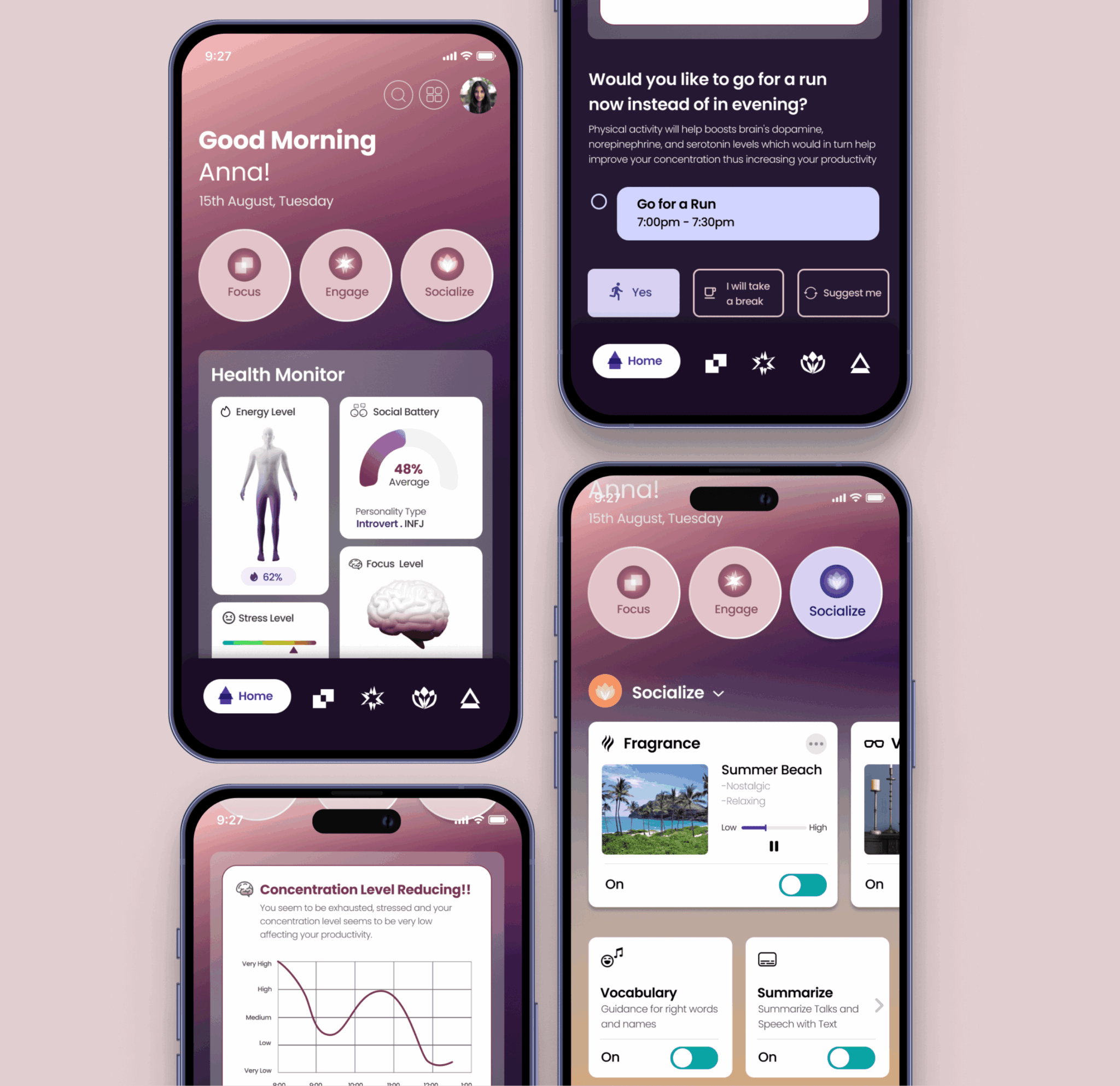
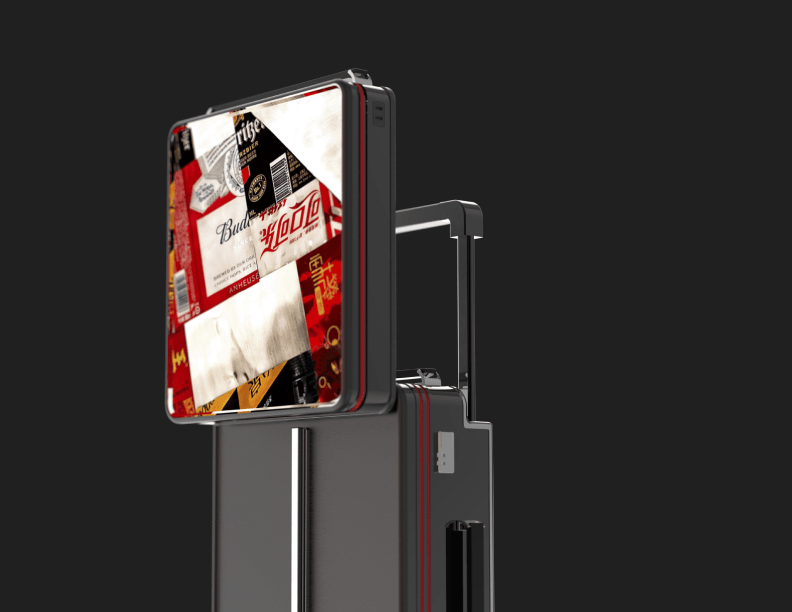
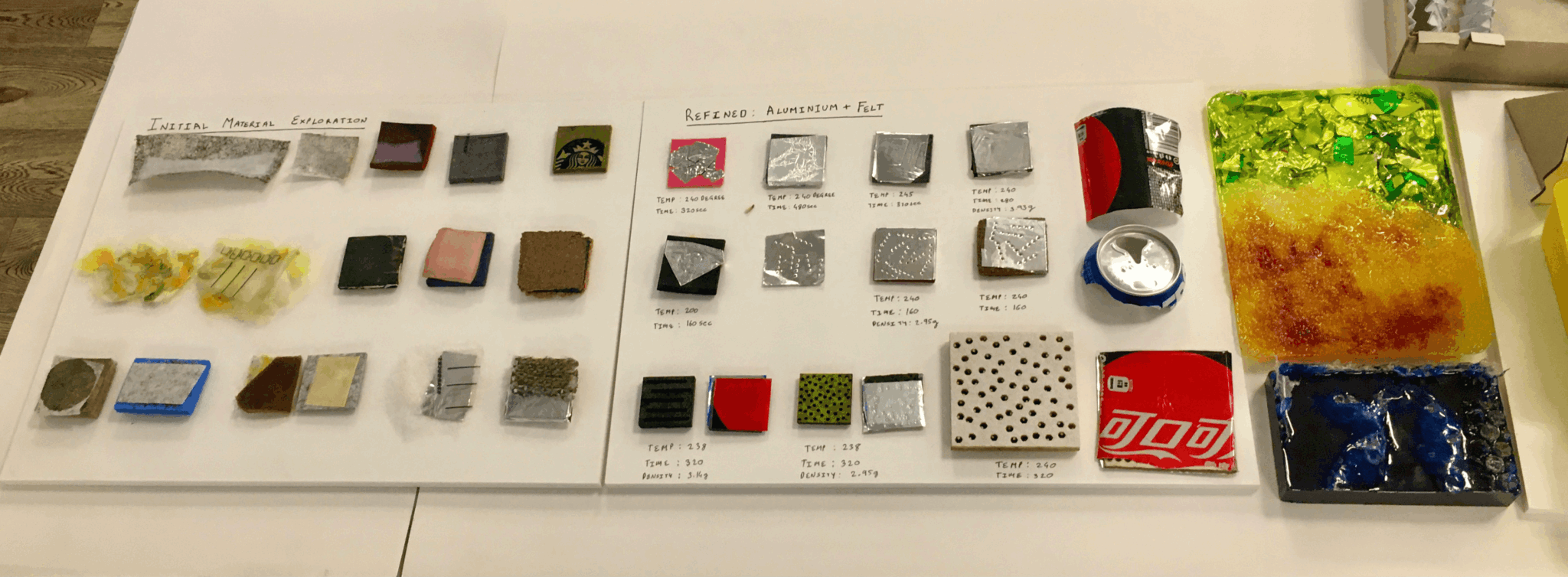
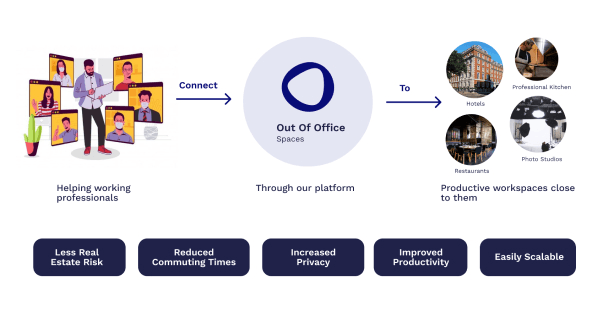
Image Credits
Trusha Chandan