

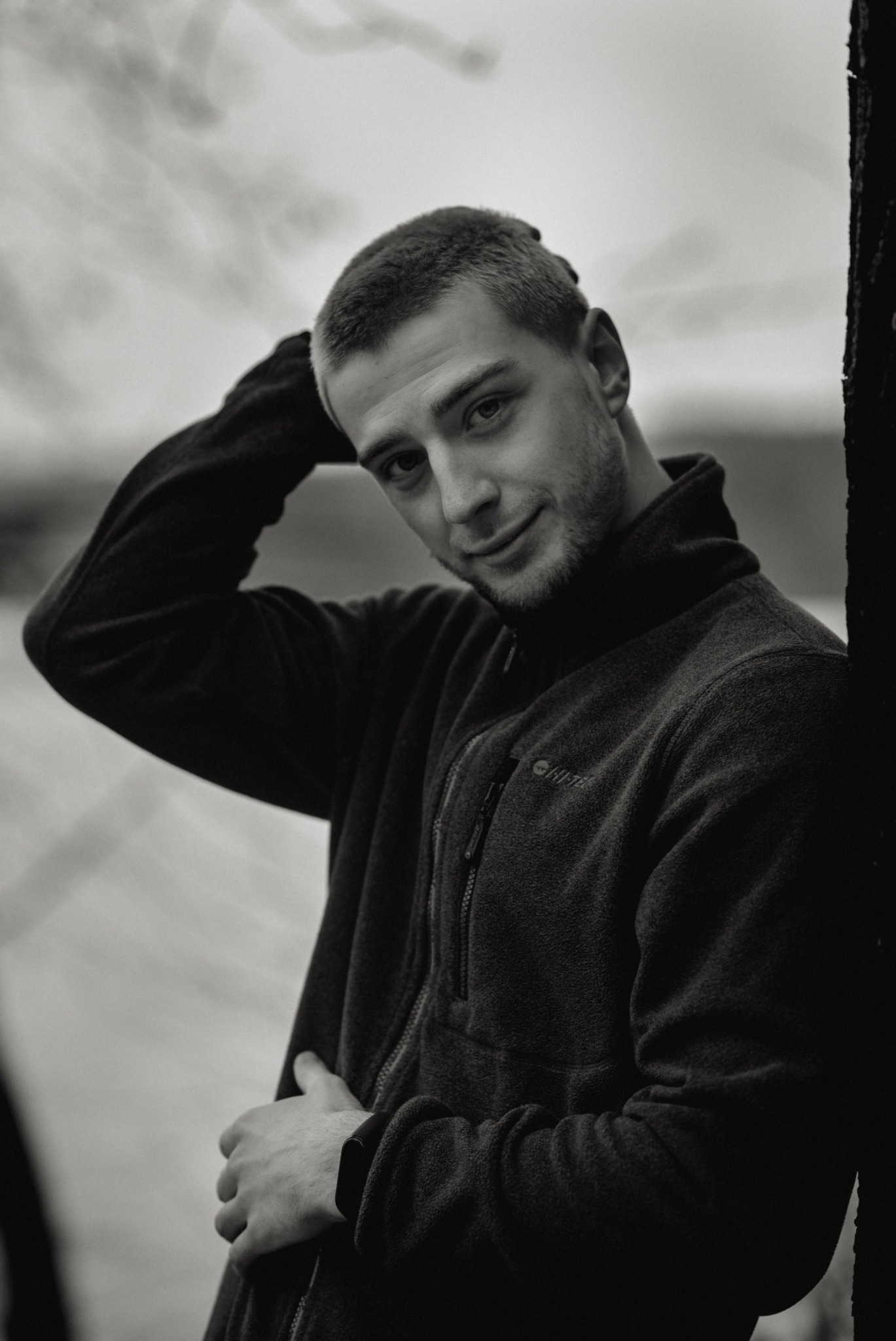

Today we’d like to introduce you to Stanislav Moshkivskyi (Stasser).
Hi Stanislav Moshkivskyi, so excited to have you with us today. What can you tell us about your story?
My path in the world of 3D art began with what seemed like a simple decision—the purchase of a graphic tablet. Yet, in retrospect, that moment was pivotal. It was the instant I chose to pursue my passion and shape my artistic vision in my own way. Initially, my goal was to become a digital 2D artist, perhaps a concept artist, crafting imaginative worlds and characters. But fate had other plans—I discovered 3D, and everything changed.
Learning Blender was a battle, a relentless struggle with a tool that, at first, felt impossible to master. Eventually, I transitioned to 3ds Max, and that marked the true beginning of my 3D art journey. Over the years, I experimented with different software, constantly adapting and evolving, until I found myself returning to Blender once again. Today, it remains my primary tool, though I also work with ZBrush, as sculpting has become an integral part of my artistic process.
Looking back, purchasing that first graphic tablet was one of the most challenging decisions I ever made—not just financially, but emotionally. At the time, I was a college student studying software engineering in Ukraine (where college serves as an alternative to high school, leading to university). In my second year, I took the leap and bought the tablet, and by my final, fourth year, I had realized that software engineering was not my true calling.
Determined to follow my passion, I moved abroad to Poland to study graphic design. Later, I deepened my artistic knowledge by continuing my studies in art.
And now, I am who I am—a 3D artist, shaped by every decision, every challenge, and every moment of discovery along the way.
Can you talk to us a bit about the challenges and lessons you’ve learned along the way. Looking back would you say it’s been easy or smooth in retrospect?
Changes are always difficult—especially when you are the one who must create those challenges for yourself.
I still struggle with this. It’s far easier to follow the path you’re “supposed” to take, to do things the way others do. But finding the strength to make your own decisions, regardless of how others may perceive you or how it might reshape your own sense of self—that is the real challenge.
As you know, we’re big fans of you and your work. For our readers who might not be as familiar what can you tell them about what you do?
My journey into 3D art has always revolved around creating video games—a childhood dream that, after years of dedication, became my reality. I achieved this goal after a long road, working as a game development 3D artist for seven years, and I still work in this field today. However, over time, game development has transformed from a dream into just a regular job, prompting me to explore other areas of 3D art.
The years I spent in game development have been incredibly valuable, equipping me with essential skills and insights. Yet, they came with an unexpected side effect: I can no longer enjoy playing video games the way I used to. Instead of losing myself in the experience, I find myself constantly analyzing every detail—the character animations, texture quality, polycount, and more. It feels like a form of professional trauma, albeit a humorous one.
In my work, I started as a 3D generalist and gradually specialized in character creation, a field that continues to fascinate me the most. Currently, I focus on crafting 3D characters, producing beautiful renders and short animations. Occasionally, I also create 3D printing models, which has become a secondary expertise and a rewarding hobby.
I prefer working on portraits or full-character shots, with animations that breathe life into my creations. I used to build larger, more complex scenes and longer animations—sometimes up to a minute in length—but I found that such lengthy projects often led to boredom and a loss of momentum. Now, I challenge myself to create animations around 10 seconds long, and this approach has proven both creatively fulfilling and sustainable.
This balance of artistic exploration and technical discipline keeps my passion for 3D art alive, even as my career evolves beyond the dreams I once had as a child.
Have you learned any interesting or important lessons due to the Covid-19 Crisis?
During the COVID-19 pandemic, I was studying at an art university in Gdańsk, northern Poland. The defining moment of that period struck me while I was on my Erasmus+ exchange in Montenegro. It was a five-month challenge, and many of my friends struggled with isolation, loneliness, and uncertainty.
For me, however, it turned out to be one of the most valuable experiences of my life. Due to the lockdown, I found myself in a small, historic town—the country’s first capital, home to only about 18,000 residents. For nearly three months, the city was entirely closed off, with no possibility of leaving. Surrounded by towering mountains and connected to the outside world by just a few roads, it felt almost like a prison. But not for me—perhaps for those who lacked inner strength, but certainly not in my case.
There were six of us Erasmus students at the beginning; by the end, only four remained, as two decided to leave. Not everyone was easy to get along with—cultural differences, reckless partying, and substance abuse created a rift. One girl, in particular, seemed to break under the pressure of isolation, gradually withdrawing until she was almost invisible in the city’s quiet streets.
I chose a different path—I turned inward and focused on myself.
Communication with locals was difficult due to the language barrier, as few people spoke English. But I had WiFi, my Kindle, Netflix, and my laptop. I immersed myself in daily reading, worked on my art, and spent quality time in my own company. More importantly, I started training—intensively. Every single day. Running, calisthenics, makeshift weight training using water bottles—whatever I could do to challenge my body and mind.
As the restrictions eased toward the end of my stay, I finally found a few people to connect with and explored more of the country. When I returned to Poland, I was in the best shape of my life. The results of my training were evident, and people noticed. Financially, I was better off too—I had saved money simply by having fewer opportunities to spend it.
In the end, what could have been a period of isolation and struggle became one of growth, discipline, and self-discovery.
Contact Info:
- Instagram: https://www.instagram.com/stasser_art/
- Facebook: https://www.facebook.com/stas.moshkivskiy/
- LinkedIn: https://www.linkedin.com/in/m-stanislav/
- Youtube: https://www.youtube.com/channel/UCopcROT0K9sB8EVaqN0yXuA
- Other: https://www.tiktok.com/@stasser_art?_t=8lyrimmye1y&_r=1 | https://www.behance.net/Stasser
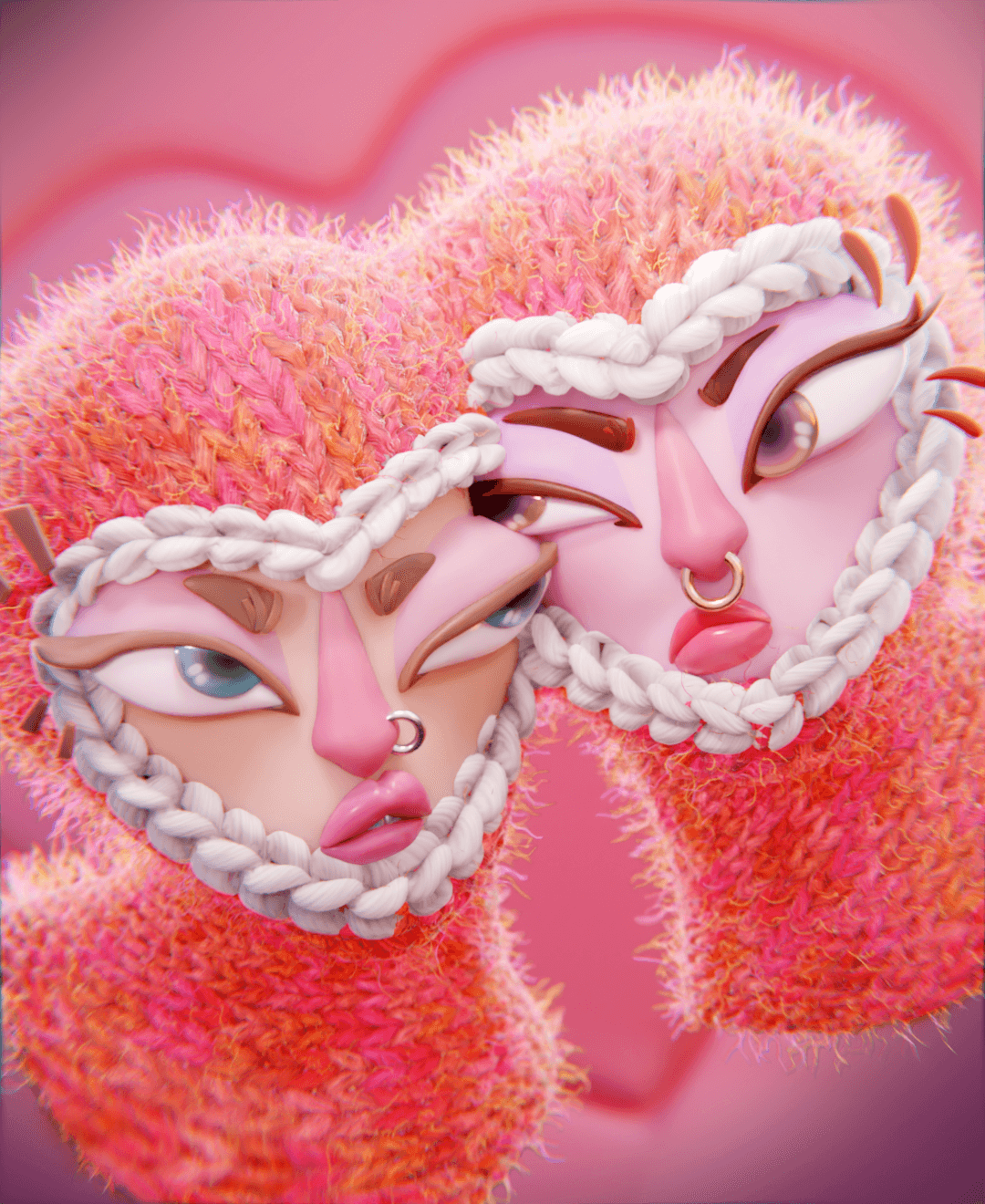
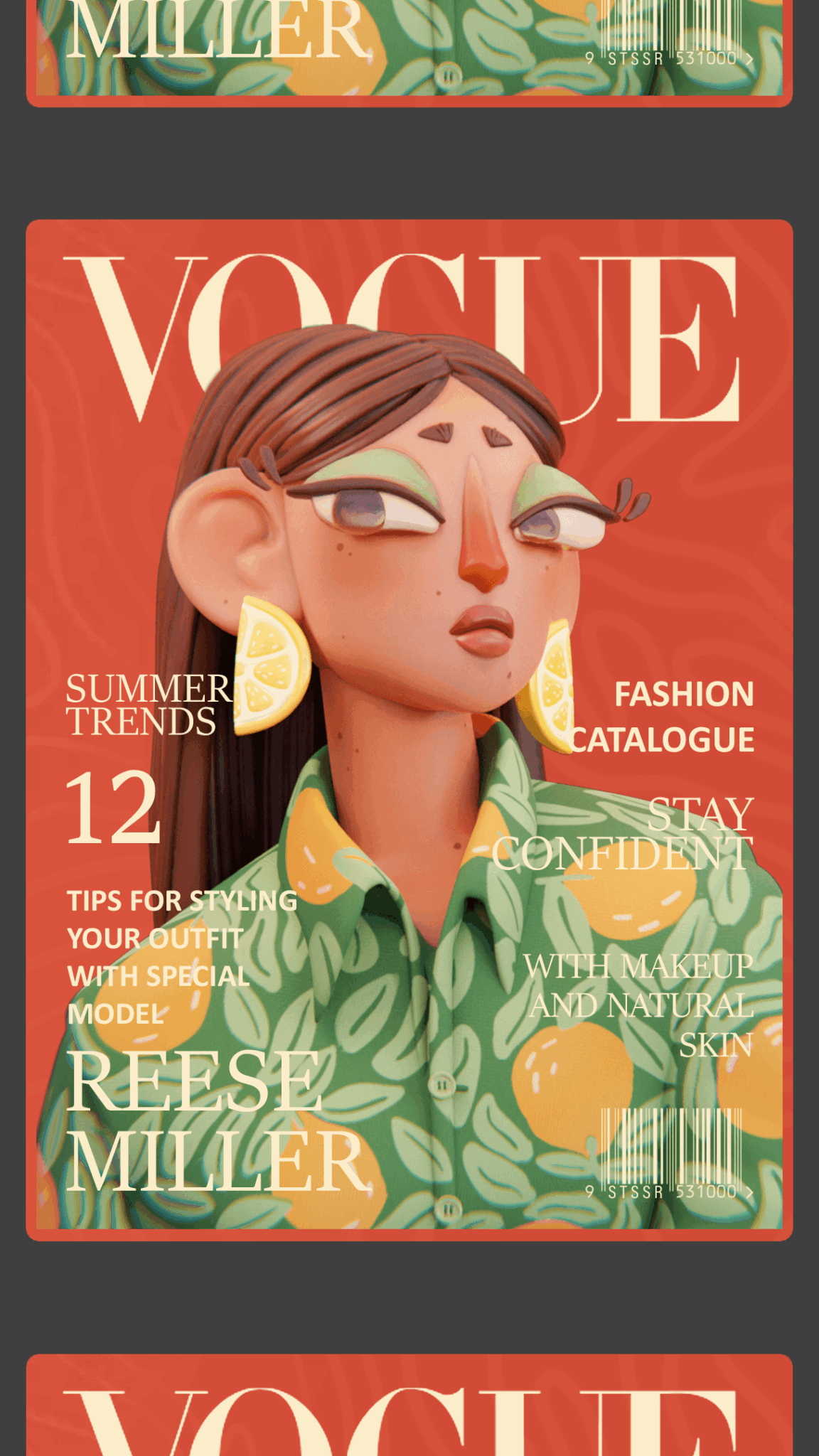
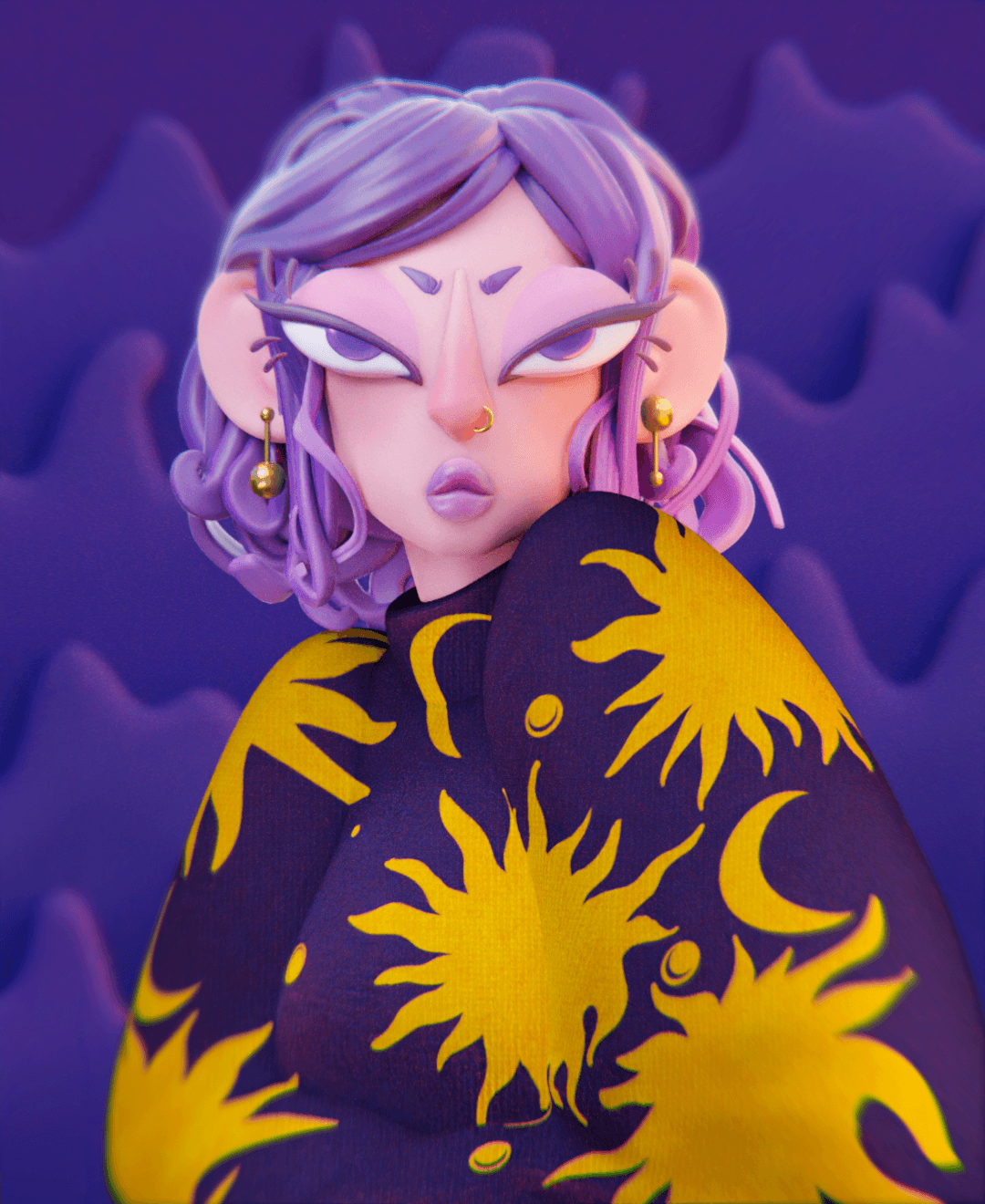
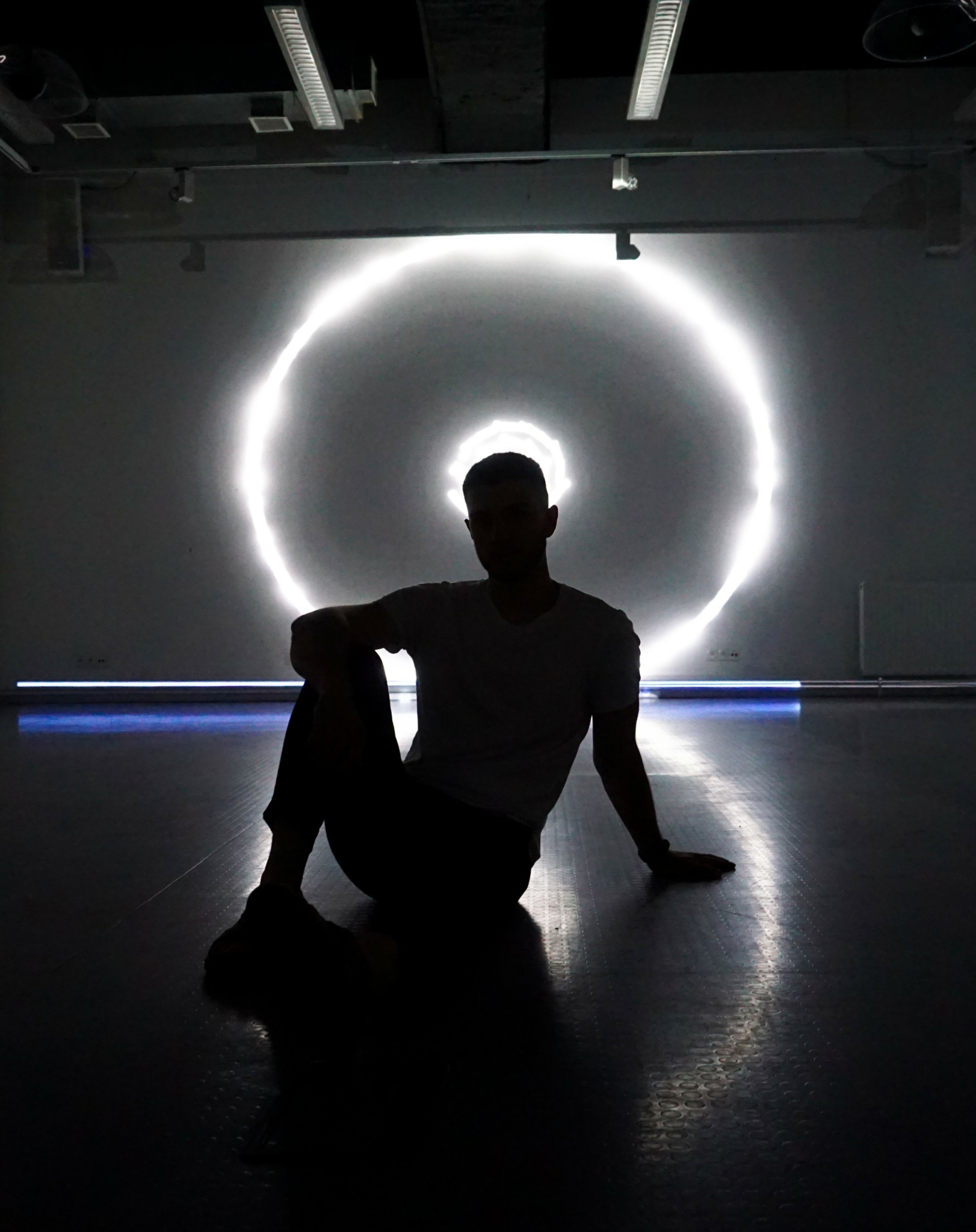
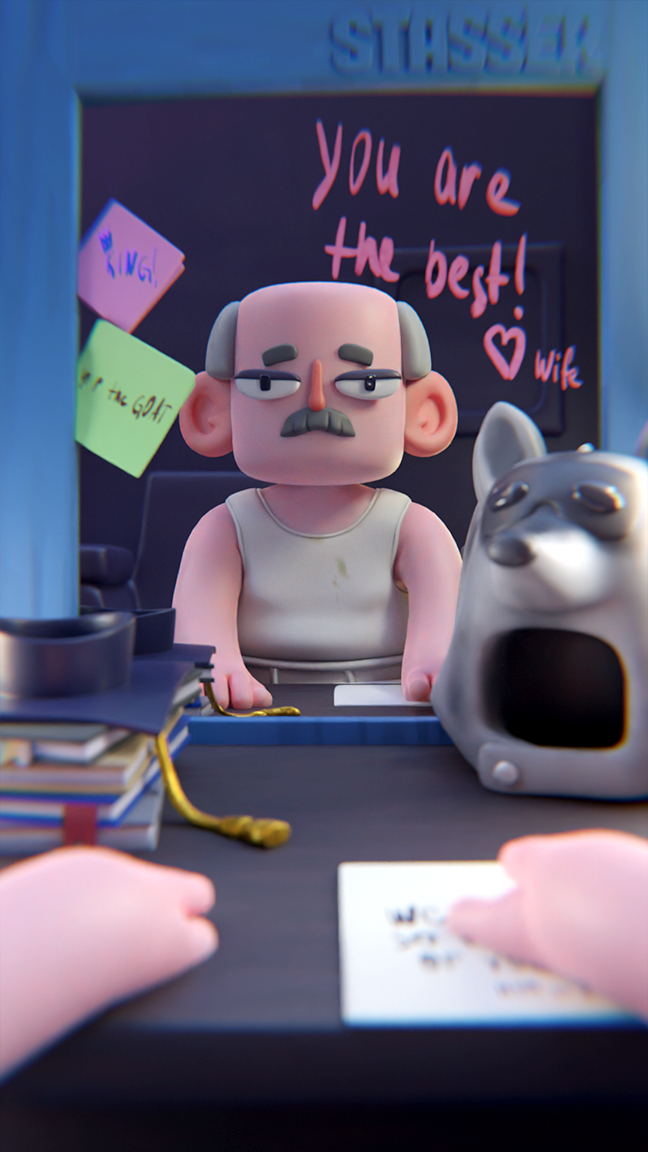
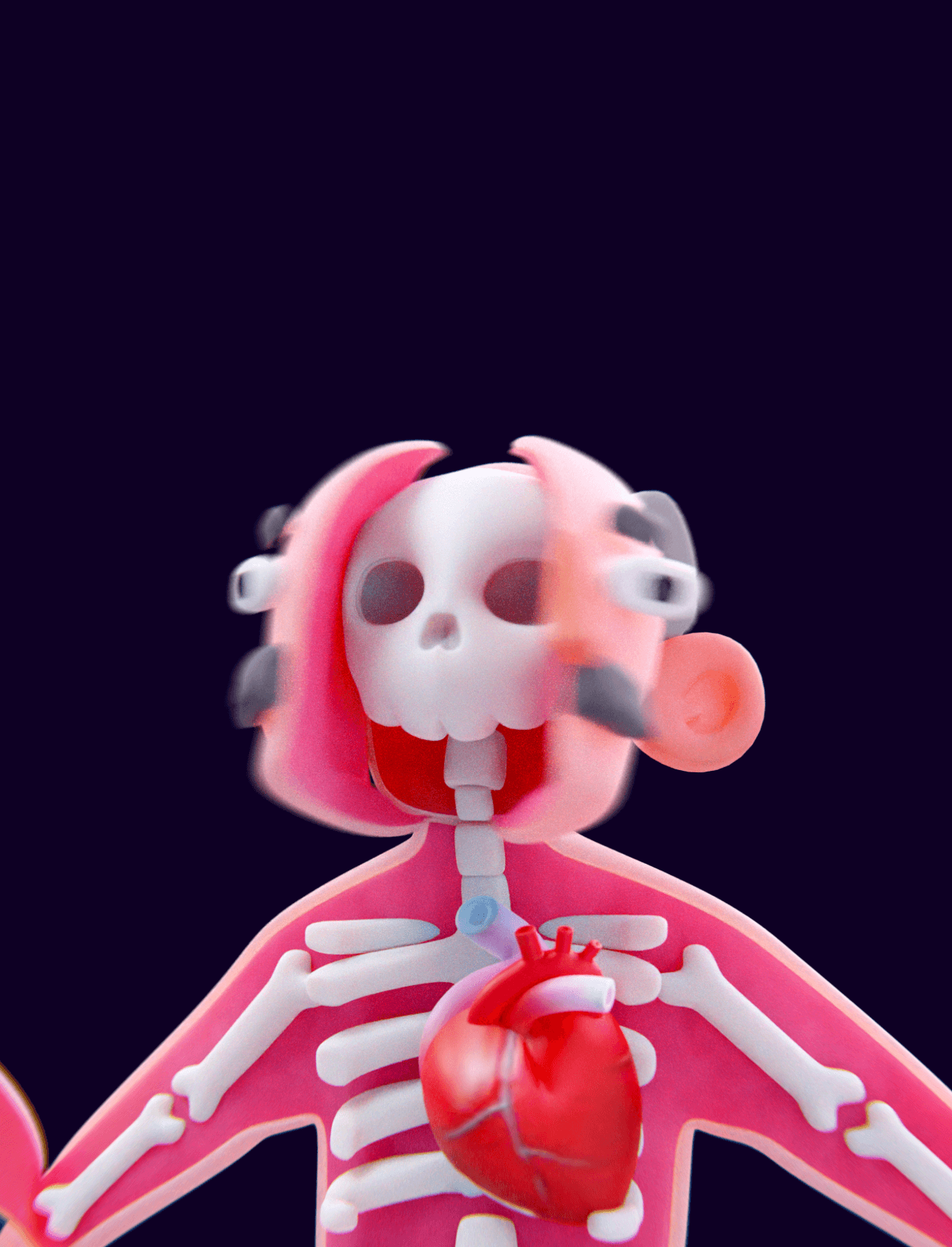
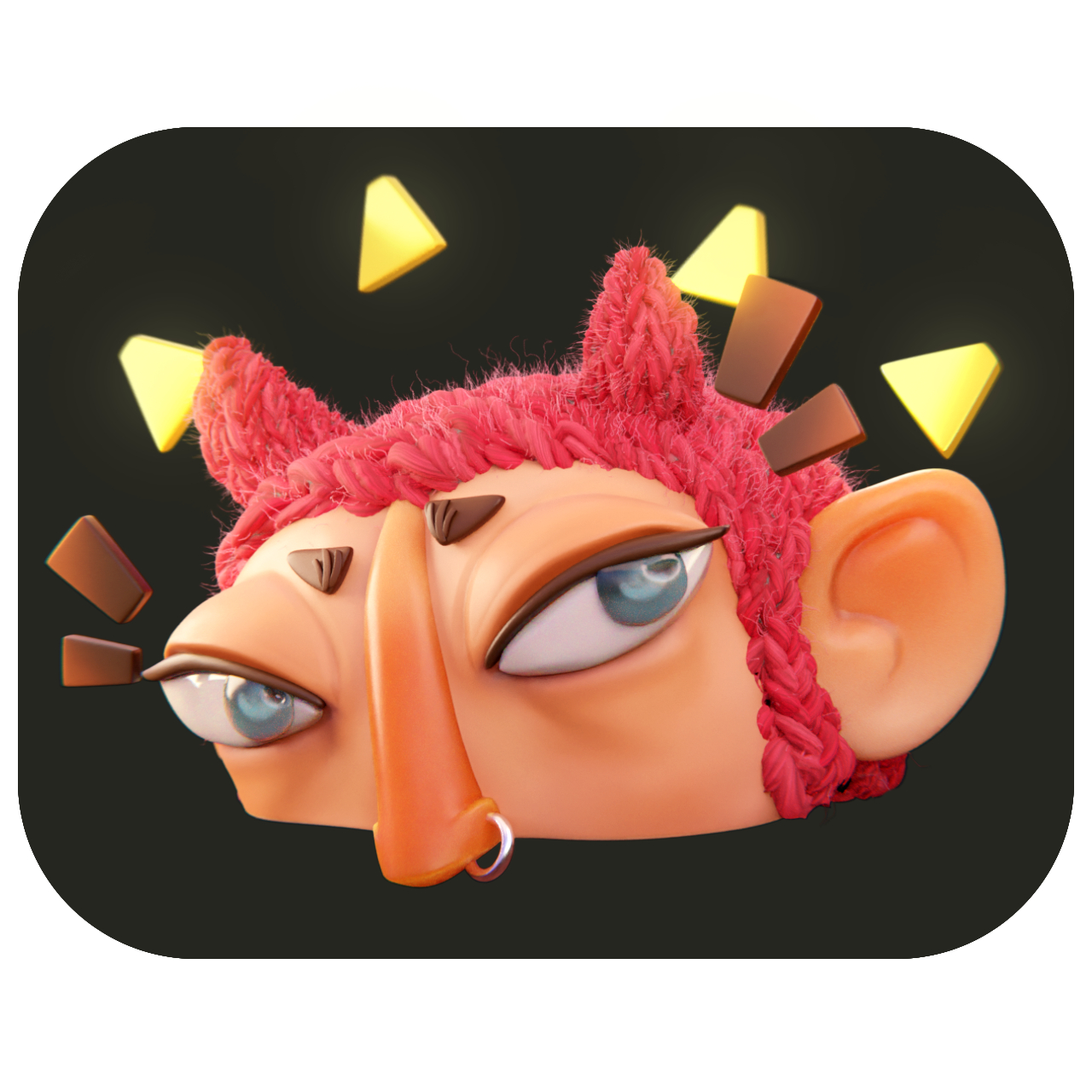
Image Credits
Zuzanna Kowalczyk – fri.sjel