



Today we’d like to introduce you to Mara McEwin
Hi Mara, thanks for joining us today. We’d love for you to start by introducing yourself.
I grew up in the Southwest corner of Wyoming, surrounded by the desert rocks, wildlife, and the howling winds. I had always been drawn to the performing arts, and knew from an early age that I wanted to be an actor, writer or director. Following college, and a year as the Assistant to the Artistic Director at a children’s theater in Santa Fe, New Mexico, in 1996 I moved to New York City. In 1997 both myself and Emily Bunning, my childhood best friend, co-founded Treehouse Shakers, a non-profit dance and theater company in New York City. Originally, we began the company because at the time it was difficult to be hired for directing/playwriting/choreography jobs that weren’t held by men. We had a strong vision of creating work differently, with a style of theater and modern dance that was completely blended together. At the time, I had been playwriting a great deal, and we decided to produce my first full-length play, Dance of My Daughter. I directed the piece, and Emily was the choreographer. It was a large ensemble cast, and had an unusually long run in an off-broadway theater, Ensemble Studio Theater. We jumped in with the naivety of being young, first- time NYC producers, and yes, a great deal of luck. The show was a success, and was nearly sold-out. From there I continued to write and direct smaller works, until I was invited to co-direct a children’s theater festival in NYC, Niño Nada, with Flying Carpet Theater’s founder, Adam Koplan. The festival received a great deal of publicity, as we curated work that pushed the boundaries of what was acceptable for children. We produced a jazz concert, a drag show for children, an all day festival for young people and their families at the downtown music venue, The Bowery Ballroom. Treehouse Shakers also premiered Flying Through Rainbows. Flying Through Rainbows was a dance-play about the Letter O, who had to explore the world being different from the other alphabet letters. In the piece, young audiences painted the set, and the performers wore dresses made from shower curtains. As the Letter O learned more about herself, the more colorfully painted she was, becoming more accepting of herself. It was 1999. The play was written up by the New York Times, featured in several New York television news outlets, and had a wonderful reception by families. We were hooked.
Treehouse Shakers has since grown into a very robust company that has created 20 original works, 9 of which remain on a rotating tour across the U.S.. We also have a Fall and Spring performance season in New York City. Our work explores narrative styles through universal themes addressing every age level within youth programming. With each new work, we set the bar higher, challenging our artistic process and thinking of young audiences. Although our primary focus has been young audiences, we have also created several works for adults including Outside of Kissing Rock, which had an extended performance run at HERE ARTS Center. Outside of Kissing Rock is the story of Emily I growing up in the beautiful high desert of Wyoming, and the harshness that comes from growing up in the desolation of such a place.
Would you say it’s been a smooth road, and if not what are some of the biggest challenges you’ve faced along the way?
We began the company because there were very few women-led organizations at the time. There was a lot of misogyny in the industry, and doors were not only shut, they were bolted, locked and chained. We wanted to create an artistic space where we had control of the creative environment, more equity, and could push the artistic norms. Although I had worked with nonprofit theaters, I had never run my own, especially as an Artistic Director. Emily and I both wore the Executive Director hat. In the early days we worked twice as hard to secure funding, build an audience base, network, and navigate our company’s overall survivability. We were not only new to the scene, we were doing things in a different way than the typical young audience theater company. Instead of using an acceptable and oftentimes safe picture book, with a watered down playscript, we were producing original scripts, that I had written, that we dissected and explored through the experimentation of dance, live music and new vehicles of devised storytelling. We pushed ourselves to create artistic work for young people that both challenged our own artistic process and the thinking of young people. We began creating a new original work every year, touring to schools, festivals and Performing Arts Centers. We also began building our Arts in Education programming in schools offering theater, dance, storytelling and music. The road was not easy. In the early years, Emily and I often went without pay, committed to paying the artists who worked with us, first. This meant that in the first decade of our business, I took on many side jobs to pay the bills. We spent long hours trying to accomplish all of the heavy lifting it takes to keep a non-profit afloat, especially in New York City.
COVID was a big turning point for the performing arts industry, and for Treehouse Shakers, as we could no longer perform works in person. 2020 was slated to be one of our biggest years to date, and it all came to a screeching halt while we were on tour. During the shutdown, our company quickly pivoted to virtual programming. I am proud of the work I did, including responding to the needs of parents. At the beginning of the pandemic, we heard from parents that their children were feeling isolated, depressed and/or were having a harder time connecting to peers, especially for those that identify as LGBTQIA+. Treehouse intentionally grew this community, while providing necessary and important art services to LGBTQIA+ youth, once we transitioned out of the pandemic. We continue to expand this work for both Middle and High school students. We also commissioned a team of artists to create a play for ages 9-13, The Deepest Breath, adapted from the book by the Irish writer, Meg Grehan, which centers on LGBTIA+ themes. Today, even though the pandemic is seemingly in the rearview mirror, we have sadly witnessed many arts companies shutter their services, as the non-profit landscape becomes harder and harder to survive. As the economy bounces back, the same level of giving to the arts has not. Treehouse Shakers continues to navigate the best way forward, while also being able to provide quality arts programming for young people.
Alright, so let’s switch gears a bit and talk business. What should we know about your work?
Treehouse Shakers has created a signature artistic style with our works, melding dance and theater, and pushing the quality and professionalism of theater for the young audience industry. Solidifying our role in the American theater, we were the first U.S. company to tour a dance-play specifically for babies, Hatched. I created Hatched, an immersive theater experience about life on the farm in 2011, and premiered it on tour in 2012. Hatched remains one of Treehouse Shaker’s most well-known works. Since the premiere of Hatched we have been artistic leaders in creating work for the very early years including, Flutter our awarded play for babies ages 6-18 months, which was presented at Lincoln Center and continues to tour. This spring, I also premiered Sail Away, for ages 18-24 months, alongside choreographer Rathi Varma and Composer Mario Giacalone. Treehouse Shakers continues to be dedicated to creating the highest quality of artistic work. Our current performance roster includes: Hatched for ages 0-6, Flutter for 6-18 mos, Sail Away for 18-24 mos, Olive & Pearl for ages 2-5, The Littlest Cove for ages 3-6, The Boy Who Grew Flowers, ages 5-10, Under the Tangle for 8-13, The Deepest Breath for ages 9-13 and Let’s Talk About IT! for teens. We also have Pillow Fort, a web-series and Dance Break, an education series for classrooms. We also have a multitude of education residencies, staff developments and public workshops and a team of wonderful artists who help make these programs possible.
Can you tell us more about what you were like growing up?
Being raised in the High Desert country meant that as a child I spent a lot of time playing outside in the dirt, creating imaginary rooms out of the rocks and sagebrush, making friends with blue-bellied lizards, climbing prehistoric rock formations, and creating stories to keep myself company. It was typical to find fossils in the backyard, raft in the river, or drive to the mountains as antelope raced our family’s truck. The desert landscape shaped me. The beautiful coloring of the desert, the howling of coyotes, being a child who wandered, and played, with very little oversight. My mother, an artist, would often take me on long drives where we would find a spot by the river, and she would watercolor. My father, a pipefitter, my uncle, a union organizer, as well as my loving aunt, also taught me about standing up for others, the importance of a picket line, of collective bargaining, of a vote. My parents separated and divorced when I was very young, so I was often alone. Being raised in that environment gave me long stretches, as an only child, to use my imagination. My mother, the ever-present artistic role model, enrolled me in dance, sent me to performing arts camps in Utah and Colorado. I played the Alto Saxophone, spent long hours as a child writing stories at the kitchen table, reciting monologues, or recording myself on an old cassette tape recorder my dad had given me. When I reached middle school I entered state-wide writing contests, and won. By High School I was immersed as the leads in High School plays and speech competitions, traveling across the state. For my senior year, I received a scholarship to attend the prestigious High School Interlochen Arts Academy, in Michigan, as a theater major. Once I went to Interlochen, I was firmly directed onto my artistic journey.
Contact Info:
- Website: https://www.treehouseshakers.com
- Instagram: @maramcewin or @treehouseshakers
- Facebook: @treehouseshakersbusiness
- Twitter: @treehouseshaker
- Youtube: https://www.youtube.com/TreehouseShakers
- Other: Vimeo: https://vimeo.com/treehouseshakers

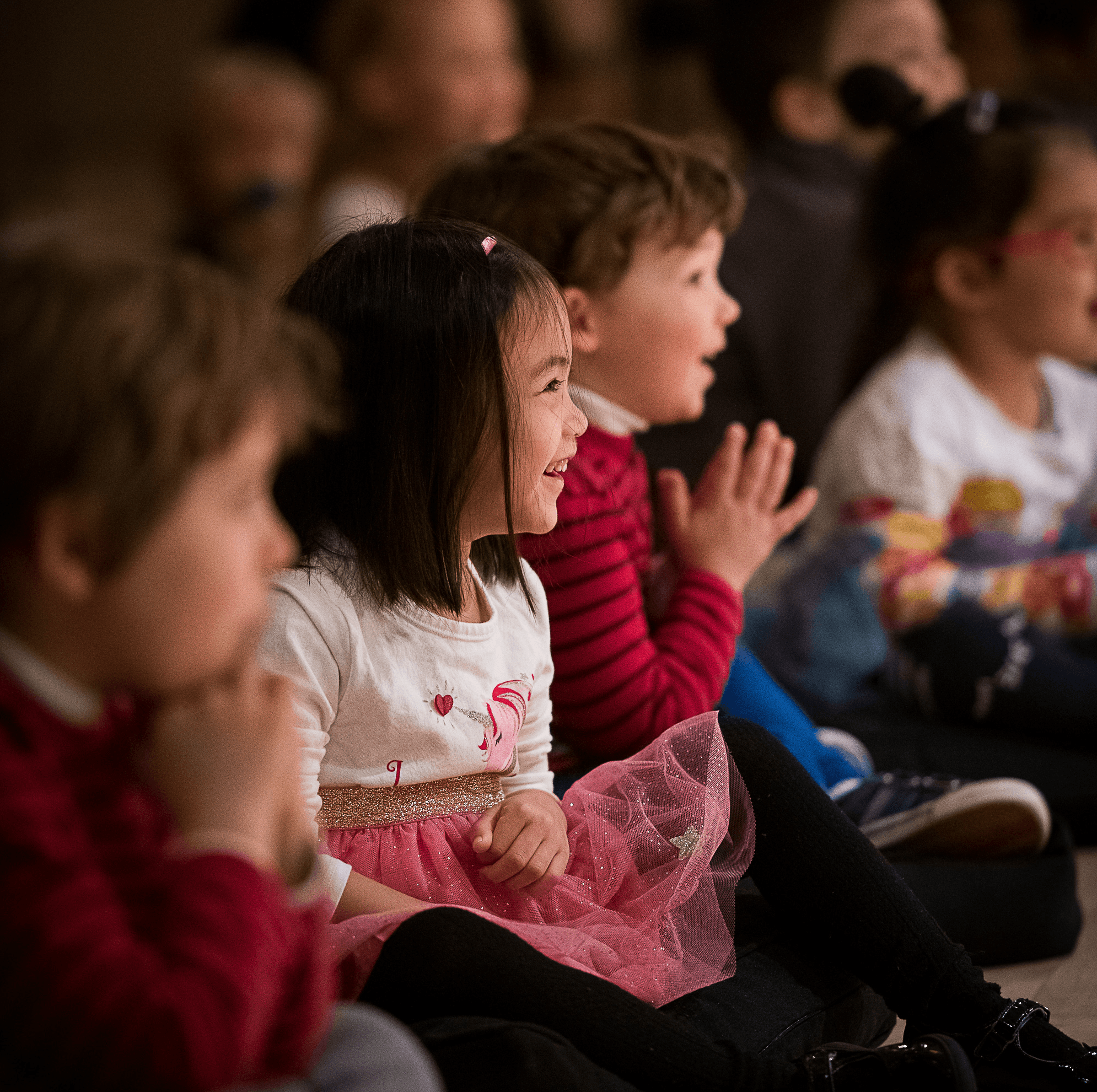
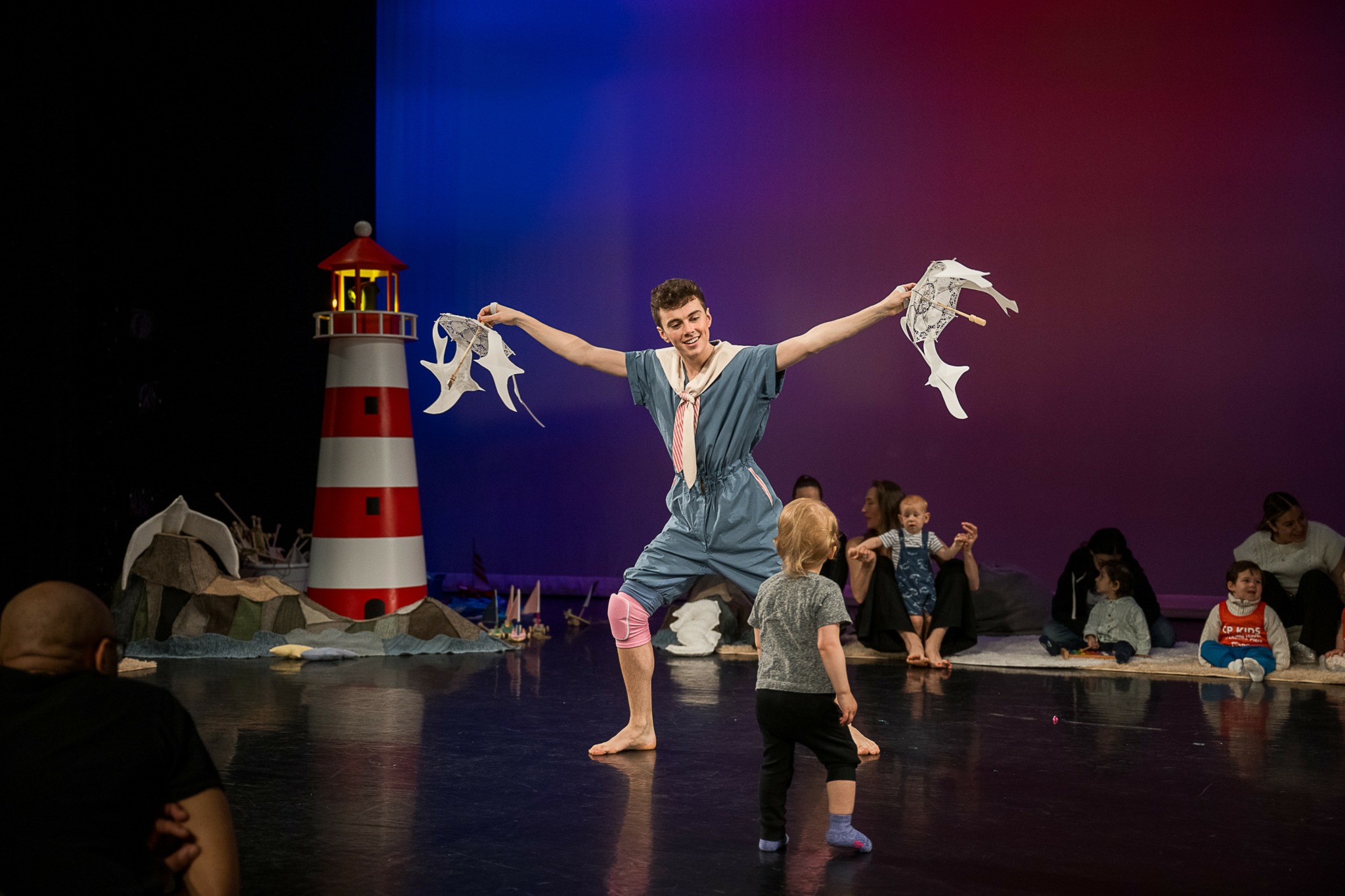
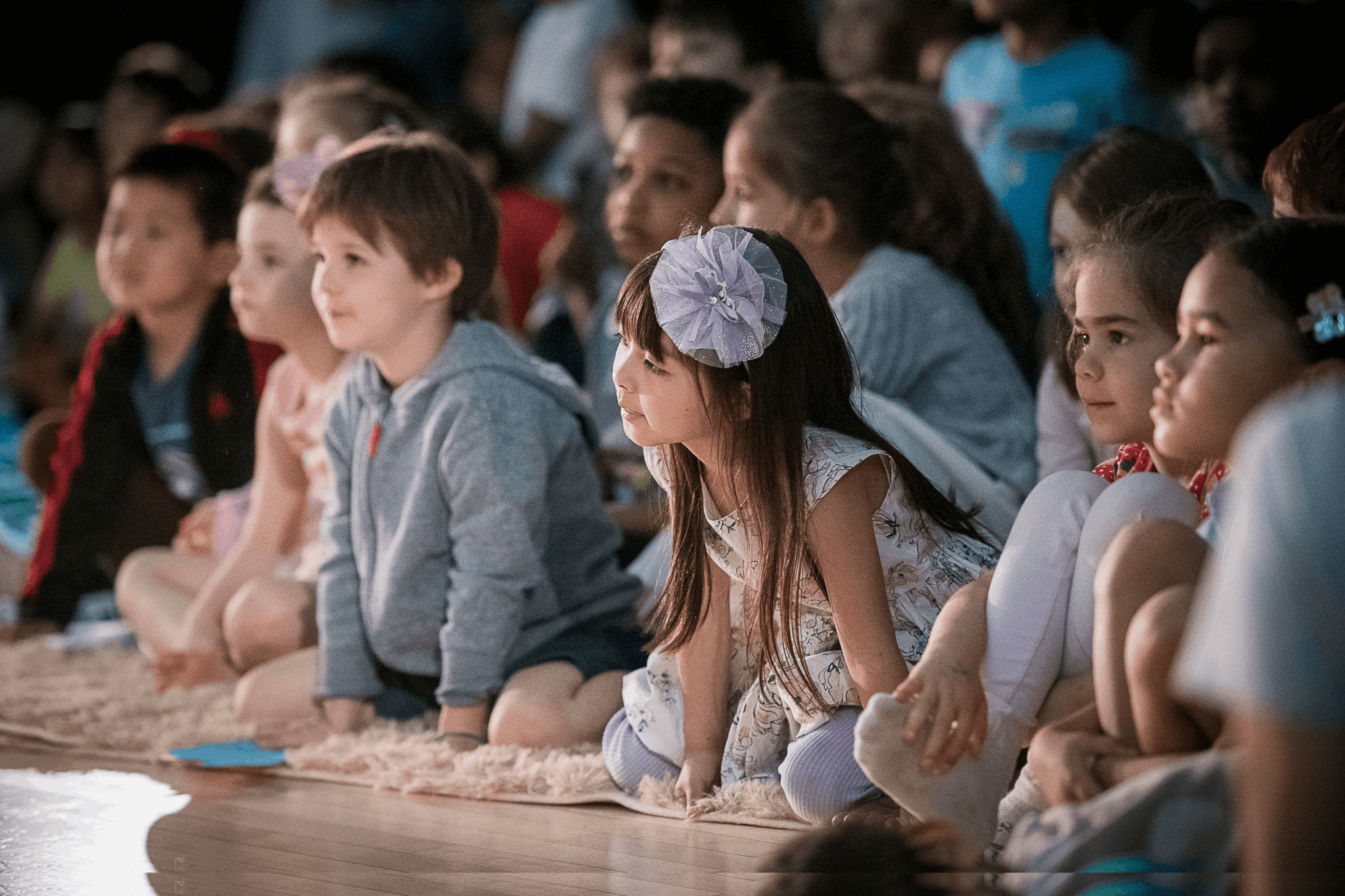

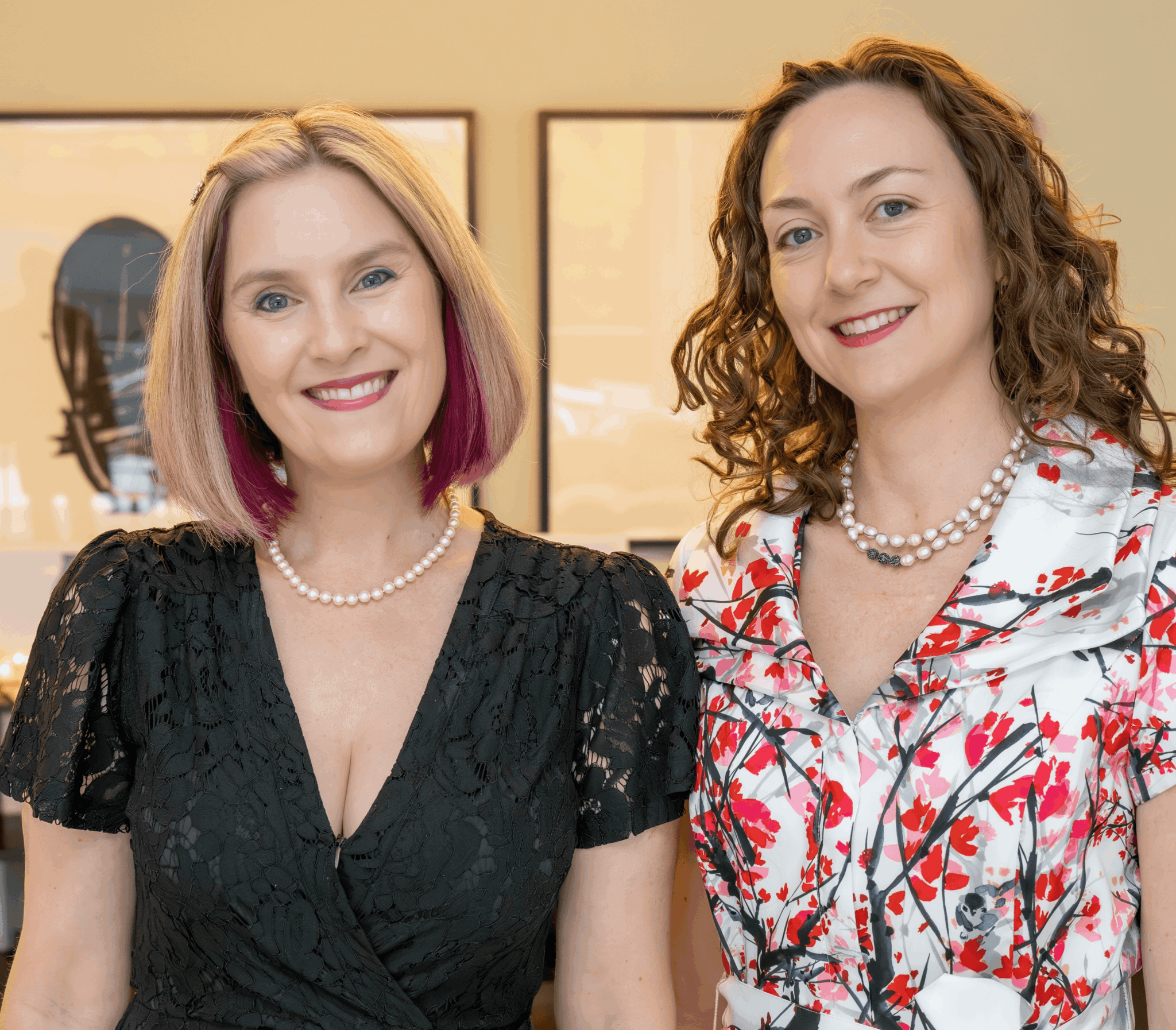
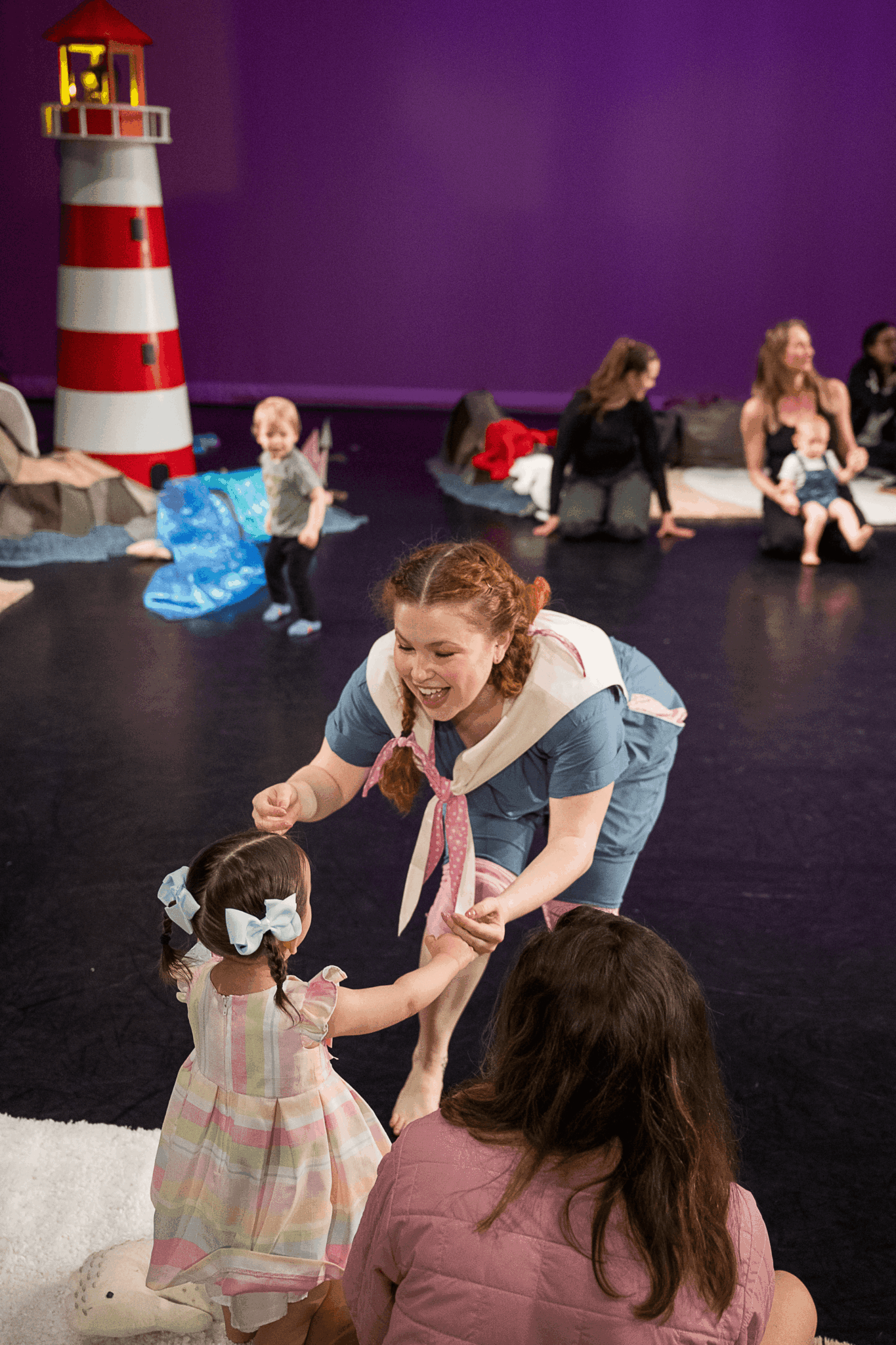
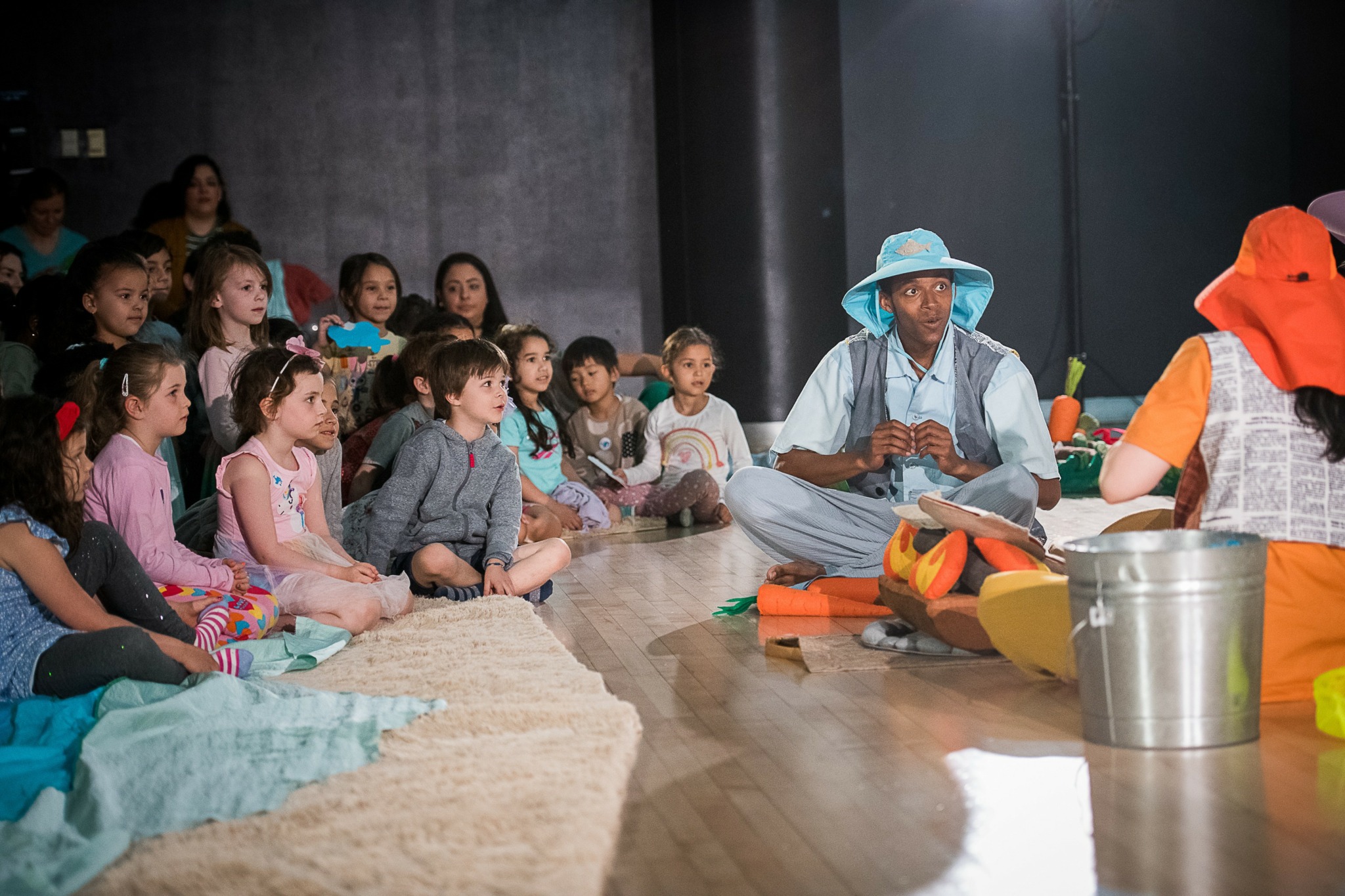

Image Credits
All Treehouse Shakers performance photos by Christopher Duggan
Photo of Mara McEwin & Emily Bunning together, Christopher Claxton, Something Light Media
All copyright of Treehouse Shakers