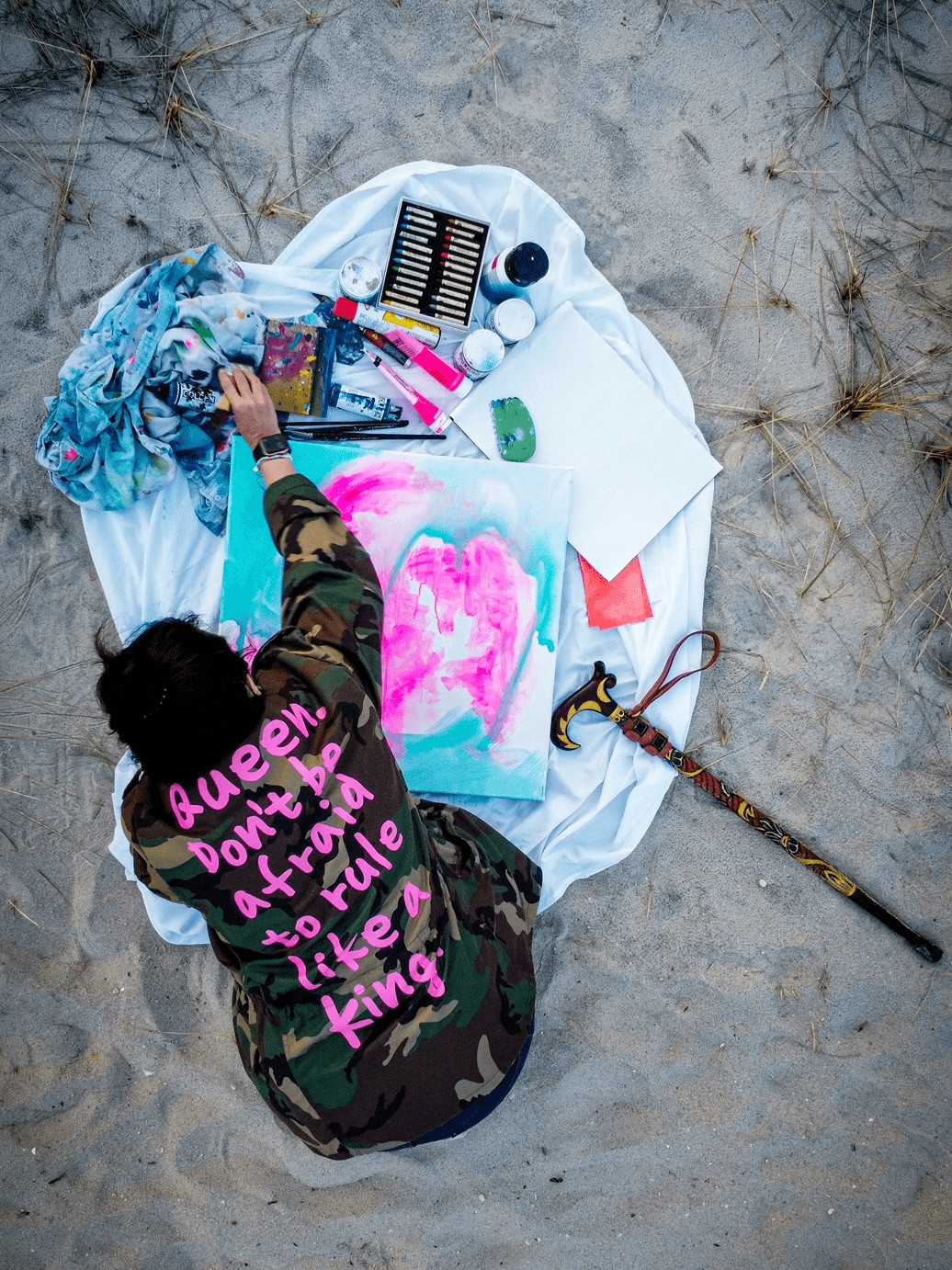

Today we’d like to introduce you to Loretta Oberheim
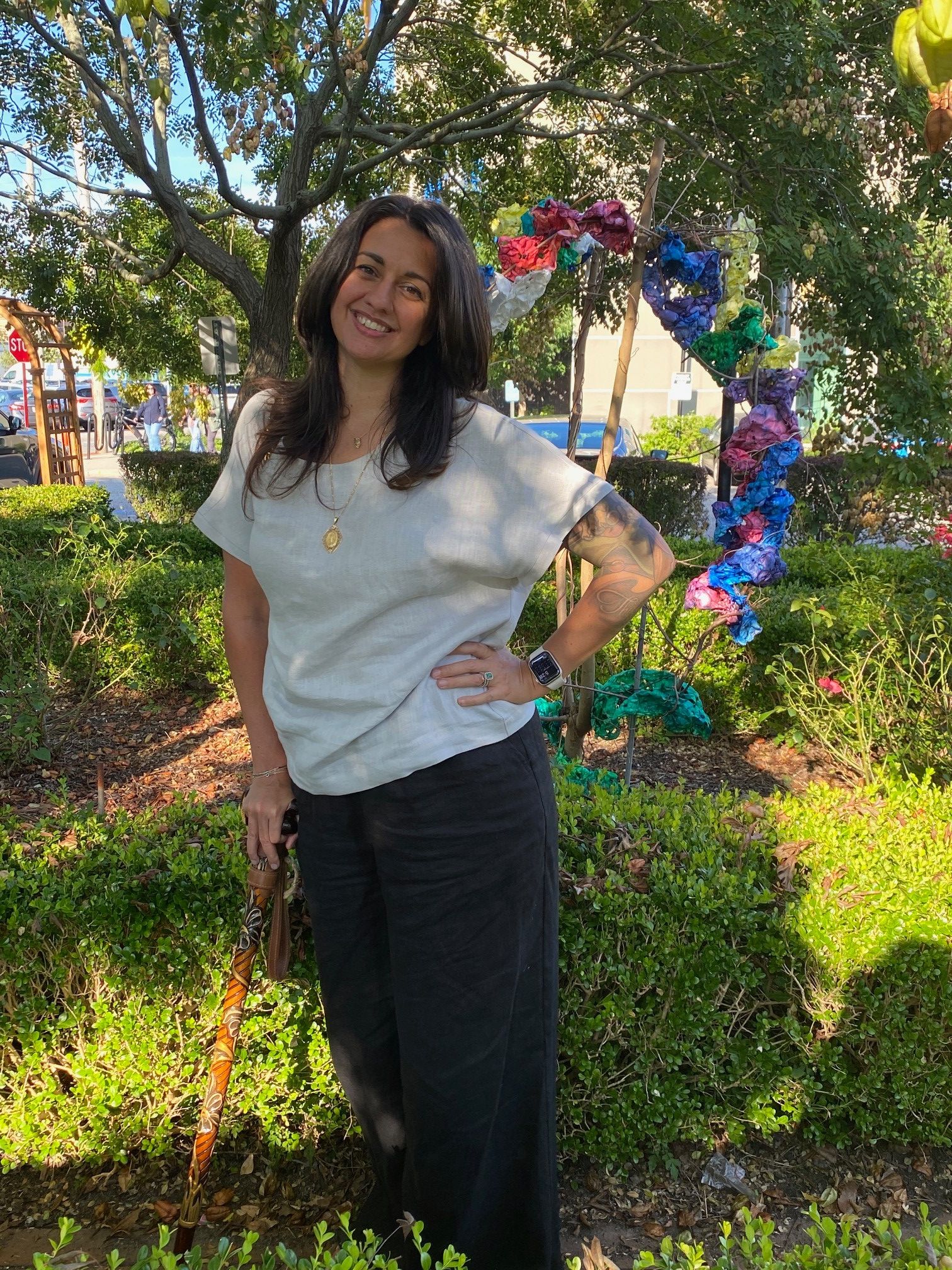
Hi Loretta, thanks for joining us today. We’d love for you to start by introducing yourself.
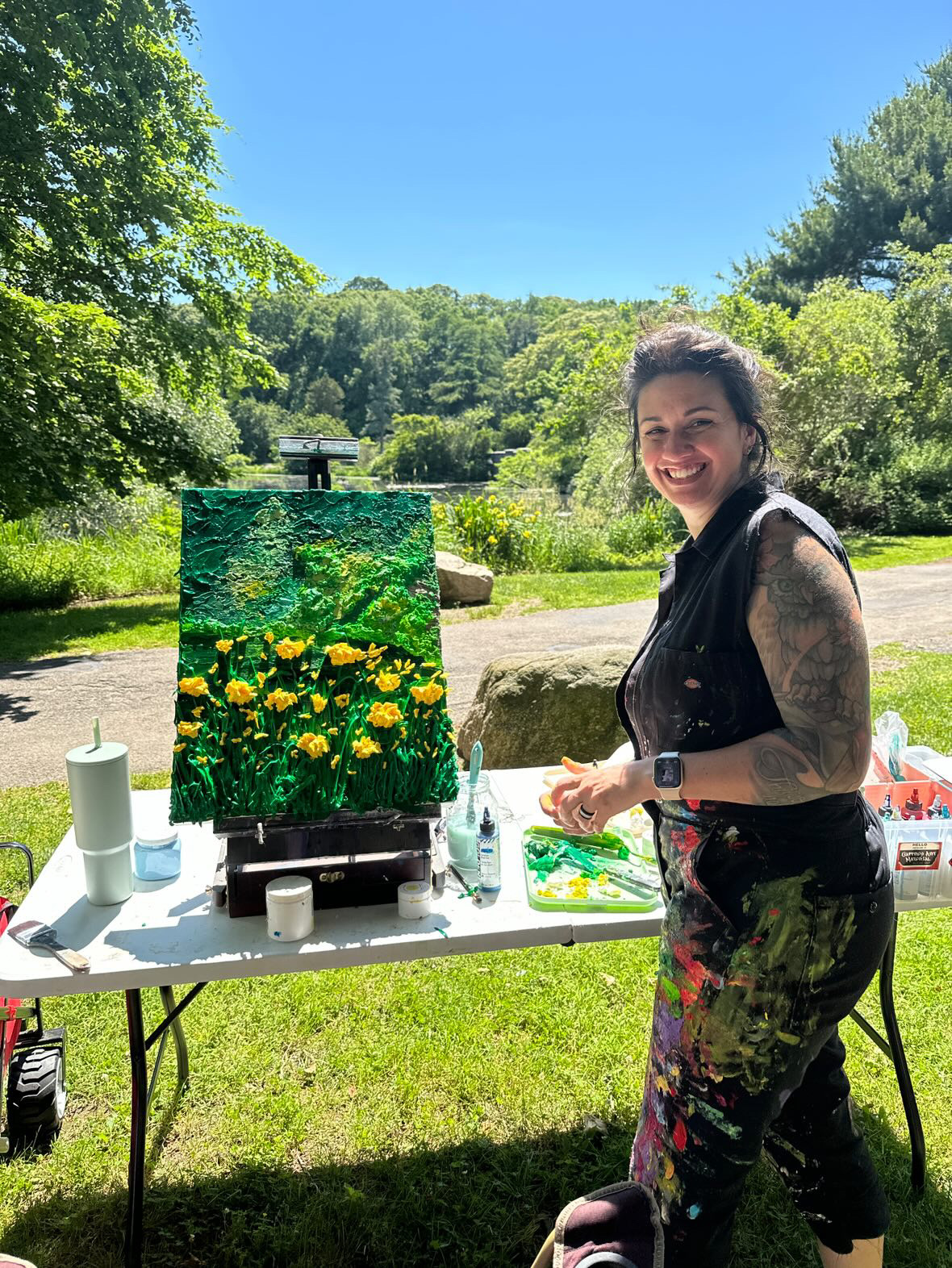
Creativity has always been a part of my life—my family often jokes that I was never without a pencil or paintbrush as a child. From an early age, art became my way of exploring the world and expressing myself. Although I didn’t initially view it as a viable career path, my passion ultimately led me to the Fashion Institute of Technology (FIT), where I earned my BFA in Textile/Surface Design.
After graduating, I was fortunate to build a successful career as a carpet designer in New York City, working with a top floorcovering company. My designs were featured in prestigious magazines such as Vogue, Architectural Digest, and Interiors Magazine, which was incredibly rewarding and validating. I spent 18 years doing what I loved in an industry I was proud to be a part of.
However, life had other plans. A traumatic brain injury from a severe car accident and an autoinflammatory condition affecting my joints made it impossible to continue working at the same pace. Leaving my dream career was devastating, but it also opened the door to rediscover art in new and meaningful ways.
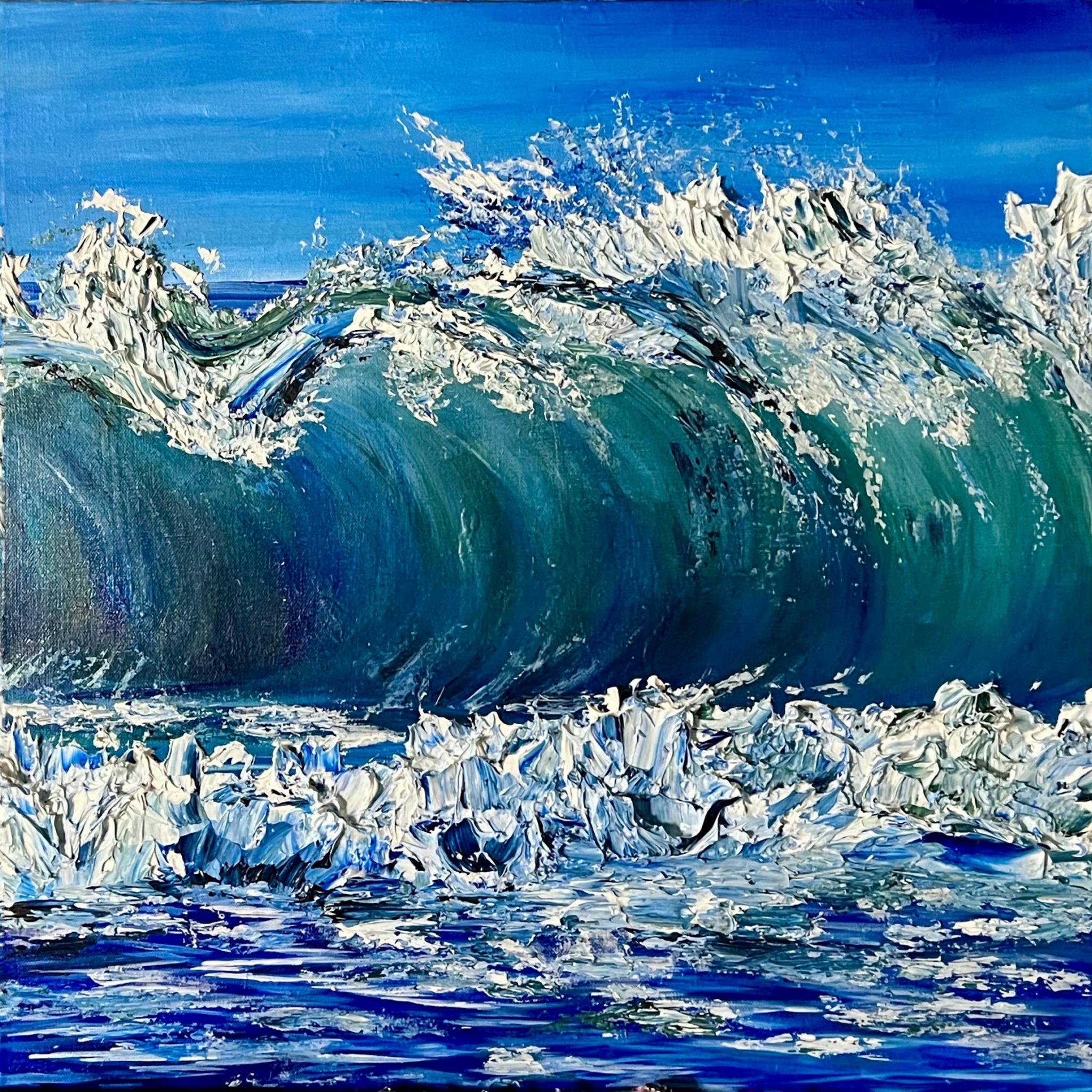
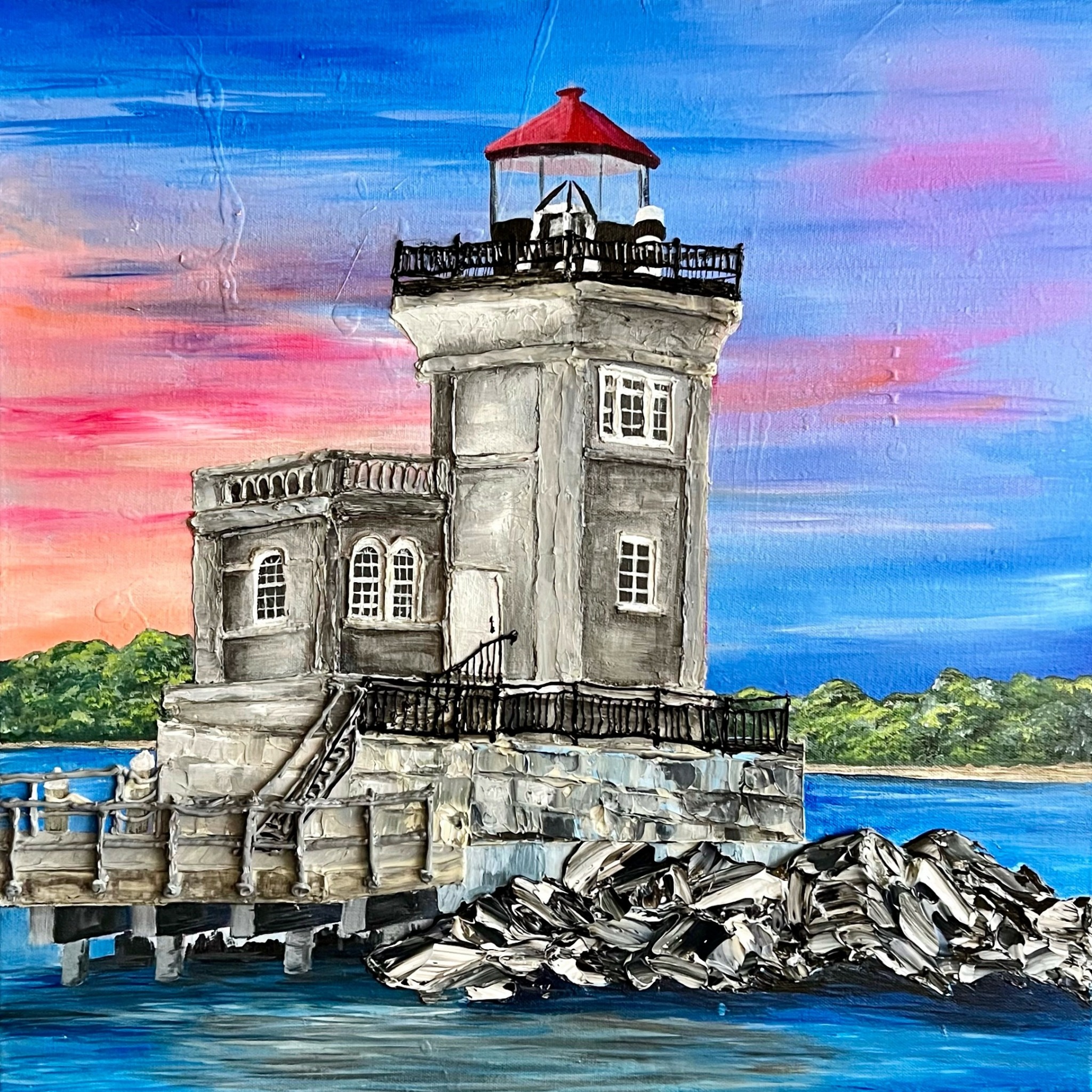
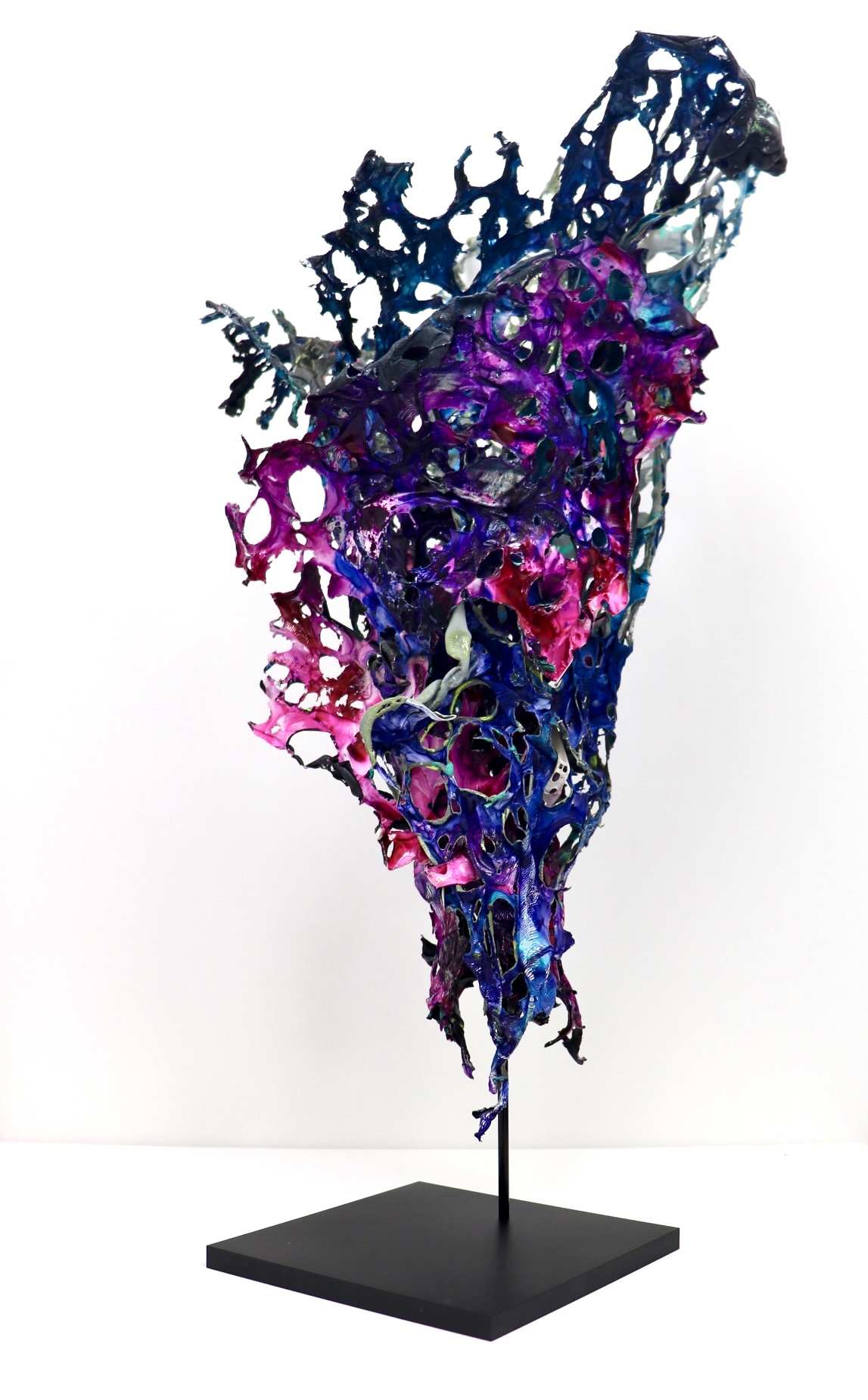
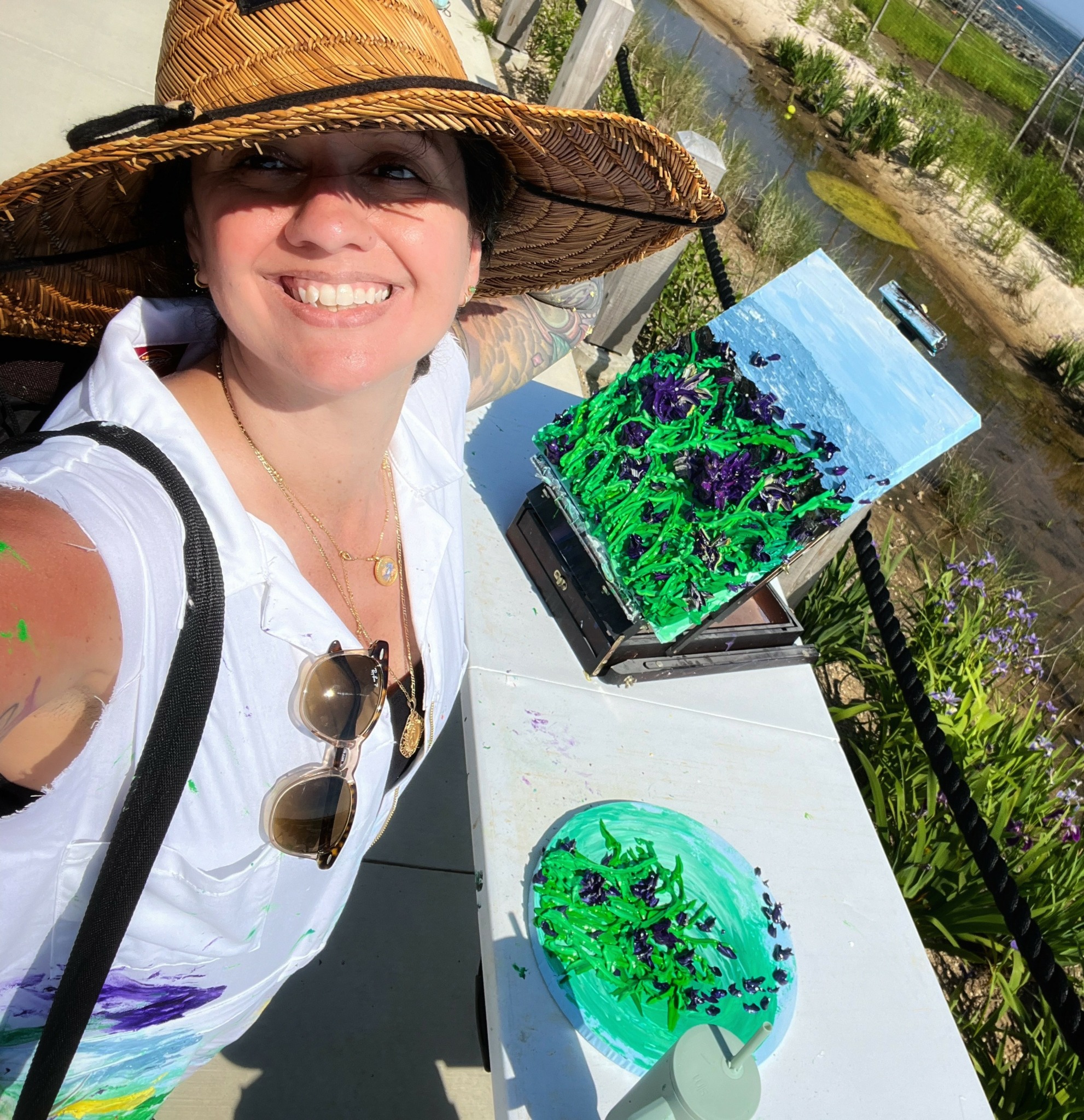
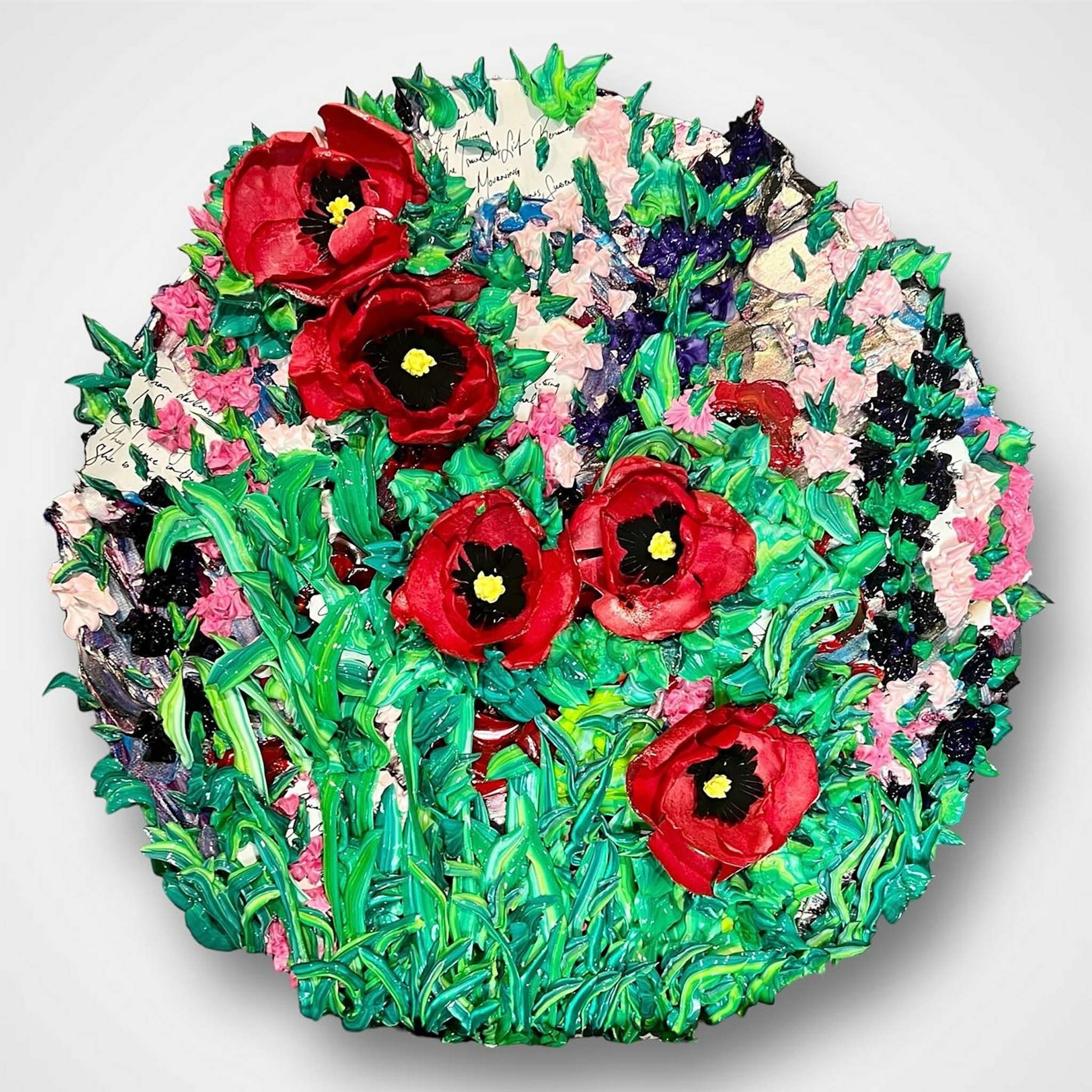
Adapting to my physical limitations was challenging but transformative. I experimented with tools that required less grip strength and explored alternative methods, like using palette knives, cake piping bags, and even my fingers. Sculpture became a natural extension of my practice, allowing me to create tactile, expressive works that connect deeply with viewers. This shift pushed me to embrace imperfection and prioritize emotional resonance over technical precision.
Now, as a multidisciplined artist, I work across mixed media, sculpture, and alternative techniques, creating pieces that tell a story and evoke a strong emotional response. My journey has been anything but linear, but every setback has taught me resilience and fueled my creativity. Today, I’m passionate about sharing my story to inspire others to pursue their passions, no matter the obstacles, and to find beauty in experimentation and self-expression.
Alright, so let’s dig a little deeper into the story – has it been an easy path overall and if not, what were the challenges you’ve had to overcome?
It hasn’t been a smooth road, but every bump along the way has shaped me into the artist I am today. One of the biggest challenges was a traumatic brain injury I sustained in a severe car accident, which left me with permanent cognitive and physical impairments. On top of that, I was diagnosed with Cryopyrin-Associated Periodic Syndrome (CAPS), an autoinflammatory condition that affects my joints, particularly my hands. Tasks I once took for granted, like holding a paintbrush for extended periods, became daunting and painful.
Leaving my career as a carpet designer was another significant hurdle. After 18 years doing what I loved, stepping away felt like losing a part of my identity. But I slowly realized that art could still be a part of my life, just in a different form. Adapting to my physical limitations required patience and experimentation. I had to let go of perfectionism and embrace new tools, techniques, and even mediums, which allowed me to explore my creativity in unexpected ways.
On a more personal level, I’ve struggled with self-doubt and the fear of not being “enough.” As a self-taught artist in many areas, it’s easy to compare myself to others with formal fine art training. However, I’ve learned to focus on the emotional impact of my work and the connections it creates with others, rather than the technical details.
While the road has been anything but smooth, these struggles have also been opportunities for growth. They’ve taught me resilience, adaptability, and the importance of finding joy in the creative process itself. Every challenge has ultimately deepened my relationship with art and made my journey all the more meaningful.
Thanks for sharing that. So, maybe next you can tell us a bit more about your work?
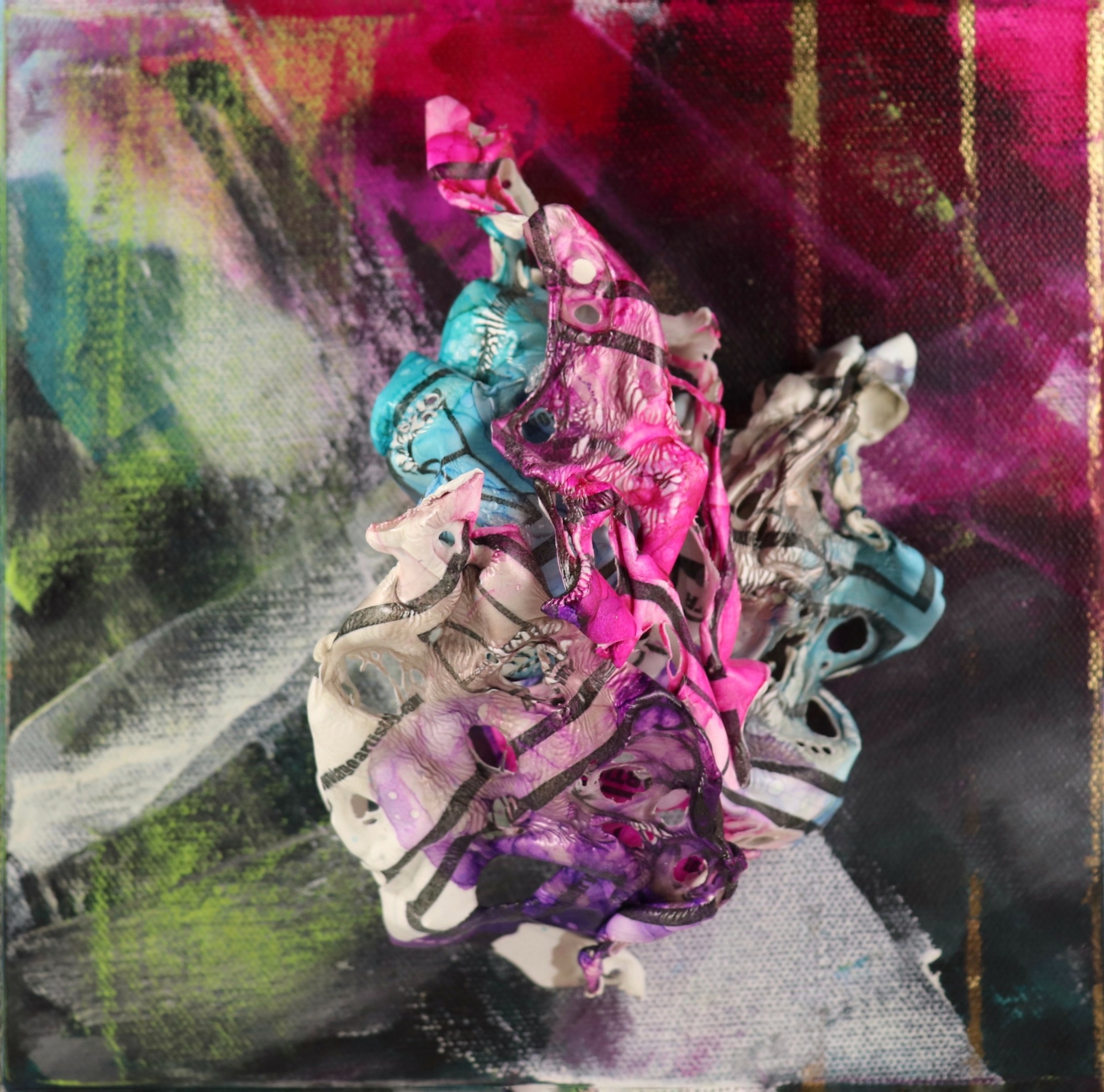
My work spans mixed media and sculpture, where I focus on exploring textures, layers, and raw emotion. As a multidisciplined artist, I specialize in creating pieces that evoke a visceral response, often blending unconventional tools and techniques. I’m particularly drawn to tactile, three-dimensional forms that invite viewers to experience my work not just visually, but emotionally and physically.
One of the things I’m most proud of is my ability to adapt and innovate despite physical limitations. When my health conditions made traditional methods difficult, I started experimenting with tools like palette knives, cake piping bags, and even my hands. These challenges led me to explore new textures and techniques that have now become central to my artistic identity.
What sets me apart is the deeply personal and expressive nature of my work. I prioritize authenticity and connection over perfection, allowing my pieces to reflect both struggle and triumph. My art often incorporates themes of resilience, transformation, and imperfection, mirroring my own journey.
I’m also proud of the way my art resonates with people. Whether it’s through an online exhibit or a piece in a local gallery, hearing how my work connects with others on an emotional level is incredibly rewarding. I hope to inspire others to embrace their imperfections and find beauty in their own unique paths.
In terms of your work and the industry, what are some of the changes you are expecting to see over the next five to ten years?
Over the next 5-10 years, I see the art world continuing to evolve in exciting and transformative ways. One significant shift is the increasing accessibility and visibility of art through digital platforms. Artists no longer need to rely solely on traditional galleries to share their work—social media, virtual exhibitions, and online marketplaces have opened up new avenues for connection and collaboration, making it easier for emerging and independent artists to find their audience.
Another trend I anticipate is a greater focus on sustainability and eco-conscious art. As climate concerns grow, I believe more artists will embrace recycled materials, found objects, and sustainable practices, not just as a statement but as an integral part of their creative process. This aligns with the growing appreciation for storytelling and authenticity in art, where the materials and methods used can carry as much meaning as the finished piece itself.
In terms of technique, I think there will be a continued blending of traditional and experimental approaches. Artists are increasingly pushing boundaries, combining classic techniques with modern tools, like 3D printing and augmented reality, to create multidimensional experiences. This blending of physical and digital mediums could redefine how art is created, experienced, and collected.
Finally, I foresee more inclusivity and representation within the industry. There’s a growing awareness of the need to uplift diverse voices, and I hope this will lead to a richer, more multifaceted art world where underrepresented stories and perspectives are given the platform they deserve.
For me personally, these shifts are exciting because they emphasize connection, innovation, and purpose—values that resonate deeply with my work and approach to art.
Contact Info:
- Website: https://www.lorettaoberheimart.com
- Instagram: https://www.instagram.com/loretta_oberheim_art
- Facebook: https://www.facebook.com/lorettaoberheimart
- Youtube: https://www.youtube.com/@LorettaOberheimArt