

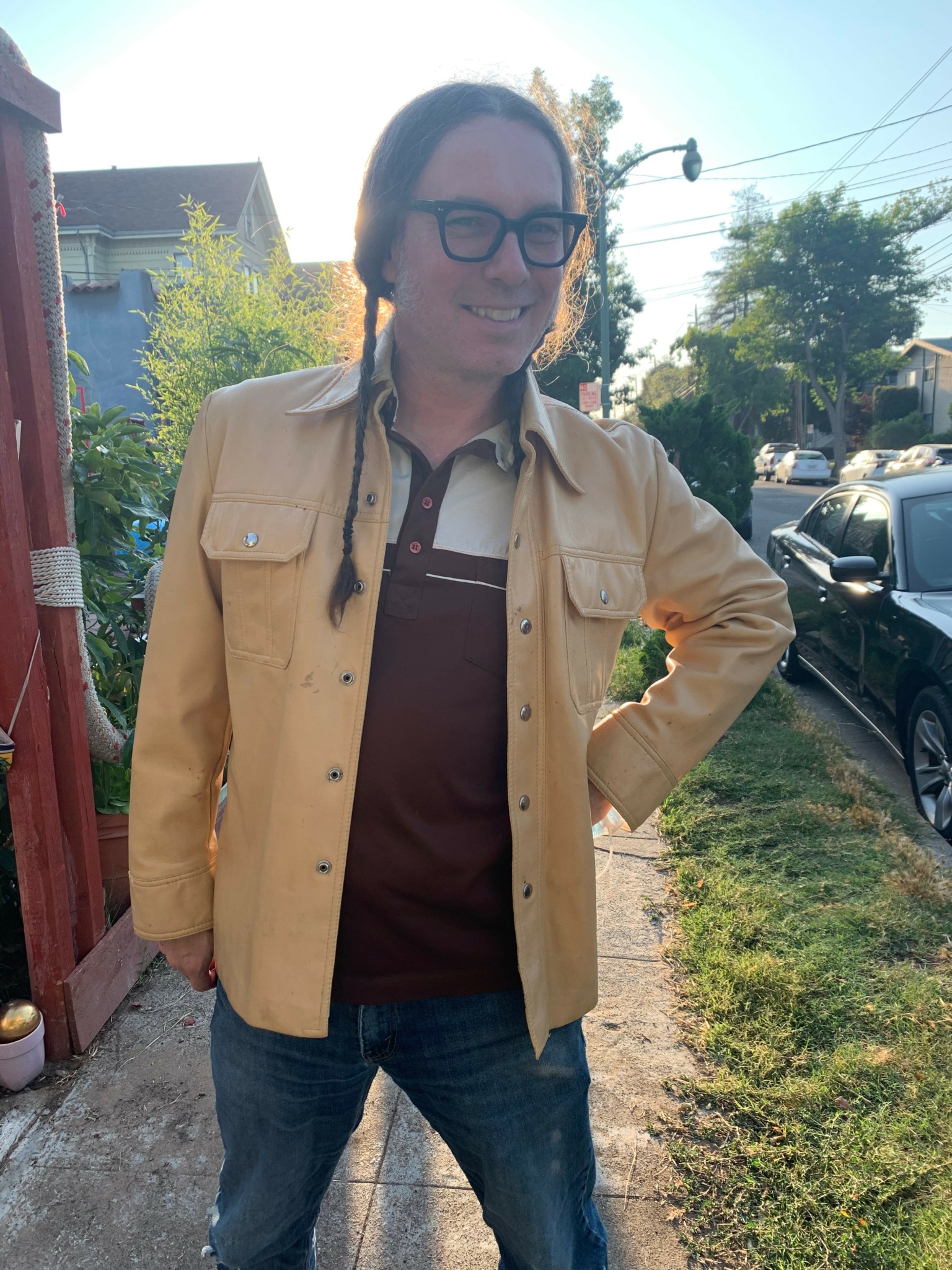

Today we’d like to introduce you to Aaron Lepley.
Alright, so thank you so much for sharing your story and insight with our readers. To kick things off, can you tell us a bit about how you got started?
When I was 12 years old, I saw David Bowie in a Pepsi commercial performing “Modern Love.” At that moment, I knew what I wanted to do with the rest of my life. It was as if the world had gone from black and white to color. I immediately devoured every Bowie album I could get my hands on. I saved my allowance, bought an acoustic guitar and a Bowie songbook, and spent every free moment learning chords and practicing. That led to writing my own songs, forming a band, and eventually studying music in college.
Alright, so let’s dig a little deeper into the story – has it been an easy path overall and if not, what were the challenges you’ve had to overcome?
Being self-taught, there was definitely a learning curve when I started my studies. I was used to working at my own pace and practicing whenever I wanted. But in college, on top of the intense workload required for my concentration—Composition, which demanded that I write for two hours daily—I also had to study an instrument (mine was piano) and was expected to practice for two hours a day. It was overwhelming, to say the least.
If I knew then what I know now, I definitely would have gotten a head start—taken music classes in middle and high school, pursued private lessons, and maintained a more structured rehearsal schedule. Honestly, my biggest obstacle was myself and my lack of discipline. I had a tendency to put things off until the last moment and rush through my work. Over time, I’ve become more disciplined and committed to better habits all around—especially when a deadline is looming over my shoulder.
Having a set schedule where you compose, rehearse, read, paint, or create at the same time every day isn’t just helpful—it’s necessary for growth. You’ll be surprised at how quickly you improve and how much material you generate.
Appreciate you sharing that. What else should we know about what you do?
I am a composer, performer, and educator based in Portland, OR. My music ranges from works for full orchestra, small ensembles, solo pieces, electronic music, and various hybrids thereof. I hold the Master of Music in Composition from the University of South Florida. I create original compositions for advertisements, film, and multimedia art installations. I also play, perform, write, and record with my wife in our band hyperbad.
What does all this mean exactly? I’m constantly making music and looking for venues/avenues in which it can be showcased.
I’m most proud of my working relationship with my wife, Kim Stein Lepley. We collaboratively balance each other out better than anyone I’ve ever worked with. It doesn’t hurt that we do everything together—from making dinner to making songs. We’ve achieved a serendipitous balance.
I would say what sets me apart from others is my dedication to the craft. I’ve been pursuing my musical endeavors since I was twelve. Come hell or high water, I’ve never given up. I’ve often been frustrated, felt defeated, and thought about throwing in the towel. Thankfully, I haven’t. And in the back of my mind, I know I never will.
You have to be patient and persistent and remind yourself that something better is always around the corner. It’s not necessarily an easy livelihood. Finding work can be difficult and daunting, and it’s often far from steady. You have to constantly put yourself out there, meet people, and make connections. That alone can feel like a full-time job—on top of the countless hours spent composing and recording.
Over the years, I’ve done all kinds of work to stay financially afloat while honing my craft. I’ve cleaned apartments, mended fences, dug ditches, worked the front desk at a hotel, pumped gas, made pizza, washed dishes, and bussed tables—you name it, I’ve done it.
When an opportunity in your field finally comes along, it’s that much more rewarding, knowing how dedicated and determined you’ve been.
If you had to, what characteristic of yours would you give the most credit to?
Qualities that I’ve found most helpful and impactful are curiosity, versatility, and discipline.
Curiosity – As artists, we must be detectives, always seeking the source. If you’re drawn to an artist, find out everything you can about their work—their creative process from point A to Z. Investigate their influences: who they listen to, what they read, what visual art they admire, what films they love, and so on. Then, research those artists and works, and follow the same strategy with them. This is an easy way to discover new material you might never have encountered otherwise. Also, don’t limit your interests to one genre or medium. The worst thing an artist can do is pigeonhole themselves with narrow-mindedness. Always study, ask questions, and try new things.
Versatility – The ability to play multiple instruments isn’t just rewarding; it fosters different creative results. If you’re struggling to write something on piano, pick up a different instrument—especially one you’re less familiar with. The tactile differences can inspire a fresh approach, a new point of view, or even help fill in a blank. I also find that working in other mediums informs my work. I write, paint, draw, sketch, and collage. Stepping away from your primary craft and trying something unrelated helps cleanse the palate, allowing you to return to your project with a refreshed perspective.
Discipline – Committing to a structured schedule of work and practice will make you a better artist and help you generate more material. Honestly, I’m not the best at this, but I know it works. When I’m facing a deadline, I take this approach more seriously, and it always proves successful. Discipline and persistence go hand in hand. Work incessantly. Don’t leave projects unfinished.
Conversely, if you’re struggling to create something new, nothing is more intimidating than a blank page. When I find myself in that situation, the first thing I do is doodle, write a to-do list, or practice my penmanship—anything to dirty up that page. Once it’s no longer blank, I can finally breathe and start sketching ideas.
Contact Info:
- Website: https://www.aaronlepley.com/
- Instagram: https://www.instagram.com/aaronlepley/
- Other: https://aaronlepley.bandcamp.com/ https://hyperbad.bandcamp.com/
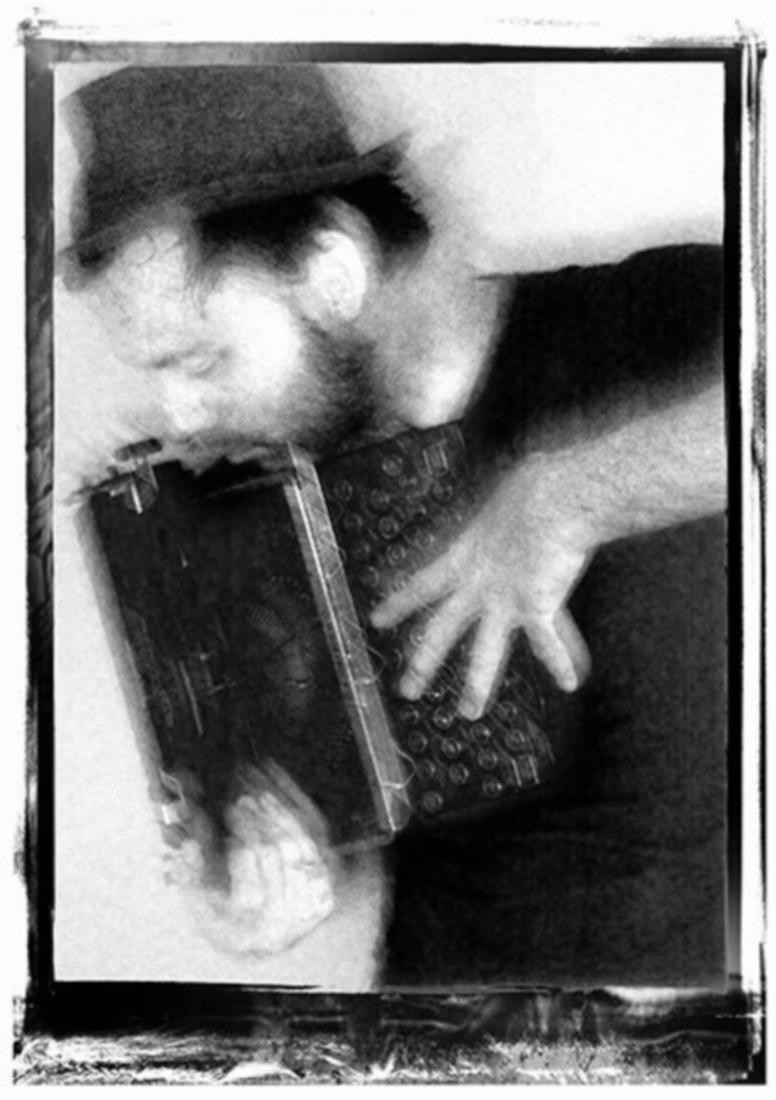
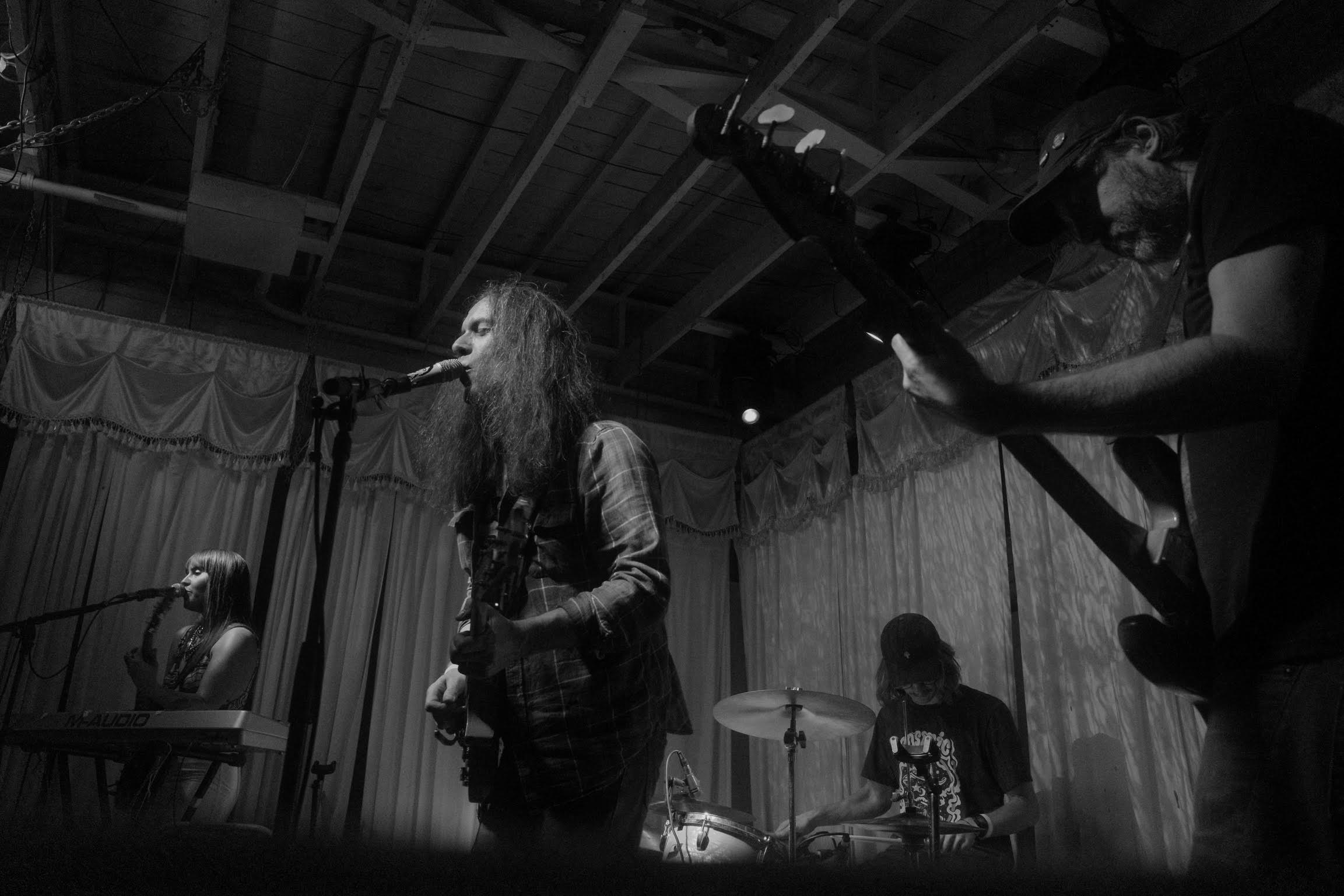
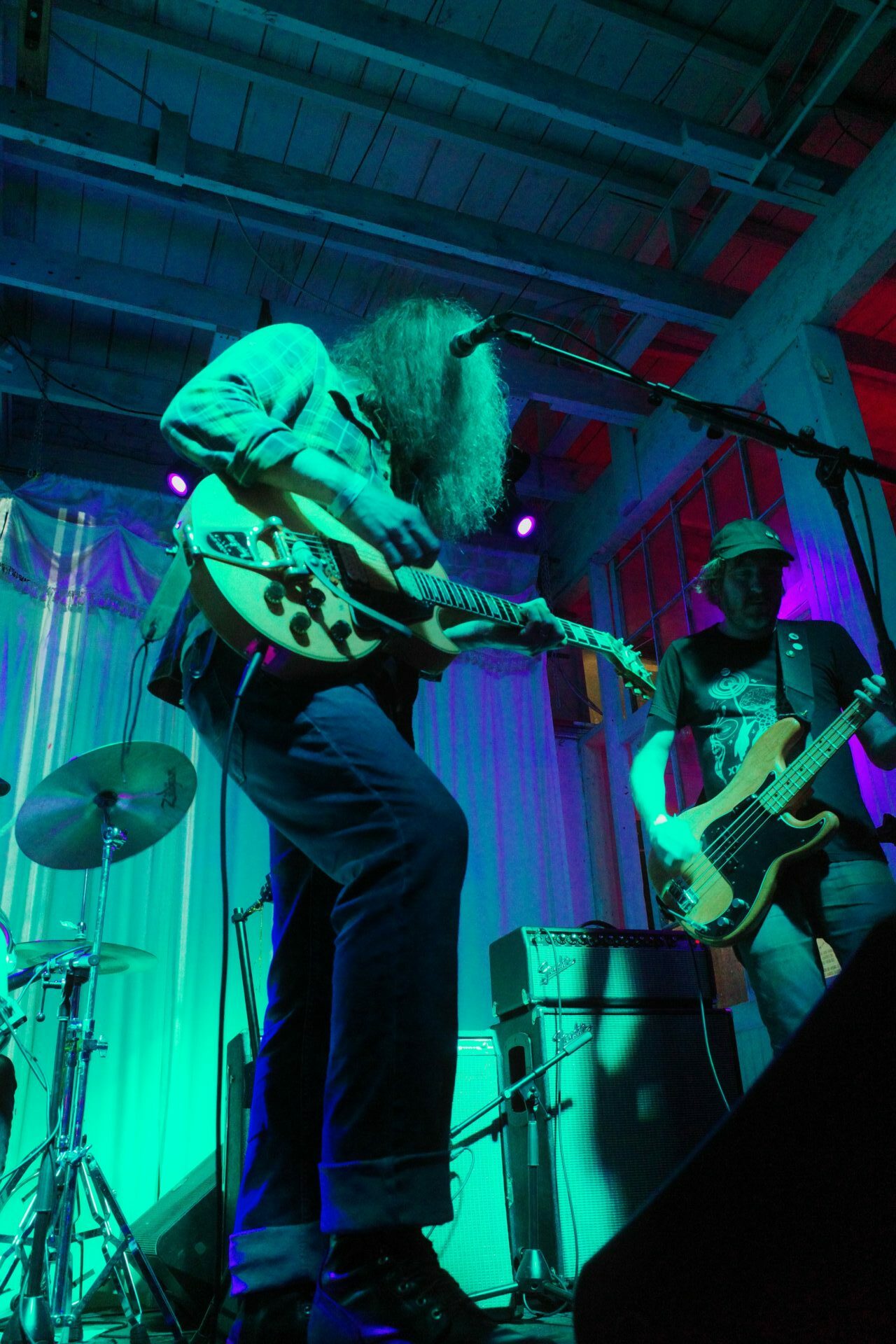
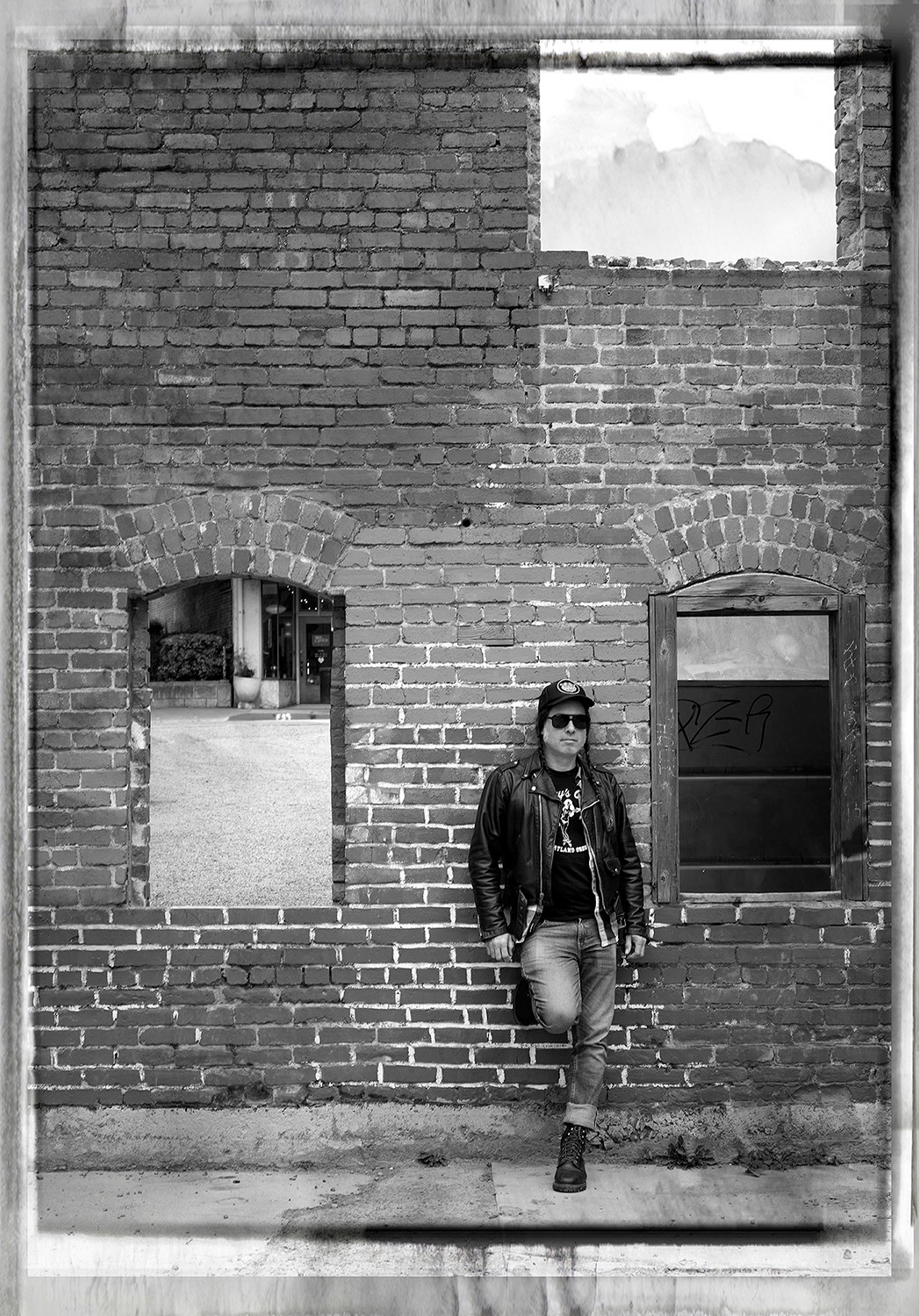
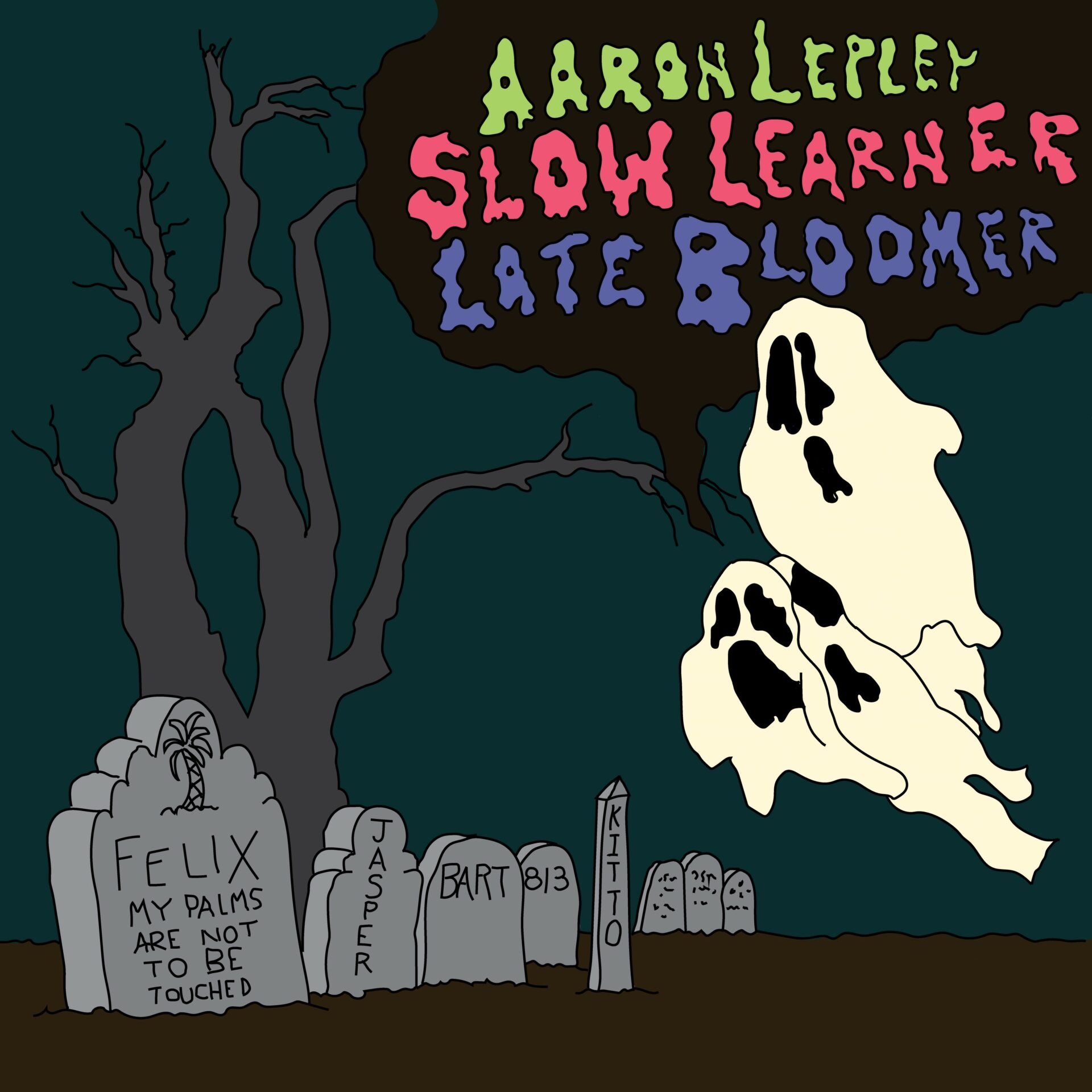
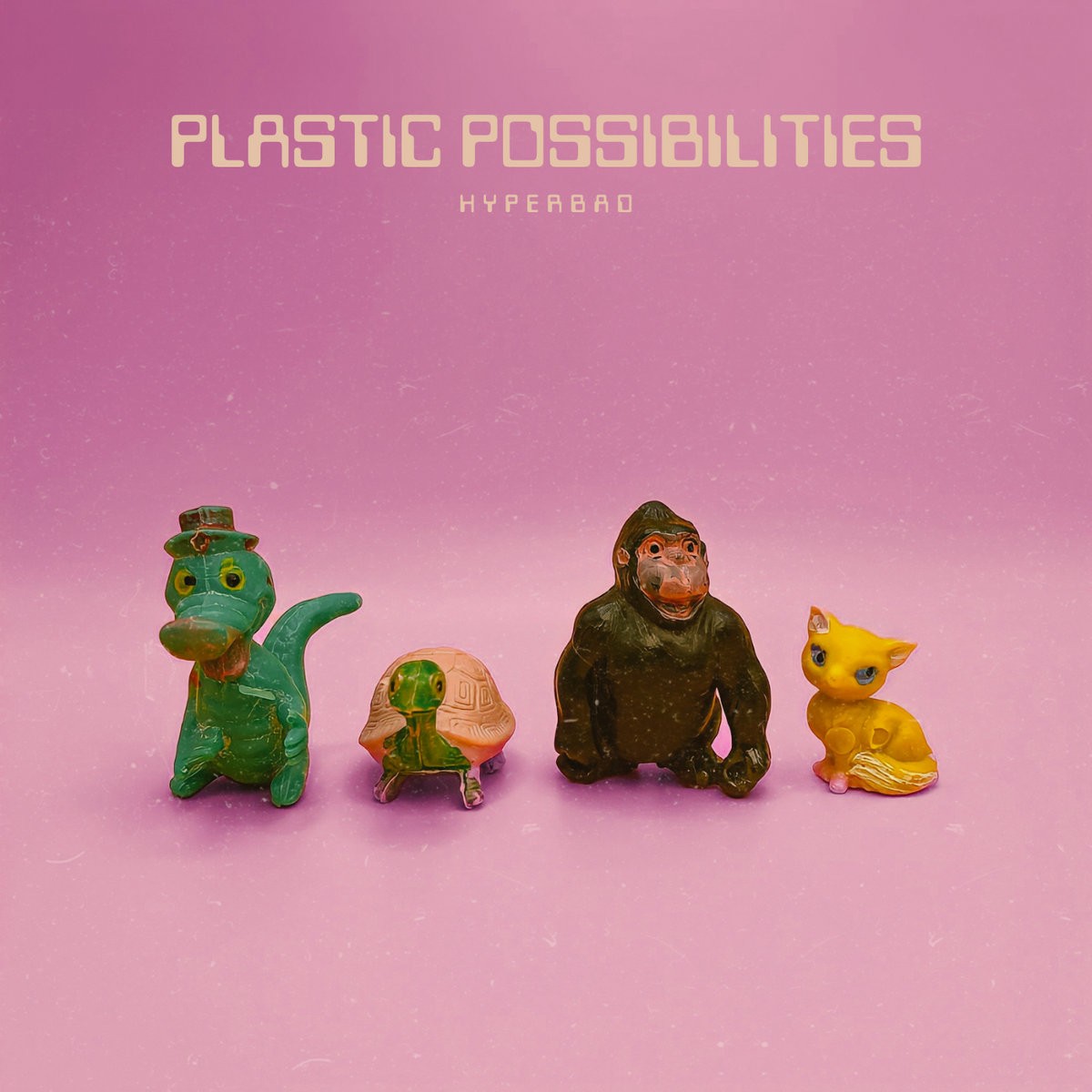
Image Credits
Lepley typewriter/accordion & brick wall- Daniel Newcomb
Lepley Alameda street scene- Kim Stein- Lepley
Live photos with guitar- Logan Cheney
slow learner/late bloomer album cover art -tjopekdotcom
hyperbad Plastic Possibilities album cover art – Kim Stein-Lepley