

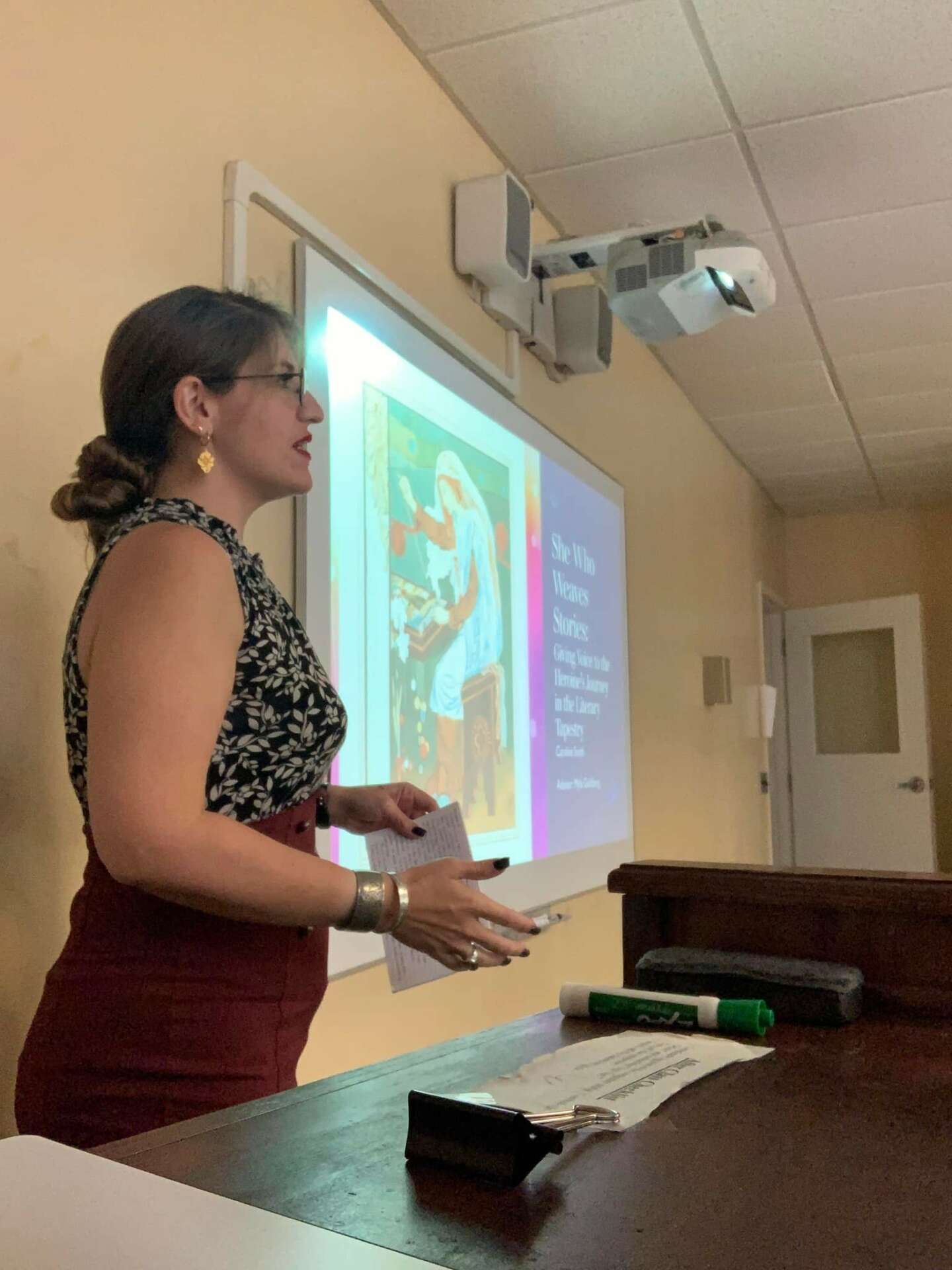

We recently connected with Caroline Smith and have shared our conversation below.
Caroline , looking forward to hearing all of your stories today. Learning the craft is often a unique journey from every creative – we’d love to hear about your journey and if knowing what you know now, you would have done anything differently to speed up the learning process.
I hadn’t thought much of becoming an editor or going into publishing at any point in my educational career. I had an inclination to write, but that was mostly just for myself. One day, I saw a friend of mine doing a sample edit on a manuscript, by hand. Red proofreading marks everywhere. I asked her what she was doing and she told me she was a publishing and printing arts minor and this was an assignment for one of her classes. I was immediately intrigued. I learned more about the program and almost immediately switched my minor from religion to publishing and printing arts.
For the next few years, I carried around the Chicago Manual of Style and learned as much as I could about becoming an editor. We learned how to communicate with authors in the process, in addition to all of the technical aspects of editing. When I was hired as an editor, right after graduation, I thought I was prepared. What I wasn’t prepared for was how personally writers take critiques of their edits. I also went into it with the “I’m the professional, so I’m right, and the book backs me up,” mentality. There are cases where that’s true, but I’ve learned to soften my approach considerably when it comes to communication and critique. I also tell the clients that I work with that what I’m making are suggestions for improvement (until it comes to grammar, spelling, and punctuation) and that my main goal is for them to maintain their voice as a writer as much as possible.
In terms of my own writing, that is a muscle that has to be worked and practiced. I just completed my MFA in creative writing at Queens University of Charlotte and I think that has absolutely helped me become a more well-rounded writer. I wouldn’t have been as open or available to the program if I’d done it sooner, so the opportunity came at just the right time (sadly right at the start of Covid in 2020) and I took it.
I think honing my skills as an editor is always important, but so is being flexible. I think learning how to communicate, and sometimes relearning how a particular client needs communication, has been one of the most essential skills. As an author, my goal is to be unfailingly polite to anyone I come in contact with: readers, agents, publishers, and other editors, but that falls under the communication and being a good human umbrella. In terms of obstacles, there have been few, but there are no professional organizations in the US for manuscript editors and I think that’s something that could benefit continued professional development in this industry as well as promote standardization.
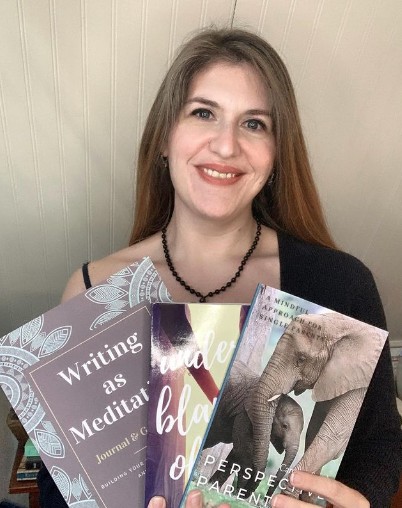

Caroline , before we move on to more of these sorts of questions, can you take some time to bring our readers up to speed on you and what you do?
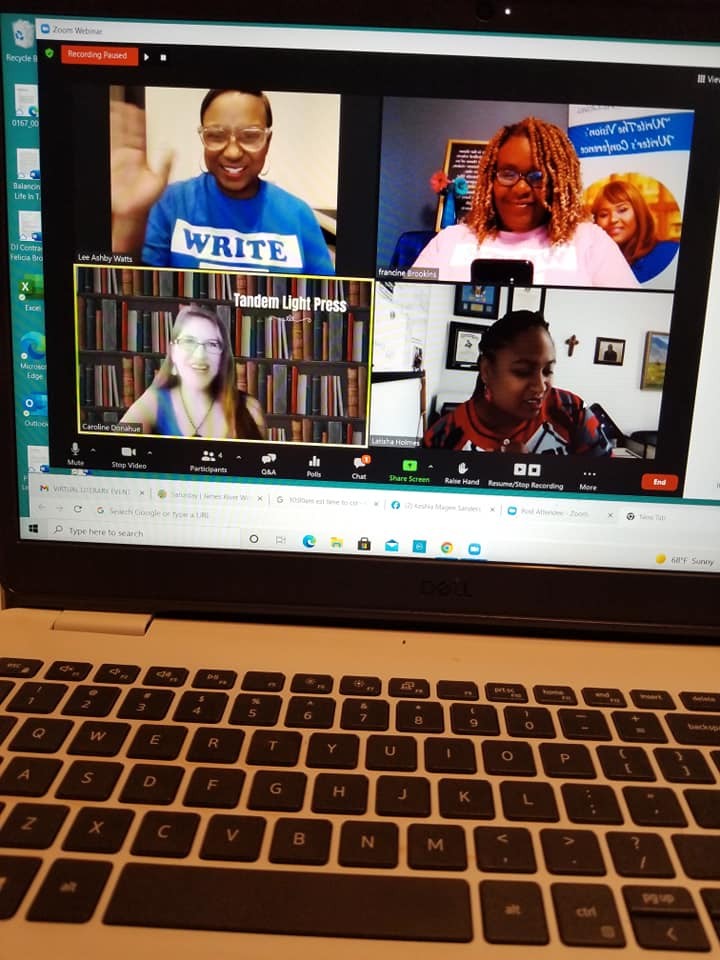
I started as an editor for a small press, and now I’m an author coach and chief creative officer for another: Tandem Light Press. We’ve been in business for ten years this November and we’ve seen a lot of change happen in publishing in the last decade. We got started because I edited a book for Dr. Pamela Antionette Larde while at my last publisher. I did an editorial sample for her and although she had paid another editor before she came to us, there were some pretty major things from an industry-standard perspective that had been missed. A few months later, I had just left that company and she emailed me and asked if I would like to be a part of Tandem Light Press. I immediately said yes.
I was taken in by her initial vision that everyone can be a writer, sometimes they just need a platform and some help honing their message. We’ve evolved over the years to really focus on being a company by women for women. Our mission is to raise the voices of women (and a few good men) through fiction, non-fiction, and children’s books that are inspirational and empowering for the BIPOC community.
We are a post-modern publishing company and I like to think we offer an option between self-publishing and traditional publishing. So many people don’t have the opportunity to have their message come across because they’ve been rejected by publishers and self-publishing has become a sea of people and you’re one voice among many. I think we offer a comfortable, collaborative alternative where our expertise is at our author’s fingertips.
I’m most proud when a writer I’m coaching starts to consider themselves an actual author and when they complete a manuscript they never thought they’d finish. Almost as good as when they hold their printed book in their hands for the first time. One of my authors called me a “book midwife” one time, and I think that’s a pretty apt description for the attachment and investment I have in seeing them complete their dreams. It’s one that the rest of my team shares as well.
Do you think there is something that non-creatives might struggle to understand about your journey as a creative? Maybe you can shed some light?
I don’t know that I would have referred to myself as a “creative” until the last few years when I started creating my own work, so I think I can offer some perspective on this question. I’ve been surrounded by creatives my whole life. My first job, at 14, was working for a non-profit music company, completely run by musicians. I worked there throughout high school and it was a great lesson for me in being a listener. I often feel that creative people are wonderful at ideas but have a hard time executing them. Sometimes the answer is just listening to the vision and helping them follow through with accountability and direction. Being part of a creative team is really helpful with that, but I’ve also found, especially working with authors (and now being a writer myself) that deadlines are hugely beneficial. That gives the person room to create in their own ways but also provides a little bit of structure in terms of knowing when they need to have their chapter due, goal met, book finished, etc.
Alright – so here’s a fun one. What do you think about NFTs?
I’m intrigued by them, but also a little concerned about their overall environmental impact and how large the server farms are that mine them. I think there’s the potential for there to be an environmental, social, and ethical toll. There have been discussions on our team of using NFTs for cover art and potentially even content, but we’re hesitant to implement that at the moment. It does seem like the “next big thing” and I can understand how artists, in particular, would see it as such but I think we don’t think about or see the massive calculations going on behind the scenes to make those transactions possible and the fossil fuel-based energy that goes along with that.
Contact Info:
- Website: www,tandemlightpress.com
- Instagram: https://www.instagram.com/editor_caroline/
- Facebook: https://www.facebook.com/tandemlight.press
Image Credits
Workshop photos courtesy of Lee Ashby Watts