



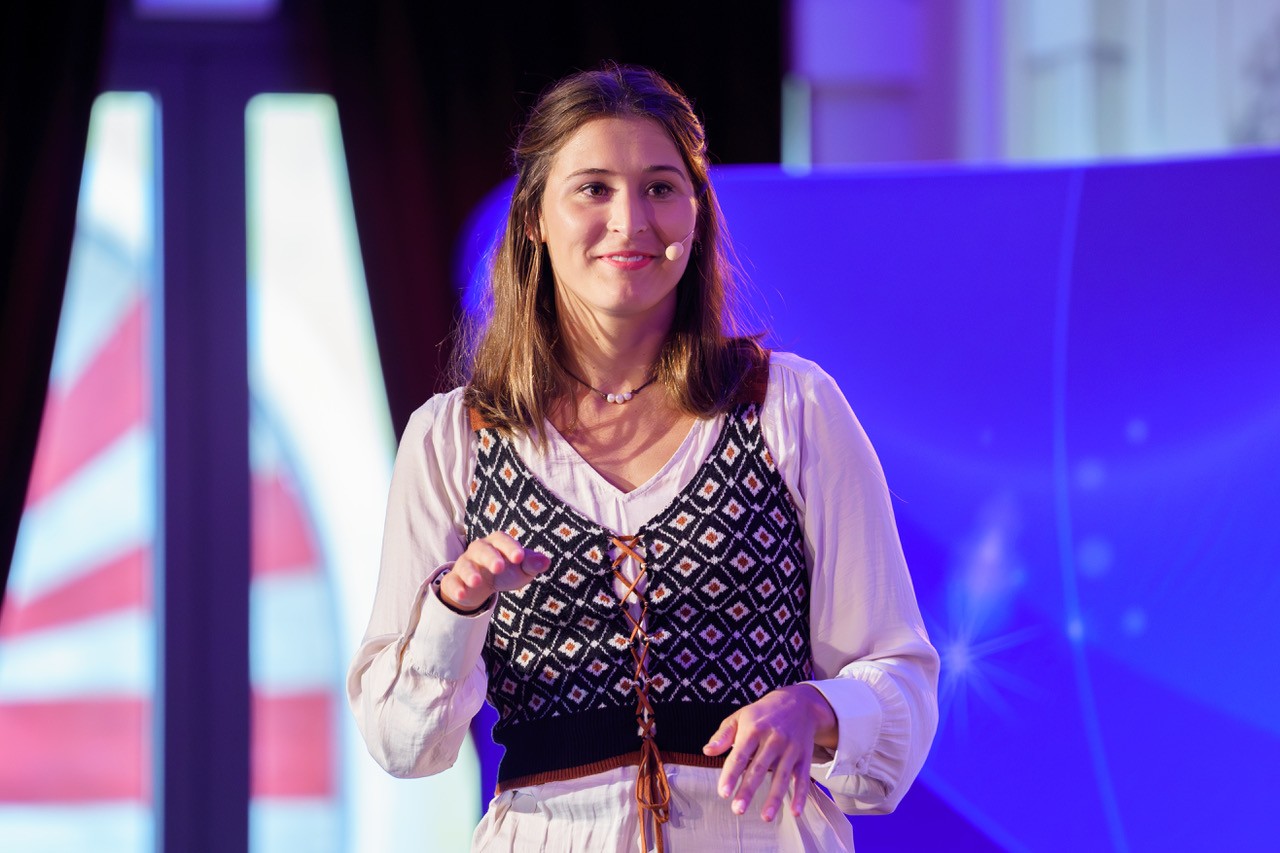
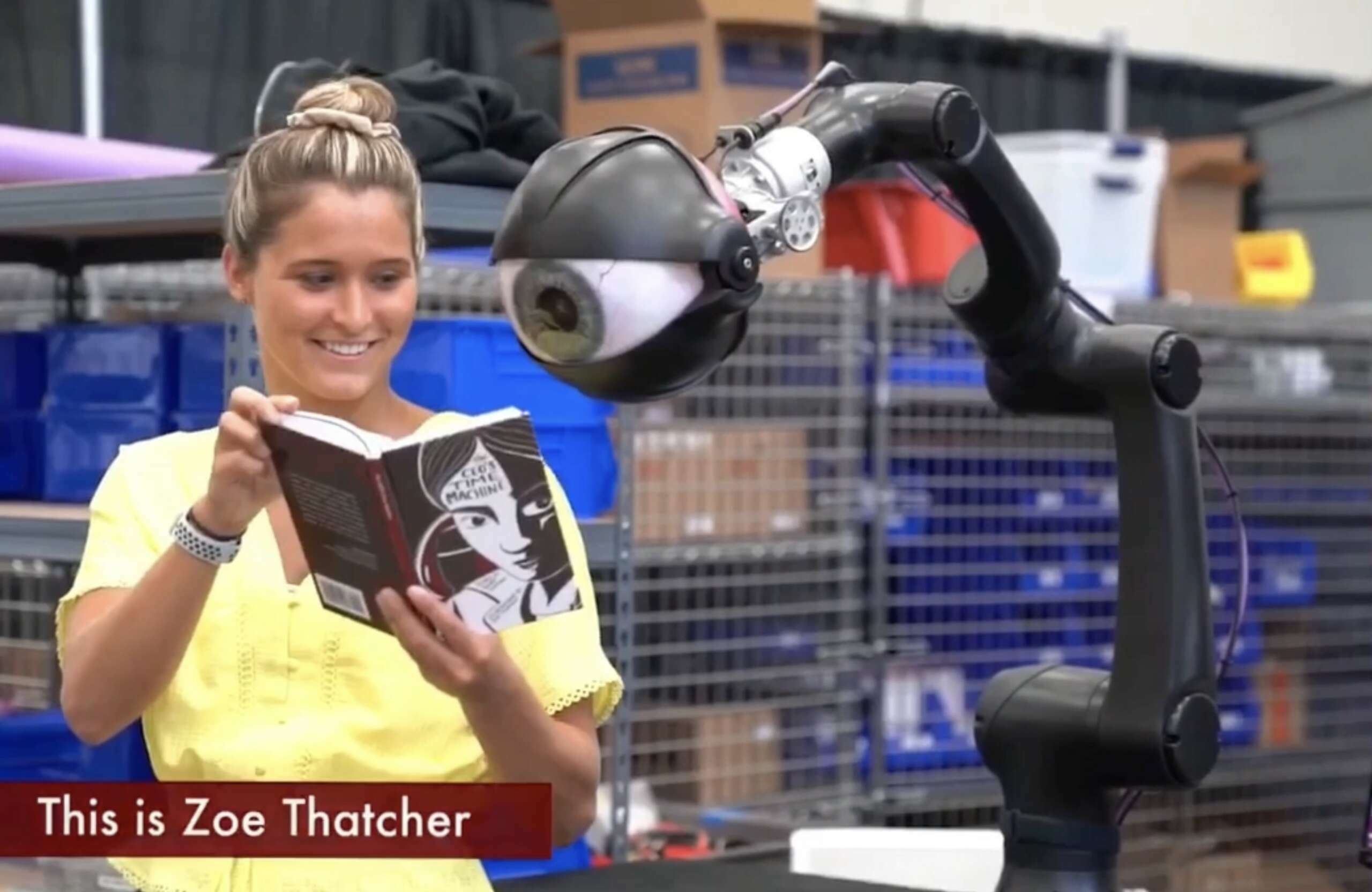
Alright – so today we’ve got the honor of introducing you to Zoe Thatcher. We think you’ll enjoy our conversation, we’ve shared it below.
Hi Zoe, thanks for joining us today. Learning the craft is often a unique journey from every creative – we’d love to hear about your journey and if knowing what you know now, you would have done anything differently to speed up the learning process.
I did take traditional art and design classes while attending school at Auburn University. However, if I am being honest, the best thing I ever did to hone my skills was to dive into the deep end and start working. There were many instances at the beginning of my career when I was assigned a project that I had no idea if I could successfully complete. And while it was challenging, and there were some failures along the way, that pushed me to learn new techniques and push my skills to the next level and at an accelerated pace.
The other “aha” learning moment I had was when I shadowed someone in the field that did the job I wanted to do- conceptual illustrator. I remember feeling very intimidated as I sat down in their office, after all their work was amazing and I had a hard time imagining I could ever get there. However, after watching them work for a few hours, and of course pestering them with questions about their process I walked away feeling like I had learned a cheat code. I left that session feeling bolstered with confidence that with practice, I could get that good.
As always, we appreciate you sharing your insights and we’ve got a few more questions for you, but before we get to all of that can you take a minute to introduce yourself and give our readers some of your back background and context?
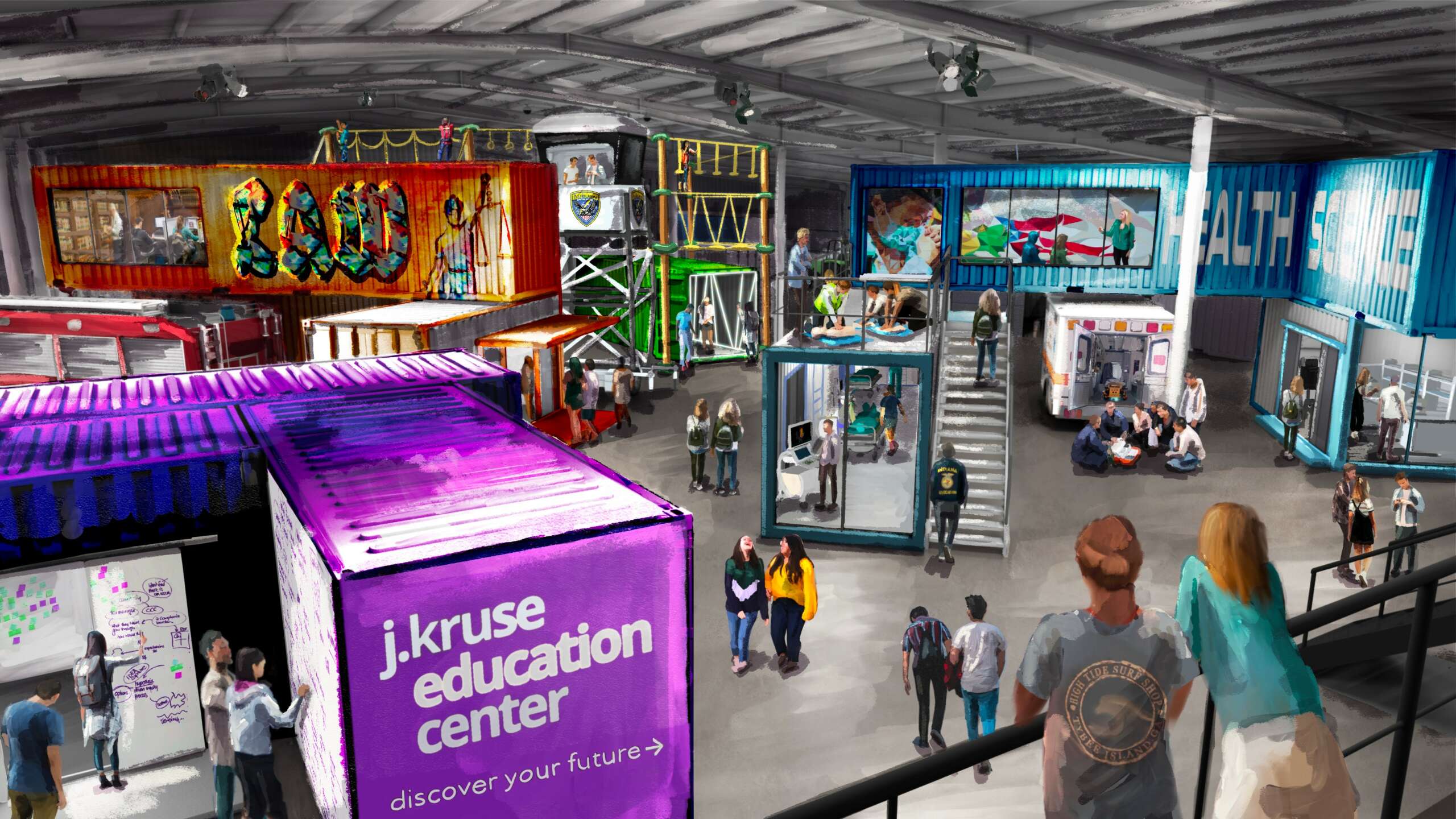
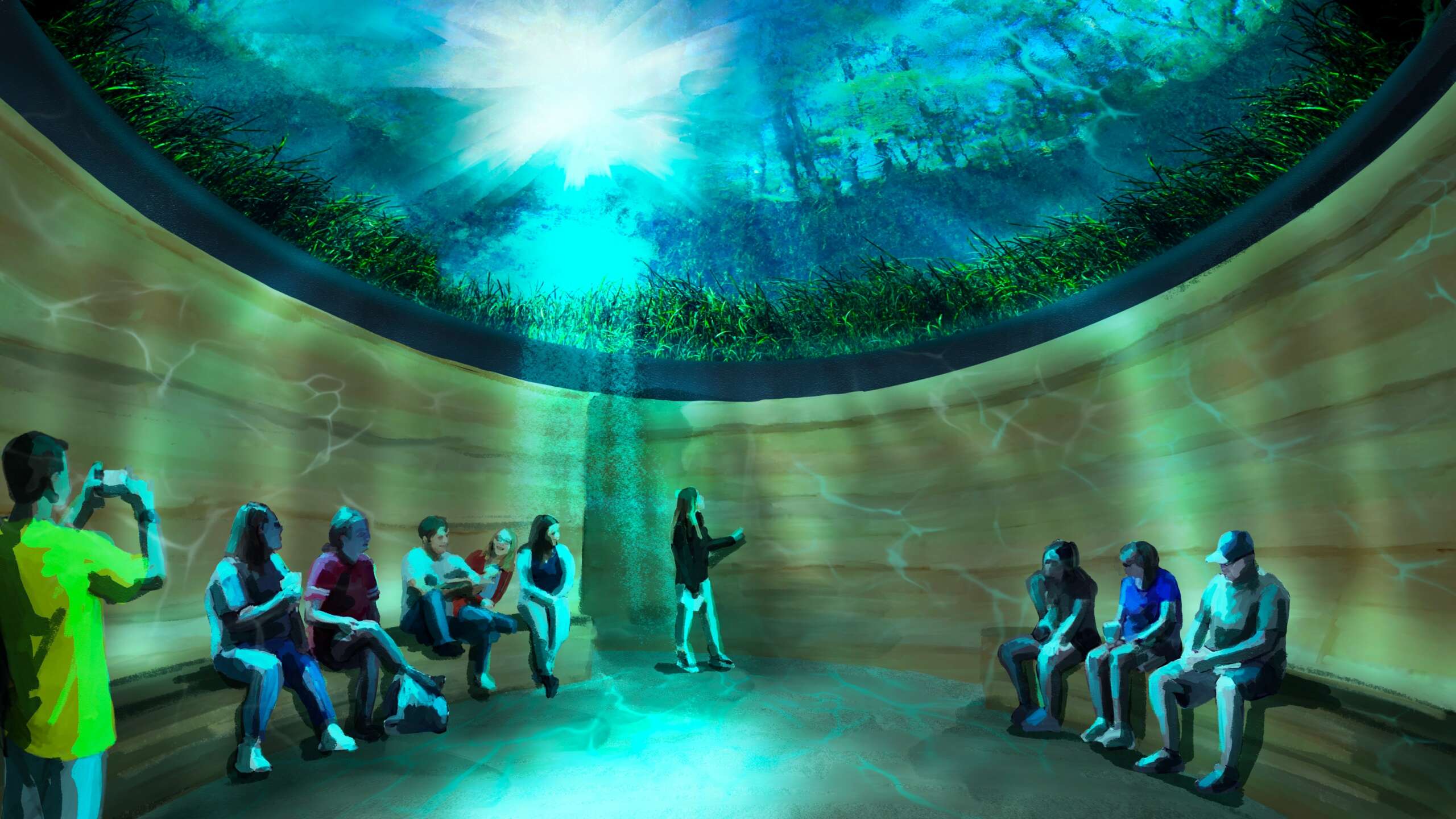
My name is Zoe Thatcher, I work for Creative Principals, a family company. We offer creative leadership for theme parks, museums and corporate experiences. I wear many hats, but my main role is to create conceptual illustrations for the ideas and concepts that we dream up. We’ve gotten to work on a variety of experiences around the world and it is incredibly rewarding to see our ideas come to life.
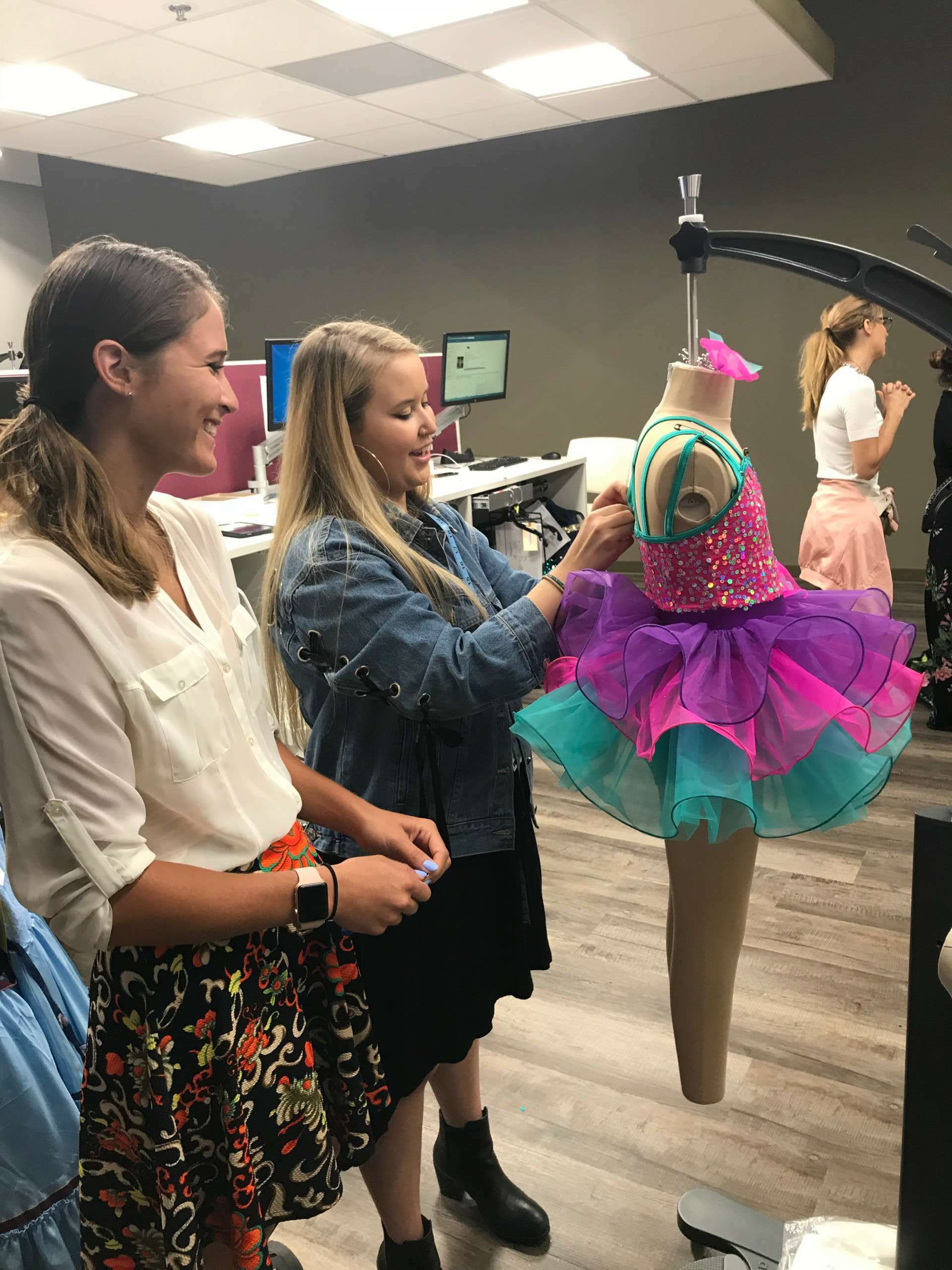
I also spent the first few years of my career designing dance costumes for Weissmans, a dance costume company headquartered in St. Louis. After completing an internship with them, I worked full time for about a year before transitioning into a remote contracted role for another 3 years while I started my role at Creative Principals.
I initially started my path into the design world in college, I actually started out as a kinesiology major. My dad pulled me aside one day when I was home for the holidays as I was still unsure about my major and asked me a simple question, “well, what do you like to do in your spare time?” When I responded that I enjoy drawing and crafts he told me “you know you can make money doing that right?”
I honestly did not realize how many design related jobs and fields were out there until he sat me down and showed me the opportunities available.
What’s a lesson you had to unlearn and what’s the backstory?
One of the biggest lessons I had to unlearn, especially when it comes to growing your skills and talents is to follow the job description. Of course, I need to fulfill all my roles, however, if I had limited myself to only what was expected of me I would not have grown so quickly as a designer and I would have missed key opportunities. I’ll give you an example from the beginnings of my career as a designer.
When I started my internship at Weissmans designing dance costumes, they gave every intern the opportunity to design one dance costume and actually have it made as a prototype. We had a special sketch review separate from the actual catalog reviews and I began moving forward on that project. However, I threw myself into the work and I had sketched many more ideas than needed. After reviewing with my mentor I asked if I could throw in a few of my designs at a real sketch review and after fixing some edits she said yes. By the end of the internship that one costume turned into 5 and I was offered a full time position as a design assistant. Even after starting my position as a full time employee I continued to sketch with every spare moment I had at work. My job description expected me to get about 10 costumes in the final catalog but I ended the year with 30. Due to this success, when I asked if I could keep designing remotely when I moved away to work at Creative Principals they agreed. If I had limited myself to what was written on my job description I would have likely missed out on a lot of opportunities and also not honed my skills nearly as quickly as I did.
The other example
Any resources you can share with us that might be helpful to other creatives?
When it comes to being a conceptual artist, the best resources I have found are ones that allow me to work smarter not harder. When it comes to the conceptual art that I do, a client is not going to care if you hand drew every single person in the rendering or if you spend hours shading to make it just right, they care about the final product, but more importantly they want it quickly.
So when it comes to resources, the ones I love are the ones that allow me to speed up my work. For example:
I keep a library of people and textures that I have painted over into my rendering style that I can easily drop in to my work.
I use AI tools like Midjourney to create assets to drop into my renderings like graphics, people in specific poses, furniture… etc.
I work in the program that allows me to work the fastest, which for me is Procreate rather than photoshop.
Contact Info:
- Website: https://www.creativeprincipals.com/
- Instagram: https://www.instagram.com/creativeprincipals/ AND https://www.instagram.com/zoethatcher_art/
- Linkedin: https://www.linkedin.com/in/zothatcher/