

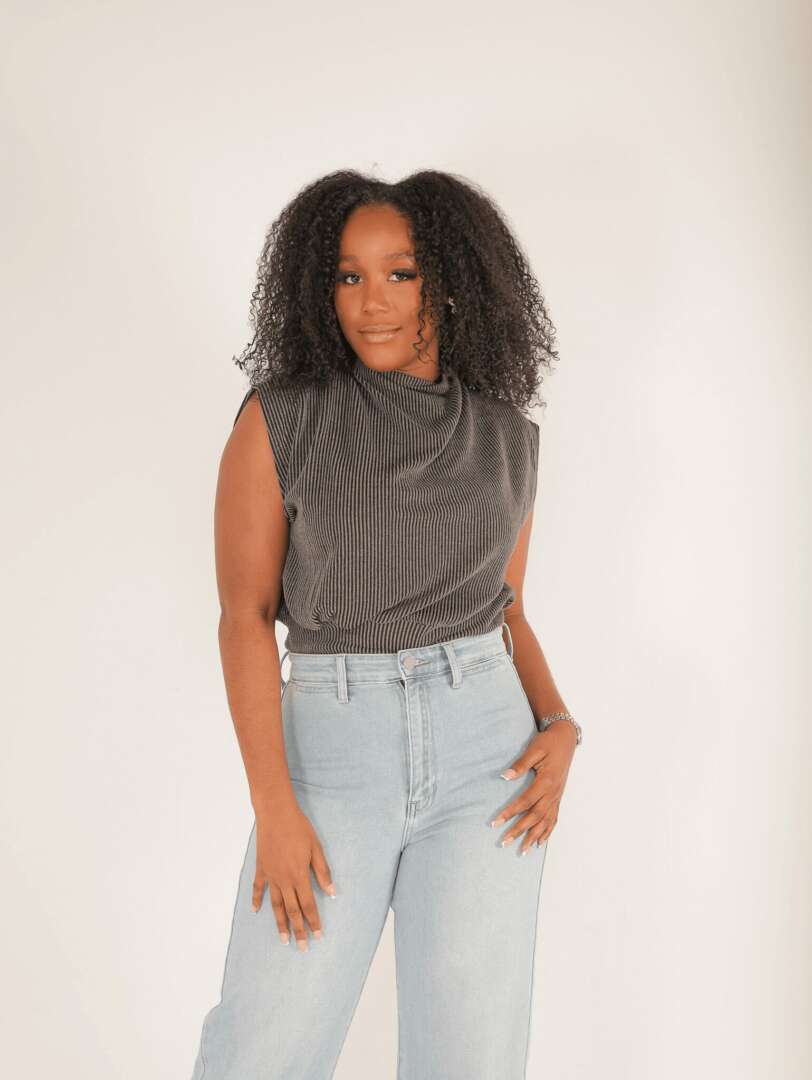

We were lucky to catch up with Zindzi Harley recently and have shared our conversation below.
Zindzi, thanks for taking the time to share your stories with us today Let’s talk legacy – what sort of legacy do you hope to build?
When I think about legacy, I imagine all of the Black faces and names in the arts industry, particularly women that have impacted the way in which we imagine ourselves as Black women and our communities in the world. In addition to this there are those who have challenged and reimagined how museums and cultural institutions function in our social, economic, and civic ecosystems. Some of these names include Thelma Golden, Audre Lorde, Kimberly Drew, Bell Hooks, Legacy Russell, Tressie McMillan Cottom and so many more artists and practitioners who have shifted the landscape of the world and arts industry by changing how we cultivate ourselves, collect, steward, and preserve our cultural heritage within our communities. These people have contributed to building the canon of Black Art and intellect in invaluable ways that have had a resounding effect on the way we understand and see ourselves in the global world. I hope that through my curatorial work, I can also support the development of young Black talent, visual artists, and otherwise to deepen how we perceive Black creativity and aesthetics. In a recent studio visit with a talented young contemporary artist of African descent, we discussed how African art is not intellectualized and is often boiled down to labels such as primitive or ritualistic compared to other genres or cultural sects of art. I couldn’t agree with her more. It’s an injustice. There is a gap I am hoping to close internally within the diaspora and externally with the larger world and one of the ways I work to do this is by exposing more communities of color to art through meaningful and intentional curation that inspires connectivity and exchange with the diaspora. I’ve been privileged to work in and engage with arts organizations founded by or centering on Black cultural heritage. My multicultural upbringing established a strong sense of cultural identity with my Blackness, my African origins, and what this looks and feels like in different contexts. The best part about legacy is how it infinitely endows those that it’s left to. A colleague of mine talks about training to be a good ancestor and that’s what it’s all about. Advocating for the quality of life, space, and care that those speaking to our lived experience as Black and brown people deserve. The more we can make these voices heard the more opportunity that life-changing conversations and organizing within our communities can happen.
Zindzi, before we move on to more of these sorts of questions, can you take some time to bring our readers up to speed on you and what you do?
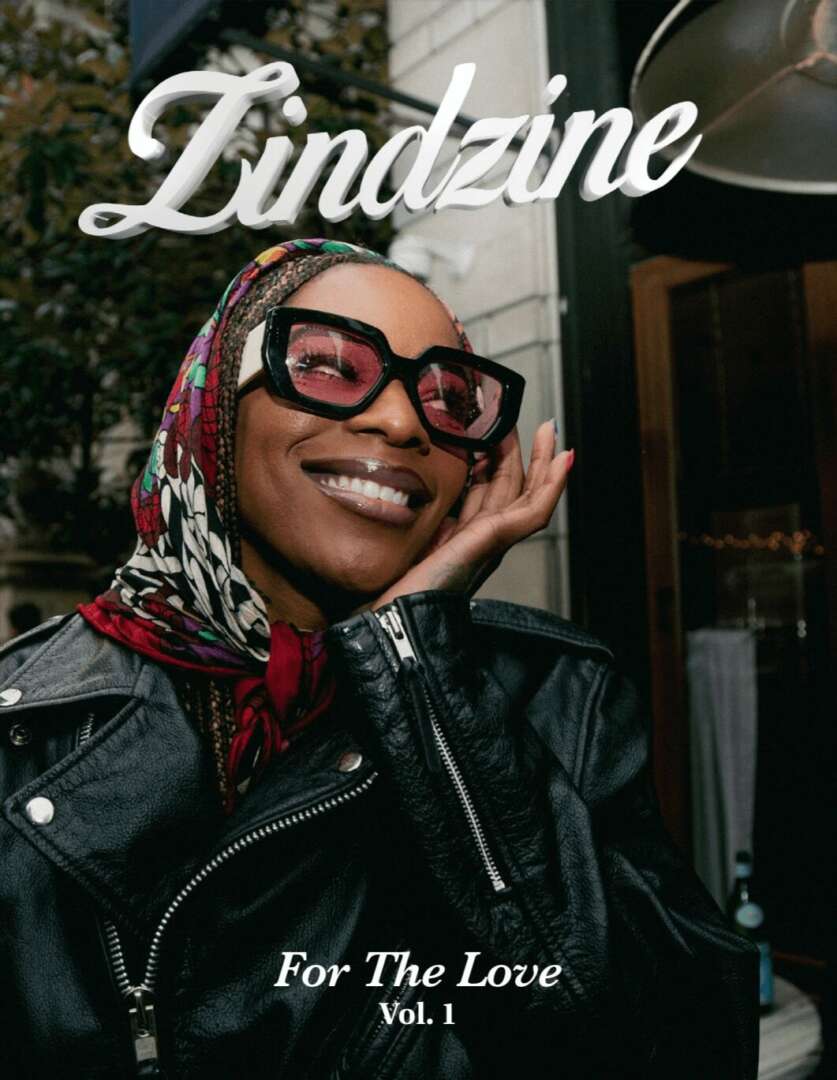
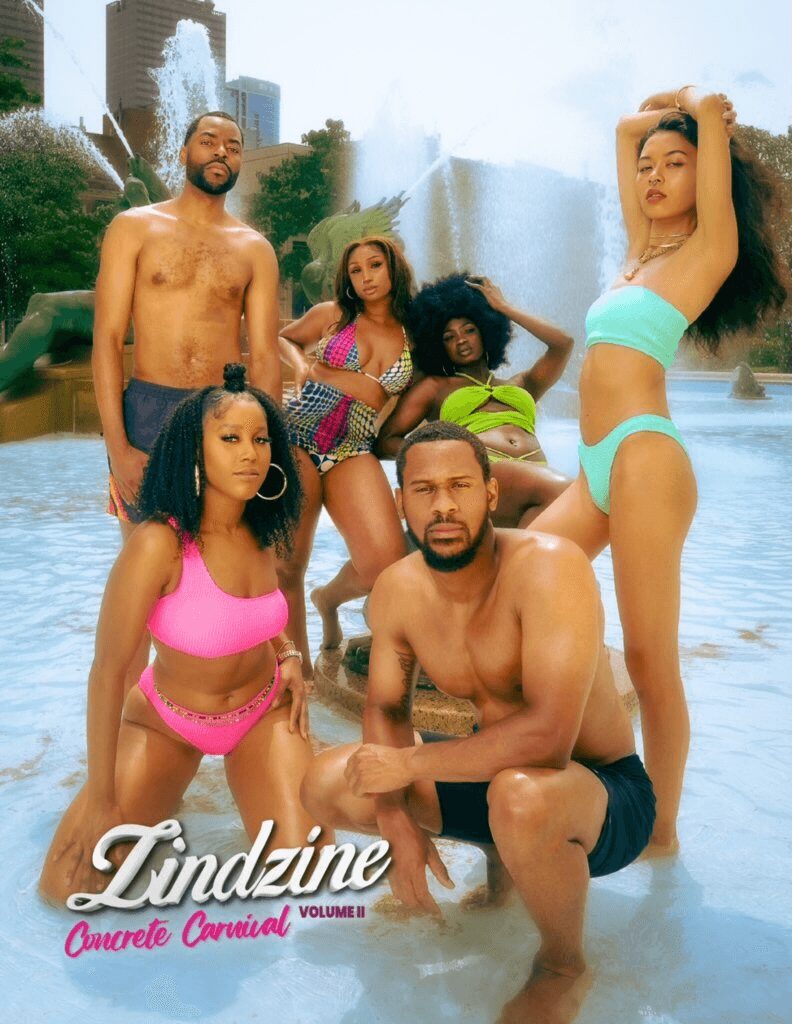
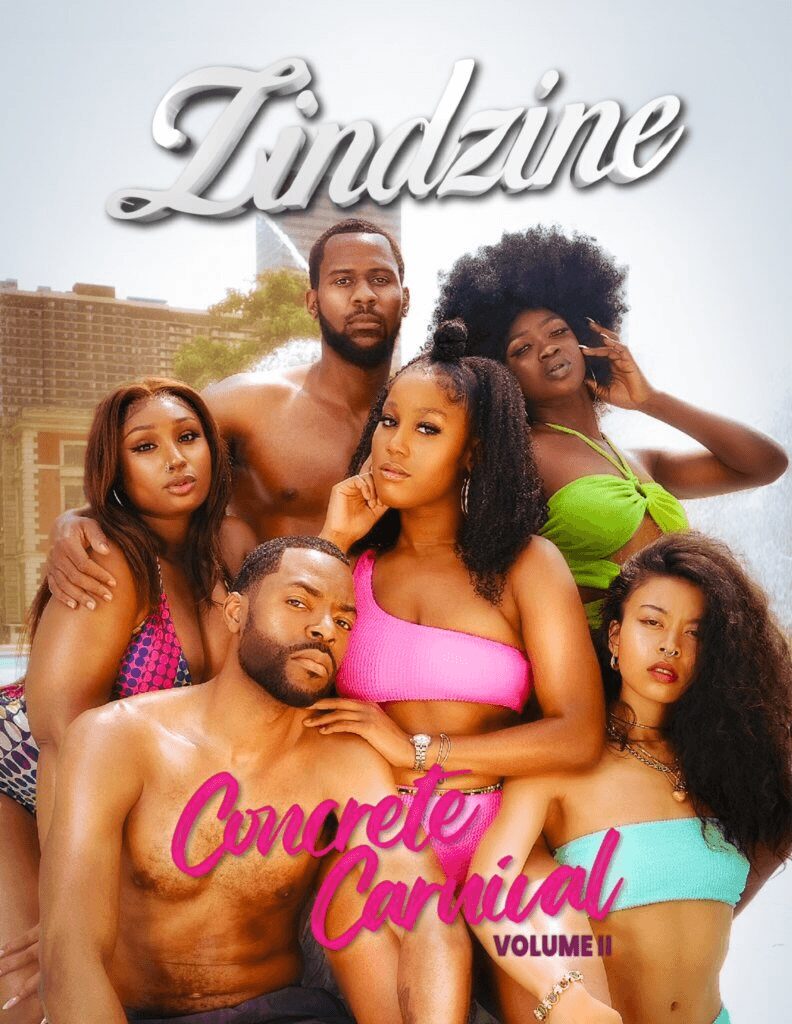
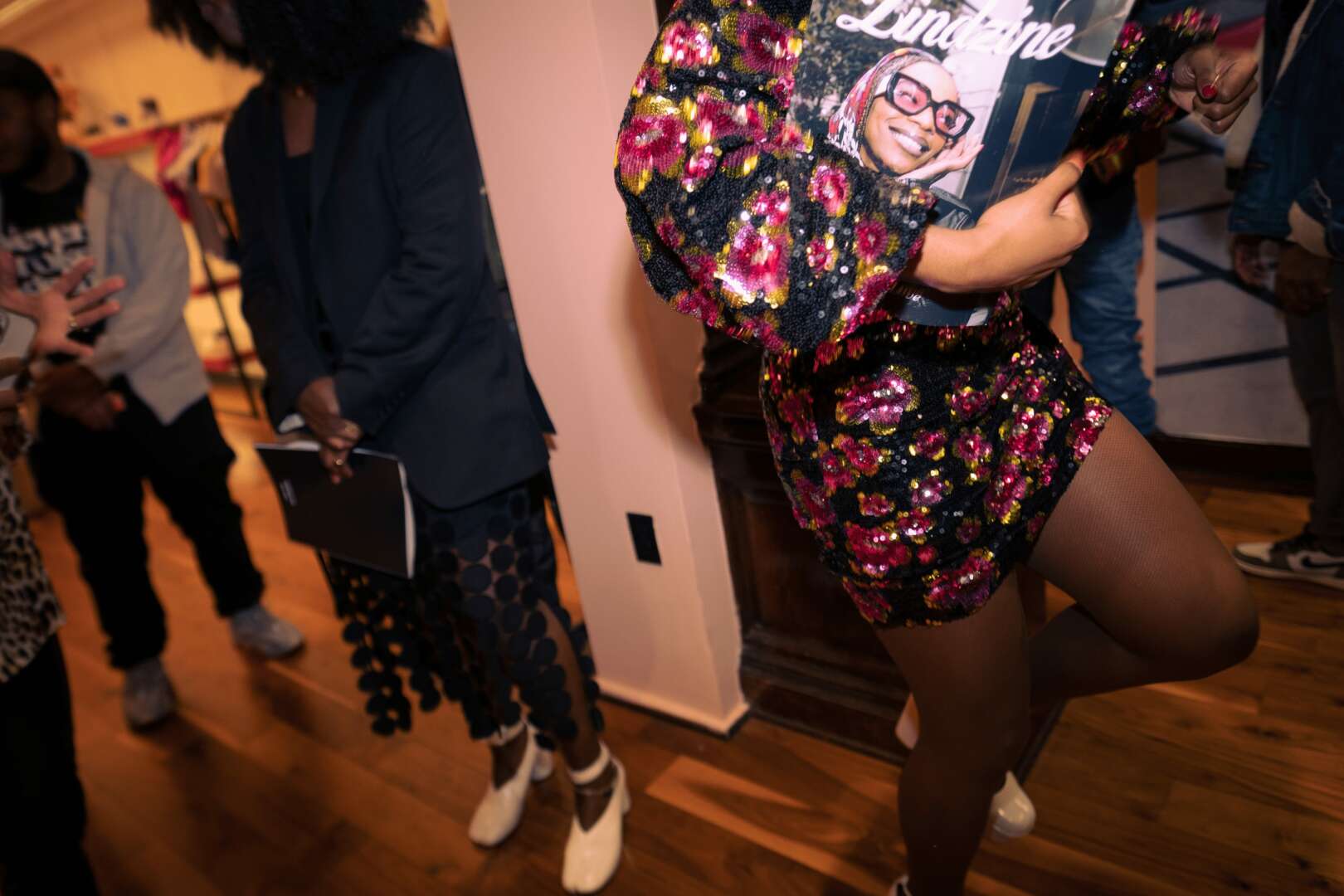
My name is Zindzi Harley. I am a curator, creative director, and founder of Zindzine, a quarterly arts and culture magazine and creative agency building a space for a new generation of creatives. We offer services ranging from PR & marketing, copywriting, creative direction, curation, social media, and more. Zindzine highlights BIPOC artists and creatives to provide editorial content and commentary for cultural connoisseurs of the urban landscape. Our publication features innovative contemporary fashion, art, culture, and design that inspire curiosity, style, and exchange. Zindzine is a community-centered publication and has collaborated and produced content with national brands like Urban Outfitters, Atmos USA, and local small businesses. Zindzine provides a unique opportunity for brands and artists to connect with our diverse readership, consisting of individuals passionate about arts and culture, music, fashion, and lifestyle. In addition to the magazine, we offer boutique services to clients including PR, social media, copywriting, curation, programming, and project management, as well as curate events for our audience that coincide with the content featured in our magazine from private tours in museums and galleries to workshops. We believe in cultivating exchange and uplifting the local creative economy through intentional space making.
We’d love to hear the story of how you turned a side-hustle into a something much bigger.
I remember working in a museum and struggling to get by. As many know, non-profit and museum workers are often underpaid and overworked. Although I was passionate about the community I was serving, I felt undervalued and under-compensated. Not to mention my creativity was stifled more than ever. I had developed relationships with incredible young artists and arts practitioners who had amazing initiatives I wanted to support but felt limited in my role, I couldn’t see the innovation or real contribution being made. However, outside of work, I was inspired, always helping friends with their creative projects, and engaging with artists in ways that felt deeply impactful and fulfilling. I knew it was time to take a new path. I decided to start a magazine because I always loved fashion and had aspired to run a publication as a creative director one day. I was tired of waiting for the title ‘creative director’ and decided to take it for myself. I was curating everything in my life from exhibitions to social media and it only seemed right. After a conversation with a friend of mine about starting the magazine came back to me a couple of weeks later with an amazing logo and name for the magazine, ‘Zindzine’ and I’ve been rocking with it ever since. It was so true to what the magazine ultimately became which was the epitome of me, my work, and relationships in Philadelphia. While I was working I remember getting the email from Urban Outfitters that we had our first opportunity to produce a campaign in the first issue for their brand Nuuly which I was an avid user of. After weeks of pitching and talking through everything, it was life-changing and made everything real. I resigned two weeks before the launch of my magazine but by then I had gotten support from Atmos USA, formerly UBIQ, a Philly staple to host my launch party. I was highlighted for Black history month and things started picking up. I was moving from a place of faith because it was a hustle! No job or consistent paycheck, just vibes. The day of the launch party was so surreal and the mode I was in back then I couldn’t even really digest all of the success and happiness I felt in those moments.
Any insights you can share with us about how you built up your social media presence?
I wouldn’t say my personal or business brand has a crazy following on social media but our community is there and that’s been one of the beautiful things about it. The more we show up the more the community does. Over the past two years our brand has shifted and so has our presence on social media. I started engaging on social media for fun and for business in 2016-2017 when I was traveling the world modeling with Abercrombie & Fitch when they went through a huge rebrand. Looking back that was such an iconic moment that I don’t think I ever fully understood. I was a full-figured model working with an American brand that didn’t have nearly as many Black and Brown faces as they do today. I was in the first handful of women of color. Influencing when it started to become a huge revenue generator on Instagram was deep, but it was always to share my adventures and uplift the brand. I learned a lot from that experience being exposed to amazing producers, creative directors, and models/talent with insane followings that were just regular people having fun! Fast forward to today with my brand and Zindzine, between my experience with social outside and inside the classroom, and training my design eye through my academic studies, I take a relaxed and fun approach to social media that has done me well. I’m not looking for followers, I want to be authentic and that is where I find my community. I always recommend folks doing the same to build their audience. Instagram has worked best for us but I also suggest using platforms that your audience can be found on whether that’s Twitter or TikTok. Lastly, develop a style or approach you can be consistent with that works for you. Now that Zindzine is operating as a creative agency we post more about accepting new clients, and past work we’ve done, a lot has been archived for aesthetic purposes but we have some posts from our first and second issues for nostalgia.
Contact Info:
- Website: https://www.zindziharley.com/services
- Instagram: https://www.instagram.com/
- Linkedin: https://www.linkedin.com/in/zindziharley/
Image Credits
Chioma Okoronkwo
Keith Harris II