

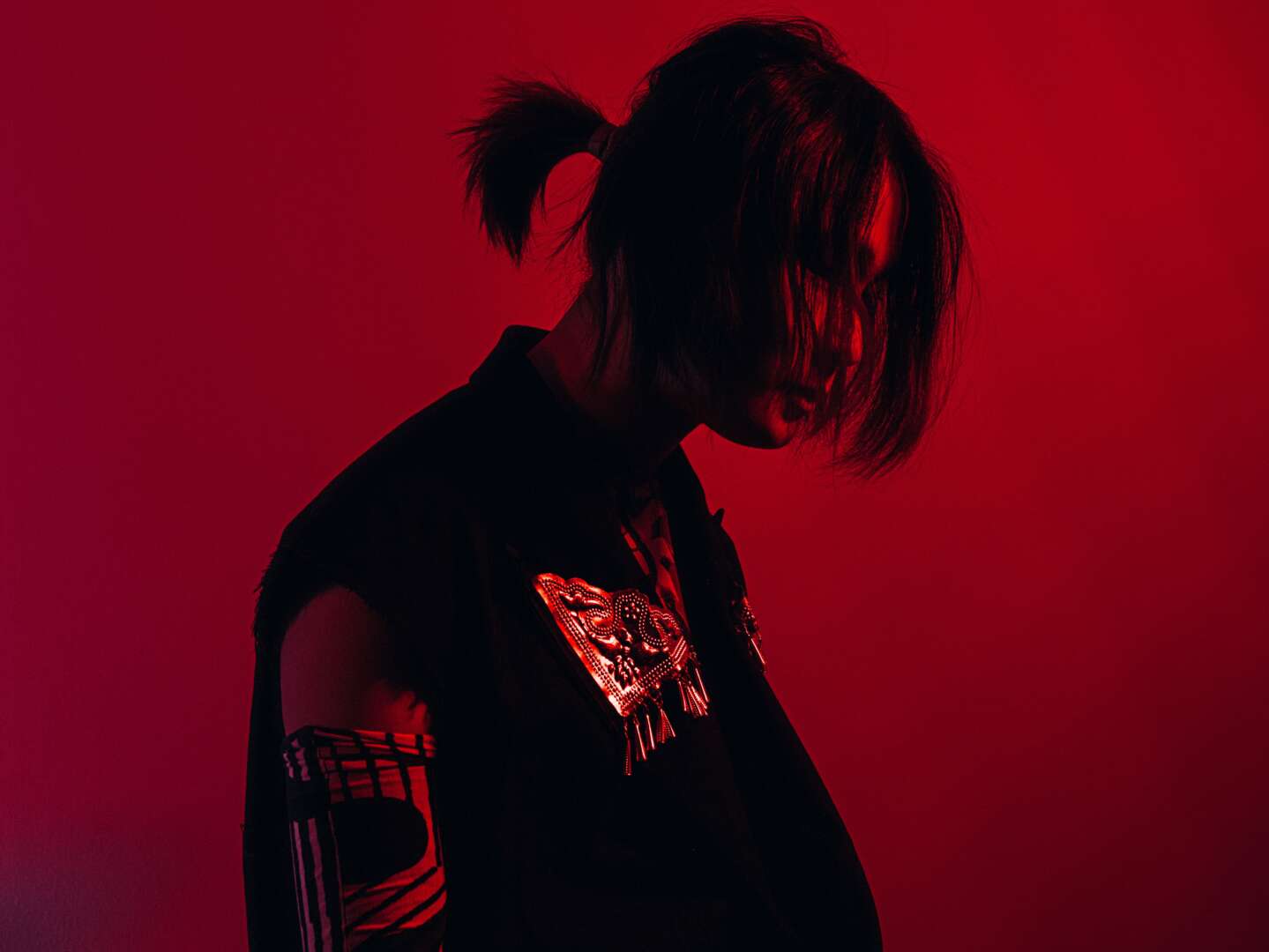

We recently connected with Zheyu Pi and have shared our conversation below.
Zheyu, thanks for joining us, excited to have you contributing your stories and insights. We’d love to hear about a project that you’ve worked on that’s meant a lot to you.
In New York, I exhibited an installation art project called “Echoes of Resistance.” This project featured multi-channel immersive music and a multimedia visual component that combined paintings and video projections. The primary concept was to use modern multimedia technology and music production techniques to recreate and revitalize the microtonal music of the Chaoshan region in China.
After the founding of the People’s Republic of China, Chinese microtonal music gradually integrated into a Western-centric musical system. This cultural imposition, rooted in colonialism, highlights the widespread narrative of Western music theory’s dominant cultural hegemony. This historical dominance led to the dilution and loss of traditional Chinese musical elements. Through “Echoes of Resistance,” I engaged in my own fight against cultural colonialism, combining traditional and modern compositional techniques with a narrative of scale changes across the work’s three movements.
Awesome – so before we get into the rest of our questions, can you briefly introduce yourself to our readers.
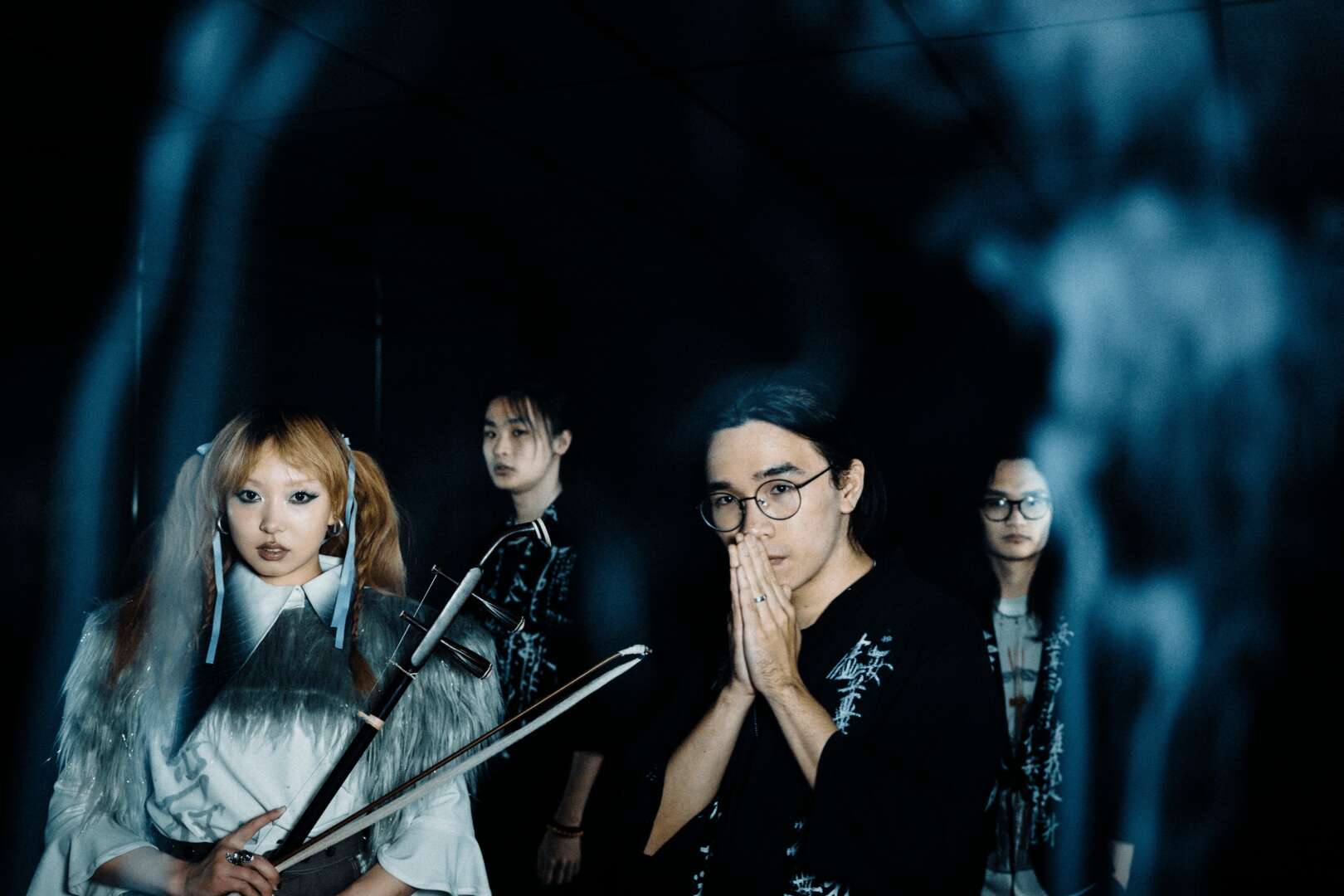
During the 2021 pandemic, I, along with my college friend Howard Ouyang, founded the band P.H.0. Initially, it was just an online project with a single goal: to create a self-titled EP that blended East Asian traditional elements with various electronic and metal music genres. At the time, I was working in Guangzhou, China, while he was studying in New York. Our creative process was like a relay race, with us taking turns working on the music each night, handing off the project to the other while one of us slept. This approach quickly led to the completion of our EP, and we realized the potential for this fusion of music was far greater than we initially thought. So, in 2022, I moved to New York to officially kickstart the real journey of P.H.0 as a band.
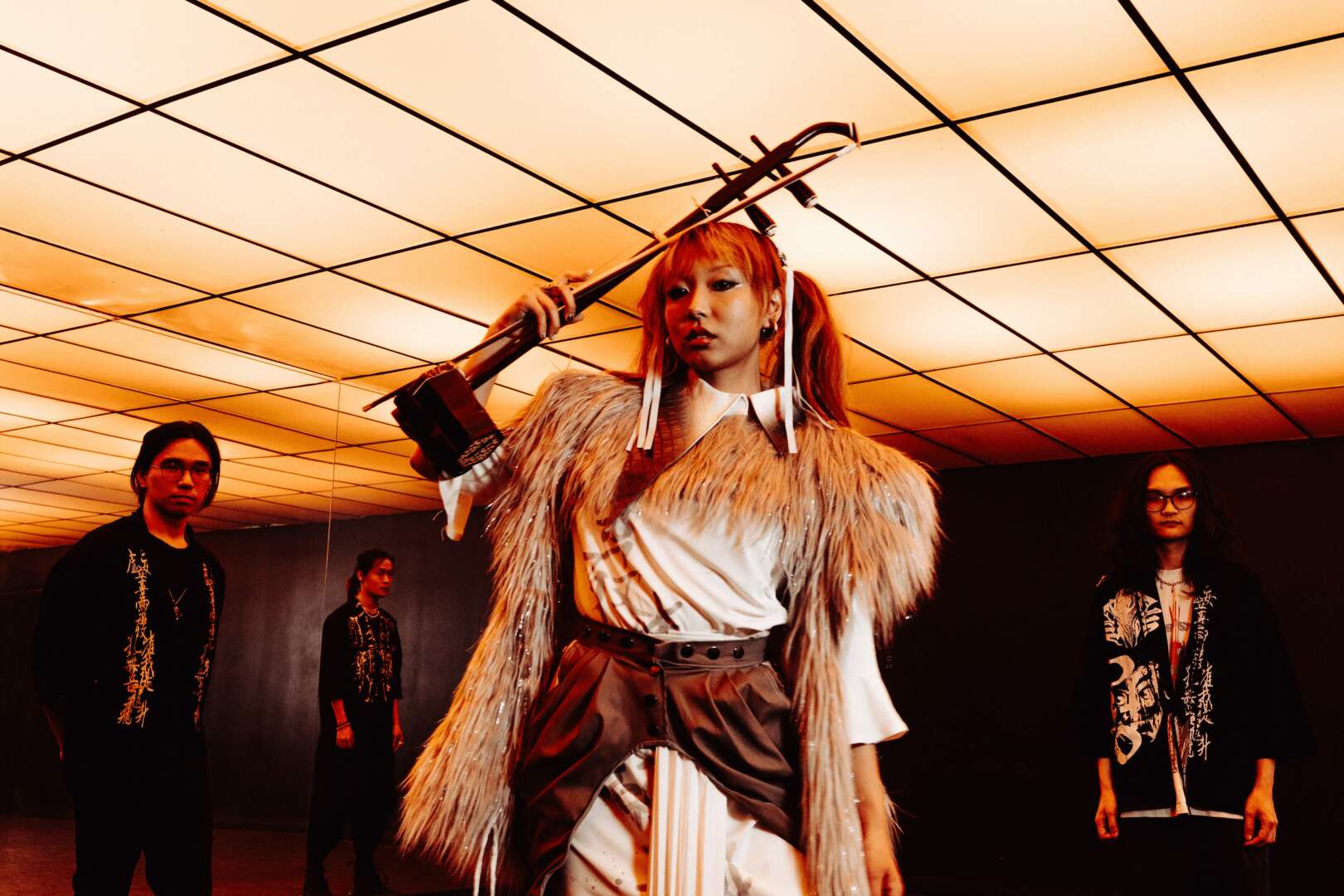
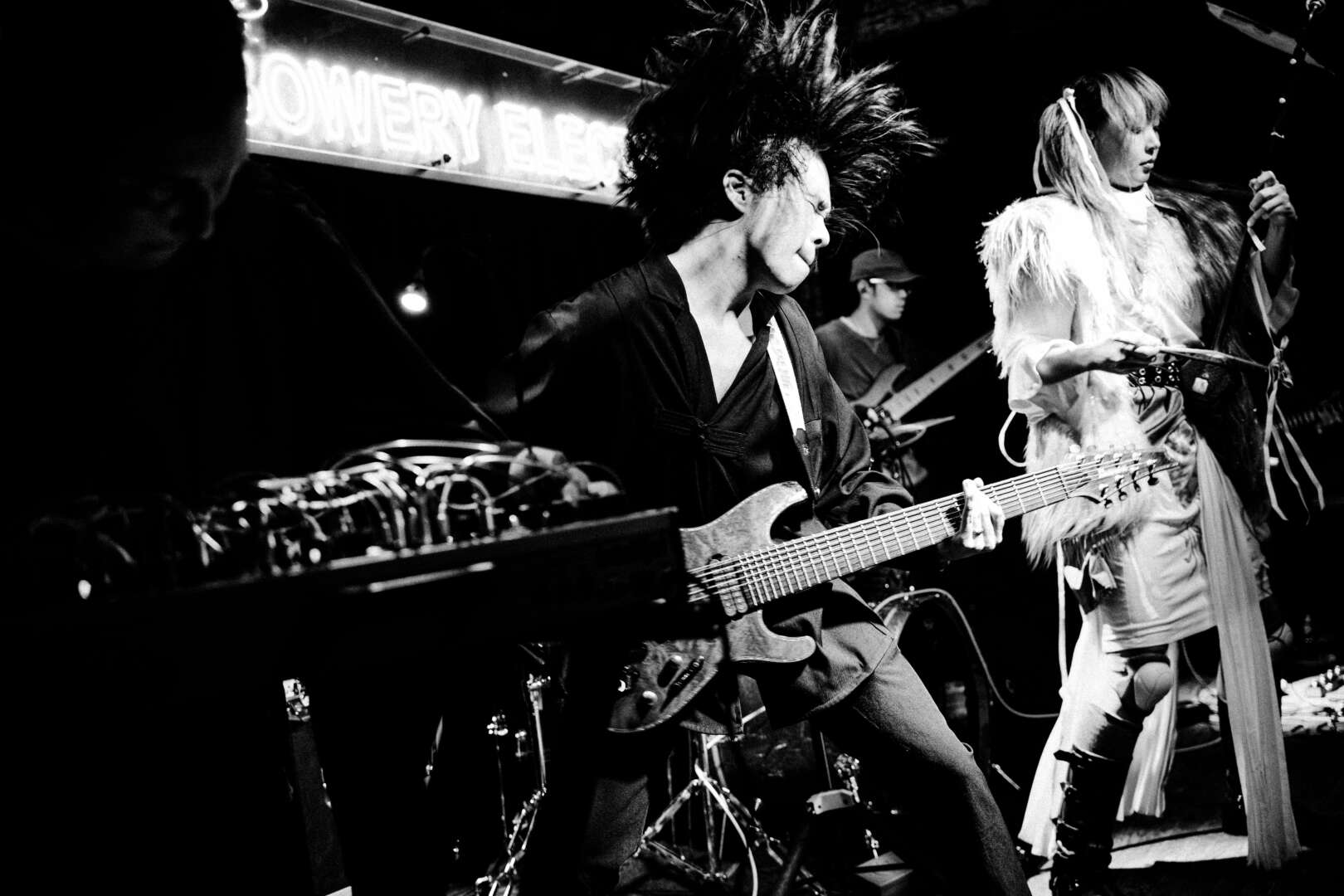
Once we settled in New York, we began working on our full-length album titled “KARMA.” Faced with cultural shocks and identity anxieties, we embraced our cultural heritage more deeply in this album. We incorporated numerous samples of Chinese folk music and recorded various traditional instruments. The album blends the spiritual resonance of instruments like the erhu, suona, and pipa with dynamic fusion, intertwining radical guitar melodies, chaotic breakdowns, and synthetic ambient soundscapes. This intricate tapestry harmoniously merges the brutal sound effects of the future with the serene environments of the past. During our subsequent performances, we were often told by the audience, “Your music has changed my understanding of music itself.” This feedback made me realize that our music deeply touched not only those who might have lost touch with their Asian cultural heritage but also listeners with similar feelings of cultural alienation. This sense of purpose solidified my determination to continue creating this kind of music.
What can society do to ensure an environment that’s helpful to artists and creatives?
Providing appropriately sized spaces for emerging artists to showcase their work is crucial. In other words, within the large pyramid system formed by all art exhibition spaces (including galleries, performance venues, and more), the quantity and quality of smaller-scale spaces at the base—those involving fewer people—are essential for the entire creative ecosystem.
Is there mission driving your creative journey?
To give courage and comfort to groups with identity or cultural barriers.
Contact Info:
- Instagram: https://www.instagram.com/pizheyu/
- Other: https://open.spotify.com/artist/2hSncFPWSRGcXh1dFnD2vC?si=JVg3IcfiTWCccmYD9QdVIQ
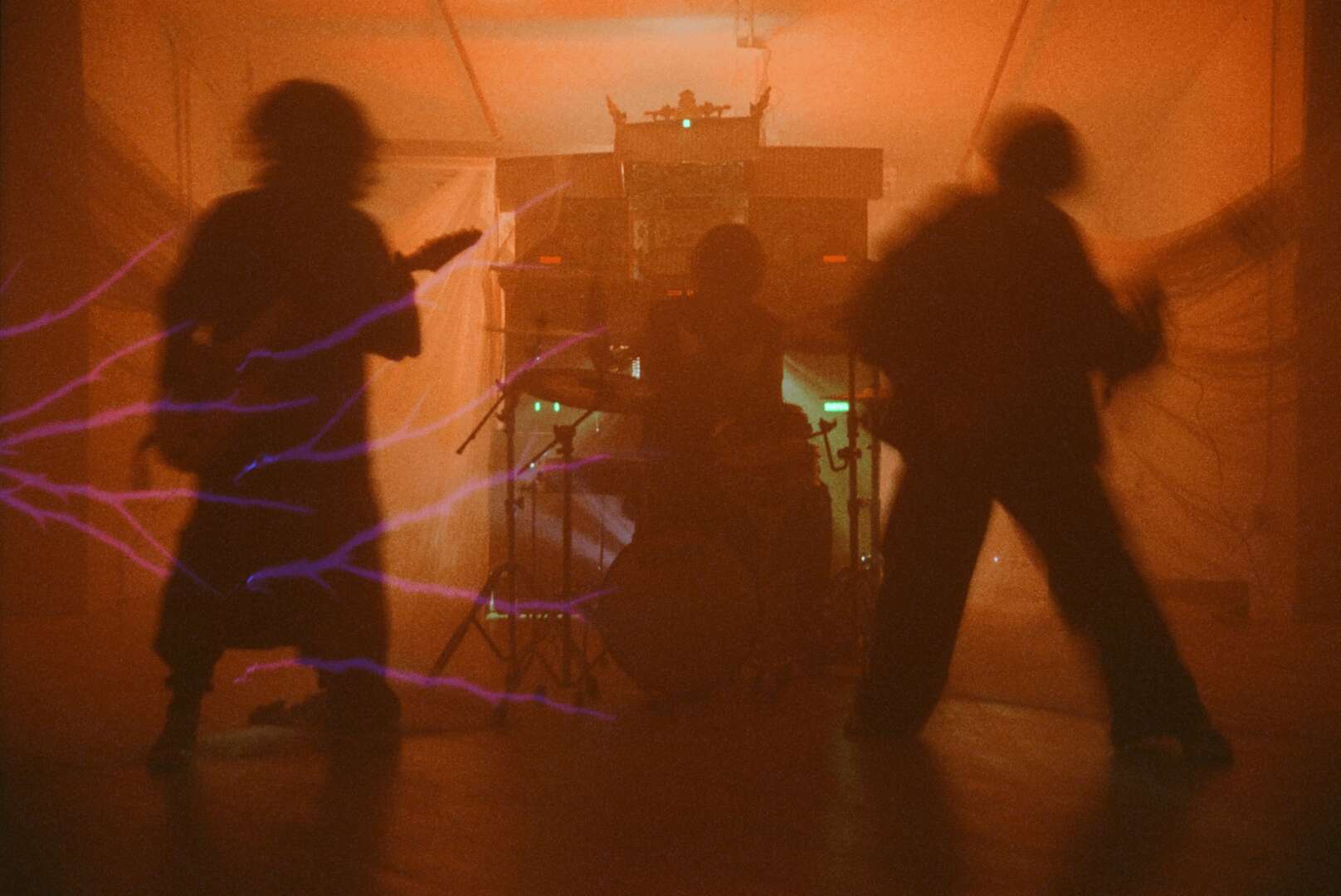
Image Credits
Yuan Long, Tyron Shi