
We’re excited to introduce you to the always interesting and insightful Zheyu Liang. We hope you’ll enjoy our conversation with Zheyu below.
Zheyu, thanks for joining us, excited to have you contributing your stories and insights. What’s been the most meaningful project you’ve worked on?
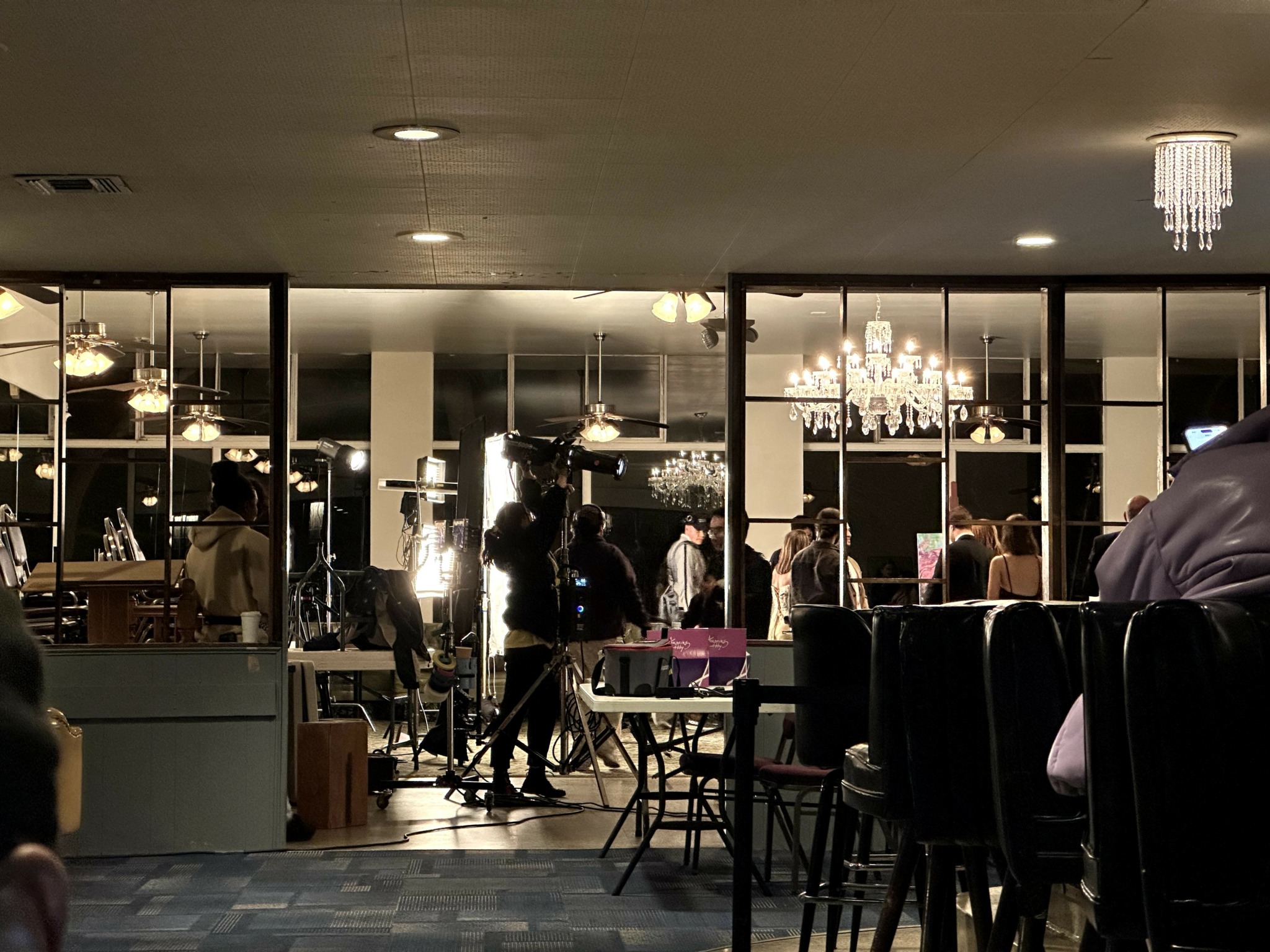
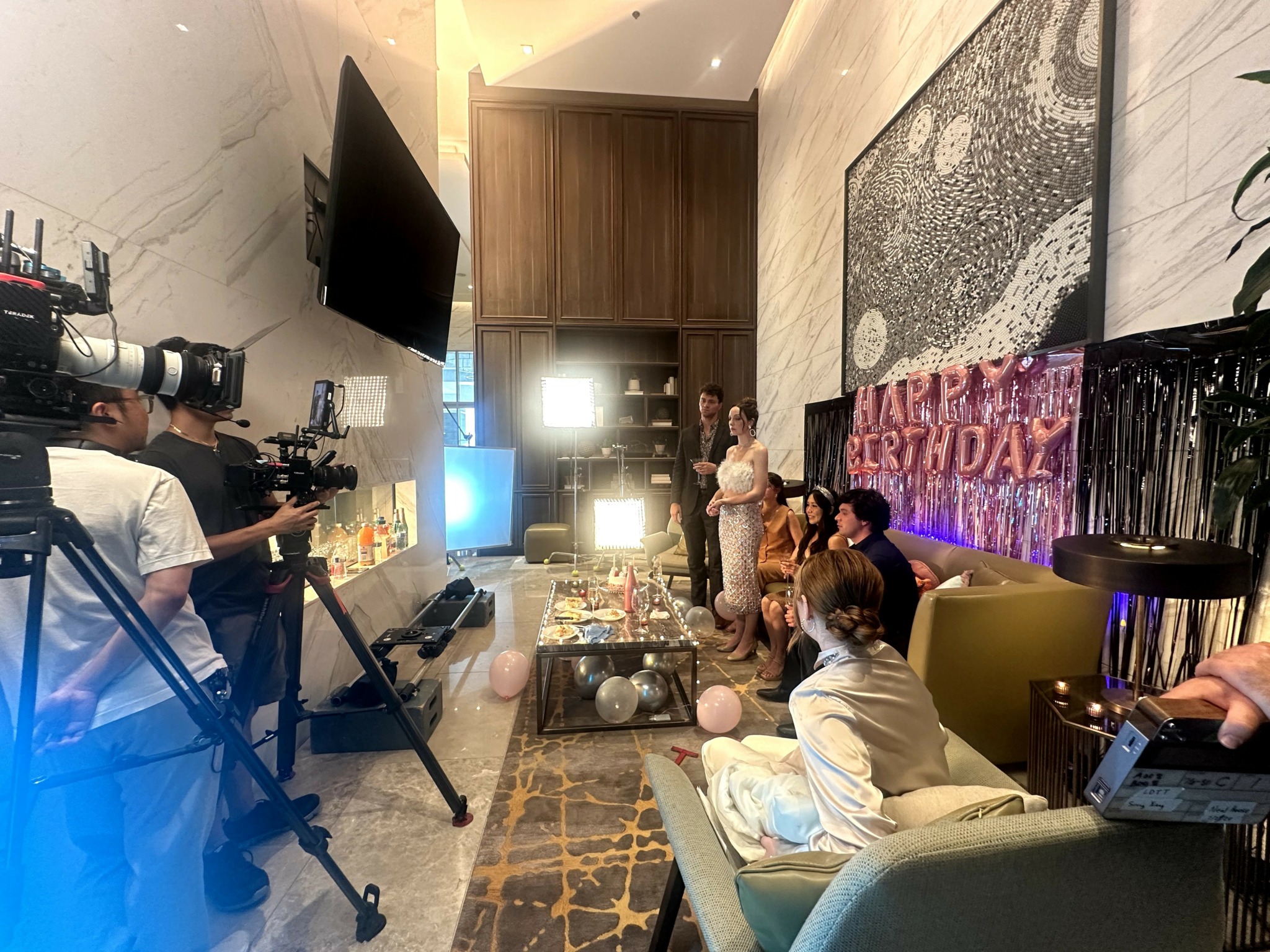
The most meaningful work I’ve done in recent years has been producing vertical dramas—micro dramas. On paper, it sounds simple: stories shot in a 9:16 frame, fast-paced episodes, cliffhangers every few minutes and designed for mobile-first audiences. But for me, it represents something much deeper: a moment in my life when I chose uncertainty over comfort, and innovation over tradition.
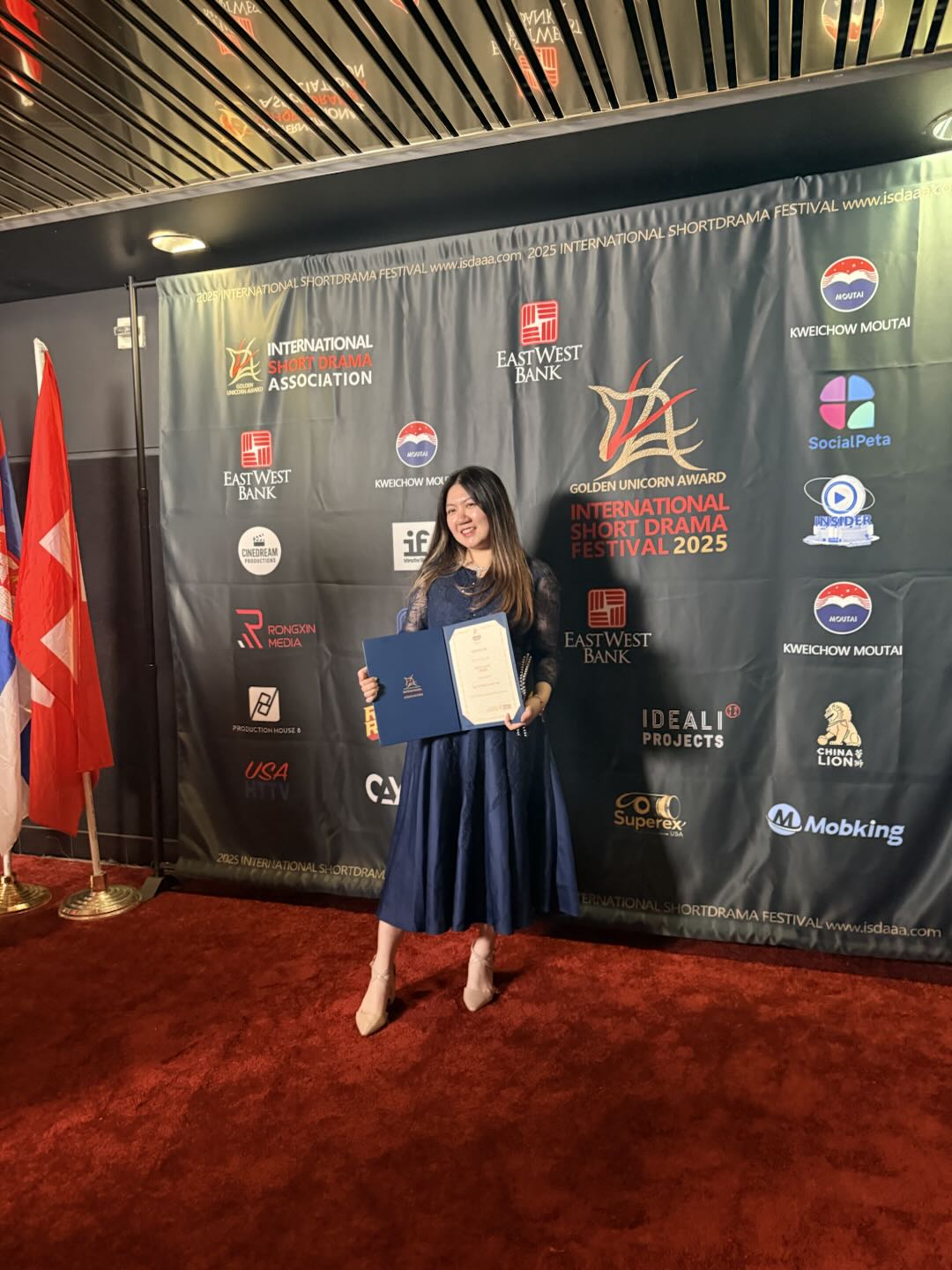
In 2025, I was honored to be named one of the Top 10 Producers of the Year at the International Short Drama Festival and many of my projects have amassed millions of views and huge business success. But when I first stepped into this space, vertical drama was still almost invisible in the U.S. Three years ago in 2023, people didn’t talk about it the way they do now. It wasn’t trending in mainstream press, it wasn’t being studied, and it certainly wasn’t being taken seriously by most traditional film professionals. To be honest, even I hesitated at first.
I come from a background rooted in traditional filmmaking—where stories unfold relatedly slower, where the frame is wide, where rhythm is crafted carefully over time and where melodramatic is often seen as no. Vertical drama felt like the opposite of everything I was trained to believe in. I remember thinking: Is this really storytelling? Or is it just a passing internet trend?
But something in me couldn’t ignore what I was seeing. I noticed how people were changing—how exhausted modern life had become, how much time we spend on our phones, how audiences weren’t necessarily seeking “less meaning,” but were seeking meaning faster. In a world that feels increasingly heavy, micro dramas offer quick emotional release: tension, desire, revenge, hope—delivered in minutes. It’s entertainment, yes, but it’s also a reflection of how people survive the pace of modern life.
So I took a leap. I committed myself to this format at a time when most people were still skeptical. And that’s why it’s meaningful: I didn’t just produce content—I helped build a space that didn’t fully exist yet in the U.S along with many people who committed to vertical filmmaking and business.
Today, vertical drama is being called a global phenomenon, with industry projections racing toward $26 billion by 2030. But when I look back, what I remember most isn’t the market size—it’s the early days: the uncertainty, the long nights, the feeling that I was walking into something new without a map, and deciding to keep going anyway.
Awesome – so before we get into the rest of our questions, can you briefly introduce yourself to our readers.
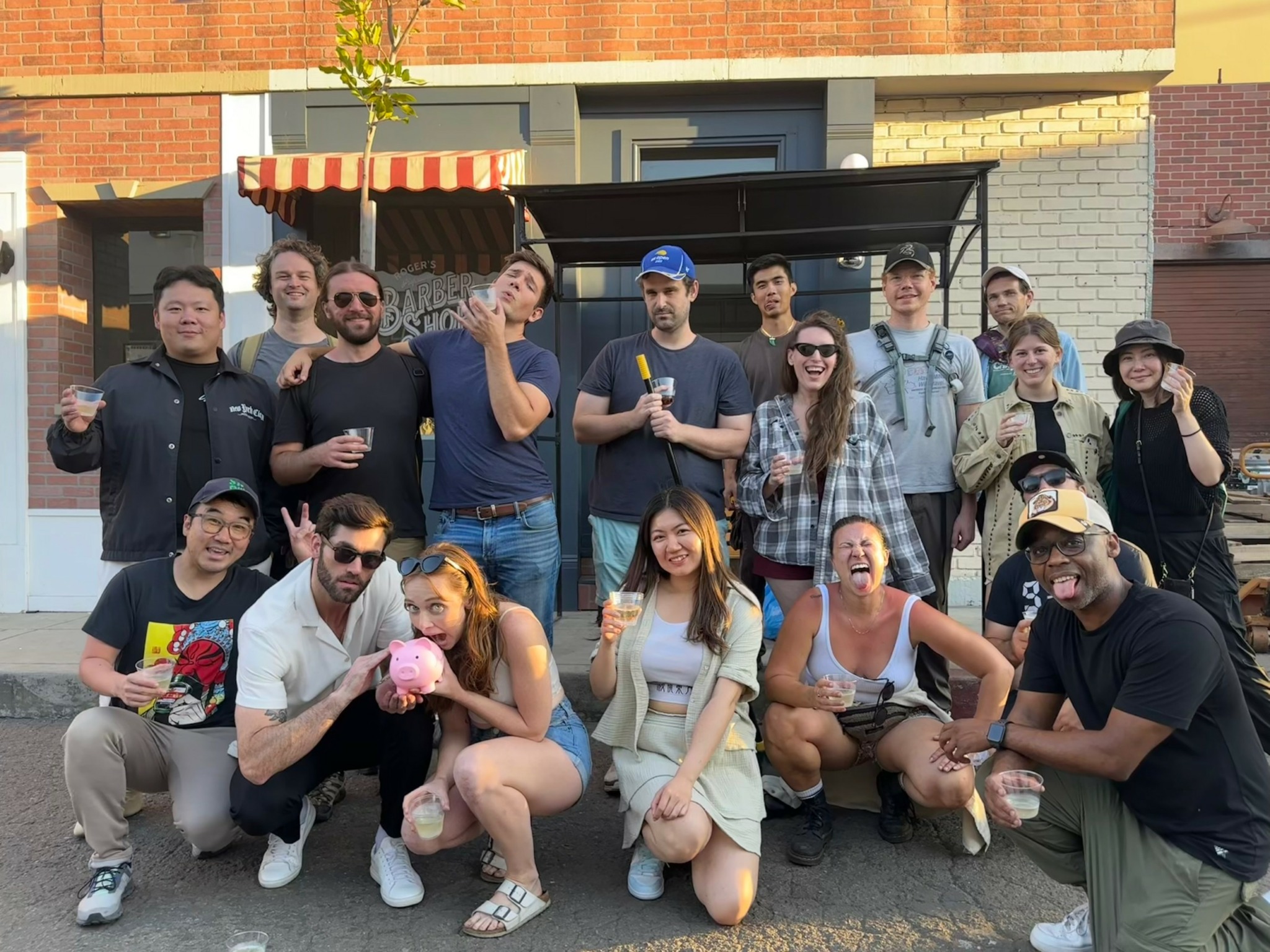
I’m a producer and executive producer working in vertical dramas and micro dramas, and I entered this industry almost by “accident”—through a single recommendation that changed everything.
A producer I respected introduced me to ReelShort, a platform that later became widely recognized as one of the companies shaping this new era of entertainment. That opportunity became my first major micro drama: “Married at First Sight.”
At the time, I didn’t realize that project would become such a turning point—not just for my career, but for how I see storytelling, leadership, and what it means to build something from nothing.
The series went on to achieve extraordinary results—over 203 million views and 3.5 million likes, becoming one of the platform’s top-performing titles. But what most people don’t see behind those numbers is what it took to make it happen.
That project was intense. It involved: 117 script pages, 28 locations, 75 cast members, 30-person crew and it was completed with only 4 weeks of pre-production and 10 days of shooting.
In traditional film and TV, a production of that scale would take months to prepare. Here, we had to deliver at a pace of 10–12 pages per day, which is two to three times the standard production speed. There were days when I felt like I was producing a feature film—but on a schedule built for something much smaller.
What sets me apart is that I’m not only creative—I’m deeply systems-driven. I treat production like engineering in a way: you can’t survive micro drama schedules with talent alone. You need structure. You need speed. You need a way to make hundreds of moving pieces stay aligned.
So I built my own workflows—combining traditional tools with custom systems I designed. I created a “live production matrix” that allowed us to see the entire production in real time: script pages, cast availability, location logistics, scene requirements, and risk factors layered together. It wasn’t glamorous, but it was powerful. It let us make fast decisions without chaos.
I’m proud of that—not because it’s technical, but because it protected people. It protected the crew from burnout. It protected the story from falling apart. It protected the production from becoming purely survival.
And in many ways, that’s what I do as a producer: I create the conditions where creativity can exist—even under extreme pressure.
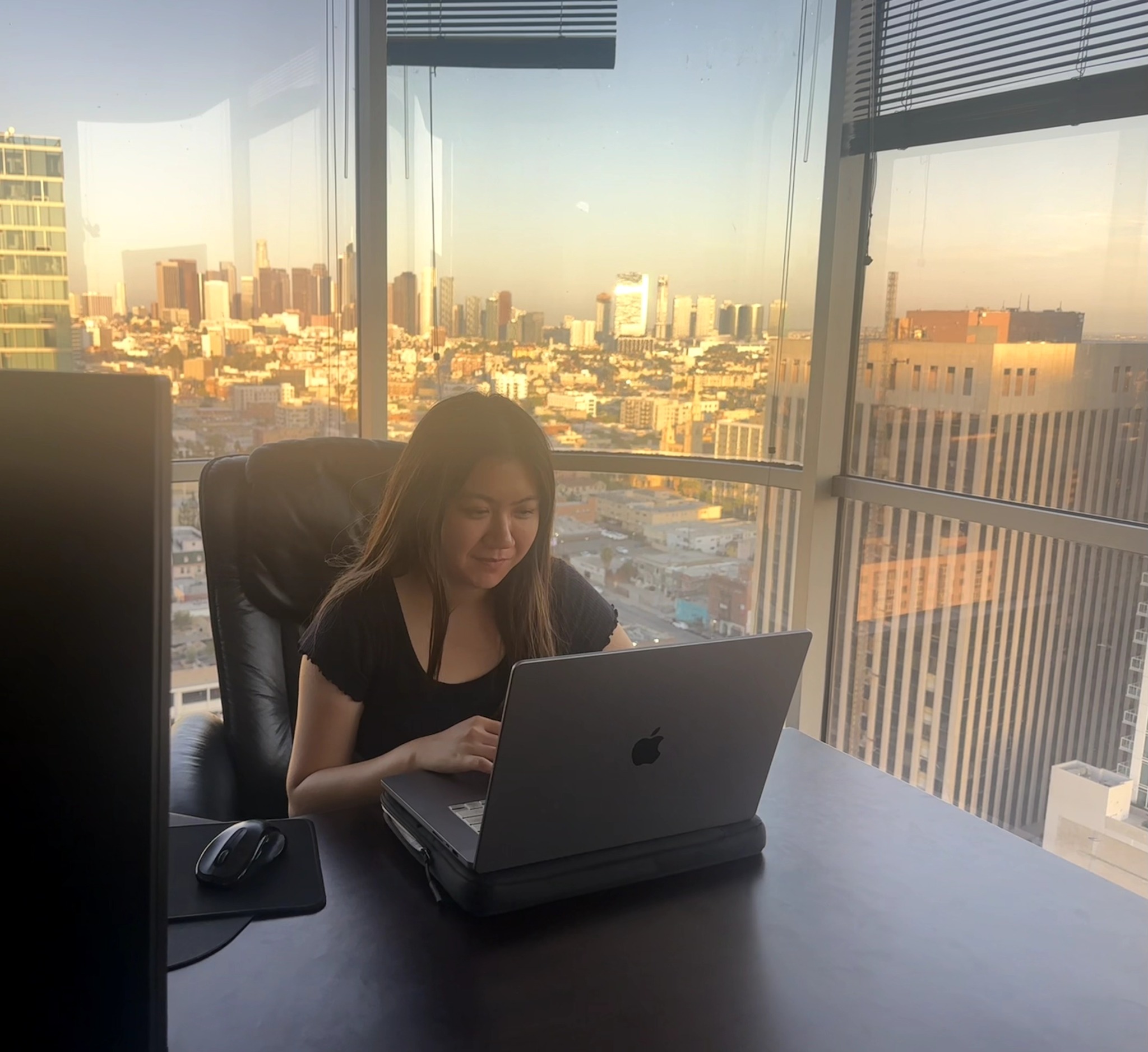
What’s the most rewarding aspect of being a creative in your experience?
For me, the most rewarding part of being a creative is realizing that the hardest limits to break aren’t technical—they’re emotional.
When you choose a creative life, people don’t just question your work. They question your choices. They question your path. Sometimes they do it out of love. Sometimes it’s fear. They want to protect you from failure, from instability, from disappointment.
But over time, I’ve learned something: protection can also become a cage. A cage keeps you safe, but it also keeps you small.
The most rewarding part of creativity is stepping outside that cage again and again—choosing to trust your own instincts even when no one else sees what you see yet. That’s what it feels like to create: you are constantly walking forward before the world catches up.
And when it does—when something you believed in quietly becomes real—it’s one of the most powerful feelings in the world.
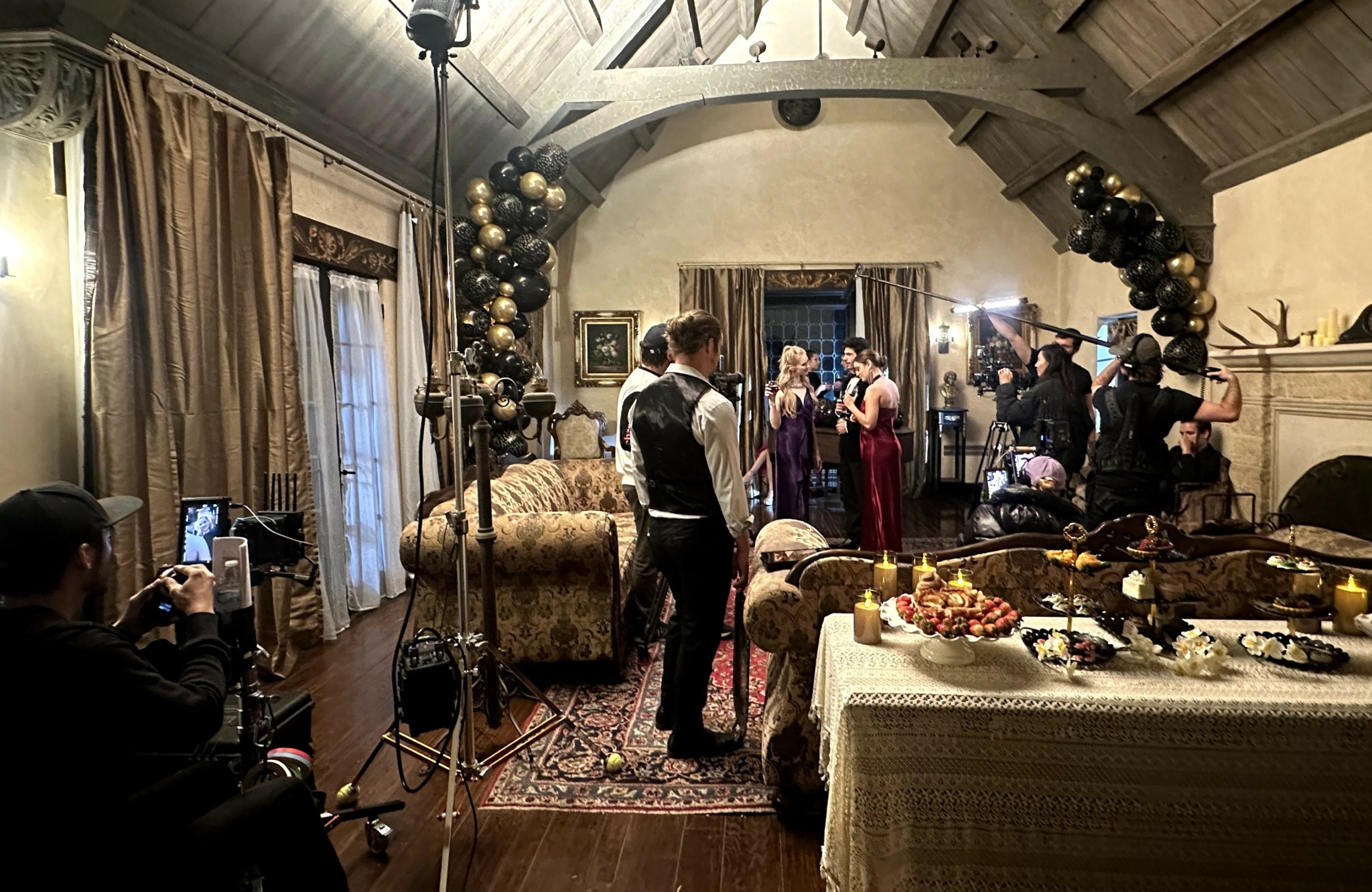
Can you share a story from your journey that illustrates your resilience?
There’s a moment I think about often—not because it was dramatic on the surface, but because it changed how I understand resilience.
It was during one of my early micro drama productions. We were deep into the schedule, moving at a speed that felt almost unreal. Every day was a race. If you lose one hour, you lose the day. If you lose the day, the entire project collapses.
One night, multiple things went wrong at once. A location fell through. A cast conflict surfaced. A high-risk scene required additional coordination. And the schedule—already compressed—couldn’t absorb any delays. I remember sitting there, staring at the production board, feeling the weight of it all. Not just the logistics, but the responsibility. People were depending on me to make the right call. Not tomorrow—right now.
And in that moment, I realized resilience isn’t about being fearless. It’s not about pretending everything is fine. It’s about learning how to stay calm when everything is not fine. I rebuilt the schedule overnight. I consolidated scenes, reshuffled priorities, created contingency plans, and made sure the team could keep moving without panic. But the part I’m most proud of isn’t the schedule itself—it’s that I kept the team emotionally stable. Because in fast-paced productions, fear spreads faster than any technical problem.
We finished the project. We delivered it successfully. And it went on to become a top-performing title.
But the deeper win was personal: I learned that resilience is not something you’re born with. It’s something you practice—decision by decision, night by night, until one day you realize you’ve become the person who can handle what used to scare you.
Contact Info:
- Website: https://zheyuliang.com
- Instagram: https://www.instagram.com/zheyu_liang/?hl=en
- Linkedin: https://www.linkedin.com/in/zheyu-liang-29b04916a/