
We’re excited to introduce you to the always interesting and insightful Zeyu Liu. We hope you’ll enjoy our conversation with Zeyu below.
Zeyu, looking forward to hearing all of your stories today. If you had a defining moment that you feel really changed the trajectory of your career, we’d love to hear the story and details.
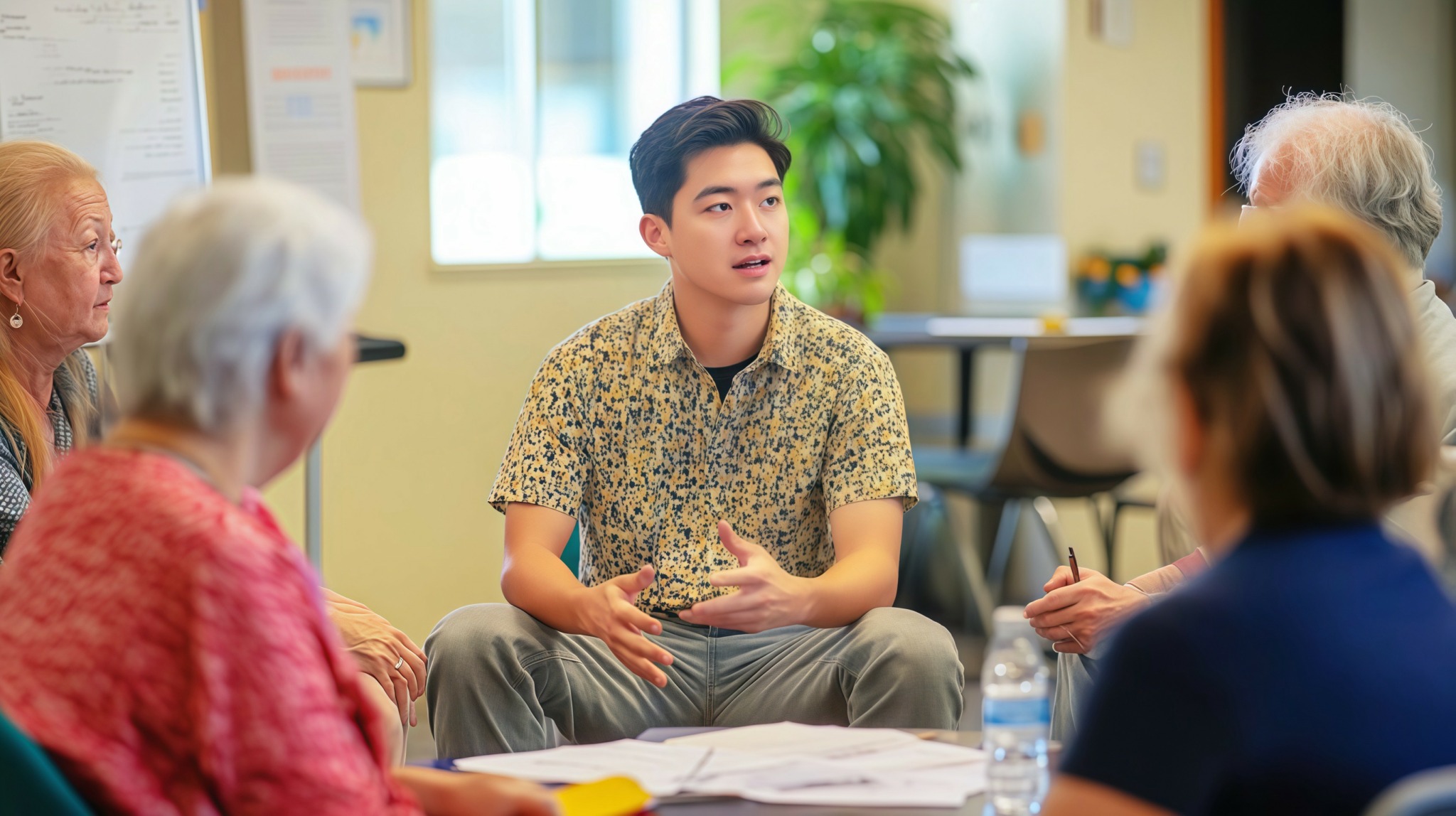
One of the most defining moments in my professional journey didn’t happen in a lab or during a big presentation. It happened in an online Zoom room during a research interview.
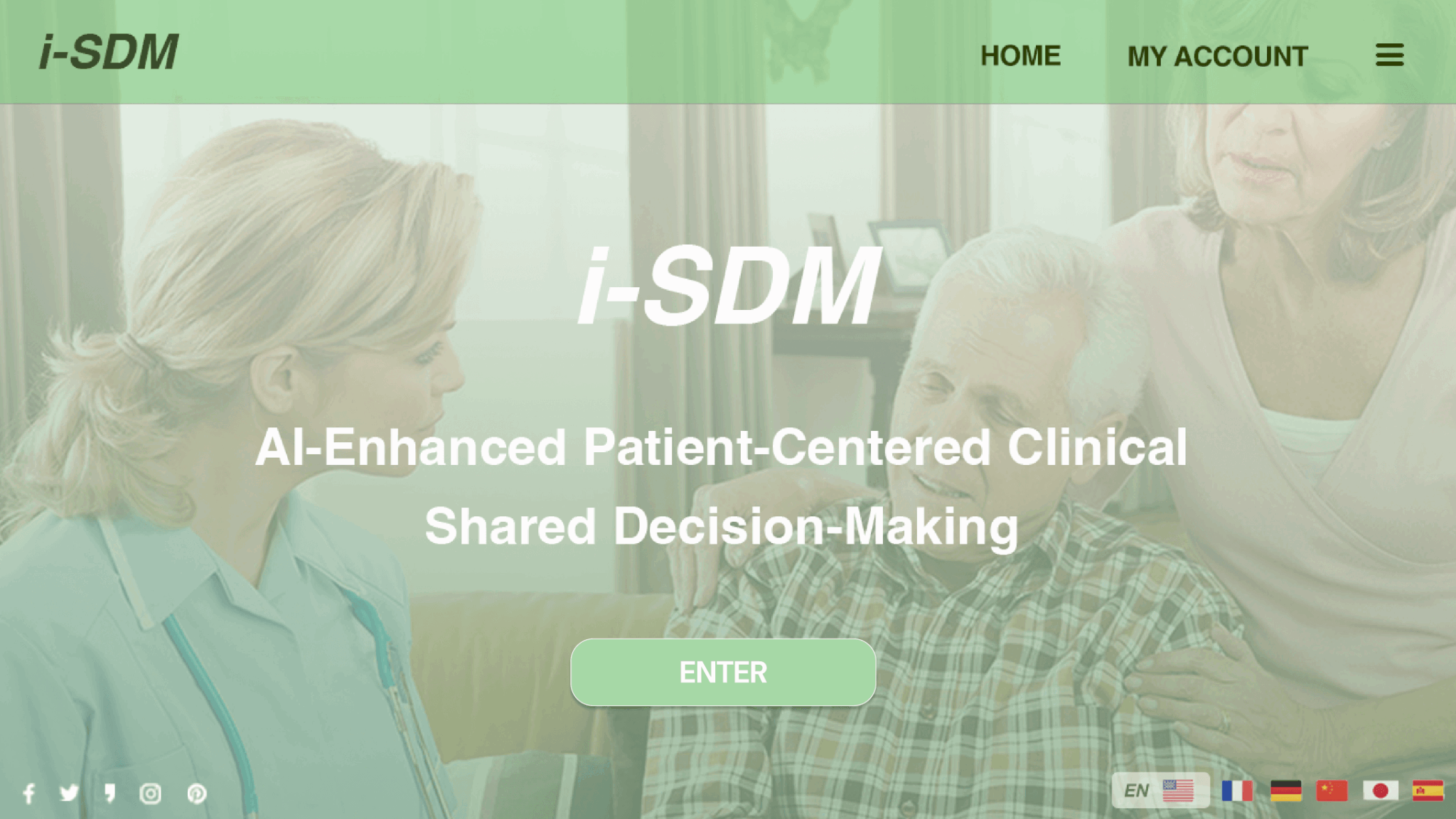
At the time, I was working on an AI-assisted shared decision-making system designed to support older adults with chronic illnesses. The goal was to help patients, doctors, and caregivers communicate more clearly and make better-informed choices. I was focused on the interface, on how data flowed through the system, and how we could tailor recommendations for each person’s unique situation. During one interview, I asked an older cancer patient how she felt about making treatment decisions. She paused, then said softly, “I just want to know that someone understands how hard this is. Thank you for doing this. I feel less alone.”
That moment stayed with me. Her voice was calm, but there was so much depth behind it. A few days later, I spoke with the daughter of a patient who had recently passed away. She told me, “I’m really glad you’re working on this. It’s meaningful.”
Those two conversations, and others like them, changed how I saw the work. Until then, I had approached the project through a technical lens—designing systems, solving problems. But at that moment, I began to understand that what we were building wasn’t just a tool. It was a way to help people feel seen, supported, and a little less alone during some of the most challenging moments in their lives. That realization shifted the path I was on. I started caring less about whether something was considered “innovative” and more about whether it made a difference. I began to think of design as a form of care. I wanted to understand how aging affects decision-making, how fear and trust shape medical conversations, and what older adults genuinely need to feel confident and respected.
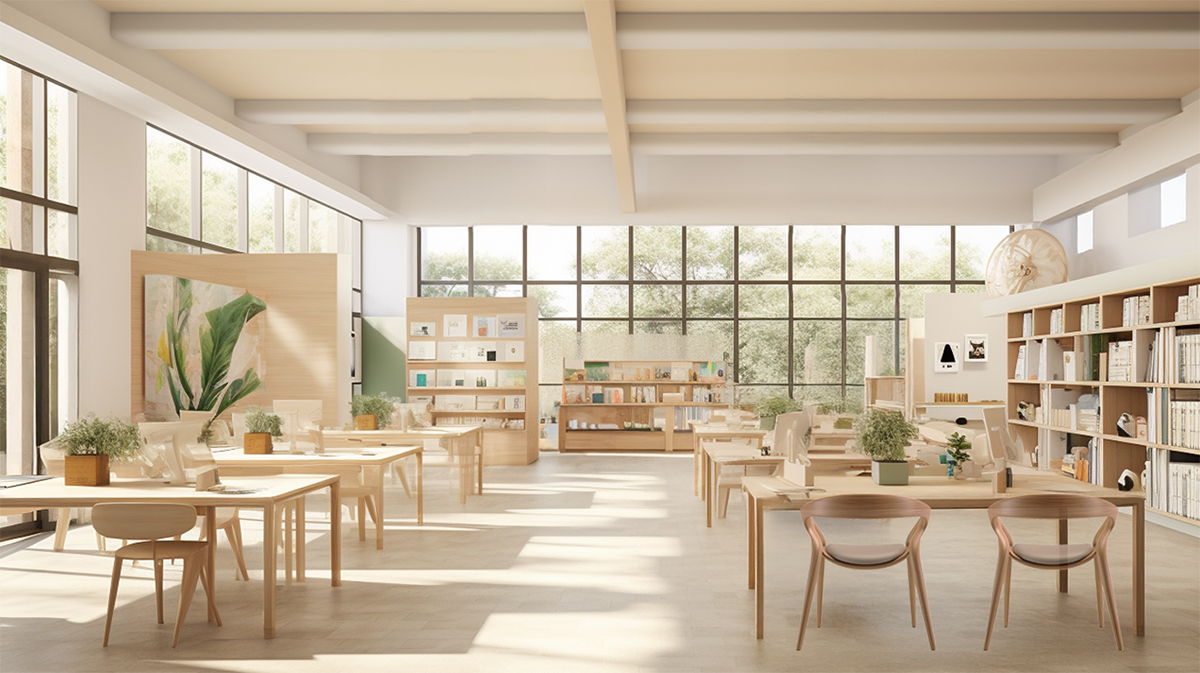
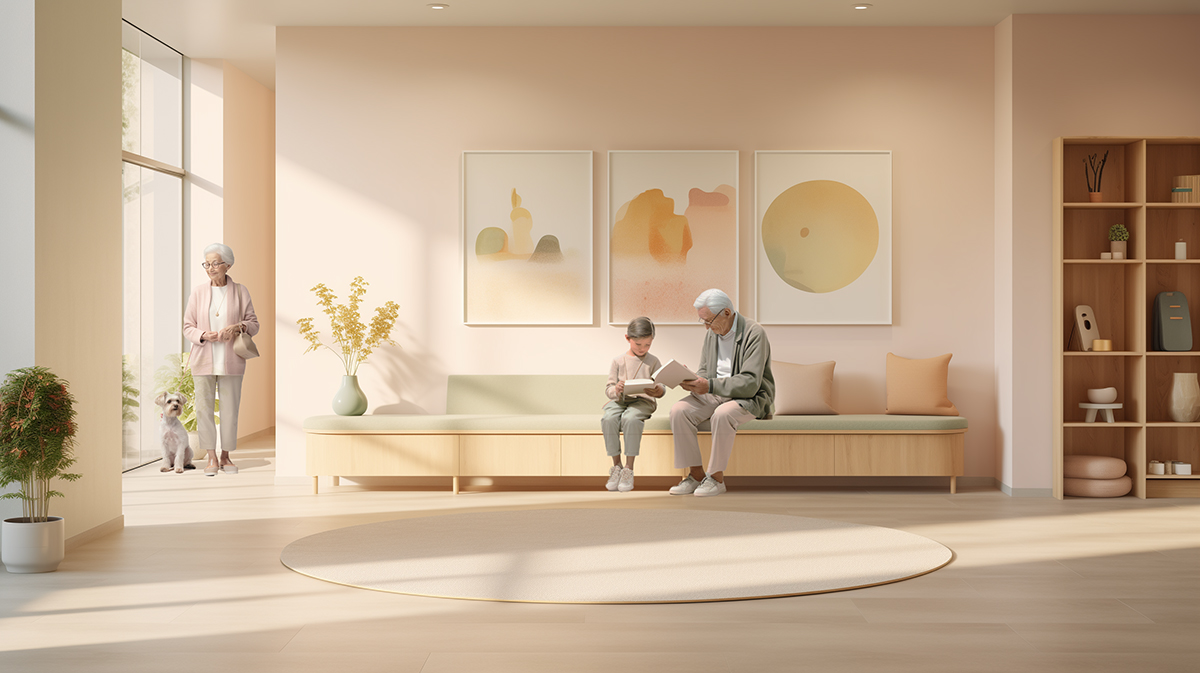
That project opened a new door for me. I began doing more work that combined research with real-world application. I wanted to design things that could be used daily, not just written about. That eventually led me to create an intergenerational wellness center—a space that brings older adults and children together, where architecture and community design support connection, memory, and well-being.
Looking back, that defining moment wasn’t about discovering a brilliant idea. It was about finding a deeper purpose. It taught me that good design isn’t just about solving problems—it’s about listening. And once you’ve heard, once you’ve indeed seen the people you’re designing for, everything changes.
Great, appreciate you sharing that with us. Before we ask you to share more of your insights, can you take a moment to introduce yourself and how you got to where you are today to our readers.
I’m an aging researcher and designer focusing on aging, healthcare, and human-centered innovation. My work lives at the intersection of research and practice. I study how older adults experience the world—how they manage their health, make decisions, and interact with the systems around them—and translate those insights into tools, spaces, and services that are more responsive, intuitive, and respectful of their needs.
I didn’t always work in this space. I started with an engineering background, then moved into design, and eventually found myself asking more profound questions. Why are so many systems frustrating for older people to use? Why do tools supposed to “help” often make people feel less in control? And what would it mean to design with people, not just for them?
That curiosity led me into the world of research-driven design. Today, I work on projects ranging from AI-assisted decision-making systems for older cancer patients to intergenerational wellness centers that use architecture to support memory, connection, and community.
I bring a working method to each project that combines deep listening with creative thinking. I don’t just design interfaces or physical spaces—I design from real experiences, grounded in interviews, co-creation, and fieldwork. I collaborate closely with older adults, families, clinicians, and caregivers to understand the emotions and realities behind every “user need.”
My work stands out for its commitment to both emotional and functional needs. I’m proud of creating solutions that people use and feel understood by. One older adult I interviewed once said, “I want something that understands me, not just organizes me.” That sentence has stayed with me and continues to guide my approach. I want people to know about my work: it’s not just about aging—it’s about living. It’s about creating systems and environments that support dignity, autonomy, and connection across generations, abilities, and time.

Let’s talk about resilience next – do you have a story you can share with us?
There have been many moments in my journey when I had to stay resilient, but one that stands out is when I started working on a medication management program for older adults with cognitive challenges. The project began with helping older adults remember to take their medications safely and on time. But once we entered the real world, we quickly realized the problem’s complexity.
Every person we met had a different system. Some used color-coded stickers. Some wrote notes on the backs of receipts. Some used high-tech pill organizers, while others relied entirely on family members. There wasn’t a single solution that worked for everyone. At times, I felt overwhelmed. I was working with real people who needed support, and I didn’t want to oversimplify their needs. But I also didn’t want to design something so complicated that no one would use it.
There were moments when I doubted whether I could make a difference. I wasn’t a doctor or a policymaker; I was a researcher and designer trying to help in a space full of uncertainty and urgency. But I stayed in it. I returned to the homes, talked with caregivers, tested, and adjusted. Over time, small patterns started to emerge. What people wanted wasn’t perfection. They wanted flexibility, respect, and tools that adapted to their lives—not vice versa. That experience taught me that resilience isn’t just about perseverance. It’s about staying grounded in listening, learning, and being willing to try again, even when the problem seems too big. That mindset has carried me through every project since.
We often hear about learning lessons – but just as important is unlearning lessons. Have you ever had to unlearn a lesson?
One lesson I had to unlearn was that design is about providing the solution. When I first transitioned from engineering to design, I approached problems with a mindset shaped by efficiency and optimization. I thought that if I could create the right system, tool, or elegant interface, I’d be helping people in the best possible way. I believed the value of design lay in how complete and polished the solution was.
However, that belief was quickly challenged when I started researching older adults, especially in healthcare settings. People didn’t need polished answers. They needed someone to ask the right questions. They needed space to express what they wanted, even if it didn’t fit neatly into a prototype. Sometimes, they didn’t want another “smart” tool, and they wanted to be heard.
I realized that real impact came not from offering solutions too quickly but from slowing down and listening more deeply. The most potent part of the process wasn’t always the final design. It was the conversations, the co-creation, and the willingness to hold uncertainty with people and find the answers together. That lesson changed how I work. I now see design less as delivering a product and more as building trust, creating structure for participation, and designing with—not just for—people. It’s a more patient, humble way of working. It has also made my work more honest, grounded, and practical.
Contact Info:
- Website: https://zeyuliu15463.com/
- Linkedin: https://www.linkedin.com/in/zeyuliu15463/