

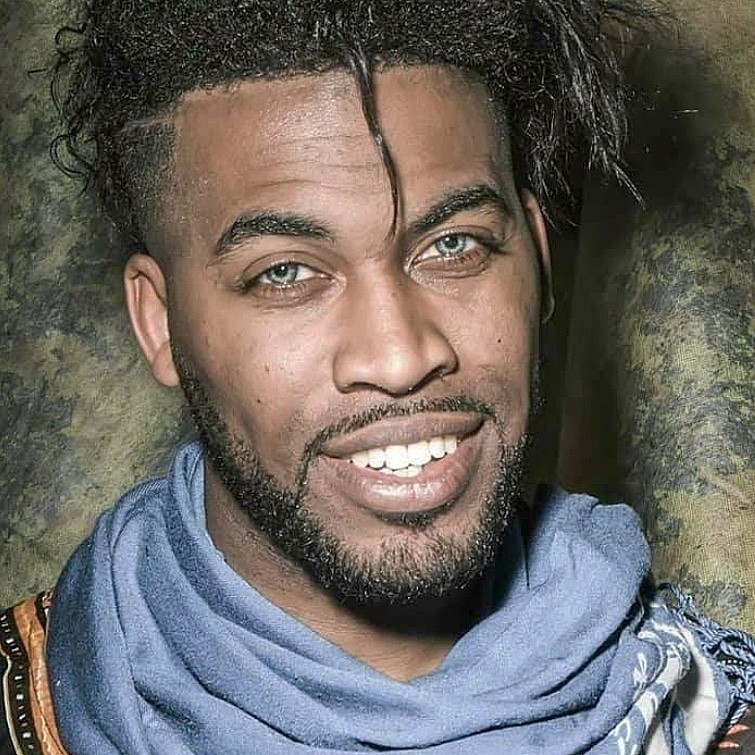

Alright – so today we’ve got the honor of introducing you to Zeke Jeremiah. We think you’ll enjoy our conversation, we’ve shared it below.
Zeke, looking forward to hearing all of your stories today. I’m sure there have been days where the challenges of being an artist or creative force you to think about what it would be like to just have a regular job. When’s the last time you felt that way? Did you have any insights from the experience?
I would say I am happier as a creative. I honestly don’t think about what it would be like to have a regular job anymore because I was there about 7 months ago. It really got me to a place where I had to give up the regular 9-5 to really pursue the dream as a Director and Producer. During the end of my “regular job”, I really debated on whether to step out on faith and go after this full time or continue in the security of it all. When making a decision of that magnitude so many factors come in to play. I questioned my value, I battle with thoughts of failure with little to nothing to fall back on, I would ask myself is this the best decision for me to make, especially because of the coronavirus being around that created a high uncertainty for the world at that time, but I jumped. I came to the conclusion that we are never going to be perfectly ready to go all in on our dreams. There will always be that uneasy feeling that we have in the pit of our stomach. No-one is exempt from that nervousness and fear of taking that leap and the damages it can potentially cause if we fail. Don’t get caught up in regret! There is a quote by Karen Lamb that says, “A year from now, you may wish you had started today.” I love that because there is never a right time to start, but there is a now time to start. I’ve been pursuing my dream for 5 years now and it has been the best decision and now 7 months since I let go of a 9-5 job. Yes, there are obstacles, but I am learning and heading towards the dream everyday and I would not be that much closer if I had stayed in my comfort zone and not jumped. There is a quote by Henry David Thoreau that says, “Go confidently in the direction of your dreams. Live the life you’ve always imagined.” Jump!

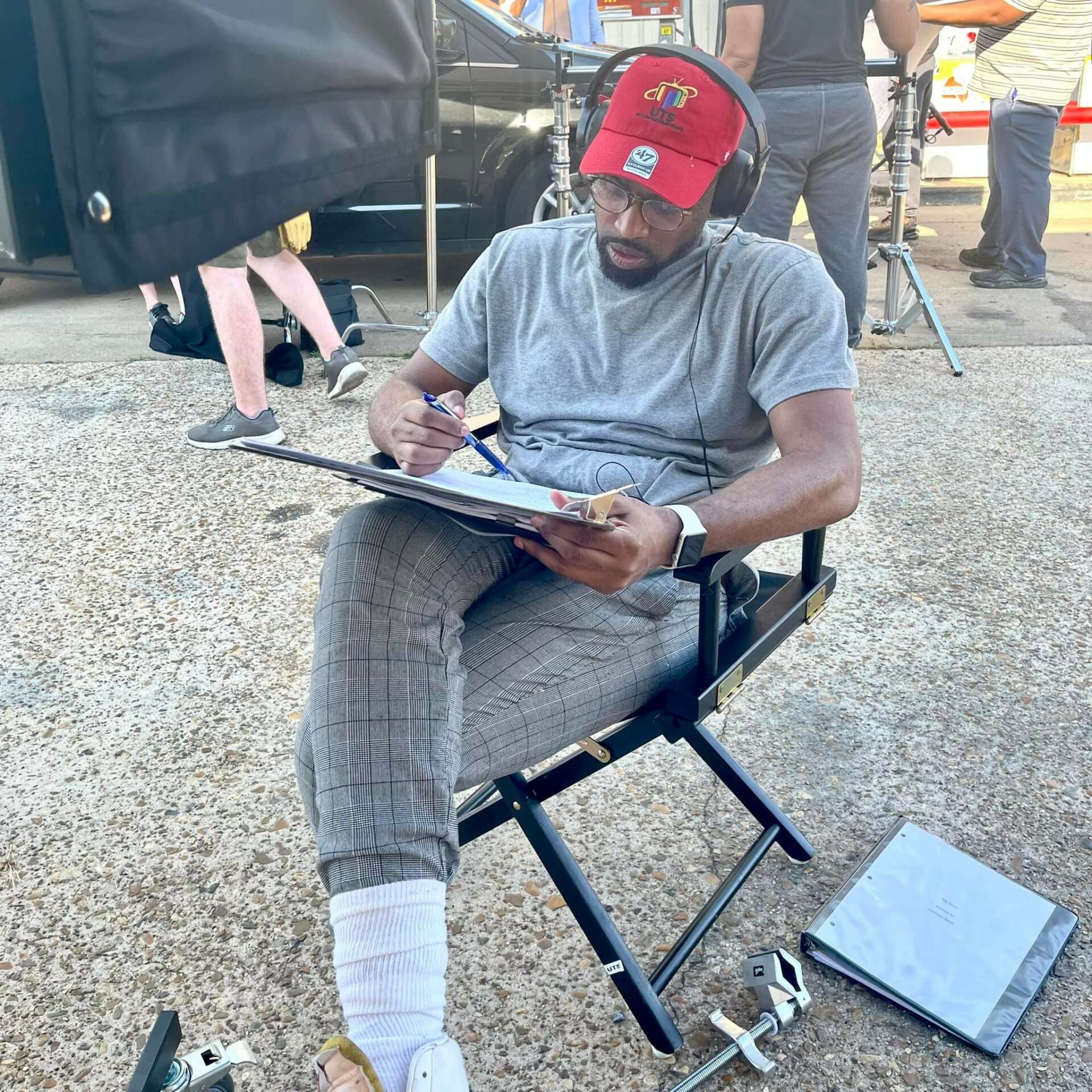

Zeke, before we move on to more of these sorts of questions, can you take some time to bring our readers up to speed on you and what you do?
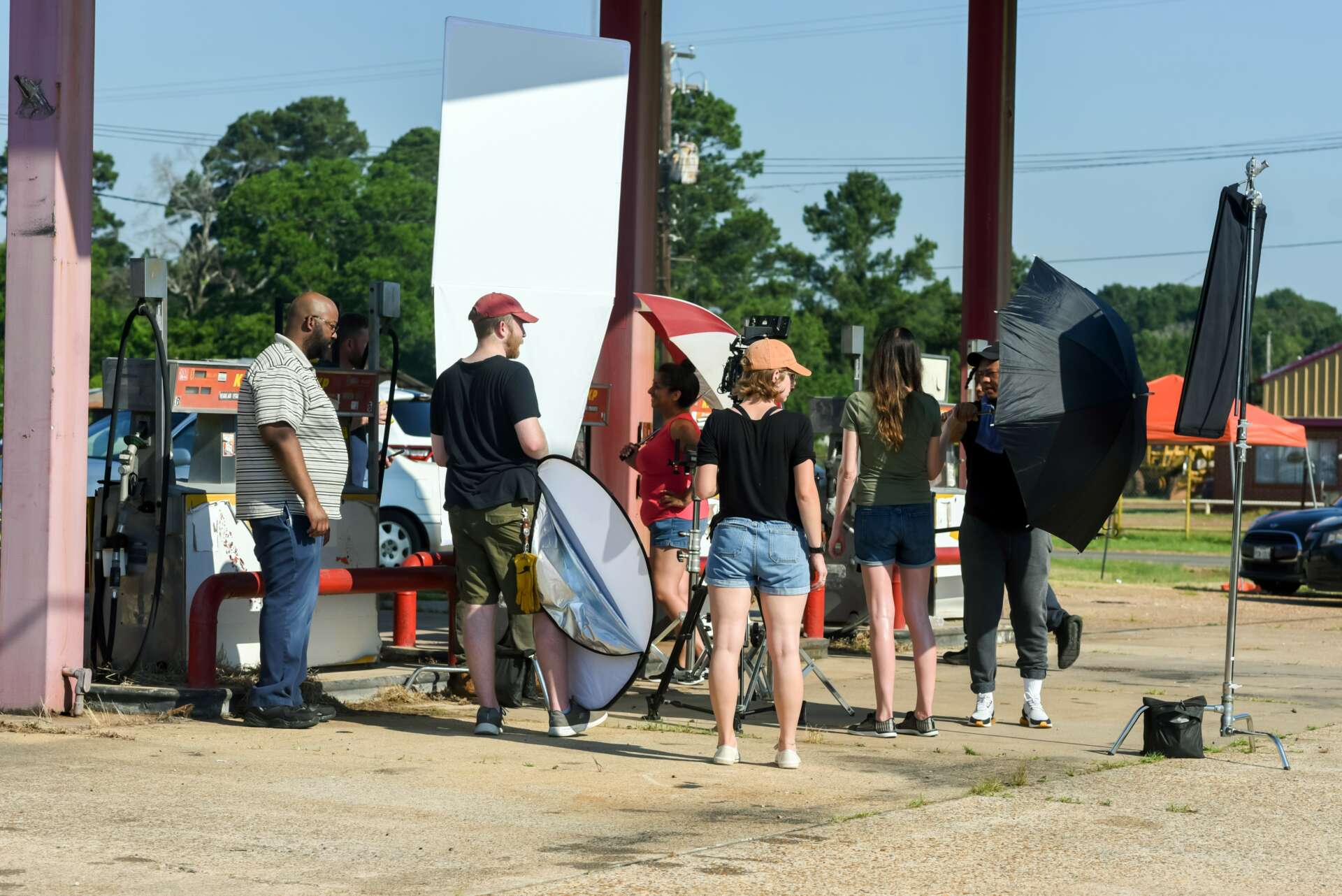
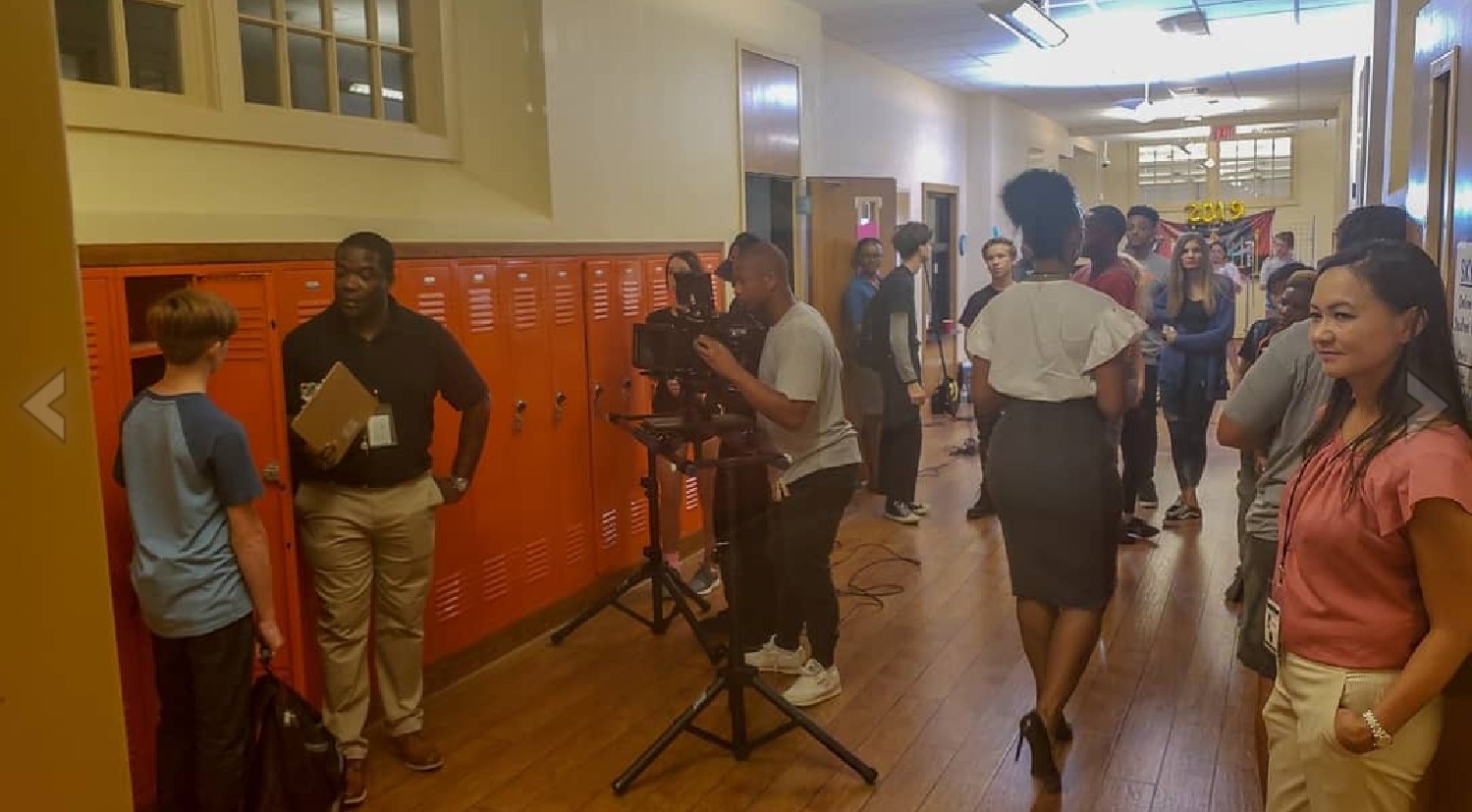
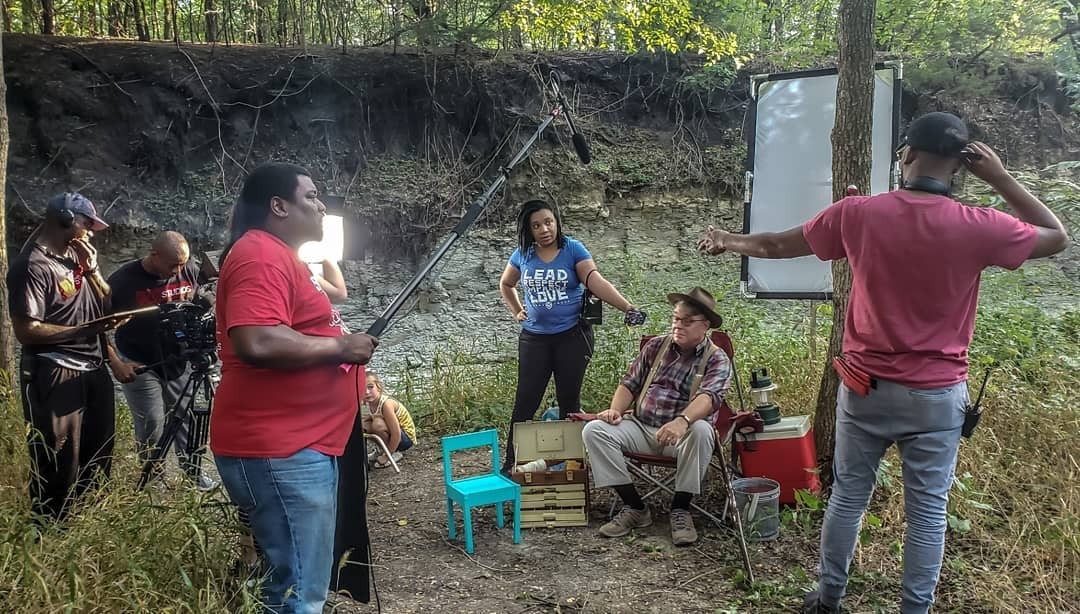
For me, I’ve always been a fan of the entertainment industry. I loved watching tv shows and films and how you were able to just be drawn in from the emotion of the story without actually being there. Enjoying and learning from different genres of film like; Jurassic Park, Forrest Gump, Independence Day, The Matrix, Sister Act and The Truman Show. They gave me a real love and a passion to one day do it myself, but as I got older I never knew how to get in that field until about 2016 when I was encouraged by a co-worker to connect with a director friend she knew and there is when my career path started to change. In this career path there is a lot of discipline and sacrifice that need to take place in order to move forward successfully. Specifically as a Director, you have to study, build, communicate, work late hours and study some more. It’s a little bit more pressure on my end because not only am I learning as a director, but at the same time I am also building a Production Company, so sometimes I am pulling in a lot of directions. Lately, I’ve been assessing and finding balance between the two with an incredible team of people who are just as dedicated to the craft as I am. We are always having to problem solve, but we find ways to be more proactive than reactive so we can work through problems as a team before they even become an issue. There have been some set backs along the way like restarting a project, recasting, technical issues we’ve had to work out, Covid and the damage it has had on productions and finances for for a project etc, but I think what makes us stand out more and more as a Production Company is our resilience, our work ethic to always finish what we started, our belief in each other to be creative and our heart to share the story with empathy. That makes me proud to know that we are all in it for each other and not only ourselves. Our goal is to become a brand that not only tells the story that needs to be told, but to be supportive of the story that transcends outside of production into the beautiful journey that we call life.
What’s a lesson you had to unlearn and what’s the backstory?
The lesson I had to unlearn was that of an inner dwelling construct manifested by my hunger to succeed. Let me explain, when I jumped into this industry I was zealous and didn’t know a whole lot ,but I wanted to start somewhere so I put productions together and would try and get others to help me out. It got to a point where a lot of people either flaked on me because of my inexperienced as a filmmaker or they didn’t ever finish the request, leaving me to take over the duties. From those experiences, after being in the industry as a creative, I slowly started adopting the “I’ll just do it myself” mentality. I stopped depending on others and started doing everything myself. I Directed, filmed it, edited it, composed it, etc. You get the point. Granted there was some valuable learning I went through in the process, but it made me more bitter than anything. Communicating, trusting and understanding the talent and value in others was the catalyst for me in unlearning a quality that would have damaged my growth as a creative if I didn’t sit back an evaluate the errors in my journey. It’s apart of the “jump” process. You go in understanding that you will fail in some areas, but to observe those failures as it will teach you the pivotal constructional tools you need to build your career. It’s a difficult process to understand you are wrong, but necessary indeed. I’ve since then established collaborative community of individuals that are just as passionate as I am about the film industry. We have been building, learning and working together consistently to create something we will be proud of. I would honestly say that it’s still a process I am going through, but my perspective on that has changed a good deal. Grateful for these experiences and the many more that will come.
What can society do to ensure an environment that’s helpful to artists and creatives?
In my view, the best thing society can do to best support artists and creatives in a thriving creative ecosystem is to understand, share and talk with them accordingly to how they can support them in their individual endeavors. Understanding the artist and creative is important. Not necessarily understanding each individual because that is dependent upon the person, but the process it takes for them to be successful in their career, and that is predominately dependent on how society understands that struggle. The reason I say share because in the vast world of social media everyone has a platform. If you share something you will reach a different set of people that I would reach, and it intensifies more depending how far away they live from you. So sharing an artist or creatives work could potentially put them in front of people who are interested in their project or someone who can help and support them better financial in their career. There is a whole web of possibilities that exist in that realm that society could take advantage of in efforts to support. That was more on a broader scale, but if you have friends that are artist and creatives, talk to them. Ask them how you can support them individually. What I know from being a creative myself is that we need your support and asking questions and finding ways to help support builds confidence for them to keep pushing forward towards their dream. You can honestly be the reason that they catapult to the next level.
Contact Info:
- Website: https://www.imdb.com/name/nm8514727/
- Instagram: https://www.instagram.com/zekejeremiah/
- Facebook: https://www.facebook.com/campbell.zeke
Image Credits
Billie Hara Sharp