

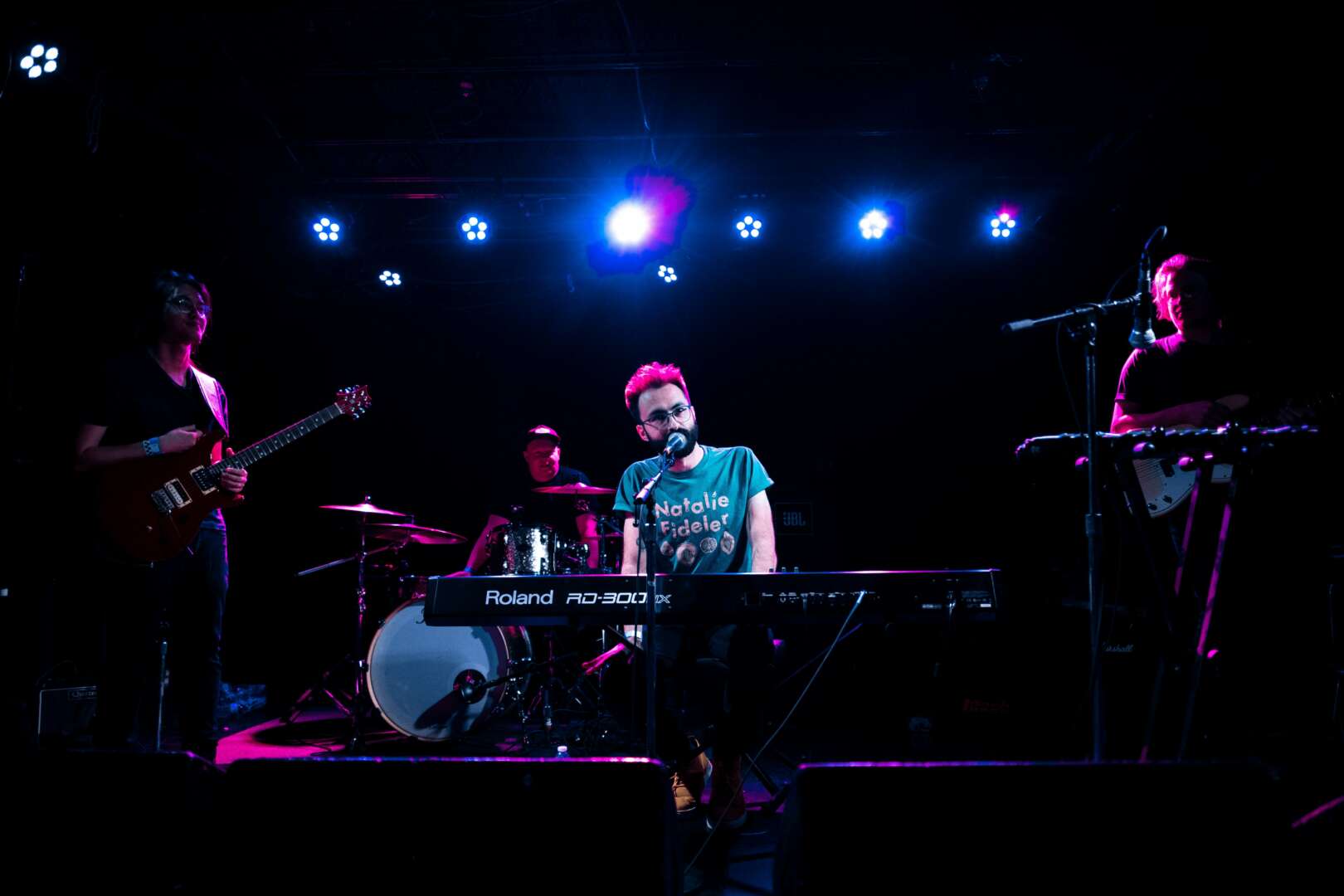

We were lucky to catch up with Zaq Baker recently and have shared our conversation below.
Zaq, looking forward to hearing all of your stories today. What’s been the most meaningful project you’ve worked on?
My debut novel, An Unspectacular Crisis, is due for release this fall! From multiple standpoints — time investment, how much I learned, and the incredibly high standards I set for myself — the book is a significant professional landmark. I started work on the novel at the end of 2021, and current and “final” structural revision continues now (literally this morning). Last week I started putting steps in place for a big rock show and celebration — I’m calling it a “publication party” — in the Twin Cities in November.
Perhaps shockingly, An Unspectacular Crisis is set in the world of music. Specifically, the novel takes place in a Chicago underbelly of my own imagination, stepping away from this pop and rock enclave for an Indian immigration story and to indict corporate culture and its negative impact on the individuals who are pressured to serve it. The novel includes six characters’ personal perspectives and examines familial pressure around music, ambition, and success-or-failure. I’ve had a back jacket and plenty of other pitch materials prepared since 2022 if you’d like me to paste it for this interview or email!
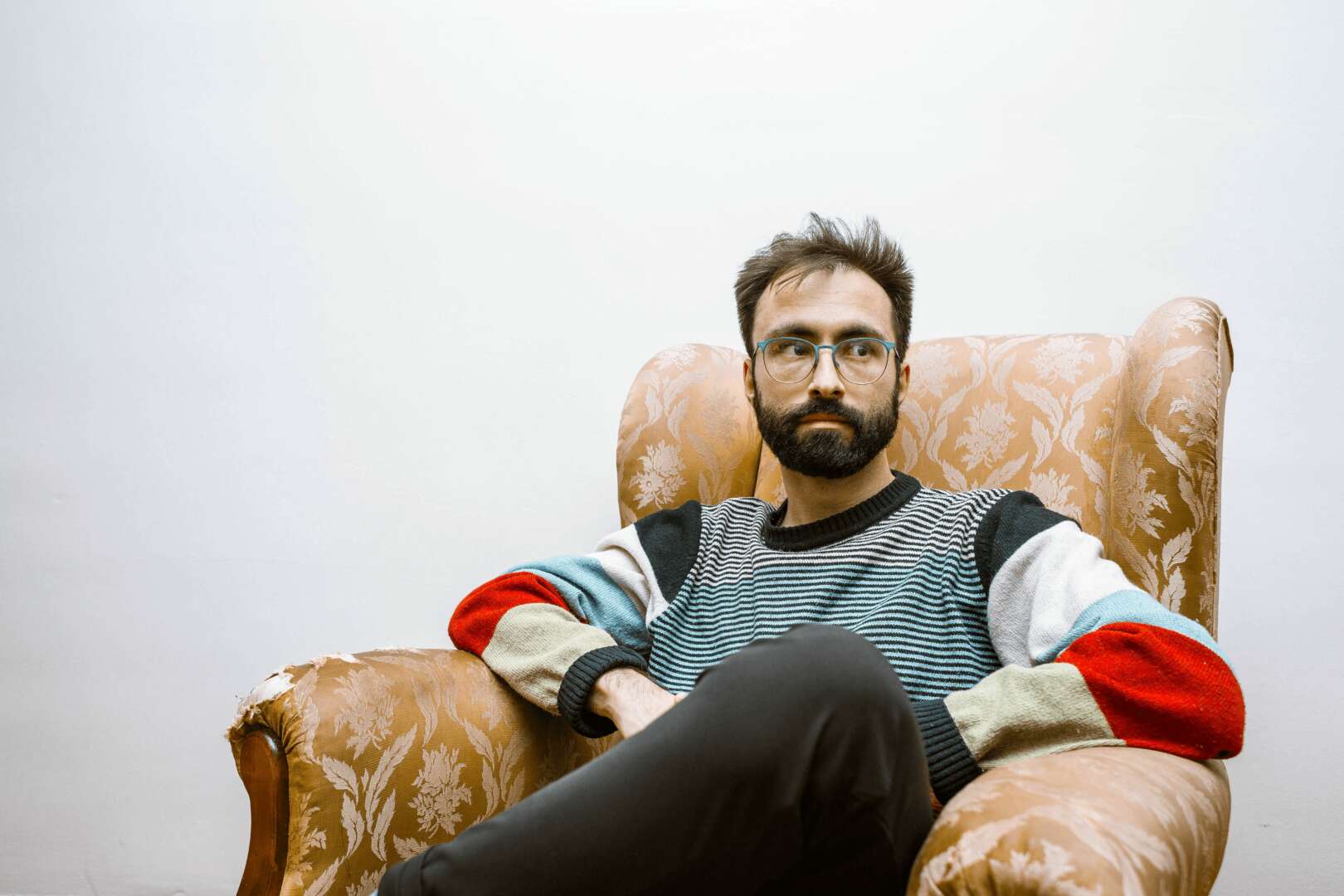

As always, we appreciate you sharing your insights and we’ve got a few more questions for you, but before we get to all of that can you take a minute to introduce yourself and give our readers some of your back background and context?
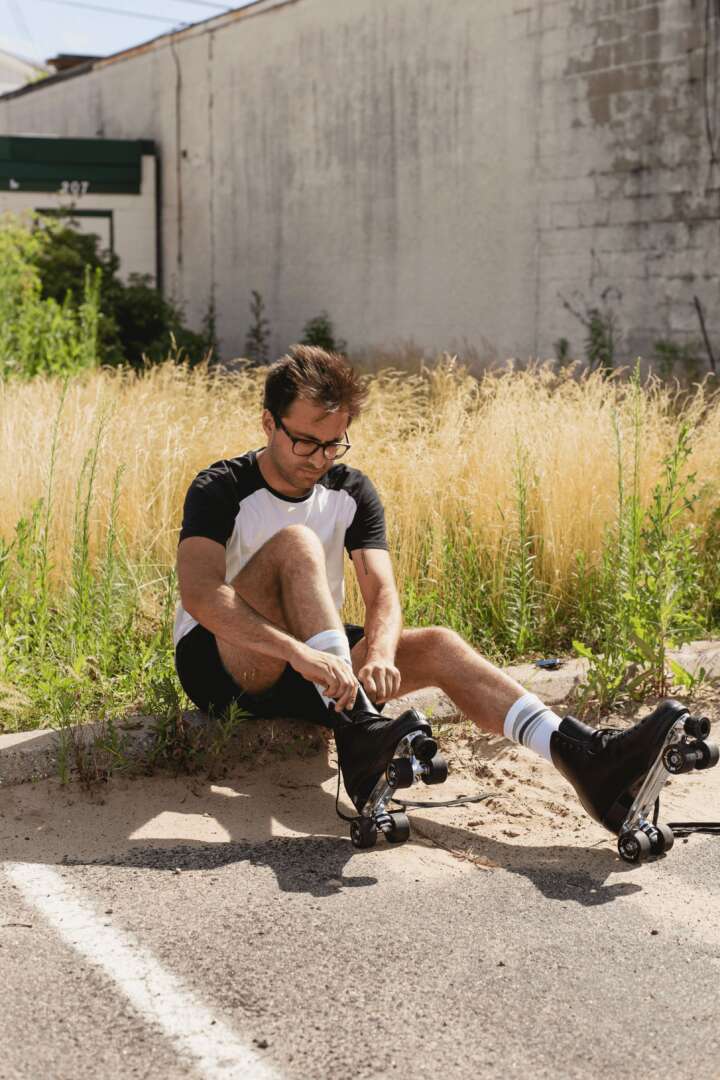
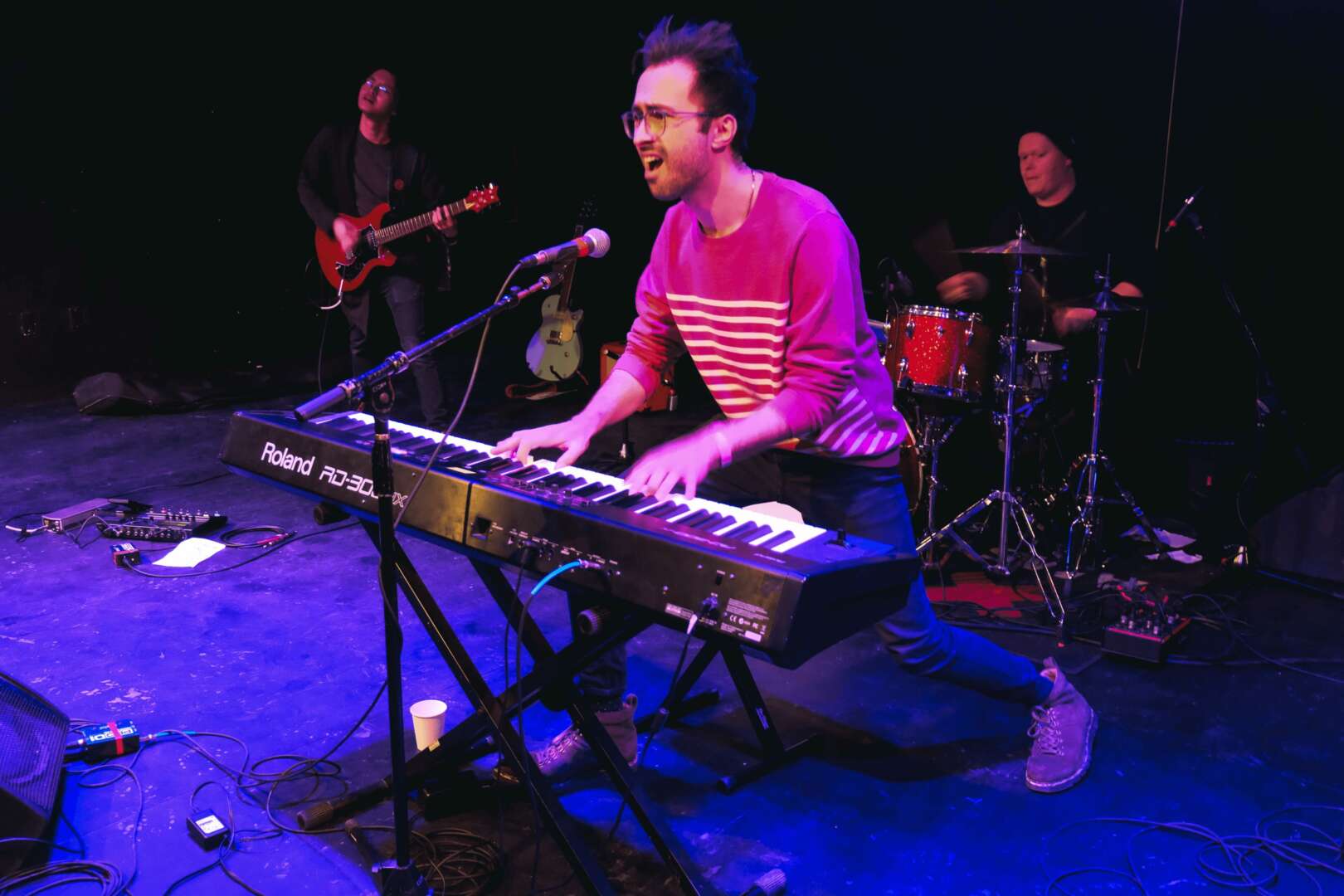
Of course! I’m best known as Zaq Baker — songwriter, pianist, vocalist, recording artist, performer, synth player, and bandleader under my own name. For years, I’ve self-branded as “theatrical piano rock,” though in 2024 my output has sounded much more contemporary from an electronic standpoint (pop-punk and “the Ben Folds thing” have defined my sound for six or seven years). But the drama of the music and lyrics is still the centerpiece.
The big Zaq Baker catalogue consists of four albums, three EP’s, and seven standalone singles, as well as six concept music videos, five concert films, and two live solo video sessions. I am currently working on a large batch of singles with a handful of different producers and guest vocalists. Two of those — “treadmill” (feat. Corzine) and “jetlag” (feat. Maria Coyne) — dropped this spring.
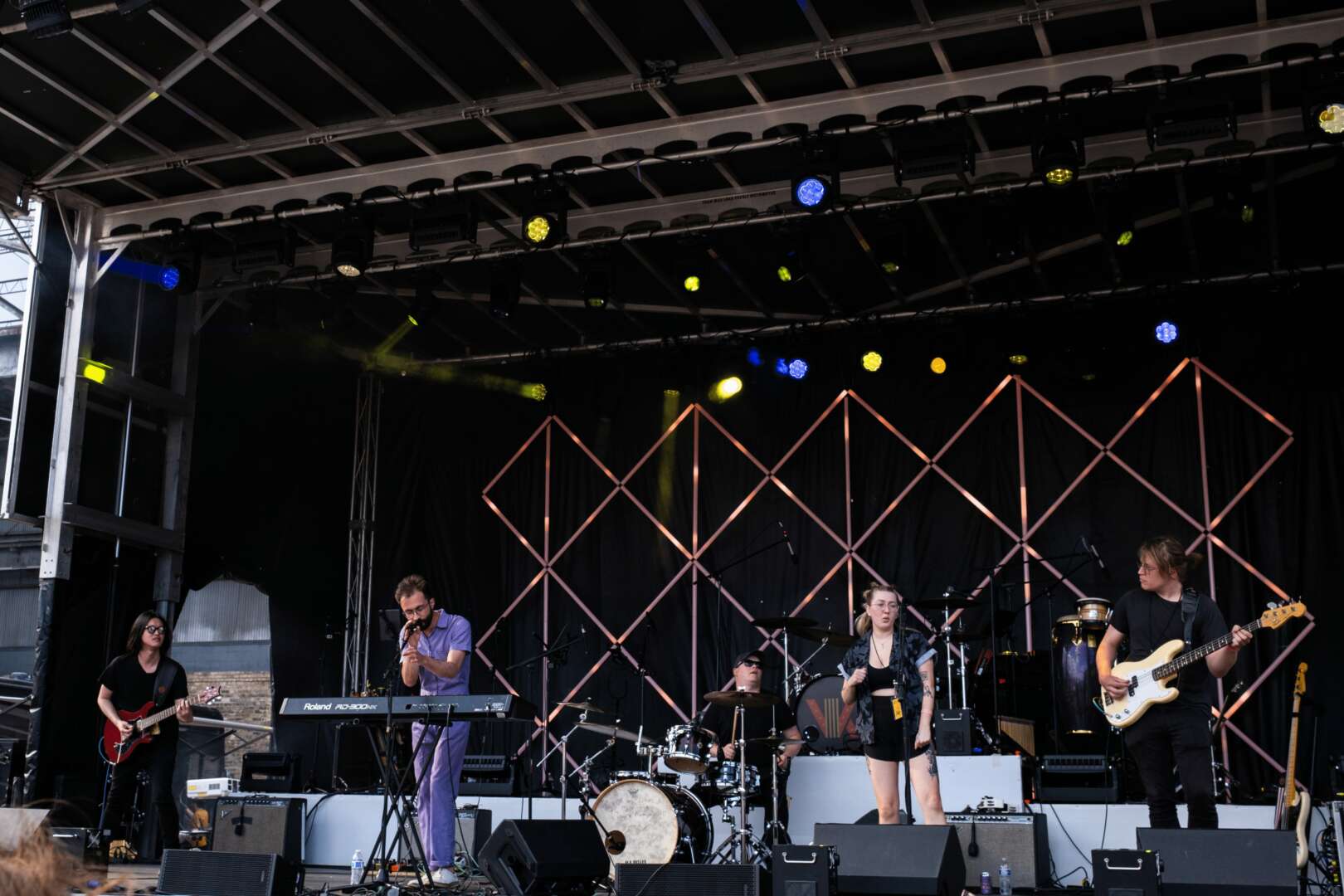
I play piano and keyboards in numerous additional bands: Maria and the Coins (female-fronted pop quintet), Toilet Rats (maximalist synth-punk), Corzine (theatre-influenced contemporary pop), Nina Luna (brooding electropop), Casket Base (a tribute to Green Day), Rolling Thunder Revue (a tribute to Bob Dylan), and a weekly Sunday service. I supply vocal harmonies in several of these bands and play a very active role in arrangement, helping direct the music, often formally as well as informally.
I’m frequently hired as a session player — contributing to studio work as a keyboardist.
I help artists and venues book shows extremely regularly for free, combining my love of people with my social “network” and iconic emails. I also assist fellow artists with copywriting, e.g., social media and artist bios for websites and streaming services. Within the Twin Cities, I’m known as a connector and conduit.
I’m also very silly on Instagram and probably way too active there.
Any resources you can share with us that might be helpful to other creatives?
I’m a punk at heart — very proud of learning how to do things myself, which means accruing knowledge through failure. I waited way too long in my career to get my arms around nomenclature. I mean the mechanics of music and how to communicate them — widely agreed-upon methods for indicating chords, melodies, and arrangement decisions to collaborators. Very understandably, from 2017 to 2020, guitarists would sometimes get frustrated with me for how I wrote down the keys for my own songs, which almost always have tons of modulations (often within one verse and regularly from verse to chorus, either of those to bridge and back, etc.) and more moving parts than conventional rock and pop songs. I kinda had “my own way” for writing things down, which may sound romantic or idiosyncratic for an artist but really isn’t useful when universal practices exist for dictating this sort of thing. If I could go back in time, I still wouldn’t go to school, but my friends that did — they know how to notate clearly. I learned how to do that from studying other people’s charts when I started getting hired for freelance keys all the time; and from YouTube videos on “music theory” three or four years ago.
What do you find most rewarding about being a creative?
There’s a magical conversion that happens from working with other people. I think of myself first and foremost as a writer — music, certainly, but lyrics centrally. Word stuff. Emails, too. Even interviews with magazines.
The act of writing is almost always intensely private — at least, historically, that’s how it’s been for me… until November 2022, when I began work on an original musical with two collaborators. Huge undertaking. Very brief background: The title is Hometown, and I’m writing about 90% of the music, maybe 70% of the lyrics, and contributing an equal share of the book, including line-by-line work on the script, character development, plotting, and everything that goes into that bulk of the story. So the process is incredibly collaborative, especially in letting your guard all the way down when pitching ideas to a team constantly, from everything to character maps to rhyme schemes to structural adjustments, which are hugely important and famously pernicious or at least highly demanding in musical theatre — figuring out “what will work” for an audience, for constant momentum in the plot engines, and of course pacing dialogue with entire showtunes. Those are crazy interesting central questions the three of us are always answering together.
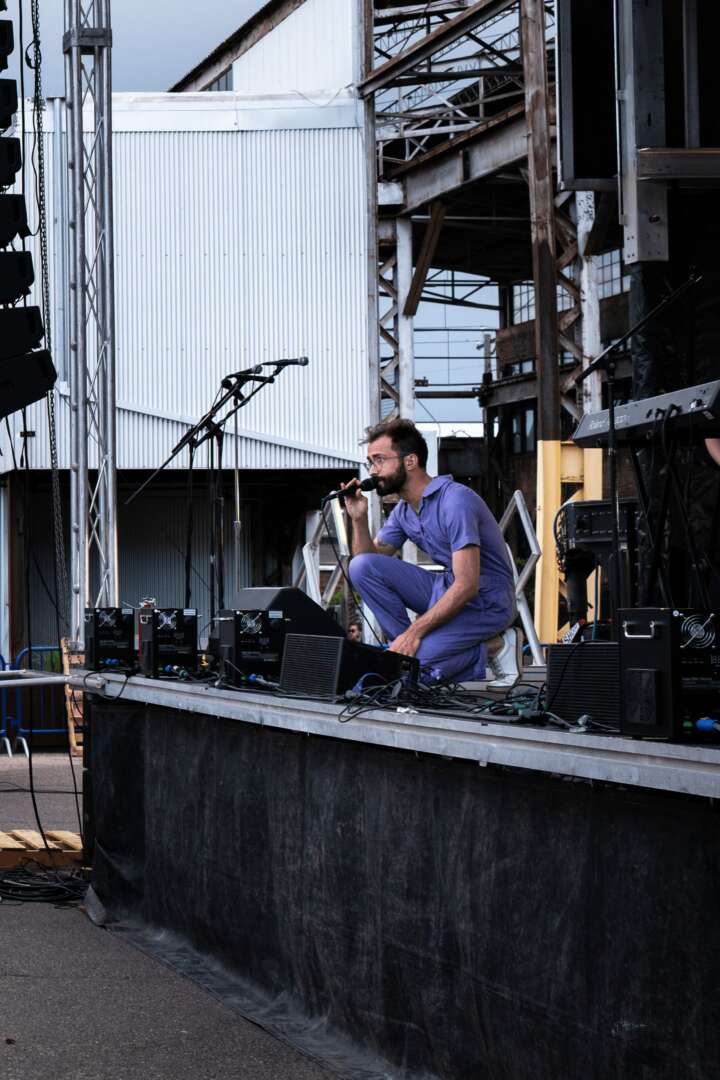
But the biggest works in the Zaq Baker catalogue (singles, albums, EP’s) consist entirely of songs that were originally written very, very privately — shut door, confession, craft, ruthless self-editing — processes I’ve always thought work best when the artist grinds totally alone. But an album like Cardio (a famously big one) involved a dozen collaborators: Multiple guitars, drums, bass, a full strings section, several vocalists providing harmonies, a guest vocalist on a duet, saxophone, a vocal coach, an engineer who produced the album with me, another engineer who mixed and mastered the album, and a third engineer handling the violins and violas. Bringing a record like Cardio and its equally important counterpart, Maddie’s Delivery Service, from one creator’s efforts to a massive team — that’s rewarding. And those rewards are continuing to come constantly from my performances, which are known for featuring a large band and bunches of vocal guests; and from the singles I’ve been recording and releasing throughout 2024 and onward.
Contact Info:
- Website: https://www.zaqbaker.com/
- Instagram: https://www.instagram.com/zaqbaker/
- Facebook: https://www.facebook.com/zaqbakermusic/
- Linkedin: –
- Twitter: –
- Youtube: https://www.youtube.com/@zaqbaker
- Yelp: –
- Soundcloud: –
- Other: –
Image Credits
Adam Nantz (most press and some stage)
Trista Marie McGovern (some press)
Aaron Levin (some stage — screenshots of video)