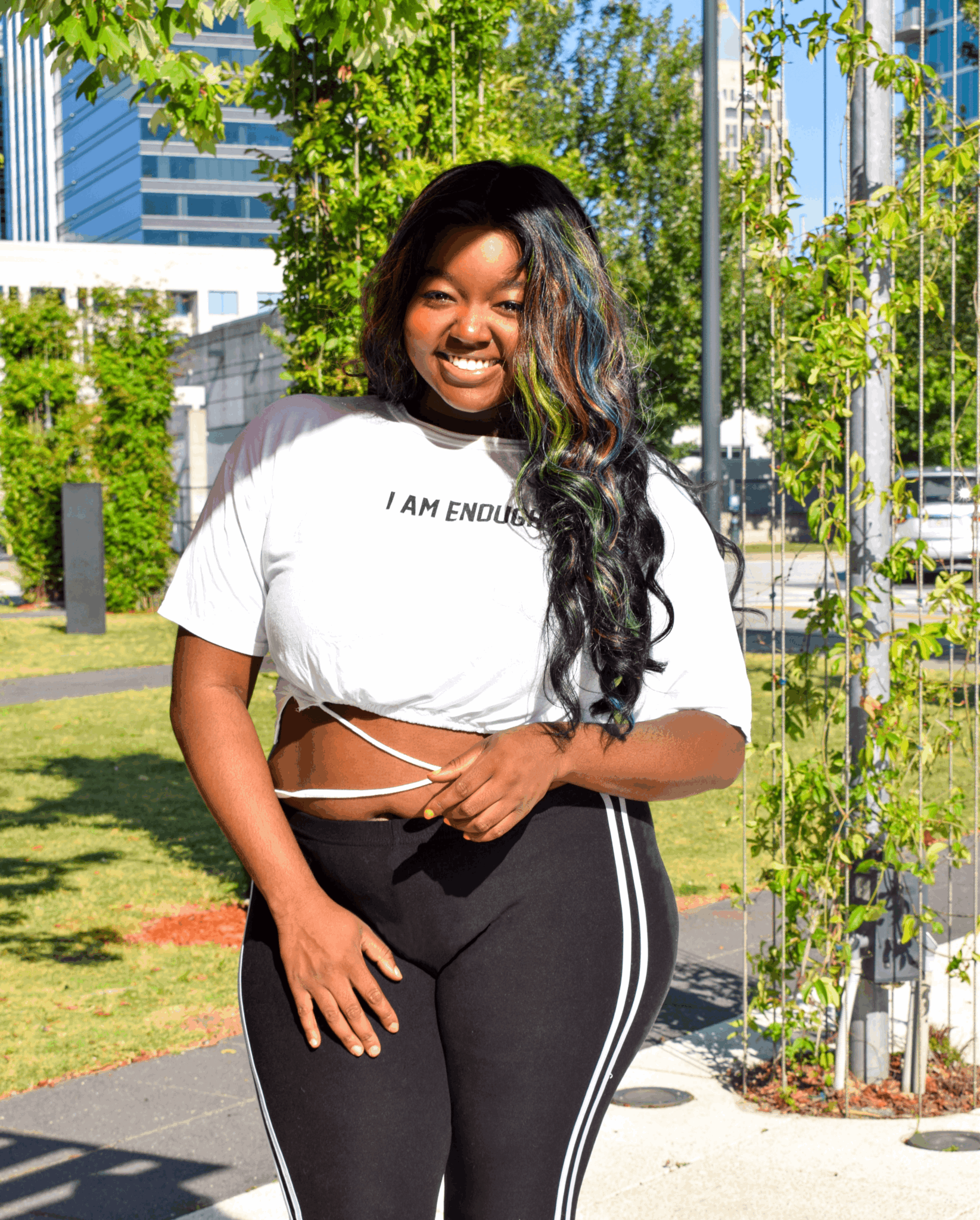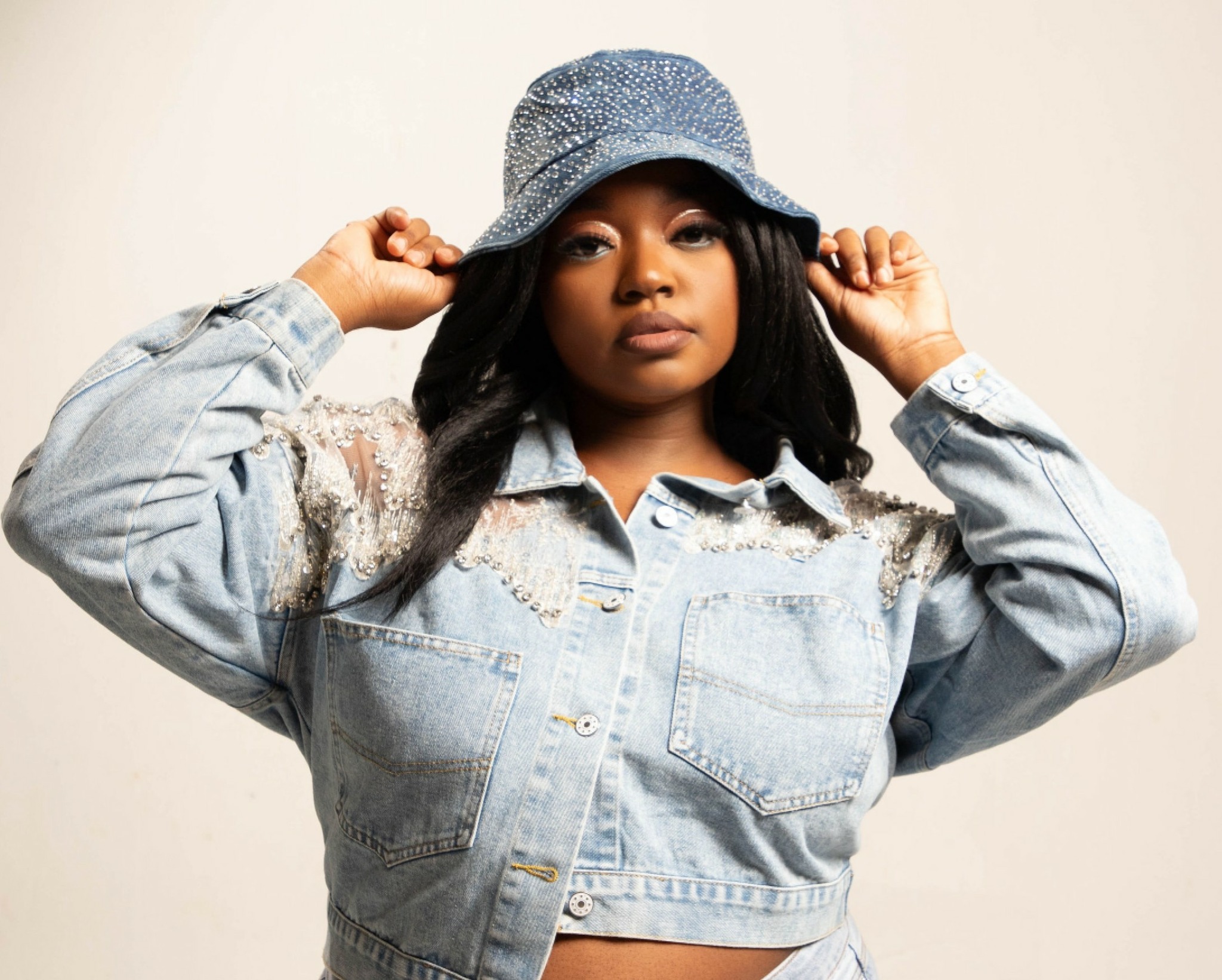

We were lucky to catch up with Zakiya Olivier-Thomas recently and have shared our conversation below.
Alright, Zakiya thanks for taking the time to share your stories and insights with us today. Can you open up about a risk you’ve taken – what it was like taking that risk, why you took the risk and how it turned out?
One of the biggest risks I’ve taken was choosing to keep walking in purpose — even when life shifted completely and nothing felt certain. When I became a mother, I knew everything would change, but I also knew I wasn’t going to stop. I decided that I would continue to pursue the dreams God placed in me, even if it meant carrying more than most people thought I could handle.
Right now, I’m building a faith-based streaming service and creating dynamic content rooted in purpose. I’m still acting and modeling, but this time the “why” is different. I’m doing it to show my daughter — and other women like me — that becoming a mother doesn’t end your dreams. If anything, it gives them new direction.
I’m a single mom, still working while building my business, still pushing forward on creative opportunities, and also pursuing a remote 9–5 so I can provide for my family while being more present with my daughter. It’s a lot to carry — and it would be easier to choose one path, stick to a steady job, and put everything else on pause. But that’s not what I was called to do.
There were a lot of people who doubted whether I could do it all. But by the grace of God, I am. I’m also building a product for breastfeeding moms — something I was inspired to create through my own experience navigating work, feeding, and motherhood all at once. The journey is challenging, but I’m not backing down from it. I know what I’m building matters.
Choosing this path — to trust God, to keep showing up, and to believe in the vision even when it’s heavy — has been the greatest risk I’ve taken. And it’s shaping me in the best ways.
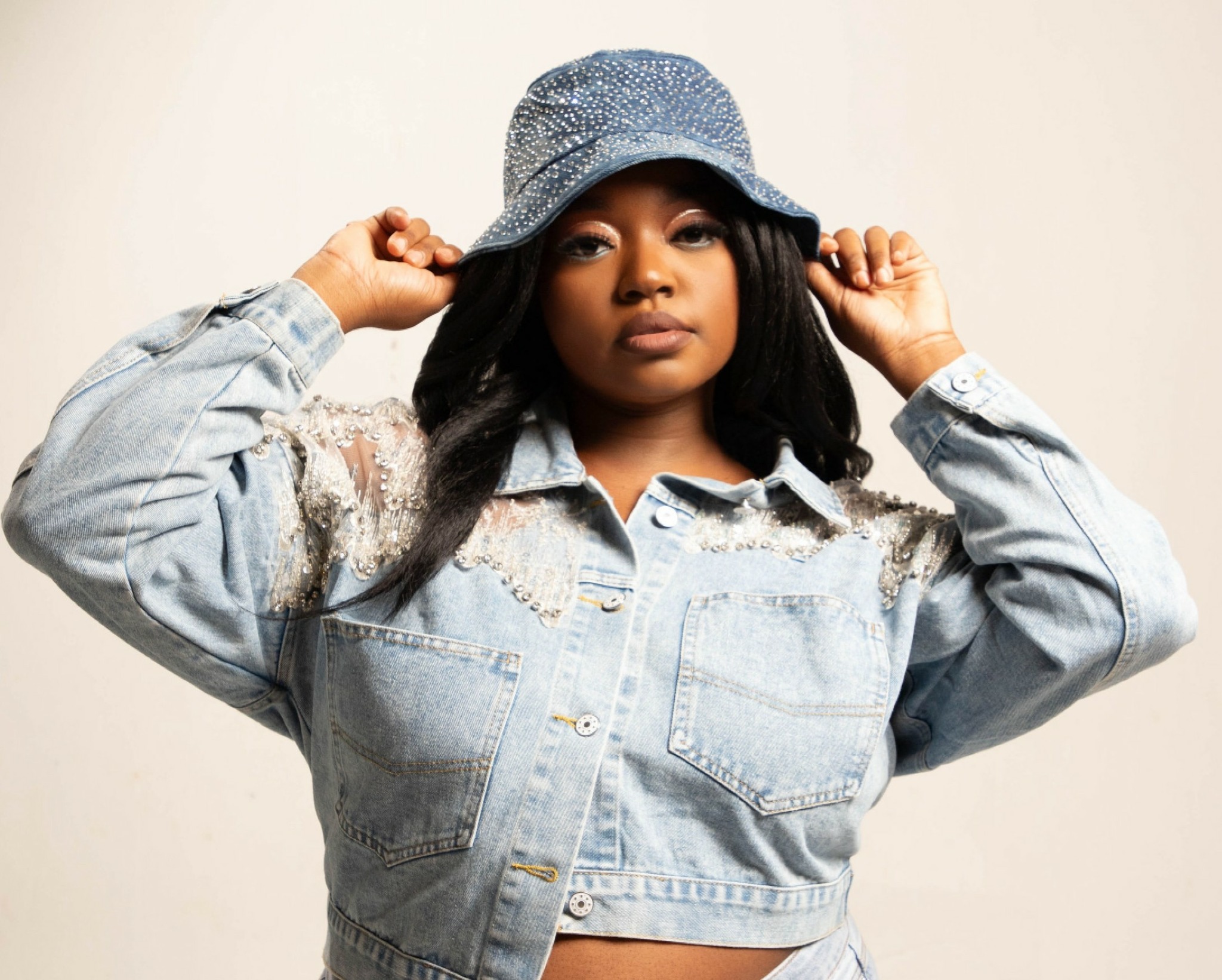
Great, appreciate you sharing that with us. Before we ask you to share more of your insights, can you take a moment to introduce yourself and how you got to where you are today to our readers.
I’m a creative entrepreneur and content producer with a passion for faith-based storytelling, visual media, and purpose-driven work. Right now, I work freelance, helping brands and individuals bring their vision to life through marketing strategy, content creation, photography, and videography.
I’ve worked with businesses and creatives on everything from headshots to product photography, social media content to full video production. I’ve also been involved in producing music videos and short films, helping bring creative concepts from idea to execution — especially in ways that feel authentic, high-quality, and emotionally resonant.
While I’m in the process of formally building and branding my own businesses — including a faith-based streaming service and a card product designed to support and uplift breastfeeding mothers — I’m proud of the work I’m doing now to lay the foundation. I don’t believe you have to wait until something is “fully built” to start walking in your calling, and I think that’s what makes my work different. I show up — even in the in-between — with excellence, heart, and intention.
What I want people to know is that my work is rooted in faith, storytelling, and impact. Whether I’m capturing a photo, directing a shoot, brainstorming content strategy, or building a resource for mothers, everything I create is meant to encourage, uplift, and serve and tell an authentic story.
For you, what’s the most rewarding aspect of being a creative?
For me, the most rewarding aspect of being a creative is the collaboration — hands down. There’s something powerful about seeing different people come together, each with their own unique skill set, and aligning on a shared vision to create something meaningful. I love knowing that I don’t have to do everything on my own — that I can bring my ideas to the table, and trust that others will bring theirs too, and together we’ll build something greater than any of us could alone.
It’s incredibly fulfilling to work alongside people who are passionate and excellent at what they do — to see how everyone’s strengths come alive and complement each other in the process. That kind of creative synergy is not only energizing, it’s inspiring. And when the final product is done — whether it’s a campaign, a video, or any piece of content — knowing it came from a place of shared purpose makes it all the more meaningful.
Yes, seeing the end result out in the world is rewarding, but the journey of building it — the relationships, the trust, the process — is what I love most.
In your view, what can society to do to best support artists, creatives and a thriving creative ecosystem?
I think the best way society can support artists and creatives is by valuing their work not just as entertainment or inspiration, but as essential. Creativity shapes culture, drives innovation, and connects people across experiences — and yet it’s still often the most undervalued part of our economy and workforce.
Being a creative requires you to pour so much of yourself into what you do. It’s not just a skillset — it’s an emotional, spiritual, and mental journey that often demands deep self-awareness and vulnerability. And still, many creatives are expected to do all of that without access to basic support systems like health insurance, mental health care, or the kinds of benefits professionals in other industries receive. That kind of imbalance makes it harder to sustain not just the work, but the well-being of the people doing the work.
Freelance creatives, in particular, contribute to countless businesses — promoting products, shaping brands, creating content that moves audiences — and yet we’re often left out of the larger conversation about professional sustainability. The term “struggling artist” should not still exist in 2025, especially when so many industries depend on creative labor to thrive.
Support should be more than applause — it should look like funding, grants, affordable education and training, shared workspaces, community platforms, and equitable compensation. Most importantly, it should look like building a culture that invests in creatives as people, not just producers of content. When we pour into the health and sustainability of our artists, we pour into the health of our culture as a whole.
Contact Info:
- Instagram: @iamzakiyamtonya @vowstreaming @zakiyamtonya
- Linkedin: https://www.linkedin.com/in/zakiya-olivier-thomas-712502b1?utm_source=share&utm_campaign=share_via&utm_content=profile&utm_medium=ios_app