

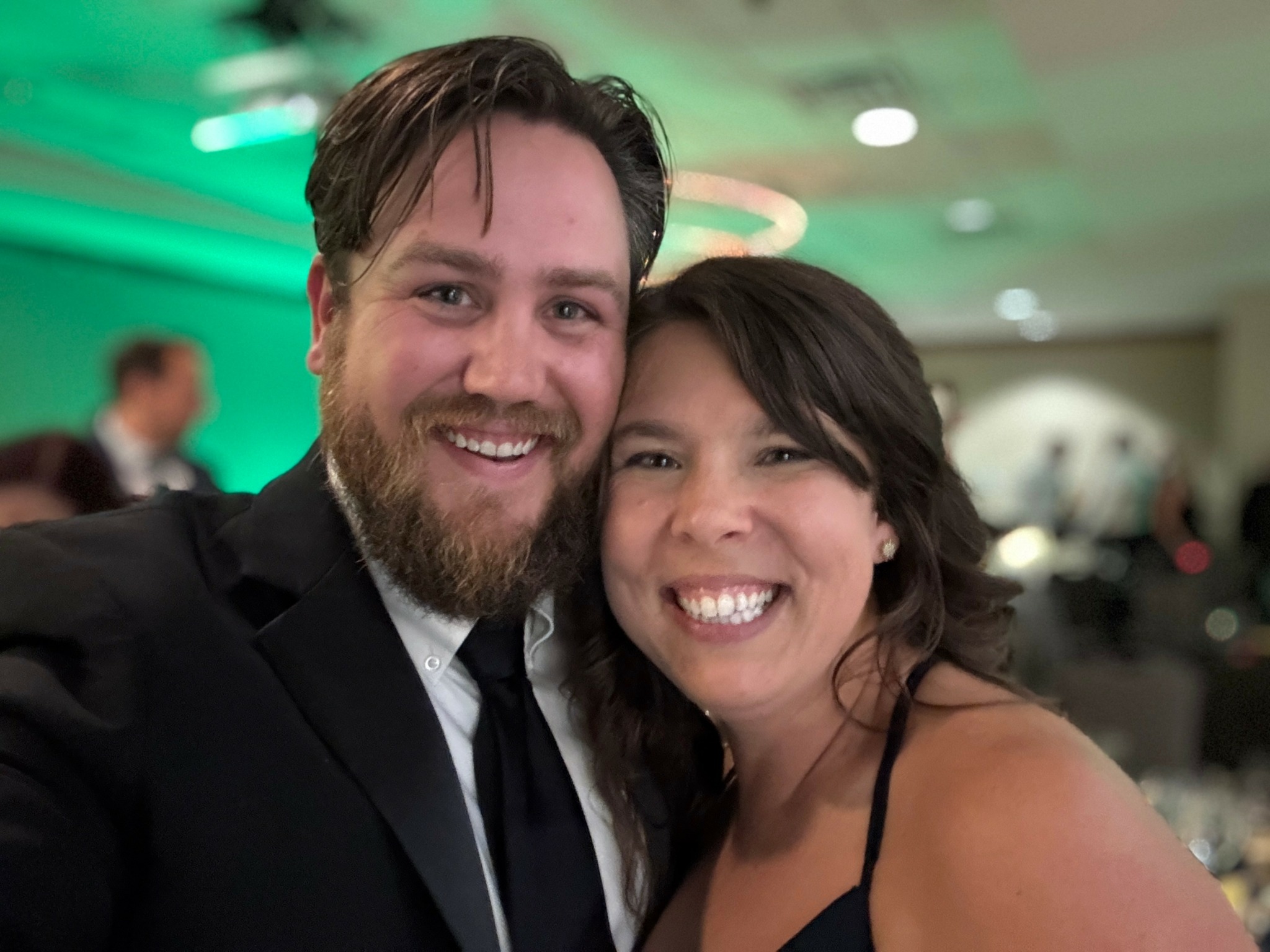

We’re excited to introduce you to the always interesting and insightful Zack Morgan. We hope you’ll enjoy our conversation with Zack below.
Hi Zack, thanks for joining us today. Before we get into specifics, let’s talk about success more generally. What do you think it takes to be successful?
Success is an interesting concept—it’s deeply personal and often misunderstood. I’ve known people who are considered “successful” by the world’s standards—wealthy, high-achieving, publicly celebrated—but who are privately battling addiction, broken relationships, or emotional emptiness. On the other hand, I’ve met people who live modest lives financially but overflow with joy, purpose, and relational richness.
In business, it’s easy to define success by a P&L, a Balance Sheet, or net profit. And yes, I want my business to grow and thrive. I desire financial success—not for its own sake—but because it enables me to be wildly generous. But if I measure success solely by metrics, then when the numbers fall short, my self-worth starts to fall with them. That’s a dangerous trap.
My wife Liz and I have a mission statement: “To be a steady, faithful presence in people’s lives.” My personal extension of that is: “Any success I experience should contribute to the flourishing of other people.”
Flourishing is broad: relational, emotional, spiritual, physical, financial, vocational. It acknowledges both our potential and our limitations. I’m limited in time, capacity, and expertise—but I can still invest what I do have to help others thrive.
In my company, that means treating employees with empathy and compassion. They are more than their mistakes or productivity. My job is to help them grow—either with us or by celebrating them when they move on to better opportunities.
In my community, it means holding space for people to show up as they are. We celebrate victories. We sit in grief. We cultivate vulnerability, openness, and human connection.
In my family, it means showing up—with dignity, empathy, and consistency—in the “happies,” the “crappies,” and the mundane.
In every arena—business, community, home—we pursue excellence. But we don’t tie worth to achievement. What’s good for the system is good for me, and what’s good for me should be good for the system.
So to me, success is simple: it’s consistently meeting people where they are, and helping them become who they were created to be.
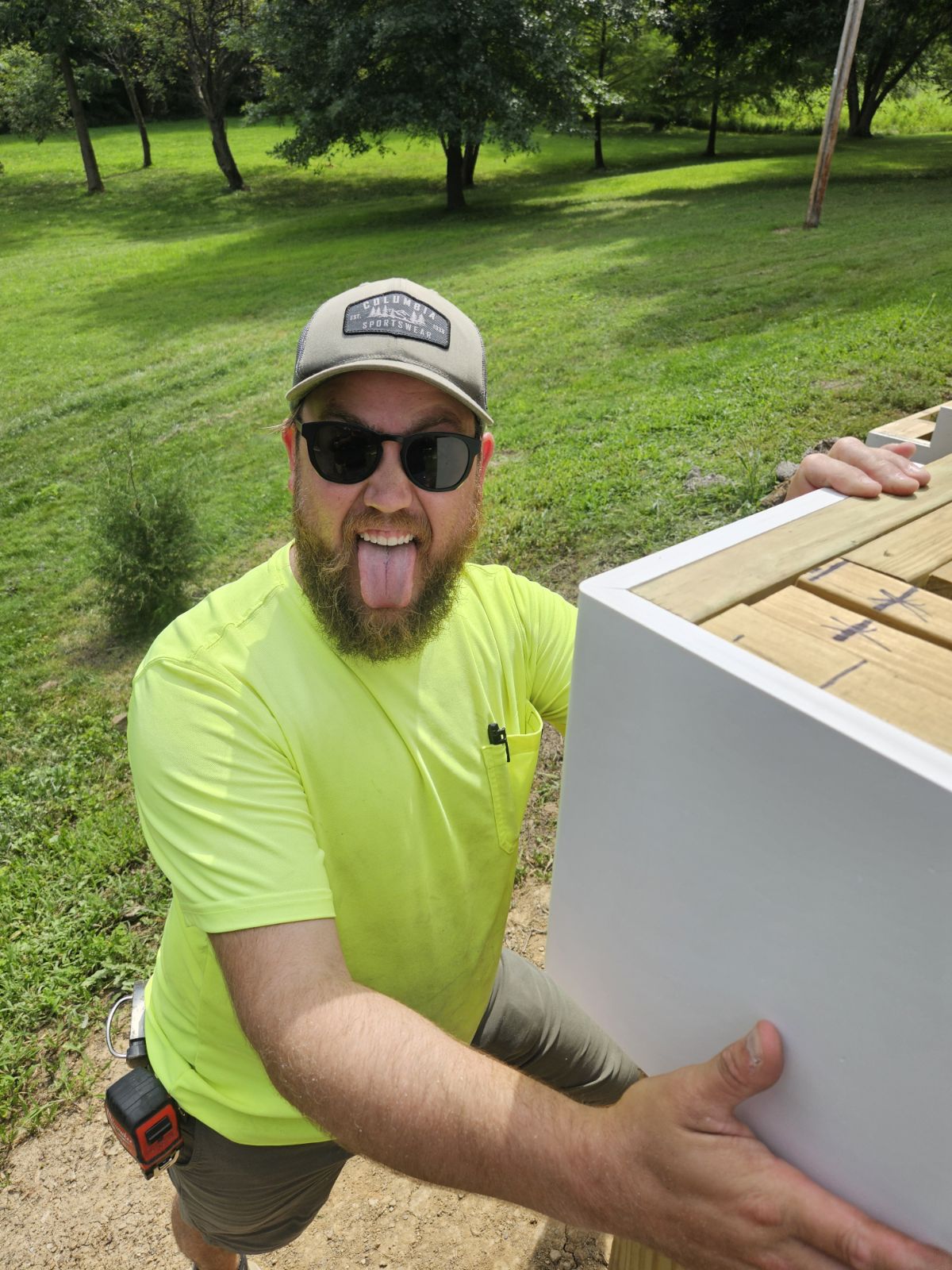
Awesome – so before we get into the rest of our questions, can you briefly introduce yourself to our readers.
I often tell people that I started a construction company by accident.
Leading up to 2020, I was in the early stages of launching a new kind of church—one rooted in ancient practices, but designed for modern life. We planned to gather in homes, create communal rhythms, and build something that felt real and connected. I wasn’t going to take a paycheck from the church, so I needed a way to be financially self-sustaining. Our hope was to open a coffeehouse—not a “Christian Coffeehouse” (we all know that vibe)—but just a place with really good coffee and warm hospitality. A third space where neighbors could gather, relationships could grow, and community could thrive.
And then COVID hit.
We had already left our previous church, and suddenly, I was jobless, with no income and no clear plan forward.
That’s when my dad—who had worked in construction his entire life and eventually became President of a regional home-building company—mentioned that my aunt needed a deck built. He didn’t want to take on the project, but knew I could use the money, so he helped me come up with the plan and helped me walk through the process. So I built her deck… then her friends deck… then someone else’s. And by the end of 2020, the coffeehouse dream was on hold, but construction had taken off.
We officially became a business in 2021. My best friend became our first employee that July. Now, four years later, we have six full-time employees and three part-time teammates.
We specialize in building stunning decks, bathrooms, and kitchens—those are our core services. But the truth is, there’s almost no part of a home we don’t touch. We’ve built a strong network of contractors and vendors who help us turn houses into homes.
But what I’m most proud of isn’t what we build—it’s who we’re building. The people, the culture, the community.
The construction industry can carry a rough reputation. But we’re trying to flip that script. Time and again, we hear from employees—even those who’ve moved on—that our company culture is “unlike any business I’ve ever worked for.” That’s not an accident. We’re intentional about relationships, empathy, honesty, and growth. We’re not perfect. We make mistakes. But we own them. Because, I believe, how we handle mistakes says more about us than how we handle success.
One thing I tell our team often is: “A mistake is only a failure if you fail to learn from it.” Skills and techniques can be taught. But experience? That can’t be microwaved. It’s a slow-cooked process. The only way to get it—is to get it.
I’m proud of how our team shows up in adversity. I’m proud of the reputation we’re building. My parents taught me the value of a name—“You only get one. What you do with it is up to you.” I’d rather lose money and keep my name, integrity, and character intact than compromise who we are.
So when people ask what I’m most proud of, it’s not the product—it’s the people. Who we are becoming as individuals and as a team. We win and lose together. And every day, we try to build something stronger than just a house—we try to build trust, community, and a better future.

Do you have any insights you can share related to maintaining high team morale?
Without people, no business can exist—employees, vendors, customers alike. There’s a common belief that the primary point of business is to make money. I disagree. I believe the purpose of business is to offer a product, service, or space that helps people thrive.
That thriving could look like meeting an essential need, providing comfort or delight, offering clarity, or just making someone’s day a little easier. Yes, profit is necessary and good—it’s the fuel that keeps the engine running. But it’s not the point. When profit becomes the goal instead of the result, we risk becoming slaves to the business, instead of its stewards. We live to work, instead of working to live.
This mindset impacts how we lead teams. If people are treated as a means to an end—just tools to drive profit—they’ll feel it. Morale will crumble. But if we invite people to co-create something meaningful, if we affirm that their work matters and contributes to human flourishing, something shifts. Ownership grows. Morale rises.
At Zachary Builders, I may be the one signing the paychecks, but this company belongs to all of us. It’s human nature, there’s a shared pride in a job well done—whether it’s building a deck, creating a spreadsheet, baking a pastry, coding a website, or brewing the perfect cup of coffee. Morale soars when what we produce is beautiful and good. I think it was Dostoevsky’s character Prince Myshkin who said, “Beauty will save the world.” I believe that.
As leaders, it’s our job to remind people that hard work can be meaningful. Yes, there’s the paycheck, the bonus, the surprise donuts, the handwritten note—but at a deeper level, morale comes from knowing our work matters. That it contributes to something larger than ourselves.
So, simply put:
-Create an environment people want to be in.
-Show them how their work contributes to human flourishing.
-Celebrate wins. Mourn losses. Share stories.
-Humanize everything
.
Morale is lost when people feel like cogs in a machine. It’s restored when they realize they are an irreplaceable part of a meaningful mission, not simply for what they produce, but because of who they are. Doing follows being. So if we appreciate people for who they are before we appreciate them for what they do, people can feel that. And they will become your biggest cheerleaders.

How’d you build such a strong reputation within your market?
I shared earlier that my wife and I have a life mission statement: “To be a steady, faithful presence in people’s lives.” That philosophy naturally carries over into our business.
I’m relatively new to the business world. I spent the early part of my adult life in the Air Force and then transitioned directly into vocational ministry. So when I first started Zachary Builders, my dad told me something I’ve never forgotten:
“Zack, you don’t know what you don’t know.”
At the time, I remember thinking, “Well, yeah, obviously.” But it turns out there’s a lot I didn’t know—and still don’t—about running a business.
But one thing I do know well is humanity. I’ve been a human my whole life. And I’ve learned that there are simple but powerful lessons in being human that directly translate into doing business. Those lessons have helped us build our reputation:
1. You can’t fake authenticity.
Your marketing might say one thing, but your craftsmanship and character will always tell the truth. People can feel when you’re not being real.
2. People hate excuses.
Mistakes happen. Don’t hide them. Don’t minimize or sugarcoat. Own them, correct them, and make it right—even if it costs you something. You might think you can’t afford it, but the truth is: you can’t afford not to.
3. Trust beats a good deal.
People are more likely to work with someone they trust and respect than someone offering a cheaper price. Human connection is invaluable—it’s what creates long-term loyalty and relationships.
4. Time is your greatest asset.
Time is our most valuable non-renewable resource. When you invest your time in people—really show up for them—it tends to come back tenfold. Customers remember the time you spent with them, and they’re far more willing to invest in you because you first invested in them.
Contact Info:
- Website: https://www.zacharybuilders.com
- Instagram: @zacharybuilders
- Facebook: https://www.facebook.com/zacharybuilders


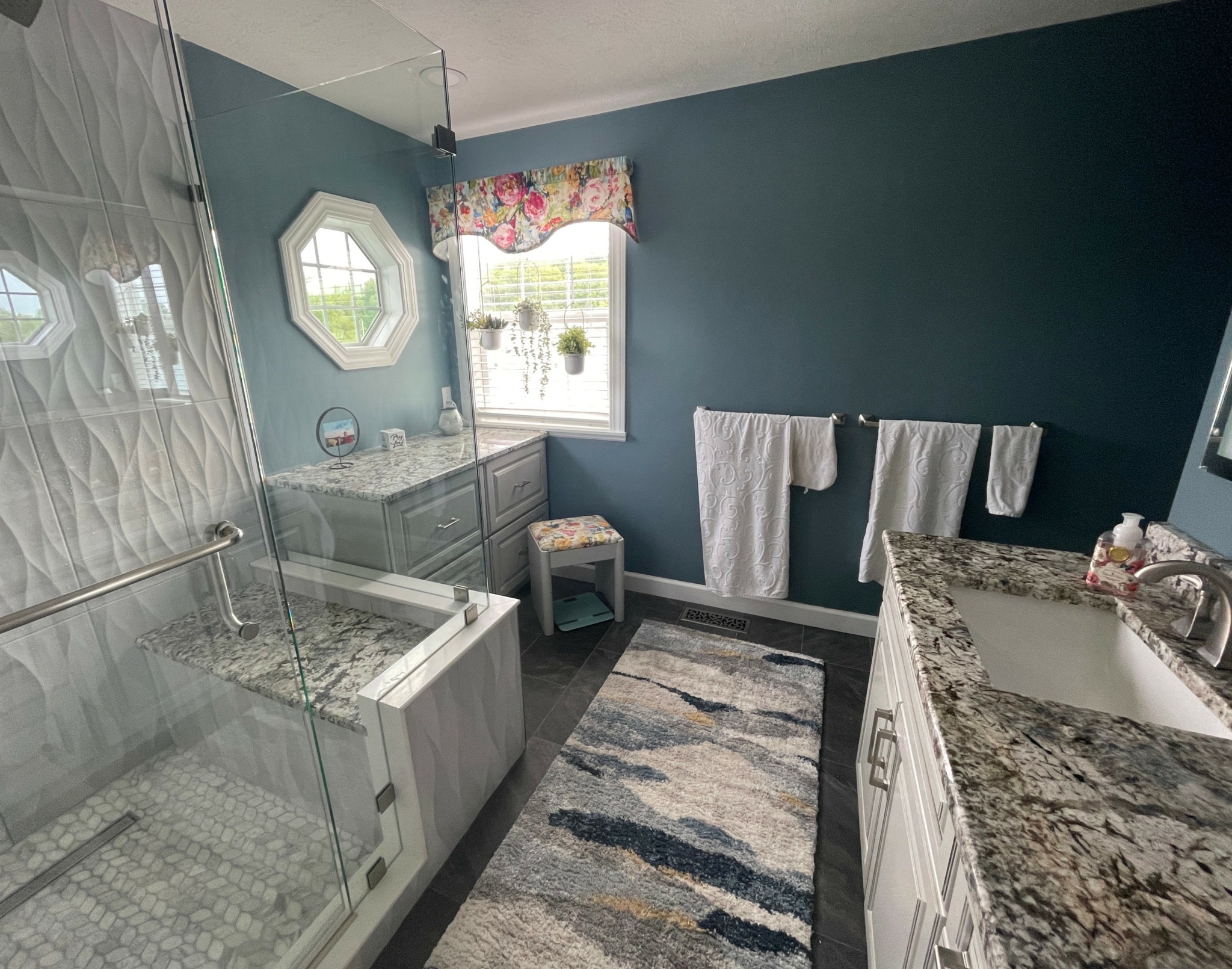


Image Credits
None