

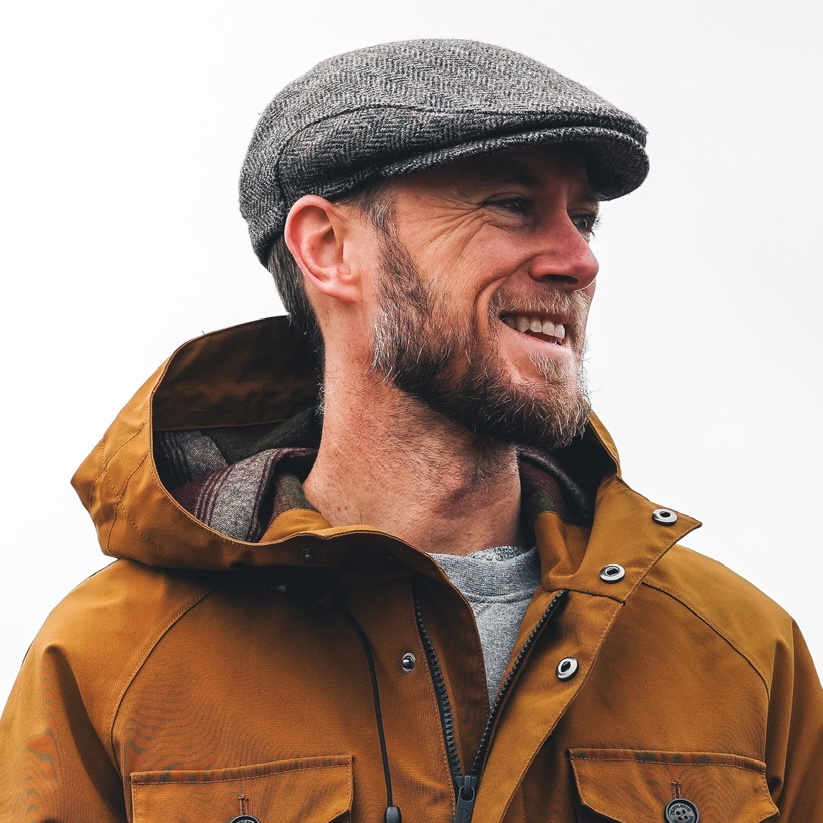

We recently connected with Zack Keller and have shared our conversation below.
Zack, thanks for joining us, excited to have you contributing your stories and insights. Was there an experience or lesson you learned at a previous job that’s benefited your career afterwards?
During my last two years at USC’s School of Cinematic Arts, I was lucky enough to be an editorial intern at Pixar Animation Studios. The world-class editors there let me be a part of the post-production process on films like Ratatouille, WALL-E and Up. Learning the basics at film school while also collaborating with these masters of the craft was the ultimate educational combo. Pixar was where I first learned a lesson which I took with me for the rest of my career:
A good idea can come from anywhere.
My first summer as an intern, I went to lunch with one of the feature directors to ask for advice about a career in the film industry. Instead, the director asked me, a 20-year old amateur film student, how I would place the camera to construct a scene. I was stunned. This director had won an Academy Award for Best Animated Feature and made one of my favorite films of all time… why was he asking me this? He may have just been humoring an aspiring filmmaker, but I later learned that the best directors (or any professionals, really) are enthusiastic collaborators who are endlessly curious about everyone else’s ideas and opinions. They have their own clear point of view, but they believe it can be made better by sourcing diverse individual experiences. That moment of humble equality between us two unequally competent filmmakers stuck with me. It was a critical lesson that I’m glad I learned early in my career, and ever since I’ve made it my mission to foster open, equal and constant collaboration with everyone I work with.
Zack, before we move on to more of these sorts of questions, can you take some time to bring our readers up to speed on you and what you do?
After Pixar, I moved to LA when my friend and creative partner, Ed Skudder, and I raised money to finance an animatic for a feature animated film we’d written. We spent a year making the animatic and were getting ready to pitch it to studios… then the 2008 financial crisis happened. Overnight, that movie and all of our hard work evaporated. But we had met so many incredible artists and studios during its development, that I had unknowingly made enough connections to get my start. Six Point Harness Animation — a studio that hired Ed to storyboard and animate — hired me as an editor on a television show, but I soon got the opportunity to pitch an animated YouTube series during a development program. The distributor, Mondo Media (of Happy Tree Friends fame) said, “If your first episode can get 100,000 views in a week, we’ll let you do another episode.” Our series, Dick Figures, about two stick figure friends named Red and Blue who are best friends and worst enemies, absolutely caught fire. The first episode did 100,000 views in a few days, so Mondo said we could do another… and another. Jump ahead five years and we had done 55 episodes, nearly a billion views, Kickstarted a feature film and been nominated for Annie, Streamy, and Webby awards. That series launched my career as a writer, director and creative director across tv, film, advertising, publishing and video games which I still do to this day… and it’s all because of some stick figures.
I’m incredibly proud of that series because it started as just two friends trying to make each other laugh. We knew that if the other laughed then someone else out in the world would laugh, too. Ed and I were each other’s first audience. We also knew that our show could get canceled at any moment so we always pushed to do the funniest, fastest, most “100% Ed & Zack” thing we could do because it might be our last chance. Dinosaurs. Aliens. Batman parodies. Our audience could literally watch anything on the internet at any time — we had to make every moment count. That show is really where I became a professional: an episode was due every two weeks so I had to write, storyboard, edit, animate, sound design, score, and master a completed 2-5 minute episode along with Ed and our team at Six Point Harness. I learned to do the best job I possibly could and then move on.
I’ve had the privilege of working in all the capacities mentioned above, and at such incredible places as The Jim Henson Company, Dark Horse Comics, Telltale Games, and King, too, each teaching me a new skill or way of thinking. This has turned me into something of a creative Swiss Army Knife, giving me unique tools for solving creative and professional problems across styles, genres and mediums. It’s like that old adage: “If you’re a hammer, every problem looks like a nail.” Well, if you’re a Swiss Army Knife, you have more — and I believe better — options for solving problems and creating compelling stories for audiences.
How about pivoting – can you share the story of a time you’ve had to pivot?
Intentionally and unintentionally, I’ve pivoted several times in my career and it has always led to something better. I try to remember that whenever life throws me a curve ball. In 2018, I was the Lead Writer at Telltale Games on a Stranger Things game. I was working on a property I loved with a fantastic team of gamemakers, many of whom were my close friends, when the company suddenly and unexpectedly closed. It was a tragic day for so many talented people, but the outpouring of support from everyone across the games industry was something I will never forget. It felt like every company in the world reached out to help find all several hundred of us a new job because they respected the work we did and the games we made.
It was during that period that I was contacted by King, the makers of Candy Crush Saga, because they were looking for a Narrative Director for their New Games division. Specifically, they needed someone with experience in narrative design and developing original IP for global franchises. They were looking for someone just like me. All those years developing skills across transmedia had prepared me to be the right person at the right time. I spent the next seven years developing original games for King, one of which became Candy Crush Solitaire, before becoming the Narrative Director for Candy Crush Saga, helping build out the characters, locations and lore of a candy-coated world played by over 200 million people. Back when I started as an intern at Pixar, I never could have imagined I would be creating stories for a Match-3 mobile game 20 years later. But when I step back and think about it: all these career twists and turns have braided together to make me the creator I am today, and given me the opportunity to work with wonderfully talented people across industries and all over the world.
For you, what’s the most rewarding aspect of being a creative?
The collaborative process itself — working with brilliant, hilarious, energetic, thought-provoking, strange, and curious people — is just so fun. It’s fun because it’s play. You feel like a kid again when you’re all in a story room together trying to one-up each other with the funniest joke, the most interesting reveal, or the perfect ending. In the best rooms, there’s a dynamic energy that feels alive and you’re just so excited to see what will happen next. You take all that madness, all that clay, and spend months or years shaping and refining every little bit until you’ve got something you’re all proud of. As Robin Williams said, “We’re all given one little spark of madness. We mustn’t lose it.” Making things I love with people who are just as passionate as I am is like breathing new life into that spark.
Contact Info:
- Website: http://www.zackkeller.com
- Instagram: https://www.instagram.com/zfkeller/
- Linkedin: https://www.linkedin.com/in/zackkeller/
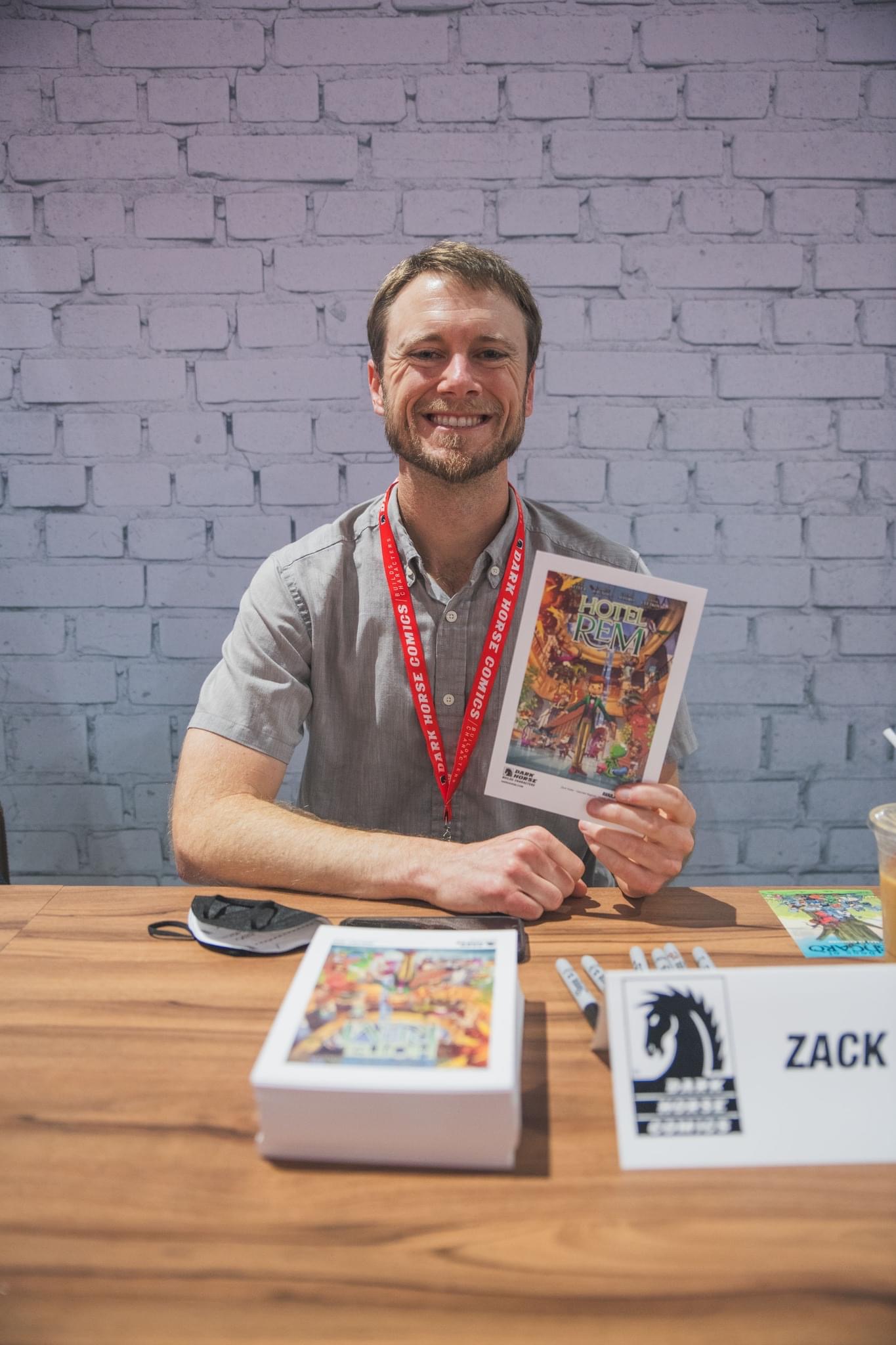
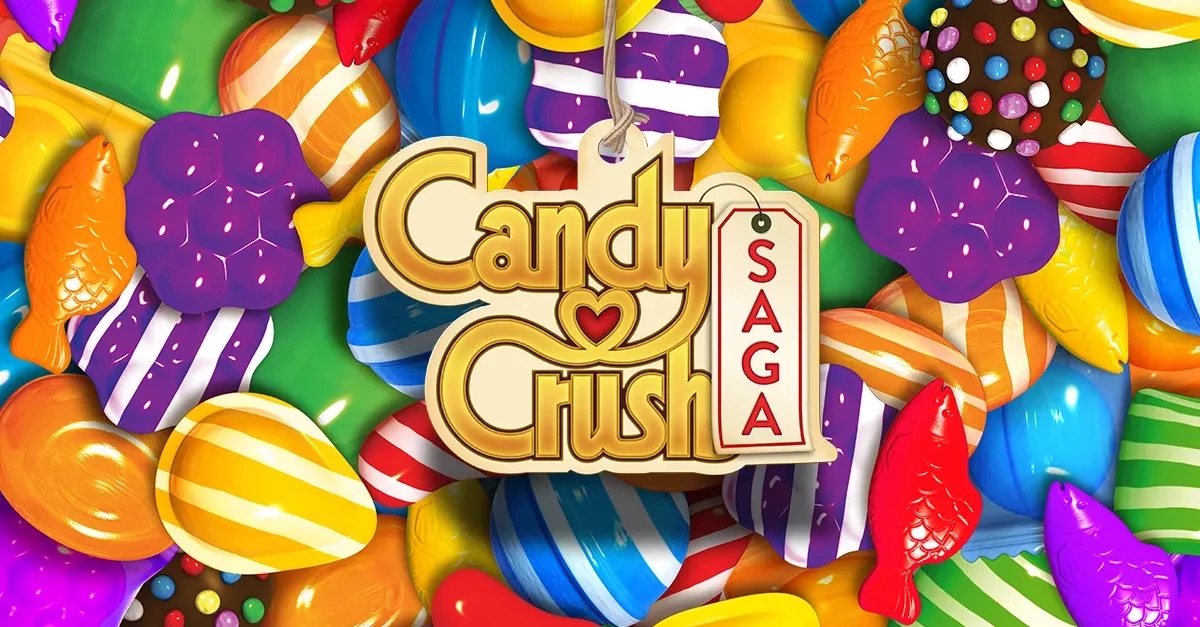
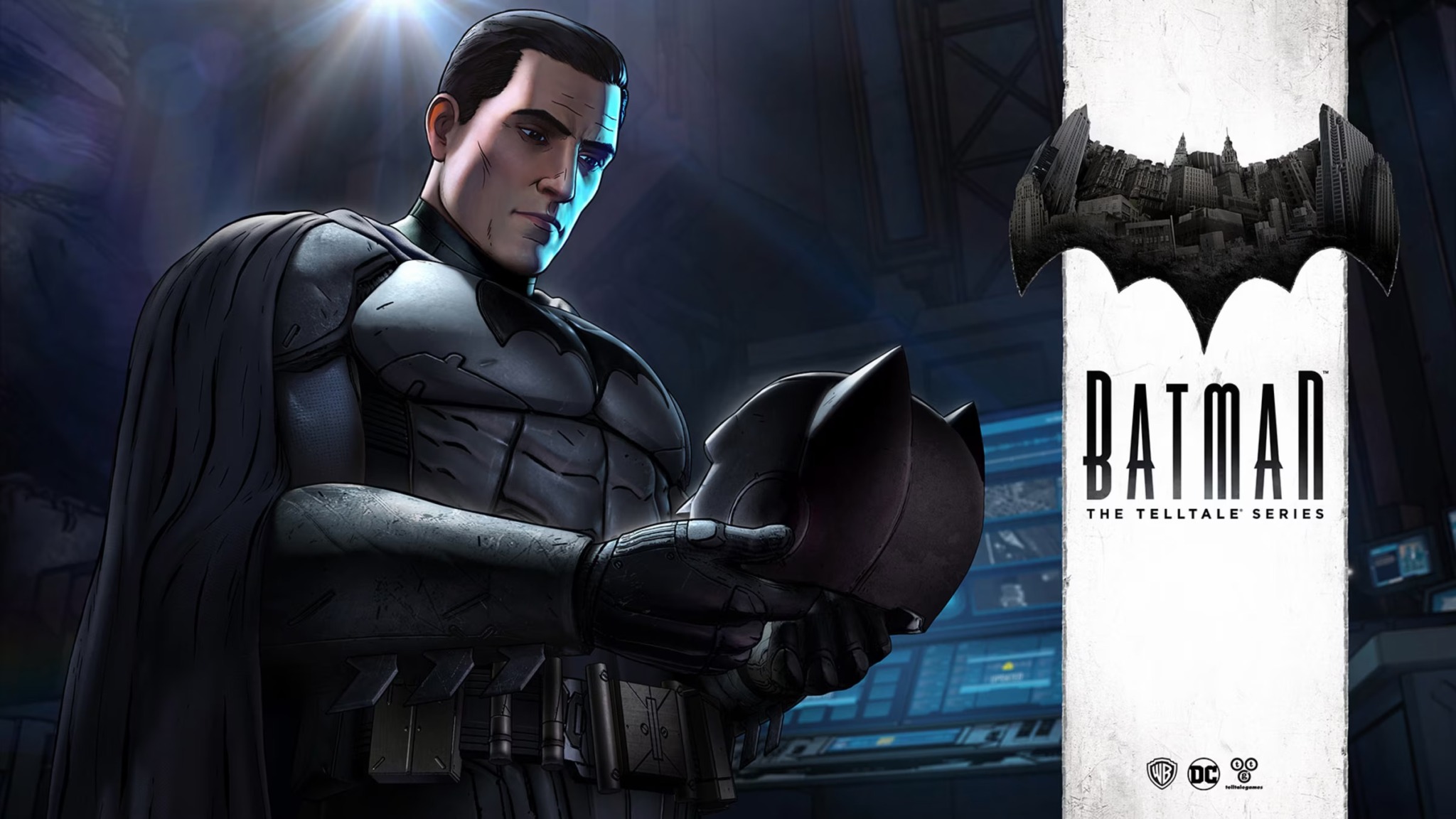
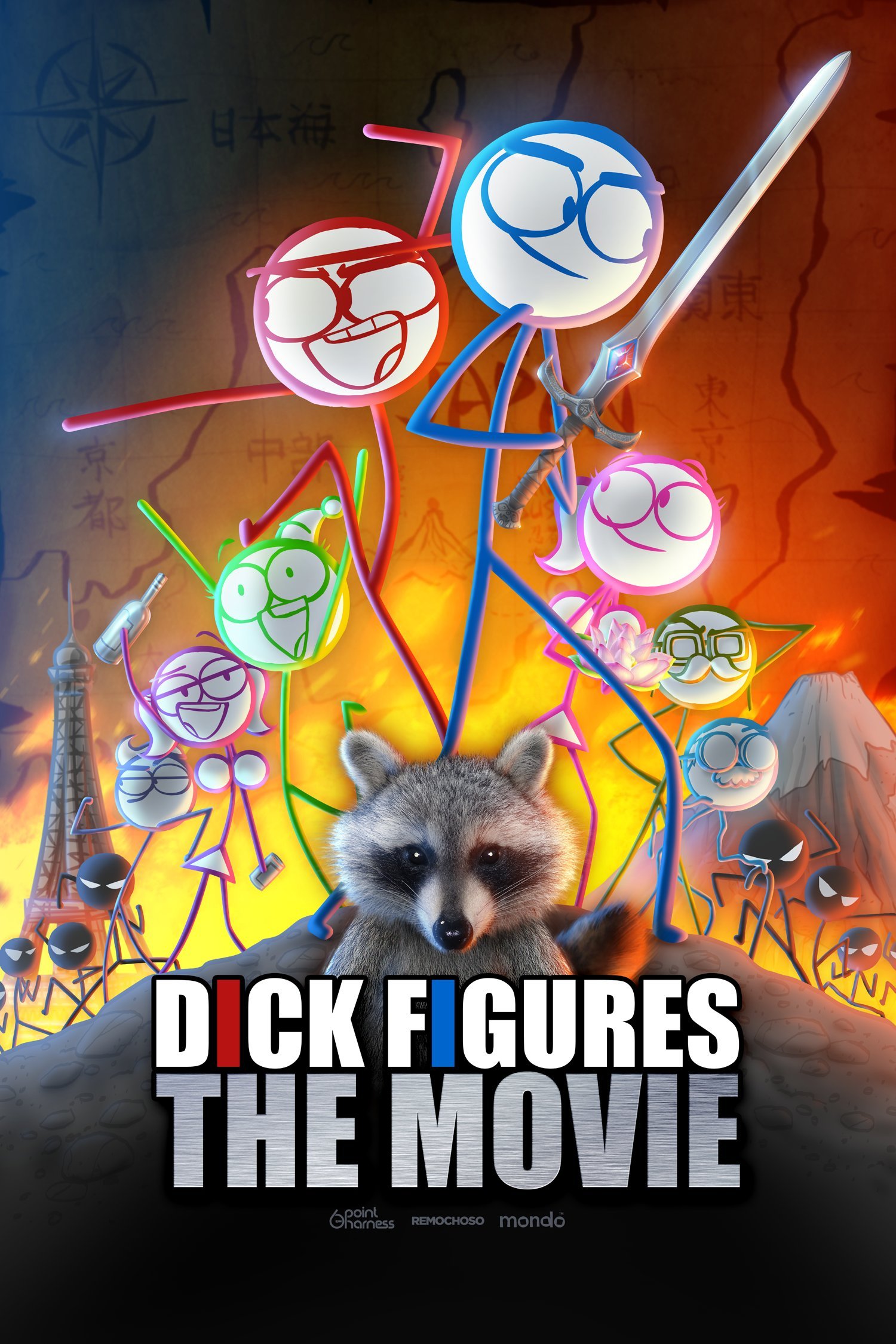
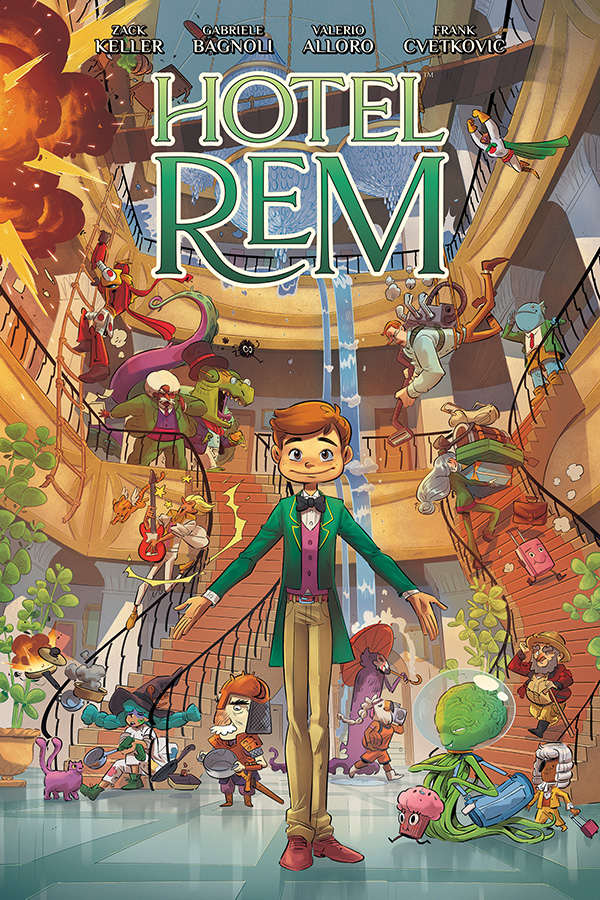
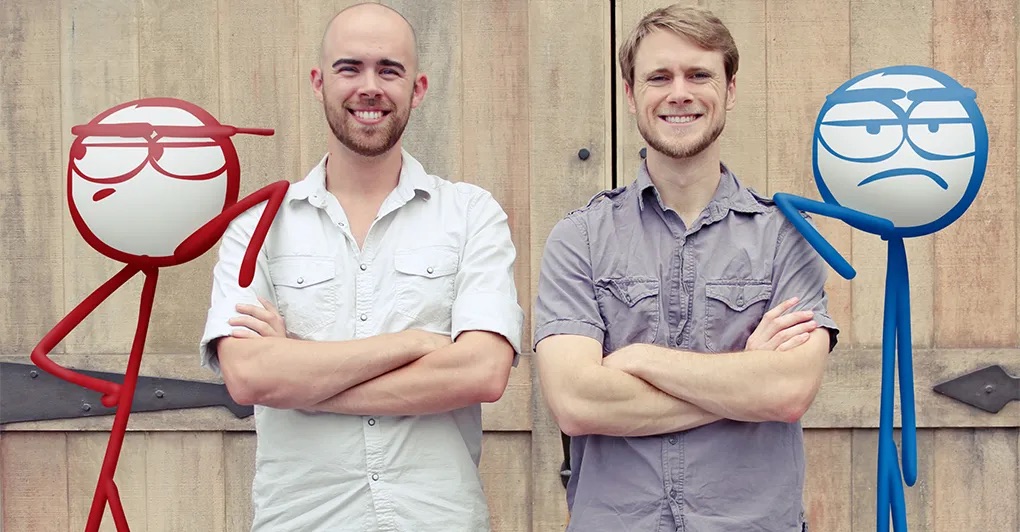
Image Credits
Zack Keller