

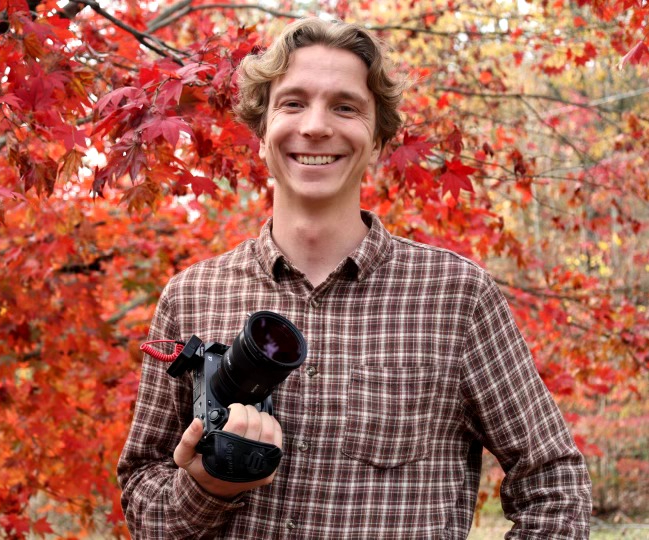

We caught up with the brilliant and insightful Zachary Kanzler a few weeks ago and have shared our conversation below.
Zachary, thanks for joining us, excited to have you contributing your stories and insights. Do you take vacations? How do you keep things going – any advice for entrepreneurs who feel like they can’t step away from their business for a short vacation?
One of the most difficult things about running your own business, especially in the creative sphere, is managing your time. While scheduling, I often come across what I call “limbo weeks”, sections of time where I have no filming opportunities and no editing to get done. This time is limbo because in theory I could look up cheap flights and head off on a vacation; however, I could just as easily get a call right before, or even during that time with an opportunity. When I first started working for my self more often than not I ended up spending the time wishing I was taking a break, but trapped in fear that I might miss something. Over the years I’ve learned that opportunities come and go and that life comes before work. Isn’t the reason we work so hard so that we can enjoy ourselves? Now, my partner Eli Pillaert and I take time off throughout the year and often spend at least a month traveling over the summer. When I get calls during a vacation, I let the client know when I’ll be back, and if that doesn’t work for them I refer to a friend. Eventually that friend won’t be available for a job and they will refer me. When we prioritize ourselves and our relationships things work out for the best.
Zachary, before we move on to more of these sorts of questions, can you take some time to bring our readers up to speed on you and what you do?
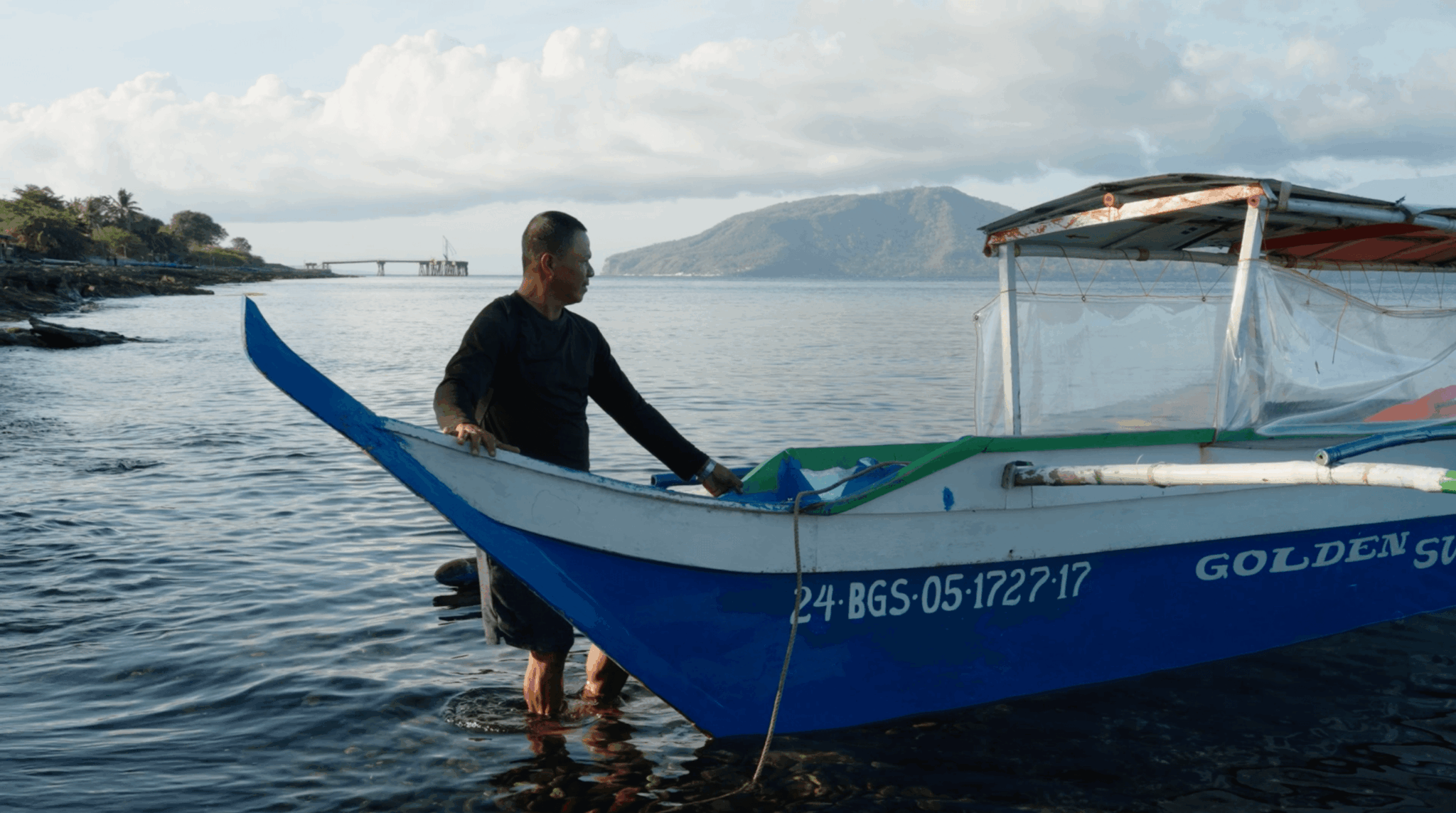
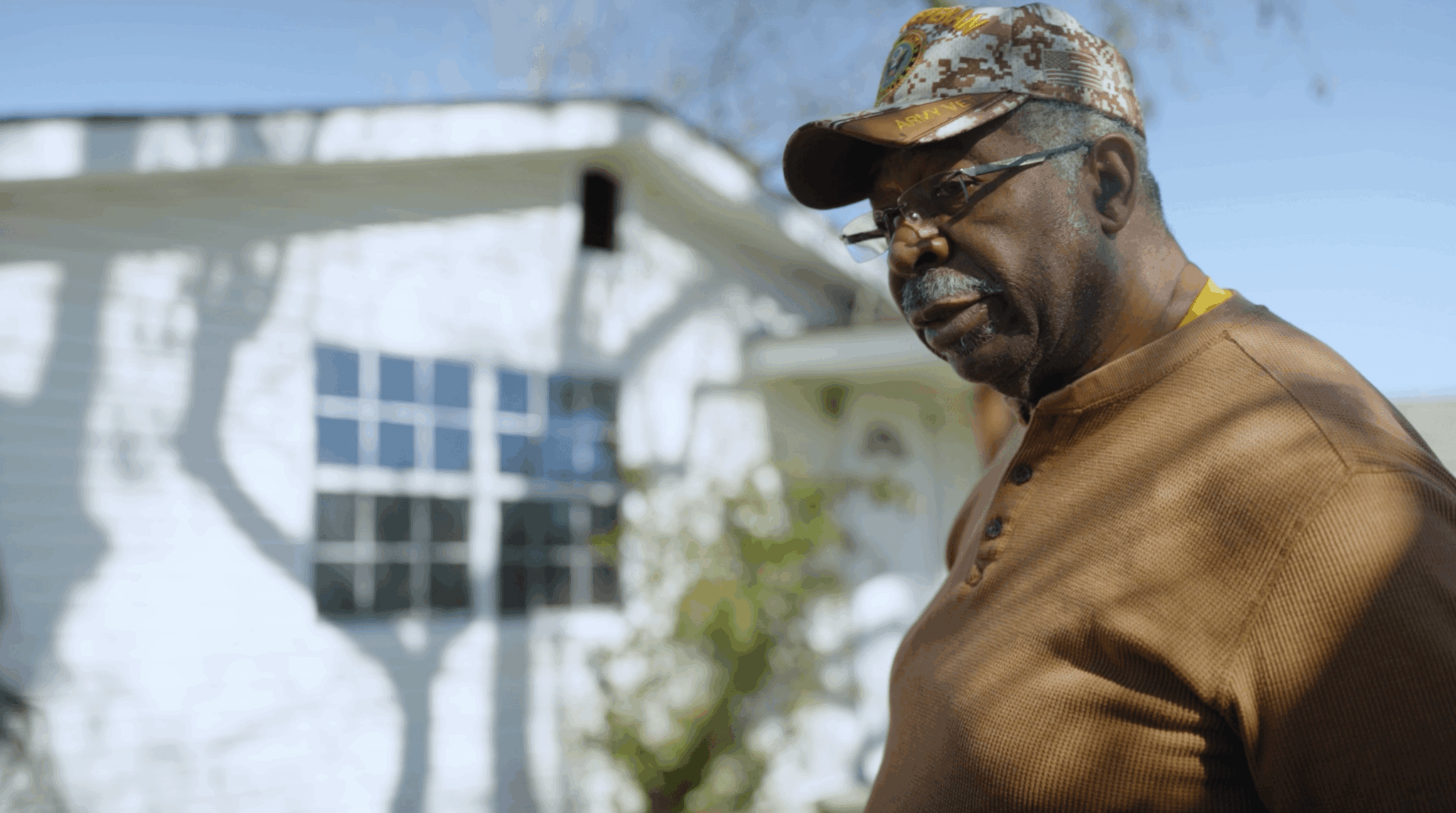
I am first and foremost a cinematographer, a person who finds captivating images in the world and prints them digitally into light, sound, and movement. How I got here is a bit of a winding road. I was never particularly interested in films or filmmaking. What I was interested in, and forever will be, is the environment, people, and their relationship to industry. As a young person concerned about climate change, but enveloped in the age of misinformation, I picked up a camera in search of some sort of truth. I began working on local issues and volunteered my time specifically to aid in the fight for a fully funded relocation for the residents of Gordon Plaza, a community on top of a superfund site in New Orleans. That struggle taught me everything I know about working in community and sending a clear message. Trust and care are the most important things when working with people. Clarity is the most important thing when communicating. As a storyteller, carrying those things in your heart will take you as far as you would like to go. The technical knowledge and the money follows. I don’t network, advertise, or anything like that. I’m kind to everyone I meet and I really care about what I do. The right people value that and those people have valued me. My work has brought me throughout the American South and recently to Japan and the Philippines with the Climate Listening Project for the upcoming documentary “Apology to Earth”. I am in love with the beauty of nature. When creating for myself, that is always the focus. I will never cease to be amazed by the world around me. I think that love does translate into the things I produce for clients and helps my work standout in a visual way.
Can you talk to us about how your side-hustle turned into something more.
Starting my career as a side hustle allowed me to save up the money I needed for equipment and the cost of living between gigs without taking loans. I was fresh out of college, it was the first year of COVID, and I was working at a cafe. I knew that I wanted a creative career and that I would never be happy working a fixed schedule. I worked a lot and used my time away from the cafe to either pick up photo/video work or practice my skills. I taught myself a lot of things about filmmaking during that time. The side hustle era is a great time to learn because you aren’t worrying about making ends meet. It was a difficult time and I had a lot of doubts about making the leap into full-time creative work even once I had the money saved. Also my boss was always telling me that creatives never make it, no one will care about your work but you, etc. etc. But the great thing about having the money saved vs taking a loan was that it really wasn’t a leap. If things didn’t work out, I would just have to get another job. I still tell myself that when the calls stop coming I’ll pack it up and find a real job, but five years later and things are going great! Slow times are real. I’ve had month, two month long stretches with no work. But something always comes along and I always make sure to have at least 6 months living expenses saved.
Is there something you think non-creatives will struggle to understand about your journey as a creative?
There is so much pressure to work. There is so much pressure to make money. Most career journeys are oriented around making money. That is the ultimate, insatiate goal. I try and think about money as little as possible. When I have obsessed about money, my work ends up lacking the creative element that it needs. My ultimate purpose in life is to help people, spread awareness about important issues, and enjoy myself. I think friends and other professionals are sometimes confused about how I spend my time, and then are equally confused when I still manage to find success. Money and happiness together are byproducts of leading a good life. It’s almost like chemistry. When trying to produce one directly, you never get the other. It’s only through creating something else that they both seem to appear and coexist.
Contact Info:
- Website: https://www.kanzlerproductions.com
- Instagram: @zachary_kanzler
- Youtube: @zacharykanzler9501
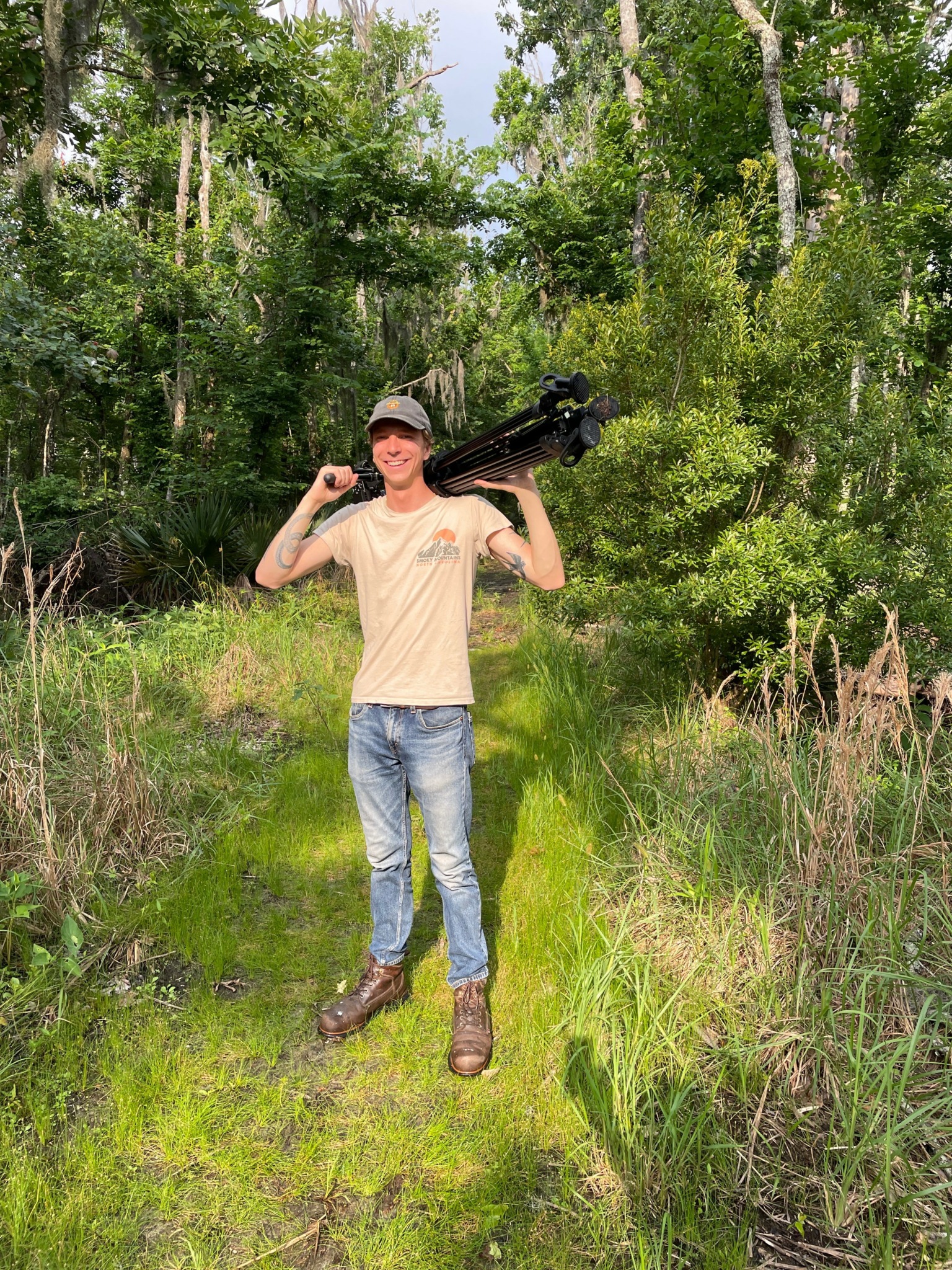
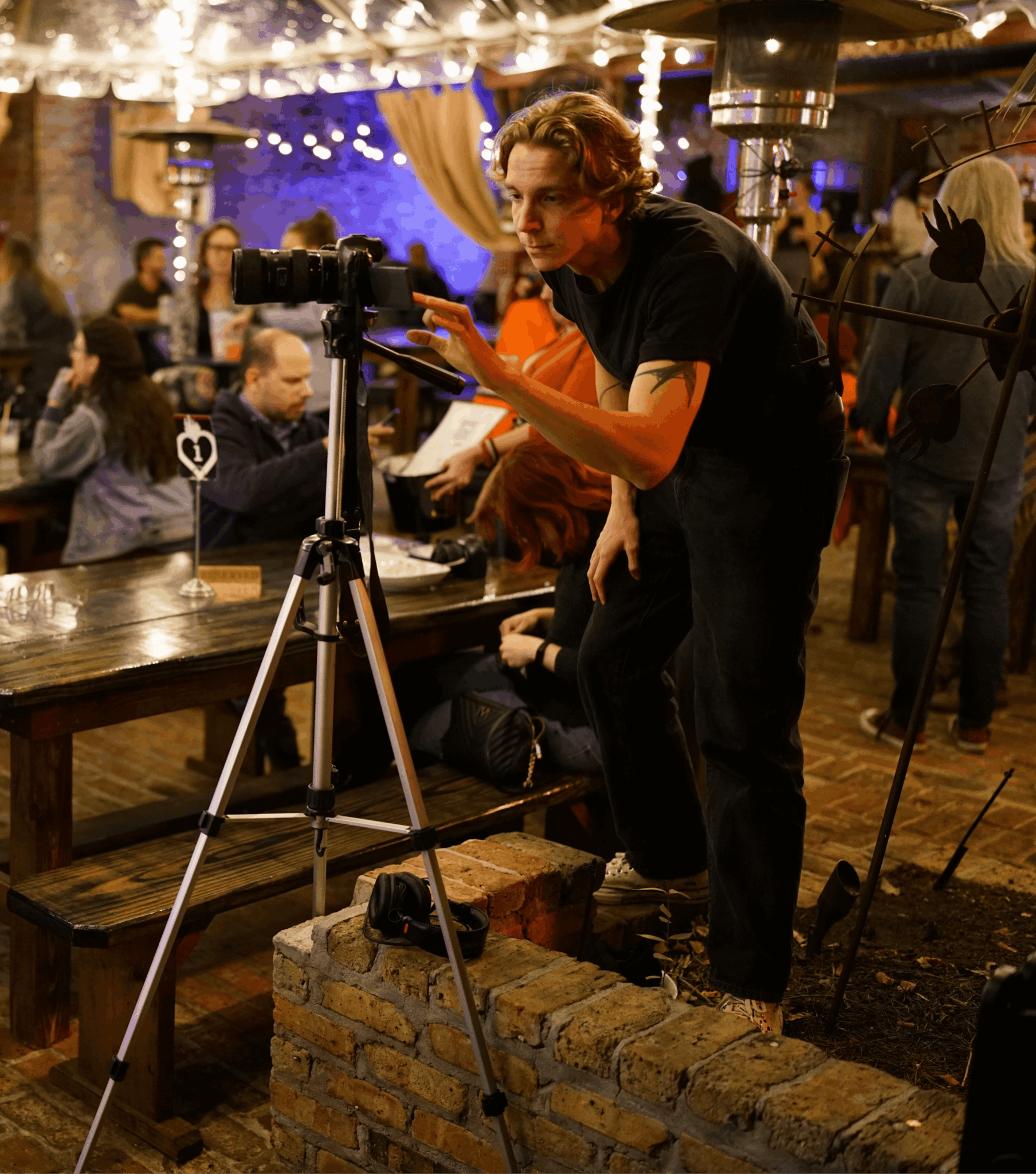
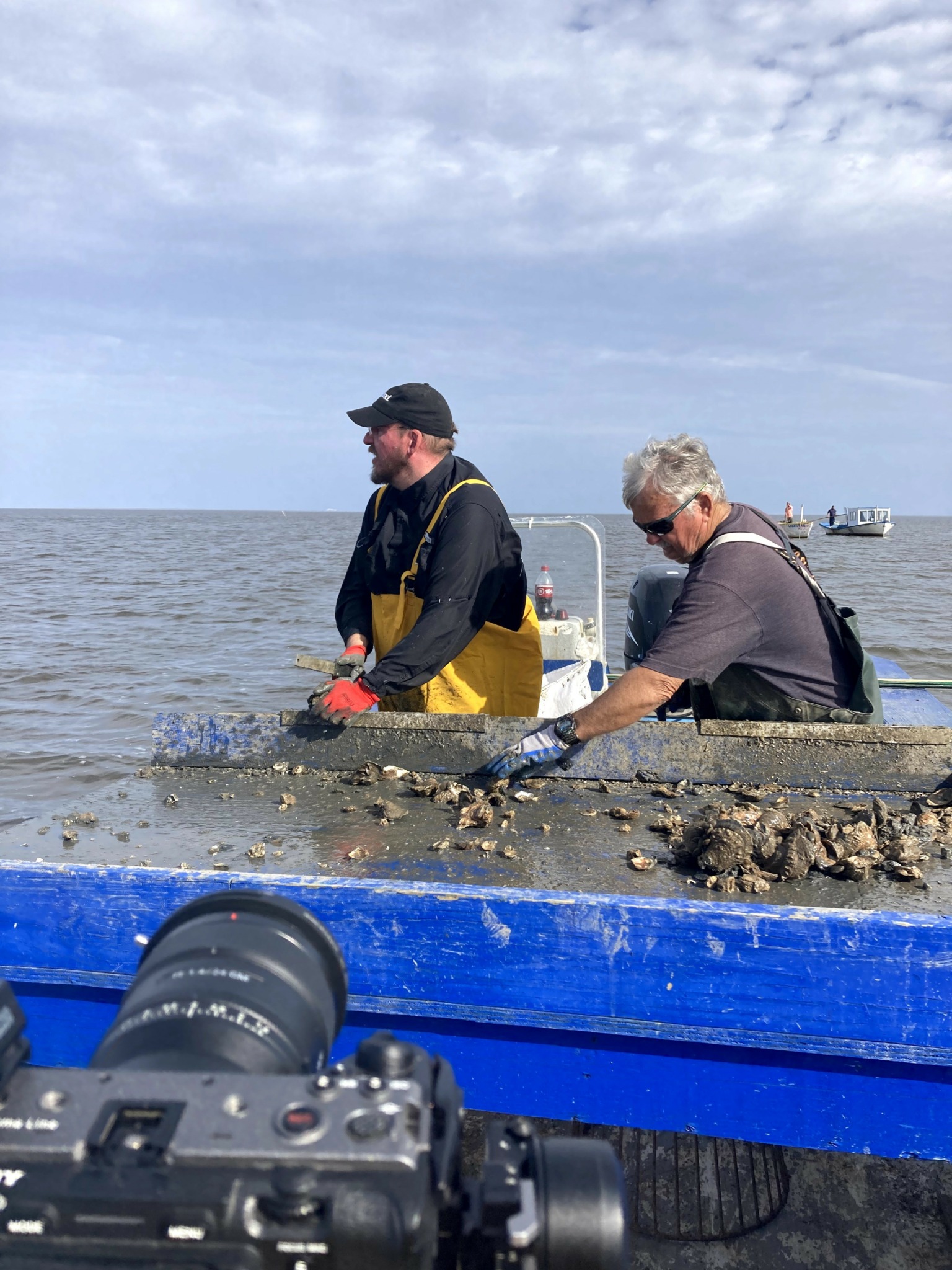
Image Credits
Dayna Reggero
Michael Alford
Eli Pillaert